7 Signs Your Plant Is Struggling In Florida Heat (Before It’s Too Late)
Florida heat does not announce itself politely. One week your plants look fine, the next something is clearly off and you are trying to figure out how long it has been that way and what you missed.
By the time most Florida gardeners notice a problem, the plant has already been struggling for longer than the visible signs suggest. That gap between what is happening and what you can see is where Florida summers do the most damage.
Plants send signals before they reach a crisis point, but those signals are easy to misread, easy to dismiss, or easy to confuse with something else entirely. Knowing what to look for changes the outcome.
Catching heat stress early gives you real options. A few targeted adjustments at the right moment can turn things around in ways that waiting simply does not allow for.
Seven signs are worth checking right now, before the season gets any harder on your plants.
1. Leaves Curl Before The Whole Plant Wilts
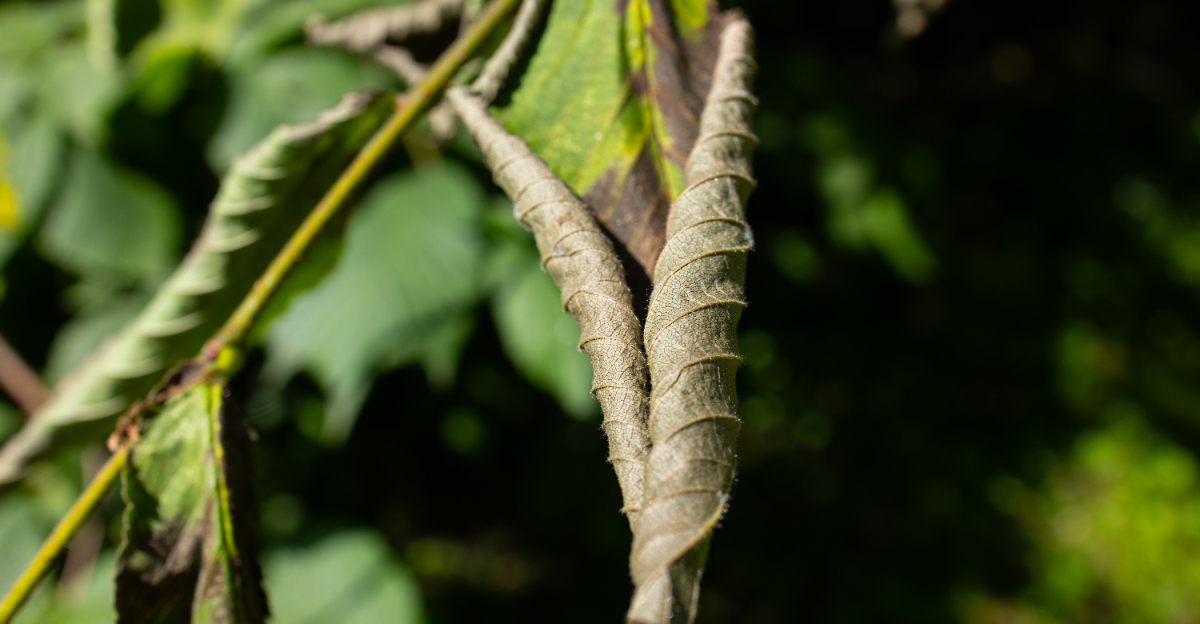
A curled leaf at midday is one of the earliest signals that a plant is working hard to cope with heat. When temperatures climb and the sun beats down, some plants fold or cup their leaves inward to reduce the surface area exposed to direct light.
This is a built-in survival response, not always a sign that something is seriously wrong.
The problem is that curling can also mean the roots are struggling to pull up enough water to match what the leaves are losing. In this state’s summer heat, that gap between water loss and water uptake can happen fast, especially in sandy soil or small containers.
A plant that perks back up in the evening after curling midday is likely managing okay. One that stays curled even in cooler morning hours may need closer attention.
Before assuming heat is the only cause, check the whole plant carefully. Herbicide drift, root damage, certain fungal issues, or pest feeding can all cause similar curling patterns.
Look at the undersides of leaves for pests, check nearby plants for similar symptoms, and feel the soil a few inches below the surface before reaching for the hose.
Practical steps include watering deeply rather than lightly and often, which encourages roots to grow downward where soil stays cooler. Move containers to a spot with afternoon shade if curling is severe.
Avoid pruning curled growth aggressively during stress. Adding a layer of mulch around the base of in-ground plants can help hold moisture and reduce soil temperature.
That gives roots a more stable environment during the hottest weeks.
2. Brown Edges Show Heat Stress Early
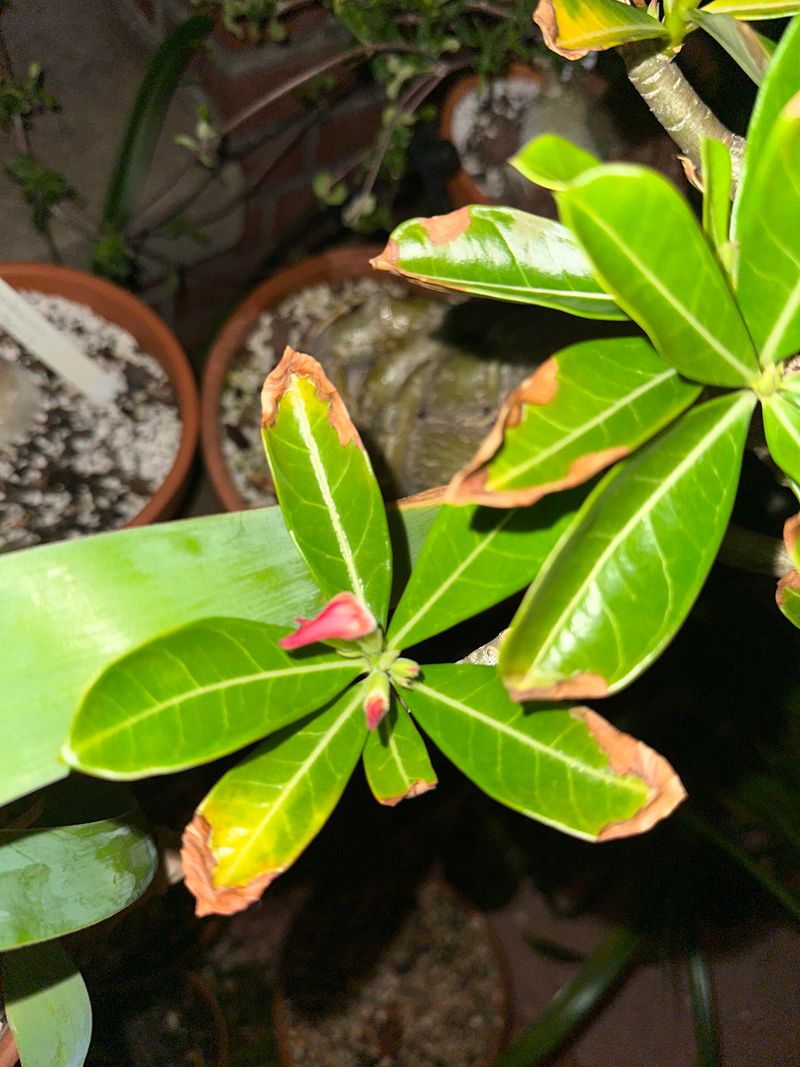
Crispy edges after a hot week are hard to miss, and they often show up before any other part of the leaf looks troubled. Brown leaf tips and scorched margins are common in summer, and they can come from several different directions at once.
Harsh afternoon sun, reflected heat from walls or concrete, dry wind, underwatering, or salt buildup in container soil can all push leaf edges toward that telltale brown.
Your Florida Garden Changes Every Week. Your Plan Should Too.
Gardening in Florida changes quickly throughout the season. Every Friday you’ll receive a simple weekly plan showing exactly what to plant, prune, fertilize, harvest, and protect so you never miss the right timing.
Root stress is another factor. When roots cannot pull water fast enough, the edges of leaves are often the first tissue to dry out because they are the farthest from the water source.
In this state, sandy soil drains quickly and can leave roots temporarily dry even after rain or irrigation. That brief dry period, repeated often enough, shows up in the margins of leaves over time.
Pattern matters when reading brown edges. If older, lower leaves are browning while new growth looks healthy, natural aging or nutrient movement may be at play.
If browning is widespread across the plant and moving inward from the edges, heat or moisture stress is more likely.
Salt buildup in container soil is a separate issue that can mimic heat scorch, and flushing the pot thoroughly with plain water can help in those cases.
Reducing afternoon sun exposure is a good first step for container plants. Check that irrigation is actually reaching the root zone, not just wetting the soil surface.
Improve mulch depth around in-ground plants to slow moisture loss. Trim only fully brown, deceased tissue when appropriate, and avoid heavy pruning while the plant is already under stress.
3. Flowers Drop When Roots Cannot Keep Up
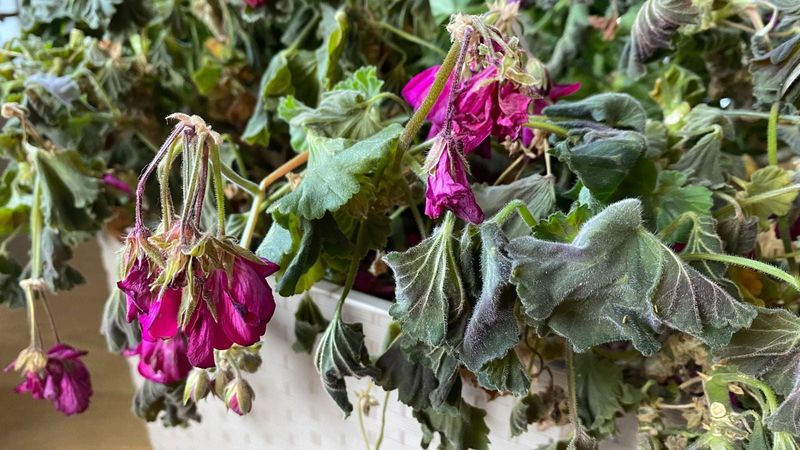
A pot that dried out overnight and dropped half its blooms by morning is a frustrating sight. Bud drop and blossom drop during Florida summer heat are more common than many gardeners expect, and they often happen fast.
When roots cannot supply enough water to support both leaves and flowers, the plant makes a choice and flowers are usually the first thing to go.
Container plants face this challenge more intensely than in-ground plants because their root zone is limited and exposed to heat on all sides.
Sandy soil in garden beds drains so quickly that newly planted flowers may not have enough established root spread to stay hydrated through a hot afternoon.
Even plants with regular irrigation can drop blooms if the root system is small, damaged, or stressed by compacted or waterlogged soil.
Not every case of flower drop is a crisis. Some plants naturally slow or pause their blooming during the hottest weeks of summer.
Impatiens, for example, often rest during peak heat and resume when temperatures ease. Knowing which plants naturally cycle through summer is helpful before assuming something is wrong.
Keeping soil moisture more even is the most reliable fix. Mulch around the base of flowering plants slows evaporation and keeps root-zone temperatures more stable.
Moving containers away from reflected heat off walls or pavers can make a noticeable difference.
Avoid applying heavy fertilizer when a plant is already stressed by heat, since pushing new growth at the wrong time adds pressure to an already strained root system.
Choosing heat-tolerant bloomers like pentas, portulaca, or vinca for summer color can reduce this problem in future plantings.
4. New Growth Slows Even With Regular Watering
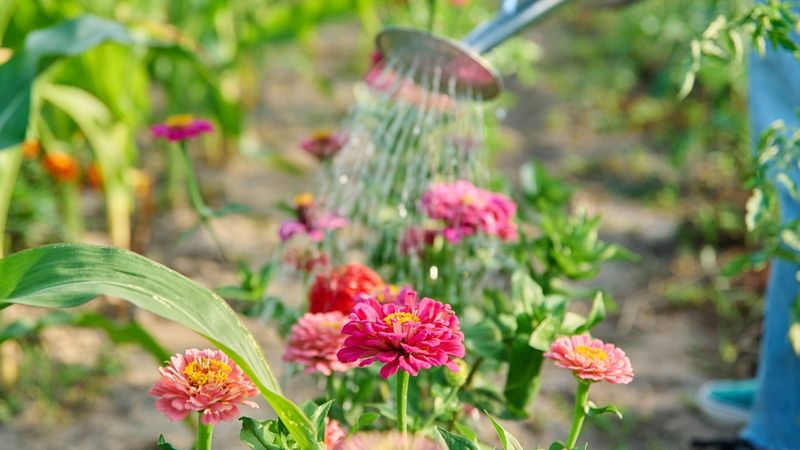
A stalled transplant sitting in the same spot for weeks without pushing a single new leaf can feel puzzling, especially when you have been watering consistently.
Slowed or stopped growth during summer heat is a real pattern, and regular watering is not always the same as effective watering.
In sandy soil, water can move through the root zone so fast that roots stay dry between waterings, even if the surface feels moist.
Extreme Florida heat, especially combined with warm nights, puts a strain on many plants that prefer cooler conditions for active growth. Root stress from poor drainage, compacted soil, or a container that has become root-bound can also limit uptake.
The plant may not take up enough water and nutrients, regardless of how often you water. Nutrient deficiencies, wrong plant placement, or a recent transplant shock can all contribute to that stuck, stagnant look.
Checking root-zone moisture a few inches below the surface is more useful than checking the top layer. Push a finger or a moisture probe into the soil to see what is actually happening where the roots are.
Containers sitting on hot concrete absorb heat from below, which can raise root temperatures to damaging levels even when the air feels manageable.
Improving soil cover with mulch helps moderate root-zone temperature and moisture.
Evaluating drainage and avoiding overwatering are both worth doing before adding fertilizer, since feeding a stressed plant with poor roots rarely speeds recovery.
In most cases, the best step is to wait for slightly cooler or less intense weather before major pruning, repotting, or transplanting. Let the plant stabilize on its own schedule.
5. Soil Dries Faster Than The Plant Can Recover
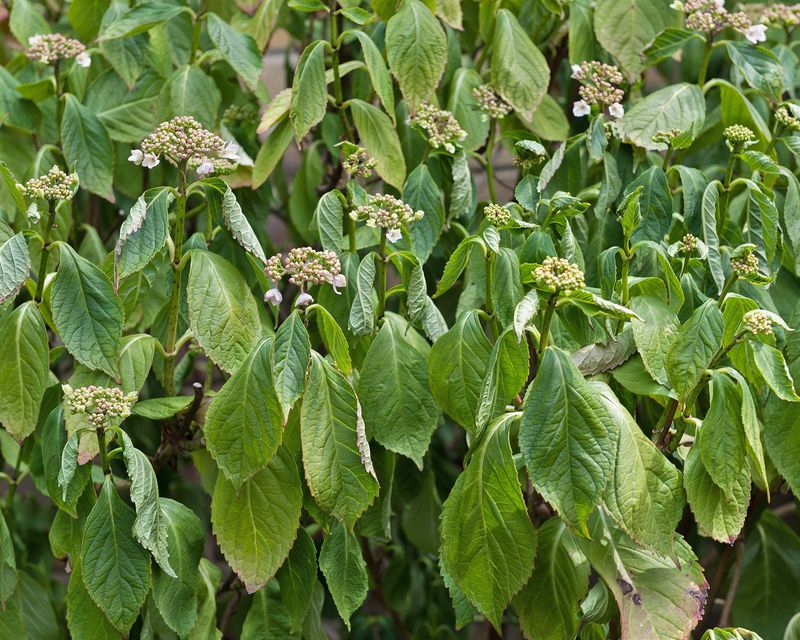
Soil that goes from damp to bone dry within a day or two is one of the quieter signs of summer stress, and it is easy to overlook until a plant starts wilting. This state’s sandy soil is naturally fast-draining, which is helpful in heavy rain but challenging during dry spells.
When soil dries faster than a plant can recover, the root system is essentially playing catch-up all season long.
Small containers on exposed patios are especially vulnerable. A dark-colored pot sitting in direct afternoon sun can heat the soil inside to temperatures that stress roots directly, even if the air temperature seems manageable.
Raised beds, slopes, and bare soil with no mulch cover all lose moisture more quickly than shaded, mulched ground. Surface soil can look and feel dry while the deeper root zone still holds some moisture, so checking below the top inch or two gives a more accurate picture.
Misleading surface moisture is a common reason gardeners either overwater or underwater. Watering lightly and often can keep the surface damp while leaving deeper roots dry.
Watering deeply and less frequently, when the soil actually needs it, encourages roots to grow deeper where conditions are more stable. A rain gauge or soil moisture probe can help remove the guesswork from this routine.
Using larger containers for plants that tend to dry out fast gives roots more volume to draw from between waterings. Adding compost to new garden beds improves water retention in sandy soil over time.
Mulching the soil surface with a few inches of organic material is one of the most effective steps for slowing moisture loss during summer heat. It is also supported consistently by UF/IFAS guidance for this state’s home landscapes.
6. Faded Color Means Sun Exposure May Be Too Harsh
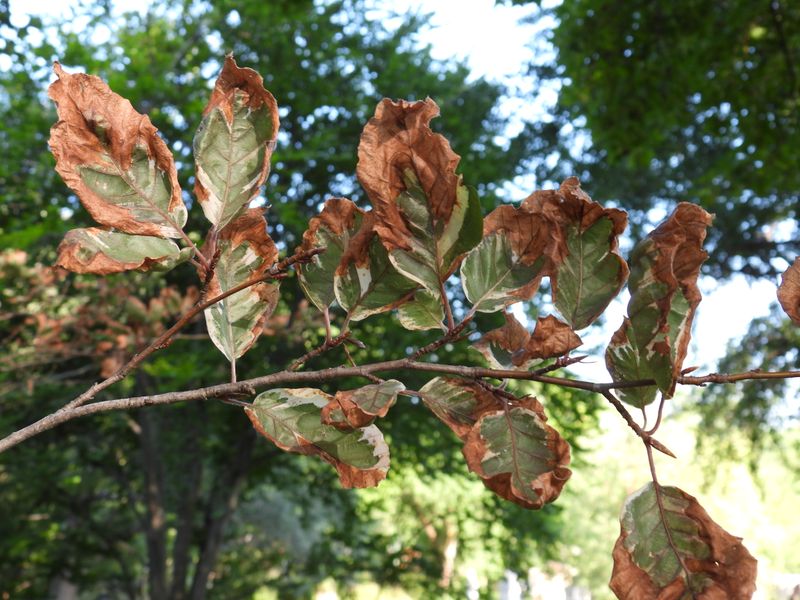
A washed-out patio container that looked rich and vibrant in spring can be a striking contrast to what shows up in July. Faded leaves, bleached foliage, and flowers that lose their color faster than expected are all warning signs.
They may mean sun exposure has become too intense for that particular plant. Intense light combined with reflected heat from concrete, stucco walls, or glass can push plants past their comfort zone without any obvious wilting.
This kind of color loss is different from nutrient deficiency, which often shows up as yellowing between leaf veins or uniform paleness across the whole plant.
Sun bleaching tends to appear on the most exposed surfaces first, with the tops of leaves or the side facing the afternoon sun showing the most fading.
Some plants that handled a sunny spot well in spring may struggle in the same location once summer sun angles shift and temperatures rise.
Not all plants need shade to recover. Some established, heat-tolerant plants will hold their color through summer if they are watered correctly and have enough root depth to stay hydrated.
The issue is often about matching the plant to the actual light pattern rather than assuming more sun is always better. Morning sun with afternoon shade is a sweet spot for many ornamentals in this state’s summer conditions.
Shifting containers to a spot that gets filtered afternoon shade is one of the simplest fixes. Adding a shade cloth over vulnerable beds during the hottest weeks is another option.
Replacing weak seasonal plants that fade badly in summer with heat-tolerant alternatives reduces the frustration of watching color disappear.
Matching plants to the real conditions in your yard, rather than where you want them to look good, leads to stronger results across the season.
7. Pests Move In When Heat Stress Weakens Plants
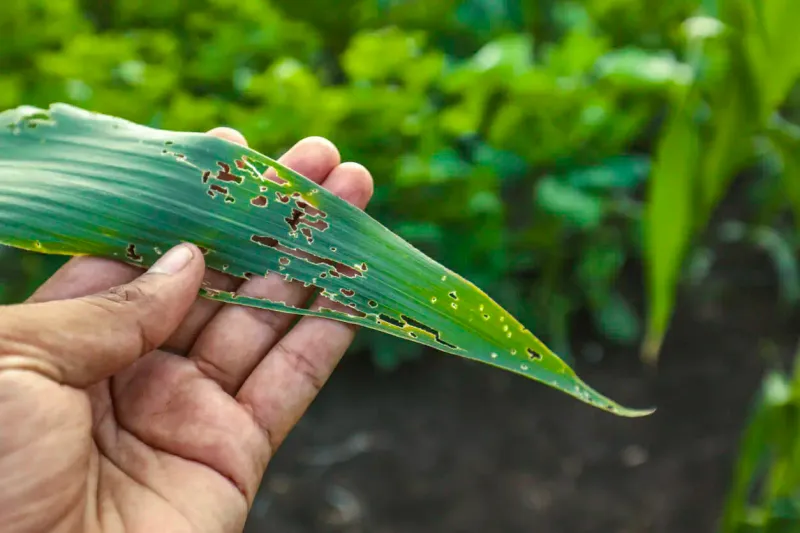
A pest check under the leaves of a struggling plant sometimes reveals the real story behind what looked like pure heat damage.
Spider mites, aphids, whiteflies, scale insects, and mealybugs are all capable of moving in when a plant is already weakened by heat stress.
Stressed plants may produce less of the natural compounds that help resist pest pressure, making them easier targets during the hottest part of the year.
The tricky part is that pest damage can look almost identical to heat stress. Stippled, pale, or distorted leaves from spider mite feeding can resemble sun bleaching.
Sticky residue on leaves or nearby surfaces often points to aphids, whiteflies, or scale rather than heat alone. Check the undersides of leaves, along stems, and around new growth.
That is the most reliable way to separate pest damage from environmental stress before deciding on a response.
Reducing plant stress is the first step, not reaching for a pesticide. A plant that is watered well, mulched, and placed in appropriate light is better equipped to handle low pest pressure on its own.
Strong sprays of water can dislodge soft-bodied insects like aphids and mites from many plants, and this approach is low-risk and often effective as a starting point.
Light selective pruning of heavily infested new growth can help reduce pest populations without stressing the plant further.
Avoid applying broad-spectrum pesticides unnecessarily, since they can also affect beneficial insects that naturally keep pest populations in check.
For specific pest identification and treatment options, UF/IFAS Extension resources and local county Extension offices provide guidance. Their advice is tailored to the plants and pest species common in this state’s landscapes.