These Are The Florida Native Shrubs That Give Painted Buntings The Cover They Need
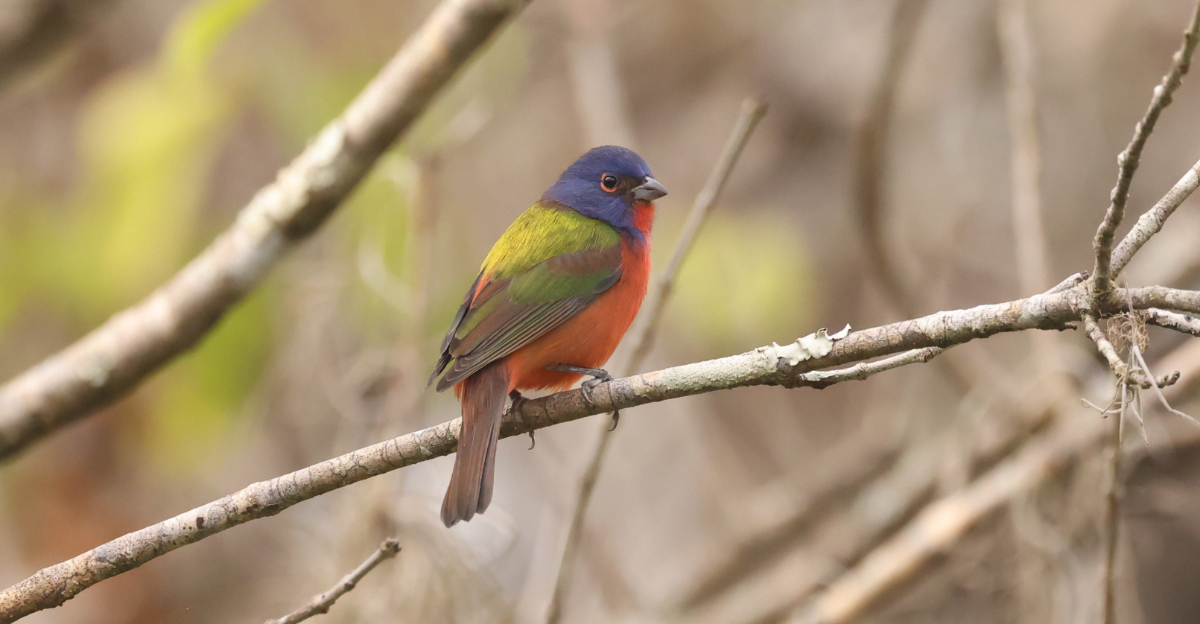
Painted buntings are cautious birds. That extraordinary color comes with a price, and they know it.
Out in the open, a male painted bunting is one of the most visible targets in the Florida yard, so they stick close to dense cover, dart in quickly, and retreat fast. A yard without the right shrubs is a yard they pass through rather than settle into.
Cover is not just a nice addition for painted buntings. It is a requirement.
The difference between a yard they visit once and a yard they return to consistently often comes down to the shrubs that are growing. It also depends on how much protected space those shrubs actually create.
Florida native shrubs tend to hit that mark better than ornamentals because they grow in ways that match what painted buntings are actually looking for. Dense, layered, full to the ground.
The right shrubs make your yard worth staying in.
1. Wax Myrtle Builds Dense Cover Along Sunny Yard Edges
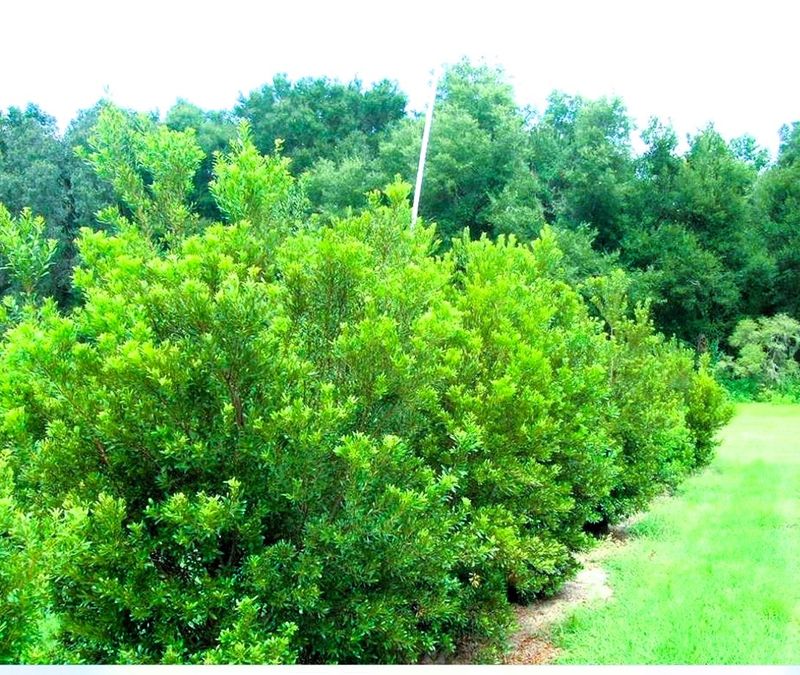
A fence-line thick with wax myrtle can feel like a completely different world for a small bird trying to move safely through an open yard. Southern wax myrtle (Morella cerifera) is one of the most reliably dense native shrubs available.
It works well for sunny edges, mixed borders, and layered wildlife plantings across much of this state. Its evergreen foliage stays full through the year, which means cover does not disappear when temperatures drop in winter.
Small birds value the interior of a wax myrtle planting for shelter and movement. Female and immature painted buntings, which lack the male’s vivid colors, blend easily into the gray-green foliage.
The small, waxy, blue-gray fruit that forms on female plants is eaten by many bird species, including yellow-rumped warblers and tree swallows. The aromatic leaves also make this shrub unappetizing to deer in most cases.
Wax myrtle can grow quickly to 10 or 15 feet and may sucker outward over time, so it needs space or selective pruning to stay manageable in a smaller yard. It tolerates sandy soil, occasional flooding, salt spray, and full sun.
Used as part of a mixed native hedge rather than a single isolated plant, it forms a layered, brushy edge structure. That gives small birds real cover and safer movement through the landscape.
2. Marlberry Gives Buntings Shelter In Warm Shady Corners
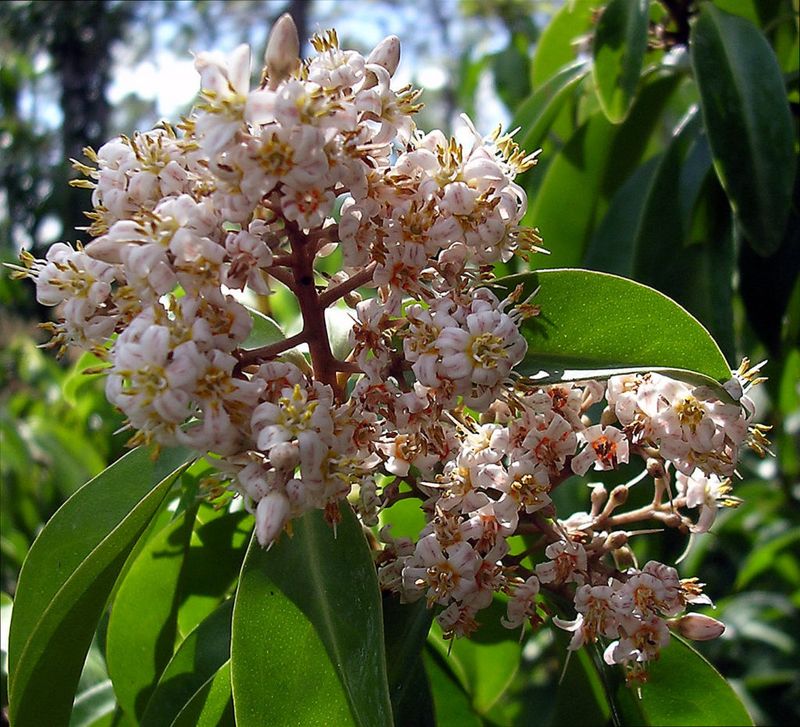
Tucked into a warm, shady corner of the yard, marlberry (Ardisia escallonioides) can grow into a glossy, layered presence. Small birds seem to appreciate it for its quiet density.
Unlike many shrubs that thin out in low light, this native understory plant thrives in partial to full shade. That makes it useful in spots where other cover plants struggle to fill in.
Marlberry is native to southern and central regions of this state, as well as parts of the Florida Keys, and suits warm landscapes where frost is rare or light. It can grow as a large shrub or small tree, reaching 10 to 15 feet in the right conditions.
Your Florida Garden Changes Every Week. Your Plan Should Too.
Gardening in Florida changes quickly throughout the season. Every Friday you’ll receive a simple weekly plan showing exactly what to plant, prune, fertilize, harvest, and protect so you never miss the right timing.
Clusters of small white to pink flowers attract pollinators, and the dark fruit that follows is eaten by several bird species. For small birds like painted buntings moving through a shaded understory, the dense foliage provides real screening and resting cover.
This plant is not suited to cold, exposed sites or northern regions where hard freezes occur regularly. It also works best when planted with other native understory shrubs to create layered depth rather than a single isolated specimen.
Where the site fits, marlberry can be a strong addition to a shaded wildlife planting. Spacing, drainage, and adequate warmth all matter for good establishment and long-term performance in the home landscape.
3. Firebush Creates Loose Cover With Nectar And Berries
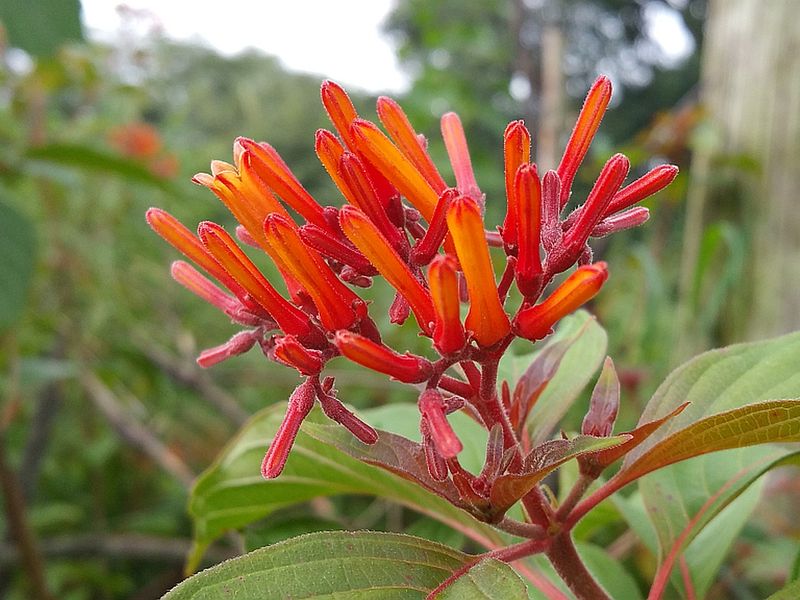
Few native shrubs bring as much visible energy to a wildlife planting as firebush (Hamelia patens). Its tubular orange-red flowers bloom through the warm months, pulling in hummingbirds and butterflies.
The small dark berries that follow attract songbirds and other wildlife. For painted buntings and similar small birds, the loose branching structure offers a different kind of cover than a dense evergreen hedge.
It feels more like a sheltered thicket with movement corridors between stems.
Firebush grows fast in warm weather and can reach 5 to 15 feet depending on conditions and pruning. It works best as part of a mixed wildlife planting rather than a formal hedge, since its natural shape is open and arching rather than tightly uniform.
Placed near denser shrubs, it adds a middle layer of cover that connects the ground to higher canopy plants.
In northern regions of this state, firebush may freeze back to the roots in a hard winter but typically regrows from the base when spring arrives. In southern and central regions, it may behave more like a woody perennial or even a small tree with minimal dieback.
Avoid using pesticides around it, especially during bloom, since pollinator activity is high. As part of a layered native border with other cover plants, firebush earns its place through multi-season usefulness.
Its value comes from genuine wildlife support rather than any single standout feature.
4. Simpson’s Stopper Screens Small Spaces With Bird-Friendly Fruit
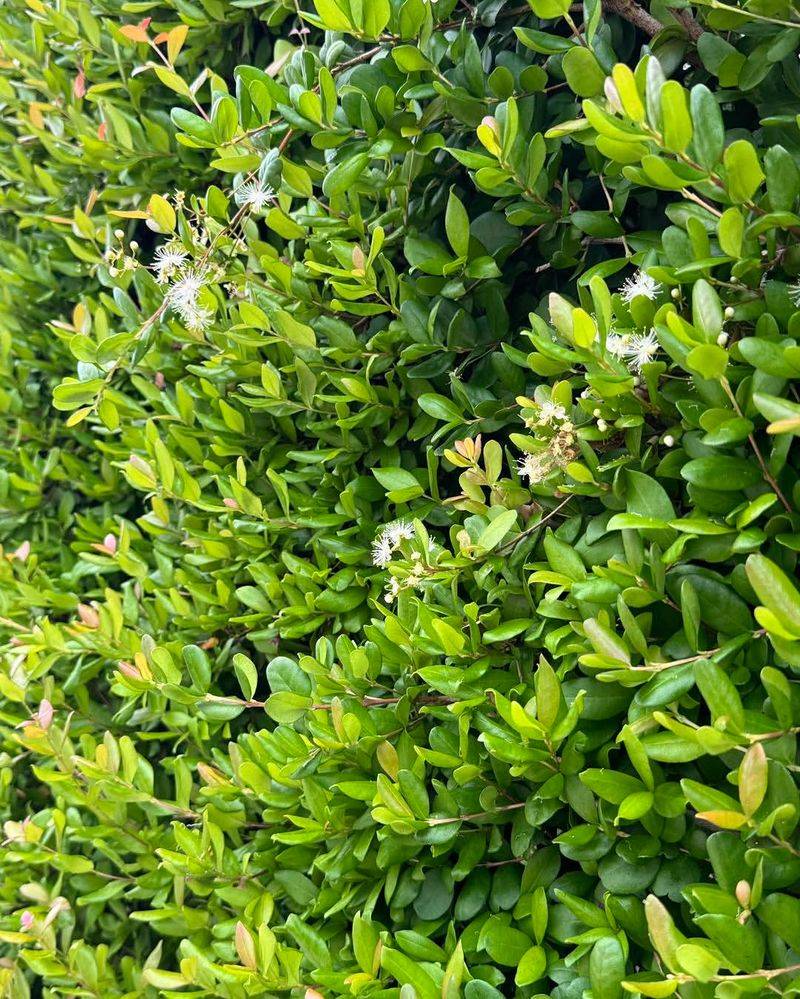
Not every yard has room for a sprawling hedge, and that is where Simpson’s stopper (Myrcianthes fragrans) earns serious attention. This native shrub is compact enough for side-yard screens, patio edges, and small mixed borders.
It brings glossy foliage, fragrant white flowers, and clusters of orange to red fruit that many bird species actively seek out. Its tidy structure makes it easier to fit into a layered planting without overwhelming smaller spaces.
Simpson’s stopper is native to coastal and southern regions of this state and grows best in warm areas with good drainage and full to partial sun. It typically reaches 8 to 15 feet at maturity, though pruning can keep it smaller and denser.
The fruit ripens in fall and winter, which is a useful timing for birds moving through the area during migration or cooler months. Painted buntings and other small songbirds may use the dense foliage for cover while foraging nearby.
Establishment takes patience. Like most native shrubs, it benefits from consistent moisture during the first growing season and may be slow to fill in initially.
Once rooted, it is notably tough and tolerant of salt spray, making it a strong candidate for coastal landscapes. Spacing plants correctly from the start helps them grow into each other over time.
That forms the kind of connected cover that benefits small birds more than isolated single shrubs ever could.
5. Beautyberry Adds Low Cover And Late-Season Berries
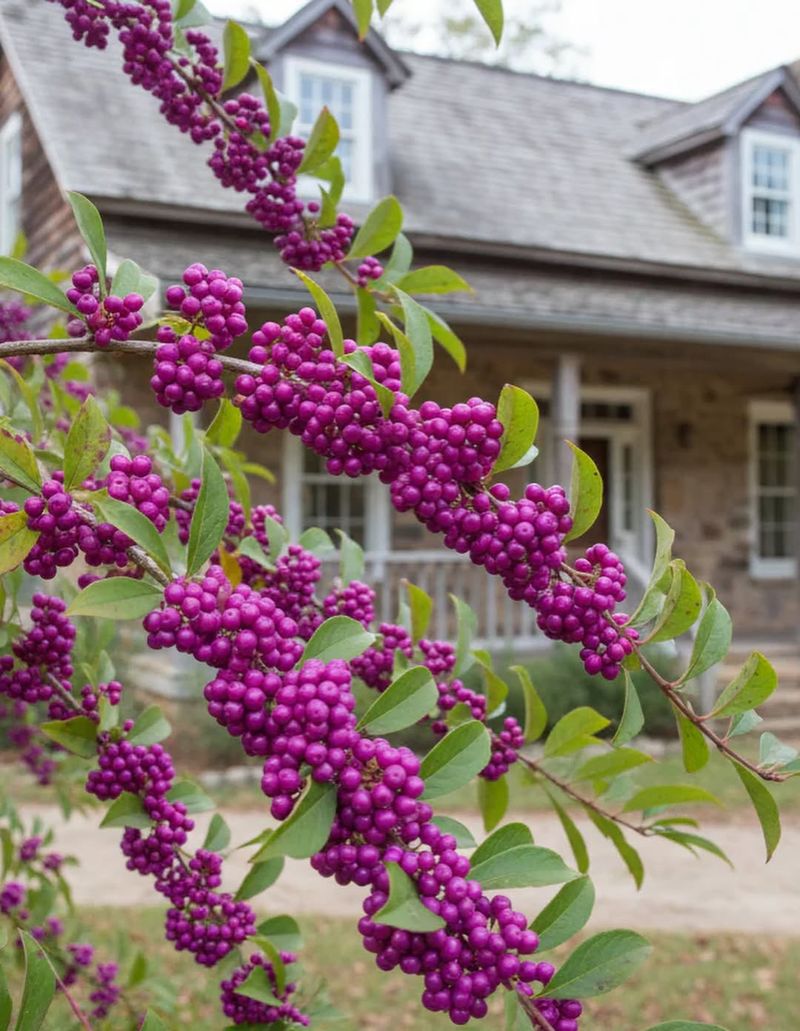
There is something almost theatrical about the way American beautyberry (Callicarpa americana) looks in late summer and fall.
The clusters of vivid purple berries line the arching stems in a way that stops people mid-stride, and birds respond to them with similar enthusiasm.
Many species, including northern mockingbirds, gray catbirds, and brown thrashers, eat the fruit heavily when it ripens. Painted buntings have also been documented using beautyberry in brushy edge habitats.
As a cover plant, beautyberry works best in the lower to mid layers of a mixed shrub border. Its arching, open structure does not form a dense screen on its own, but planted alongside taller, denser shrubs it fills in the middle zone and adds seasonal variety.
It grows well in full sun to partial shade and tolerates the sandy, well-drained soils common across much of this state.
Beautyberry is a seasonal plant with an honest growth cycle. It looks sparse in winter after berries drop and may go dormant in colder northern regions before resprouting in spring.
Pruning it back hard in late winter encourages fuller, more productive growth for the following season. Because it does not provide dense year-round screening, pair it with evergreen natives for stronger continuous cover.
Used this way, it adds real wildlife value and late-season color to a layered native planting without requiring a lot of fuss.
6. Walter’s Viburnum Forms Thickets Where Buntings Can Hide
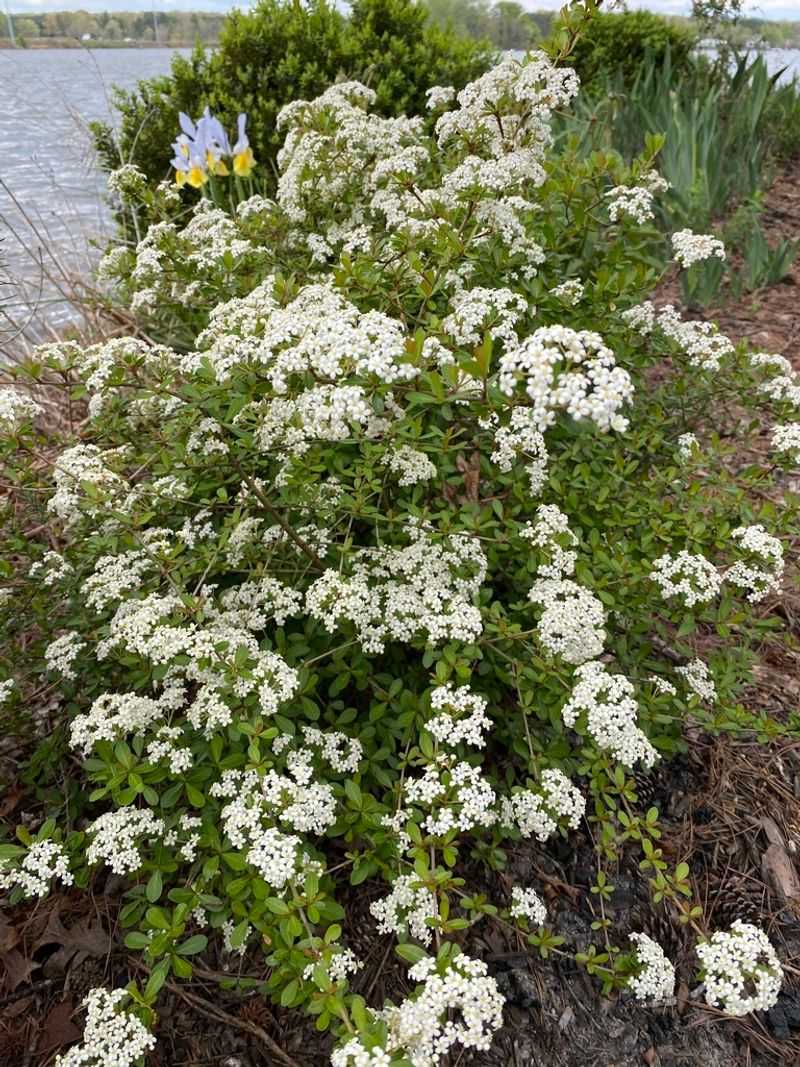
Imagine a small bird slipping into a tangle of fine branches and simply disappearing from view. That is what Walter’s viburnum (Viburnum obovatum) can offer when it is allowed to grow into a natural, thicket-like form.
Native to moist edges, floodplain margins, and upland borders across much of this state, it produces a dense branching structure. Small birds like painted buntings may use it for cover, especially in winter when some other shrubs thin out.
In spring, clusters of small white flowers cover the plant before the leaves fully flush, giving pollinators an early-season resource. Small, dark fruit follows and provides food for birds.
The plant can form thickets through root sprouting in natural settings, which adds to its habitat value in larger landscapes.
In home gardens, selecting a named cultivar helps manage size and habit, since cultivars range from compact 3-foot forms to much larger multi-stemmed plants.
Matching the right cultivar to the available space is one of the most practical decisions a gardener can make with this species. Compact forms work well in mixed borders and small yards.
Larger forms can anchor a privacy screen or a layered native hedge along a property edge. Walter’s viburnum tolerates occasional wet conditions and adapts to various soil types.
Planted in groups rather than singly, it builds the kind of connected, brushy cover structure that genuinely benefits small birds moving through a yard.
7. Fiddlewood Offers Dense Native Shelter With Wildlife Fruit
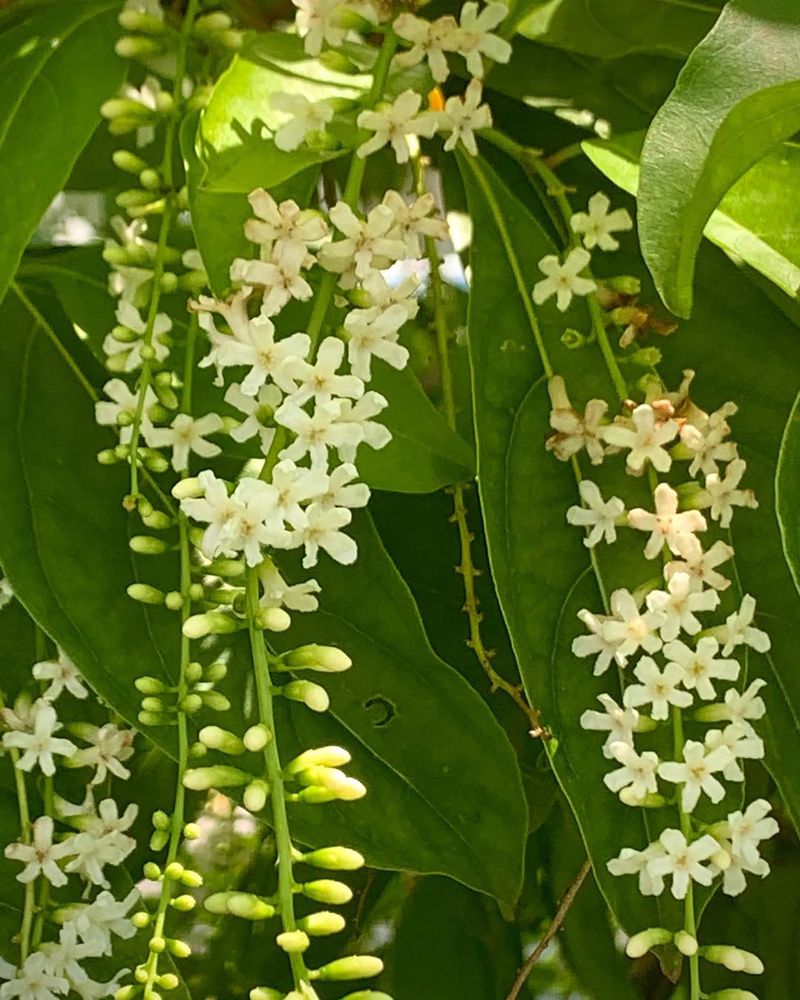
Along warm coastal yards and southern-region landscapes, fiddlewood (Citharexylum spinosum) can grow into a substantial native presence. It earns its space through multiple forms of wildlife value.
Fragrant white flower clusters attract butterflies and other pollinators through much of the year. The small fruit that follows is eaten by birds, including mockingbirds, robins, and other frugivorous species that share habitat with painted buntings during migration.
The dense canopy and branching structure of a mature fiddlewood can provide real cover for small birds.
It works well as a background plant in a layered native border or as a screening tree along a property edge where height is an asset rather than a problem.
Mature specimens can reach 25 to 35 feet in warm regions, so this is not a shrub for tight spaces without a clear pruning plan.
Fiddlewood is best suited to southern and central regions of this state and does not handle prolonged freezes well. In northern regions, it is generally not a reliable landscape choice.
Where it thrives, it can anchor the taller layer of a mixed wildlife planting, with smaller native shrubs filling in the lower zones beneath it. Regular pruning can help manage height and encourage denser lateral branching.
That improves its cover value for birds moving through the mid and lower levels of a layered yard planting.
8. Wild Coffee Fills Shady Understories With Quiet Cover
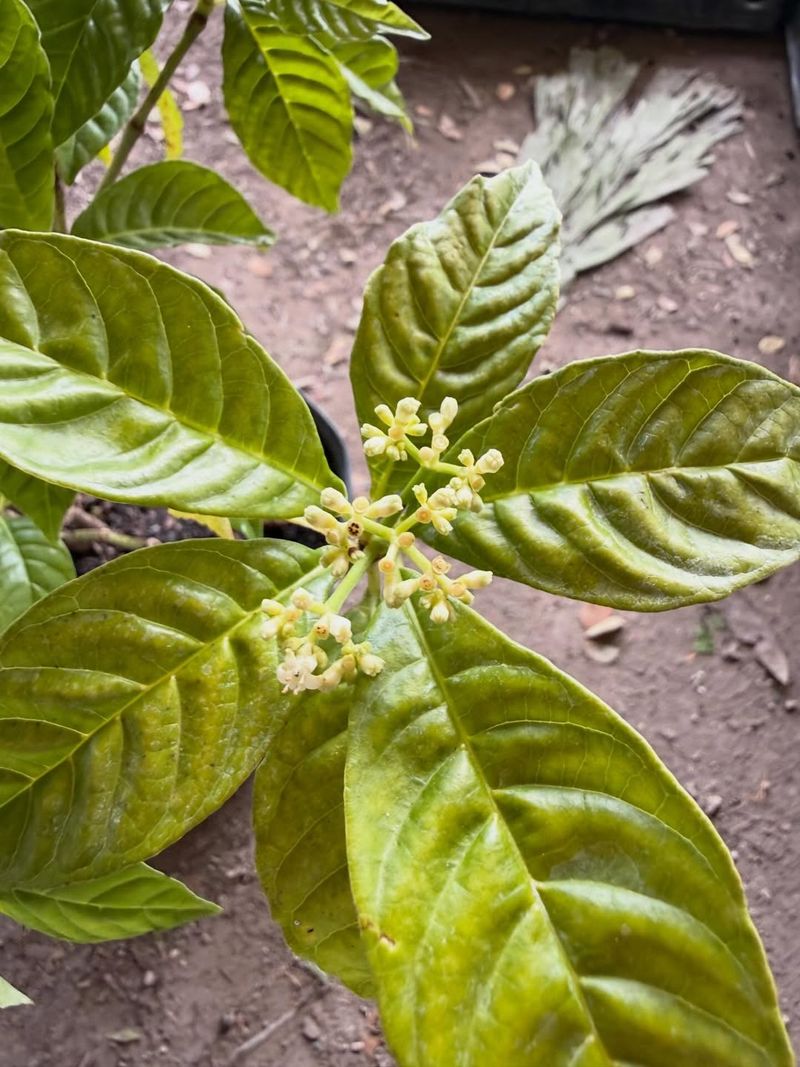
In the shaded understory beneath oaks, larger native shrubs, or a tree canopy, wild coffee (Psychotria nervosa) fills an important role. Few other native plants handle that role as gracefully.
Its deeply veined, glossy leaves stay rich and green in low-light conditions where many shrubs stretch and thin out. That steady, dense foliage makes it genuinely useful as a lower-layer cover plant in shaded bird-friendly plantings.
Small clusters of white flowers appear through warm months and attract small native bees and other pollinators. The bright red fruit that follows is eaten by a range of bird species, including thrushes, warblers, and vireos that pass through during migration.
For painted buntings moving through a shaded native garden, the low dense foliage of wild coffee provides resting and hiding cover close to the ground. That matters because they often forage for seeds close to the ground.
Wild coffee is native to southern and central regions of this state and does not tolerate hard freezes or cold, exposed sites. It grows best in moist, well-drained soil with consistent shade or dappled light.
Mature plants typically reach 3 to 8 feet, making them well-sized for understory use beneath taller shrubs or trees. Planting it in groups helps create the layered, connected structure that benefits small birds the most.
Used this way, wild coffee quietly anchors the lower level of a native wildlife planting with real habitat value and year-round foliage.