9 Low-Water Native Plants That Survive Wyoming’s Hottest Weeks
Summer in Wyoming doesn’t ease in gradually. It arrives fast, parks itself over the landscape, and dares everything in the ground to keep up.
Temperatures push past 95°F, the wind pulls moisture straight out of the soil, and rain becomes a distant memory by mid-July. Most garden plants don’t stand a chance.
But some do, and they’ve been doing it for thousands of years without any help from a garden hose.
Wyoming’s native low-water plants evolved in the same thin soils, same relentless sun, and same bone-dry summers you’re dealing with right now.
They don’t ask for fertilizer, extra irrigation, or any special attention once they’re in the ground. They’ve already figured out Wyoming,you just have to let them.
The nine plants below have survived every brutal summer this state has thrown at them. Your yard could be next.
Big Sagebrush (Artemisia Tridentata Wyomingensis)
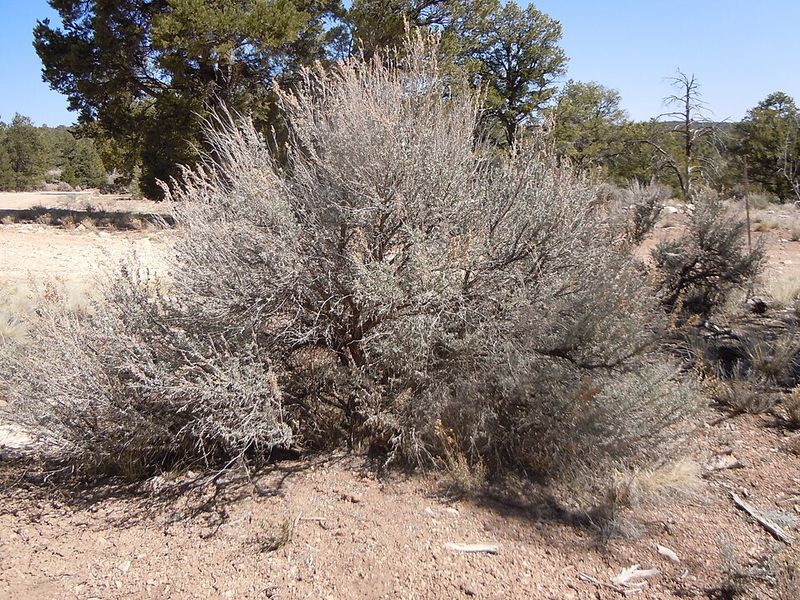
You can smell it before you see it. Big Sagebrush fills the Wyoming air with that sharp, earthy scent that most locals call home.
This is the plant that defines the high desert landscape of the American West. It thrives in poor, dry soil where most other shrubs would simply give up.
Big Sagebrush is a woody perennial shrub that typically reaches two to four feet tall. Its silver-green leaves are small and fuzzy, which helps reflect heat and hold moisture during scorching weeks.
The plant’s deep root system pulls water from far below the surface. That’s how it survives when rainfall is nowhere in sight for months at a stretch.
Gardeners love it because it needs almost no maintenance once established. Plant it in well-drained soil, water it a few times the first season, and then mostly leave it alone.
Wildlife absolutely depends on this shrub. Pronghorn, sage grouse, and mule deer all rely on Big Sagebrush for food and cover throughout the year.
It’s also a champion of erosion control. Those roots grip the soil tightly, keeping hillsides and slopes from washing away during rare but intense rainstorms.
If you want one plant that captures the true spirit of Wyoming’s landscape, this is it. Big Sagebrush is the backbone of the native plant community, and it earns that title every single summer.
Rubber Rabbitbrush (Ericameria Nauseosa)
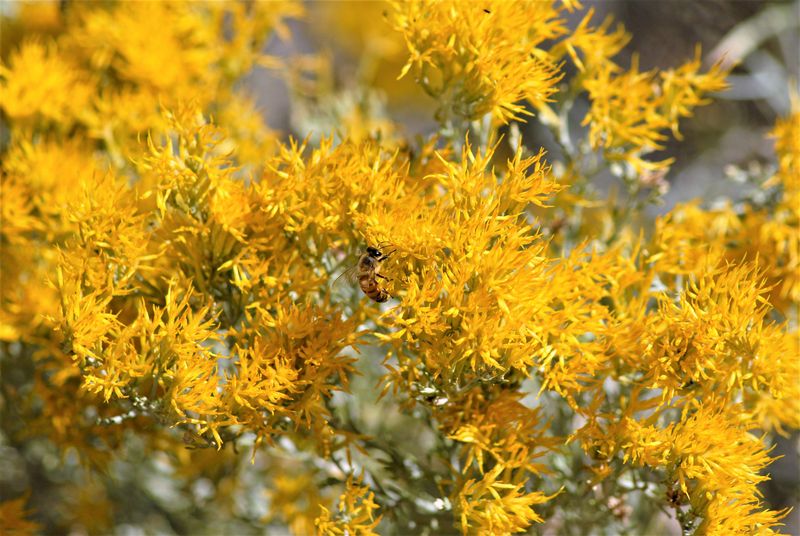
Bright yellow flowers exploding across a dusty hillside in August is a sight that stops people in their tracks. That’s Rubber Rabbitbrush doing what it does best.
This tough shrub blooms late in the season when most other plants have already called it quits. It brings color to the landscape exactly when you need it most.
Rubber Rabbitbrush grows two to five feet tall and spreads into a rounded, bushy shape. Its stems are covered in whitish fuzz that helps protect it from intense solar radiation.
The plant is incredibly drought-tolerant once established. It can handle rocky, alkaline, or sandy soils that would challenge almost any other flowering shrub.
Pollinators go absolutely wild for those golden blooms. Butterflies, native bees, and other beneficial insects swarm the flowers during late summer and early fall.
Planting Rabbitbrush along a fence line or driveway creates a bold, natural hedge that requires almost no upkeep. It’s one of those plants that actually looks better the more you leave it alone.
The name comes from the natural latex found in its stems, which gives the plant a faintly rubbery quality when crushed.
Few native shrubs offer this combination of drought toughness, late-season color, and wildlife value. Rubber Rabbitbrush earns a permanent spot in any low-water native plants garden without argument.
Antelope Bitterbrush (Purshia Tridentata)
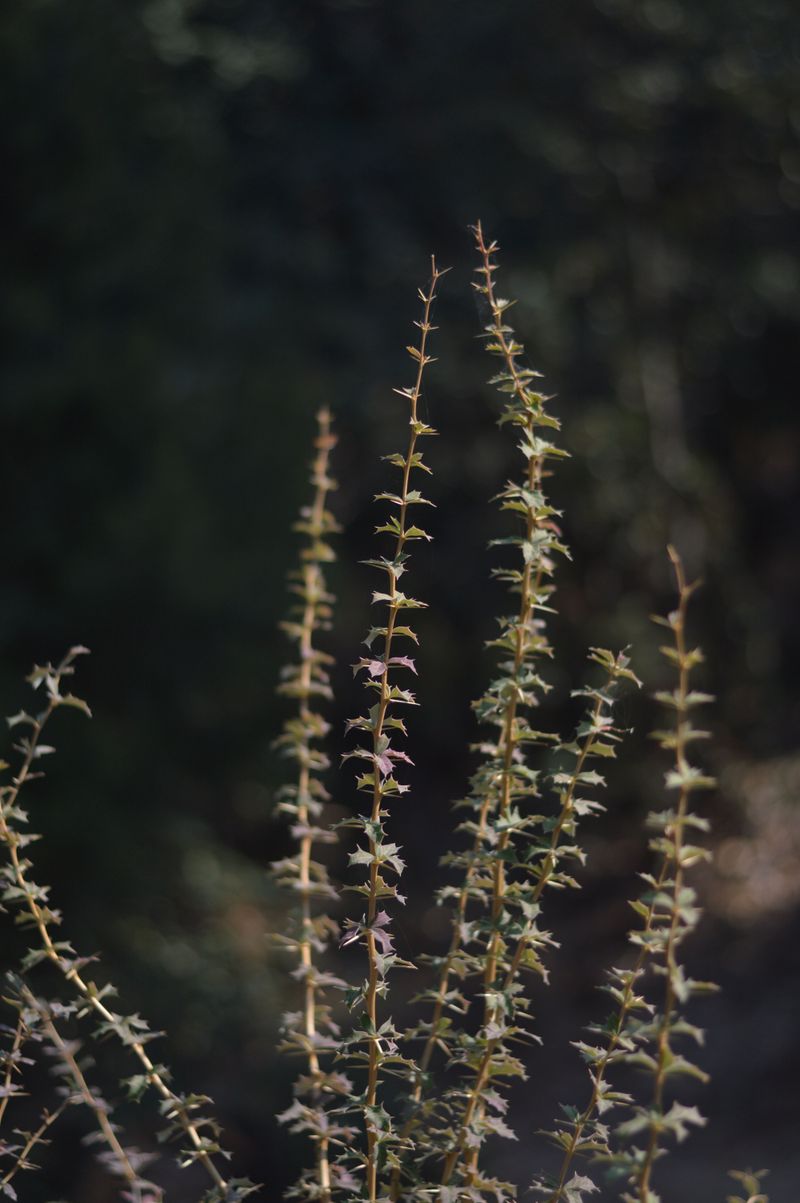
Image Credit: © Ravi Kant / Pexels
Ask any Wyoming wildlife biologist which native shrub they’d save if they could only pick one, and Antelope Bitterbrush would be a top answer. It’s that important to the ecosystem.
This medium-sized shrub grows three to eight feet tall and produces small, creamy yellow flowers in late spring. The blooms are modest, but the plant’s value goes far beyond looks.
Pronghorn, mule deer, and elk feed heavily on Bitterbrush throughout the year. In fact, some wildlife biologists call it the most nutritious native browse plant in the entire region.
For gardeners, it’s a reliable performer in dry, rocky soils. Once established, it handles drought with ease and rarely needs supplemental water after the first growing season.
The plant fixes nitrogen in the soil, which means it actually improves the ground around it over time. Neighboring plants often grow better simply because Bitterbrush is nearby.
Full sun is where this shrub shines brightest. Planting it on south or west-facing slopes gives it the heat and drainage it naturally craves.
Spacing matters with Bitterbrush since it spreads as it matures. Give each plant at least four to six feet of room so it can develop its full, rounded canopy.
Low-water native plants don’t always get the credit they deserve, but Antelope Bitterbrush is proof that drought-hardy can also mean deeply beautiful and ecologically essential.
Buffalo Grass (Bouteloua Dactyloides)
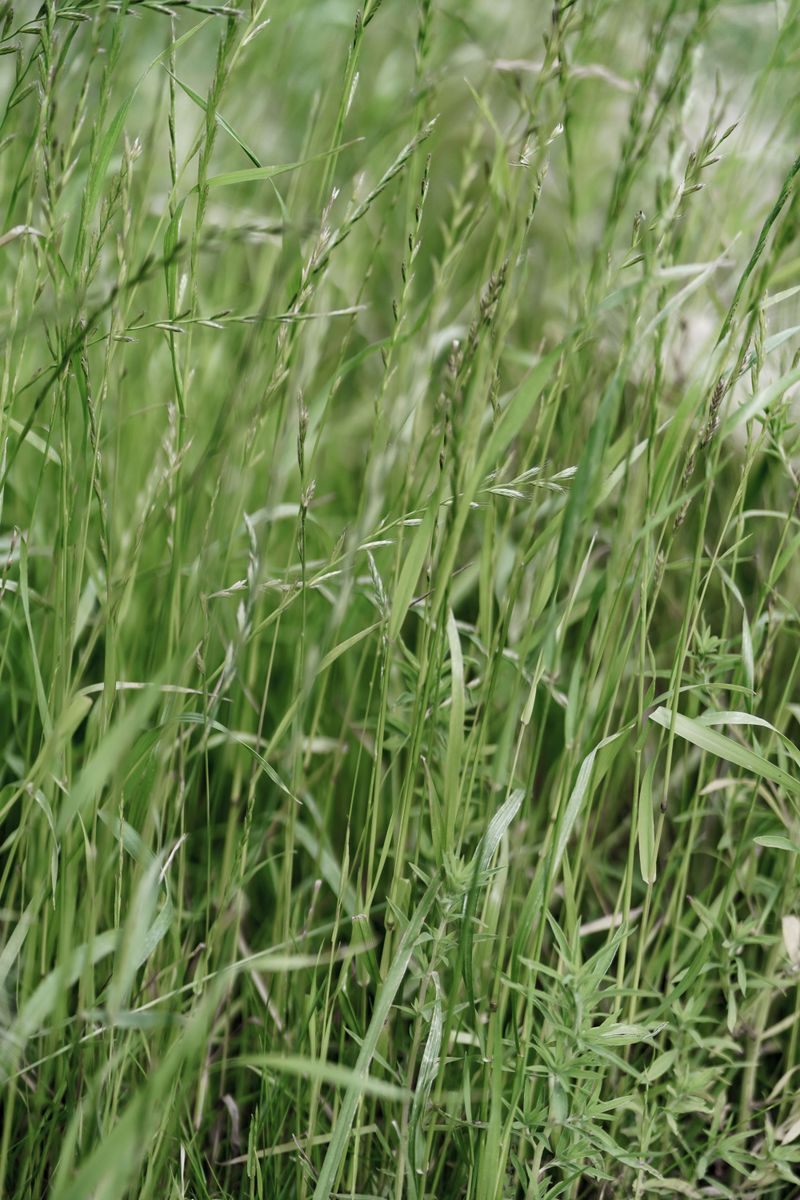
Image Credit: © Alberta Studios / Pexels
Imagine a lawn that you mow maybe twice a year and never need to water in summer. Buffalo Grass makes that dream a genuine reality.
This native grass once carpeted the Great Plains in a thick, rolling sea of green. Millions of bison grazed it for thousands of years without destroying it because it’s built to bounce back.
Buffalo Grass grows low, typically four to six inches tall, and forms a dense, soft mat. It turns a warm tan color in winter and greens up again each spring without any help from you.
Water needs are shockingly minimal for an established stand. Once it’s rooted in, Buffalo Grass can survive on natural rainfall alone in most Wyoming growing zones.
It’s also a smart choice for slopes and areas prone to erosion. The dense root system holds soil firmly in place even during heavy rain events.
Homeowners often use it as a lawn alternative in full-sun areas. It handles foot traffic reasonably well and creates a naturalistic look that fits perfectly in a western landscape.
One thing to keep in mind is that it spreads by runners and seeds. Planting it in a defined bed or using edging helps keep it from wandering into garden beds.
If you want a grass that works with Wyoming’s climate instead of against it, Buffalo Grass is one of the smartest choices you can plant this season.
Blue Grama Grass (Bouteloua Gracilis)
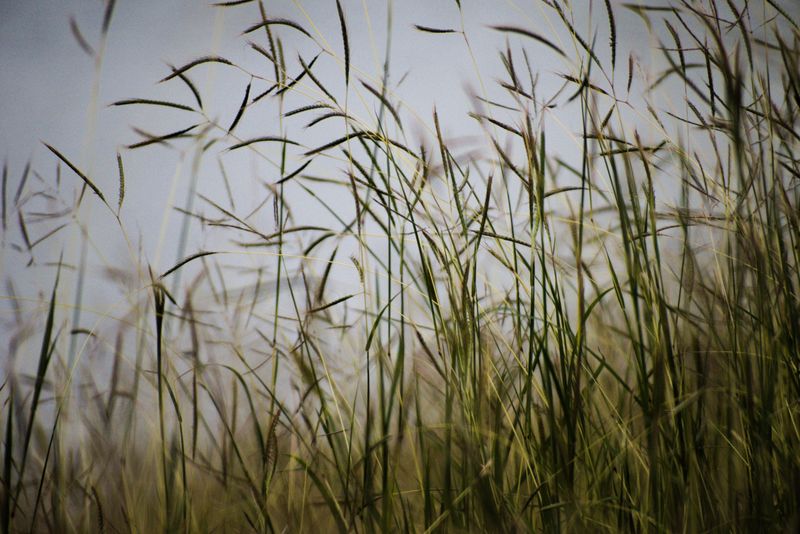
Those little curved seed heads look like tiny eyebrows floating above the grass blades, and once you notice them, you’ll spot Blue Grama everywhere. It’s one of the most charming native grasses on the planet.
Blue Grama is a short, fine-textured grass that reaches about eight to twelve inches in height. It forms tidy clumps that work beautifully as a ground cover or ornamental grass in garden beds.
Drought tolerance is one of its strongest traits. Blue Grama can go dormant during extreme dry spells and then green right back up when moisture returns.
It’s one of the few native grasses that holds its color better than most through summer without irrigation. That quality makes it a standout choice for low-water native plants landscapes across the high plains.
The seed heads mature into a warm golden-brown color by fall. They sway gracefully in the wind and add movement and texture to any naturalistic planting scheme.
Birds love the seeds. Sparrows, juncos, and finches regularly pick through stands of Blue Grama during migration and throughout winter months.
Planting it in masses creates a soft, meadow-like effect that feels wild and intentional at the same time. Mix it with Blanket Flower or Prairie Coneflower for a stunning native combo.
Blue Grama proves that a grass doesn’t need to be big or bold to make a serious impact on your landscape design.
Needle-And-Thread Grass (Hesperostipa Comata)
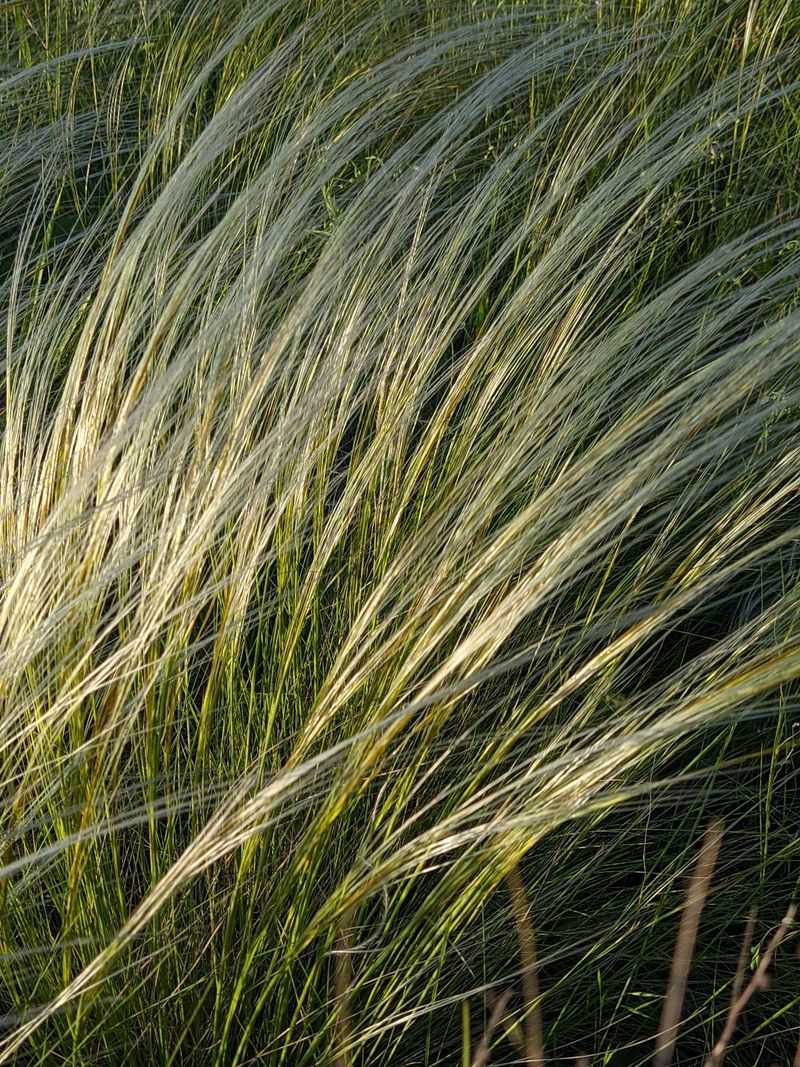
Picture a grass so delicate it looks like someone stitched silver threads into the prairie with a needle. That’s exactly where the name Needle-and-Thread Grass comes from.
This native bunchgrass produces long, twisting awns that spiral dramatically as the seed heads dry out. The effect is stunning in evening light when the golden awns catch the last rays of sun.
Needle-and-Thread Grass grows twelve to twenty-four inches tall and forms graceful, arching clumps. It’s one of the earliest grasses to green up in spring, giving it a head start on the season.
Drought endurance is hardwired into this species. It evolved on the dry, windswept plains of the West and handles heat and low moisture without complaint.
The plant thrives in sandy or loamy soils with excellent drainage. Heavy clay or waterlogged conditions are really the only thing that will set it back significantly.
The awns twist and untwist with changes in humidity, a built-in mechanism that actually drills the seed into the soil as conditions shift.
For gardeners, it’s a low-maintenance addition that adds wild, windswept texture to any xeriscape design. Pair it with rocks or boulders for a look that feels authentically western.
This grass rewards patience. Give it a full growing season to establish, and it will reward you with years of effortless, drought-tough beauty.
Blanket Flower (Gaillardia Aristata)
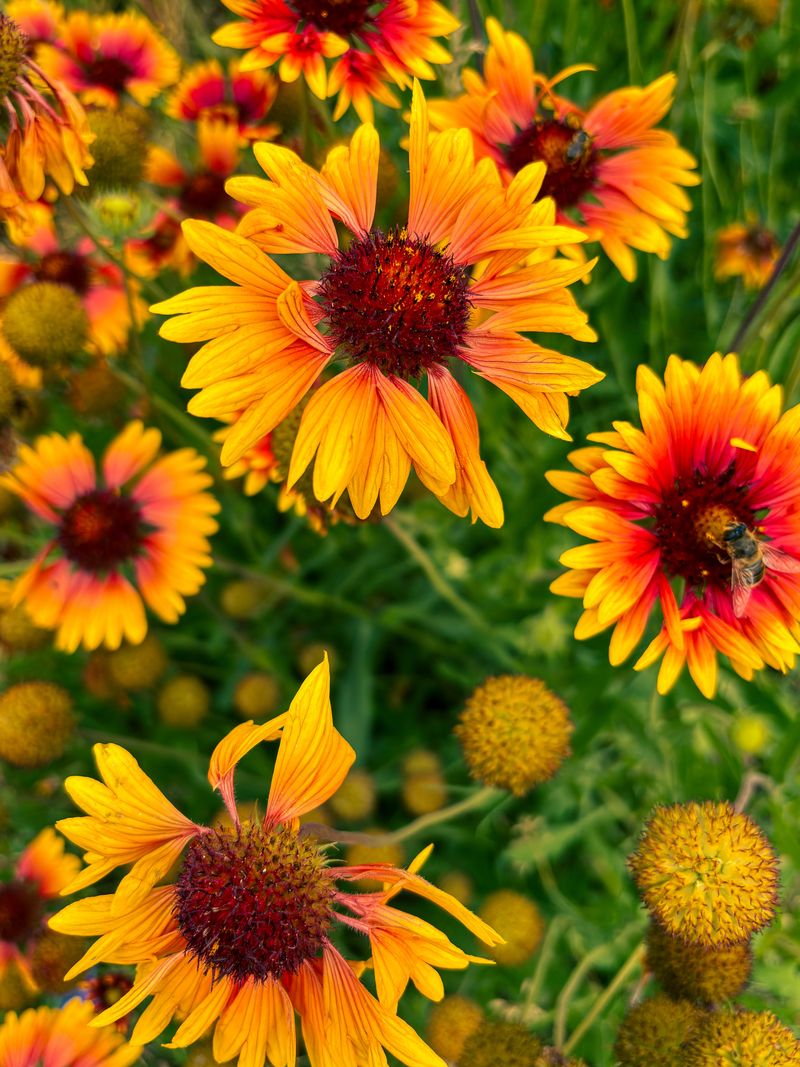
Few flowers hit as hard as a Blanket Flower in full bloom. Those fiery red and yellow petals look like something a sunset decided to leave behind.
Gaillardia aristata is the native species found across Wyoming’s meadows and open hillsides. It’s been brightening the landscape long before anyone thought to put it in a garden.
Blanket Flower grows twelve to twenty-four inches tall and blooms from early summer all the way through fall. That’s an impressively long show for a plant that asks so little in return.
Heat and drought are practically invitations for this flower. The hotter and drier the summer gets, the more it seems to pop with color while other flowers fade out.
Pollinators swarm it constantly. Bumblebees, honeybees, and a wide range of native bees treat Blanket Flower like an all-you-can-eat buffet from June through September.
Removing spent blooms encourages more flowers, but it’s completely optional. Left alone, the seed heads provide food for goldfinches and other seed-eating birds in late fall.
Well-drained soil is essential since Blanket Flower hates having wet roots. Sandy or gravelly soil suits it perfectly and mimics the natural conditions it evolved in.
Plant it in drifts of five or more for the biggest visual impact. Among low-water native plants, Blanket Flower is arguably the most cheerful and the most effortlessly rewarding plant you can grow.
Prairie Coneflower (Ratibida Columnifera)
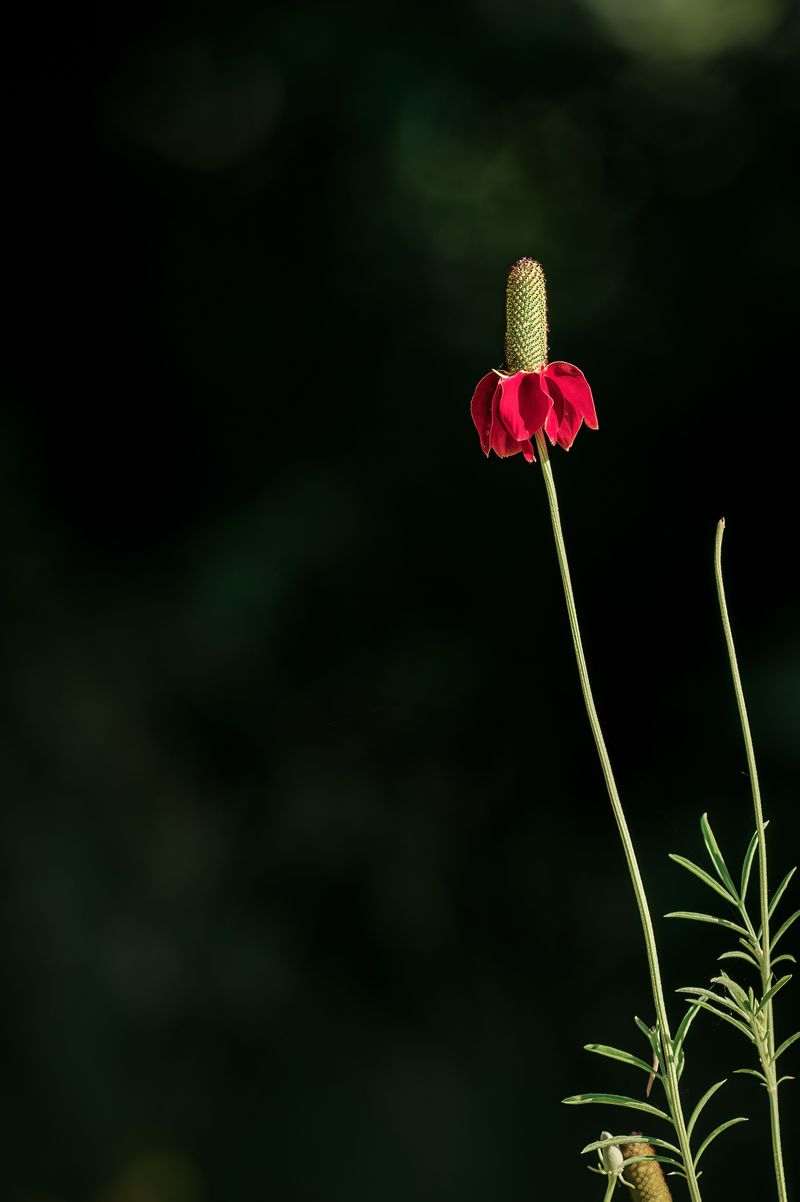
That tall, thimble-shaped center surrounded by drooping yellow petals is one of the most recognizable silhouettes on the western prairie. Prairie Coneflower has a look that’s completely its own.
Also called Mexican Hat for obvious reasons, this wildflower grows one to three feet tall and blooms from June through August. It self-seeds generously, meaning it tends to spread and fill in bare spots on its own.
Drought tolerance in this species is exceptional. Prairie Coneflower can handle weeks without rain and still push out fresh blooms as if the weather is perfectly fine.
The flowers come in yellow, red-brown, or a dramatic bicolor combination. That color variation makes it fun to plant from seed because you never quite know what shade you’ll get.
Butterflies are particularly drawn to the tall cone centers. The structure gives them a perfect landing platform while they feed on nectar in the heat of the afternoon.
Prairie Coneflower is one of those plants that looks best when it’s allowed to naturalize. Let it spread across a sunny slope or meadow area for a wild, flowing effect.
Soil quality matters less than drainage for this species. It grows happily in rocky, poor soil as long as water doesn’t pool around the base after rain.
Pairing it with Blue Grama Grass creates a classic prairie duo that captures the raw beauty of Wyoming’s open landscapes in a single garden bed.
Rocky Mountain Penstemon (Penstemon Strictus)
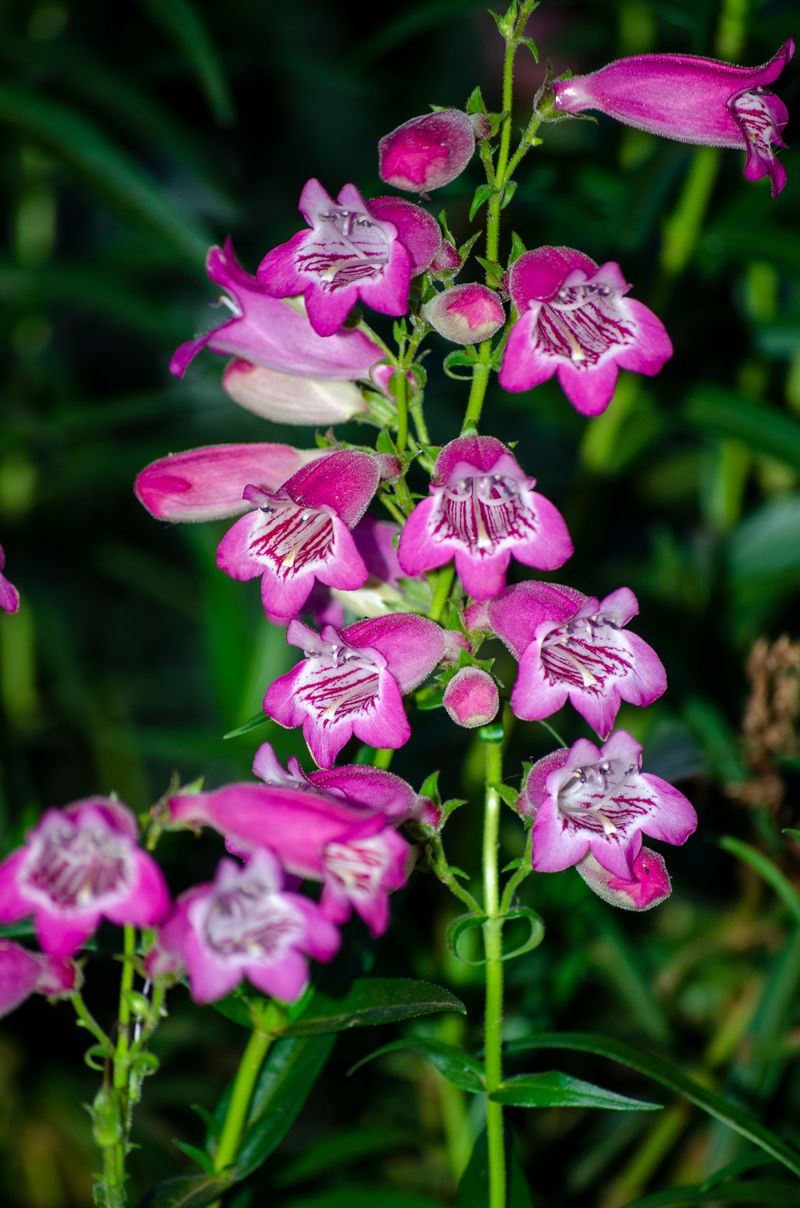
Image Credit: © silas tarus / Pexels
Deep blue-purple flower spikes shooting up from a compact base of dark green leaves is the kind of garden moment that makes neighbors stop and ask questions. Rocky Mountain Penstemon delivers that moment every June.
Penstemon strictus is one of the showiest native wildflowers in the Rocky Mountain region. It grows twelve to twenty-four inches tall and produces dense clusters of tubular blooms that hummingbirds find irresistible.
Hummingbirds aren’t the only fans. Native bumblebees are built perfectly to squeeze inside the tubular flowers and access the nectar that other insects can’t reach.
Drought toughness is a defining feature of this species. Once established in well-drained soil, it handles Wyoming’s hottest and driest stretches without needing supplemental water.
The plant forms attractive clumps that work well along pathways, in rock gardens, or massed on slopes. Its dark, glossy foliage looks good even when the plant isn’t in bloom.
Penstemon prefers lean soil over rich, amended beds. Adding too much compost or fertilizer actually causes it to grow floppy and less floriferous, so resist the urge to pamper it.
Removing after the first bloom flush can sometimes encourage a second round of flowers in late summer. That bonus bloom extends the color season significantly.
Among all low-water native plants suited to Wyoming’s climate, Rocky Mountain Penstemon stands out as the one that combines maximum beauty with absolute minimum fuss, season after season.