The Florida Porch Plant Combination That Makes Roaches And Rats Less Welcome
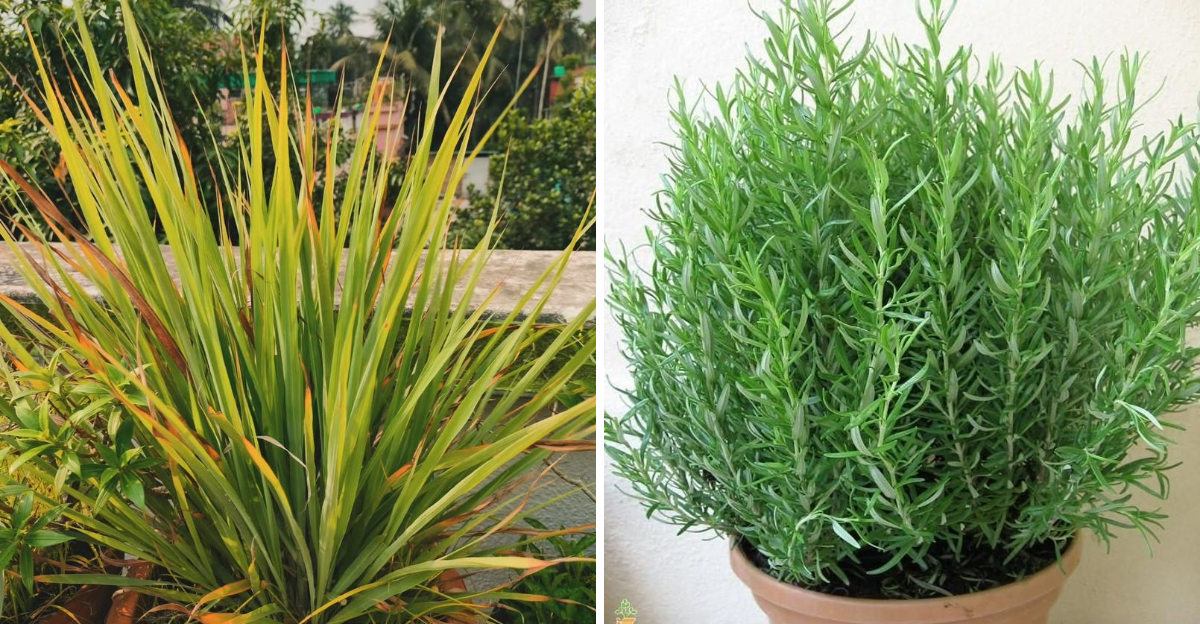
Most Florida porch plant combinations get chosen for color and fill. Something trailing, something upright, something that looks intentional from the street.
The pest deterrent conversation never comes up, which is exactly why most porches are doing nothing to discourage the two visitors homeowners complain about most. Roaches and rats are bold in Florida.
They work the foundation, they follow scent trails, and a porch with nothing to deter them is just another stop on a familiar route. Two plants placed together change that equation in a modest but real way.
Both are useful beyond the porch. Both thrive in containers through a Florida summer without much intervention.
And both produce scents that roaches and rats find genuinely off-putting. Not a replacement for serious pest control.
Just a smarter porch setup that works passively while looking good and smelling remarkable at the same time.
1. Pair Rosemary And Lemongrass Without The Pest Control Hype
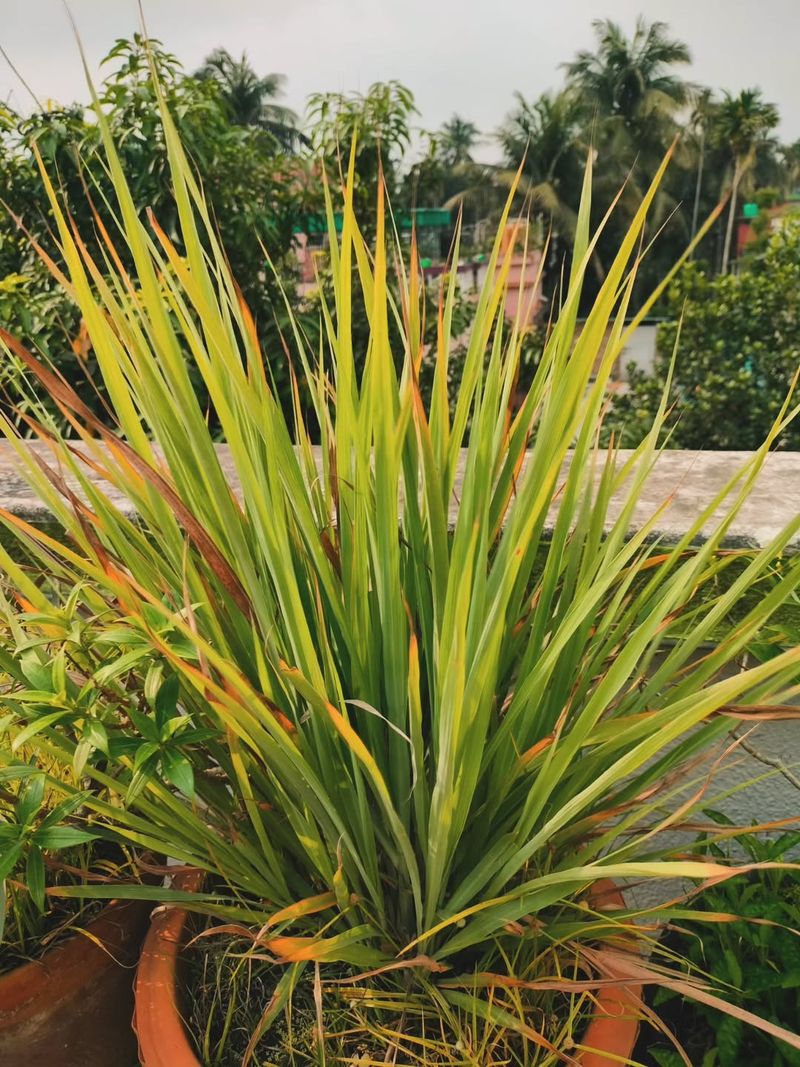
Fresh herbs on a porch sound simple, but the combination of rosemary and lemongrass is genuinely one of the more thoughtful choices a warm-weather Florida homeowner can make.
Rosemary grows upright, stays compact in containers, and releases a sharp, piney fragrance.
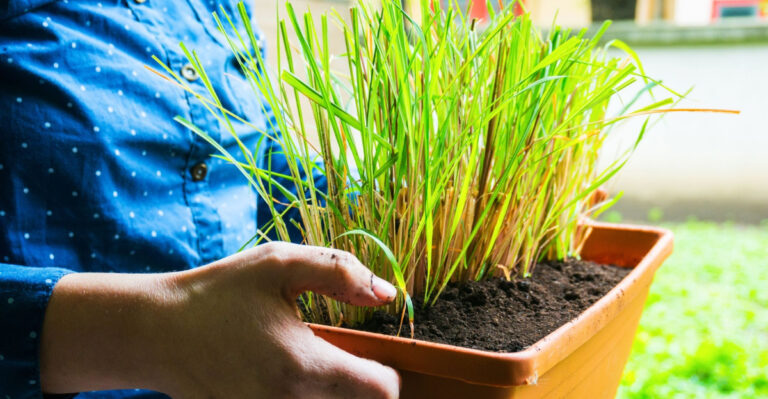
Lemongrass grows tall and grassy with a bright citrus scent that many people find refreshing near a seating area or front entry.
Together, they create a visually appealing, fragrant, and easy-to-maintain container pairing. Both plants prefer well-drained soil and containers with good drainage holes, which already pushes you toward a drier, cleaner porch setup.
That is where the real pest-discouraging value starts.
No plant combination creates a guaranteed barrier against roaches or rats. Scent alone is not enough to drive away pests that are motivated by food, moisture, and shelter.
What rosemary and lemongrass actually do is encourage better porch habits. When you are tending fragrant containers, you notice debris faster, keep the area tidier, and create less of the damp, cluttered environment that pests prefer.
The plants are the starting point, not the solution.
2. Keep Porch Pots Dry Enough To Discourage Roaches
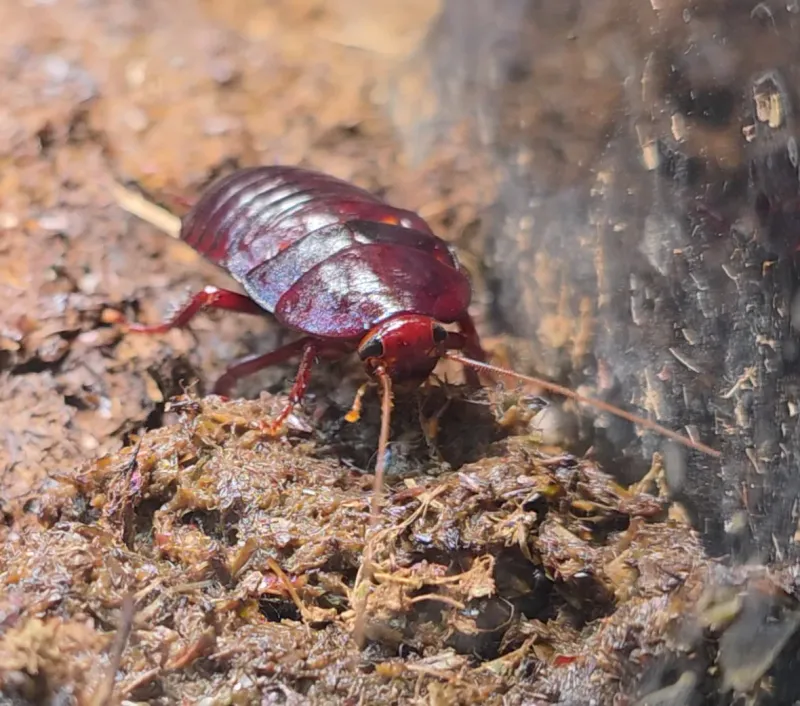
A saucer full of standing water sitting under a porch pot is one of those small oversights that adds up fast in a warm, humid climate. Roaches are strongly attracted to moisture.
According to UF/IFAS pest management resources, American cockroaches and similar species actively seek out damp, sheltered spaces. A water-filled saucer tucked against a wall near your door is exactly that kind of spot.
Rosemary and lemongrass both perform best in containers that drain freely and dry out a bit between waterings. Rosemary, in particular, strongly dislikes sitting in wet soil.
Choosing the right potting mix, using pots with drainage holes, and skipping saucers or emptying them after rain keeps both the plants and the porch in better shape.
Lift your pots every week or two and check what is underneath. Damp concrete, trapped leaves, and hidden organic matter can develop under a container that rarely gets moved.
Clean beneath each pot, check the wall edges nearby, and make sure water is not pooling after storms. Dry, well-maintained containers are a genuinely useful part of making a porch less inviting to roaches looking for a damp hiding place.
Your Florida Garden Changes Every Week. Your Plan Should Too.
Gardening in Florida changes quickly throughout the season. Every Friday you’ll receive a simple weekly plan showing exactly what to plant, prune, fertilize, harvest, and protect so you never miss the right timing.
3. Stop Letting Fallen Leaves Become Hiding Spots
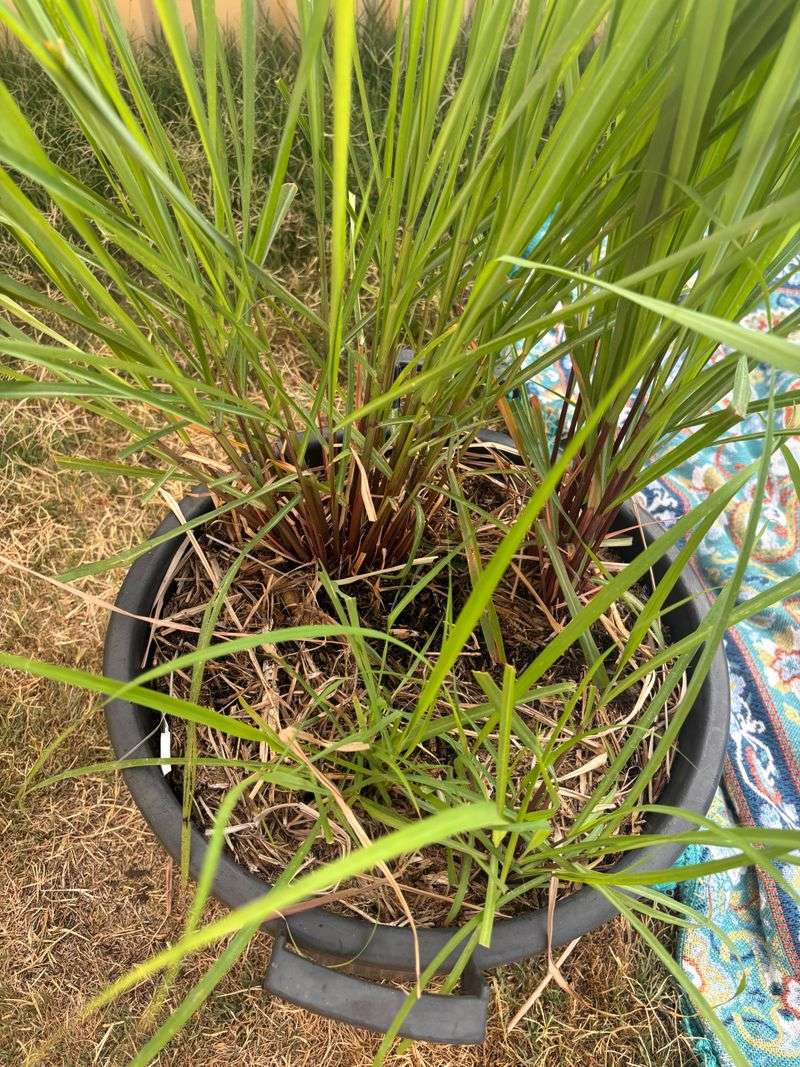
Brown lemongrass blades and dried rosemary sprigs look minor, but they pile up faster than most people expect, especially after a summer storm or a dry spell.
Plant debris that collects near the base of containers, along porch steps, or close to the door threshold can create small, sheltered pockets that insects find appealing.
It is not dramatic, but it does matter.
Roaches look for places to hide during the day, and organic debris near a building foundation gives them exactly that. UF/IFAS extension guidance on cockroach management consistently points to eliminating harborage.
That means reducing the clutter, debris, and protected spaces where pests can rest undisturbed. A tidy porch edge is part of that work.
Trim withered lemongrass blades at the base when they turn brown and dry. Remove spent rosemary branches before they drop and scatter.
Sweep the area around your containers regularly, including under plant stands and along the wall behind pots. Organic matter in a garden bed away from the house is generally fine.
The concern is the debris that collects right next to your door or foundation, where pests can shelter and move inward without much effort.
4. Remove Food Sources Before Rats Find Them
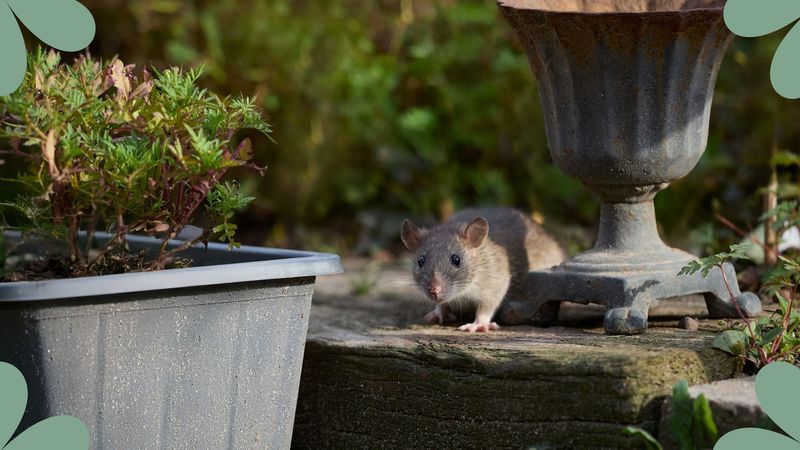
A rat visiting your porch is almost always following a food signal, not a plant signal. Pet bowls left out overnight, birdseed scattered beneath a feeder, grill drippings on concrete, and fallen citrus or mangoes near the steps are common attractants.
Open or loosely covered trash containers are another major draw around residential porches in Florida. Rosemary and lemongrass simply cannot compete with that kind of draw.
UF/IFAS and county extension rodent management guidance consistently emphasizes food source elimination as the first and most important step. Rats are persistent and adaptable.
Once they find a reliable food source near a structure, they will return regularly regardless of what plants are nearby. Removing that food source is what changes their behavior.
Bring pet food and water bowls inside each evening. Secure trash can lids tightly, ideally with locking or weighted lids.
Clean beneath bird feeders or move feeders away from the porch entirely. Pick up fallen fruit promptly.
Store outdoor food items in sealed containers. These habits do far more to make your porch rat-resistant than any plant arrangement.
Fragrant herbs can support a cleaner outdoor setup, but they work best alongside real food source management, not instead of it.
5. Place Fragrant Pots Where Clutter Usually Builds
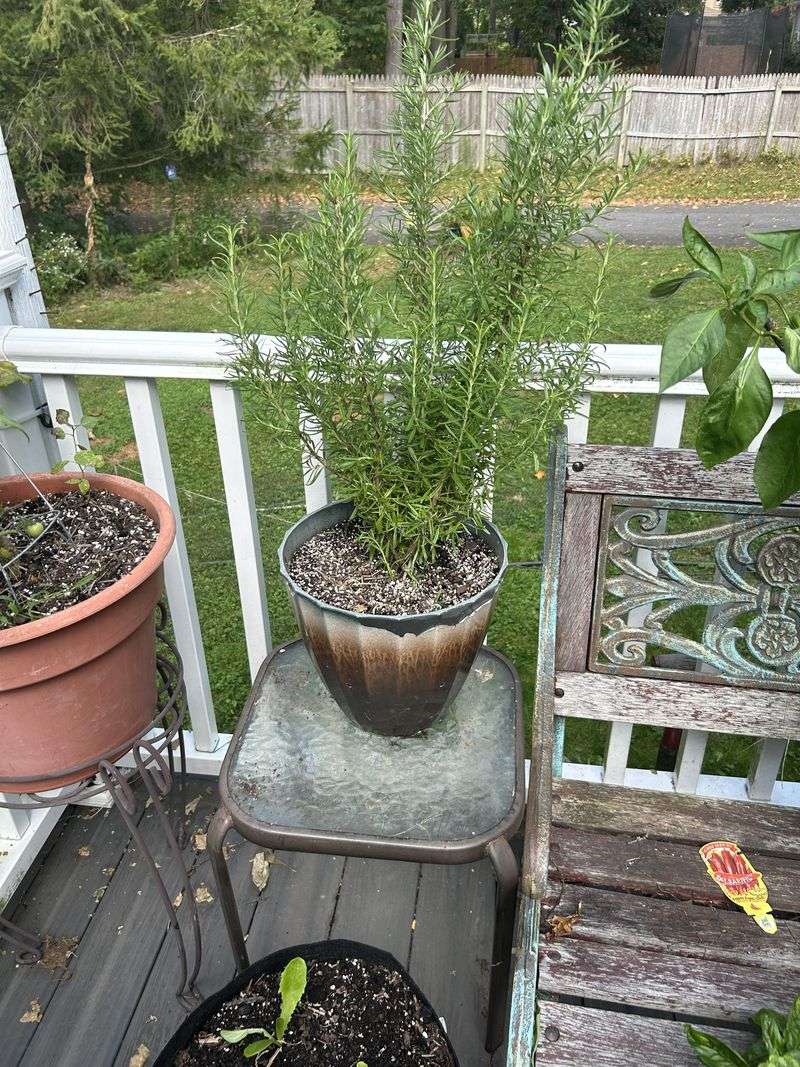
Most porches collect clutter gradually. A box here, a bag of potting soil there, an old chair pushed into the corner, a stack of recycling that never quite made it to the bin.
Before long, those corners become warm, sheltered zones that pests can use without much disturbance. Placing a well-maintained container of rosemary or lemongrass in one of those spots changes the dynamic.
A large pot in a corner requires you to keep that corner accessible. You water it, trim it, check the drainage, and sweep around it.
That routine naturally reduces the kind of undisturbed clutter that roaches and rats prefer. The plant is not performing pest control on its own; your maintenance habits are doing the work, and the plant gives you a reason to show up.
Be thoughtful about placement, though. Do not create a dense cluster of pots pushed tightly against a wall.
Grouped containers with no space between them can trap moisture and make it hard to spot droppings or debris. Space pots so you can see behind and beneath them easily.
Use plant stands or pot feet to lift containers off the ground. A visible, accessible, well-maintained porch corner is a much less welcoming space for pests than a forgotten, cluttered one.
6. Use Sharp Drainage Instead Of Damp Soil
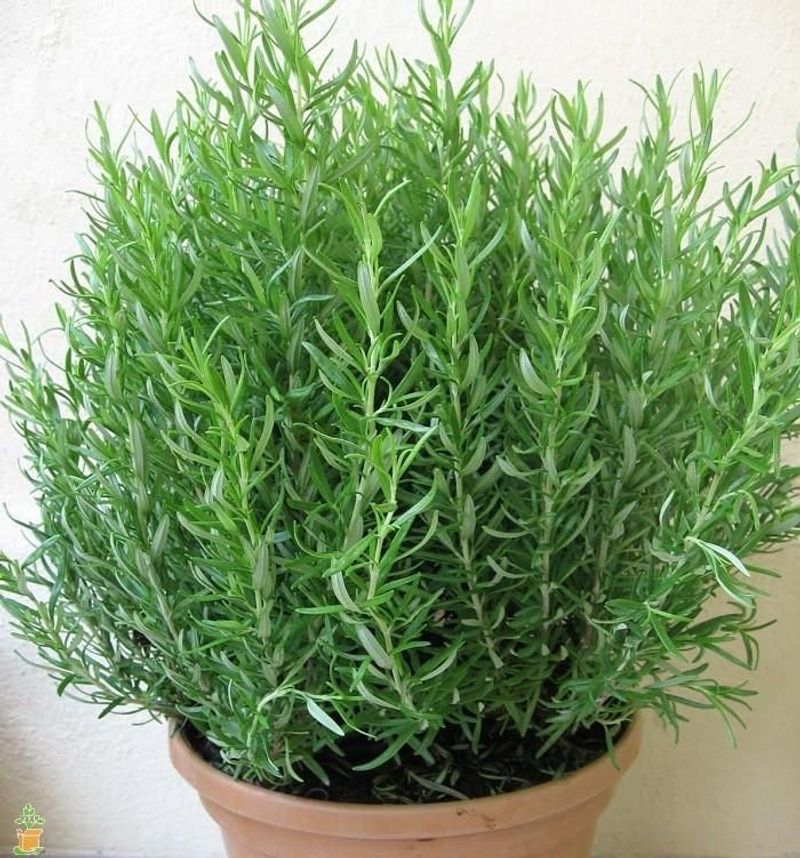
Good drainage is one of those container gardening basics that matters more in a warm, rainy climate than almost anywhere else. After a summer afternoon downpour, a pot without proper drainage can hold water for hours.
That soggy soil weakens plant roots, and the damp zone around the container becomes a spot that moisture-seeking insects find comfortable.
Rosemary is especially sensitive to wet feet. It thrives in well-drained, slightly gritty potting mix and will decline quickly in a waterlogged container.
Lemongrass is more tolerant of moisture but still performs better when the container does not stay saturated between waterings.
Both plants reward you with healthier growth when drainage is correct, and healthy, vigorous plants are easier to maintain than stressed, struggling ones.
Use a high-quality potting mix designed for herbs or add perlite to improve drainage. Make sure every container has drainage holes that are not blocked by compacted soil or debris.
Raise containers on pot feet or bricks so water flows freely underneath. After heavy rain, check that water is not pooling at the base of your pots or against the porch wall nearby.
Sharp drainage keeps both your plants and your porch in better condition without creating the damp pockets that pests prefer.
7. Seal Gaps Before Night Visitors Move In
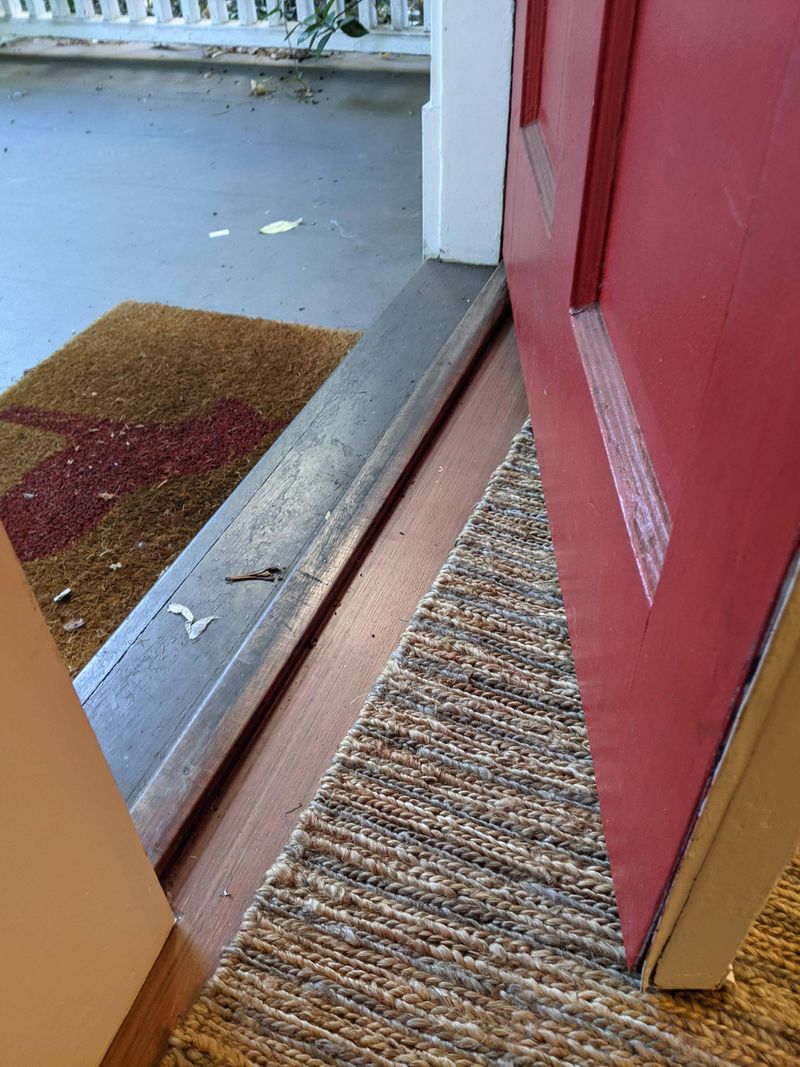
Even the most fragrant, well-tended porch plants will not stop a roach or rat that has found a gap into your home. Entry points are where pest prevention really happens, and warm-weather homes often have more of them than Florida homeowners realize.
Gaps under doors, torn porch screens, utility pipe openings, foundation cracks, and spaces around vents are all common entry routes for both insects and rodents.
UF/IFAS rodent exclusion guidance points to sealing these openings as one of the most reliable long-term strategies. Rats can squeeze through a gap roughly the size of a quarter, and roaches need even less space.
A porch that looks tidy but has a gap under the door is still an easy target for pests motivated by warmth, food, or shelter inside the home.
Install door sweeps on exterior doors if gaps are visible at the bottom. Replace torn or loose-fitting screens.
Seal gaps around pipes and utility lines where they enter walls. Use caulk or weatherstripping to close small openings around door frames and window edges.
If gaps are large or structural, a licensed pest professional can help identify and seal them correctly. Exclusion is not glamorous, but it is far more reliable than any plant scent when it comes to keeping pests outside.
8. Make The Porch Cleaner Not Just Prettier

Stepping back and looking at everything together, the real value of rosemary and lemongrass on a porch is not about scent driving pests away. It is about what happens when you treat your porch as a space worth maintaining.
Fragrant, attractive plants give you a reason to water, trim, sweep, and inspect regularly. That consistent attention is what actually changes the conditions pests prefer.
Dry containers, clean edges, no food left out, no hidden debris, no standing water, and sealed entry points combine to create a porch that is genuinely less inviting. Roaches want moisture, shelter, and organic matter.
Rats want food, water, and cover. A well-tended porch with good drainage, tidy corners, and no easy food access offers far less of all those things.
Rosemary and lemongrass in well-drained containers fit neatly into that approach. They look good, smell fresh, grow well in warm climates, and pair naturally with the habits that matter most for pest prevention.
Think of them as the visible part of a smarter porch routine, not as a stand-alone fix. When sanitation, exclusion, and good drainage do the real work, a fragrant and tidy porch is the reward you actually get to enjoy.