These Are The Spots In Your Virginia Yard Where Ticks Are Hiding Right Now
You feel it before you see it. A pinprick of pressure behind your knee, so small you almost dismiss it.
You’ve been standing in your Virginia backyard for maybe four minutes.That’s all ticks need. They don’t chase. They don’t announce themselves.
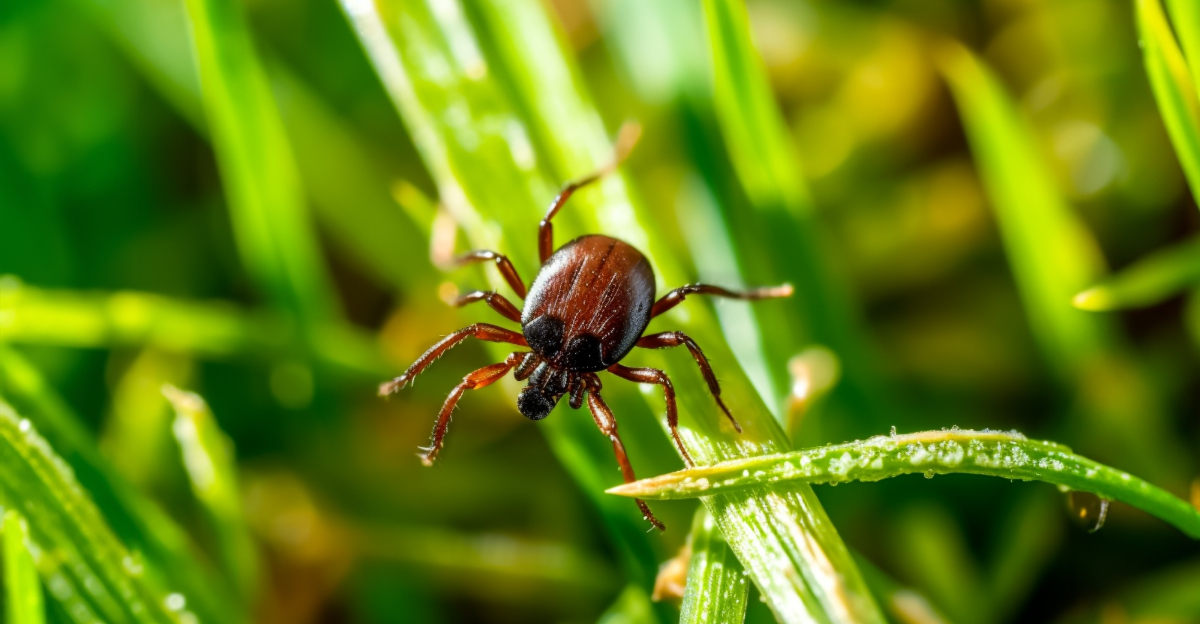
They cling to a blade of grass, perfectly still, waiting for you to close the distance. Can you name every spot in your yard where one is hiding right now?
Here’s what nobody tells you: research consistently shows that most tick bites happen in or around the home, not out in the wild.
Virginia yards are prime territory, dense, humid, and wildly underestimated. The tick that gets you won’t be deep in the woods. It’ll be exactly where you never thought to check.
Tall Grass And Unmowed Lawn Patches

That shaggy patch of lawn you keep meaning to mow? It is prime tick habitat. Tall grass gives them shade, moisture, and a perfect perch to grab onto passing legs.
Ticks in your Virginia yard love to climb grass blades and wait. Scientists call this behavior “questing,” and it means the tick holds its front legs out, ready to latch onto anything warm that walks by.
Mowing your lawn regularly is widely recommended as part of a tick-reduction strategy. Shorter grass reduces the shade and moisture ticks prefer.
The real impact, though, comes when you pair it with clearing leaf litter and creating barrier zones.
Pay special attention to edges along fences, garden beds, and sidewalks. These border zones often get skipped during mowing and become dense, tick-friendly corridors without anyone noticing.
If you have kids or pets who play outside, treat these grassy patches as high-priority zones. A quick tick check after outdoor play can catch hitchhikers before they find skin.
Applying a yard spray or granular tick treatment to lawn edges adds another layer of protection.
Combine that with regular mowing and you dramatically cut down on tick exposure all season long.
The Wooded Edge And Tree Line
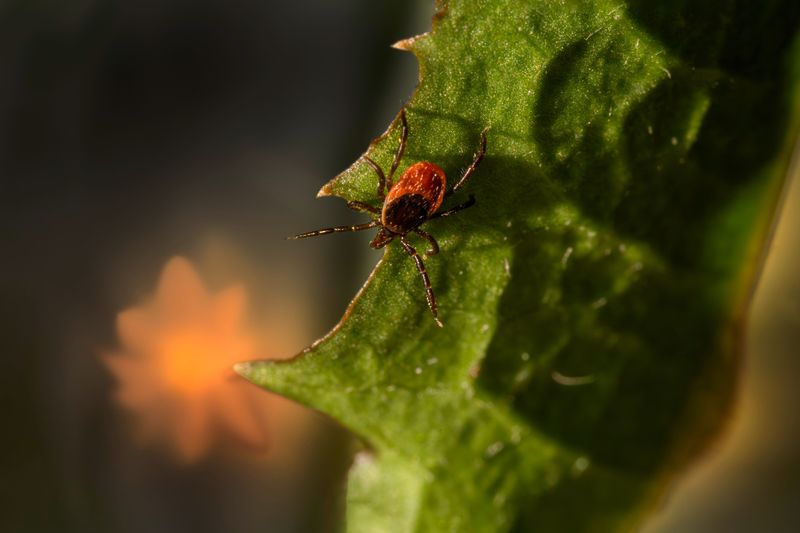
Where your yard ends and the woods begin, ticks are most concentrated. That shadowy transition zone between open lawn and dense forest is their favorite address in any Virginia yard.
Deer, raccoons, and foxes regularly travel along these wooded edges. Larger animals like deer can drop hundreds of ticks per visit, while smaller mammals like raccoons and foxes carry fewer but still introduce new populations to your yard.
Creating a buffer zone along your tree line is one of the smartest moves a homeowner can make.
A three-foot-wide strip of wood chips or gravel between your lawn and the woods acts as a barrier ticks are reluctant to cross.
Ticks avoid dry, sunny surfaces because they dehydrate quickly without moisture. That gravel buffer essentially turns your yard edge into a desert that stops tick migration in its tracks.
Trim back any overhanging branches along the tree line to let sunlight hit the ground. More sun means less moisture, and less moisture means a much less welcoming environment for these parasites.
Your Virginia Garden Changes Every Week. Your Plan Should Too.
Gardening in Virginia changes quickly throughout the season. Every Friday you’ll receive a simple weekly plan showing exactly what to plant, prune, fertilize, harvest, and protect so you never miss the right timing.
If your yard backs up to woods, consider treating the first ten feet of lawn along that border with a tick-control product.
Focusing treatment on that transition zone gives you the most protection per square foot of your outdoor space.
Leaf Litter And Yard Debris

Raking leaves might feel like a chore, but skipping it is basically an open invitation for ticks to move in. Damp, decomposing leaf piles are one of the most tick-dense environments in any suburban yard.
Leaf litter holds moisture like a sponge and stays cool even on warm days. Those conditions are exactly what ticks need to stay active and reproduce throughout the season.
Black-legged ticks, also called deer ticks, are especially fond of leaf debris. Research suggests that leaf litter can harbor multiple ticks per square foot, across various life stages, depending on region and season.
Nymph-stage ticks are the sneakiest of all because they are barely larger than a poppy seed. They hide deep in leaf piles and are nearly impossible to spot until they have already attached to skin.
Bagging and removing leaves from your yard is more effective than mulching them in place. Mulched leaves still create a moist mat on the ground, which keeps tick habitat intact all winter.
Also clear out any piled brush, old wood stacks, or garden trimmings sitting near the house. Every damp, dark pile is potential tick territory, and cleaning it up removes one more spot where these pests can quietly build their numbers in your Virginia yard.
Overgrown Shrubs, Bushes, And Groundcover
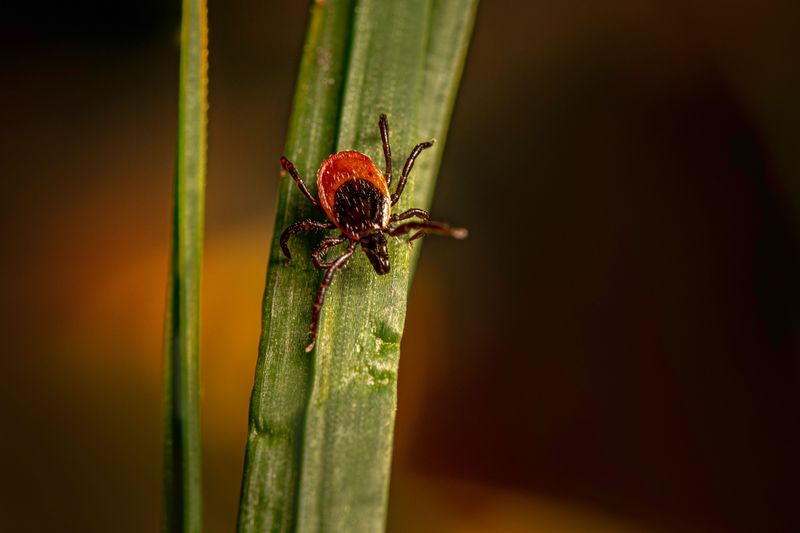
Those beautiful, full shrubs lining your walkway might look great in photos, but they are hiding something less charming.
Overgrown bushes and dense groundcover create shaded, humid pockets that ticks absolutely love to call home.
English ivy, pachysandra, and other low-growing groundcover plants are particularly problematic.
Their thick, layered growth traps moisture and blocks sunlight, creating the exact microclimate ticks need to survive through heat and drought.
Shrubs that brush against your legs as you walk by are especially risky. A tick clinging to a low branch can transfer to your clothing in less than a second, without you feeling a thing.
Pruning shrubs to improve airflow and let sunlight reach the base of the plant makes a real difference.
Ticks struggle to survive in dry, well-lit areas, so opening up your plantings works against them. Keep bushes trimmed so they do not touch your home, fences, or play areas.
Tick movement often follows plant-to-surface contact, so eliminating those bridges reduces how far they can spread across your property.
Consider replacing dense groundcover near high-traffic areas with mulch, stone, or other tick-unfriendly materials.
Your yard can still look polished and put-together while being a much less hospitable place for the pests lurking in your Virginia yard right now.
Low-Hanging Tree Branches
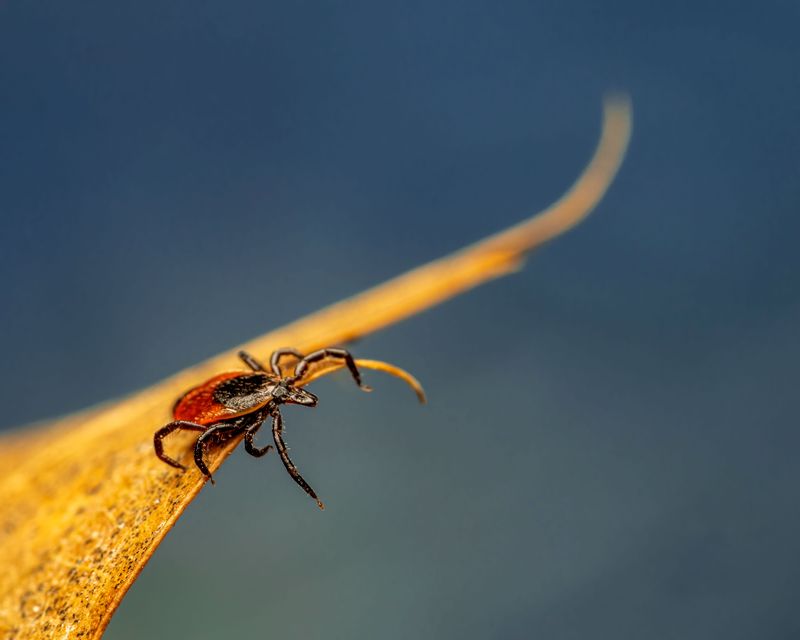
Most people look down when they think about ticks, but sometimes the threat is literally above your head. Low-hanging branches are underrated tick transfer zones that most homeowners completely overlook.
Ticks do not fall from trees like tiny skydivers, but they do cling to branches that hang close to the ground.
When you or your dog brushes against that drooping oak limb, a tick can transfer almost instantly. Branches that hang over walkways, garden paths, or play areas are the most concerning.
These are spots where people and pets pass through repeatedly, giving ticks multiple chances to hitch a ride each day.
Trimming branches so they hang no lower than head height along walking areas is a smart and simple fix.
It takes one afternoon with a pruner to eliminate dozens of potential tick contact points around your property.
Pay attention to fruit trees, ornamental trees, and any species with flexible, drooping branches.
These types tend to hang lower than oaks or maples, making them especially common transfer spots in residential yards. After trimming, do not leave cut branches in a pile on the ground.
Stack them away from the house and remove them promptly. Ticks can survive off-host on cut vegetation, so leaving piles near the home extends your exposure window.
Around Patios, Decks, And Play Structures

Your patio feels like a safe, civilized space, but the edges around it tell a different story. The shaded, slightly damp zones along deck borders and underneath play structures are prime tick territory.
Ticks do not usually hang out on sun-baked concrete or treated wood, but they love the perimeter.
The grassy or mulched areas just beyond the deck edge are where they wait for anyone stepping on or off the structure. Underneath decks is a particularly overlooked hotspot.
The enclosed, shaded space traps moisture and often attracts small animals like mice and chipmunks, which are major tick carriers that bring fresh populations right to your backyard.
Play structures with mulch or wood chip bases underneath them create an ideal tick environment.
Children tumbling around in that mulch are at much higher risk of tick exposure than most parents realize during a typical afternoon outside. Swap wood chip play area bases for rubber mulch or synthetic turf where possible.
Rubber does not hold moisture the same way, making it far less appealing to ticks looking for a humid hangout near your home.
Treat the perimeter of your deck and play areas with a tick repellent product at the start of each season.
That simple step creates a protective buffer around the spaces where your family spends the most time in your Virginia yard.
Anywhere Wildlife Passes Through
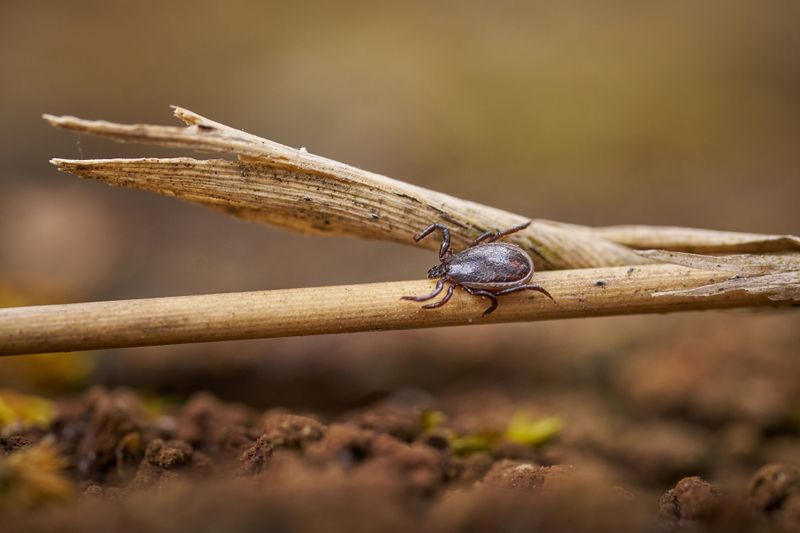
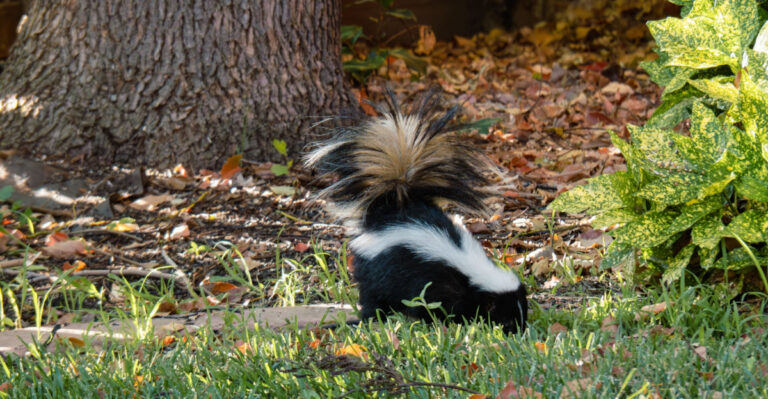
If deer, raccoons, or even stray cats cut through your yard, they are almost certainly leaving ticks behind.
Wildlife are the primary vehicles that deliver new tick populations directly onto your property season after season.
A single white-tailed deer can carry thousands of ticks at one time. As it moves through your yard, ticks drop off along the route, essentially seeding your lawn with a fresh batch of pests.
Look for signs of regular wildlife traffic: worn paths through grass, droppings near the fence line, or disturbed garden beds. These trails mark the exact routes where tick drop-off is highest on your property.
Installing deer-resistant fencing along the back of your yard can significantly reduce how much wildlife cuts through. Fewer deer means fewer ticks delivered to your lawn each week during peak season.
Motion-activated sprinklers are another option that discourages nocturnal visitors without harming them.
When animals avoid your yard, the tick population has far fewer opportunities to get replenished from outside sources.
Bird feeders, compost bins, and unsecured garbage cans all attract smaller wildlife that also carry ticks.
Addressing those attractants reduces foot traffic from animals and helps protect the people and pets enjoying your Virginia yard every single day.