8 Yard Conditions That Keep Ticks Coming Back In Virginia
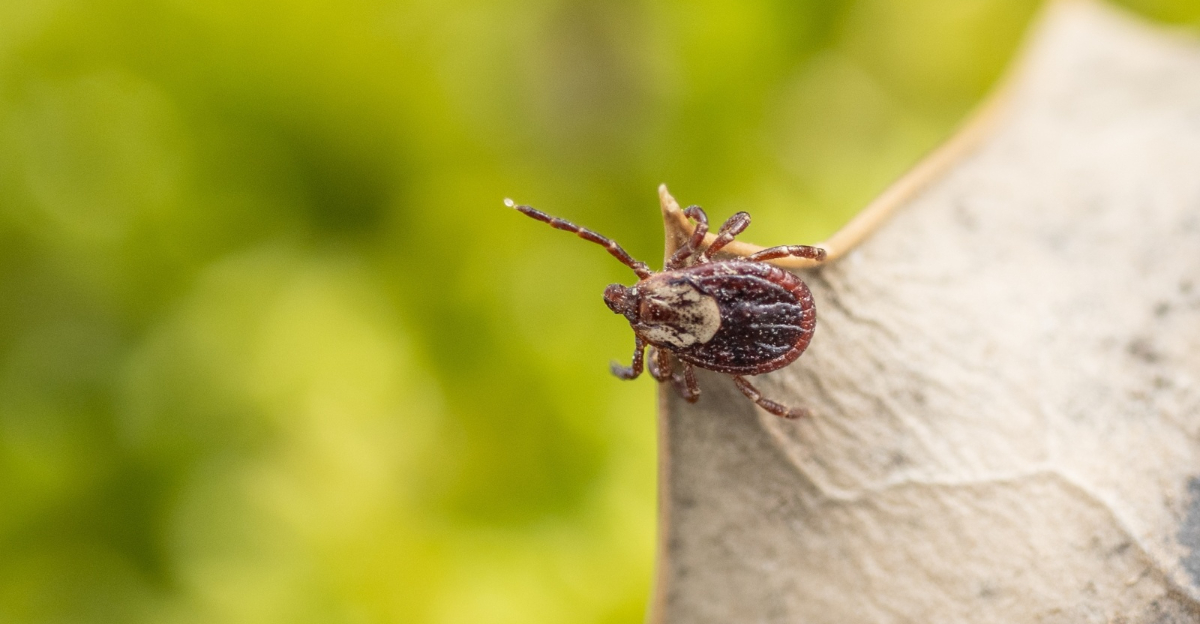
You find a tick on your kid’s neck after a Virginia afternoon outside, and it is still moving. That moment rewires how you see your entire yard.
The leaf pile near the fence, the tall grass by the shed, and the shaded strip your dog naps in every afternoon all look different now. Virginia summers are gorgeous, but tick season does not end when the temperature drops.
Ticks in the region stay active through fall and well into mild winter days. Here is what nobody warns you about: your yard is not just hosting ticks, it is actively recruiting them.
Moisture, deer trails, overgrown edges, and ground cover where ticks can hide are all part of the problem. Does your property check those boxes?
Most do. The same conditions that make your outdoor space livable make it irresistible to pests built to exploit it. The good news is that a welcome mat can always be ripped up.
1. Tall, Unmowed Grass Lets Ticks Reach Passing Hosts
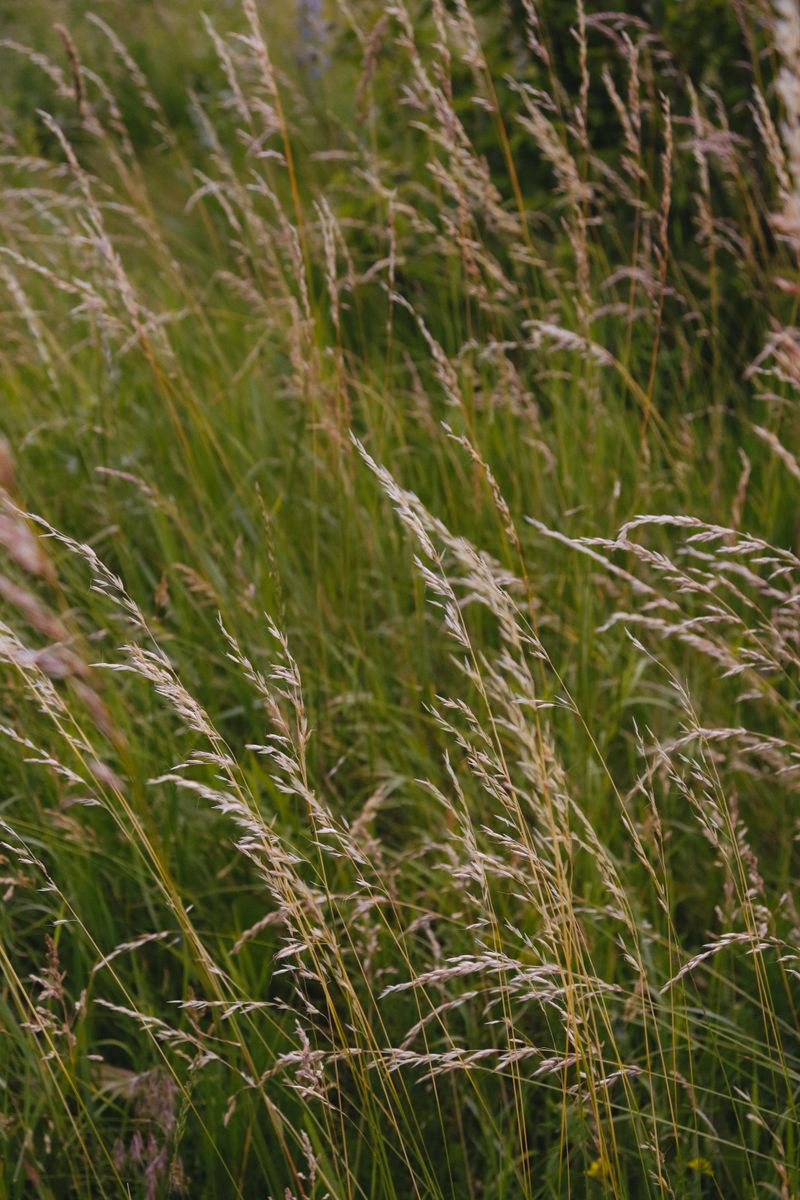
Picture this: you walk through your backyard barefoot and feel that familiar brush of long, damp grass against your ankles. That sensation is exactly what ticks count on to latch onto a passing host.
Tall grass acts like a natural ladder for ticks. They crawl up the blades and wait in a position called “questing,” holding their front legs out to grab onto anything warm that brushes past.
Mowing your lawn regularly is one of the most straightforward ways to reduce tick exposure. Keeping grass under three inches removes the vertical reach ticks need to make contact with humans or pets.
Yard conditions that keep ticks coming back in Virginia often start right here, with an overgrown lawn that never gets trimmed. A mower is genuinely one of your best tools against tick activity.
Aim to mow every week during warm months, especially in spring and early summer. Those are peak tick seasons in Virginia, and consistent mowing disrupts their questing behavior before it becomes a real problem.
Pay extra attention to grass growing along fences, garden beds, and property edges. Those spots tend to get skipped during routine mowing but are exactly where ticks love to gather.
Short grass dries out faster in sunlight, which ticks cannot tolerate well. Keeping your lawn trimmed is a low-cost habit that makes a surprisingly big difference in how many ticks survive in your yard.
2. Leaf Litter Stays Moist And Shelters Ticks Year-Round

Autumn leaves look beautiful, but your yard does not care about aesthetics. Leaving them on the ground creates exactly the moist, shaded conditions ticks need to survive through cold snaps.
Leaf litter holds moisture, stays cool, and creates a microclimate that keeps ticks active well into late fall.
Ticks cannot handle dry, sunny conditions for long. A thick mat of fallen leaves gives them exactly the shade and humidity they need to stay active well into late fall and even mild winter days.
Many Virginia homeowners are surprised to learn that ticks remain active whenever temperatures stay above 40 degrees Fahrenheit. That means a pile of leaves in November is still a valid hiding spot for a hungry tick.
Your Virginia Garden Changes Every Week. Your Plan Should Too.
Gardening in Virginia changes quickly throughout the season. Every Friday you’ll receive a simple weekly plan showing exactly what to plant, prune, fertilize, harvest, and protect so you never miss the right timing.
Raking and bagging leaves promptly after they fall is a simple habit that pays off big. Do not let piles sit near your home, porch, or play areas where kids and pets spend time.
Composting leaves far from the house is a smarter option if you want to recycle yard waste. Distance matters a lot since ticks will not travel far on their own across open, dry ground.
Even a thin layer of leaves along a garden border can shelter dozens of ticks through winter. Clearing those edges regularly removes the damp cover ticks depend on to stay hydrated and alive.
A leaf-free yard is not just tidy, it is genuinely less hospitable to ticks. Removing that moist shelter layer is one of the most impactful steps you can take in any season.
3. Dense Shrubs Create Cool, Humid Hiding Spots

Overgrown shrubs look lush and full, but underneath all those branches is a shadowy world that ticks absolutely love. The dense canopy blocks sunlight, traps moisture, and keeps ground temperatures cool enough for ticks to thrive all summer.
Shrubs planted close together create a network of humid microclimates at ground level. Ticks do not need much, just shade and a bit of moisture, and a neglected shrub border gives them both in abundance.
Pruning your shrubs regularly opens up airflow and lets sunlight reach the soil beneath. Sunlight dries out the ground, and dry ground is hostile territory for ticks trying to stay hydrated.
When shrubs are trimmed back, wild animals like mice and rabbits also lose their favorite hiding spots near your home.
Since those animals often carry ticks, removing their cover reduces the number of ticks being dropped off right next to your house.
Aim to keep at least a foot of clearance between the base of shrubs and your lawn or mulch border. That small gap of open, sunny ground acts as a natural deterrent for ticks moving from the shrubs toward your living areas.
Overgrown foundation plantings are especially risky since they sit right against your home. Ticks sheltering there are just a short crawl away from your front door, porch, or entryway.
Healthy, well-maintained shrubs are fine in any yard. The key is keeping them trimmed enough that sunlight and air can do their job of making the ground below less tick-friendly.
4. Wooded Edges Are The Highest-Risk Zone In Any Yard
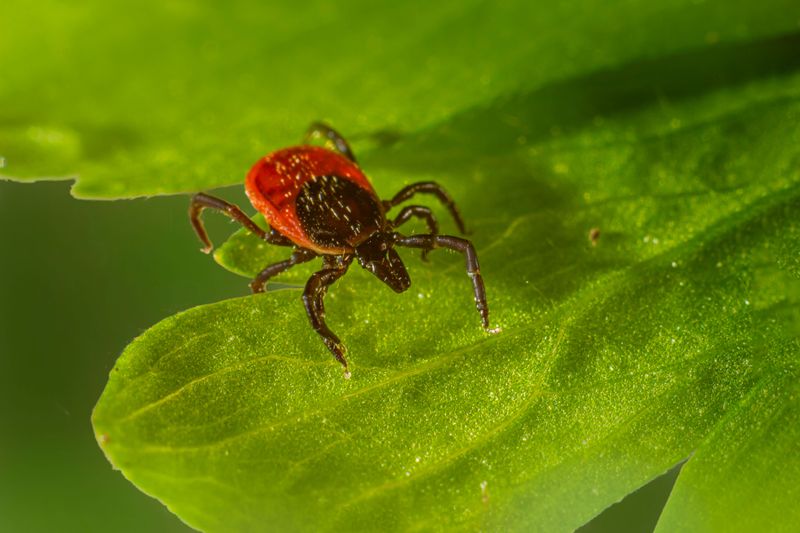
The spot where your lawn meets the woods is the highest-concentration area for tick activity in any yard.
That transition zone, sometimes called the ecotone, is where wild animals travel, where shade and sun mix, and where ticks congregate in the highest numbers.
Deer, foxes, raccoons, and other wildlife follow the tree line as a natural corridor through neighborhoods.
Every animal that passes through that edge zone can drop ticks onto the ground, the brush, or the low-hanging branches nearby.
Yard conditions that keep ticks coming back in Virginia almost always include an untreated wooded border. Leaving that edge wild and unmanaged is an open invitation for ticks to migrate from forest to lawn.
Creating a three-foot-wide barrier of wood chips or gravel along your wooded edge can dramatically cut tick movement.
Ticks avoid crossing dry, open material because it pulls moisture away from their bodies too quickly.
Clear out any brush, fallen branches, or dense ground cover within that border zone regularly. Removing that habitat eliminates the stepping stones ticks use to move from the woods into your mowed yard.
Some homeowners also apply tick-control treatments specifically along the wooded edge rather than the whole yard. Targeting that high-risk zone is both cost-effective and highly focused where the problem actually starts.
Your wooded edge does not have to be the enemy if you manage it well. A little maintenance along that boundary goes a long way toward keeping your whole yard safer and more enjoyable.
5. Shaded, Damp Ground Keeps Ticks From Drying Out
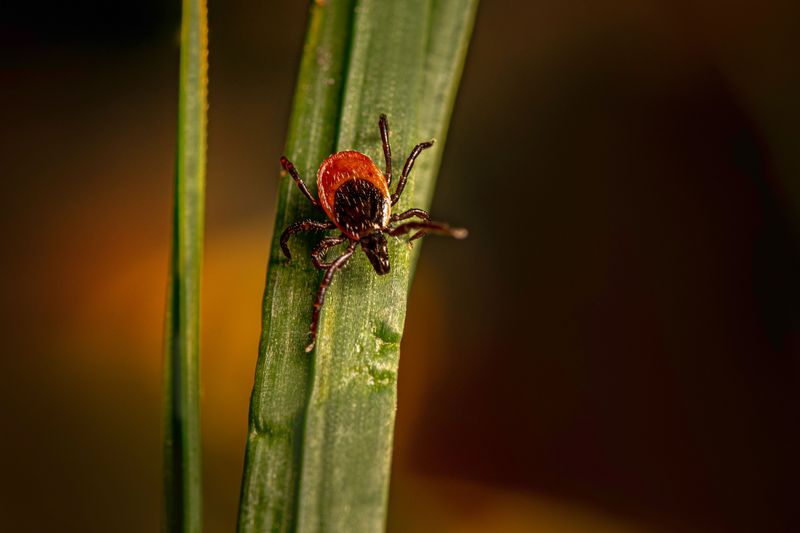
Ticks are surprisingly fragile when it comes to moisture loss. Ticks dehydrate and become inactive within hours without enough humidity in their environment.
Shaded, damp ground solves that problem for them, supplying exactly the moisture and temperature they need to stay active.
Areas under large trees, along the north side of buildings, or near downspouts are naturally cooler and slower to dry out. Those spots are exactly where ticks spend the hottest parts of the day waiting for a host to pass through.
Improving drainage in low-lying, wet areas of your yard reduces the moisture ticks depend on. Even simple fixes like redirecting a downspout or adding a French drain can make a shaded corner far less hospitable.
Trimming tree canopies to allow more sunlight onto the ground is another effective approach.
More sun means faster evaporation, and faster evaporation means ticks struggle to stay hydrated long enough to wait for a host.
Moss growing on soil is a strong visual clue that an area stays consistently damp. Wherever you see moss, assume ticks are comfortable there too and treat that area as a priority zone.
Avoid overwatering garden beds and lawn areas near shaded spots since extra irrigation adds to the moisture problem. Ticks thrive when humans accidentally create the wet, cool conditions the bugs need to survive.
Sunlight is genuinely one of your best natural defenses against ticks in your yard. Letting more of it reach the ground transforms shaded problem areas into spaces ticks simply cannot survive in for long.
6. Deer, Mice, And Birds Carry Ticks Into Your Yard
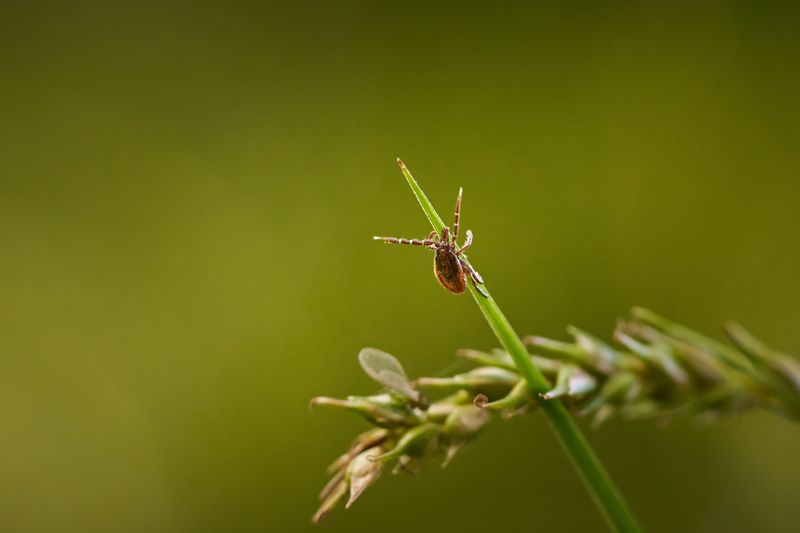
No matter how well you maintain your lawn, ticks will keep returning if the animals that carry them keep showing up.
Deer are significant hosts for adult ticks and can carry large numbers through your yard, though mice are the primary source of Lyme-infected ticks passed on to humans.
White-footed mice are actually the primary reservoir for Lyme disease bacteria in the eastern United States.
When ticks feed on infected mice in your yard, those ticks pick up the bacteria and can later pass it on to humans or pets.
Birds are a minor but real factor in tick activity. Ground-feeding species like robins and sparrows can carry ticks into your lawn as they land, feed, and move on, but their impact is nowhere near that of deer or mice.
Discouraging deer from entering your yard is one of the most impactful things you can do for tick reduction.
Deer-resistant plantings, motion-activated sprinklers, and fencing all help push deer away from your living areas.
Reducing mouse habitat around your home also cuts tick numbers significantly. Clear out brush piles, old wood stacks, and cluttered storage areas where mice nest close to the house.
Tick tubes are a creative tool that places treated cotton in areas where mice nest. Mice collect the cotton for bedding, the treatment eliminates ticks on the mice, and the whole cycle gets interrupted at the source.
Managing the animals that carry ticks is just as important as managing the yard itself. Cutting off the delivery system is a powerful strategy that keeps tick populations from bouncing back season after season.
7. Bird Feeders Attract Animals That Ticks Ride In On
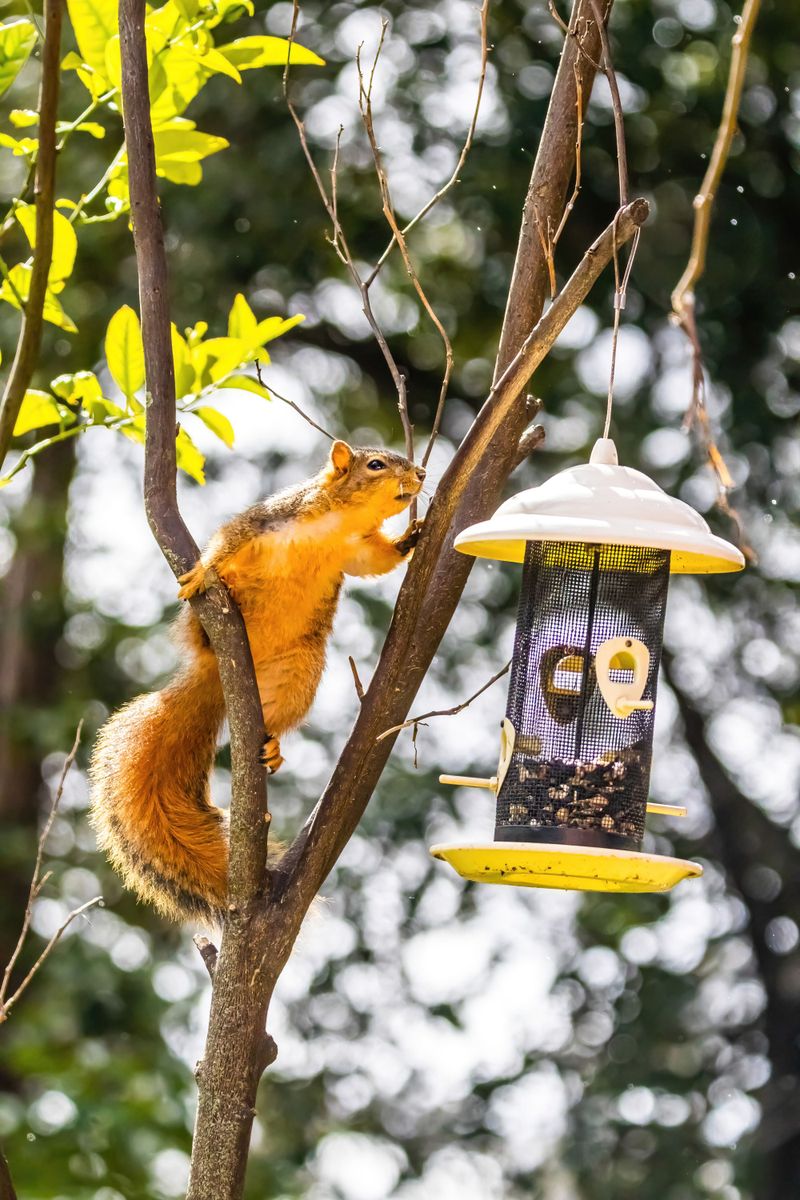
Bird feeders feel wholesome and harmless, but they are quietly pulling in some of the most tick-friendly animals around. Squirrels, chipmunks, and raccoons are the real concern around any feeder.
They arrive from wooded areas, drop ticks onto your lawn, feed at the feeder, and then carry any newly acquired ticks back out with them.
Spilled seed on the ground is the real problem since it attracts ground-dwelling rodents that linger in one spot for a long time. The longer a tick-carrying animal stays in your yard, the more ticks get deposited nearby.
Switching to a feeder with a catch tray reduces the amount of seed that falls to the ground. Less spilled seed means fewer rodents loitering beneath the feeder and fewer ticks being dropped off in that area.
Placing feeders far from the house, preferably at the edge of the property, keeps tick-carrying visitors away from your primary activity zones. Distance between the feeder and your patio or play area gives ticks less chance of reaching you.
Some homeowners choose to stop using feeders altogether during peak activity months, typically spring through early summer.
That seasonal break can noticeably reduce the number of rodents and deer passing through your yard. Enjoying birds in your yard does not have to mean accepting more ticks.
A few smart adjustments to how and where you feed birds can keep the wildlife experience without the unwanted hitchhikers.
8. No Lawn Barrier Lets Ticks Migrate From Wild Land
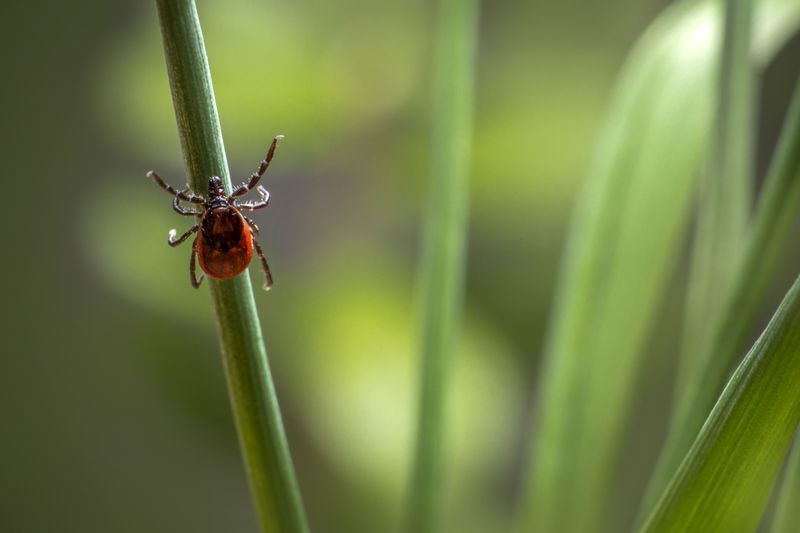
An open, undefined border between your yard and wild land is like leaving your front door wide open for ticks.
Without a physical or chemical barrier, ticks move freely from natural areas right into the spaces where your family spends time.
Yard conditions that keep ticks coming back in Virginia often include this exact problem: no clear boundary between maintained and unmanaged land. Ticks do not need much encouragement to cross that invisible line.
A wood chip or gravel barrier along the perimeter of your yard creates a dry, open zone that ticks resist crossing.
The material wicks moisture away from their bodies, making the crossing uncomfortable and often fatal for the tick.
Treated barriers using tick-repellent products add another layer of protection along property edges.
Applying a perimeter treatment in early spring and again in late summer covers the two main tick activity peaks in the mid-Atlantic region.
Fencing can also help by keeping deer and other large animals from wandering freely through your yard.
Deer fencing does not have to be expensive, and even a modest barrier reduces the number of tick-carrying animals entering your space.
Combining a physical barrier with a treated perimeter gives you two lines of defense working at the same time. That layered approach is far more effective than relying on a single method alone.
Taking control of your yard edges is one of the smartest investments you can make for outdoor comfort.
A clear, maintained boundary sends a message that this yard is no longer easy territory for ticks to call home.