This Is The Florida Garden Pest That Destroys The Roots Before Anything Above Ground Looks Wrong
A Florida garden plant looks perfectly healthy on Monday.
By Friday it is struggling in ways that do not match anything visible. The soil is moist. The fertilizer went in on schedule. The sun is doing what Florida sun always does. Nothing obvious explains what is happening.
This specific pattern plays out across Florida gardens every season, and many gardeners spend weeks blaming the wrong things before getting close to the real answer.
The problem is underground. It was underground before the first leaf showed any sign of stress. By the time anything above ground looks wrong, the damage below has already been building for weeks.
Florida’s warm sandy soil is home to one of the most destructive garden pests in the state, and many gardeners have never seen it. Not because it hides particularly well. Because it is microscopic.
Have you ever pulled a struggling Florida plant and wondered why the roots looked nothing like they should? Well, there are a few things to know about what is actually happening down there.
1. Identify Root Knot Nematodes First
Many Florida gardeners who encounter this pest for the first time go through the same diagnostic process.
Check the leaves. Check the watering schedule. Check the fertilizer. Check the sun exposure. Find nothing obviously wrong and add the situation to the general category of Florida gardening mysteries.
Root-knot nematodes belong to the genus Meloidogyne. Several species are active in Florida, with Meloidogyne incognita and Meloidogyne javanica being the most common troublemakers in vegetable and flower gardens.
They are microscopic roundworms that live in the soil and attack plant roots directly, completing most of their damage before any above-ground symptom develops.
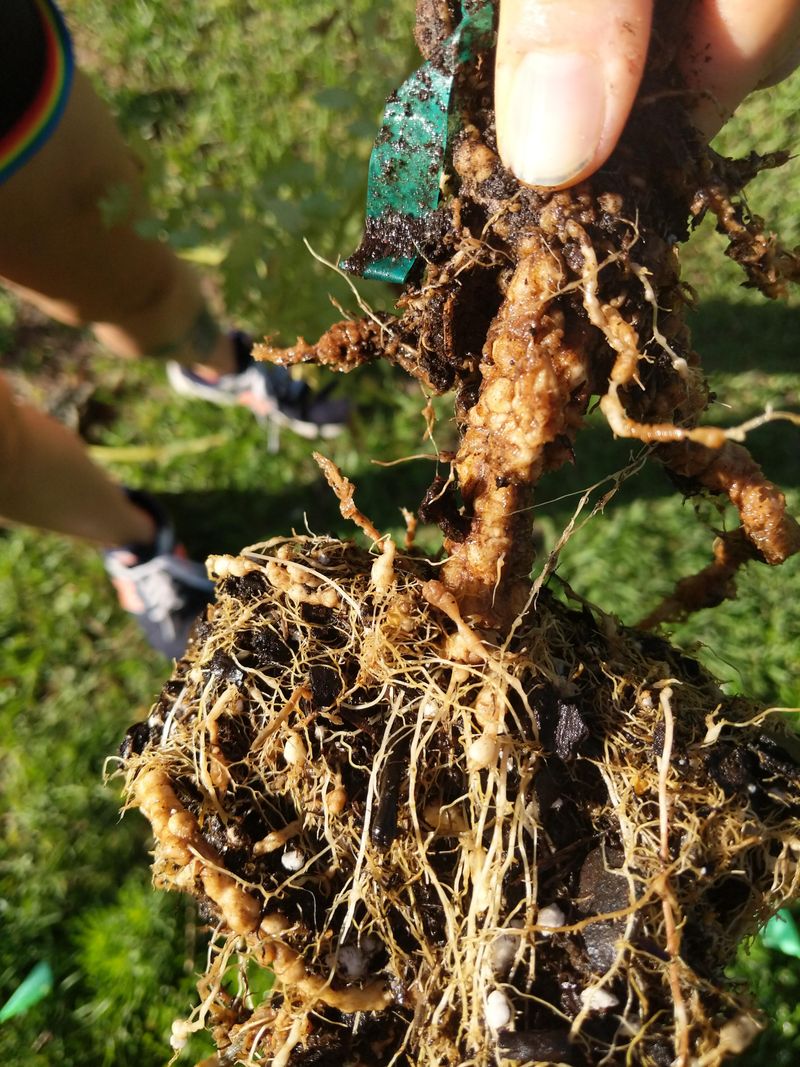
The life cycle starts when juvenile worms hatch from eggs in the soil and move toward plant roots. Once inside the root, they trigger the plant to form swollen lumps called galls.
Those galls physically block the movement of water and nutrients upward through the plant. The plant weakens from the inside out, slowly and invisibly.
Florida’s year-round warmth accelerates nematode reproduction considerably compared to cooler states. Sandy soil makes movement between root systems easier.
The combination creates ideal conditions for populations to build up faster than a gardener can track through above-ground observation alone.
Understanding what this pest is and how it operates is the starting point for everything else. The gardener who knows nematodes exist is already ahead of the one who is still blaming the weather.
2. Check Roots For Swollen Galls
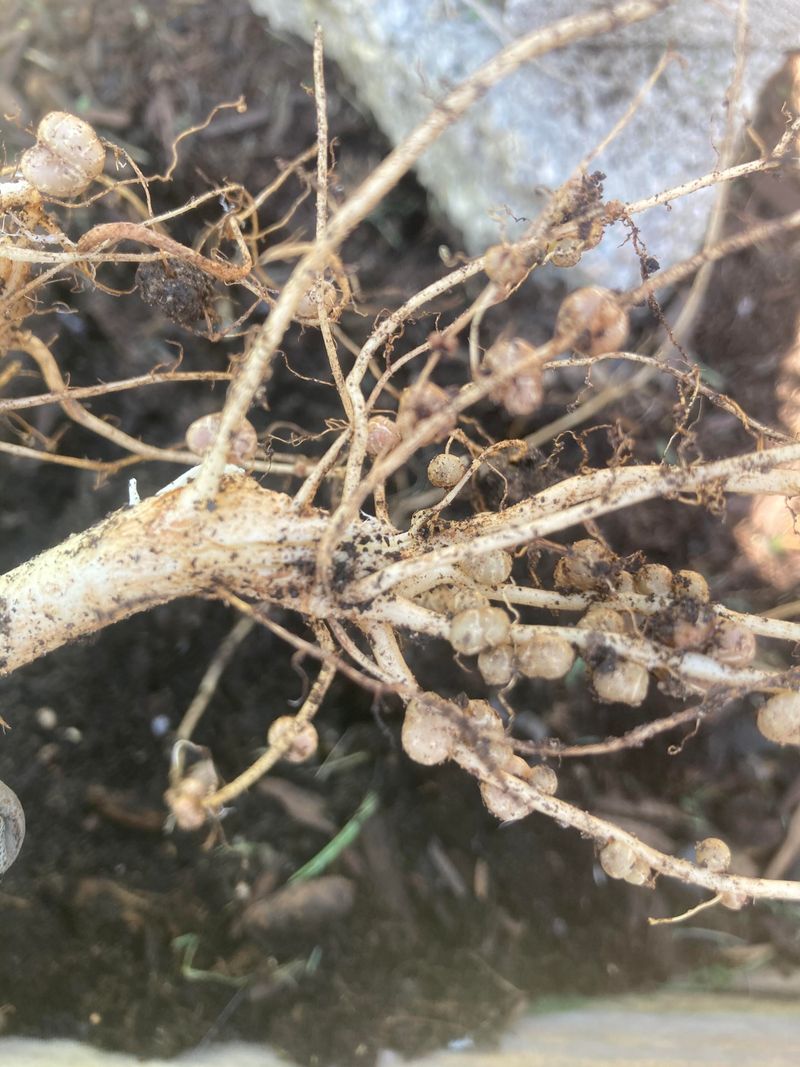
Pull a struggling plant out of Florida soil and rinse the roots. What comes next is either reassuring or clarifying.
Healthy plant roots look smooth, pale, and somewhat firm. They branch out in clean thin threads designed to absorb water and nutrients efficiently.
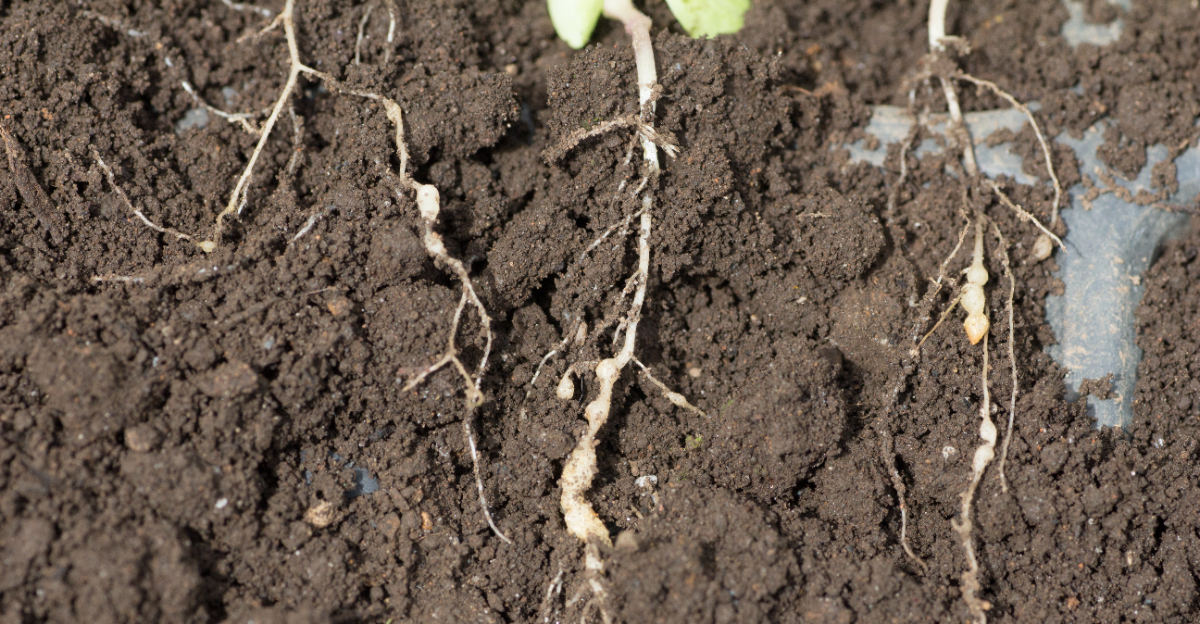
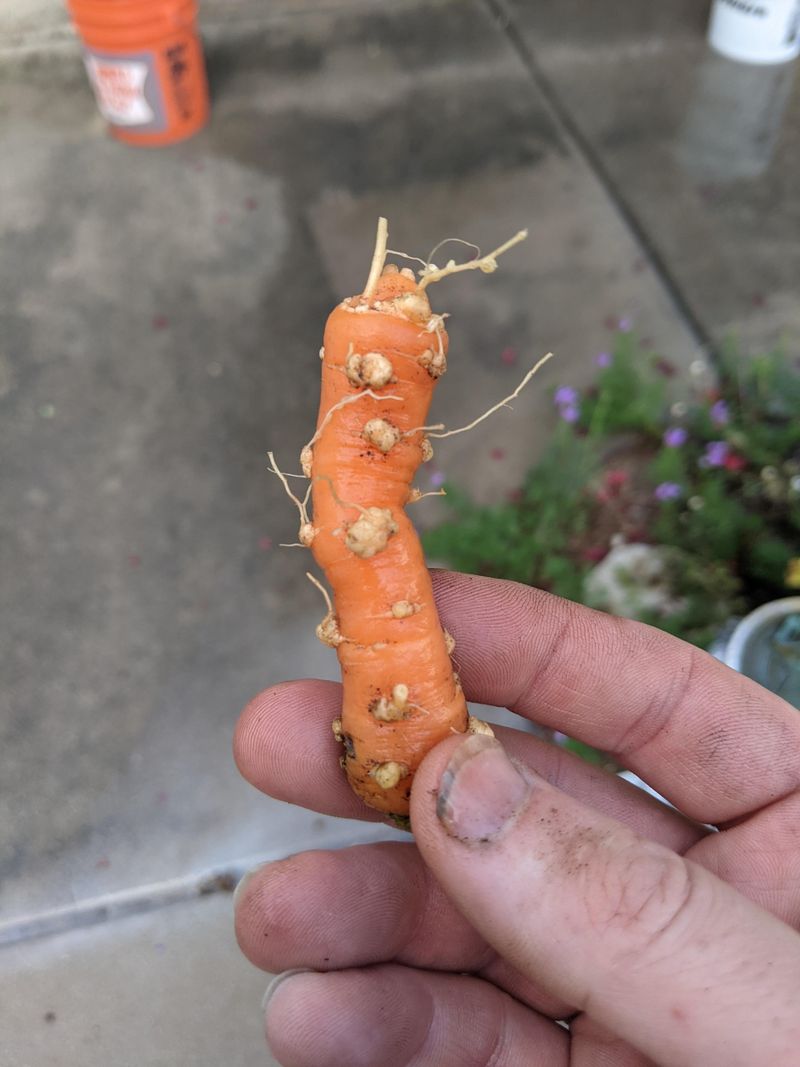
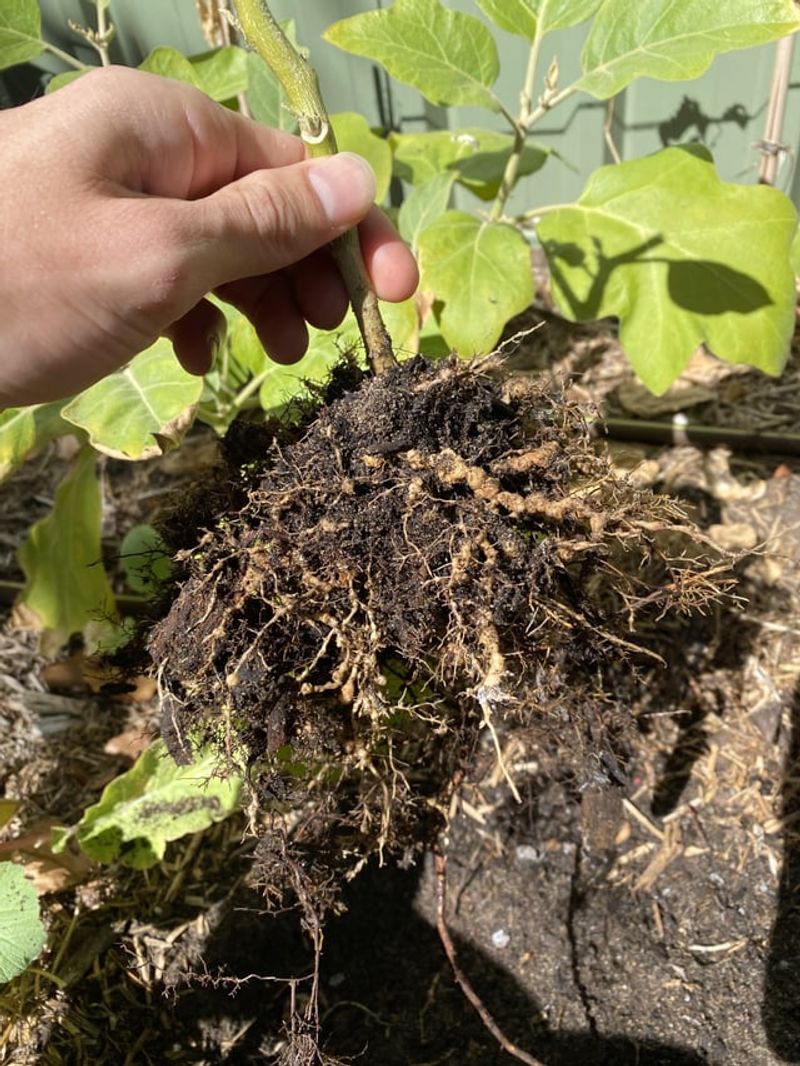
Nematode-infected roots look entirely different. Swollen lumps called galls run along the root surface in patterns that range from small pea-sized bumps to large misshapen clusters that distort the entire root system.
These galls are the physical signature of root-knot nematode activity, and finding them on pulled roots confirms what above-ground symptoms were suggesting.
Your Florida Garden Changes Every Week. Your Plan Should Too.
Gardening in Florida changes quickly throughout the season. Every Friday you’ll receive a simple weekly plan showing exactly what to plant, prune, fertilize, harvest, and protect so you never miss the right timing.
The damage is not cosmetic. Galls physically interrupt the plant’s ability to function at the most basic level. Water and nutrients cannot travel properly through a galled root system.
A plant with heavy nematode damage essentially starves even when the surrounding soil is full of fertilizer and moisture. That is why nematode-affected plants often look like they have drought stress or nutrient deficiency when neither is actually the cause.
Root inspection deserves to become a regular habit in any Florida garden, not just a response to visible plant problems.
When a plant underperforms without obvious explanation, gently digging it up and rinsing the roots before examining them takes about two minutes.
Healthy roots confirm the bed is in good shape. Galled roots confirm it is time to change the approach.
3. Notice Wilting During Midday Heat
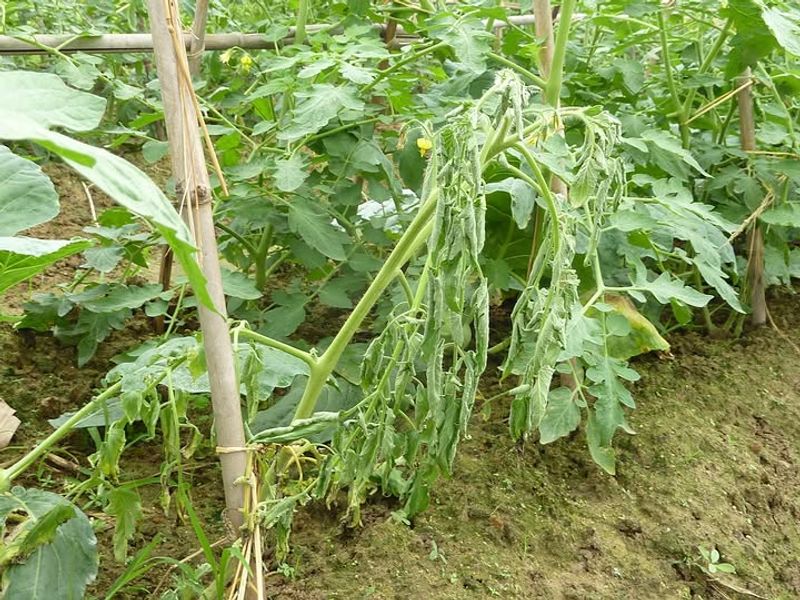
The morning watering went in on schedule. The soil is still moist by noon. The tomatoes are drooping anyway.
This specific scenario is one of the earliest visible signals that root-knot nematodes have been working underground long enough to compromise root function.
The plant is wilting not because water is absent but because the damaged root system cannot transport it fast enough to meet the demand of a Florida afternoon.
Galled roots lose their ability to move water efficiently. Even with adequate soil moisture available, the disrupted root system cannot keep pace with the heat and sun. The plant shows drought symptoms under conditions that should be entirely manageable.
This symptom is easy to misread, and Florida gardeners misread it regularly. The natural response to midday wilting is more water.
More water does not fix damaged roots and can create additional soil conditions that favor continued nematode activity.
The distinguishing pattern is that nematode-affected plants wilt despite adequate moisture and recover only partially by the following morning. Plants wilting purely from dry soil recover fully and quickly once water is applied.
Repeated midday wilting on well-watered plants is a specific signal worth investigating at the root level rather than at the water schedule level.
The problem is already well established underground by the time this pattern becomes visible. Acting on it early limits how much further it develops before the season ends.
4. Expect Weak Growth Before Leaf Clues
The most useful signal often arrives quietly. One plant in the row is noticeably shorter than the others.
A pepper that should be flowering by now is still the same size it was at transplant three weeks ago. A tomato is putting out leaves at half the rate of its neighbors. Nothing looks dramatically wrong. Something is clearly not right.
Slow, weak, or stalled growth is among the earliest signs of root-knot nematode damage and among the easiest to dismiss.
Leaves can still look reasonably green and healthy in the early stages of infestation, which gives gardeners little visual reason to suspect a soil-level problem.
The fertilizer response is where the situation usually becomes more frustrating. Nematode-damaged roots cannot absorb nutrients efficiently regardless of soil fertility.
The plant is running with a compromised system. Nitrogen, phosphorus, and potassium are present in the soil, but the plant’s ability to take them in is restricted by the galled root tissue interrupting normal function.
The addition of more fertilizer does not address a root system that has been structurally damaged from the inside. Growth continues to stall while the nematode population underground continues to build.
Florida gardeners who track plant growth consistently across a season are positioned to catch this early.
A plant significantly behind its neighbors with no obvious explanation is worth digging up and examining at the roots before the growing season advances further.
Early detection at this stage still allows for meaningful intervention.
5. Rotate Vegetables Away From Host Plants
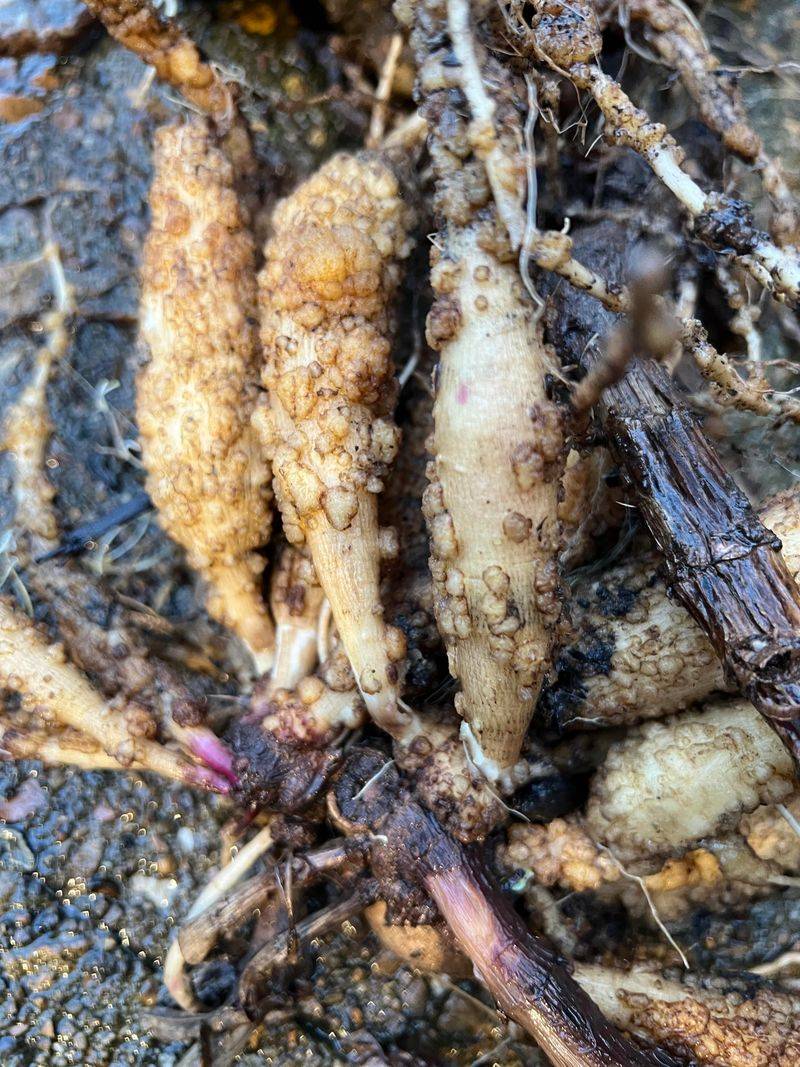
One of gardening’s oldest practices still holds up against one of Florida’s most persistent soil pests.
Crop rotation disrupts the nematode cycle by temporarily removing the preferred food source from a given bed.
Nematode populations that have built up feeding on tomatoes or peppers all season begin to decline when those host plants are no longer present in that location.
The effect is gradual rather than immediate, but consistent rotation over multiple seasons produces measurable improvement in bed conditions.
Root-knot nematodes attack a wide range of plants including tomatoes, peppers, squash, beans, and many ornamentals.
Planting the same susceptible crops in the same bed season after season provides the population with continuous ideal conditions. Moving plant families to different beds each season removes that consistency.
Corn, small grains, and certain grasses are considered poor hosts for common Florida nematode species. Planting these in a previously infested bed gives the nematode population less to work with during that cycle.
French marigolds, specifically Tagetes patula, have shown meaningful nematode suppression in research when planted densely as a cover crop for a full season before replanting susceptible vegetables.
Planning rotation before planting season is straightforward. A sketch of which beds held which crops last season and a simple shift of everything by at least one bed makes the whole system manageable.
Even a basic two-bed rotation beats planting the same thing in the same spot every year. Small adjustments in planning produce noticeably healthier plants by the second season of consistent rotation.
6. Choose Resistant Varieties When Possible
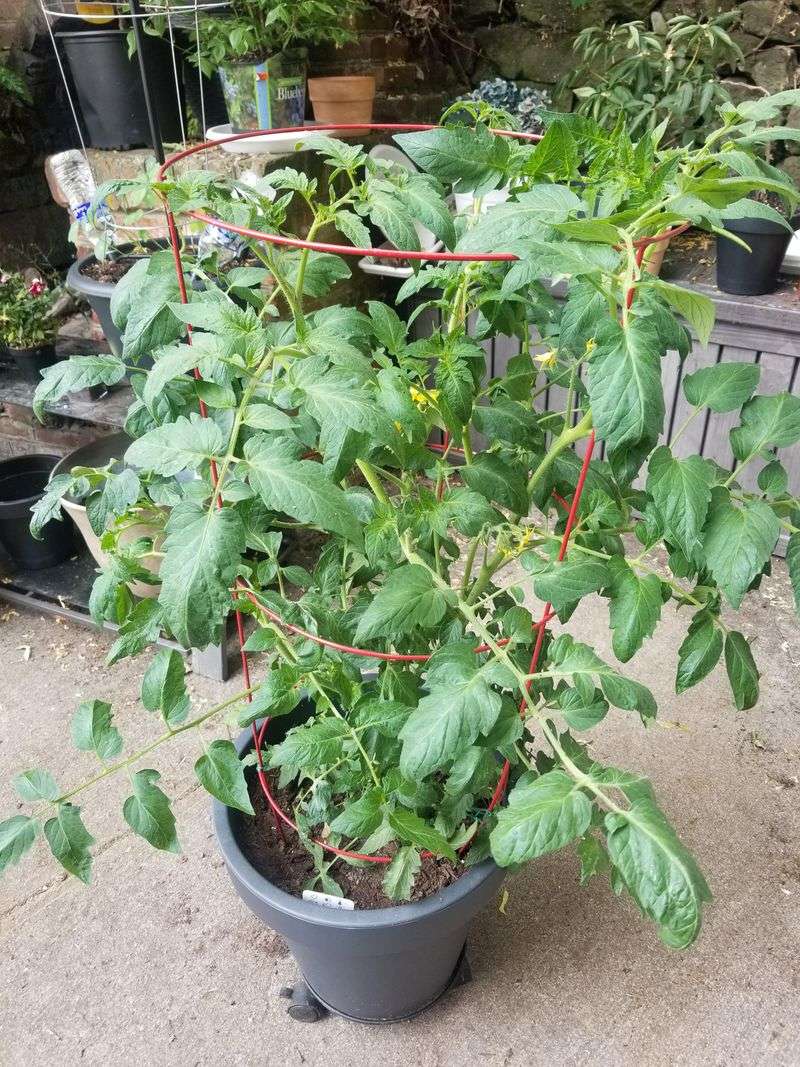
Seed packets carry more useful information than most Florida gardeners read.
The letter N printed on a tomato packet or plant tag means that variety was bred and tested for resistance to root-knot nematodes.
One letter on a label can shape the entire success of a season in Florida soil, particularly in beds that have already had nematode pressure.
Tomatoes have the widest availability of resistant varieties among common Florida vegetables.
Celebrity, Better Boy, and many hybrid types carry the N designation and perform measurably better than susceptible varieties under similar nematode pressure.
However, resistant does not mean completely unaffected. Under extreme infestation levels, even resistant varieties show some damage.
They consistently produce better yields and maintain healthier function longer than susceptible plants in the same conditions.
Peppers have fewer widely available resistant options than tomatoes. In those cases, accepting some nematode pressure and combining other management strategies becomes the practical approach for home gardeners working with standard transplant options.
The full code on tomato labels often reads V, F, N, T, and A. Each letter represents resistance to a different common pest or disease. V covers Verticillium wilt. F covers Fusarium wilt. T covers tobacco mosaic virus. A covers Alternaria. N is nematodes.
Reading those letters takes about three seconds at the nursery. Skipping a susceptible variety in favor of a resistant one costs the same amount of money and produces a noticeably different result by midsummer.
The N is working before the plant even goes in the ground.
7. Solarize Soil Before Replanting
Florida summer heat is genuinely brutal. It is also a tool the garden can use.
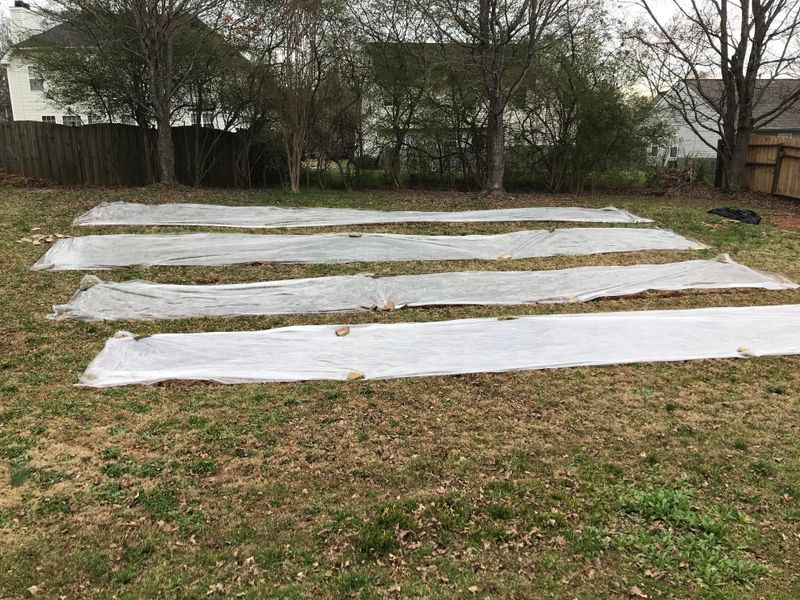
Soil solarization turns the Florida sun into a soil treatment by trapping solar heat under a layer of clear plastic laid directly on moist soil.
Temperatures under the plastic in the top inches of Florida soil can reach 130 to 140 degrees Fahrenheit during peak summer weeks.
At those temperatures, nematode eggs and juveniles are destroyed. Weed seeds and some soilborne diseases are also reduced in the treated zone.
The process requires preparation to work effectively.
Remove old plant debris from the bed, water the soil thoroughly until moisture penetrates several inches down, smooth the surface, then lay clear plastic tightly over the entire area and seal the edges with soil or heavy objects.
Leave it in place for four to six weeks during the hottest part of summer, typically June through August in Florida.
Clear plastic is the right material. Black plastic absorbs heat rather than trapping it inside the soil layer, which produces a different and less effective temperature profile underground.
After the solarization period, remove the plastic and avoid deep tilling before planting. Deep tilling brings untreated soil and surviving organisms from below the treated zone back to the surface, which partially undoes the work that just finished.
Plant directly into the treated layer as soon as conditions allow.
Solarization works best in full-sun areas with no significant shading from nearby structures or trees. The Florida sun is one of the most powerful tools available in the garden, and this is one of the more satisfying ways to use it.
8. Add Organic Matter To Support Roots
Sandy Florida soil has a well-earned difficult reputation. It drains fast, holds minimal nutrients, and provides roots with very little structural support.
It also happens to be the exact environment where root-knot nematodes operate most efficiently. Addressing the soil itself is one of the more productive long-term approaches to managing nematode pressure.
Compost is the most accessible form of organic matter for home gardeners.
Working two to four inches of finished compost into garden beds before planting improves soil structure, water retention, and microbial activity simultaneously. That last improvement carries more practical value than most gardeners realize.
Healthy soil with diverse, active microbial communities includes natural organisms that compete with or directly parasitize nematode populations.
Certain fungi and bacteria that establish in organically rich soil create a biological environment that is actively less hospitable to nematodes than bare sandy soil supports. The compost builds the environment that builds those populations.
Organic matter also supports stronger, more extensive root systems. A robust root system compensates for nematode damage more effectively than a thin, shallow one.
Well-nourished plants with deep branching roots maintain better function under pest pressure than nutrient-limited plants in the same conditions.
Specific organic amendments including chitin-rich materials such as crab or shrimp shell meal have shown research-supported results for stimulating nematode-suppressive microbial communities in treated soil.
Regular compost additions each season build soil health in a compounding way. The garden that improves year over year is the garden where organic matter is going in consistently.