Why Florida Bonfires Do Not Repel Ticks The Way Almost Everyone Assumes They Do
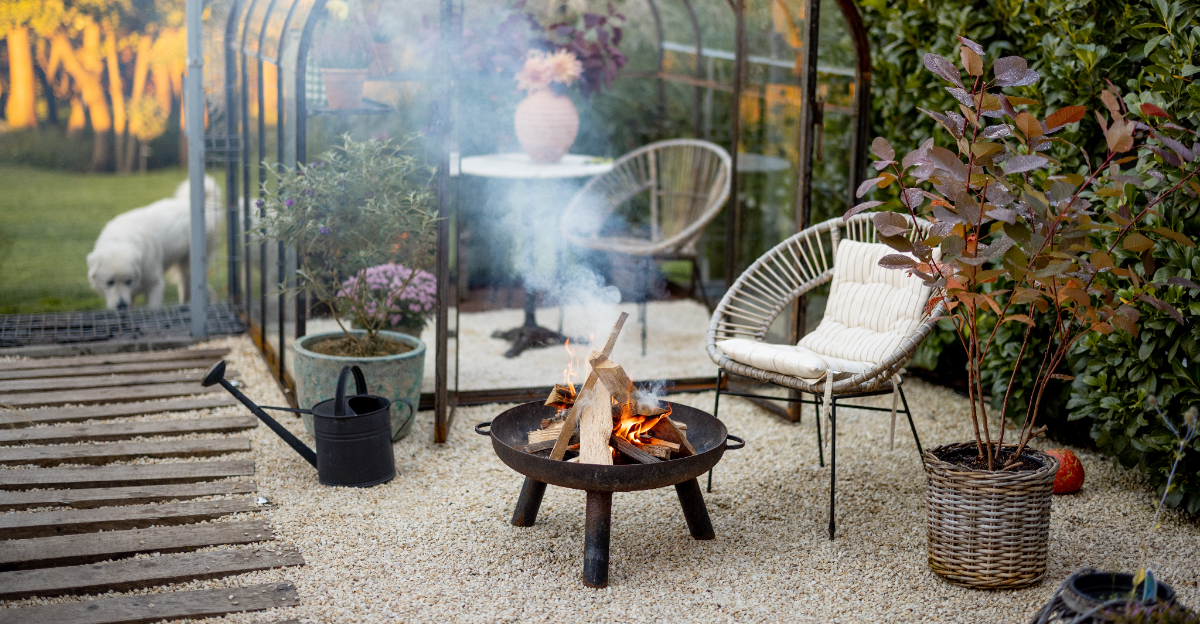
The bonfire gets lit. The smoke rolls across the yard. Someone says it keeps the bugs away. Everyone nods and settles into their chairs feeling reasonably protected for the evening.
It is a comfortable belief. It is also the reason ticks find so many willing hosts at outdoor parties across Florida every summer.
The fire looks like it should do something. The smoke smells like it should do something. The heat radiating outward feels like it should do something.
None of those impressions hold up when you look at where ticks actually spend their time and how they actually find hosts.
Florida has several tick species that stay active well into summer, and the biology behind how they operate makes the bonfire myth particularly worth understanding before the next outdoor gathering.
If you ever left a backyard fire feeling confident about tick protection without ever checking yourself afterward, that confidence has a gap in it worth closing.
1. Stop Treating Smoke Like A Tick Barrier
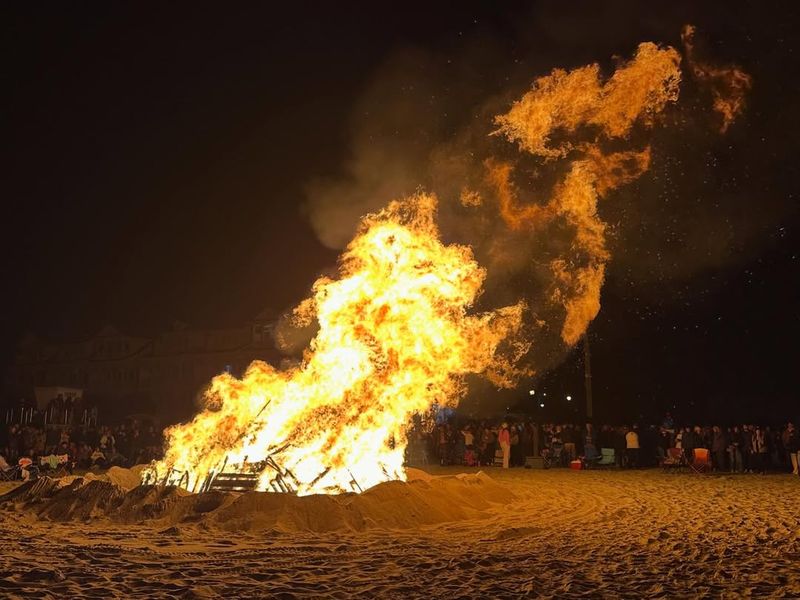
Smoke rolling off a backyard bonfire sets a perfect Florida evening atmosphere. It smells like something productive is happening.
The problem is that ticks are completely unbothered by it, and the reason comes down to basic biology and basic physics.
Ticks breathe through tiny openings called spiracles along their bodies. They can slow their breathing significantly in smoky conditions.
More importantly, ticks are not flying through the air the way mosquitoes are. They cling to grass blades, leaf edges, and low shrubs while waiting for a warm-blooded host to brush past them.
Smoke drifting across a yard rarely reaches the shaded, humid spots at ground level where ticks actually rest between host encounters.
A bonfire’s smoke column rises upward and disperses quickly into open air. Ground-level coverage is minimal.
Ticks sitting two feet from the fire pit in a clump of damp grass are completely untouched by the whole situation.
The real problem with the smoke-as-protection belief is behavioral. Guests who feel protected by the fire skip personal tick checks. They skip repellent. They assume the atmosphere is doing work it is genuinely not doing.
Smoke is atmosphere. It is not armor. The ticks waiting along the fence line have no opinion about the ambiance and are not impressed by the fire.
2. Skip The Myth That Heat Clears The Yard
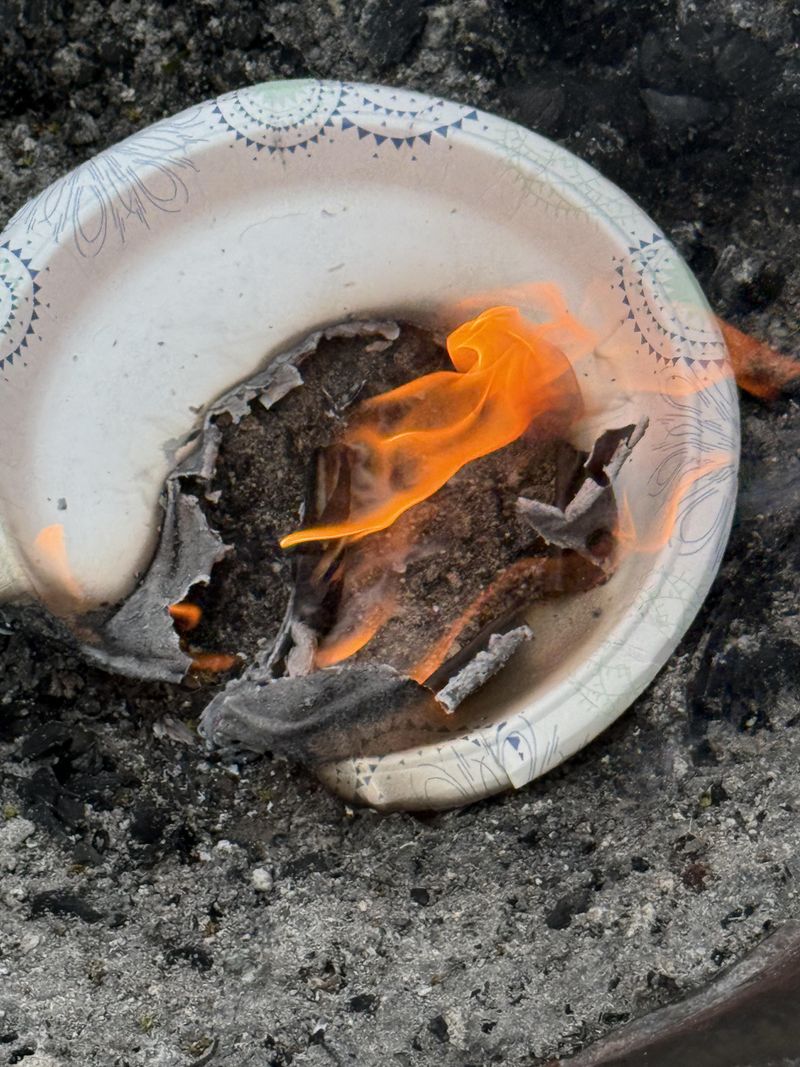
Someone always points at the flames and tells the group that the heat drives ticks away from the whole yard. It is a confident claim.
It is also the kind of claim that sounds reasonable until you stand at the fence line and feel absolutely nothing from a fire burning twenty feet away.
A bonfire generates serious heat within a very short radius of the flames. That heat dissipates rapidly with distance.
The shaded fence line ten yards away stays exactly as cool and moist as it was before anyone struck a match.
That fence line, with its leaf litter and overgrown grass, is prime tick territory. The fire never changes it in any meaningful way.
Your Florida Garden Changes Every Week. Your Plan Should Too.
Gardening in Florida changes quickly throughout the season. Every Friday you’ll receive a simple weekly plan showing exactly what to plant, prune, fertilize, harvest, and protect so you never miss the right timing.
Ticks are ectothermic, meaning their body temperature adjusts to their surrounding environment. They thrive in Florida’s humidity and specifically seek shaded, moist microclimates rather than open sunny areas.
A backyard bonfire does not alter the temperature of the brushy edges, the woodpile corner, or the shaded patch under the deck where ticks spend most of their waiting time.
Tick activity in Florida remains high even during warmer months because many species handle heat by retreating to cooler, shaded ground cover.
The fire burns in the middle of the yard. The ticks wait at the edges. Guests walking between the two zones pass through untreated habitat in both directions.
The heat clears nothing beyond the immediate burn zone, and the immediate burn zone was never where the ticks were to begin with.
3. Stop Expecting Ash To Protect Sitting Areas
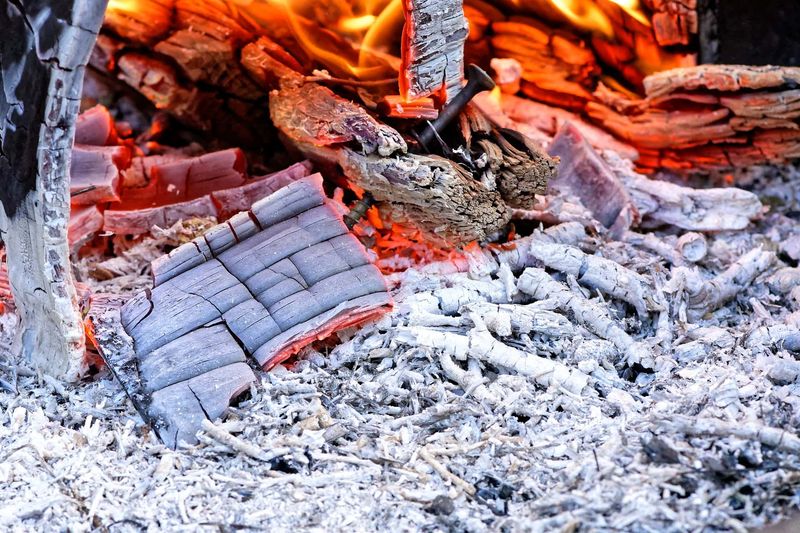
After a bonfire burns down, a ring of gray ash surrounds the pit, and a surprisingly common belief holds that this ash acts as a natural barrier or repellent.
Some older gardening traditions suggest that wood ash deters certain insects. For ticks specifically, ash around a fire pit offers nothing to anyone sitting in the vicinity.
Wood ash can raise soil pH and may affect some soft-bodied insects when applied directly and heavily. Ticks have a tough outer cuticle that resists desiccation considerably better than many other small creatures.
A thin layer of ash scattered around a fire ring does not penetrate the leaf litter several feet away where ticks are actually positioned. The ash stays where it lands. Ticks stay where the moisture is.
A typical bonfire gathering spreads people across a wide circle in camp chairs, blankets, and lawn furniture arranged around the fire.
Many of those chairs sit well beyond any ash ring, right at the edge of the grass or near landscaping borders. Those spots are entirely outside any theoretical ash coverage and squarely inside tick-friendly habitat.
Florida’s sandy soil and warm climate break down or blow away ash quickly. Even if ash had a temporary deterrent effect on any passing insect, the Florida weather makes that effect extremely short-lived.
Personal tick checks after outdoor gatherings remain the most reliable protection regardless of how much ash surrounds the pit.
4. Avoid Burning Leaves As A Shortcut
Leaf cleanup in Florida is a year-round job under live oaks and palmettos that drop material continuously.
When the pile gets large enough, burning it feels satisfying and final.
From a tick management standpoint, though, burning a leaf pile addresses one specific pile while doing nothing about the scattered litter along fence lines, under shrubs, and in garden beds where ticks also spend their time.
Leaf litter is one of the top tick habitats in Florida residential yards. Ticks use fallen leaves for moisture retention, shelter from heat, and cover while questing for hosts.
Removing leaf litter through bagging and proper disposal genuinely reduces habitat. Burning a specific pile eliminates that pile, and nothing else.
Open burning of yard waste also comes with legal complications in Florida. Many counties restrict or prohibit it outright, and burn bans are common during dry stretches that arrive without much warning across the state.
Bagging leaves, mulching them through a mower, or composting in a managed pile positioned away from the house reduces tick habitat consistently without the restrictions that come with burning.
Consistency matters more than a single dramatic cleanup event here. Ticks recolonize disturbed areas quickly, which means regular leaf removal throughout the season outperforms one large bonfire cleanup in every practical measure.
Leaf management is an ongoing habit. One satisfying pile of flames is not a tick control strategy.
5. Remember Ticks Wait In Grass And Litter
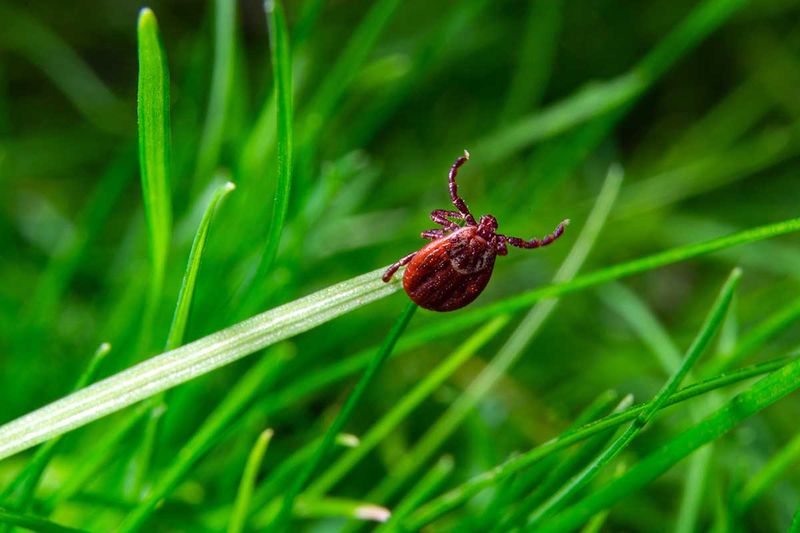
The popular mental image of ticks dropping from tree branches onto people below is almost entirely inaccurate.
It shapes how people misjudge risk at outdoor gatherings more than almost any other misconception about tick behavior.
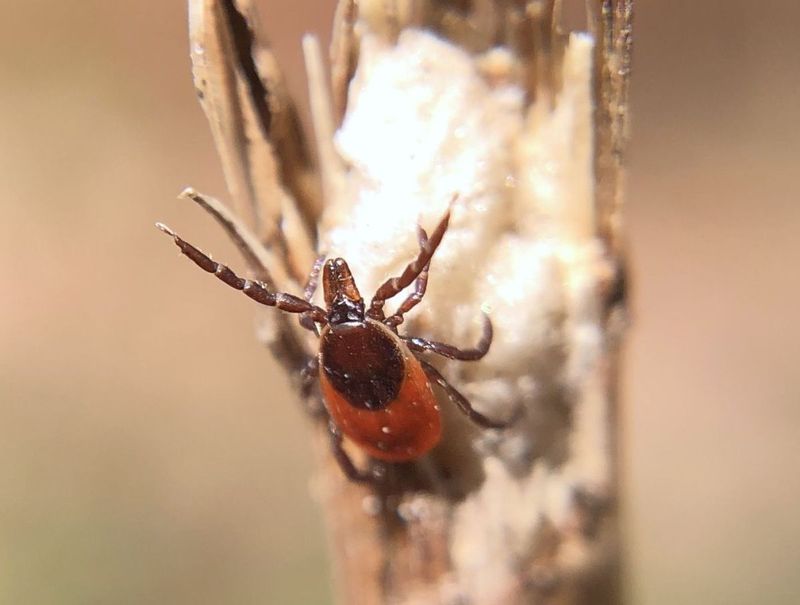
Ticks do not jump, fly, or drop from overhead. They quest. Questing means climbing to the tips of low vegetation and waiting with front legs outstretched for a host to brush against them.
Ground level and low shrubs are the staging area. The tree canopy above the bonfire is essentially irrelevant to the whole operation.
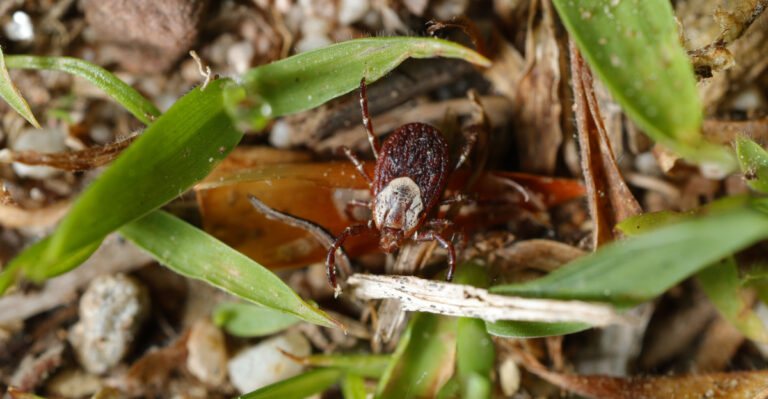
In Florida, the lone star tick is one of the most commonly encountered and aggressive species. It thrives in shaded, humid ground cover, particularly at transition zones between maintained lawn and brushy or wild edges.
Fence lines overgrown with weeds, borders between mowed grass and wooded areas, and spots where leaf litter accumulates are the high-priority waiting zones. These are the areas guests walk through on the way to the fire and back to the drink cooler.
Tall grass is another major questing area. Ticks rarely venture into the center of a sunny, short-cut lawn because the heat and dryness are unfavorable. The shaded patches and edges are where activity concentrates.
A bonfire in the middle of the yard sits in exactly the low-risk zone ticks avoid. The high-risk spots surround the gathering without anyone at the party paying them any attention.
6. Use Yard Cleanup Over Campfire Folklore
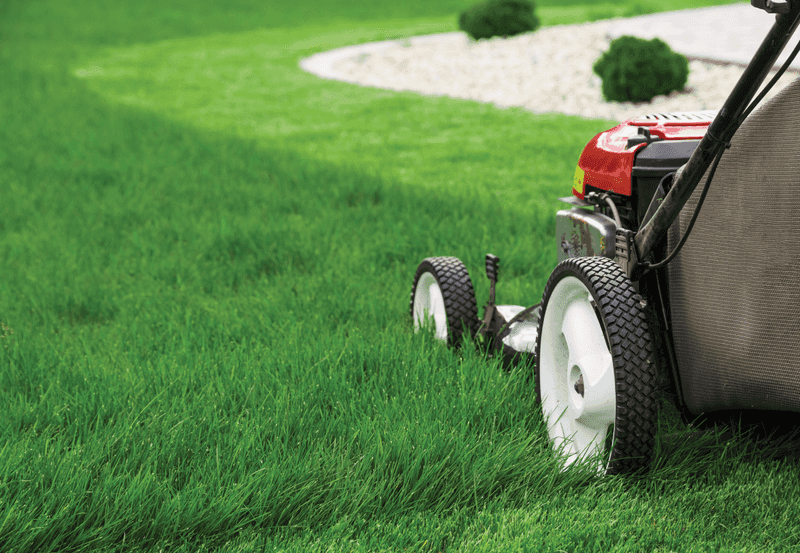
Swapping campfire folklore for actual yard management produces immediate, measurable results in tick pressure around any Florida home.
The methods that work are practical, cost almost nothing, and do not require lighting anything on fire.
Regular mowing keeps grass short throughout the season, especially along fence lines and property edges where tick activity concentrates.
Trimming back overhanging shrubs and low branches removes the shaded, moist corridors ticks prefer.
Clearing leaf litter from garden beds, under decks, and around tree bases consistently throughout the season reduces habitat more effectively than any single cleanup event.
Moving woodpiles away from the house and off the ground when possible removes a favorite refuge for ticks and the small mammals that carry them.
A buffer zone of wood chips or gravel between maintained lawn and any wooded or brushy area reduces tick movement toward the yard considerably.
Pets need tick checks after every outdoor session. So does every person. Check hairlines, behind ears, under arms, around the waist, and behind the knees.
EPA-registered repellents with DEET or picaridin on exposed skin and permethrin-treated clothing add meaningful protection during outdoor gatherings.
The practical checklist is short: mow often, clear leaf litter, trim edges, relocate woodpiles, create a gravel buffer, apply repellent, treat clothing, and check everyone thoroughly after time outside.
The bonfire can stay. It just was never doing any of those things, and now everyone at the party knows it.