7 Virginia Trees You Need A Permit To Remove Before They Come Down
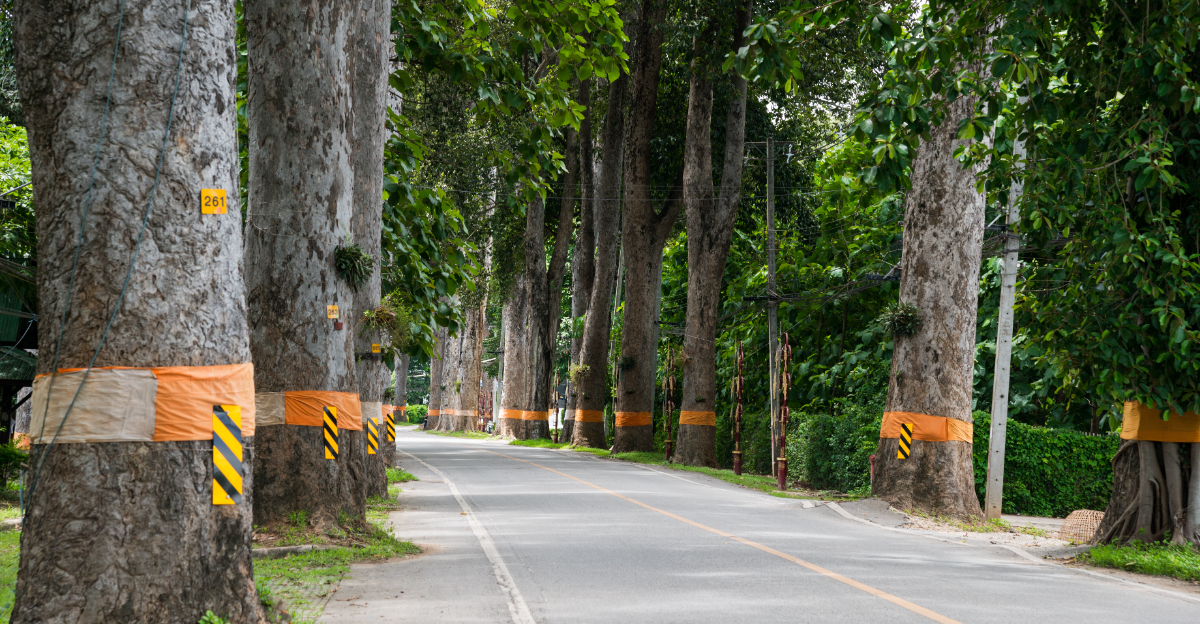
A $500 fine lands in your hand before the red oak even hits the ground. Code enforcement found you first.
You never saw them coming. You had no idea Virginia protected that tree. Most people never do. It happens faster than you expect.
You schedule the removal, you hire the crew, and you skip the one step that would have saved you a serious legal headache.
Before any tree comes down on your property, ask yourself this: do you actually know which trees Virginia shields from removal without a permit?
State law, local ordinances, and federal conservation agreements all overlap in ways that put your yard squarely in the crosshairs.
Seven trees and tree categories require official approval before a single branch falls. Read this list before the sawdust does.
1. Virginia Round-Leaf Birch
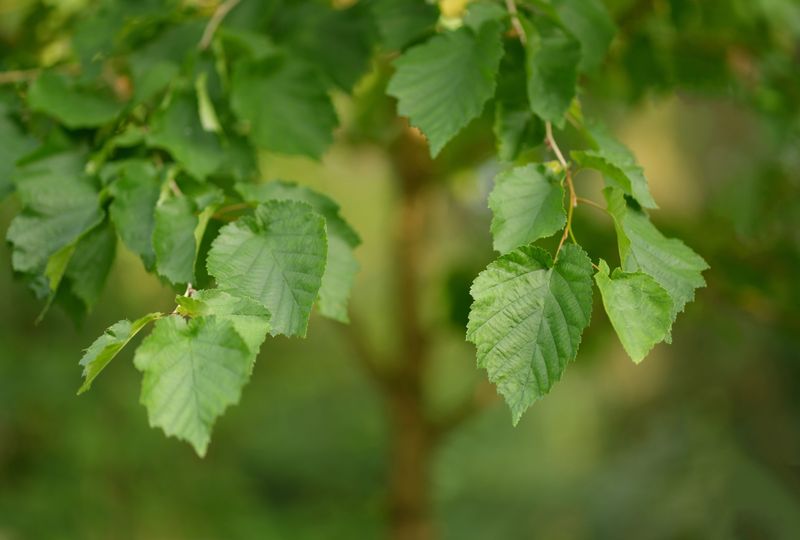
This tree exists nowhere else on the planet. The Virginia Round-Leaf Birch clings to rocky stream banks in Smyth County, making it one of the most endangered trees in North America.
Wild populations remain critically small. Check the latest U.S. Fish and Wildlife Service recovery data for current population counts before citing a specific number.
Removing even one without federal and state authorization is a serious legal violation, not just a permit issue.
The tree is listed as Threatened under the federal Endangered Species Act, downlisted from Endangered in 1994 after recovery efforts established over 20 additional populations.
Any homeowner whose land borders the Cressy Creek area still needs to check with both the U.S. Fish and Wildlife Service and the state before touching anything near it.
The round, slightly toothed leaves and the faint wintergreen scent of the bark make this tree recognizable if you know what to look for. Most people walk right past it without realizing what they are seeing.
If you suspect this birch is growing on your property, stop all work immediately. Contact the Virginia Department of Forestry or a licensed arborist who knows endangered species regulations before making any decisions.
Civil penalties under the Endangered Species Act now reach up to $49,467 per knowing violation, following a 2025 update to federal penalty schedules.
Criminal penalties can go higher still. The legal process for obtaining removal authorization is lengthy and approval is not guaranteed.
This tree is a living reminder that some natural things cannot be replaced once they are gone. Protecting it is not just a legal obligation. It is a chance to be part of something genuinely rare and worth saving.
2. American Chestnut
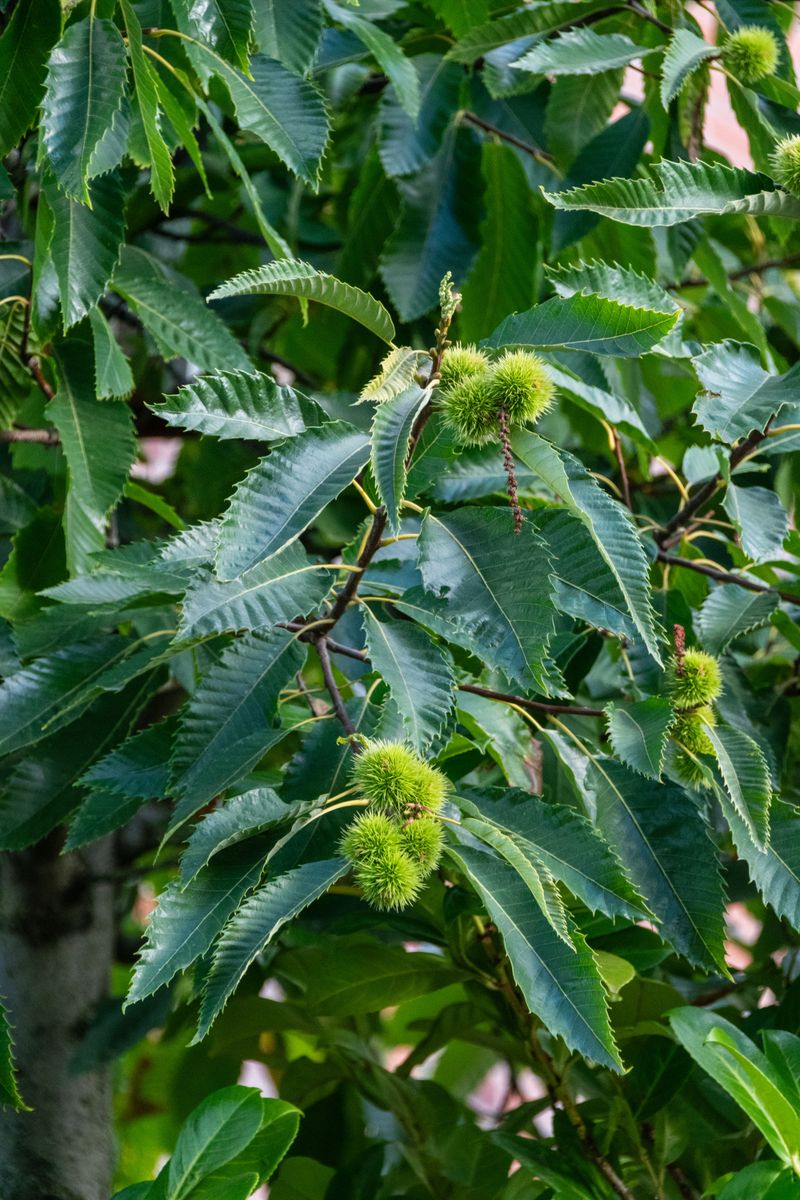
Once called the redwood of the East, the American Chestnut dominated eastern forests before a blight that removed the vast majority of mature specimens across the continent.
Restoration efforts are now underway, and remaining specimens are fiercely protected. In Virginia, any confirmed American Chestnut on public or protected land requires permits before removal.
On private land, protections depend entirely on your county. Localities with urban forestry ordinances, including parts of Northern Virginia and the Richmond metro area, may require permits even for privately owned specimens.
Your Virginia Garden Changes Every Week. Your Plan Should Too.
Gardening in Virginia changes quickly throughout the season. Every Friday you’ll receive a simple weekly plan showing exactly what to plant, prune, fertilize, harvest, and protect so you never miss the right timing.
Check with your local planning department to confirm. The American Chestnut Foundation has been working for decades to breed blight-resistant trees.
Finding a genuine specimen on your property is rare enough that forestry experts and restoration organizations will want to know about it.
Before assuming a tree is just a common chestnut, get it verified by an arborist or forestry expert. Many homeowners confuse the American Chestnut with the Chinese Chestnut, which has no special protections.
Permit requirements often involve contacting your local government tree board and the Virginia Department of Forestry. Some counties require an independent arborist report before any approval is granted.
The process may feel slow and bureaucratic, but the goal is legitimate. Losing another American Chestnut sets back restoration timelines that scientists have spent entire careers building.
Think of this tree as a living comeback story unfolding in your backyard. If one is growing on your land, that is something worth pausing to appreciate before reaching for any tools.
3. Heritage Oaks
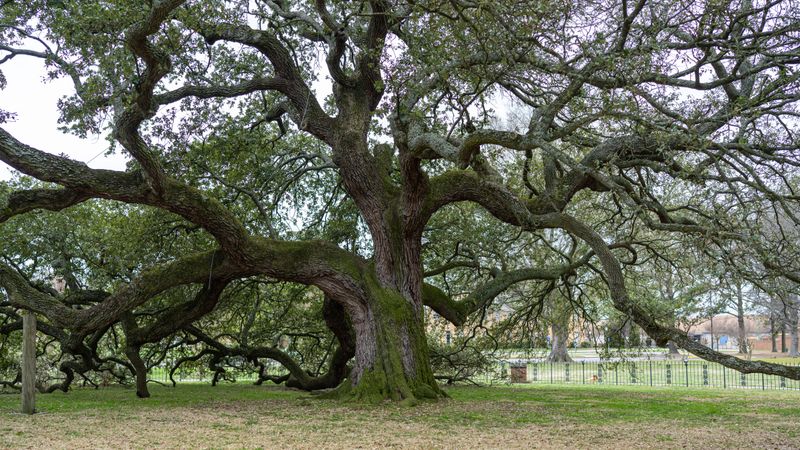
Big, bold, and deeply rooted in history, heritage oaks are the gentle giants of Virginia neighborhoods. Many of these trees predate the homes standing around them by a century or more.
They were here long before you arrived, and local law intends to keep them here. Most Virginia localities define a heritage oak by trunk diameter. Thresholds vary by jurisdiction, and ordinances get updated regularly.
Confirm the exact current figure with your county’s urban forestry or planning department before assuming your tree qualifies or does not qualify for protection.
Once a tree hits that threshold, removal typically requires a local government permit regardless of who owns the land it stands on.
Fairfax County, Arlington, and Alexandria all have specific tree ordinances protecting large oaks. These rules exist because mature oaks provide enormous environmental benefits to the surrounding area.
Young replacement trees simply cannot replicate those benefits for decades. The math strongly favors preservation over removal in almost every case.
The permitting process usually requires a professional arborist assessment documenting the tree’s current health and structural condition.
Some jurisdictions also require a formal tree replacement plan before they will approve any removal request. Budget time and money for both requirements when planning your project.
Homeowners sometimes discover heritage oak protections only after they have already hired a crew and committed to a removal date.
That surprise can lead to stop-work orders, fines, and forced replanting requirements that cost significantly more than the original removal ever would have. Ignorance of the ordinance is not a valid defense.
Check your county’s urban forestry website before scheduling any large tree removal. A single phone call to your local planning department takes minutes and can protect you from a very expensive misunderstanding.
Heritage oaks give neighborhoods their sense of permanence, shade, and identity. Protecting them keeps property values strong and gives the whole community something worth looking up at for generations to come.
4. Street And Right-Of-Way Trees
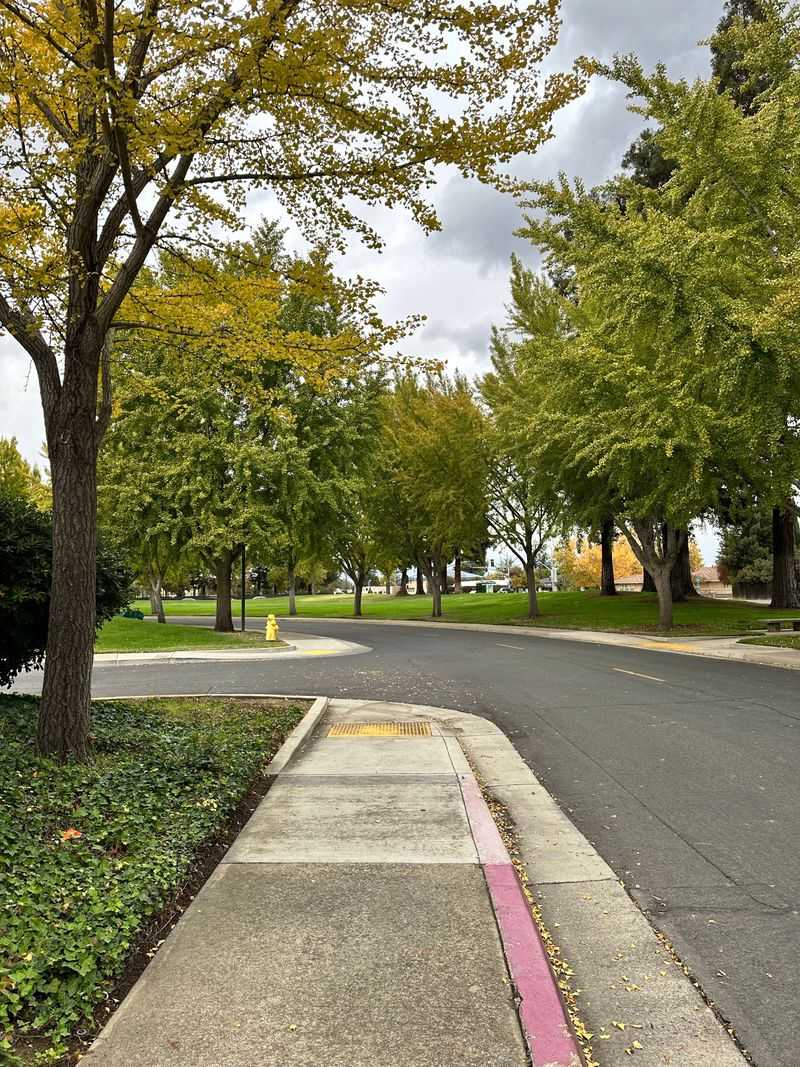
That large tree between your sidewalk and the street is almost certainly not yours to remove. Street trees in the public right-of-way belong to the local government, not the homeowner.
Cutting down a right-of-way tree without authorization is considered destruction of public property. Fines can be steep, and you may be required to pay for full replacement at mature-tree pricing.
Many homeowners assume that if a tree drops leaves in their yard or roots crack their driveway, they have the right to remove it. That assumption has led to some very costly mistakes across the state.
The correct move is to contact your city or county public works department. They will send an arborist to assess the tree and determine the proper course of action at no cost to you.
If a street tree is genuinely hazardous, municipalities typically prioritize removal quickly. Filing a formal request creates a paper trail that protects you legally if something goes wrong before crews arrive.
Some localities have started urban forestry programs that allow residents to request specific species for replacement planting. Getting involved in that process gives you some input into what grows in front of your home.
Street trees cool neighborhoods, reduce stormwater runoff, and boost curb appeal for everyone on the block. Respecting the permit process keeps those benefits alive for the whole community, not just one yard.
5. Chesapeake Bay Preservation Area Trees
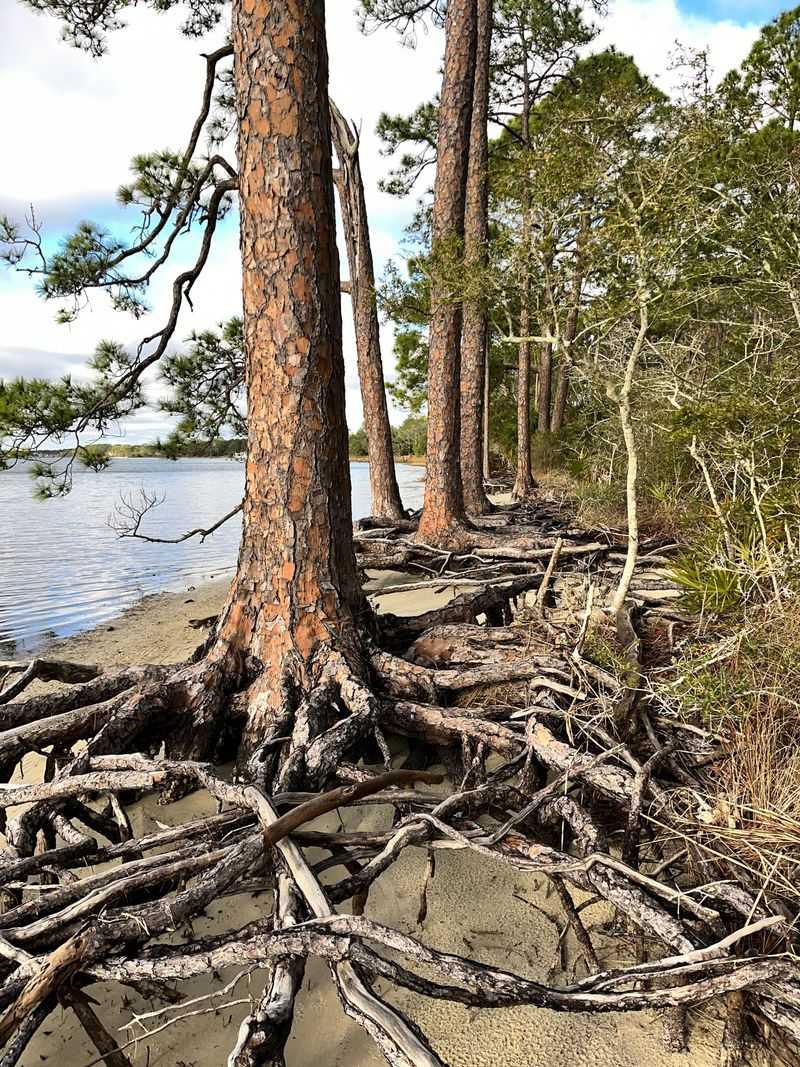
Living near the Chesapeake Bay watershed comes with stunning scenery and a specific set of environmental rules.
Trees growing within a Chesapeake Bay Preservation Area are heavily regulated because they protect water quality directly.
These trees act as natural filters. They catch fertilizers and pollutants before they reach streams, rivers, and eventually the Bay itself.
Removing them without a permit weakens that natural defense system in measurable ways.
The Chesapeake Bay Preservation Act requires localities in eastern Virginia to designate Resource Protection Areas, or RPAs. Within these zones, vegetation removal requires local government approval and often a detailed mitigation plan.
In some jurisdictions, significant pruning or root disturbance near protected RPA trees may require approval, not just full removal.
Routine maintenance is typically exempt, but check with your local planning office before starting any substantial work near the water’s edge.
Permit applications for RPA tree removal typically require an environmental impact assessment. Some applications also require a replanting plan that meets specific canopy coverage standards set by local ordinance.
The Bay generates significant economic activity across seafood, tourism, and recreation. These are industries that depend directly on water quality flowing in from upland areas.
The permit process exists to keep that system functioning. If your backyard backs up to a stream or tidal wetland, assume you are in a protected zone.
Checking first costs nothing, and the knowledge you gain could protect both your land and your bank account.
6. Conservation Easement Trees
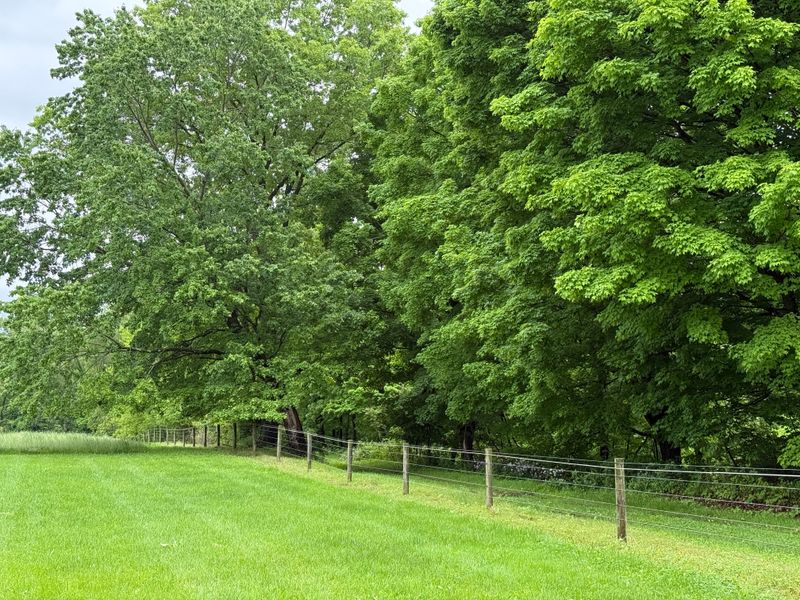
Signing a conservation easement is a generous act that protects land from future development.
It also creates binding legal restrictions on what landowners can do with trees growing on that protected property. Most conservation easements include specific language about tree removal.
Cutting trees without approval from the easement holder, often a land trust or government agency, can put you in direct breach of a legal contract.
The consequences of violating an easement are serious. They can include financial penalties, forced restoration, and legal action from the easement-holding organization that monitors your land annually.
Virginia ranks among the top states for voluntary land conservation, with hundreds of thousands of acres protected under easements held by organizations like the Virginia Outdoors Foundation.
More land is enrolled each year. Homeowners who inherit land or purchase property with an existing easement may not know the restrictions are in place until they try to act.
Always request a full copy of any recorded easement before purchasing wooded property. A real estate attorney familiar with land conservation law can help you understand exactly what you can and cannot do.
If you need to remove a tree for safety reasons, contact the easement holder right away. Most organizations have a review process for urgent situations and work reasonably with landowners who communicate proactively.
Conservation easements are a powerful tool for protecting forests across the commonwealth.
Respecting the tree removal rules tied to them honors both the legal agreement and the environmental legacy you agreed to steward.
7. Historic District Trees
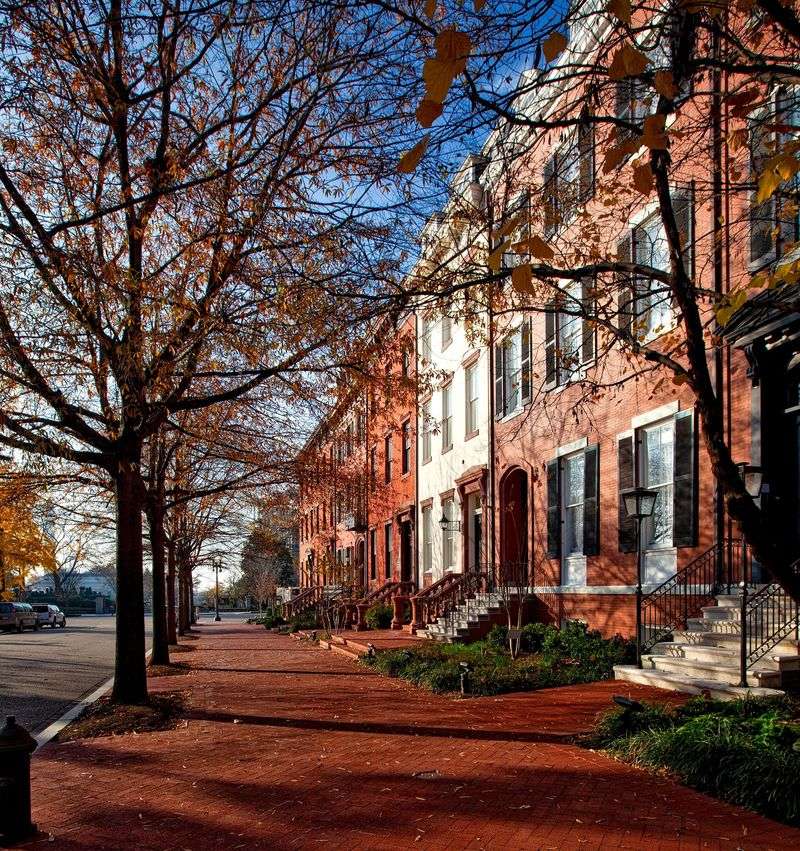
Walking through a Virginia historic district feels like stepping back in time, and the trees are a big part of that experience.
Many of these trees are considered contributing elements to the historic character of the district itself.
Local historic preservation ordinances often extend protection to significant trees within district boundaries.
Removing one without approval from the local historic preservation board can result in fines and mandatory replacement requirements.
Cities like Fredericksburg, Staunton, and Alexandria have robust historic district regulations that include tree canopy protections.
Each city manages its own review process, so permit requirements vary from one place to another.
Homeowners in these districts sometimes feel surprised to learn that a tree in their own yard is subject to board review.
Owning property in a historic district means accepting a shared responsibility for maintaining the area’s character.
The application process typically involves submitting a formal request to the local architectural review board or historic preservation commission.
Some boards meet monthly, so timing your request well in advance of any planned work is a smart move.
If your tree is in poor condition or poses a genuine safety concern, boards generally respond faster.
Documenting the issue with photos and an arborist report strengthens your case considerably.
Historic district trees connect present-day residents to generations of people who lived on the same streets.
Protecting them through the Virginia trees permit process keeps that living history rooted in place for everyone to enjoy.