These Are The Virginia Yard Mistakes That Keep Attracting Ticks All Summer Long

You reach into your back pocket and feel something moving, and it’s not a spider or a beetle. It’s a tick, already burrowing into your skin.
You didn’t hike and you didn’t camp. You mowed your own lawn in Virginia for forty minutes, and that was enough.
Your grass was a little long, your leaf pile near the fence hadn’t been cleared, and two small oversights handed a very determined parasite exactly what it needed.
Ticks don’t need wilderness to thrive. They need your yard, with its tall grass, damp corners, and brush piles you haven’t touched since fall.
They wait, they climb, and eventually they find you. Why does your neighbor never pull one off while your dog comes in covered after every single trip outside?
It’s not luck and it’s not location. Virginia summers are basically a tick buffet, and most homeowners are accidentally setting the table with the same overlooked yard habits.
Every mistake below is fixable this weekend, and ticks are counting on you never finding out about them.
1. Letting Grass Grow Above 3 Inches
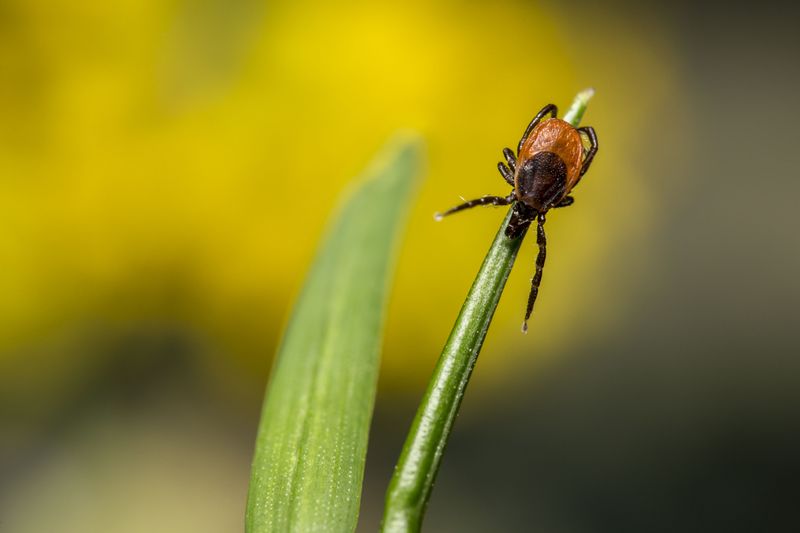
Long grass is basically a five-star hotel for ticks. They love to climb tall blades and wait for a warm body to brush past them.
Ticks do not jump or fly. They hang out at the tips of grass and latch on when something moves close enough.
Keeping your lawn trimmed below three inches removes one of their favorite hiding spots. Short grass also dries out faster, and ticks need moisture to survive.
A dry, tidy lawn is not nearly as appealing to them as a shaggy, damp one. Mowing regularly is one of the cheapest tick-control moves you can make.
Set a weekly mowing schedule during warm months and stick to it. Even skipping one week can give ticks enough coverage to settle in.
Pay special attention to edges near fences, garden beds, and wooded borders. Those spots tend to get missed and stay tall longer than the main lawn area.
If your yard has slopes or hard-to-reach patches, consider a string trimmer for those zones. Ticks are not picky about location as long as the grass gives them cover.
Virginia yard mistakes like skipping mowing may feel minor, but they add up fast. A trimmed lawn sends a clear message that this yard is not a safe place to wait for a host.
2. Leaving Leaf Litter Sitting Around

Raking leaves feels like a chore nobody wants on a Saturday morning. But leaving those piles sitting around is basically rolling out a welcome mat for ticks.
Leaf litter holds moisture, stays cool, and creates the dark, humid conditions ticks absolutely love. A thick layer of decomposing leaves can harbor hundreds of ticks through the warm months.
Ticks shelter under leaves during the hottest parts of the day and come out to hunt when conditions cool down. That pile near your back porch is closer to a tick neighborhood than you might think.
Your Virginia Garden Changes Every Week. Your Plan Should Too.
Gardening in Virginia changes quickly throughout the season. Every Friday you’ll receive a simple weekly plan showing exactly what to plant, prune, fertilize, harvest, and protect so you never miss the right timing.
Raking and bagging leaves promptly in fall makes a real difference. Do not wait until the whole yard is covered before you start clearing.
Smaller, more frequent cleanups are more effective than one big seasonal haul. Ticks do not need months to establish themselves in a pile of damp debris.
Compost bins can be a good solution, but keep them away from areas where kids and pets play. A compost pile near the back fence is far better than scattered leaves across the yard.
Even in spring and summer, watch for leaves that blow in from neighboring trees. A fresh batch can create new tick habitat surprisingly fast.
Clearing leaf litter is one of the most overlooked Virginia yard mistakes homeowners make. A clean ground layer means fewer places for ticks to hide and breed through the season.
3. Keeping Brush Piles Near The House

Brush piles are convenient, right? You trim a few branches and toss them in a heap to deal with later. The problem is that later can stretch into weeks, and ticks move in almost immediately.
Stacked branches and tangled debris create a perfect tick refuge. The pile stays shaded, holds moisture, and offers endless hiding spots layered on top of each other.
Small animals like mice and chipmunks also love brush piles. Those critters are major tick carriers, so attracting them close to your home doubles the problem.
The closer the pile sits to your house, the shorter the distance ticks need to travel to reach your patio or back door. Distance matters when it comes to tick management.
If you need to hold yard debris temporarily, move it to the far edge of your property. The farther from high-traffic areas, the better your odds of keeping ticks away.
Better yet, chip or shred the material and add it to a compost setup rather than leaving it in a loose pile. Chipped wood dries out faster and is far less tick-friendly.
Schedule brush removal within a week of any major trimming session. Letting it sit longer is where the trouble starts.
Among common Virginia yard mistakes, brush piles near living spaces rank high. A tidy yard perimeter can dramatically reduce the number of ticks that make it close to your home all summer.
4. Having No Barrier Between Your Lawn And Wooded Areas
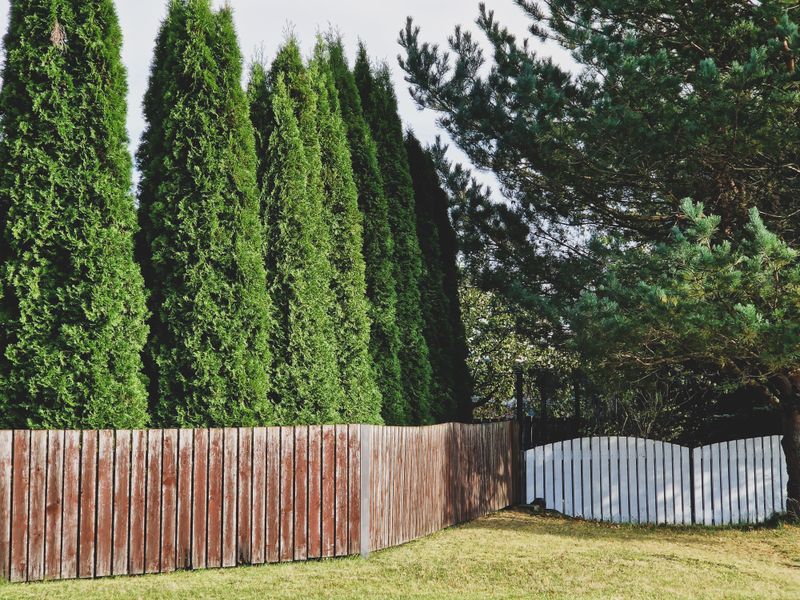
Where your mowed lawn meets the woods is the prime hotspot for tick activity. That transition zone is where ticks are most concentrated, most active, and most likely to hitch a ride on you.
Without a clear barrier, ticks can walk straight from the forest edge into your yard. It is a short commute for something with eight legs and a lot of patience.
A simple three-foot-wide strip of wood chip mulch or gravel between the lawn and tree line acts as a physical boundary. Ticks do not like crossing dry, open surfaces.
The barrier creates a zone that is too exposed and too dry for them to cross comfortably. That small gap can make a surprisingly big difference in how many ticks end up on your property.
Cedar mulch is a solid choice because it has natural properties that ticks tend to avoid. Gravel works well too and requires almost no upkeep.
Avoid using leaf-based mulch right along that border since it recreates the moist, shaded habitat you are trying to eliminate. Material matters as much as the barrier itself.
Check that border periodically and refresh it when it starts to thin out or get packed down. A barrier that has broken down is no barrier at all.
Skipping this step is one of the most common Virginia yard mistakes people overlook. A simple edge treatment can cut your tick exposure significantly without much cost or effort.
5. Letting Deer Pass Through Your Yard Unchecked

Deer are beautiful, no question about it. But every deer that wanders through your yard is carrying dozens of ticks and dropping them off like unwanted gifts.
Adult black-legged ticks, the kind that spread Lyme disease, rely heavily on deer as hosts. A single deer can carry hundreds of ticks at any given time, and during peak season that number can climb into the thousands.
When deer graze across your lawn, those ticks fall off and begin searching for new hosts. Your yard can become a tick breeding ground after just a few deer visits.
Reducing what attracts deer is the most direct way to address the problem. Bird feeders, vegetable gardens, and certain ornamental plants are major draws for local deer populations.
Switching to deer-resistant plants removes a key reason for them to visit. Plants like lavender, Russian sage, and catmint are beautiful and far less appealing to grazing deer.
Fencing is another strong option if deer pressure is high in your neighborhood. A fence does not have to be elaborate to be effective at keeping deer from cutting through.
Motion-activated sprinklers can also deter deer without requiring permanent changes to your yard. A sudden spray of water sends most deer moving quickly in the other direction.
Letting deer roam freely through your space is one of the bigger Virginia yard mistakes for tick control. Fewer deer visits mean fewer ticks dropped in the spots where your family spends time outside.
6. Using Dense, Moisture-Retaining Ground Cover
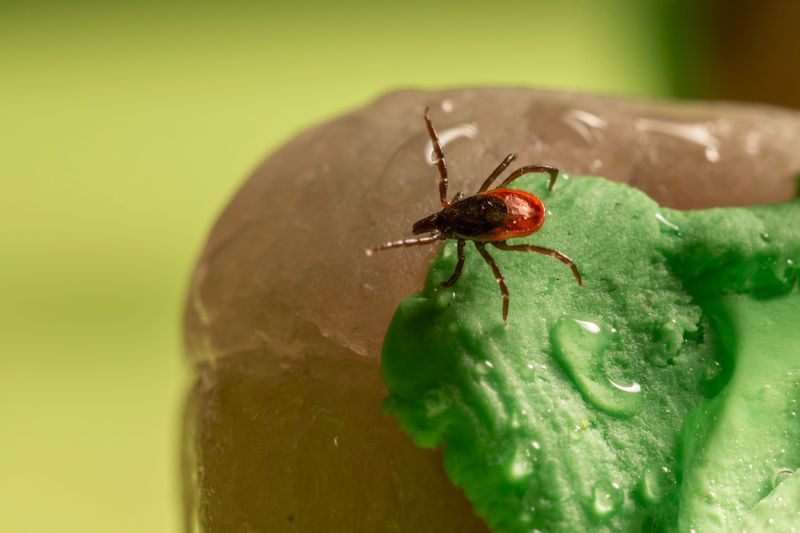
Ground cover plants can look lush and low-maintenance, which makes them popular in Virginia yards. The catch is that certain types create exactly the conditions ticks thrive in.
Dense, spreading plants like English ivy, pachysandra, and vinca hold moisture close to the ground. They also block airflow, keeping the soil underneath cool, dark, and damp all season long.
Ticks spend a lot of their life cycle at ground level. A thick mat of ground cover creates a sheltered, moisture-rich environment that ticks rarely leave.
If you have these plants in areas where people or pets spend time, it is worth rethinking the layout. Moving dense ground cover to low-traffic zones reduces the chance of contact.
Alternatives like low-growing thyme, ornamental grasses, or river rocks allow air to circulate and dry out the soil more quickly. Less moisture means fewer ticks willing to stick around.
If replacing ground cover feels like too big a project, at least keep it trimmed back from pathways and play areas. Creating a clear buffer between dense plantings and activity zones helps a lot.
Also avoid planting dense cover directly against your home’s foundation. That band of moist, shaded ground is a prime tick corridor right to your back door.
Choosing the wrong ground cover is a sneaky Virginia yard mistake that many homeowners do not connect to their tick problem. Swapping or trimming it back can make a real difference by midsummer.
7. Stacking Firewood In Damp Or Shaded Spots

Firewood storage seems like a practical decision until you realize where those logs are sitting. A shaded, damp woodpile is one of the most tick-friendly spots you can create in your yard.
Ticks love the gaps between logs. The wood holds moisture, blocks sunlight, and stays cool even on the hottest summer days.
Small rodents like mice also nest inside loosely stacked woodpiles. Since mice are primary tick hosts, having them camped out near your house brings ticks right to your doorstep.
Moving your firewood stack to a sunny, dry location makes an immediate difference. Sunlight dries out the wood and makes the environment far less comfortable for ticks and the animals that carry them.
Elevating the stack off the ground on a rack also helps. Air circulation underneath keeps the base dry and removes the cool, moist layer that ticks prefer.
Keep the woodpile away from the house and away from shaded tree areas. The farther from your living space, the less likely ticks from the pile will end up on your patio.
Cover the top of the pile with a tarp to keep rain off, but leave the sides open for airflow. A fully covered, sealed pile traps moisture and makes the problem worse.
Storing firewood wrong is a classic Virginia yard mistake with an easy fix. A sunny, elevated, well-ventilated stack is far less likely to become a tick habitat through summer.
8. Relying On Repellent Plants Alone
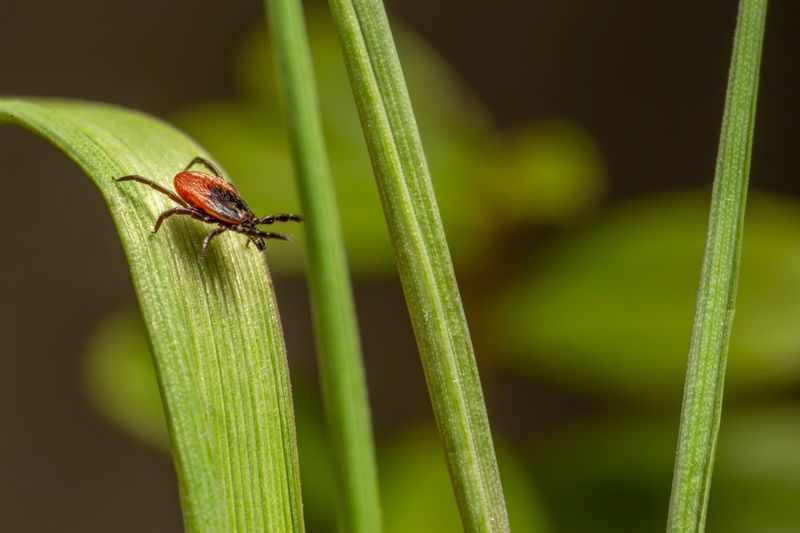
Planting lavender, rosemary, and marigolds sounds like a smart, natural tick solution. Those plants do have properties that ticks find unpleasant, but counting on them alone is where people go wrong.
Repellent plants can be a helpful layer of protection when combined with other strategies. On their own, they are simply not strong enough to keep a yard tick-free through a full Virginia summer.
Think of them as one tool in a larger toolbox, not the whole toolbox. A yard full of lavender but overgrown grass and leaf piles will still have a serious tick problem.
The scent from repellent plants fades quickly, especially after rain or during humid stretches. Ticks are persistent enough to push past mild deterrents when conditions are otherwise favorable.
To get real results, pair your repellent plants with regular mowing, debris removal, and proper barrier installation. The combination of approaches is what actually moves the needle on tick numbers.
You might also consider applying a perimeter treatment with a targeted tick spray along yard borders. Many homeowners do this once or twice a season for added protection.
Talk to a local pest control professional if tick pressure in your yard feels out of control. A professional assessment can identify specific problem areas and recommend targeted solutions.
Leaning too hard on repellent plants is one of the more common Virginia yard mistakes people make with good intentions. Layering your approach is the only way to keep ticks from coming back all summer long.