The Most Underrated North Carolina Native Shrub That Helps Create A Tick-Resistant Yard Border
Building a yard border that actually discourages ticks requires more than just mowing the edges regularly and hoping for the best.
North Carolina properties that back up to wooded areas, brushy fields, or unmowed utility strips face consistent tick pressure that conventional lawn maintenance does very little to address in a lasting way.
One native shrub changes that equation significantly when planted along those transitional zones, creating a border that modifies the conditions ticks need to survive and move through.
It is dense enough to function as a genuine barrier, adapted to the soils and temperature ranges found across most of the state, and attractive enough to look like a deliberate design choice rather than a purely functional planting.
For tick-prone properties in North Carolina, it belongs in the conversation every time a border planting decision comes up.
1. Dense Multi-Stemmed Growth
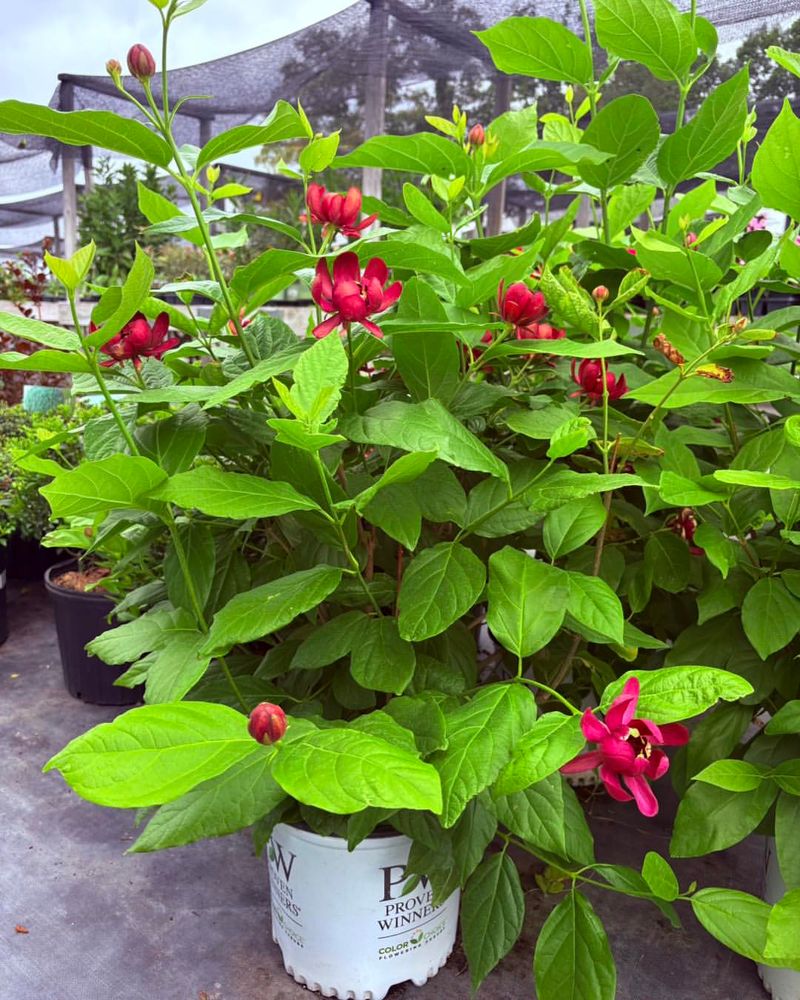
Picture a shrub so full and bushy that it almost looks like a small green wall along your yard.
That is exactly what Sweetshrub does year after year, pushing multiple new stems up from its base and creating a thick, layered wall of foliage.
This growth pattern is not just pretty to look at, it is genuinely useful for homeowners who want fewer ticks lurking near their lawn.
Ticks love to hang out in shaded, damp spots close to the ground where the air stays moist and cool. A well-established Sweetshrub border changes all of that.
The dense, multi-stemmed growth fills in the mid-level and basal zones of your yard edge, removing the kind of shady, humid microhabitats that ticks prefer to call home.
Every spring, new canes shoot up from the root zone, adding even more coverage without you having to do much of anything.
Over a few growing seasons, a row of Sweetshrubs along your property line creates a solid green barrier that is hard for small animals and ticks to pass through unnoticed.
Because the foliage stays thick from ground level upward, there are fewer hidden, damp pockets where ticks can settle and wait for a host.
For North Carolina homeowners who want a low-effort, nature-friendly way to reduce tick pressure around the yard, this dense multi-stemmed growth habit makes Sweetshrub one of the smartest border plants you can choose.
2. Fragrant Showy Flowers
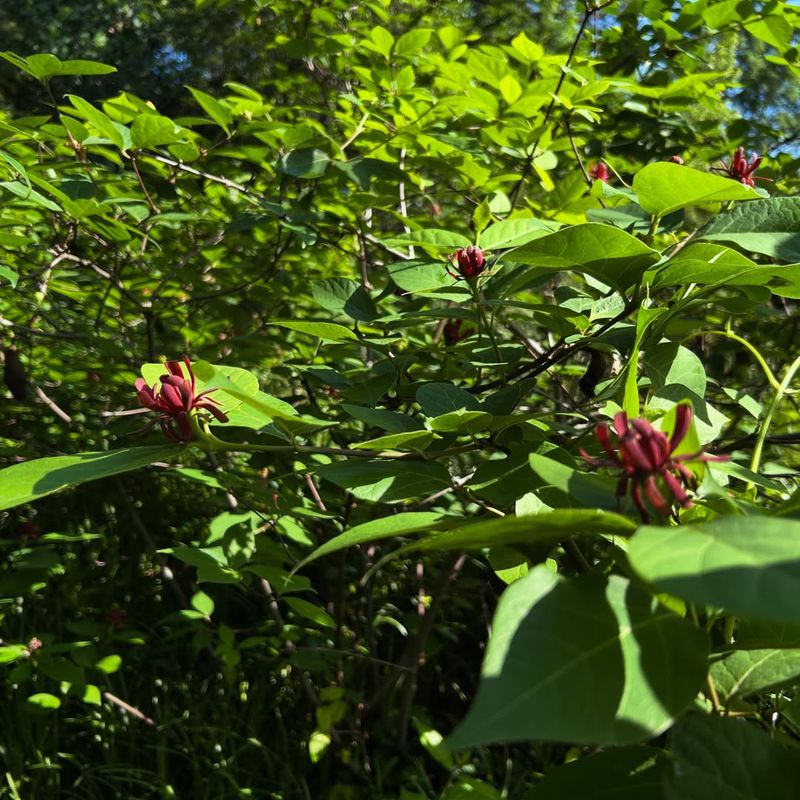
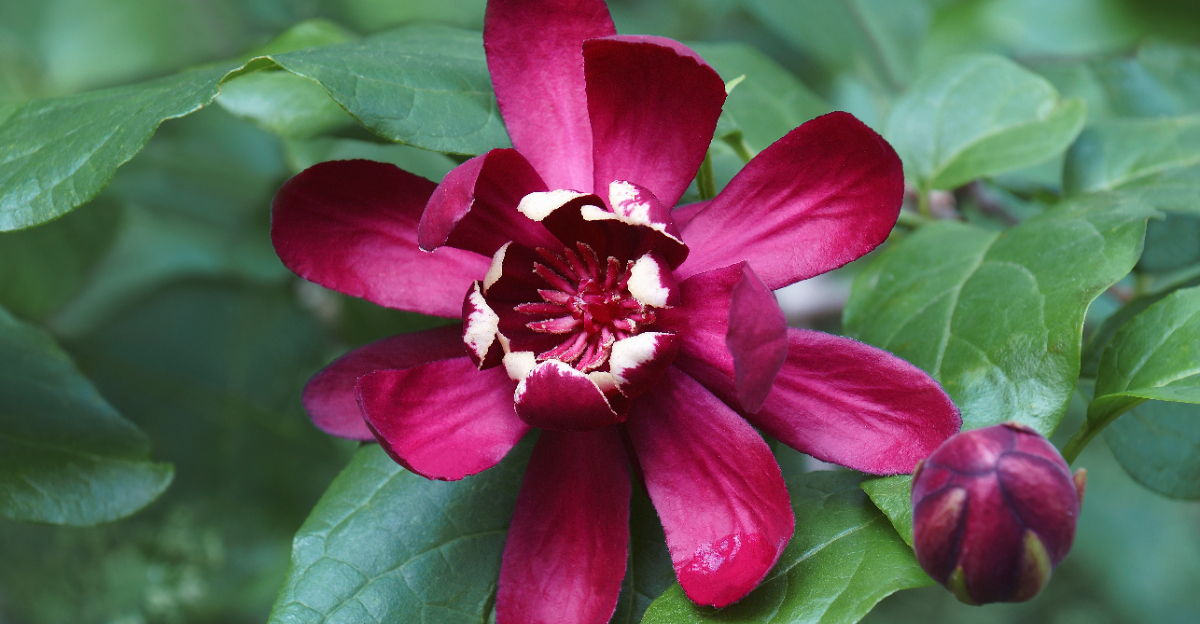
There is something almost magical about a flower that smells like ripe strawberries and spiced fruit at the same time.
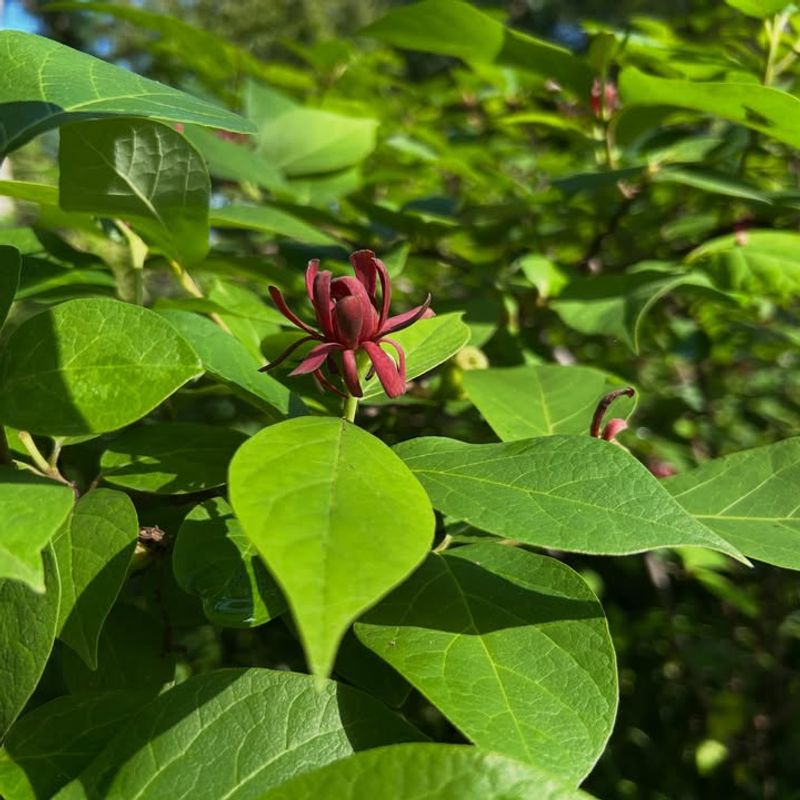
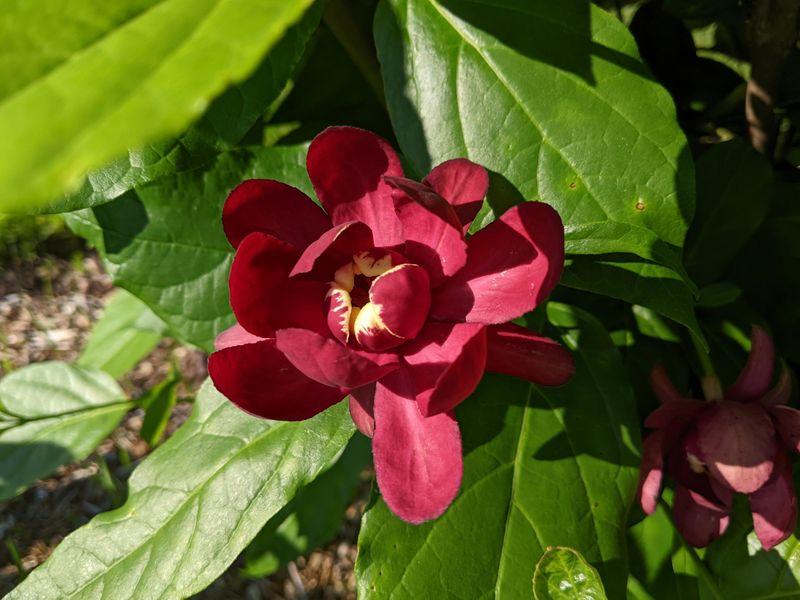
Sweetshrub’s maroon blooms appear in late spring, usually from April through June in North Carolina, and their fragrance is strong enough to stop you in your tracks from several feet away.
Gardeners who plant Sweetshrub near a patio or walkway often say it becomes their favorite spot to sit on a warm afternoon. The flowers themselves are unusual and eye-catching.
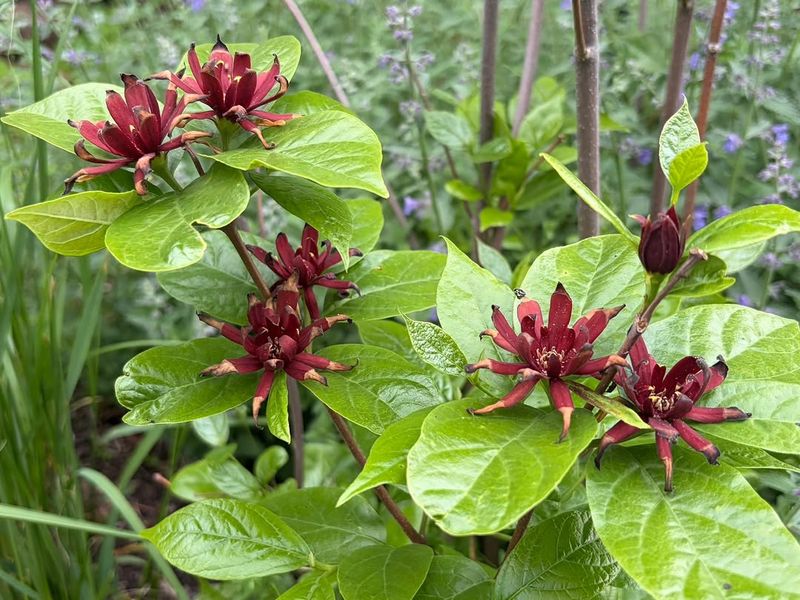
Each bloom is made up of many strap-shaped petals in deep burgundy or reddish-brown tones, giving the shrub a rich, jewel-toned look that stands out against the green foliage.
They are not your typical garden flower, and that uniqueness tends to draw compliments from neighbors and visitors who have never seen the plant before.
Your North Carolina Garden Changes Every Week. Your Plan Should Too.
Gardening in North Carolina changes quickly throughout the season. Every Friday you’ll receive a simple weekly plan showing exactly what to plant, prune, fertilize, harvest, and protect so you never miss the right timing.
Beyond the visual appeal, those blooms are a real magnet for native pollinators.
Beetles, in particular, are drawn to the flowers and play an important role in pollinating them, which is a fun bit of botanical trivia that makes Sweetshrub even more interesting.
Bees and butterflies also visit regularly, turning your yard border into a lively, buzzing ecosystem during the spring months.
For gardeners who want a shrub that pulls double duty by looking gorgeous and supporting local wildlife, the fragrant, showy blooms of Sweetshrub deliver on both fronts without requiring any extra effort on your part.
3. Adaptable To Sun And Shade

Not every corner of a yard gets the same amount of sunlight, and that is where a lot of shrubs fall short. Sweetshrub, though, is genuinely flexible.
It grows well in full sun, partial shade, and even fairly heavy shade, which means you can plant it along that awkward north-facing fence line or beneath the edge of a tree canopy without worrying about it struggling to survive.
In North Carolina, this adaptability is a huge advantage. Summers are hot and intense, and many plants that need full sun end up scorched by August.
Sweetshrub handles those conditions well, especially when planted with some afternoon shade to protect it from the harshest rays.
In shadier spots, it tends to grow a bit more open and upright, while full-sun placements encourage denser, more compact growth that works even better as a tick-resistant border.
Planting guidance matters here, so a few tips go a long way. For the thickest coverage along yard edges, aim for a location that gets at least four hours of direct sun each day.
Space individual plants about five to six feet apart to allow them room to fill in naturally over two to three seasons.
Once they start to overlap, you will have a continuous green border that cuts off the shaded, humid ground-level zones that ticks favor.
The ability to thrive across such a wide range of light conditions makes Sweetshrub one of the most versatile native shrubs available to North Carolina homeowners.
4. Tolerates Clay And Loam Soils
Clay soil is the nemesis of many gardeners in North Carolina, and for good reason. It drains poorly, compacts easily, and can suffocate the roots of plants that need good air circulation around them.
Most ornamental shrubs struggle in heavy clay, which is why finding one that actually thrives in it feels like striking gold.
Sweetshrub is genuinely comfortable in both clay and loamy soils, which covers a huge portion of the Piedmont and western North Carolina regions.
Its root system is well-suited to heavier soil textures, allowing it to pull moisture and nutrients even when drainage is less than ideal.
That said, it does appreciate soil that is not completely waterlogged, so planting on a gentle slope or in a raised bed area can help if your yard tends to stay wet after rain.
The practical benefit of this soil tolerance is significant. You do not need to spend hours amending your planting bed with bags of compost or sand before putting in a Sweetshrub.
A basic soil prep of loosening the ground and adding a thin layer of mulch around the base is usually all it takes to get a new plant off to a strong start.
Over time, the shrub’s own leaf litter actually improves the soil structure beneath it, creating a healthier planting zone year after year.
For homeowners who want a tough, reliable border shrub that works with North Carolina’s challenging native soils rather than against them, Sweetshrub is a remarkably practical choice.
5. Low Maintenance Once Established
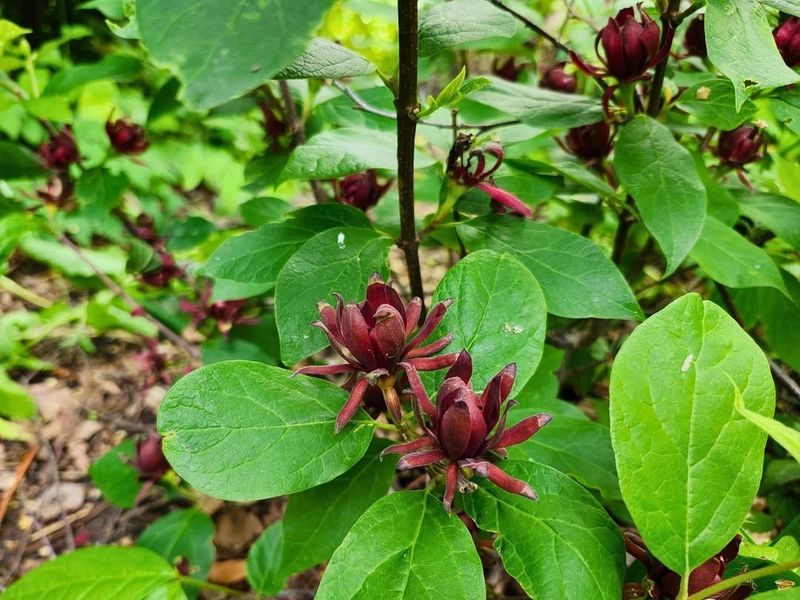
Some of the best things in gardening are the plants that take care of themselves once they get settled in. Sweetshrub is absolutely one of those plants.
After the first year or two of establishment, it asks very little from you in terms of regular upkeep, which makes it a dream choice for busy homeowners who still want a beautiful, functional yard border.
Watering needs drop significantly once the root system gets established, usually by the end of the second growing season.
At that point, rainfall alone is typically enough to keep the shrub healthy through a normal North Carolina summer.
During drought periods, a deep watering every couple of weeks will keep it looking its best, but it is surprisingly drought-tolerant compared to many ornamental shrubs in the same size range.
Pruning is another area where Sweetshrub keeps things simple. You do not need to trim it on a strict schedule.
Removing any crossing or crowded stems in late winter is usually enough to keep the shape tidy and encourage fresh growth from the base.
Fertilization is rarely necessary if the plant is growing in decent soil, though a light application of balanced slow-release fertilizer in early spring can give it a boost.
For tick-resistant border purposes, the less you disturb the base of the plant, the better, since consistent dense coverage at ground level is exactly what reduces those shaded, moist pockets that ticks seek out. Minimal effort, maximum reward.
6. Multi-Season Interest
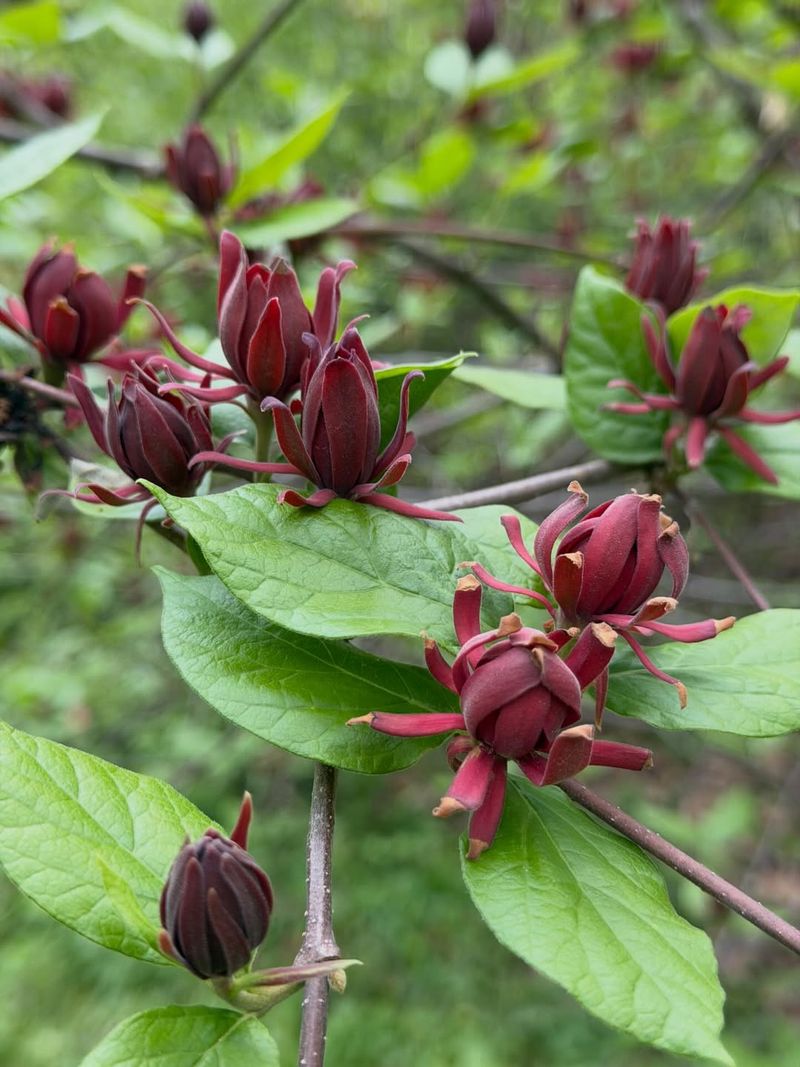
A shrub that only looks good for three weeks in spring is not really earning its spot in your yard. Sweetshrub understands that assignment.
From the first warm days of late spring all the way through autumn, it offers something worth noticing in every season, making it one of the most rewarding native shrubs you can add to a North Carolina garden border.
Spring belongs to the flowers. Those deep maroon, spicy-sweet blooms open up from April through June and fill nearby air with a fragrance that many people compare to a mix of strawberry, banana, and clove.
Summer brings a shift to rich, dark green foliage that stays full and lush even during the hottest months, maintaining the dense coverage along your yard edge that keeps tick habitat to a minimum.
Come fall, the show continues in a quieter but equally interesting way. Sweetshrub produces distinctive urn-shaped seed pods that turn brown and papery as the season cools, adding textural interest to the shrub even after the leaves drop.
Birds find these pods appealing and will visit regularly to pick at the seeds, giving your yard border some extra wildlife activity during the slower garden months.
The plant’s overall structure remains attractive even in winter, when the arching bare stems give the border a clean, sculptural look.
With beauty spread across all four seasons and tick-resistant benefits maintained throughout the growing season, Sweetshrub genuinely earns its place in the landscape every single month of the year.
7. Wildlife Support
A yard that supports wildlife is a yard full of life, and Sweetshrub brings a surprising amount of ecological activity without creating the conditions that encourage ticks.
That balance is harder to achieve than most people realize, because many dense plantings that attract birds and insects also create the kind of cool, moist ground cover that ticks love to hide in. Sweetshrub manages this differently.
Its open branching structure above the dense basal stems allows good air circulation throughout the plant, which keeps humidity levels lower and reduces the microclimates that ticks prefer.
Birds find the shrub’s interior branches perfect for nesting and shelter, especially songbirds like towhees and warblers that prefer mid-level cover.
The seed pods in fall attract additional bird species looking for a reliable food source during migration season.
Native beetles are the primary pollinators of Sweetshrub flowers, and their presence draws other insect-feeding birds into the area, creating a natural food chain right in your backyard.
Native bees and butterflies also visit the blooms regularly, boosting pollination across your entire garden.
For maximum ecological and functional benefit, plant Sweetshrub in clusters of three or more, spaced about five feet apart.
This grouping creates enough canopy coverage to support wildlife while maintaining airflow and sunlight at ground level, which is the key to keeping the tick habitat low.
You end up with a border that works for nature and against ticks at the same time, which is a genuinely useful combination for any North Carolina homeowner.
8. Controlled Spread
Aggressive spreaders are one of the biggest headaches in gardening.
You plant something with good intentions, and two seasons later it has taken over half your flower bed and started eyeing the vegetable garden. Sweetshrub is not that plant.
Its spread is gradual, predictable, and surprisingly easy to manage, making it a trustworthy long-term addition to a North Carolina yard border.
The shrub does produce root suckers over time, which are new stems that emerge from the base and slowly expand the plant’s footprint outward.
This is actually a feature rather than a flaw when you are trying to fill in a border, because those suckers quietly thicken the coverage year after year without any extra planting on your part.
If a sucker pops up somewhere you do not want it, it pulls out easily or can be transplanted to fill a gap elsewhere along the border.
For homeowners who want a tidy, defined yard edge, Sweetshrub is easy to keep in check with minimal seasonal attention.
A quick check in early spring to remove any suckers that have moved beyond your intended border line is usually all the management required.
The shrub will not climb fences, vine into trees, or crowd out neighboring plants the way some more aggressive natives can.
Its well-mannered growth habit means your border stays looking intentional and neat rather than wild and overgrown.
That combination of reliable coverage and controlled behavior makes Sweetshrub one of the most practical choices for a tick-resistant yard border in North Carolina.