These Dollar Store Gardening Finds Actually Work In Oregon Gardens
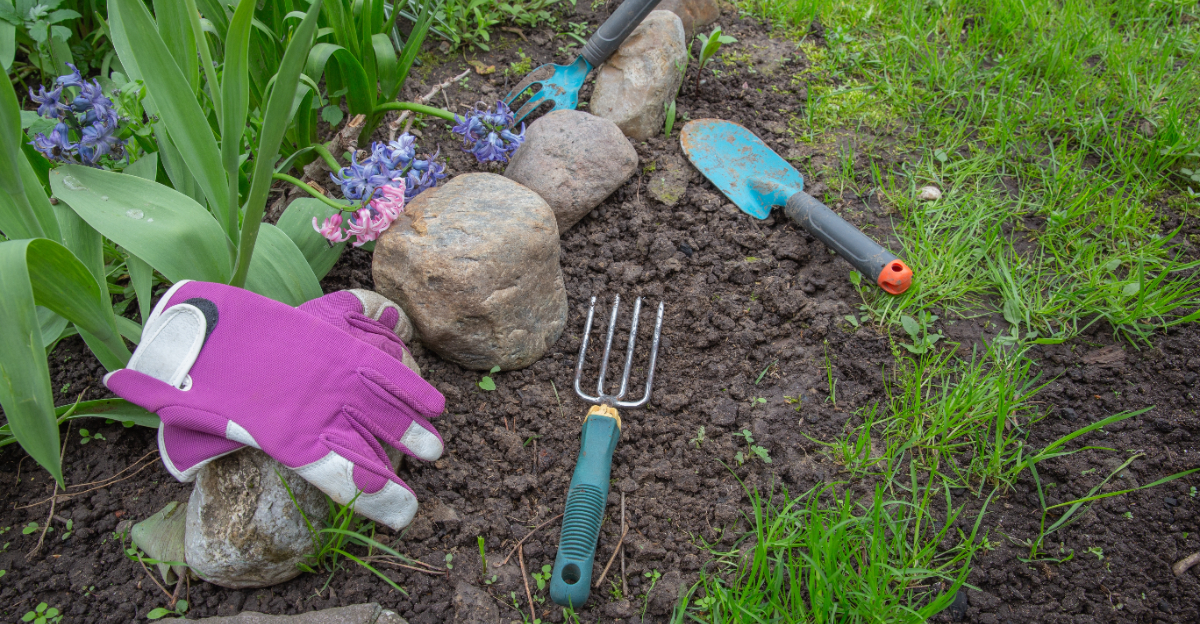
A good garden tool does not have to come with a big price tag. Oregon gardeners know the season can bring plenty of little needs, especially when rain, weeds, and summer watering all pile up.
That is where dollar store finds can be surprisingly useful. The trick is knowing which cheap items are actually worth grabbing and which ones will just clutter the shed.
A simple container, clip, or storage bin can make garden chores easier without costing much. Other items may help with seed starting, plant labels, or quick fixes around beds.
The best finds are not fancy. They solve real problems and hold up long enough to earn their spot.
With a smart eye, a bargain aisle can become a helpful part of your Oregon gardening routine.
1. Seed-Starting Trays With Clear Domes
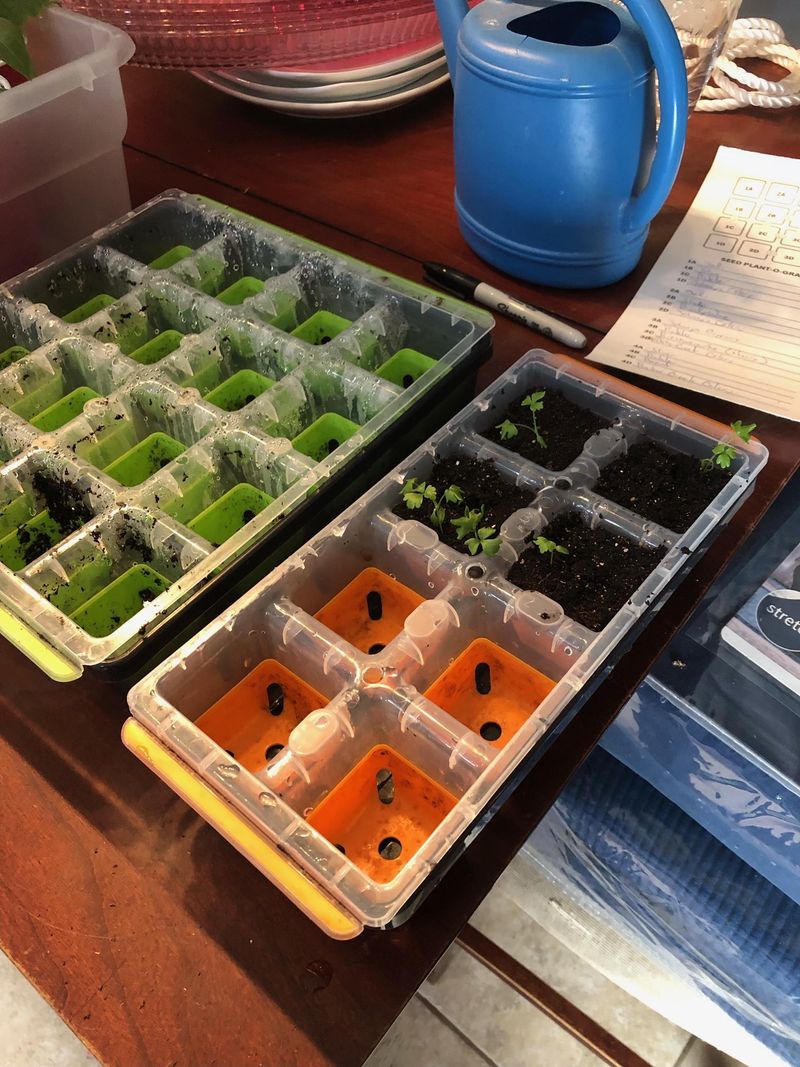
Clear dome trays from the dollar store might look simple, but they do something really important for seedlings: they trap warmth and humidity right where young plants need it most. Late winter and early spring can be cold and unpredictable.
Starting seeds indoors under a dome gives them a fighting chance before the outdoor soil is even close to being ready.
Most dollar store seed trays come with small individual cells, which makes transplanting much easier. You just pop each seedling out without disturbing the roots too much.
That matters a lot for delicate plants like tomatoes, peppers, and basil, which do not love having their roots messed with.
The clear dome lid acts almost like a tiny greenhouse. It holds in moisture so you do not have to water as often, which is great if you forget sometimes.
Just crack the dome open a little once the seedlings start sprouting so air can circulate and prevent mold.
Dollar store trays are usually thin plastic, so handle them carefully. They work best for one or two seasons before they start to crack.
Still, at their price point, replacing them each year is totally reasonable.
Pair them with a sunny south-facing windowsill or a simple grow light, and you have a solid seed-starting setup without spending much at all. Many gardeners in Oregon swear by this method every single year.
2. Plastic Plant Labels
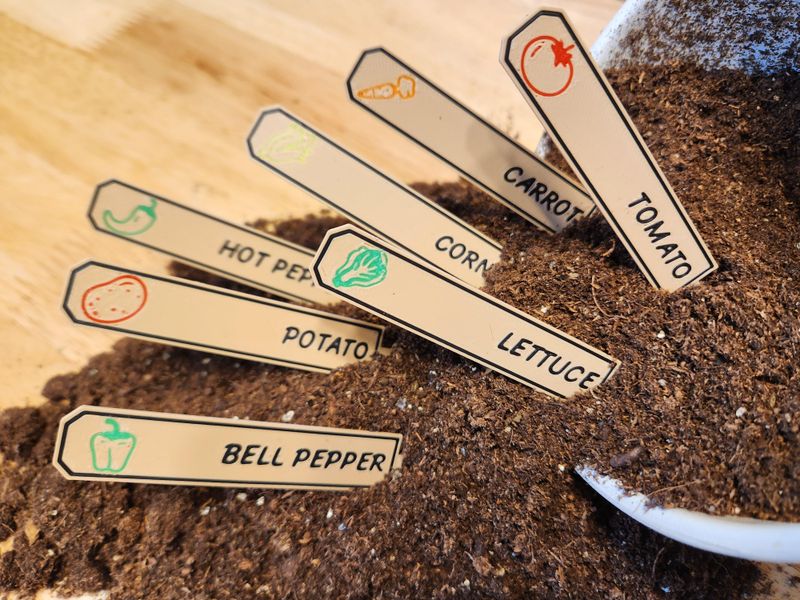
Few things are more frustrating than forgetting which seedling is which after a busy week. Plastic plant labels solve that problem fast, and finding them at the dollar store makes it even better.
A pack of 25 to 50 labels for a dollar is honestly one of the best deals in the gardening world.
Oregon has a long planting window, and many gardeners start multiple rounds of seeds from late winter through early summer.
Keeping track of what is planted where becomes really important, especially when everything looks like a tiny green sprout at first. Labels take the guesswork out of the whole process.
Plastic labels hold up well in the rain, which is a big plus here in the Pacific Northwest. Paper tags get soggy and fall apart fast, but plastic ones stay put even through weeks of wet weather.
Your Oregon Garden Changes Every Week. Your Plan Should Too.
Gardening in Oregon changes quickly throughout the season. Every Friday you’ll receive a simple weekly plan showing exactly what to plant, prune, fertilize, harvest, and protect so you never miss the right timing.
Write on them with a permanent marker and they will stay readable for the whole season.
One smart tip is to write both the plant name and the planting date on each label. That way you can track how long each crop has been growing and plan your harvests better.
At the end of the season, wipe them clean with rubbing alcohol and store them for next year. They are reusable, which makes them even more of a bargain.
Simple, practical, and genuinely useful, these little labels earn their place in every garden bed.
3. Twine Or Soft Plant Ties
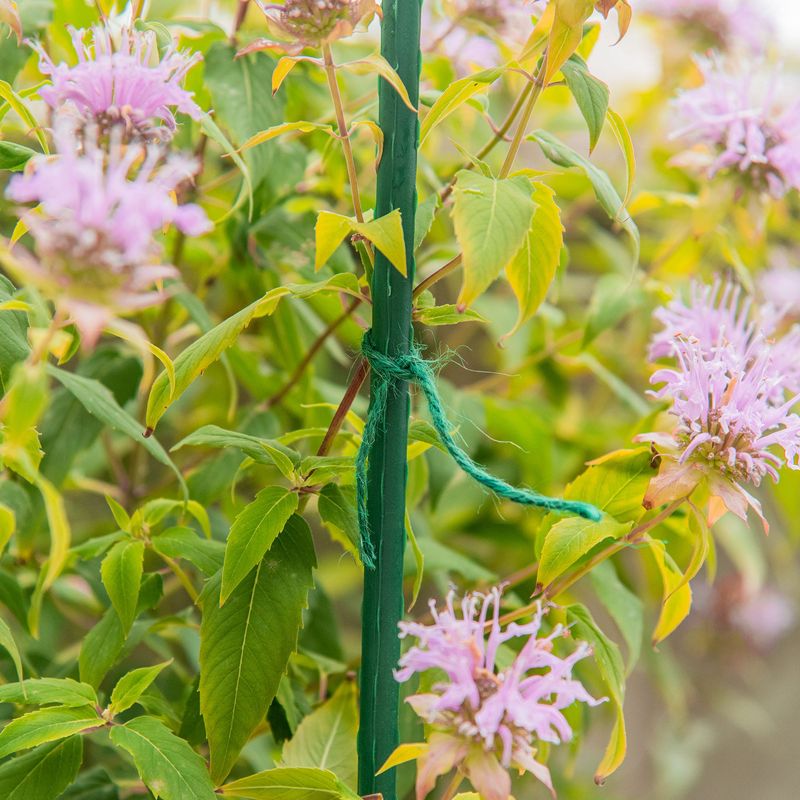
Supporting climbing plants is one of those garden tasks that sneaks up on you fast. One week your tomato plant looks fine, and the next it is flopping over and dragging on the ground.
Having a roll of twine or soft plant ties on hand means you are always ready to give your plants a little extra support before things get out of hand.
Dollar store twine is usually made of natural jute or a soft synthetic material. Both work well for tying up tomatoes, cucumbers, beans, and other climbing vegetables.
The key is to tie loosely, giving the stem room to grow without cutting into it. A figure-eight knot works great because it keeps the plant secure while still giving it some wiggle room.
Soft stretchy plant ties, sometimes sold in small rolls or pre-cut strips, are even gentler on plant stems. They are especially useful for tying heavier branches that need real support.
Oregon has some strong winds in certain seasons, and a well-tied plant is much less likely to get damaged during a sudden storm.
A dollar store pack of twine or ties can last an entire growing season with careful use. Cut off pieces as needed and re-tie as plants grow taller.
At the end of the season, natural jute can go right into the compost bin. It is one of those small, affordable purchases that quietly makes a big difference all season long.
4. Small Trellises For Peas And Beans
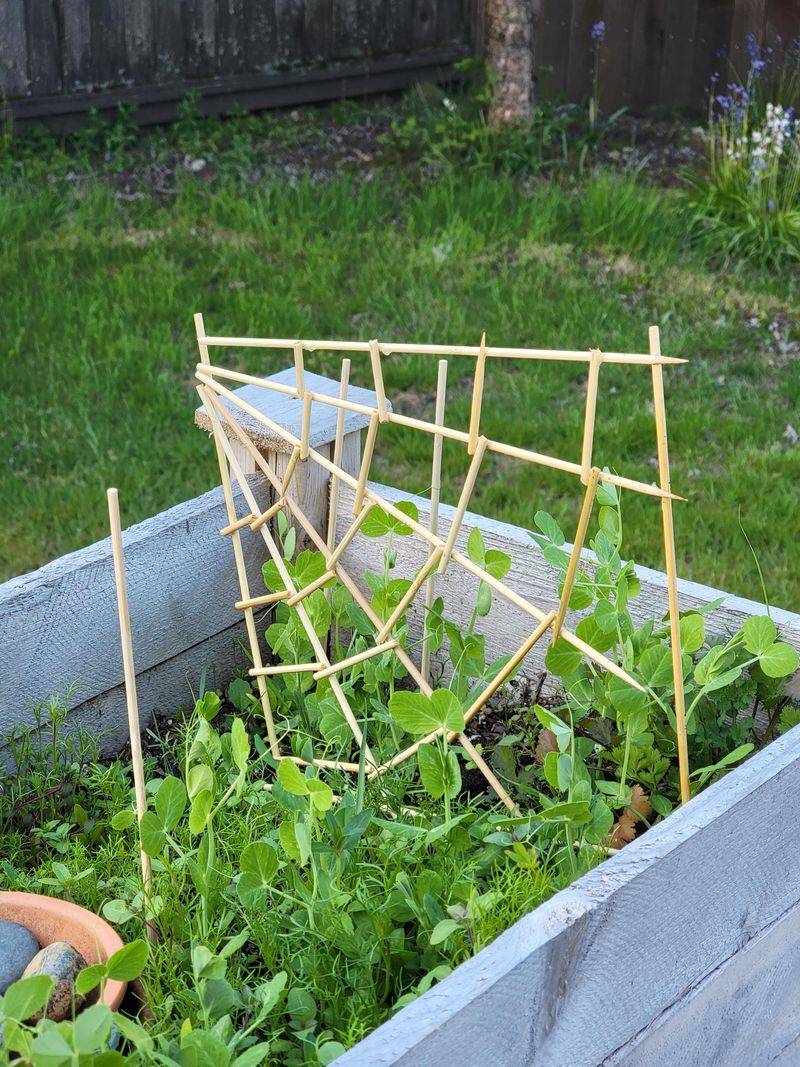
Peas and beans are among the most rewarding crops to grow in Oregon, but they need something to climb.
Without support, vines sprawl across the ground, get muddy, and become much more prone to disease.
A small trellis changes everything, and dollar store versions work surprisingly well for lighter climbing crops.
Most dollar store trellises are made of thin plastic or lightweight wire. They are not going to hold up a massive squash vine, but for snap peas, snow peas, and bush beans, they are more than enough.
Set them up early in the season before the vines start reaching, and the plants will naturally grab on and climb.
Spring planting means dealing with rain and soft soil. Lightweight trellises are easy to push into the ground without a lot of effort, and they do not sink under their own weight the way heavy metal trellises sometimes do.
They also dry off quickly after rain, which helps reduce mold and mildew on the plants climbing them.
One creative trick is to connect two or three small trellises side by side to create a longer support wall for a row of peas. Secure them with a bit of twine at the joints and they hold together really well.
At the end of the season, rinse them off and store them flat. With a little care, these inexpensive trellises can last several seasons and keep your climbing crops happy and healthy.
5. Garden Gloves
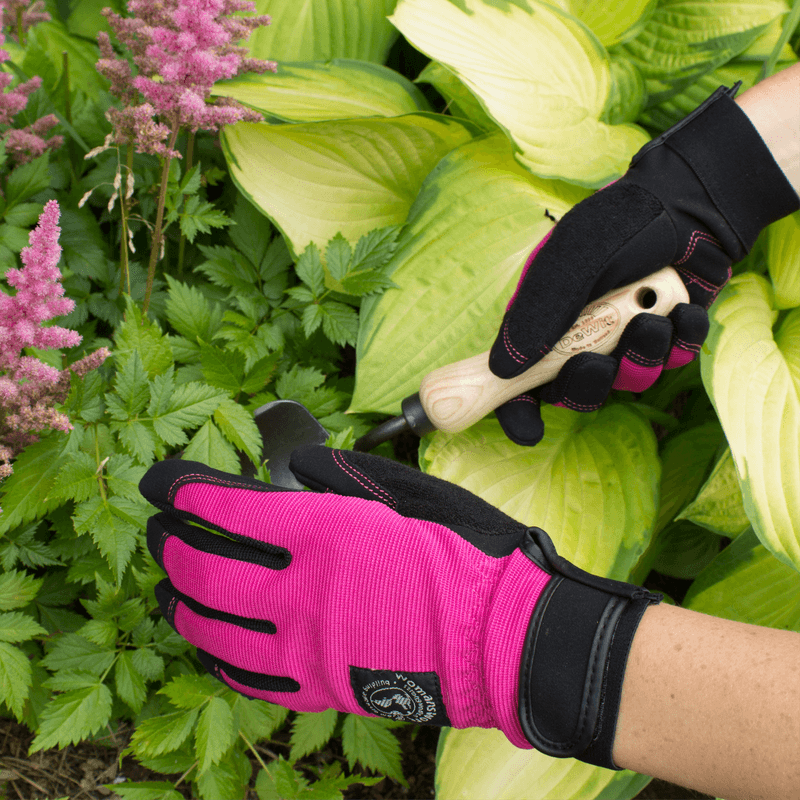
Protecting your hands while gardening is not just about comfort. It is about keeping cuts, scrapes, and soil-borne irritants away from your skin.
Dollar store garden gloves get a bad reputation, but the right pair can hold up surprisingly well through a full season of light to moderate garden work.
Look for gloves with a rubber or latex coating on the palm and fingers. That coating gives you grip and acts as a barrier against moisture, which is especially useful in our wet Pacific Northwest climate.
Plain fabric gloves soak through in minutes when the soil is damp, but coated ones keep your hands dry much longer.
Dollar store gloves work best for tasks like transplanting seedlings, pulling weeds, and spreading mulch.
For heavier tasks like pruning thorny shrubs or moving rocks, you might want something more heavy-duty.
But for everyday garden chores, a cheap pair of coated gloves gets the job done without complaint.
One smart move is to buy two or three pairs at once. That way, when one pair gets soaked or worn out, you always have a backup ready to go.
Gloves at this price point are practically disposable, which takes the stress out of using them hard. Rinse them off after each use and let them air dry to extend their life.
It is a simple habit that keeps them usable for longer than you might expect from a dollar store find.
6. Spray Bottles For Seedlings
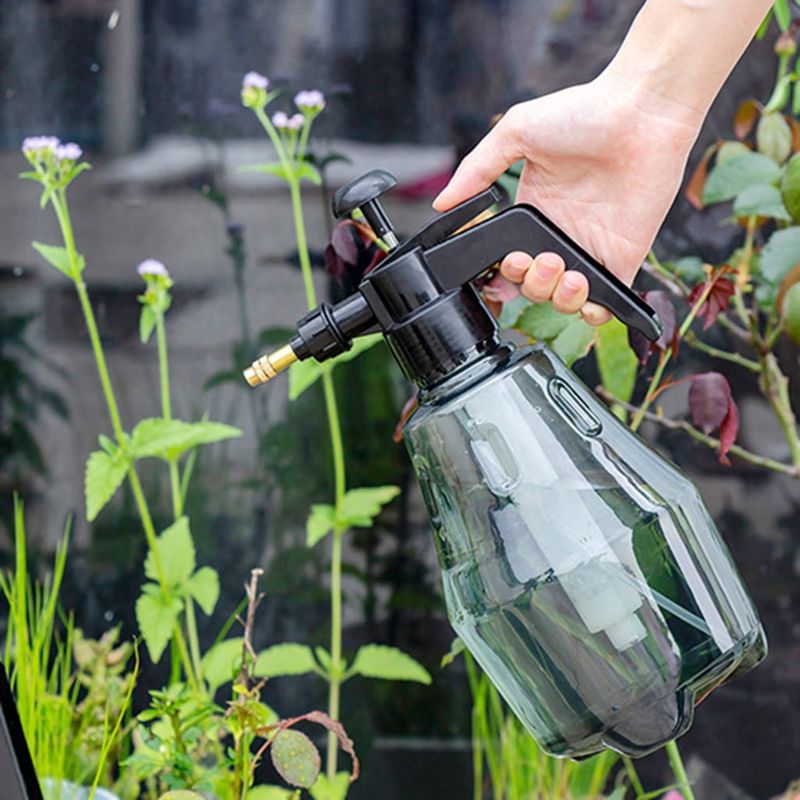
Watering tiny seedlings is a delicate job. A regular watering can pour too hard and wash seeds right out of their cells or knock over fragile sprouts.
A spray bottle gives you total control, delivering a fine mist that moistens the soil without disturbing anything. Dollar store spray bottles handle this task perfectly well.
Most dollar store spray bottles hold around 16 to 32 ounces of water and have an adjustable nozzle that lets you switch between a fine mist and a steady stream. The mist setting is ideal for newly planted seeds and tiny sprouts.
Once seedlings get a bit taller and stronger, you can switch to a gentle stream to water more efficiently.
Oregon has dry summers in many regions, and keeping seedlings evenly moist during the early stages of growth is really important. Letting the soil dry out completely can stress young plants and slow their growth.
A spray bottle right on the windowsill next to your seed trays makes it easy to give them a quick mist whenever they need it.
Spray bottles also come in handy for applying diluted liquid fertilizer or homemade pest sprays.
Fill one with a mild soap-and-water solution and keep it nearby for quick action against aphids or spider mites.
Having a few on hand for different uses is smart and affordable. At a dollar each, stocking up on these simple tools makes total sense for any home gardener working on a budget.
7. Kneeling Pads
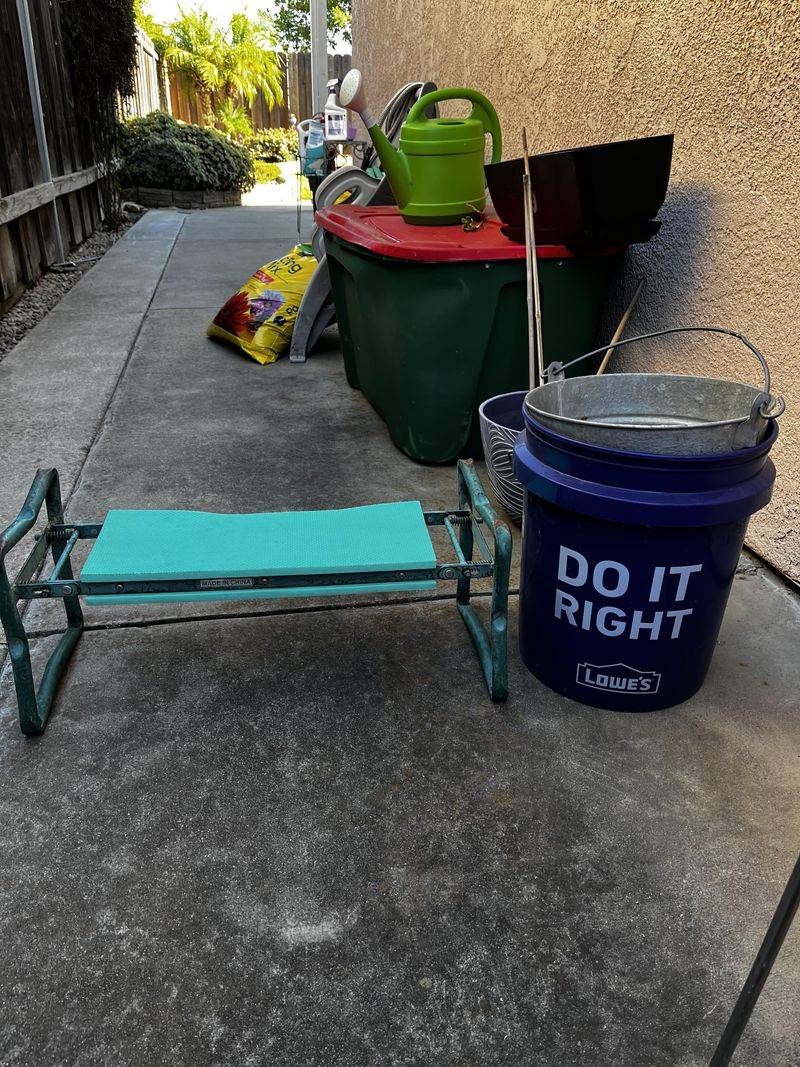
Anyone who has spent more than twenty minutes weeding a garden bed knows how quickly your knees start to protest.
Cold, wet soil in Oregon makes kneeling down even more uncomfortable, especially during the long spring planting season.
A kneeling pad is one of those small investments that makes garden time much more enjoyable.
Dollar store kneeling pads are usually made of thick foam, similar to what you might use for yoga or exercise.
They compress a bit under your weight but still provide enough cushion to take the pressure off your knees.
They also create a barrier between you and cold, soggy ground, which is a real bonus during rainy season planting.
These pads are lightweight and easy to carry around the garden as you move from bed to bed. Some gardeners keep one tucked under their arm the whole time they are outside.
When it gets muddy, just rinse it off with the hose and set it in the sun to dry. They clean up easily and do not hold onto moisture the way fabric kneelers sometimes do.
For kids helping out in the garden, kneeling pads make the experience much more comfortable and fun. Encouraging young gardeners to get involved is easier when they are not complaining about cold, wet knees.
Dollar store foam pads are not going to last forever, but for one or two full seasons of regular use, they do their job well and save your body a lot of unnecessary strain.
8. Small Hand Trowels
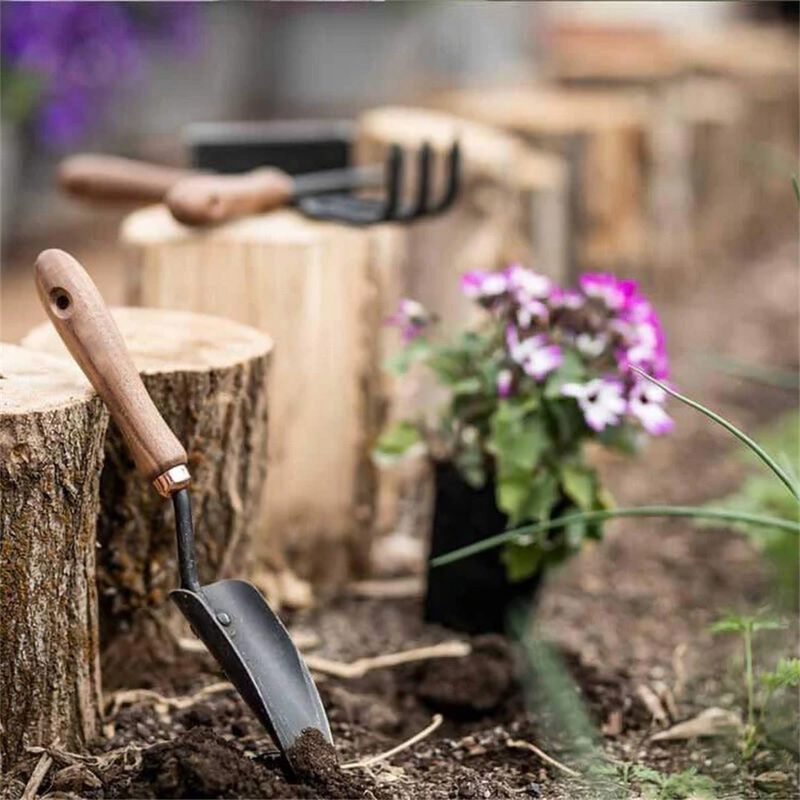
Every gardener needs a reliable hand trowel, and the good news is that dollar store versions are often better than they look.
A trowel is one of the most-used tools in any garden, and having a spare on hand is always smart.
When you find a decent one for a dollar, it is hard to say no.
Dollar store trowels are typically made of lightweight metal or heavy plastic with a simple handle.
They are best suited for softer tasks like scooping potting mix, digging small planting holes, and loosening soil around seedlings.
Oregon has many areas with rich, loamy soil that is easy to work with, making these lighter tools more than capable of handling everyday planting tasks.
One thing to watch for is the joint between the blade and the handle. Cheaper trowels sometimes bend or break at that point if you push too hard into compacted soil.
Use them for light work and save the heavy digging for a sturdier tool. With that approach, a dollar store trowel can last a surprisingly long time.
Keeping a small trowel in a pocket or apron while gardening makes quick tasks much easier. Spotting a weed next to a seedling?
Grab the trowel and get it out fast before it spreads. Needing to add a little extra compost around a plant?
The trowel handles it in seconds. Small, handy, and cheap, this is one dollar store find that earns its keep in any Pacific Northwest garden without any fuss.
9. Clothespins Or Clips For Row Covers
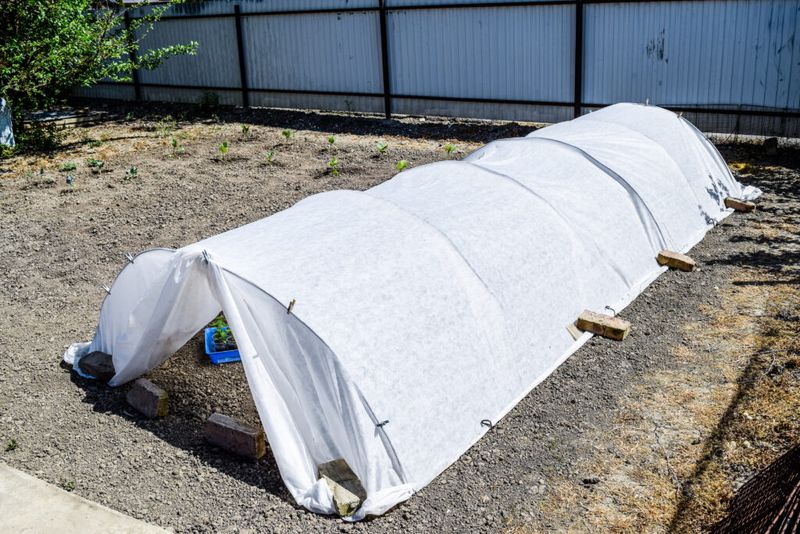
Row covers are a game-changer for gardeners in Oregon. They protect young plants from late frosts, keep pests off tender leaves, and extend the growing season on both ends.
But a row cover that keeps blowing off in the wind is more frustration than it is worth. That is where clothespins and clips from the dollar store come in handy.
Standard wooden clothespins grip lightweight row cover fabric really well. They are strong enough to hold fabric in place during windy days without tearing the material.
Dollar stores often sell them in packs of 20 to 50, giving you more than enough to secure a full row of hoops or a small raised bed cover.
Plastic binder clips and bag clips also work great for this purpose. They tend to have a stronger grip than wooden clothespins and hold up well in wet conditions without swelling or warping.
Keep a mix of both types on hand so you always have the right clip for the job depending on how heavy the fabric is.
At the end of the season, collect all your clips and store them in a small container so they are ready for next year. They do not wear out quickly and can be reused many times over.
This is one of those dollar store finds that seems almost too simple to matter, but any gardener who has chased a row cover across the yard in a windstorm knows exactly how valuable a good clip can be.
10. Plastic Bins For Seed Storage
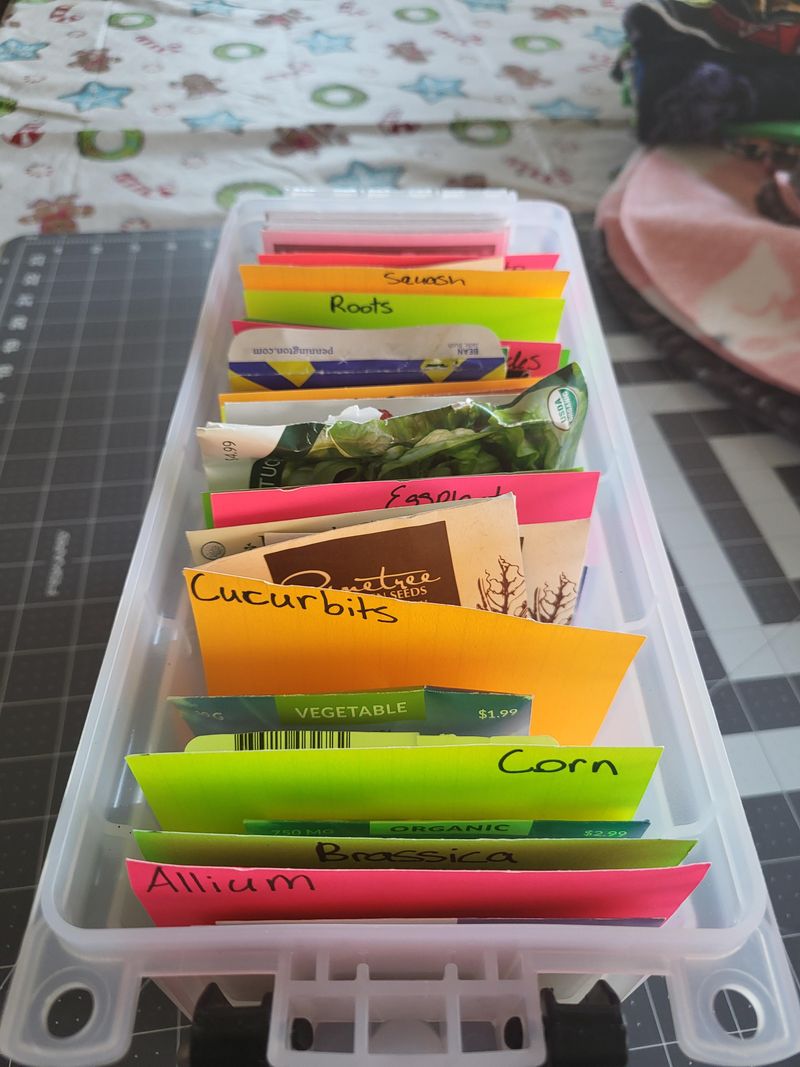
Storing seeds properly is one of the most overlooked parts of gardening, but it makes a huge difference in how well those seeds sprout the following year. Heat, moisture, and light are the enemies of seed viability.
A simple plastic bin from the dollar store creates a cool, dark, dry environment that keeps seeds in great condition for years.
Small plastic bins with tight-fitting lids are perfect for organizing seed packets by category. You can sort by plant type, planting date, or even by garden bed.
Toss in a small silica gel packet to absorb any extra moisture and your seeds will stay fresh much longer. Label the outside of each bin with a marker so you can find what you need fast.
Oregon has humid winters, and an unprotected seed collection sitting in a garage or shed can absorb enough moisture to seriously reduce germination rates.
Keeping seeds in a sealed plastic bin, ideally in a cool indoor spot, protects that investment all through the off-season.
It is a small habit that pays off big when spring planting time rolls around.
Dollar store bins come in all sorts of sizes, so you can find ones that fit your collection perfectly.
Smaller bins work great for a modest seed stash, while larger ones can hold an entire season’s worth of packets with room to spare.
Organized seeds mean less time searching and more time actually gardening, which is exactly where you want to spend your energy every single spring.