The Native Ohio Fern That Thrives Where Nothing Else Will Grow Under Maples
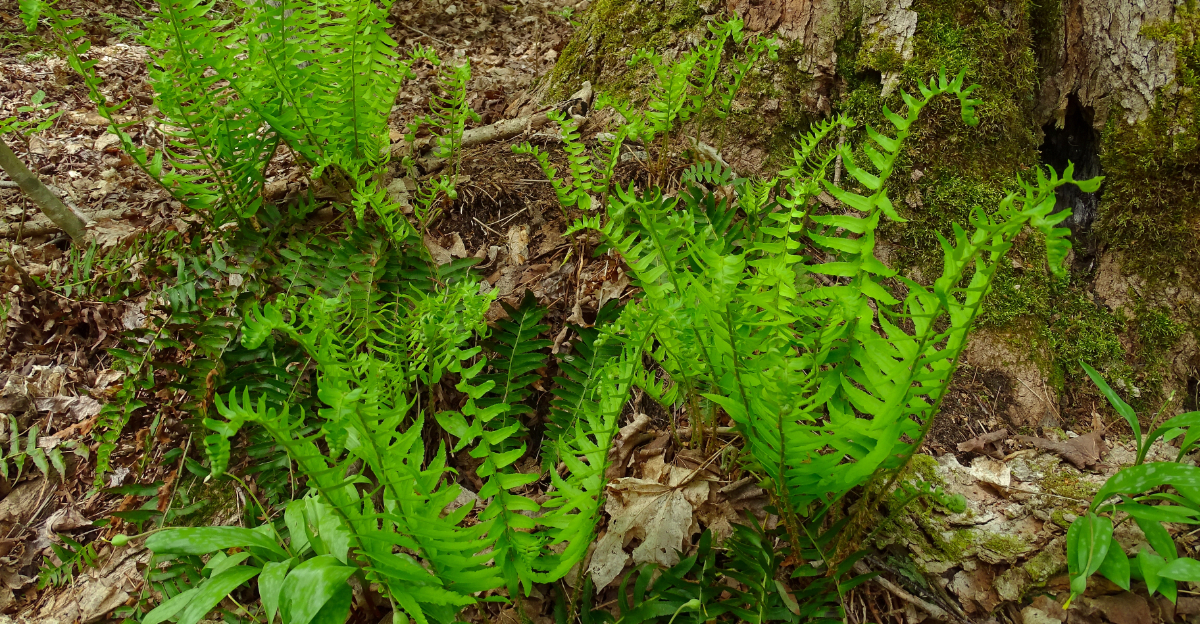
Maple roots are notorious. Dense, shallow, and absolutely committed to claiming every inch of soil underneath the canopy, they leave most plants with nowhere to go and nothing to work with.
Gardeners try shade perennials, groundcovers, and even mulch as a permanent solution. Still, that spot under the maple stays stubbornly bare or disappointing season after season.
Ohio has a native fern that plays by different rules in exactly this situation. It handles the root competition, the dry shade, the soil that other plants abandon, and it comes back reliably year after year without any coaxing.
This is not a fern that merely tolerates difficult conditions. It actually performs in them, spreading gradually into a lush, textured groundcover that makes one of the most frustrating spots in an Ohio yard finally look intentional.
For anyone who has given up on planting under a maple, this fern is worth one more attempt.
1. Plant Christmas Fern Where Maple Roots Steal Moisture
A maple can make a shady bed look peaceful while quietly taking most of the moisture below the surface. Maple roots are shallow and wide-spreading.
They compete hard for water, leaving the soil dry even after a good rain.
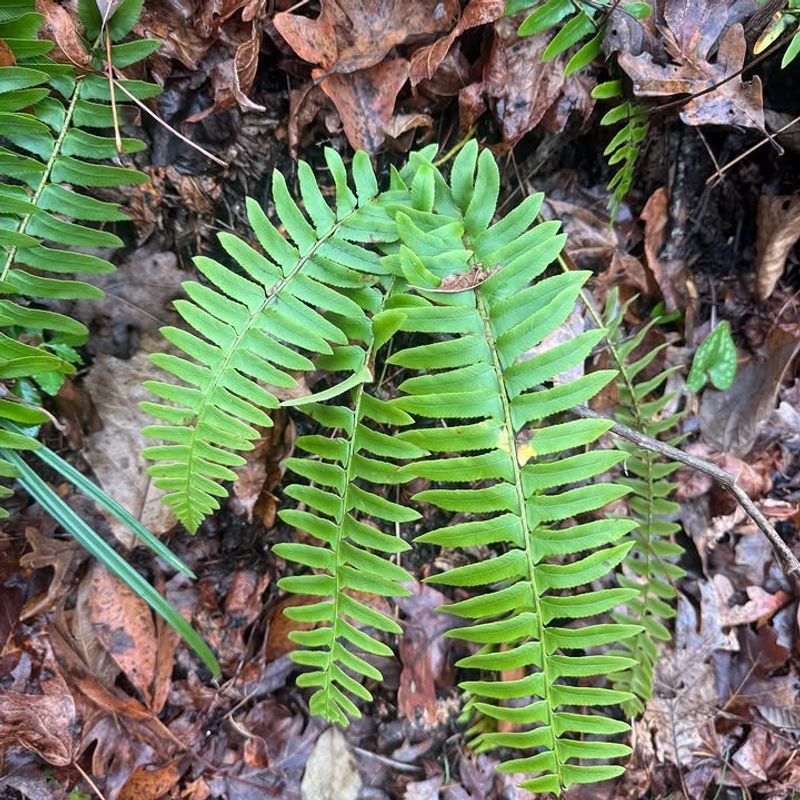
Polystichum acrostichoides is one of the native ferns that can tolerate this kind of dry shade. It naturally grows in woodland settings across this state, where it often lives near tree roots and competes for limited moisture.
That background makes it more suited to life under maples than many popular shade plants.
Hostas, for example, tend to wilt and look stressed in dry maple beds during summer. Impatiens need consistent moisture that maple roots rarely leave behind.
Christmas fern has leathery, waxy fronds that help it hold up when soil moisture drops.
That said, young Christmas ferns are not invincible. Newly planted ones still need regular watering during their first growing season.
Give them a deep drink once or twice a week when rain does not arrive. Once the roots settle in over a season or two, they become much more self-sufficient in those challenging spots under the tree canopy.
2. Use Evergreen Fronds To Keep Dry Shade Looking Alive
Most perennials in a shaded maple bed disappear by October, leaving bare soil and exposed roots through the cold months. That can make even a well-planted yard look neglected from late fall through early spring.
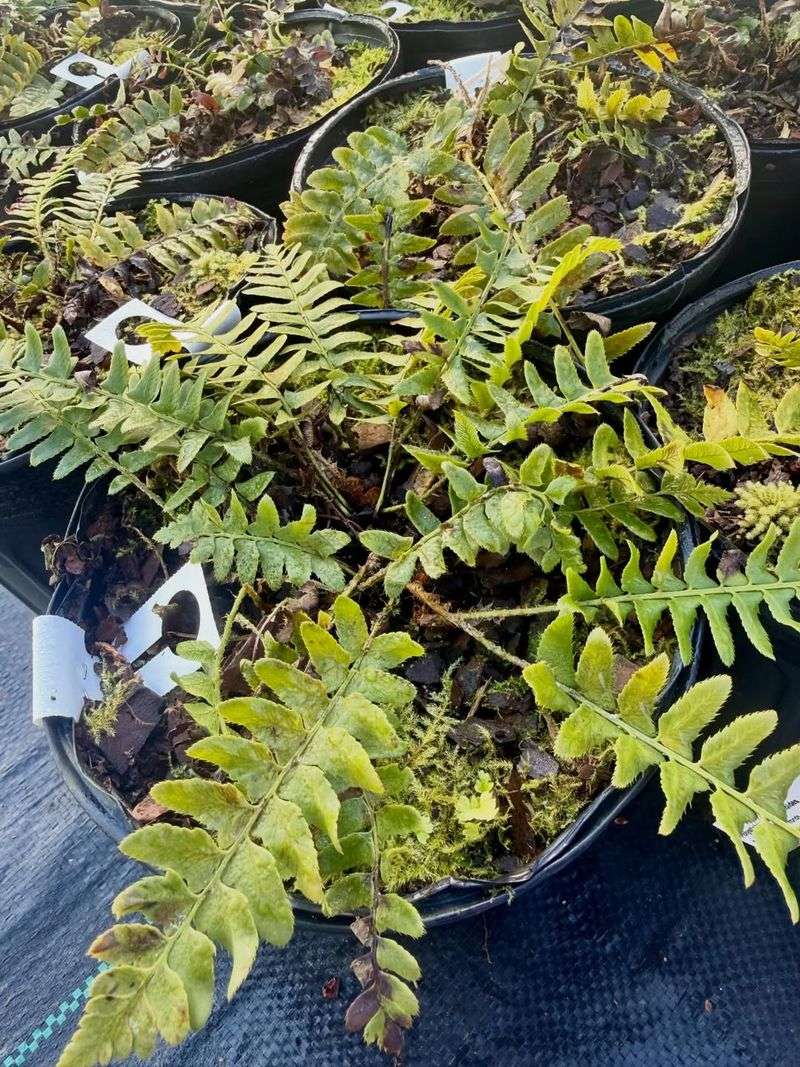
Christmas fern offers something most shade plants cannot: fronds that often stay green well into winter.
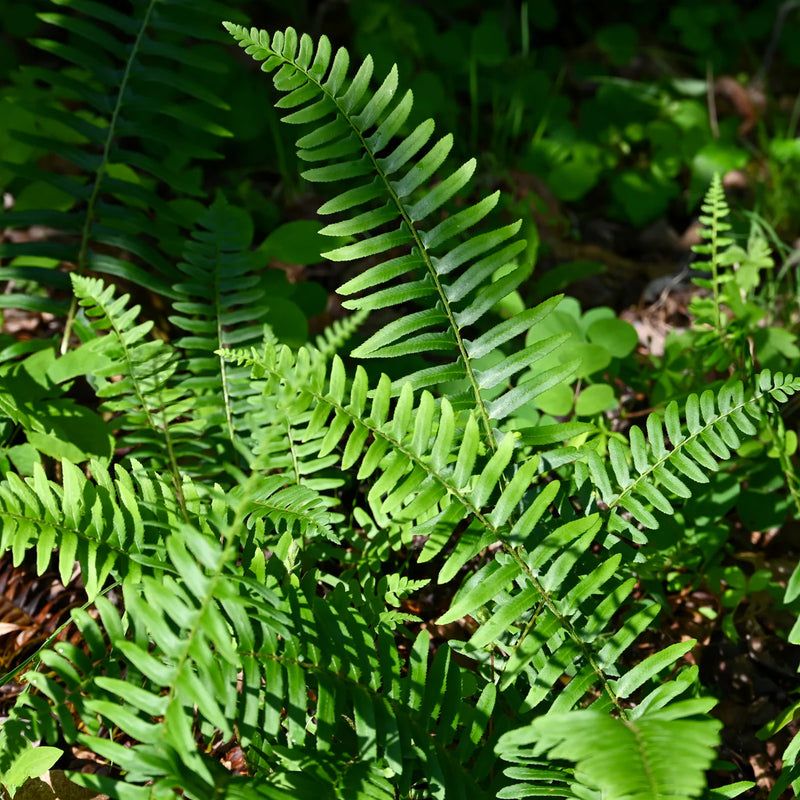
The fronds of Polystichum acrostichoides are semi-evergreen to evergreen depending on conditions. In sheltered spots or milder winters, they can hold their green color through most of the cold season.
In exposed or harsher sites, the fronds may flatten and look tired by late winter, but they tend to green back up as temperatures rise in spring.
This matters most in areas where the ground under maples stays visible after leaf drop. A cluster of Christmas ferns can keep that space looking textured and intentional rather than empty.
They will not look like a manicured hedge, and that is actually part of their appeal. The natural, relaxed look fits woodland-style settings very well.
Your Ohio Garden Changes Every Week. Your Plan Should Too.
Gardening in Ohio changes quickly throughout the season. Every Friday you’ll receive a simple weekly plan showing exactly what to plant, prune, fertilize, harvest, and protect so you never miss the right timing.
New fronds emerge in spring, often while old ones are still present. This overlap keeps the planting looking full through the seasonal transition without much effort from the Ohio gardener.
3. Give Tough Maple Shade A Native Woodland Texture
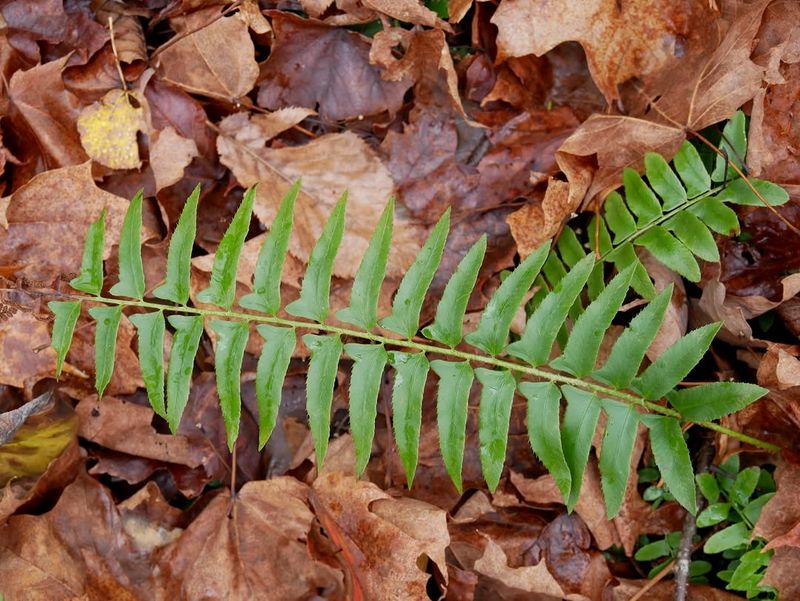
Some shaded spots under maples look flat and uninteresting even when plants manage to survive there. A few hostas in a row can look functional but not particularly natural.
Christmas fern brings a different kind of presence to those areas, one that feels like it belongs in the landscape rather than placed in it.
The fronds of Polystichum acrostichoides are dark green and leathery, with a slight shine that catches filtered light well. Each frond arches outward from the center of the clump, giving the plant a layered, fountain-like form.
That shape works well near tree trunks, along shaded slopes, or at the edge where lawn meets woodland.
Because Christmas fern is native to this region, it fits naturally into the ecosystem. Birds, insects, and small wildlife that use woodland edges recognize it as part of their habitat.
It does not produce showy flowers, but its consistent texture and structure make it a reliable anchor plant in layered shade plantings.
Mature clumps can reach about two feet tall and spread slowly over time. This gradual growth means it will not take over a bed, but it will fill in steadily and look more established with each passing year.
4. Add Leaf Mulch Before Summer Soil Turns Hard
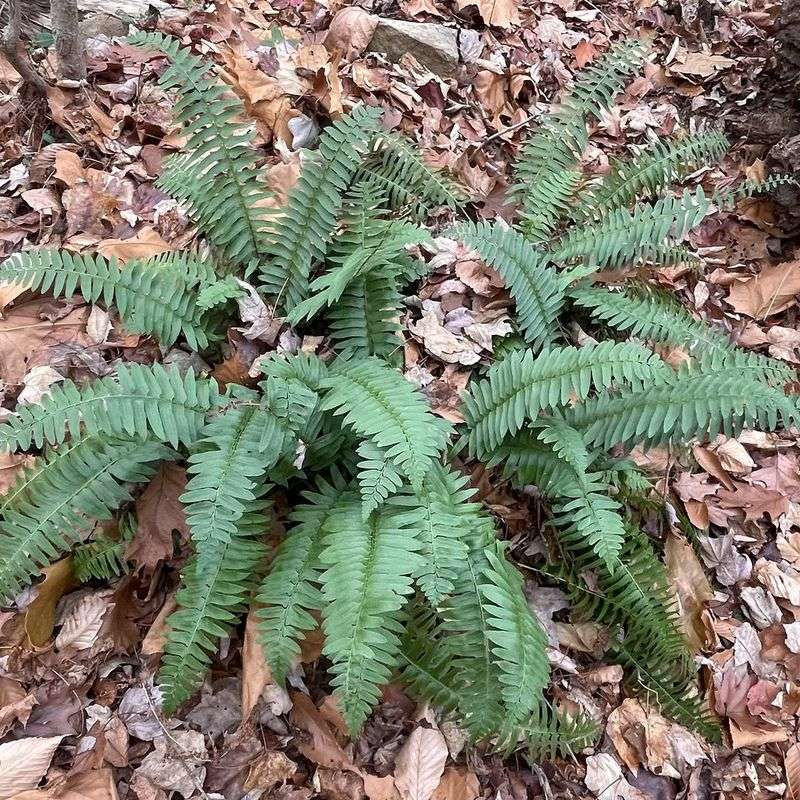
Dry maple shade does not just steal moisture from above. The soil surface under established maples can crust and harden during summer, especially in spots where tree roots prevent deep watering from reaching the root zone.
A good layer of mulch can change that situation significantly.
Shredded leaves are one of the most practical mulch options for a woodland-style planting. They break down gradually, adding organic matter to the soil over time.
They also mimic the natural leaf litter that Christmas fern grows through in wild woodland settings across this state.
Apply a layer of shredded leaves or similar organic mulch around two to three inches deep. Spread it out to the drip line of your fern clumps, but keep it pulled back from the crown of each plant.
Burying the crown can cause rot, especially during wet periods in fall or spring.
Avoid using thick, matted whole leaves directly around the crowns. Whole leaves can pack down and block air circulation.
Shredded material breaks down faster and stays loose enough to let water reach the soil below. Refreshing the mulch layer each fall keeps the bed looking tidy and helps protect roots through winter temperature swings.
5. Water Young Ferns Until Roots Settle In
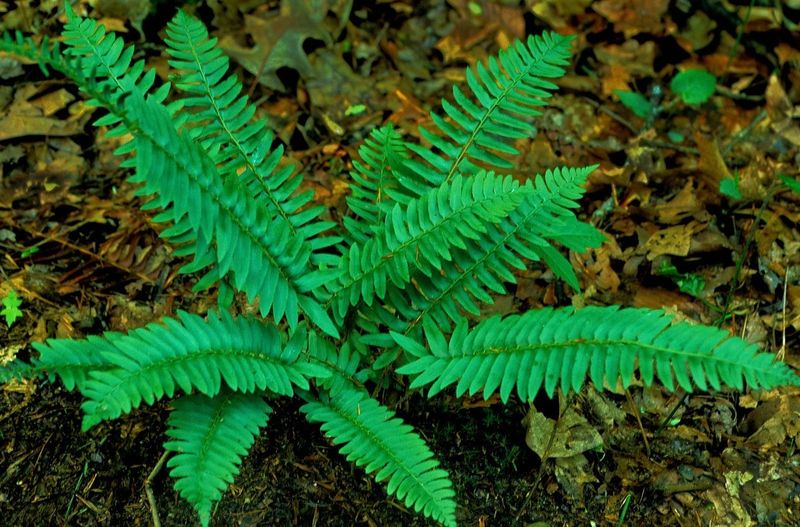
Buying a native plant does not mean planting it and walking away. Even species that are well-adapted to regional conditions need support during their first season in the ground.
Christmas fern is no exception to that rule.
Newly planted ferns have a small root ball that cannot reach far into the surrounding soil. During dry stretches, that limited root zone can dry out quickly under a maple canopy.
Checking the soil moisture every few days during the first summer is a practical habit that pays off over time.
When the top inch of soil feels dry, water deeply rather than lightly. A slow, deep watering encourages roots to grow downward rather than staying near the surface.
Surface-level watering can actually make plants more vulnerable to dry spells because the roots never learn to reach deeper into the soil profile.
Most Christmas ferns that struggle or fade in their first season do so because of inadequate watering during establishment, not because the site is wrong for them.
Give them consistent moisture through the first growing season, then taper off in the second year as roots spread.
By year three, most plants will handle dry spells with much less help from you.
6. Let Christmas Fern Hold Slopes Under Trees
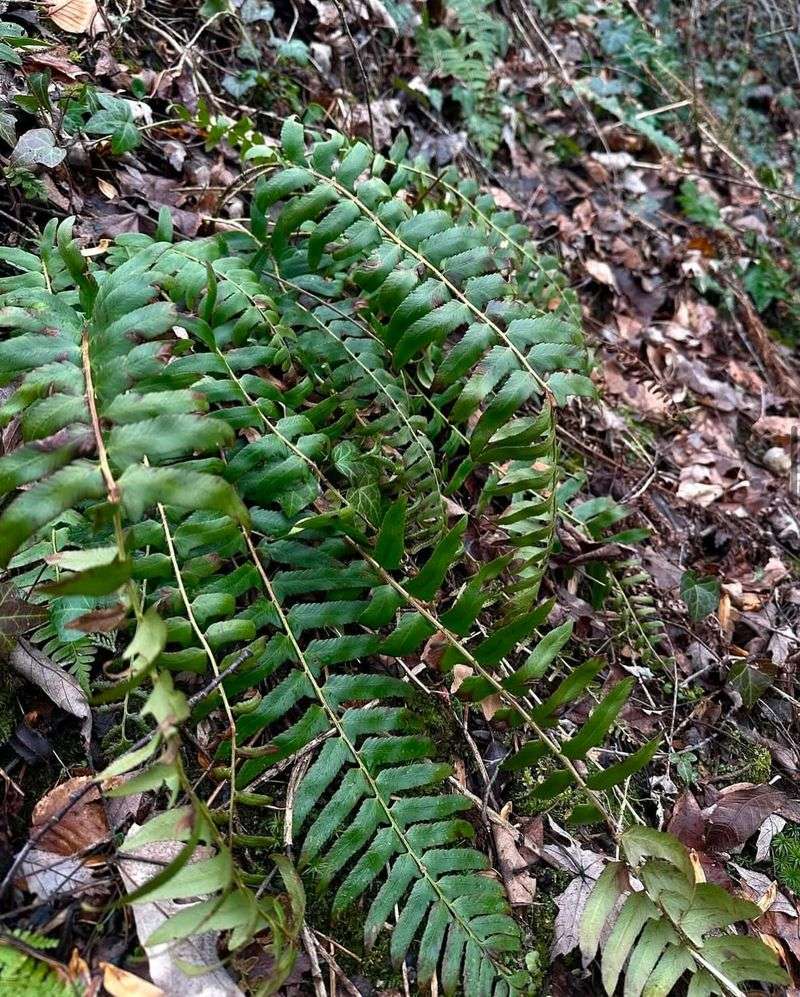
Shaded slopes under trees are among the most frustrating spots in a home landscape. Grass struggles in heavy shade.
Bare soil can crust, wash during heavy rain, or erode slowly over time. Many Ohio gardeners try to cover these spots with wood chips and hope for the best, but mulch alone does not anchor soil the way plant roots do.
Christmas fern grows naturally on shaded banks and slopes across woodland areas in this state. Its fibrous root system helps hold the soil surface in place, which makes it a practical choice for sloped areas under mature maples.
It is not a solution for severe erosion on steep, unstable banks, but for moderate slopes with decent shade coverage, it performs well.
Pairing ferns with a good mulch layer and other low-growing natives gives the slope better overall coverage. A single species rarely solves a complex erosion situation on its own.
Think of Christmas fern as one layer in a broader planting strategy rather than a standalone fix.
Plant ferns across the slope in a staggered pattern rather than in a straight row. This spreads root coverage more evenly and looks more natural.
Water newly planted ferns on slopes a bit more frequently since rainfall tends to run off before soaking in deeply on angled ground.
7. Pair It With Other Dry Shade Survivors
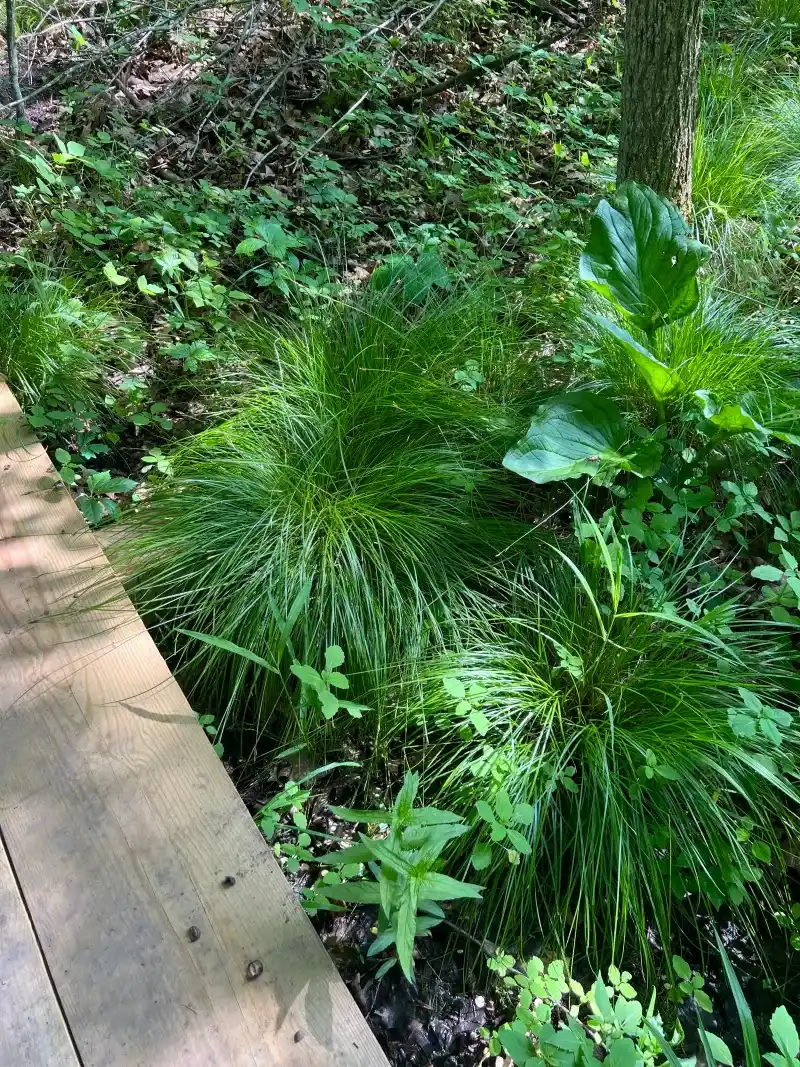
A single plant species in a large shaded bed can look sparse no matter how well it grows. Pairing Christmas fern with a few compatible companions makes the planting look more intentional and fills in the ground plane more completely.
The key is choosing companions that can handle the same dry shade conditions.
Pennsylvania sedge, known as Carex pensylvanica, is one of the most reliable dry shade companions available in this region. It forms low, fine-textured mats that contrast nicely with the bold, upright fronds of Christmas fern.
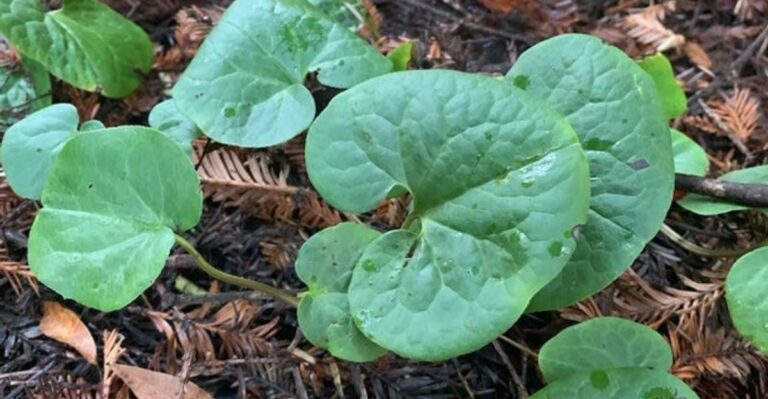
Wild ginger, Asarum canadense, is another native that spreads slowly across shaded ground and tolerates root competition reasonably well.
Woodland sedges in general are worth exploring for dry maple beds. Many of them are native to this state and have adapted to the kind of low-moisture, low-light conditions that maples create.
Check with a local native plant nursery for species that perform well in your specific region.
Avoid pairing Christmas fern with moisture-loving plants like astilbe or ligularia in dry maple beds. Those plants will struggle and make the whole planting look uneven.
Matching all your companions to the actual site conditions gives every plant a fair chance and makes the bed look cohesive from the start.
8. Stop Fighting Maples With Thirsty Shade Plants
Mature maples are not going anywhere. Once a maple reaches full size, its root system spreads far beyond the canopy edge and pulls moisture from a wide area.
Trying to grow moisture-loving plants in that zone is a repeated frustration that most Ohio gardeners eventually recognize as a losing strategy.
The more productive approach is choosing plants that match the site rather than forcing plants to adapt to conditions they were never built for. That shift in thinking makes gardening under maples much less discouraging.
Christmas fern fits that approach well because it evolved in woodland settings where dry shade, root competition, and low light are normal.
It is not a miracle plant. It will not fill a bare maple bed in one season or solve every problem a difficult site presents.
But it is a realistic, native option that brings lasting texture, seasonal interest, and ecological value to spots where many popular plants simply cannot hold on.
Starting with a few well-placed clumps, adding mulch, and watering through the first season gives Christmas fern the foundation it needs. Over time, those clumps grow fuller and more settled.
The result is a shaded bed that looks deliberate, stays green through much of the year, and works with the maple rather than against it.