Florida Foundation Plants That Look Expensive And Stay That Way Without Constant Trimming
Foundation plantings in Florida have a way of looking great for about six months and then becoming a maintenance commitment nobody signed up for. Constant trimming, reshaping, cutting back plants that had other ideas about how big they wanted to get.
The manicured look is achievable, but in Florida’s climate, keeping it that way can feel like a part time job. There is a category of Florida plants that solve this problem honestly.
They have a naturally refined growth habit and do not bolt, sprawl, or throw up awkward shoots every few weeks. They also hold their shape without someone hovering over them with pruning shears every other weekend.
These are not boring plants. Several have real visual presence, the kind that reads as intentional and considered rather than whatever was available and on sale at the garden center.
A foundation planting should look good without demanding constant attention to stay that way
1. Coontie Gives Foundation Beds Sculptural Evergreen Structure
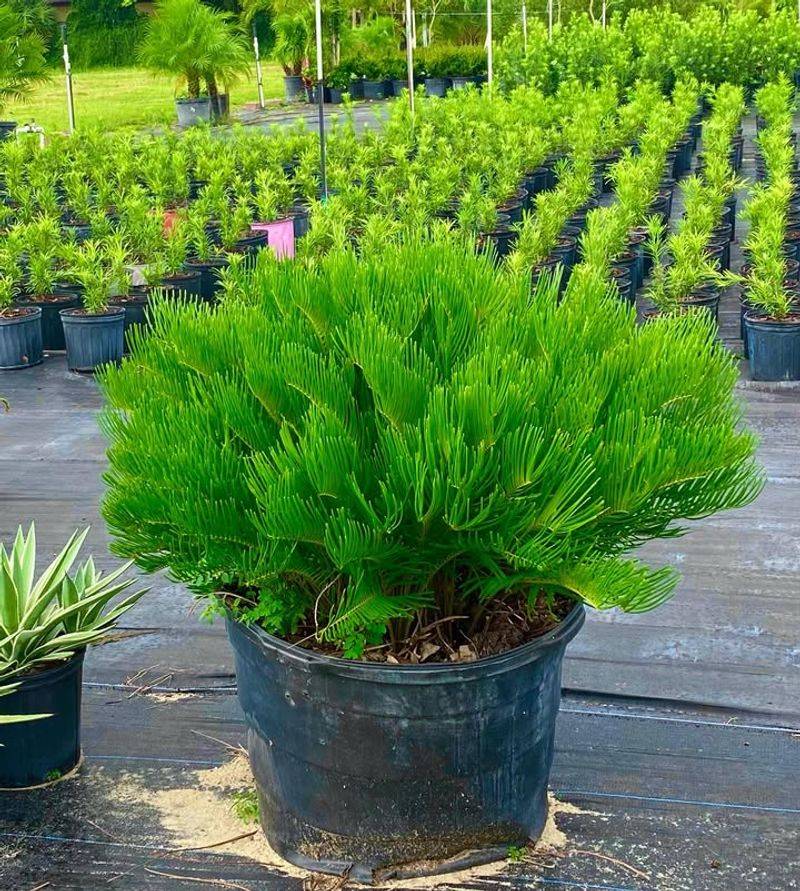
A front-entry bed planted with coontie stops people in their tracks. The dark, glossy, arching fronds give a foundation planting the kind of sculptural weight that looks like it was designed by a professional.
Zamia integrifolia is a native cycad, not a true palm, and that distinction matters for how you space and place it.
Coontie grows slowly to about two to three feet tall and wide, forming a tidy, low mound that suits beds near low windows or entries. Its tough, leathery texture contrasts beautifully with smooth concrete, brick, or painted stucco.
Once established, it handles drought well and does not need frequent irrigation beyond what the rainy season provides.
No shearing is needed to maintain its form. The fronds grow in a naturally clean rosette that looks intentional without any clipping.
Old fronds can be removed at the base when they yellow, which is a simple cleanup rather than a trimming schedule.
Coontie also supports the Atala butterfly, a native species that uses it as a host plant. Planting it near entries or low garden walls adds ecological value without adding work.
Space plants at least three feet from walkways so the fronds have room to arch without brushing against foot traffic. In sandy, well-drained foundation beds across this state, coontie performs reliably year after year.
2. Dwarf Yaupon Holly Looks Polished Without Harsh Shearing
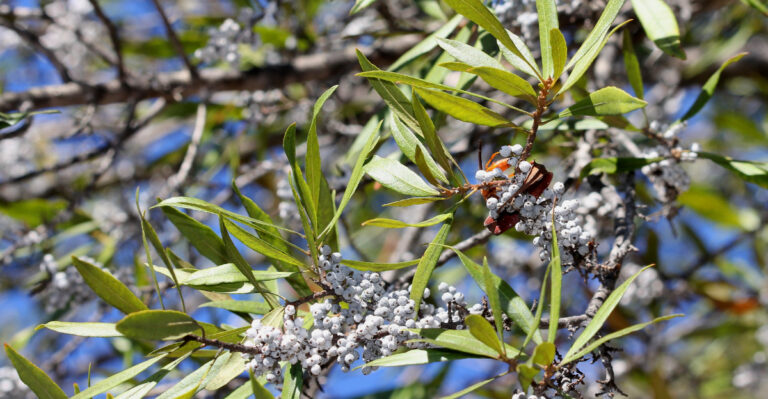
Picture a walkway lined with low, dense evergreen mounds that hold their rounded shape through summer storms and winter dry spells without a single hard shearing. That is what a well-chosen dwarf yaupon holly cultivar delivers.
Ilex vomitoria has several compact forms that stay naturally mounded without requiring box-cut treatment to look neat.
Small, fine-textured leaves give the plant a refined appearance up close. The dense branching habit creates a solid, full look that reads as intentional from the street.
Dwarf cultivars typically stay under three feet tall and wide, which makes them a strong choice for low beds along walkways, near entries, or under low windows.
Yaupon holly is a Florida native with solid drought tolerance after establishment. It handles the sandy soils, heat, and humidity of this state without complaint.
Your Florida Garden Changes Every Week. Your Plan Should Too.
Gardening in Florida changes quickly throughout the season. Every Friday you’ll receive a simple weekly plan showing exactly what to plant, prune, fertilize, harvest, and protect so you never miss the right timing.
Birds are drawn to the small berries that female plants produce, adding seasonal wildlife interest to the front of the home.
Cultivar selection is critical here. Larger yaupon forms can reach eight feet or more and will need constant trimming if planted in a spot meant for a compact mound.
Stick with named dwarf cultivars such as Schillings or Nana for reliable size control. Space plants according to their mature spread, not their nursery pot size, so the bed fills in naturally without crowding.
3. Simpson’s Stopper Adds Glossy Native Structure Near Walkways
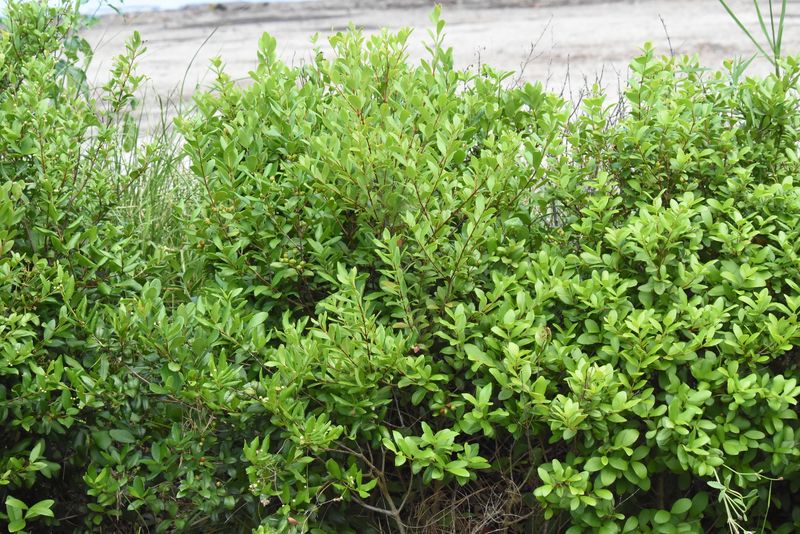
Glossy foliage catches light in a way that flat-textured plants simply cannot match. Simpson’s stopper brings that quality to foundation beds and entry plantings across warm regions of this state.
Myrcianthes fragrans is a native shrub or small tree with small, rounded, deep green leaves that give it a refined, polished look without any special treatment.
Fragrant white flowers appear through the year, and small orange-red fruits follow, drawing native birds to the planting. That combination of ornamental texture, seasonal interest, and wildlife value makes it a strong design choice.
It works especially well near patios, covered entries, or layered foundation beds where height variation adds depth.
Honest sizing is important here. Simpson’s stopper is not a small bedding plant.
Left unpruned, it can reach ten to fifteen feet as a multi-stemmed shrub or small tree. For foundation use, selective pruning to manage height and direct its form is part of the maintenance plan.
The goal is shaping, not constant shearing.
Place it where its mature size fits the space. Near a two-story entry or at a corner where height is welcome, it thrives with minimal intervention.
In tight beds near low windows, it will need more frequent attention. Sandy, well-drained soil suits it well, and it shows strong drought tolerance once established.
Good spacing from walls allows for air circulation and keeps the root zone healthy.
4. Florida Anise Makes Shady Foundations Look Lush And Intentional
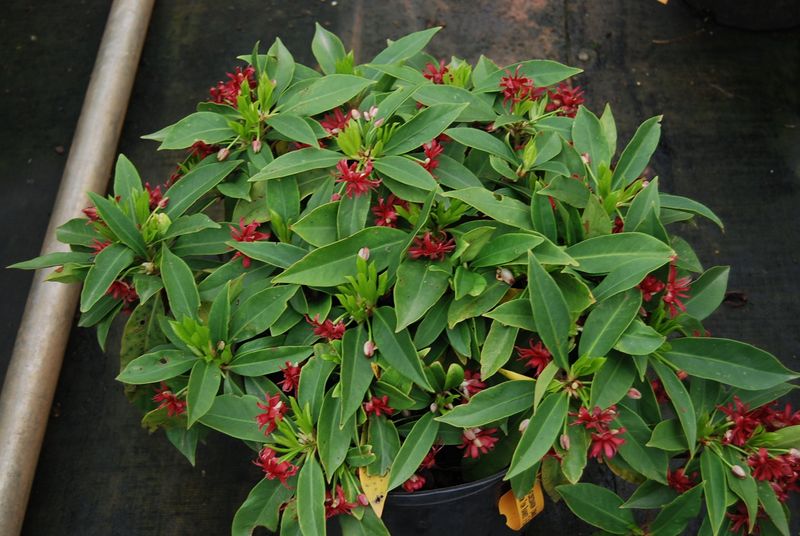
Shaded foundation corners are some of the trickiest spots to plant well. Too many shade-tolerant options look sparse, pale, or scraggly in the heat of this state.
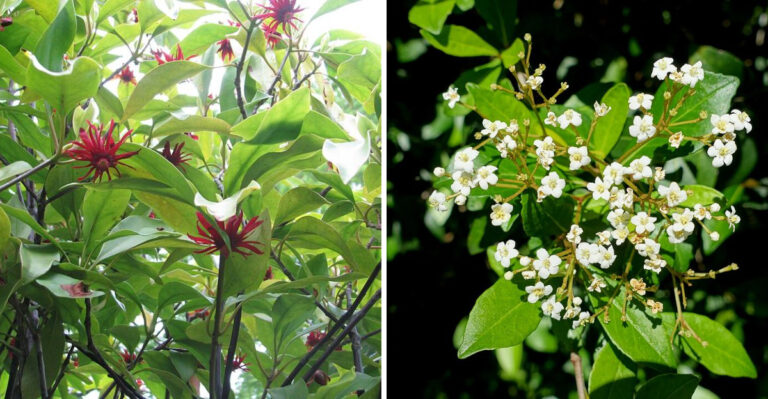
Florida anise is the exception. Illicium floridanum fills shaded and partly shaded beds with lush, broad, aromatic foliage that looks purposeful and well-designed from the curb.
The leaves are large, glossy, and dark green, giving the plant a bold, layered texture that reads as intentional even without flowers.
When it does bloom, the unusual burgundy-red, star-shaped flowers add a woodland charm that suits protected corners and shaded walls near the home’s foundation.
Crushing or brushing the foliage releases a strong anise-like scent, which is a pleasant surprise near a shaded entry or side path. The plant has a naturally full, rounded habit and does not need constant shearing to look tidy.
Occasional selective pruning keeps it within its space.
Florida anise prefers moist, organic-rich soil and shade or part shade. It is not suited for hot, dry, full-sun foundation beds.
Sandy soil that dries out quickly between rains will stress it without supplemental irrigation or a thick mulch layer. Place it where it gets protection from reflected heat off walls and afternoon sun.
In the right spot, it grows to six to ten feet and holds its lush form with very little intervention.
5. Fakahatchee Grass Softens Corners With Expensive Texture
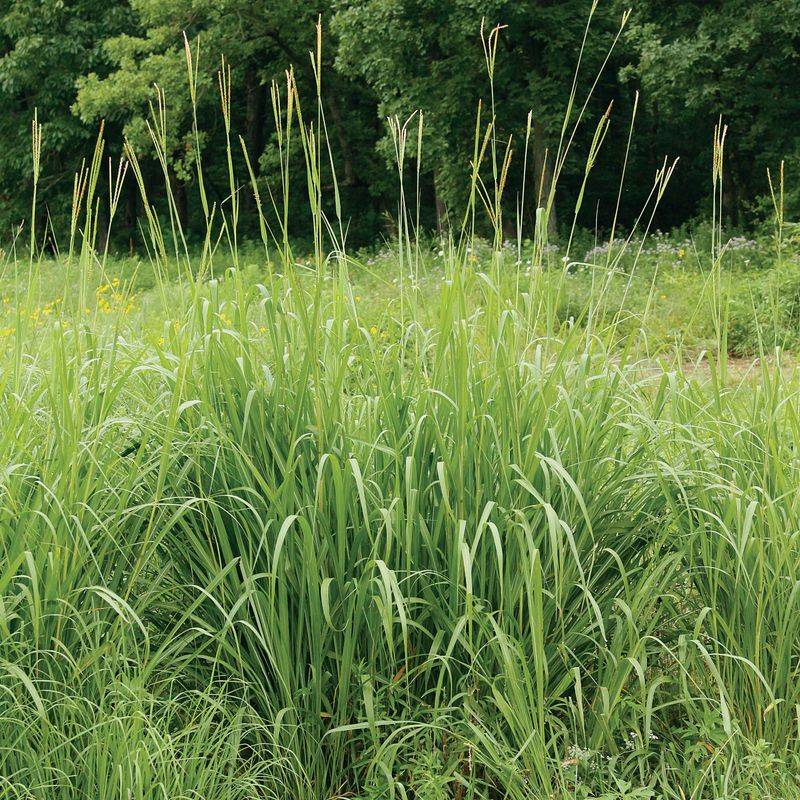
Bold, arching grass blades at a foundation corner can do more for curb appeal than a dozen clipped shrubs. Fakahatchee grass brings that kind of strong, sculptural presence to wider foundation beds and entry corners across this state.
Tripsacum dactyloides is a native grass with long, graceful blades that catch the breeze and soften the hard lines of a home’s exterior.
Its clumping habit stays contained without spreading aggressively, and the arching form looks naturally refined without any trimming. Wildlife value is strong.
Birds use the seeds, and the dense clumps provide shelter for small animals. The plant also supports several native bee species.
Size is the main thing to plan around. Fakahatchee grass can reach four to seven feet tall and wide at maturity.
That scale suits wide foundation beds, large entry corners, or open areas where a bold statement plant is welcome. Narrow beds along walkways or under low windows are not the right fit.
Full sun to part shade works well for this grass, and it handles the sandy, well-drained soils common in this state. Drought tolerance improves significantly after the first growing season.
Old or damaged blades can be removed at the base as needed, but the plant does not require cutting back on a schedule. Give it space from walkways and windows, and it will hold its handsome form season after season.
6. Walter’s Viburnum Works When The Right Cultivar Is Chosen
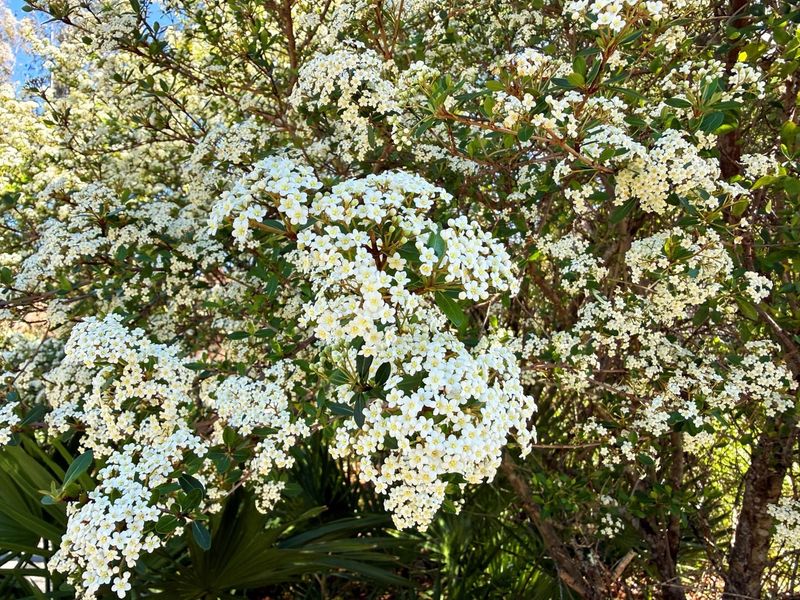
Choosing the wrong size form of a plant is one of the most common foundation bed mistakes. Walter’s viburnum is a clear example of why cultivar selection changes everything.
Viburnum obovatum in its full-size form can reach twelve feet or more, making it a tall hedge or screen plant, not a tidy foundation shrub. Compact cultivars, though, are a different story entirely.
Named compact forms such as Densa or Mrs. Schiller’s Delight stay much smaller and suit foundation beds where a refined, evergreen mound is the goal.
Small, glossy leaves give these selections a fine texture that looks polished close up and clean from the street.
Clusters of small white flowers appear in early spring, drawing native bees and other pollinators before most other plants have started blooming.
Native status is a genuine asset here. Walter’s viburnum is a Florida native that handles sandy soil, summer heat, and seasonal drought once established.
It fits well in layered foundation beds alongside lower plants or as a stand-alone specimen near entries.
The key is buying the right cultivar and confirming its mature size before planting. A full-size form planted in a three-foot bed will need constant trimming to stay off windows and siding.
A compact cultivar in the same spot holds its shape naturally. Space plants according to their mature spread, mulch well, and water during the first growing season to get them settled.
7. African Iris Keeps Sunny Foundations Crisp With Clean Lines
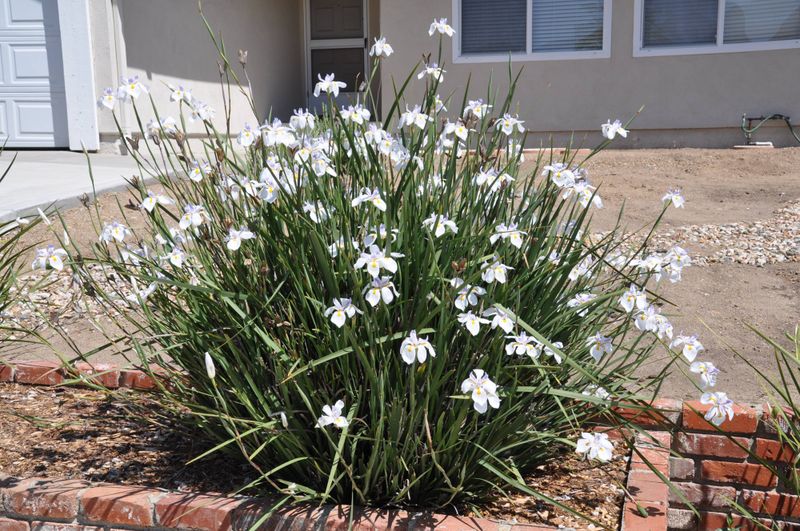
Strappy, upright foliage is one of the most underused tools in foundation planting design. African iris delivers that vertical line quality with very little fuss.
Dietes iridioides grows in tight, fan-shaped clumps of stiff, narrow, dark green blades that hold their form through heat, humidity, and heavy summer rain.
White flowers with yellow and purple markings appear repeatedly through the year in sunny spots. They add seasonal color without demanding trimming after every bloom cycle.
The clumps stay relatively contained and do not need shaping to look tidy. That clean, upright silhouette reads as crisp and intentional from the street.
African iris is not a native plant. It originates from southern Africa and should not be presented as a Florida wildflower or native species.
It does not appear on invasive species lists for this state, but it is worth confirming current guidance for your specific region before planting near natural areas.
Full sun to part sun suits it best, and good drainage is important. Sandy foundation soil works well as long as irrigation is consistent during establishment.
Clumps may spread slowly over time and can be divided when they become overcrowded. Remove old or brown leaves at the base to keep the planting looking neat.
Avoid planting it too close to walkways, as the stiff blades can scratch. Space clumps at least eighteen to twenty-four inches apart for a full, layered look.
8. Society Garlic Adds Neat Color Without Constant Fuss
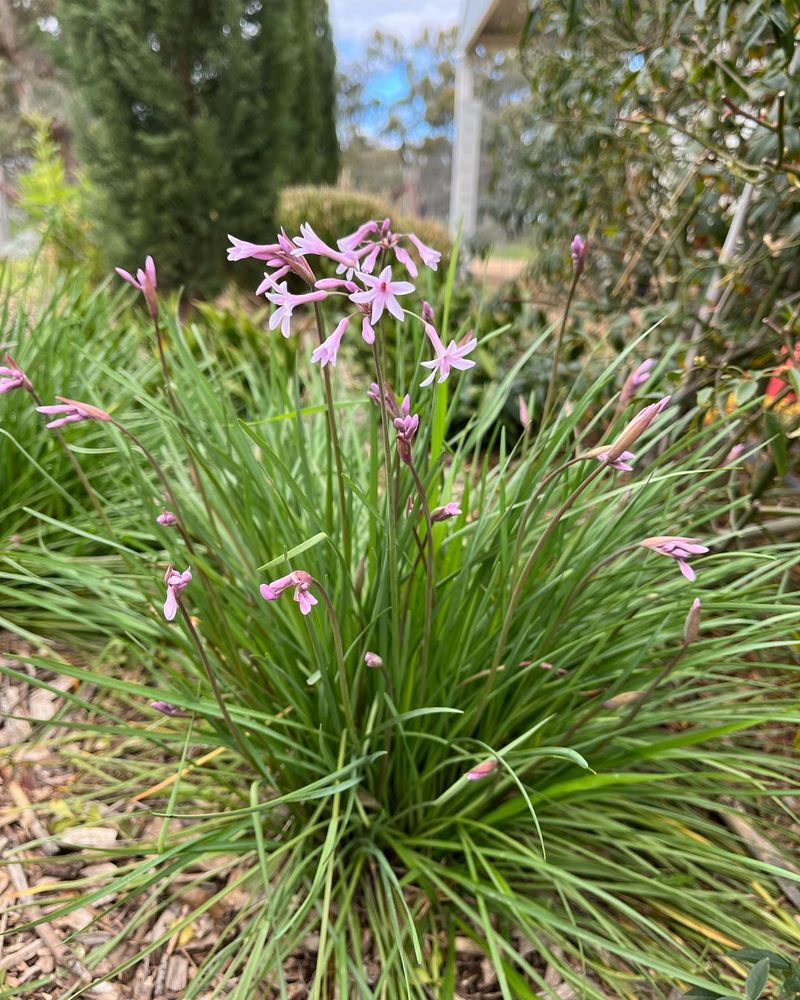
A sunny walkway edge often needs something low, tidy, and reliably in bloom without turning into a trimming project every few weeks. Society garlic fits that role well.
Tulbaghia violacea forms neat clumps of narrow, blue-green leaves. They are topped with clusters of soft purple flowers that attract butterflies and bees through much of the warm season.
The foliage has a mild onion-garlic scent when brushed or crushed, which most people find pleasant outdoors. It is not overpowering at a distance, but it is worth knowing before planting near a front door or seating area.
The scent is part of what makes it unappealing to deer in some regions.
Society garlic is not a native plant. It comes from South Africa and should be clearly identified as a non-native ornamental.
It does not appear on invasive lists for this state. Still, checking current local guidance is always a good step before adding any non-native plant to a foundation bed near natural areas.
After establishment, drought tolerance is solid. Full sun and good drainage are the main requirements for strong performance.
Clumps can be divided every few years when they become crowded or when flowering slows. Spent flower stems can be removed to keep the bed looking tidy, though the plant is forgiving if cleanup is delayed.
Space clumps about twelve to eighteen inches apart along bed fronts or walkway edges for a full, even edging effect.