Why Shade Cloth Is The Most Important Thing In Your Arizona Summer Garden
Summer has a way of exposing weaknesses in a garden. Plants that looked healthy for months can suddenly start struggling once the hottest part of the season arrives.
Leaves may droop by afternoon, flowers can fade faster than expected, and vegetables sometimes stop looking as vigorous as they did just a few weeks earlier.
Seeing those changes can be confusing, especially when watering has been consistent and everything seemed fine not long ago.
One of the biggest challenges is that heat stress is not always obvious at first. A plant may continue growing while quietly dealing with conditions that are far more intense than it prefers.
By the time visible problems appear, growth and flowering may already be affected.
That is why shade cloth has become such a valuable tool in Arizona gardens. Good watering and healthy soil still matter, but they are not always enough during the hottest part of the season.
Even well-cared-for plants can benefit from extra protection when summer conditions become extreme. Shade cloth may seem simple, yet its impact can be surprisingly significant when temperatures begin climbing.
1. Many Summer Vegetables Cannot Handle Full Afternoon Sun
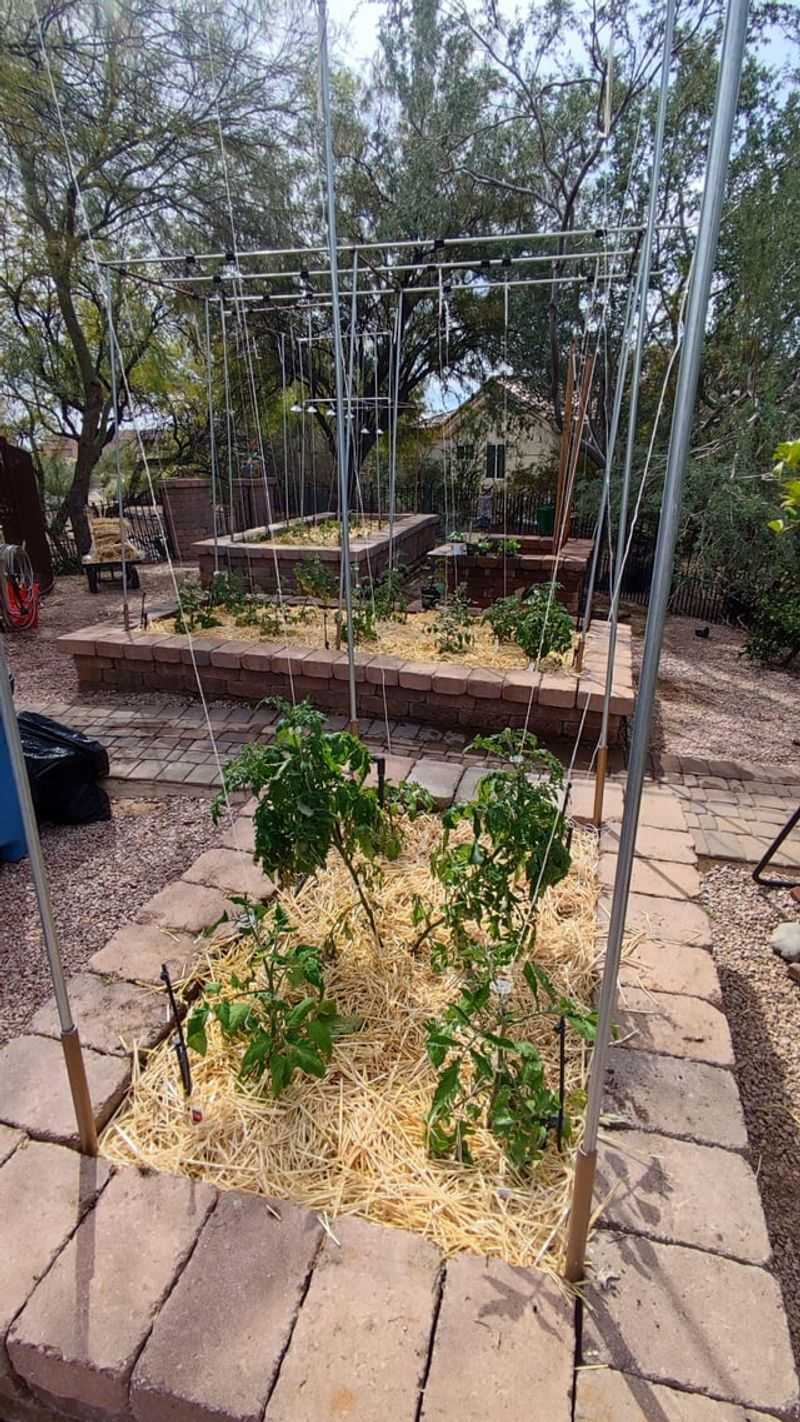
Tomatoes, peppers, squash, and beans are often called summer vegetables, but that label is misleading in the desert Southwest. Full afternoon sun at 110 degrees is a completely different beast than summer sun in cooler climates.
Tomatoes start dropping blossoms when temperatures push past 95 degrees. Peppers can handle more heat, but their leaves still scorch under relentless direct sun for hours on end.
Squash leaves curl and collapse by early afternoon without any protection.
Afternoon sun in Arizona arrives around 1 p.m. and does not let up until nearly 6 p.m.
That five-hour window is when the most damage happens. Soil surface temperatures can reach 160 degrees or higher in direct sun, which cooks roots from below even when air temperatures seem manageable.
A 30 to 40 percent shade cloth draped over your beds during those peak hours makes a measurable difference.
Leaf temperatures drop, blossom drop slows, and plants hold their shape through the afternoon instead of collapsing in stress.
Shade cloth does not block all light. Plants still photosynthesize and grow.
What it blocks is the harshest portion of the light spectrum that causes tissue damage without adding useful energy for growth.
2. Leaf Scorch Becomes More Common As Temperatures Rise
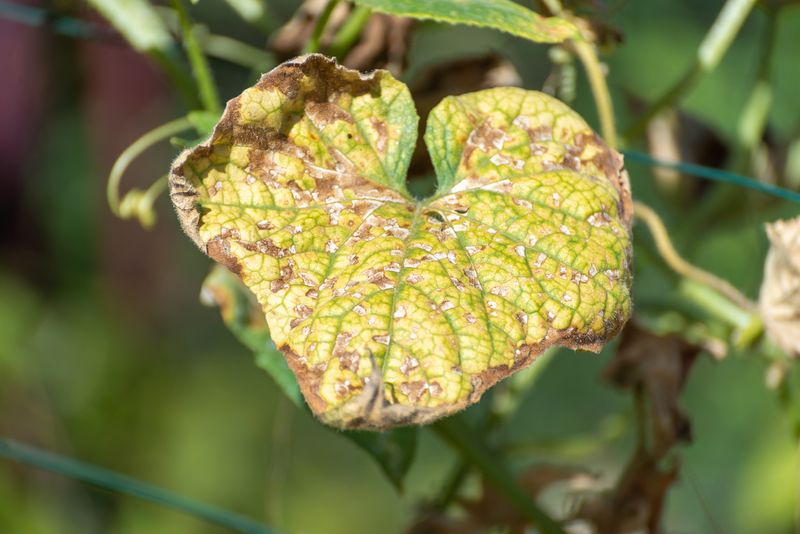
Brown, crispy leaf edges are not a watering problem. Most gardeners assume scorched leaves mean the plant needs more water, but adding water to a heat-stressed plant does almost nothing if the sun is still hammering it.
Leaf scorch happens when the rate of water evaporation from leaves exceeds the rate roots can absorb and deliver water.
Even with moist soil, leaves scorch when air temperature and sun intensity are both extreme at the same time.
Once a leaf scorches, that tissue does not recover. Brown edges stay brown.
Photosynthesis in those areas stops permanently. If scorch is severe enough, the entire leaf drops, forcing the plant to redirect energy into growing replacements instead of producing fruit or flowers.
Your Arizona Garden Changes Every Week. Your Plan Should Too.
Gardening in Arizona changes quickly throughout the season. Every Friday you’ll receive a simple weekly plan showing exactly what to plant, prune, fertilize, harvest, and protect so you never miss the right timing.
Repeated scorch cycles weaken plants over time.
A plant spending all its energy replacing damaged leaves has nothing left to put into growth or production. By midsummer, many unprotected plants look exhausted and produce very little.
Shade cloth interrupts this cycle at the source. Filtered light reduces the intensity hitting leaf surfaces, which lowers the rate of water evaporation from leaves.
Plants hold their moisture longer, and the stress cycle slows significantly.
3. Container Plants Heat Up Faster Than Garden Beds
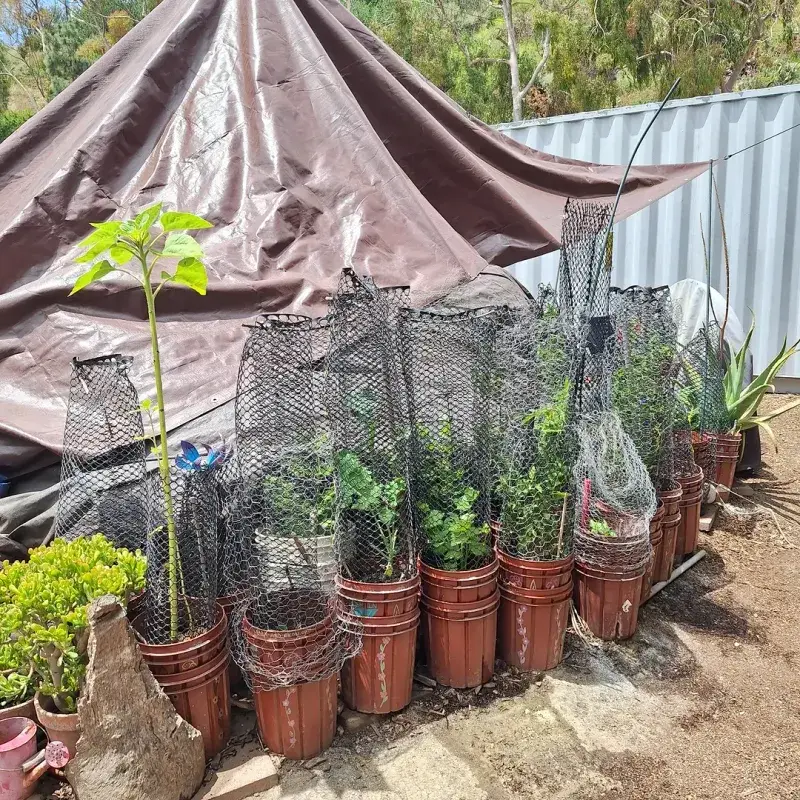
Container gardening feels like a smart solution in small spaces, but containers have one serious weakness in extreme heat: they superheat fast. A black plastic pot sitting in full sun can reach internal soil temperatures above 140 degrees within an hour of morning sun exposure.
Even terracotta pots, which breathe better than plastic, transfer heat rapidly when air temperatures climb past 100 degrees.
Roots pressed against the inside walls of a hot container are essentially being slow-roasted from the outside in.
Garden beds share heat with surrounding soil and benefit from some insulation from the ground beneath. Containers have no such buffer.
All four sides and the bottom are exposed to hot air, radiant heat from pavement, and direct sun simultaneously.
Shade cloth positioned over container plants or along the sides of pots can drop internal soil temperatures by 20 to 30 degrees.
That range is the difference between roots functioning normally and roots shutting down completely.
Grouping containers together also helps by reducing the exposed surface area on each pot. Pairing that strategy with a shade cloth overhead creates a noticeably cooler microclimate around your container plants.
4. New Transplants Face The Greatest Risk
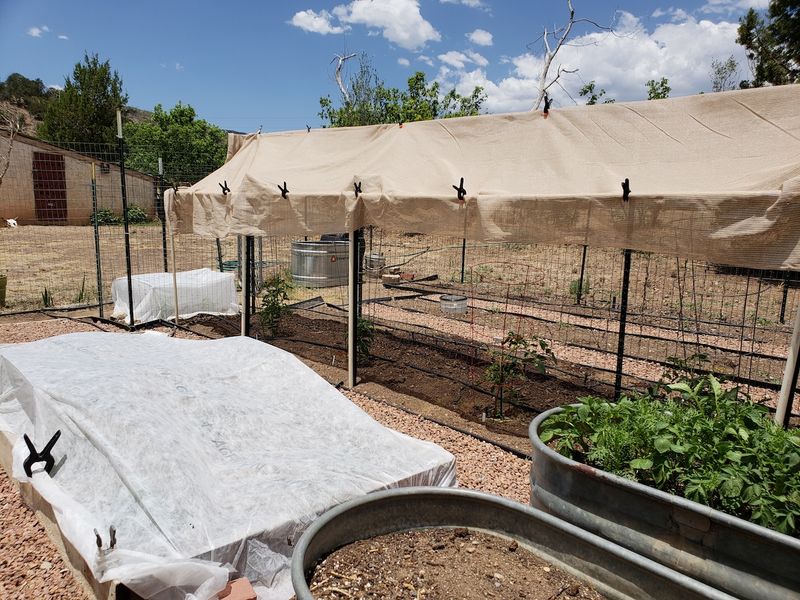
Putting a brand-new transplant into the ground during a desert summer is one of the riskiest moves in gardening. Seedlings that spent their early weeks in a greenhouse or indoors have never experienced full desert sun intensity, and the shock can be severe.
Transplant shock already stresses roots during the move from container to ground.
Combine that stress with 108-degree heat and direct afternoon sun, and even a healthy seedling can collapse within 24 hours of planting.
Roots need time to establish new connections with surrounding soil before they can efficiently deliver water to leaves. Until that happens, leaves are pulling moisture faster than roots can supply it, which creates rapid wilting even in wet soil.
Shade cloth buys new transplants the time they need.
With filtered light and lower air temperatures directly around the plant, water loss through leaves slows enough for roots to begin settling in without the plant going into full stress mode.
Most experienced desert gardeners keep new transplants under shade cloth for at least two to three weeks after planting in summer.
After that period, roots are established enough to handle more direct light without the same level of risk.
5. Watering Alone Cannot Prevent Heat Stress
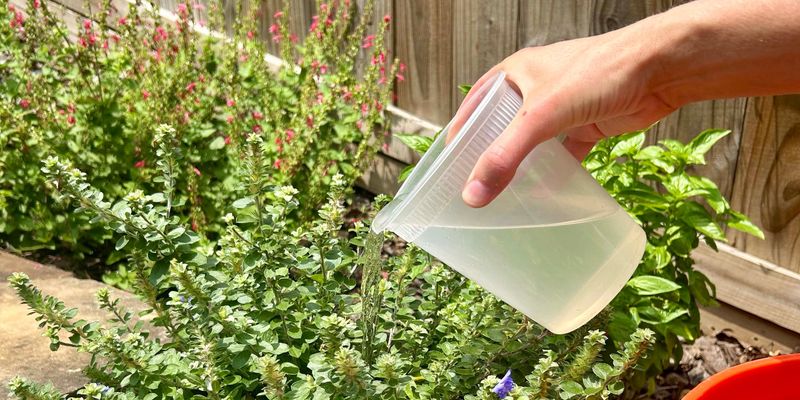
Watering more does not fix a sun problem. Plenty of gardeners make this mistake, flooding their beds twice a day while plants continue to wilt, scorch, and struggle through the summer heat.
Water helps, but it has limits. When leaf surface temperature climbs above a certain point, the plant’s ability to cool itself through transpiration maxes out.
No amount of water in the soil fixes what is happening above ground in the heat.
Overwatering in summer also creates secondary problems. Soggy soil in high heat encourages fungal root diseases that spread quickly.
Roots weakened by root rot cannot absorb water efficiently, which makes heat stress even worse despite the soil being wet.
Shade cloth addresses the root cause instead of just the symptom. By reducing the intensity of light hitting the plant, it lowers the overall heat load on leaves, stems, and soil.
Plants under shade cloth need less water because they lose less moisture through their leaves.
It also helps prevent leaf scorch on sensitive plants like herbs and young ornamentals that burn quickly in direct afternoon sun.
Over time, this creates a more stable microclimate where growth stays steadier and plants recover faster after heat spikes.
6. Even Heat-Loving Crops Benefit From Midday Protection
Okra, sweet potatoes, and Armenian cucumbers are genuinely heat-tolerant crops. They thrive in conditions that would flatten most other vegetables.
But even these tough performers have limits, and midday desert summer sun pushes past those limits more often than most gardeners expect.
Okra can handle heat well, but its blossoms are sensitive to extreme temperatures.
Blossom drop in okra during peak summer heat is a real issue that reduces yields even when plants look healthy and green.
Sweet potatoes tolerate high heat at the root level but still benefit from some leaf protection during the hottest part of the day. Healthy vines produce more tubers when they are not spending energy recovering from repeated heat stress cycles.
Armenian cucumbers are one of the most heat-adapted vegetables available, yet even they produce better and longer into the season when given midday shade.
Shade extends their productive window by slowing the plant’s natural tendency to bolt and go to seed under prolonged heat stress.
A simple 30 percent shade cloth that blocks light only during the 11 a.m. to 4 p.m. window gives heat-loving crops the best of both conditions. Morning and evening sun still reaches plants fully, supporting strong photosynthesis and growth.
7. A Simple Barrier Can Prevent Weeks Of Setbacks
Losing a plant to heat in early July means starting over, and starting over in the middle of summer is not easy. Seeds germinate slowly in extreme heat.
Transplants struggle to establish. The window for recovering a productive summer garden shrinks fast.
A few weeks of setback can cost you an entire season of harvests. That is a lot of wasted effort, water, and money for something a simple shade cloth structure could have prevented.
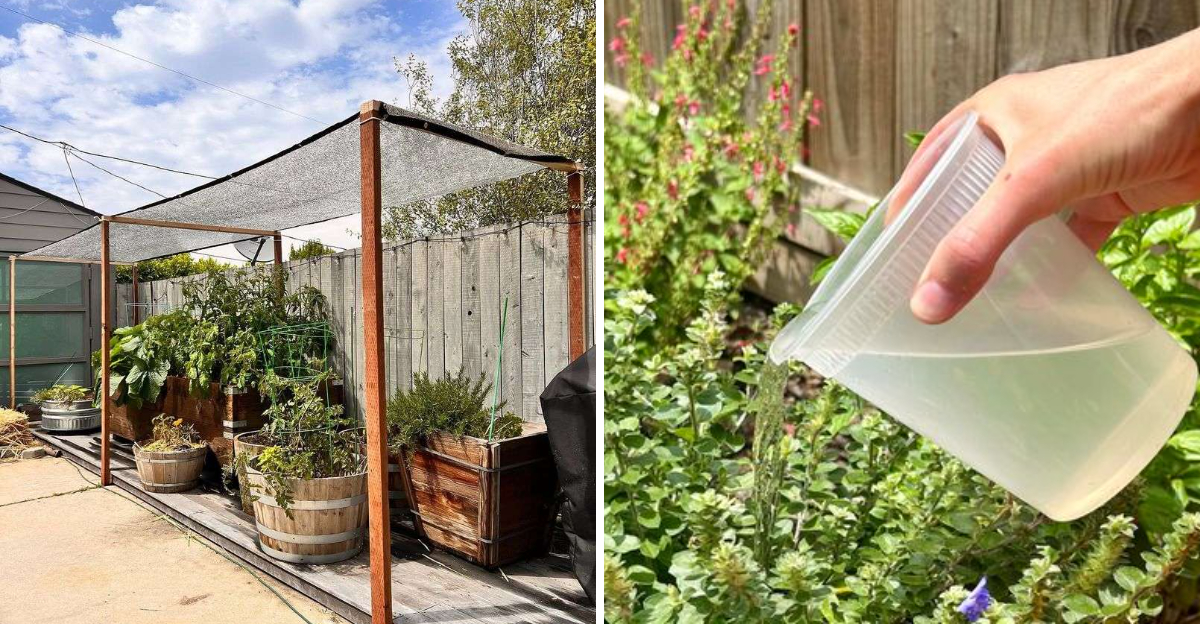
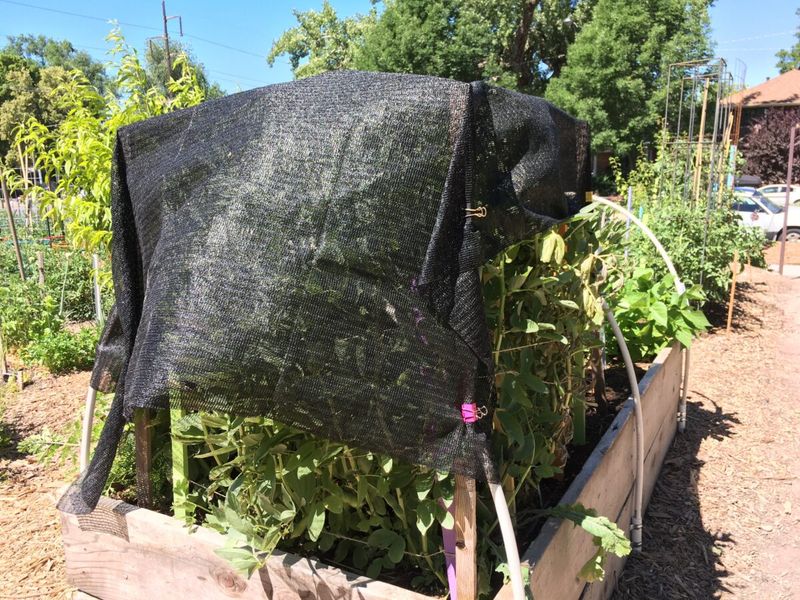
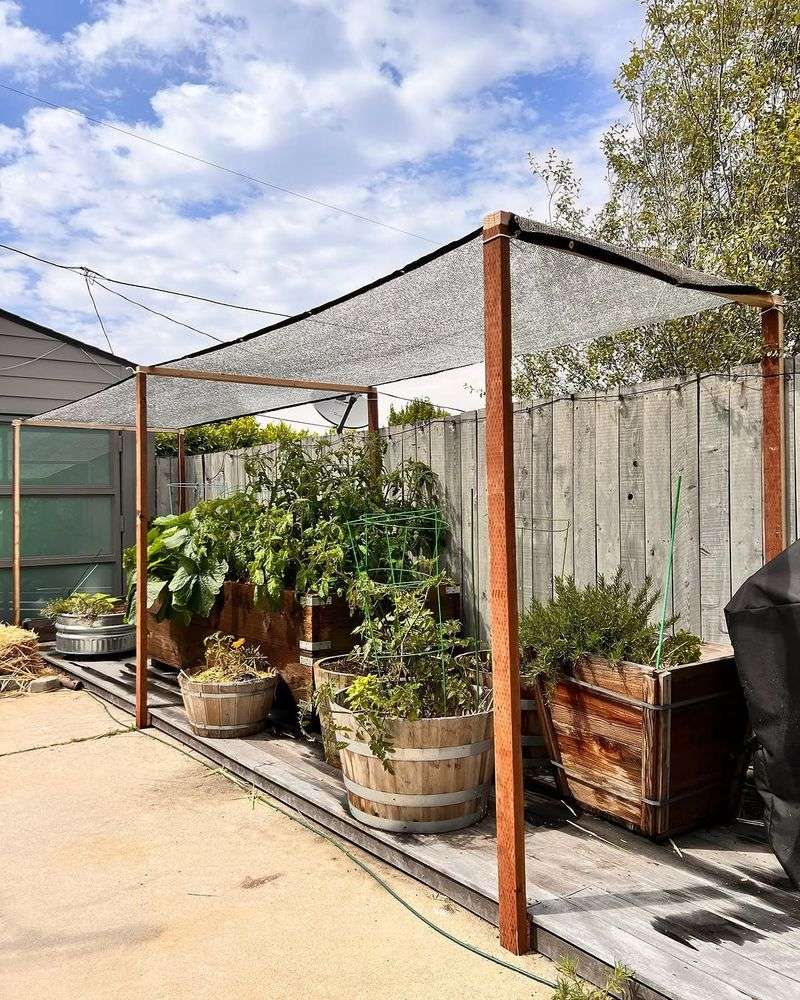
Setting up shade cloth does not require special skills or expensive materials. PVC pipes, wooden stakes, or simple wire hoops hold cloth above beds without much effort.
Basic shade cloth is affordable and reusable for multiple seasons with minimal care.
The return on that small investment is significant. Protected plants grow consistently, produce more reliably, and require less intervention throughout the season.
Fewer emergency waterings, fewer replacement plantings, and fewer frustrating afternoons wondering why everything looks terrible.
Shade cloth also protects against one of the most unpredictable problems in desert gardening: sudden heat spikes. A forecast showing 105 degrees can jump to 112 without much warning.
Plants with shade cloth overhead handle those spikes far better than exposed plants do.
Gardeners across the low desert who use shade cloth consistently report smoother, more productive summers than those who skip it.