This Is The Pest Damaging Pennsylvania Container Plants On Patios This Summer
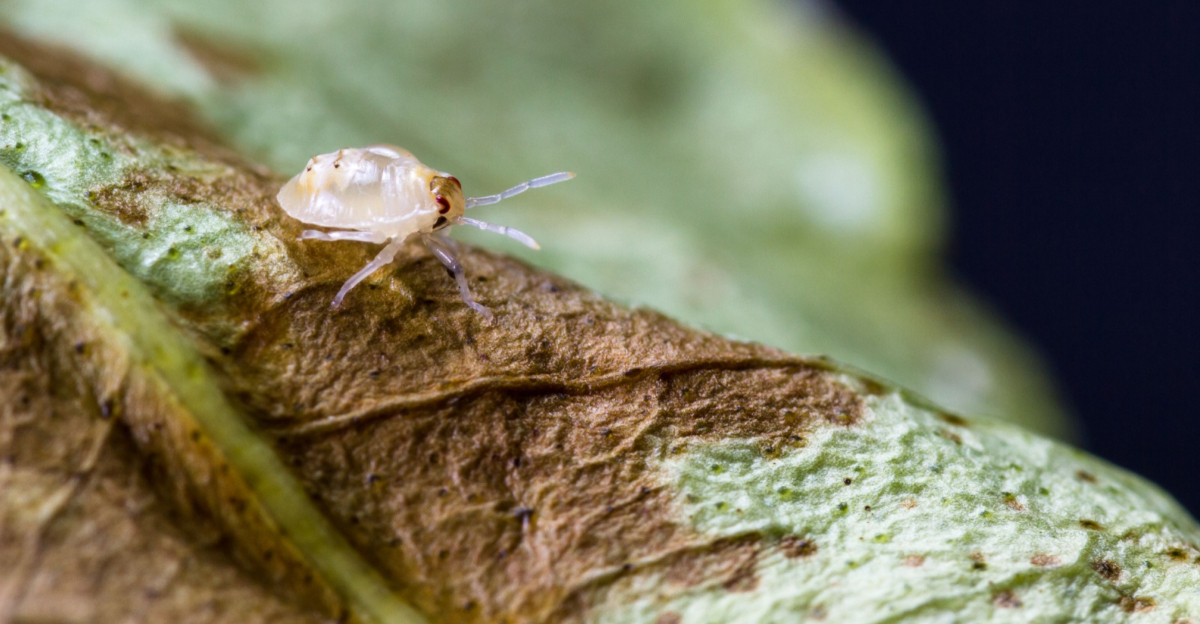
Spider mites have perfected the art of causing a lot of trouble without being noticed until it is almost too late.
They are tiny, they work quietly, and by the time most Pennsylvania patio gardeners spot the pale speckled leaves and fine webbing they leave behind, the infestation is already well underway.
Hot, dry patio conditions are basically a spider mite invitation, and Pennsylvania summers deliver exactly that kind of environment on a regular basis.
Container soil dries out fast on a sun-baked patio, stressed plants become easier targets, and before long that gorgeous hanging basket or those potted herbs start looking like something went seriously wrong.
The good news is that spider mites are very manageable when you catch them early, and knowing the warning signs makes all the difference before things spread across your whole patio setup.
1. Tiny Speckles Show Up On Leaves
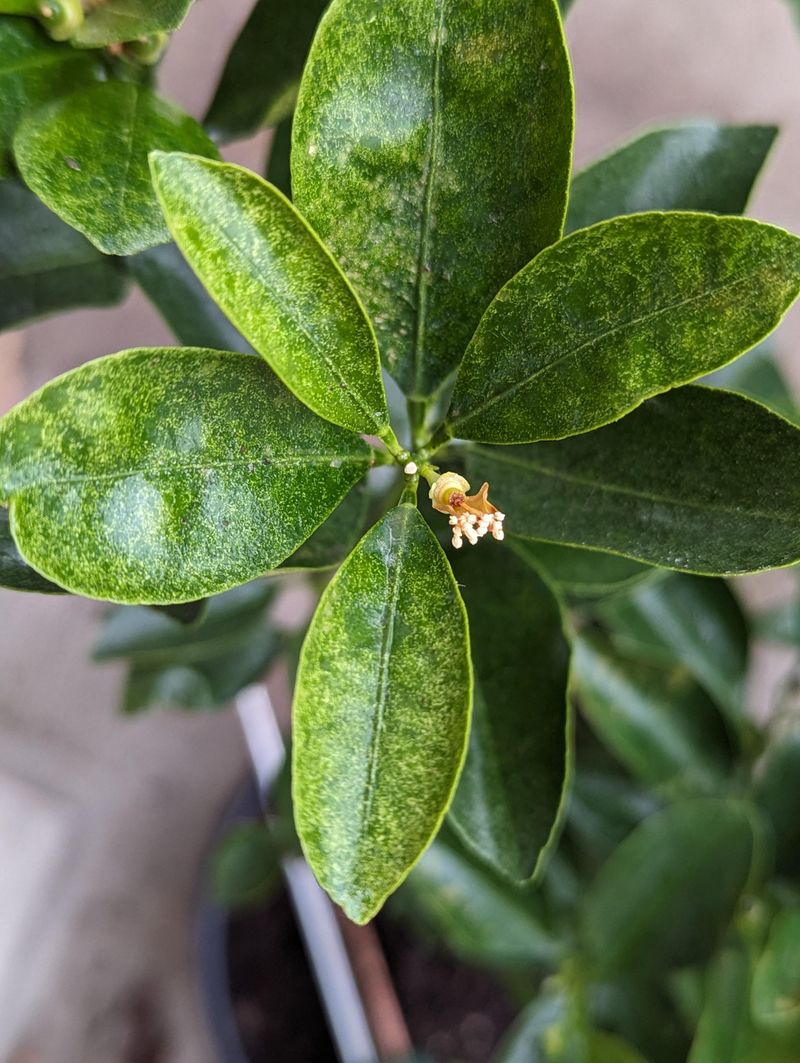
Pale, speckled foliage is often the first clue that something has been quietly feeding on your patio plants. Those tiny dots scattered across the leaf surface are called stippling, and they happen because spider mites pierce individual plant cells and pull out the sap inside.
Each puncture leaves a small pale mark, and when mites feed across a whole leaf, the damage adds up fast.
On Pennsylvania patios, this kind of discoloration can show up on almost any container plant during the summer months. Potted herbs, flowering annuals, and vegetables in pots are all fair targets.
The speckling often starts on older leaves lower on the plant before spreading upward as the mite population grows.
At first glance, the dots might look like a nutrient issue or sun scorch, which is why many gardeners overlook spider mites early on. Taking a closer look with a magnifying glass can help you spot the actual mites moving across the leaf surface.
They are tiny, but visible under magnification. Checking your plants regularly during hot, dry stretches in Pennsylvania gives you a better chance of catching stippling before it spreads across more foliage and weakens the plant noticeably.
2. Fine Webbing Appears Under Foliage
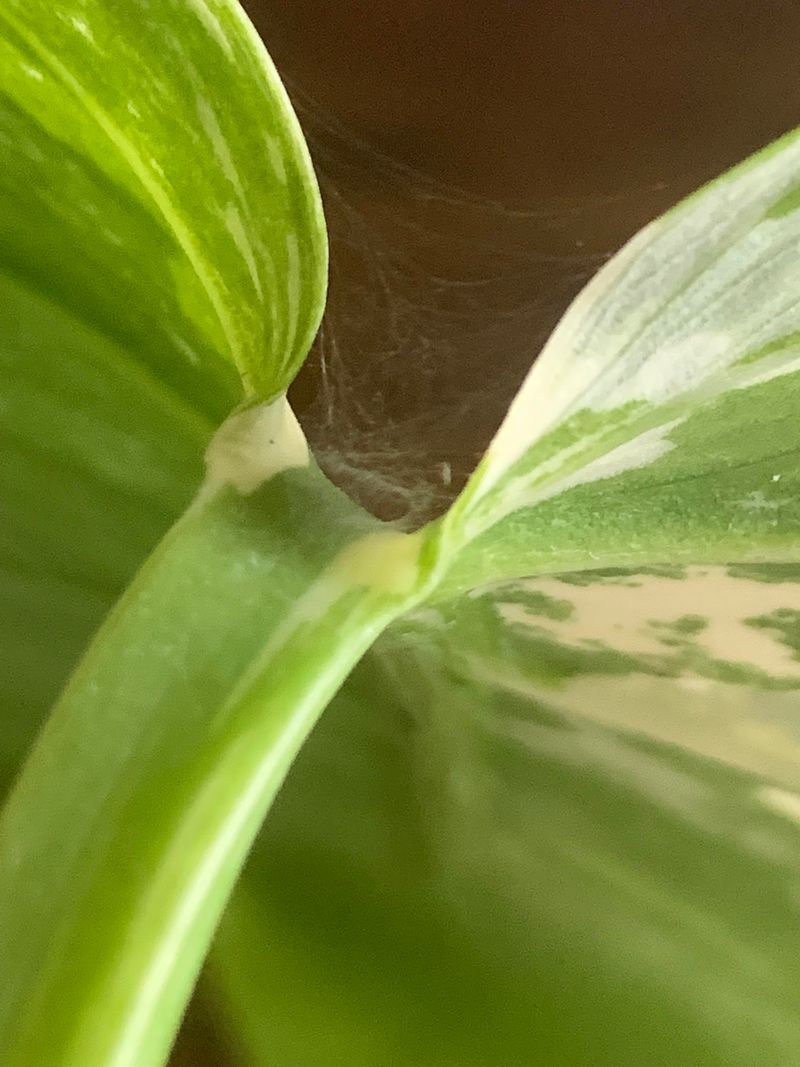
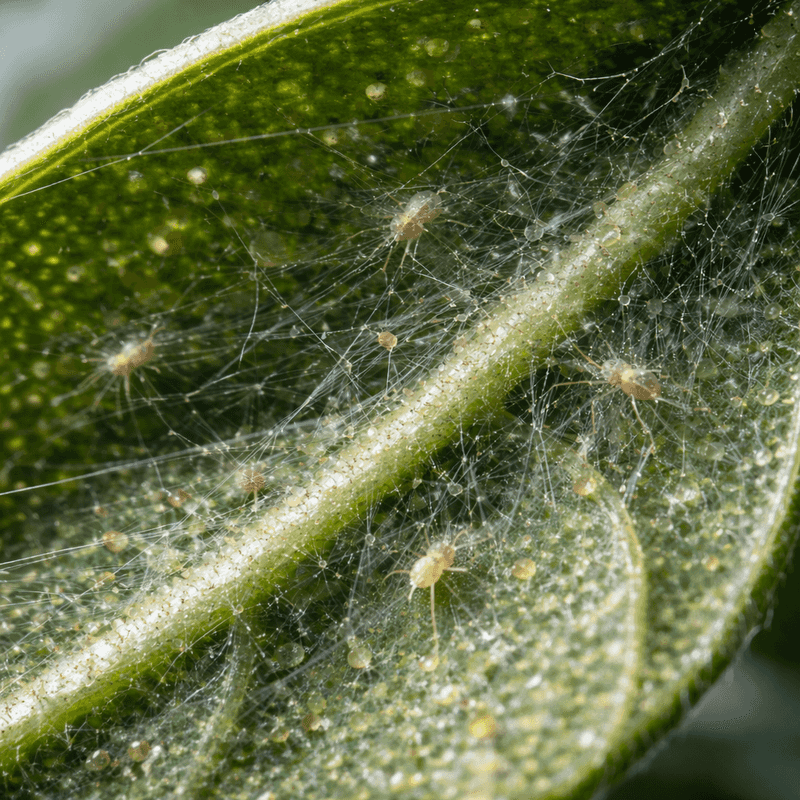
Noticing a thin, silky web stretched between stems or tucked under leaves can catch a gardener off guard. That fine webbing is a telltale sign of spider mites, and it often appears after a colony has been feeding for a while.
The webbing is not always easy to spot right away, especially on smaller container plants, but once you know what to look for, it becomes a useful warning sign.
On Pennsylvania patios during summer, the webbing tends to show up on the undersides of leaves first. It can look almost like a dusty film or a very light, loosely woven net draped over the foliage.
Heavily infested plants may show webbing across multiple stems and leaf clusters, which signals that the mite population has grown considerably.
The presence of webbing means it is time to act rather than wait. Some gardeners find it helpful to mist a leaf lightly with water, which makes the webbing stand out more clearly against the green surface.
Your Pennsylvania Garden Changes Every Week. Your Plan Should Too.
Gardening in Pennsylvania changes quickly throughout the season. Every Friday you’ll receive a simple weekly plan showing exactly what to plant, prune, fertilize, harvest, and protect so you never miss the right timing.
Potted tomatoes, peppers, petunias, and other popular Pennsylvania patio plants can all show this symptom when mites have been active.
Catching the webbing stage early, rather than letting it spread further across your containers, can make managing the situation a bit more realistic for home gardeners working with limited time and resources.
3. Hot Patios Make Mites More Active
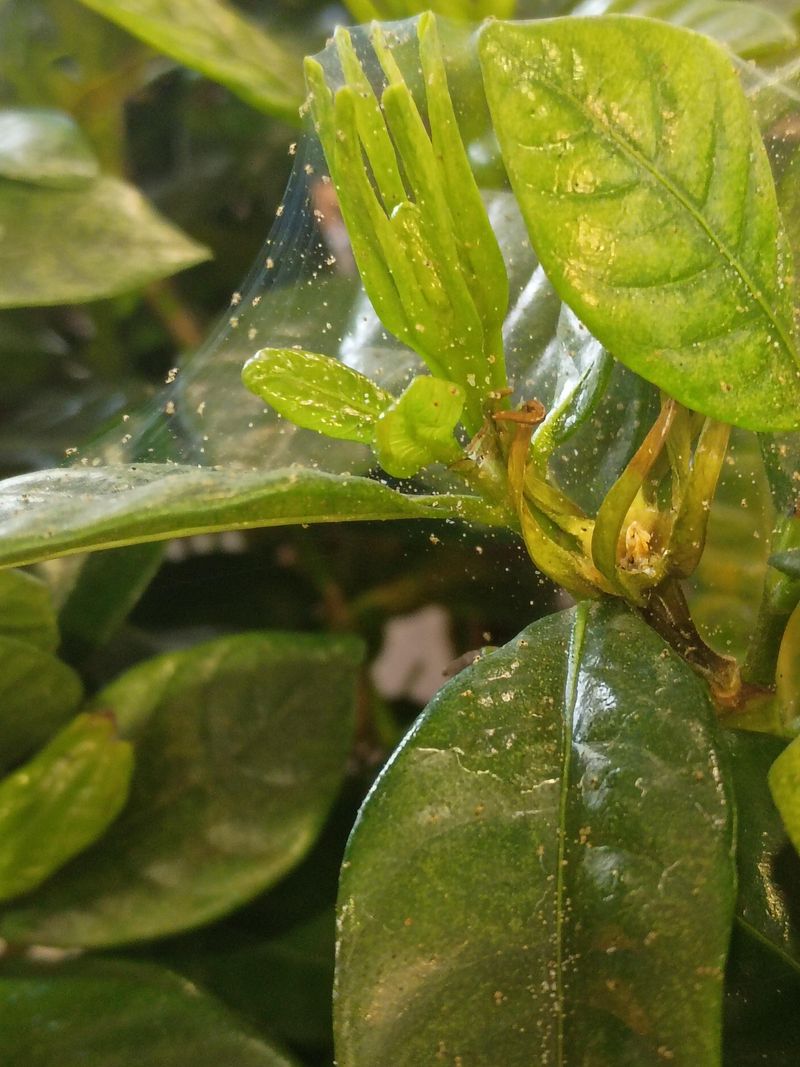
Concrete and brick patio surfaces can absorb a tremendous amount of heat on sunny Pennsylvania summer days, and that warmth radiates upward around container plants throughout the afternoon.
Spider mites tend to reproduce faster and become more active when temperatures climb, which is part of why patio container gardens in Pennsylvania can see mite problems flare up quickly during dry summer stretches.
Unlike plants growing in garden beds, containers sitting on hot patio surfaces do not benefit from the cooling effect of surrounding soil.
The heat builds up around the roots and foliage, adding stress to the plant and creating conditions that spider mites find quite favorable.
Warm, dry air speeds up the mite life cycle, meaning populations can grow from a small handful to a much larger colony in a relatively short period.
Positioning containers where they receive some afternoon shade on particularly hot days may help reduce stress on the plants.
Patios that face south or west in Pennsylvania often get the most intense afternoon sun, and plants in those spots may need closer monitoring.
Keeping an eye on container plants during heat waves is a practical habit for any Pennsylvania patio gardener who wants to stay ahead of spider mite activity before leaf damage becomes widespread and harder to address.
4. Dry Containers Add More Plant Stress
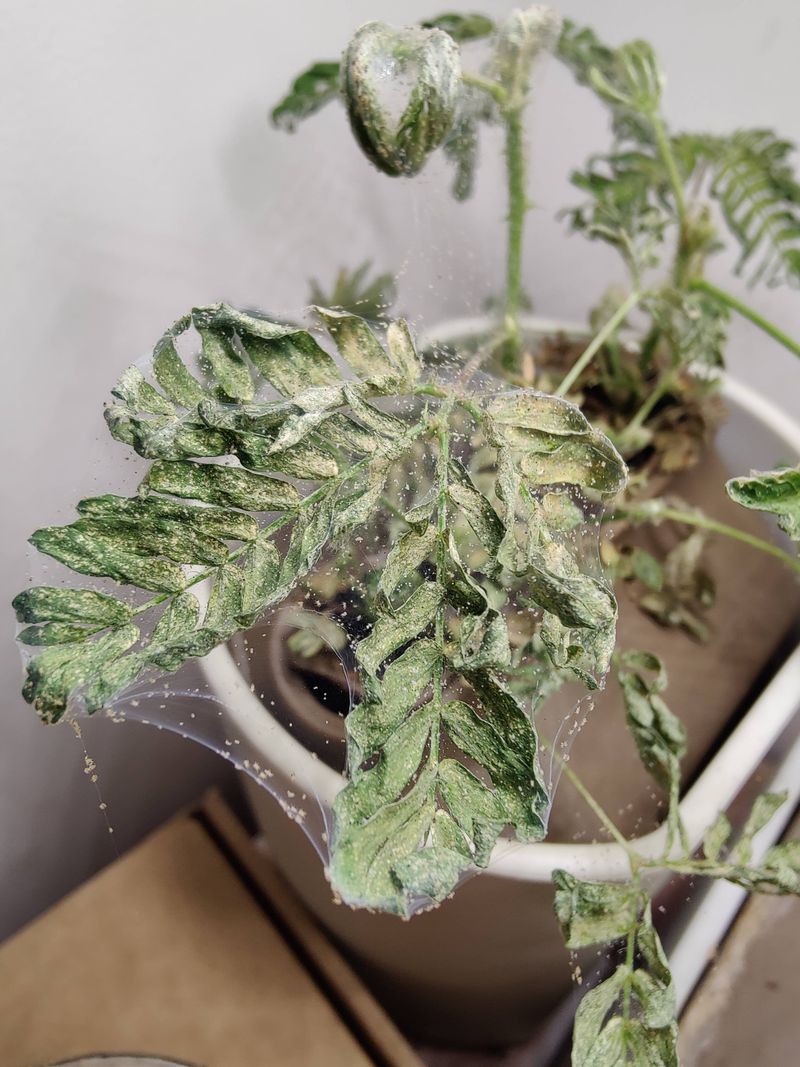
Container soil dries out much faster than garden bed soil, and on a hot Pennsylvania patio, a pot can go from adequately moist to bone dry within a day or two during a heat wave.
Plants under water stress are generally more vulnerable to pest pressure, and spider mites are known to take advantage of stressed foliage more readily than healthy, well-watered plants.
When a plant is struggling with drought stress, its natural defenses can weaken, making it easier for spider mites to feed and reproduce across the leaves.
Potted herbs like basil and rosemary, hanging baskets of impatiens, and vegetable containers with tomatoes or peppers can all suffer quickly when watering gets skipped during Pennsylvania summers.
Checking the soil moisture in containers regularly is a simple habit that supports overall plant health and may reduce the conditions that favor spider mite outbreaks. Pressing a finger an inch into the soil gives a quick read on whether watering is needed.
Adding a thin layer of mulch over the soil surface in larger containers can slow moisture loss between waterings.
While consistent watering will not eliminate spider mites on its own, keeping plants healthier and less stressed gives them a better chance of tolerating some pest activity without showing dramatic leaf damage across the whole plant.
5. Leaf Undersides Hide The Problem
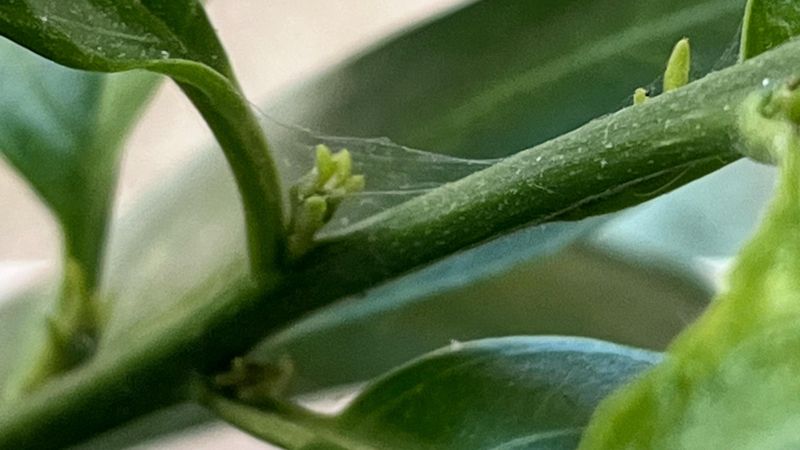
Flipping over a leaf on your patio container plants might feel like a small step, but it can reveal a lot about what is happening underneath. Spider mites prefer the undersides of leaves, where they feed, lay eggs, and build up their colonies largely out of sight.
Most casual glances at a plant from above will miss the problem entirely until leaf damage becomes obvious.
On Pennsylvania patio plants, the underside of a leaf can show a surprising amount of mite activity even when the top surface looks only mildly speckled. You might notice tiny moving dots, a dusty or gritty texture, or fine webbing clinging to the leaf veins.
Mites are small, but on a pale or light-colored leaf underside, they can sometimes be seen without magnification if you look carefully in good light.
Making leaf-underside checks a regular part of your patio plant care routine is one of the more useful habits a Pennsylvania gardener can develop during the summer.
Checking a few leaves on each container every week or so, especially during hot and dry spells, gives you a much clearer picture of what is actually living on your plants.
Catching a small colony early, before it spreads to neighboring containers on the patio, makes the situation easier to manage with simple methods.
6. A Strong Water Spray Can Help
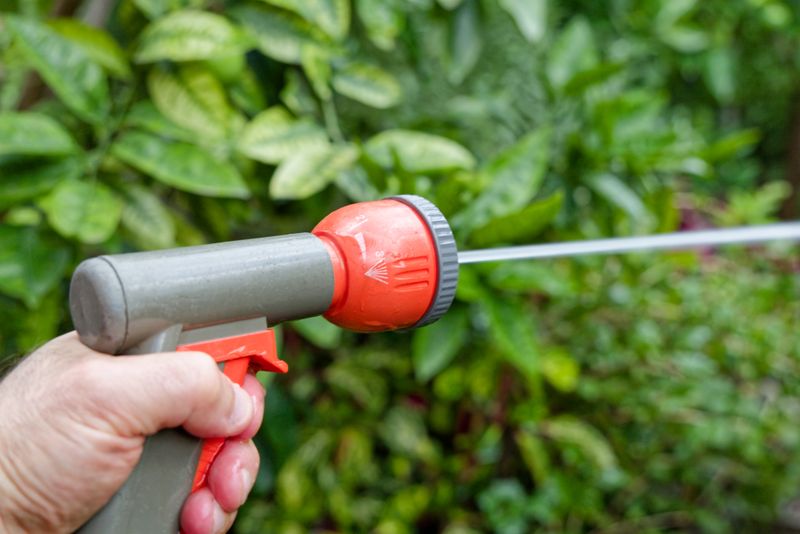
Reaching for the garden hose can be one of the most straightforward first responses when spider mites are spotted on patio container plants.
A firm spray of water directed at the undersides of leaves can physically dislodge mites from the plant, reducing the number actively feeding at that moment.
It is not a complete solution on its own, but it can be a helpful part of a broader approach.
For Pennsylvania patio gardeners working with hanging baskets or mid-sized containers, a spray nozzle set to a strong but not damaging stream works reasonably well. Focusing the spray on leaf undersides, where mites tend to concentrate, gives the best results.
Repeating this process every few days during an active infestation period may help keep mite numbers lower while other management steps are also in place.
Some plants handle a firm water spray better than others. Delicate seedlings or plants with very soft foliage may need a gentler approach.
Sturdier plants like potted tomatoes, peppers, or marigolds on Pennsylvania patios tend to tolerate the spray without much concern. Doing this in the morning gives foliage time to dry before evening, which is generally better for plant health.
While a water spray alone may not fully resolve a large mite population, it can meaningfully reduce pest numbers when done consistently and carefully.
7. Insecticidal Soap May Be Useful
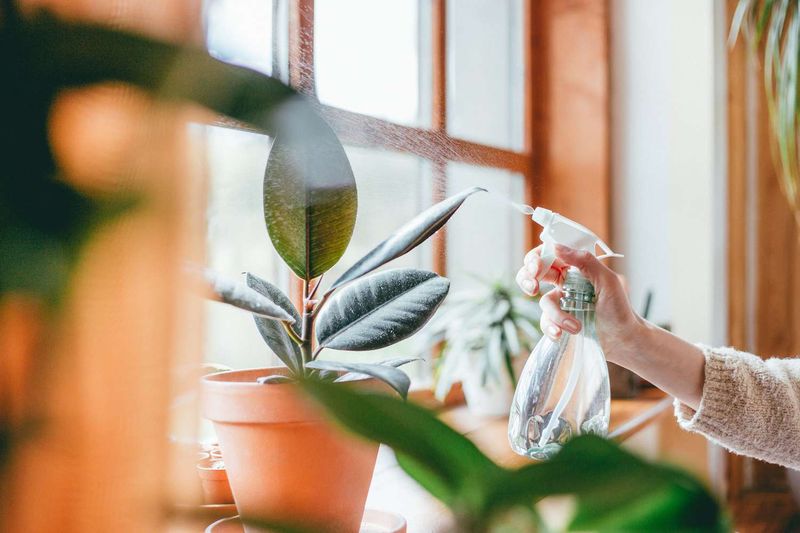
When water sprays alone are not keeping mite numbers manageable, insecticidal soap is one option that Pennsylvania patio gardeners sometimes turn to for additional help.
Products labeled as insecticidal soap work by contacting the mites directly, so thorough coverage of leaf undersides is important when applying.
Reading and following the product label carefully before use is always the right starting point.
Insecticidal soap is generally considered a lower-risk option compared to harsher pesticide products, and it breaks down relatively quickly in the environment.
That said, it can cause leaf burn on some plants, particularly when applied during the heat of the day or when a plant is already stressed from drought.
Applying in the early morning or evening, when temperatures are cooler, tends to reduce the chance of unwanted leaf effects.
Horticultural oil is another option that some gardeners use for spider mite management on container plants, and it works in a similar contact-based way.
Neither insecticidal soap nor horticultural oil should be seen as a guaranteed fix, since mite eggs are not always affected by these products and repeat applications may be needed.
Checking the plant a few days after treatment to see whether mite activity has decreased helps gauge whether the approach is having any effect on your Pennsylvania patio containers.
8. Regular Checks Keep Damage Lower
Building a simple inspection routine into your patio plant care schedule can make a noticeable difference in how quickly spider mite problems are caught and addressed.
Spending just a few minutes each week looking over your containers, checking leaf undersides, and noting any new speckling or webbing puts you in a much better position than waiting until damage is widespread.
Pennsylvania summers can shift quickly from mild and manageable to hot and dry, and those dry stretches are exactly when mite populations can surge on patio containers.
Gardeners who check their plants regularly during these periods are more likely to catch an early colony before it spreads from one container to the neighboring pots and hanging baskets on the porch or deck.
Keeping a simple record of which plants showed signs of mites, when you treated them, and how they responded can also be surprisingly helpful over time.
It takes only a moment to jot down a note, and it helps you recognize patterns, like whether certain plants on your Pennsylvania patio are more prone to mite problems during specific weather stretches.
Combining regular checks with good watering habits, occasional water sprays, and targeted treatment when needed gives home gardeners a practical and realistic approach to keeping spider mite damage lower throughout the summer container gardening season.