The Most Underrated Michigan Native That Fills Shady Beds And Supports More Pollinators Than Hostas
Hostas have dominated shady Michigan gardens for so long that most gardeners have stopped questioning whether something better might exist for those spaces.
They are reliable and attractive, but from a pollinator standpoint they contribute almost nothing meaningful to the garden ecosystem.
There is a native Michigan plant that fills the same shady real estate with comparable visual presence while supporting a range of pollinators that hostas simply cannot attract.
It handles the dense shade under mature trees, tolerates the dry conditions that come with competing root systems, and produces seasonal interest that extends well beyond what hostas offer through the growing year.
Gardeners who have made the switch or added it alongside existing hostas consistently notice more pollinator activity in those shaded areas almost immediately.
1. Wild Ginger
Not many plants earn the title of true Michigan native and still manage to fly completely under the radar, but wild ginger pulls it off every single season.
Asarum canadense is a low-growing perennial that has called the woodlands of Michigan home for thousands of years.
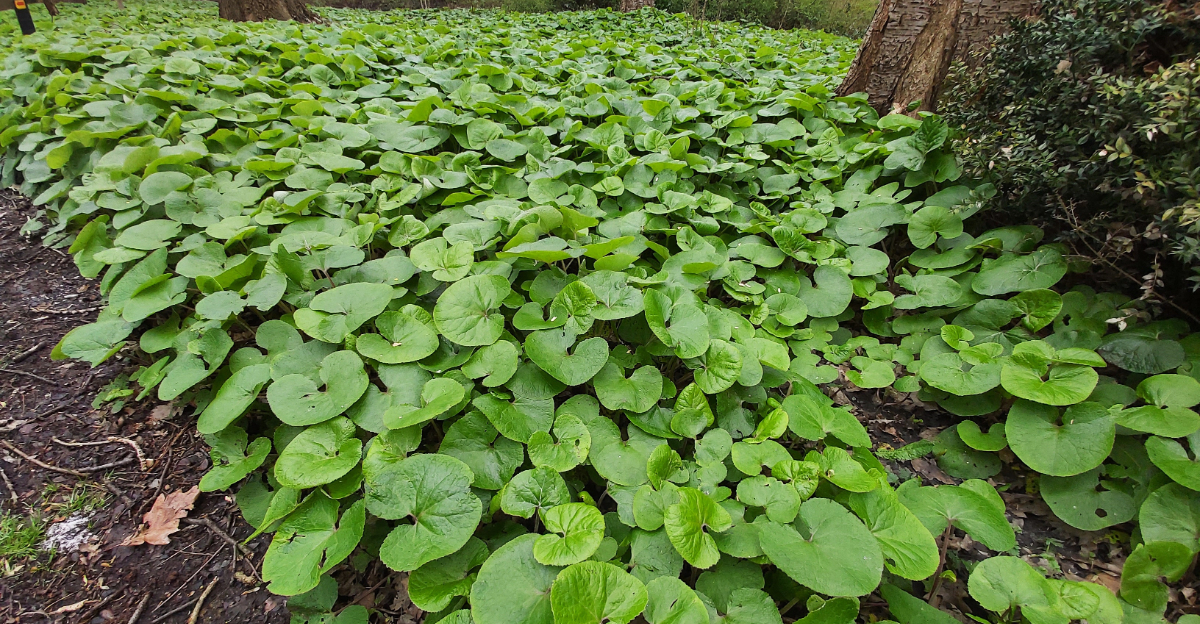
It spreads quietly, stays low to the ground, and builds a dense, lush carpet of heart-shaped leaves that makes any shady bed look intentional and polished.
What makes this plant stand out beyond its looks is the role it plays in the local ecosystem. Native pollinators, beetles, and early bees rely on it during some of the toughest weeks of the gardening season.
Hostas may fill a lot of shade gardens across the Midwest, but they simply do not offer the same ecological punch that wild ginger delivers so naturally.
Gardeners who have made the switch often say they wish they had discovered it sooner. The foliage is rich and textured, with a slightly fuzzy surface that catches morning light beautifully.
It also releases a faint ginger-like scent when the leaves are gently brushed, which is a small but memorable detail that makes it feel truly special. Wild ginger is not just a plant for filling space.
It is a living piece of Michigan’s natural history that earns its place in any thoughtful garden design, especially in spots where other plants struggle to thrive and gardeners are craving something reliable, beautiful, and genuinely good for the local environment.
2. Dense Ground Coverage That Actually Works
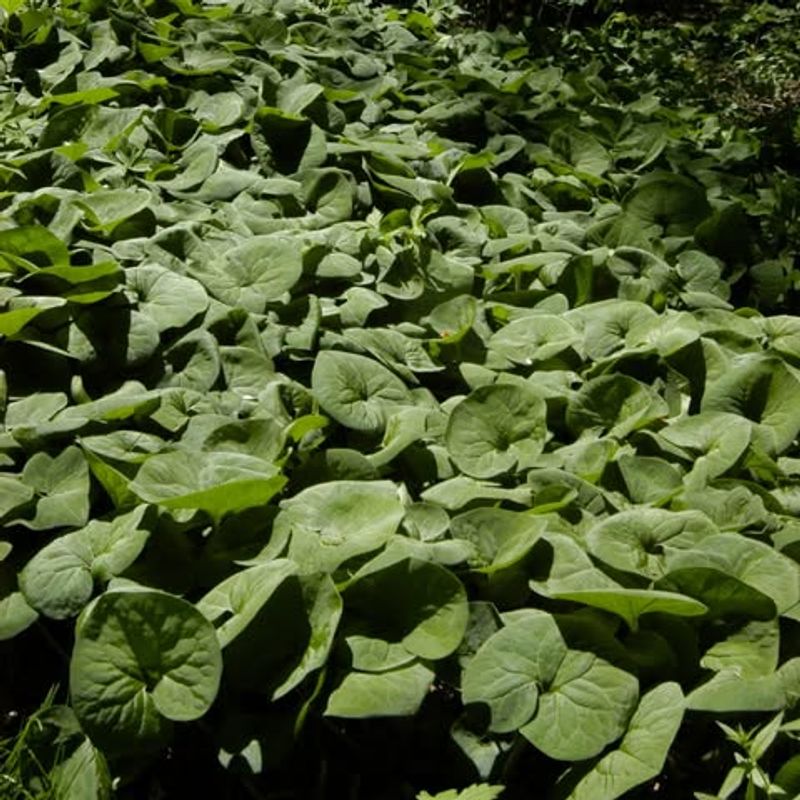
Bare soil in a shaded garden bed is basically an open invitation for weeds, and most groundcovers either spread too slowly or never quite fill in the way you hope. Wild ginger is different.
Once it gets settled, it forms a thick, overlapping mat of leaves that covers the ground so completely that weed seeds simply cannot find enough light to sprout and take hold.
The leaves of Asarum canadense are broad and slightly cupped, which means they overlap each other in a way that is almost like nature’s own mulch layer.
Rain hits the foliage, filters gently to the soil below, and moisture is retained far better than in bare beds.
This creates a cooler, more stable soil environment, which is exactly what shade-loving plants and the beneficial insects living among them actually need to thrive season after season.
Your Michigan Garden Changes Every Week. Your Plan Should Too.
Gardening in Michigan changes quickly throughout the season. Every Friday you’ll receive a simple weekly plan showing exactly what to plant, prune, fertilize, harvest, and protect so you never miss the right timing.
For Michigan homeowners dealing with that awkward stretch of ground under a large oak or maple, wild ginger offers a solution that looks intentional rather than accidental.
You will not need to reapply mulch every spring to that area once the plants knit together into a solid mat.
The coverage builds gradually but steadily, and within a couple of growing seasons, the bed looks full, lush, and completely weed-resistant.
It is the kind of low-effort, high-reward situation every gardener dreams about when staring at a stubbornly empty patch of shaded ground that refuses to cooperate with anything else planted there.
3. Shade Tolerance That Puts Other Plants To Shame
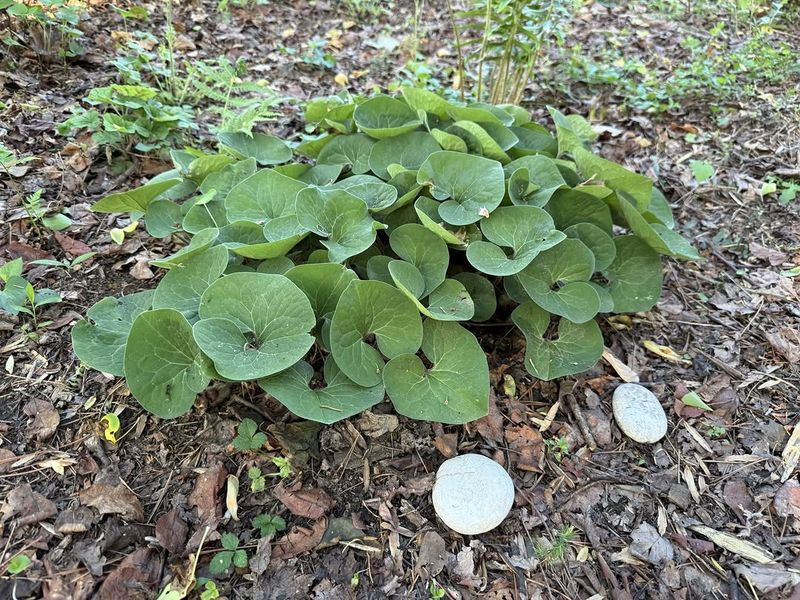
Some plants tolerate shade the way a person tolerates a long wait at the DMV: barely, and with obvious signs of stress. Wild ginger genuinely thrives in it.
Asarum canadense grows naturally on the forest floor of Michigan’s woodlands, where it receives little more than dappled light filtered through a full tree canopy.
That background makes it one of the most shade-adapted perennials available to home gardeners in the region.
Planting under mature trees is one of the trickiest challenges in any Michigan yard.
Tree roots compete for moisture, the soil tends to dry out faster than expected, and most ornamental plants sulk or fade. Wild ginger handles all of this with remarkable ease.
Its root system is adapted to navigate around competing tree roots, and once established, it manages dry spells under tree canopies far better than most groundcovers people typically reach for at the nursery.
Partial shade works just as well as full shade for this plant, making it incredibly versatile along shaded fence lines, woodland borders, or the north-facing side of a house where nothing else seems to want to grow.
The key is to avoid planting it in spots that receive harsh afternoon sun, which can scorch the leaves and slow its natural spread. Beyond that, wild ginger is remarkably forgiving and adaptable.
Gardeners who have struggled for years with shaded problem areas often describe finding this plant as a genuine turning point in how they approach their entire yard.
4. Early Spring Blooms Hidden Beneath The Leaves
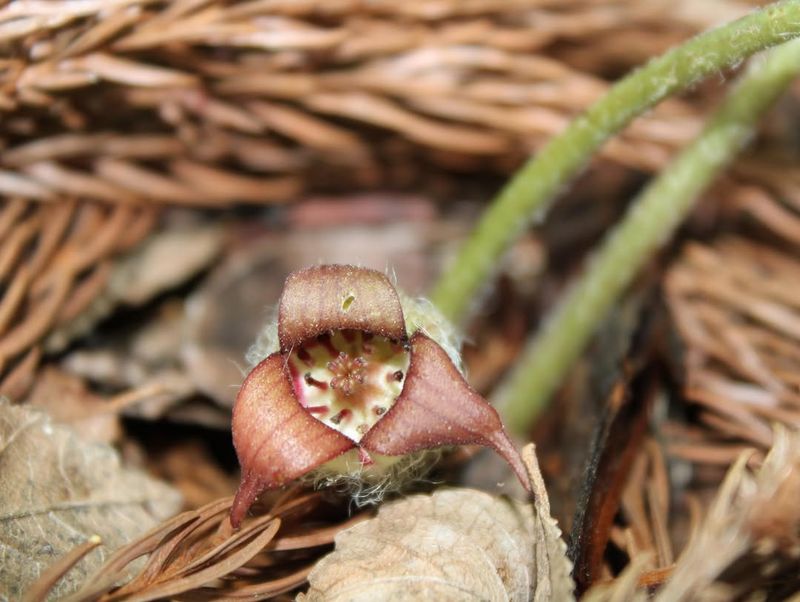
Here is something most people never even notice about wild ginger: it blooms.
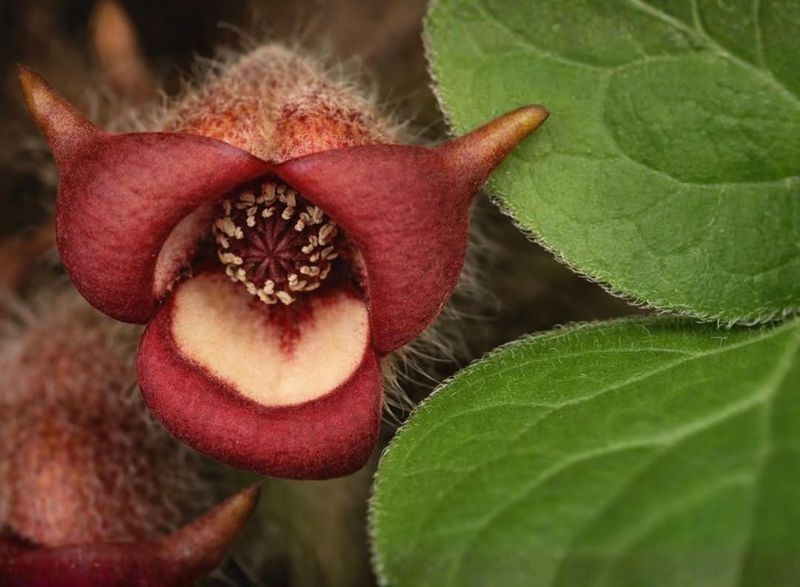
The flowers are small, maroon-brown, and shaped almost like tiny jugs, and they sit right at the base of the plant, tucked underneath the leaf canopy where they are easy to miss entirely.
But those hidden blooms are doing something incredibly important for the early spring pollinator community in Michigan gardens.
Early spring is one of the hardest times for native bees, beetles, and flies. Most flowers have not opened yet, and food sources are genuinely scarce.
Wild ginger steps in during this critical window, offering nectar to small native pollinators that are just becoming active after a long Michigan winter. The low positioning of the flowers is not accidental.
It is an evolutionary strategy that connects the plant specifically with ground-dwelling and low-flying insects that other flowering plants simply do not serve.
Gardeners who take a moment to crouch down and look beneath the leaves in March or April are always a little surprised by what they find.
The flowers are not showy by traditional garden standards, but they have a quiet, sculptural beauty that feels genuinely wild and ancient.
Beyond aesthetics, those blooms represent a real ecological service happening right in your yard.
Setting the stage for pollinator activity early in the season creates a ripple effect that benefits the rest of your garden throughout spring and summer.
Wild ginger essentially warms up the ecosystem before the rest of the garden even wakes up from its long winter rest.
5. Low Maintenance Growth That Practically Takes Care Of Itself
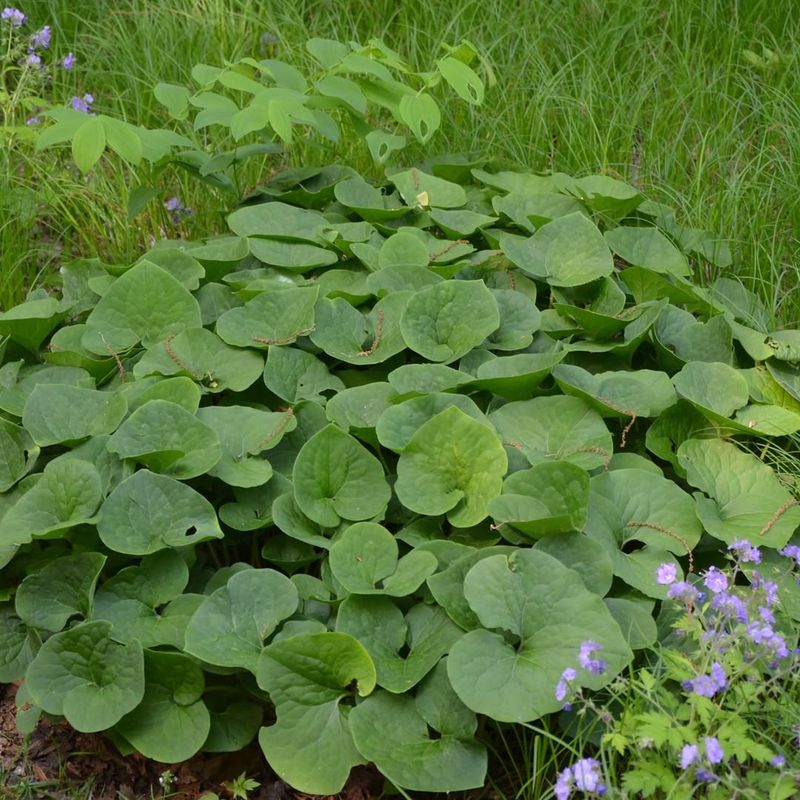
Imagine planting something once and then basically forgetting about it in the best possible way.
That is the wild ginger experience for most Michigan gardeners. Once established, this plant asks for very little.
No deadheading, no dividing every few years, no fussy soil amendments, and no complicated fertilizing schedule. It simply grows, spreads, and looks great with almost no intervention from the gardener.
Soil preferences for wild ginger lean toward moist, well-drained, humus-rich conditions, which is exactly the kind of soil found naturally under Michigan’s deciduous trees.
If your soil is heavy clay, working in a bit of compost before planting makes a noticeable difference in how quickly the plant establishes.
Watering during the first season is helpful, especially during dry stretches, but once the roots have settled in, wild ginger handles Michigan’s summer dry spells without much drama at all.
Spacing plants about 12 inches apart gives them room to spread without creating gaps that look bare in the first season.
Within two to three growing seasons, those gaps fill in completely as the underground rhizomes extend and send up new leaf clusters.
Compared to hostas, which need dividing, slug control, and occasional fertilizing to stay looking their best, wild ginger is almost laughably easy.
For gardeners who want a beautiful, functional shade garden without spending every weekend maintaining it, this plant is one of the most practical choices available anywhere in the Michigan native plant world.
6. Spreads Gradually Without Taking Over Your Garden
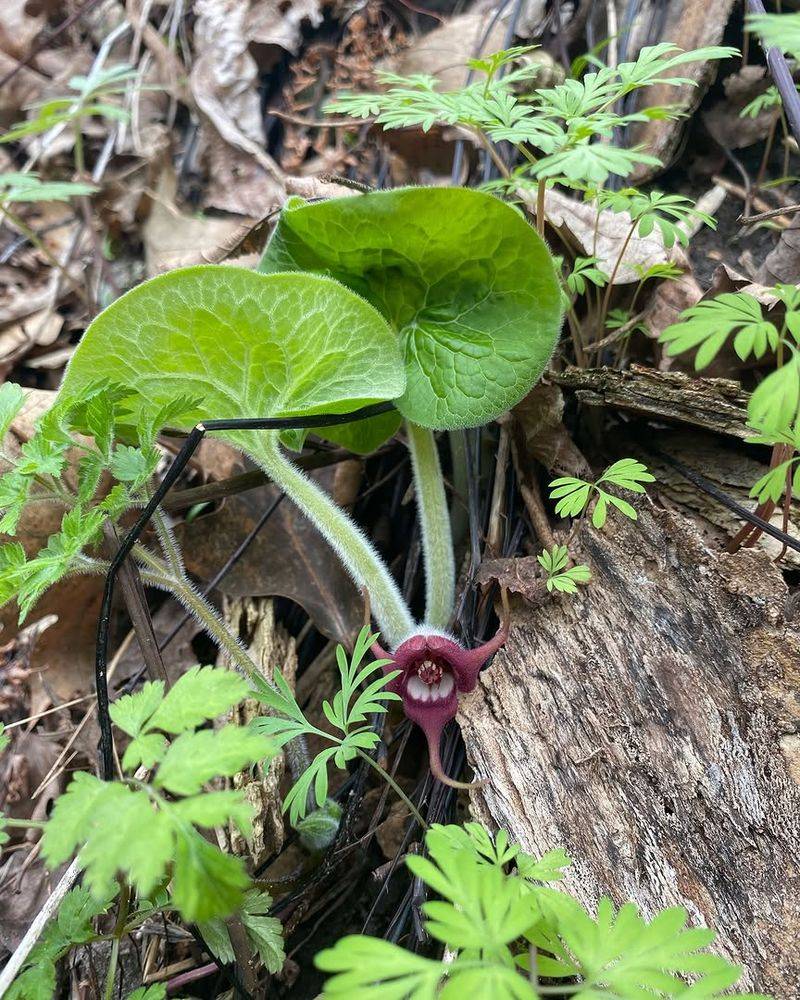
Aggressive spreaders are one of the biggest headaches in any garden, and once you have dealt with something like creeping Charlie or goutweed, the word “spreading” can start to feel like a warning sign.
Wild ginger earns a completely different reputation. It spreads through underground rhizomes, but it does so at a pace that is slow, steady, and entirely manageable, filling space without ever muscling out its neighbors.
In a typical Michigan garden, wild ginger moves outward about six inches per year under good conditions.
That might sound modest, but over three or four seasons it creates a beautifully full bed without any of the aggressive behavior that makes some groundcovers a nightmare to manage.
You can plant it alongside trillium, ferns, or native sedges and trust that it will not swallow them whole or crowd them out of the space they need to flourish.
This controlled growth habit is one of the reasons wild ginger works so well in designed woodland gardens where you actually want plants to stay in their designated zones.
If a clump does wander a bit further than you planned, it is easy to lift and move sections in early spring before the growing season kicks into full gear.
The rhizomes are shallow and simple to work with, making any minor adjustments completely painless.
For homeowners who want the look of a naturalized woodland bed without the chaos that sometimes comes with it, wild ginger offers exactly the right balance of movement and manners in every single growing season.
7. Supports Native Pollinators Better Than Hostas
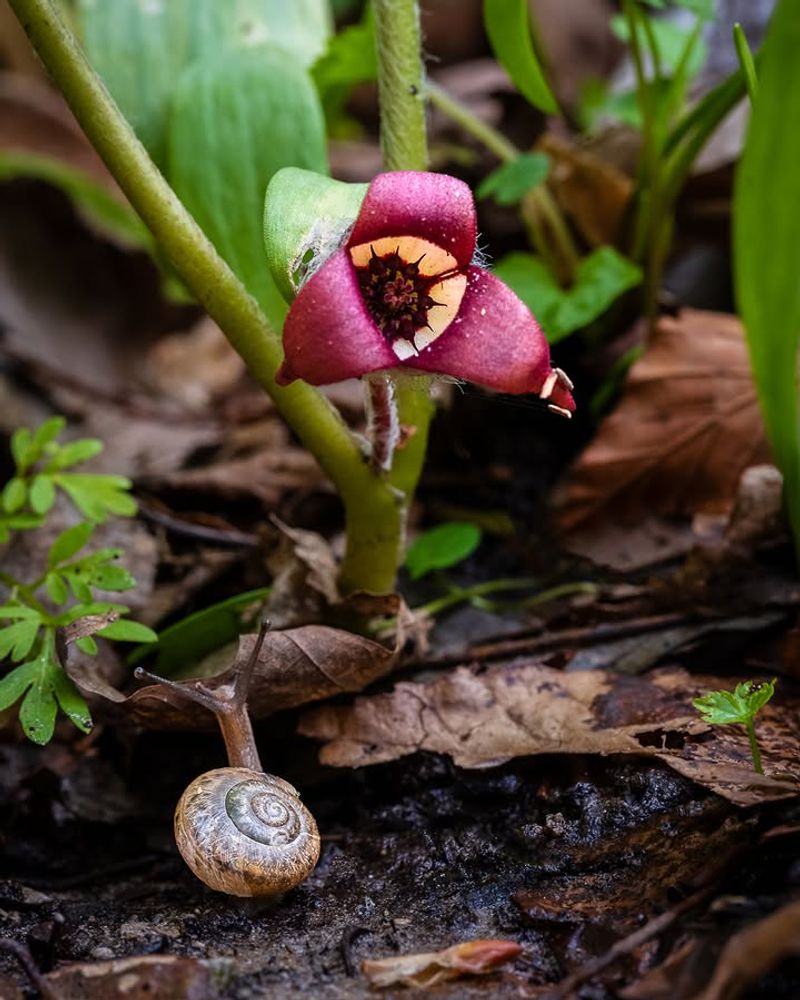
Hostas are beloved for a reason. They are reliable, beautiful, and available in about a thousand varieties.
But here is the honest truth that most gardeners do not hear often enough: hostas contribute very little to the native pollinator community.
Their flowers attract some bees, but the plants themselves offer no real ecological relationship with Michigan’s native insect populations the way that a true native plant does.
Wild ginger has co-evolved alongside Michigan’s native beetles, small bees, and flies for thousands of years.
That shared history means those insects recognize the plant, seek it out, and depend on it during the early spring window when food sources are hardest to find.
The flowers of Asarum canadense are specifically shaped and positioned to attract ground-level pollinators that many other garden plants simply do not serve.
That ecological specificity is what makes wild ginger genuinely more pollinator-friendly than a bed of hostas, no matter how large or lush those hostas may be.
Beyond pollinators, wild ginger also provides shelter and overwintering habitat for beneficial insects under its dense leaf mat.
Ground beetles, which are natural predators of common garden pests, love the cool, moist environment that wild ginger creates at soil level. Choosing this plant is not just a gardening decision.
It is a small but meaningful contribution to the broader health of Michigan’s native ecosystem, one that has real and measurable benefits for the living world right outside your back door every single spring and summer season.
8. Companion Planting That Transforms A Shady Bed
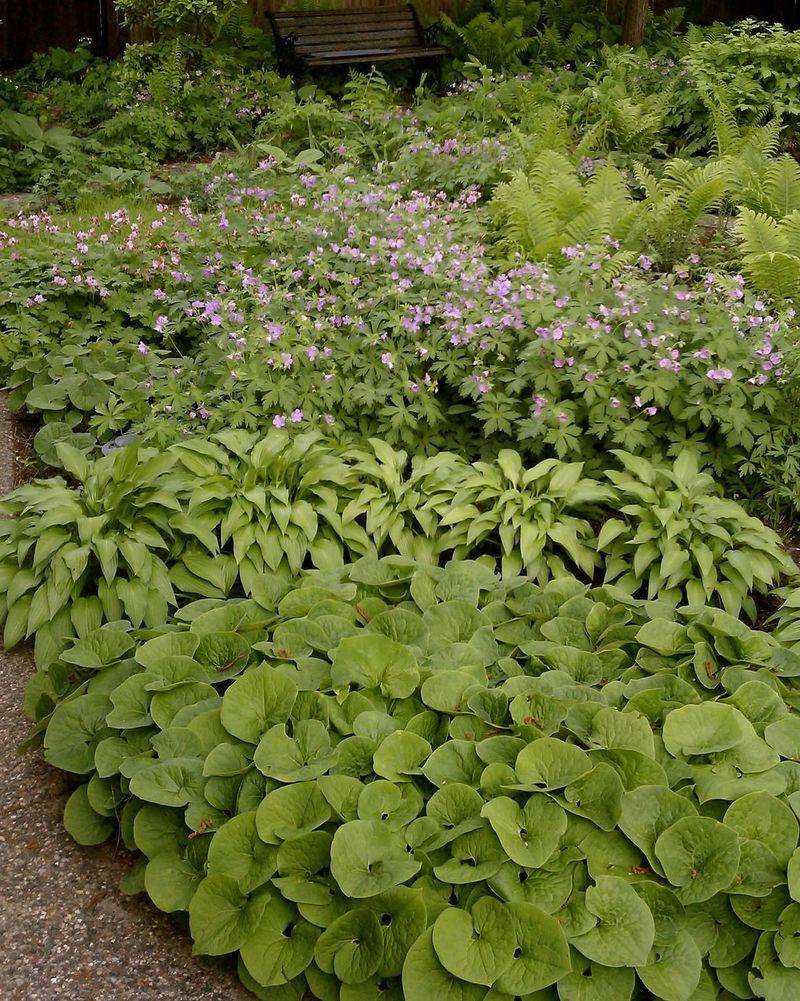
Wild ginger does not need to work alone, and honestly, it shines even brighter when paired with the right companions.
Some of the best native plants for Michigan shade gardens layer beautifully with wild ginger, creating a multi-level planting that looks like a piece of the forest floor transplanted right into your backyard.
Foamflower, Solomon’s Seal, and Jack-in-the-Pulpit are three of the most compatible options available to Michigan gardeners.
Foamflower grows slightly taller than wild ginger and produces delicate white flower spikes in spring, creating a lovely visual contrast against the broad, dark green leaves of Asarum canadense.
Solomon’s Seal adds graceful arching stems with hanging white bell-shaped flowers, bringing vertical interest to a planting that might otherwise feel flat.
Jack-in-the-Pulpit contributes a quirky, architectural quality that draws the eye and gives the bed a true woodland character that feels both designed and completely natural at the same time.
Layering these plants together does more than create a pretty picture. It builds a more complete habitat for pollinators by offering multiple bloom times, varied flower shapes, and different structural layers for insects to navigate and use.
The combined effect of these natives working together extends pollinator activity across a much longer stretch of the growing season than any single plant could manage on its own.
For gardeners who want a shade bed that looks stunning in spring, holds its structure through summer, and genuinely supports local wildlife, combining wild ginger with these native companions is one of the smartest planting decisions you can make.