The Old Ohio And Midwestern Belief Behind A Monarch Butterfly Visiting Your Yard
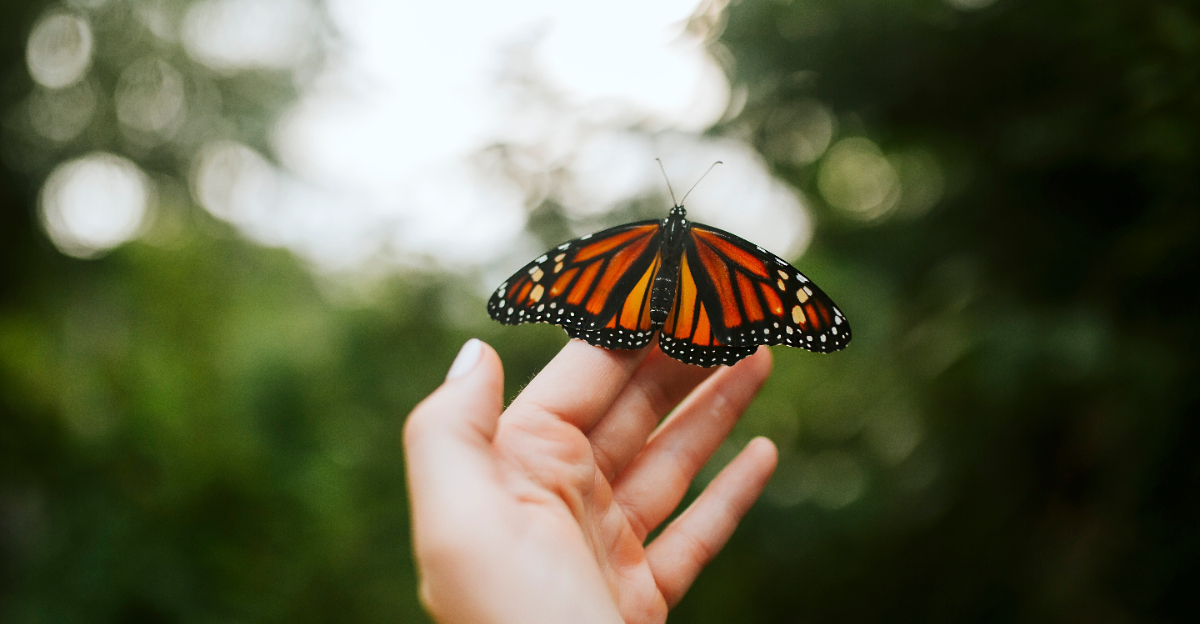
Monarch butterflies have never been just a butterfly in the Midwestern imagination.
Long before migration patterns were mapped and milkweed planting campaigns existed, people across Ohio and the broader Midwest attached meaning to monarchs.
They noticed when one showed up at a particular moment, in a particular place, in a way that felt like more than coincidence.
Some of those beliefs came from Indigenous traditions rooted in this landscape for centuries.
Others grew out of the folk wisdom that moves quietly through farming communities and small towns, passed between generations without much fanfare.
A monarch visiting your yard today lands in the middle of all of that history, whether you know it or not. The science of what monarchs are and where they go is remarkable on its own.
But the older story, the one Ohio and the Midwest have been telling about them for a very long time, is worth knowing too.
1. A Monarch Visit Has Long Been Linked To Remembrance
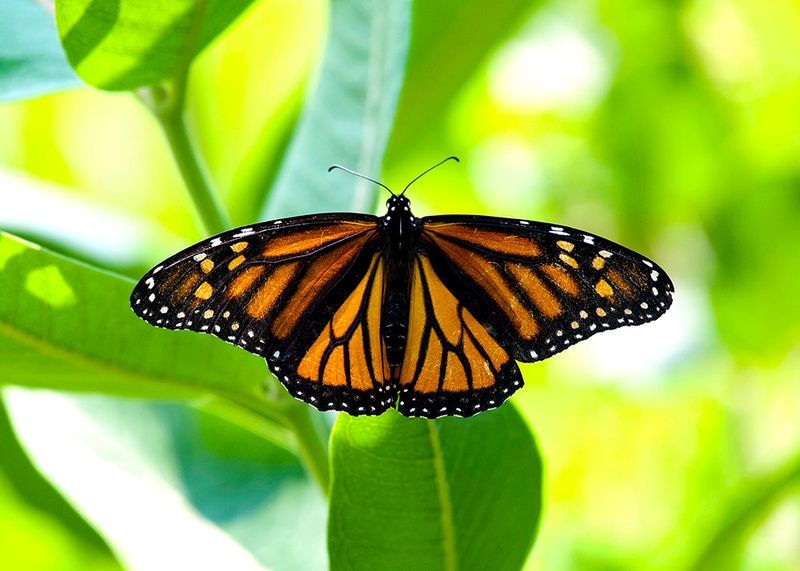
A flash of orange over the Ohio garden can stop a person mid-step, especially when the day already feels heavy with memory. Many people across the Midwest describe the moment a monarch lands nearby as oddly personal.
It does not feel random. It feels like something worth noticing.
This kind of meaning is not new. Families have quietly passed down the idea that a monarch appearing in the yard carries a connection to someone they miss or a chapter of life that mattered deeply.
The belief is not a fact. It is more like a feeling that finds its shape in wings and sunlight.
What makes the monarch especially powerful in this role is its biology. It does not stay.
It moves. It arrives during warm months, travels great distances, and then it is gone.
That pattern of appearing and departing mirrors the way memory works for many people.
Of course, the butterfly is also just looking for food, warmth, or a place to rest. Milkweed and nectar flowers bring monarchs in.
But the two ideas do not cancel each other out. A yard that supports the butterfly can also feel like a place where memory lands softly.
2. The Old Belief Comes From Migration And Returning Spirits
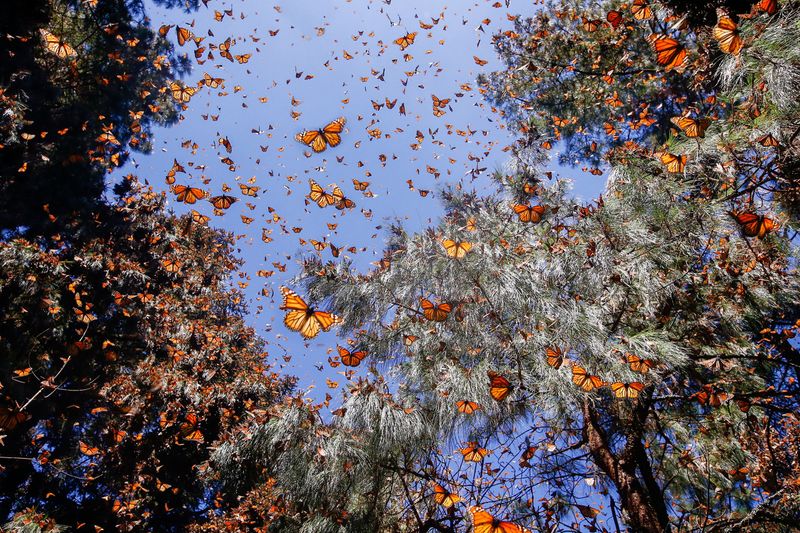
Every fall, something remarkable moves through regional skies. Millions of monarch butterflies travel from their northern breeding grounds toward overwintering sites in central Mexico.
The timing lines up with cooling air, falling leaves, and the particular stillness that comes before winter.
That seasonal pattern has inspired stories for a long time. When something beautiful appears at the edge of a season and then vanishes, people naturally search for meaning.
Across many cultures and communities, migration has been tied to ideas of return, passage, and the presence of those no longer here in a physical sense.
The Midwestern version of this belief tends to be quiet and personal rather than formal or ritualized. A grandmother might have said it once while weeding the garden.
A neighbor might have mentioned it after a hard year. The belief does not come from one source.
Your Ohio Garden Changes Every Week. Your Plan Should Too.
Gardening in Ohio changes quickly throughout the season. Every Friday you’ll receive a simple weekly plan showing exactly what to plant, prune, fertilize, harvest, and protect so you never miss the right timing.
It comes from the way migration invites meaning when you are standing still and the butterfly is not.
None of this is presented as fact. Monarchs migrate because of instinct, temperature shifts, and daylight changes.
But the way a returning traveler can carry the feeling of someone missed is something many people in this region recognize without needing an explanation.
3. A Yard Visit Can Feel Like A Sign Of Safe Passage
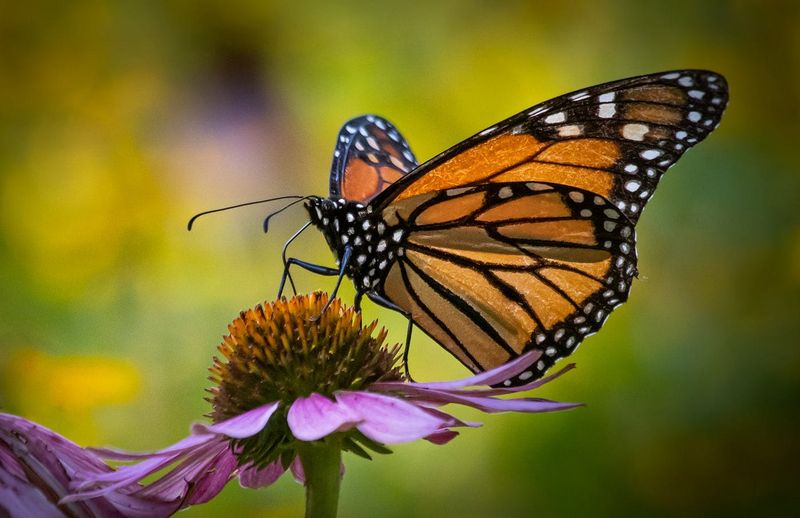
Monarchs are among the most well-traveled insects on the planet. A single butterfly can cover more than 2,000 miles during its fall migration.
That kind of journey makes every resting stop feel significant, even a small backyard in a quiet neighborhood.
When a monarch pauses in your yard, it is doing something practical. It may be warming its wings in the sun, which butterflies need to fly efficiently.
It may be drinking nectar to fuel the next leg of the trip. It may simply be resting in a sheltered spot before moving on.
The symbolism of safe passage comes naturally from that behavior. A traveler stopping at your home, even briefly, can feel like a small act of trust.
Some people in the Midwest describe the visit that way, as if the butterfly chose their yard out of all the yards it could have passed over.
That feeling is worth holding onto without overstating it. The butterfly did not deliver a message.
But a yard with good habitat, open sun, and flowering plants does earn the visit. Safe passage, in this sense, is something the gardener can actively support by making the stop worth taking.
4. Milkweed Nearby May Be The Real Garden Message
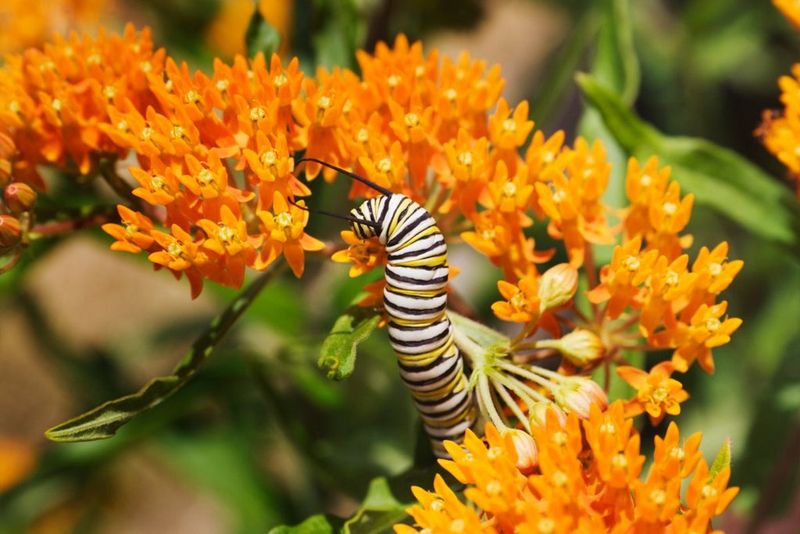
Before the wings, there is the leaf. Monarch caterpillars feed exclusively on milkweed, and without it, the species cannot reproduce.
So when an adult monarch spends time hovering low over your garden or landing repeatedly in one spot, there is a good chance it is checking for milkweed.
Common milkweed, known by its scientific name Asclepias syriaca, grows naturally in many regional fields and roadsides. Butterfly weed, Asclepias tuberosa, is a native option that works well in drier garden beds and produces vivid orange blooms.
Swamp milkweed, Asclepias incarnata, suits wetter areas and attracts both monarchs and other pollinators.
The Ohio State University Extension encourages gardeners to consider native milkweed species rather than tropical milkweed, which can interfere with natural migration cues when it persists too late in the season.
Choosing the right milkweed for your specific site conditions makes a real difference.
A monarch visit to a milkweed-rich yard is not just a spiritual moment. It is a sign that the garden is doing something real.
The butterfly may lay eggs there. Those eggs may become caterpillars.
That is the kind of meaning that grows from soil and sunlight, not just memory.
5. Nectar Flowers Can Turn A Passing Monarch Into A Longer Stay
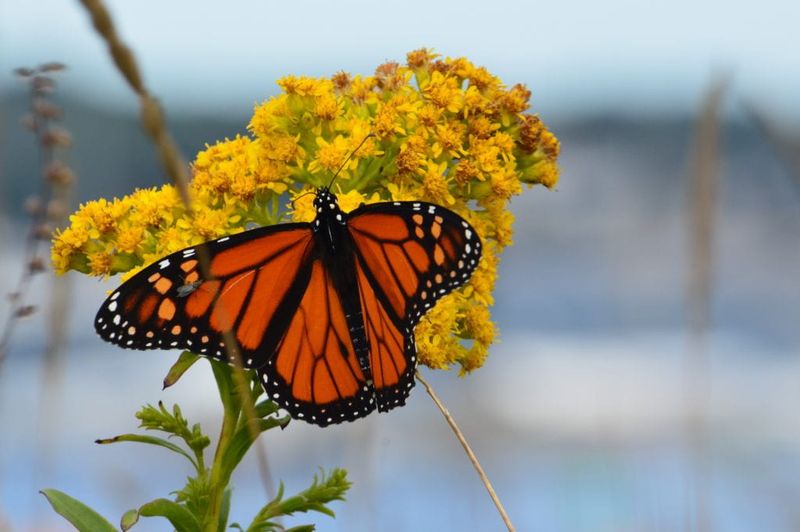
Goldenrod blooming along a fence line in late summer is one of the best things an Ohio yard can offer a traveling monarch.
Native goldenrod species, particularly Solidago canadensis and Solidago rugosa, bloom at exactly the right time to fuel monarchs heading south.
They are also native to this region, which means they fit naturally into local landscapes.
Adult monarchs need nectar constantly during active flight periods. A yard with only one or two blooming plants may attract a brief visit.
A yard with several species blooming across different weeks gives the butterfly more reason to stay and return. Coneflowers, native asters, Joe-Pye weed, and ironweed all contribute to a longer visit window.
The Monarch Joint Venture recommends planting a variety of nectar sources that bloom from mid-summer through early fall.
This covers the period when monarchs are most active in the upper Midwest and heading through regional corridors toward Mexico.
A yard rich in nectar is not a guarantee of monarch visits. Location, weather, and migration timing all play a role.
But a diverse planting of native bloomers gives any passing monarch a reason to slow down, which is the closest thing to an open invitation a gardener can offer.
6. Fall Migration Gives The Visit A Deeper Meaning
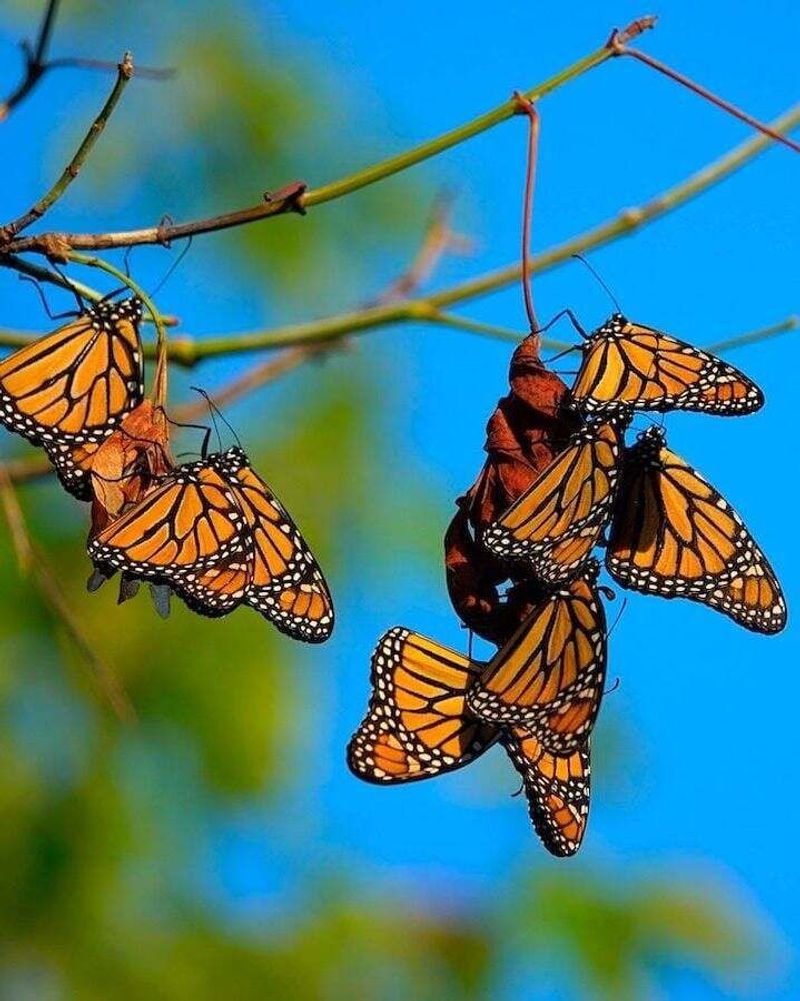
Late summer into early fall brings one of the most quietly dramatic events in the natural world. Monarchs that spent the season breeding across the northern Midwest begin moving south in large numbers.
The butterflies traveling through this region during that period are not the same individuals that arrived in spring. They are a new generation, born here and heading somewhere none of them have ever been.
That detail alone makes a fall monarch sighting feel different from a summer one. The butterfly you see in September or October is on a one-way trip of up to 3,000 miles.
It has never made this journey before. It navigates using the sun and an internal sense of direction that scientists are still working to fully understand.
Journey North, a citizen science program that tracks monarch migration, notes that peak movement through the upper Midwest typically happens in late summer and early fall. Exact timing shifts with weather patterns each year, so the window is not fixed.
Watching a monarch in the fall garden carries that weight. The yard becomes a small part of something much larger.
The belief that the visit means something is easy to understand when the biology already makes the moment extraordinary on its own terms.
7. A Chemical-Free Garden Makes The Moment More Hopeful
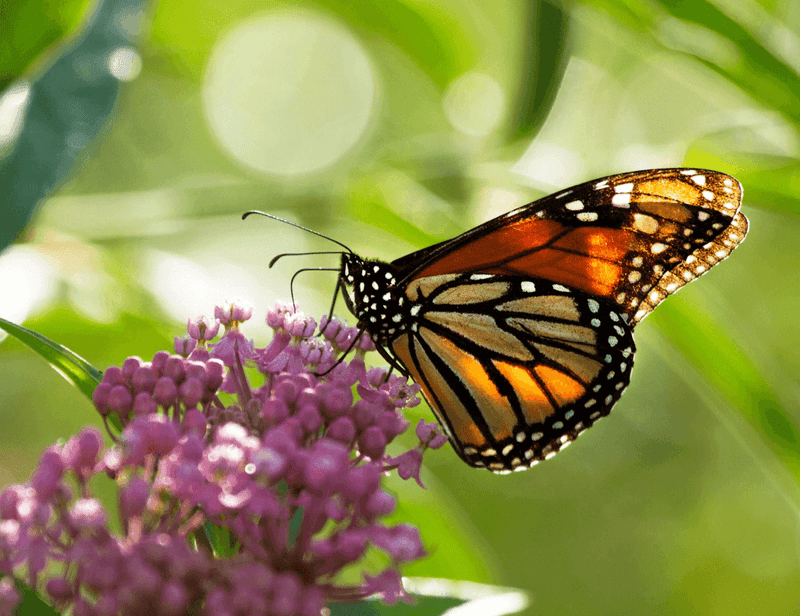
Pesticides applied around milkweed or nectar plants can harm monarchs and many other insects that Ohio gardeners want to attract. This is not a judgment against all garden products.
It is a practical point about timing, placement, and necessity.
Systemic insecticides, which are absorbed into plant tissue, can be present in pollen and nectar even when the plant looks healthy and untreated. Monarchs and other pollinators pick up those compounds while feeding.
OSU Extension and similar university resources consistently recommend reducing unnecessary insecticide use near pollinator habitat.
Avoiding broad-spectrum sprays during bloom periods is one of the most straightforward steps a gardener can take. Spot treatments, when truly needed, are less harmful than blanket applications.
Choosing plants that are not pre-treated with systemic compounds at the nursery is another practical step.
A yard with reduced chemical pressure does not just protect monarchs. It tends to support a wider range of insects, birds, and other wildlife.
The moment a monarch lands in that kind of space carries a different feeling. It suggests the yard has earned the visit by being a place where the biology is working as it should.
That is a hopeful thing, and it is entirely within reach for most home gardeners.
8. One Orange Visitor Can Point To A Bigger Journey
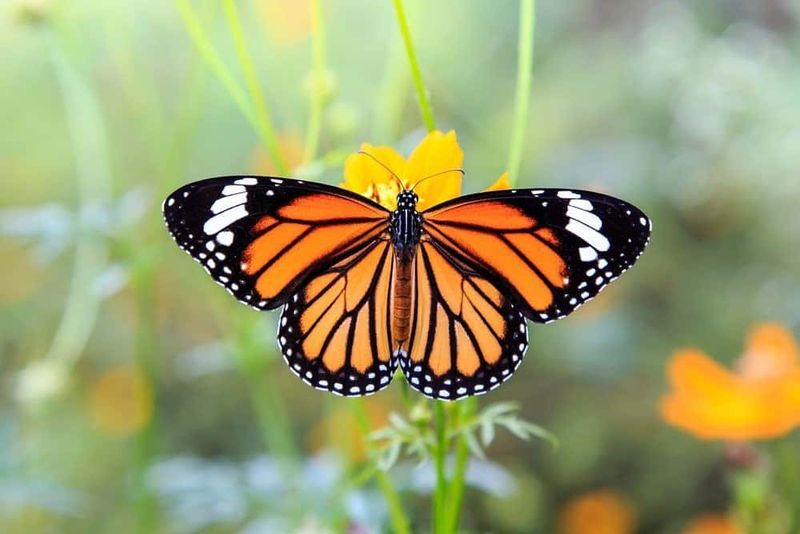
A single monarch resting on a fence post at the edge of the yard is easy to overlook. It is also easy to read too much into.
The honest answer is somewhere in the middle, and that middle space is where the most interesting meaning lives.
On a personal level, the butterfly can carry whatever the moment asks of it. If you have been thinking about someone you miss, or if the season is turning and you feel that shift, a monarch landing nearby can feel like punctuation.
Not proof. Not a message.
Just a pause that fits the feeling.
On a practical level, the butterfly is pointing at something real. It found your yard because something there was worth stopping for.
Milkweed, nectar, open sun, or reduced pesticide pressure brought it in. That is information a gardener can use.
The two meanings work together rather than against each other. A yard that supports monarchs is also a yard where meaningful moments are more likely to happen.
Planting native species, reducing unnecessary chemicals, and leaving some open sunny ground all contribute to both outcomes.
One orange visitor is not the whole story. But it is a beginning, and beginnings in a garden are always worth paying attention to.