The August Soil Test Every Ohio Vegetable Gardener Should Run Before Fall Planting
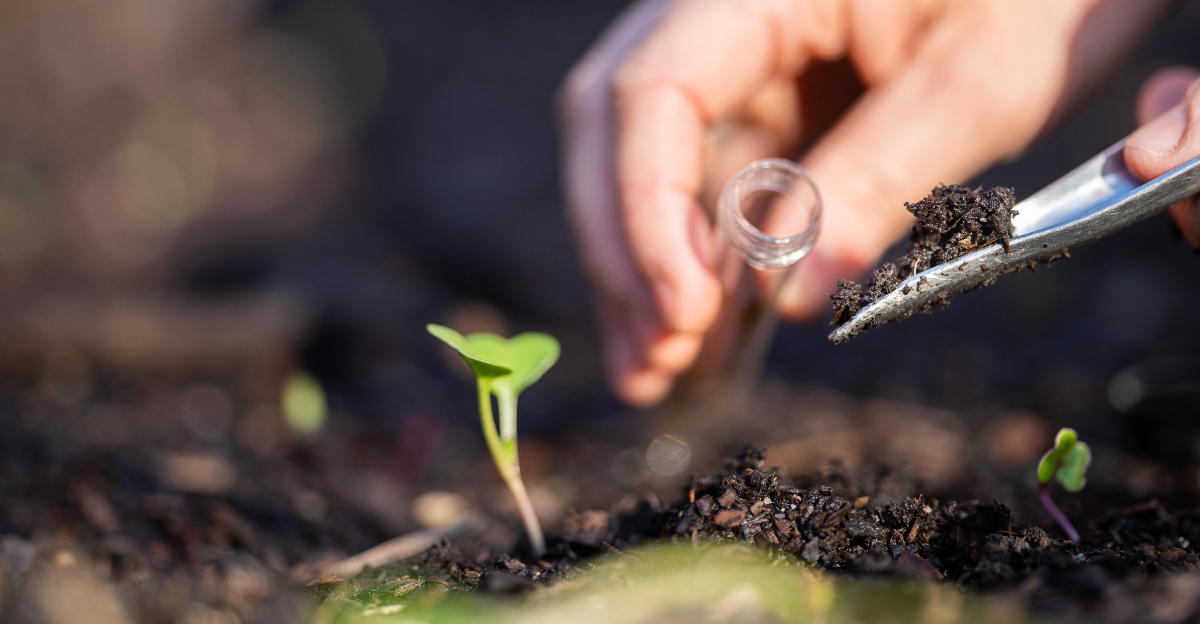
Fall planting season in Ohio rewards preparation. It punishes the absence of it in October when beds that were supposed to perform are telling a different story.
August is when that preparation happens. One soil test.
Skipped by most Ohio vegetable gardens because fall still feels far away. It is not.
Amendments applied after fall planting disappoints have already missed the window. The test needs to happen now.
What it reveals, and what gets done with that information before the first seeds go in, is what separates a strong fall garden from one that spends October wondering what went wrong. The test itself is straightforward.
The timing is everything.
1. Collect Soil Before Adding Fall Amendments
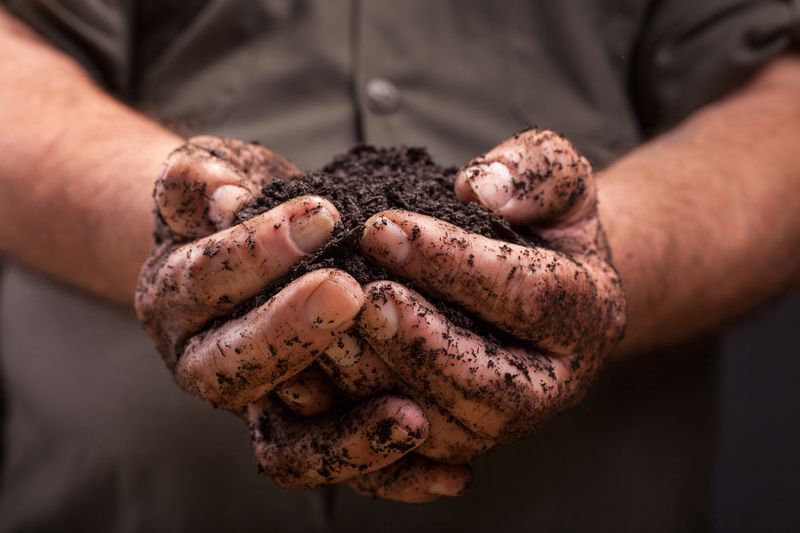
A bag of compost sits right beside an empty row, and the temptation to spread it immediately is real. Hold off.
Sampling before any new material goes down gives the laboratory a picture of what your soil actually contains right now, not what it will contain after you adjust it.
Recent additions of compost, lime, manure-based products, or fertilizer can shift pH and nutrient readings enough to change the report’s recommendations. If your bed was amended recently, contact your chosen laboratory and ask how long to wait before sampling.
There is no single universal waiting period, and labs may give different guidance based on what was applied and how much.
Wood ash and biochar can also affect readings, so treat them the same way. The soil should be workable when you collect it, meaning not frozen, waterlogged, or sticky enough to smear badly on your tools.
An open row in August makes access easier because summer plants are no longer in the way.
Testing frequency depends on your soil type, garden history, crop intensity, and past results rather than a fixed calendar schedule. An established bed with recent reliable results may not need another analysis this season.
Earlier retesting makes sense when growth has been unexplained or poor, or when management of the bed has changed significantly. Select the exact bed planned for fall crops and sample it before opening any amendment bag.
2. Blend Several Samples For A Reliable Reading

One scoop pulled from an unusually dark corner of a large bed can look very different from soil taken a few feet away. A single handful rarely tells the full story of a growing area, which is why a composite approach works better.
A composite sample combines several equal subsamples collected from across one similar area.
Ohio State University Extension guidance for vegetable gardens recommends collecting multiple subsamples and mixing them together before sending a portion to the lab.
Move across the bed in a random or zigzag path so you cover the whole area rather than clustering near one end.
Current guidance for vegetable garden beds suggests sampling to a depth of around six to eight inches. You should verify the exact depth recommended by your chosen laboratory before you start, though.
Every subsample should come from the same depth so the mixed result stays consistent. Avoid pulling soil from fertilizer bands, compost piles, wet low spots, pathways, or any visibly unusual area unless you plan to test those spots separately.
Your Ohio Garden Changes Every Week. Your Plan Should Too.
Gardening in Ohio changes quickly throughout the season. Every Friday you’ll receive a simple weekly plan showing exactly what to plant, prune, fertilize, harvest, and protect so you never miss the right timing.
Keep surface mulch, plant debris, and living roots out of the sample. Use a clean plastic bucket for mixing, and avoid rusty, galvanized, or aluminum containers because certain metals can interfere with micronutrient readings.
Check how much mixed soil your lab requires, since labs vary on this point. Label each sample clearly so separate beds do not get confused at the lab or when the report arrives.
3. Check pH Before Choosing Your Fall Crops
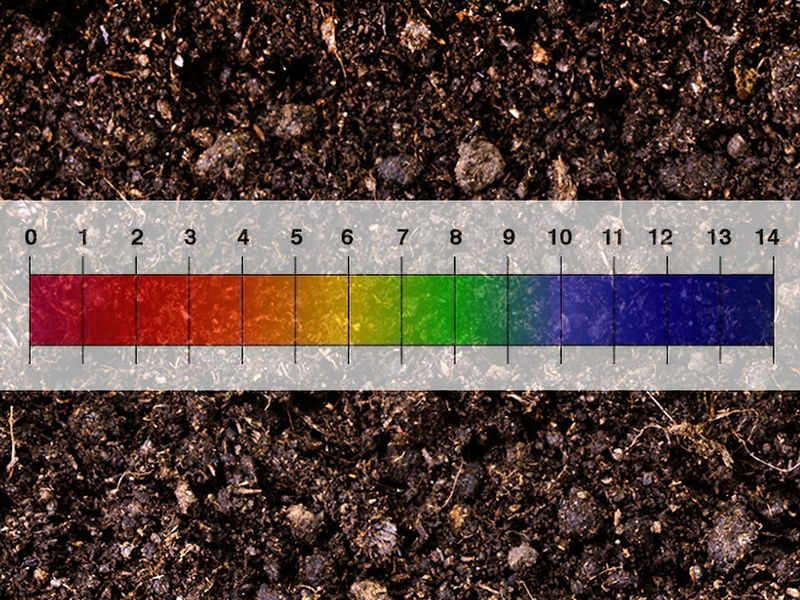
A report may show that phosphorus and potassium are present in decent amounts, yet those nutrients may not be fully available to plant roots if pH is off. Soil pH measures how acidic or alkaline your soil is on a scale from 0 to 14, with 7.0 being neutral.
Most vegetable crops grow well in a pH range of roughly 6.0 to 7.0, though individual crops can differ. Spinach and lettuce tend to prefer a range close to 6.0 to 7.0.
Blueberries need a much more acidic environment, though, one that most vegetable beds should not be adjusted to match. Garlic and kale are fairly tolerant across a moderate range.
A reading slightly outside a crop’s ideal range does not automatically mean you should abandon the planting plan. Drainage, soil condition, and weather also shape how a crop performs.
Your lab report may list both a soil pH and a buffer pH, sometimes called a lime index. The buffer pH helps estimate how much lime would be needed to raise the soil pH to a target level.
Do not try to calculate a lime amount from soil pH alone. A home pH probe can give a rough indication of your soil’s acidity, but it should not be used to determine exact amendment amounts.
Lime and sulfur react gradually in the root zone, so corrections take time. Use the report to match your crop selection to current conditions while planning any major pH shift as a longer process that may mainly benefit later plantings.
Regional laboratory recommendations account for local Ohio soil properties that generic charts may miss.
4. Read Phosphorus Before Adding More Fertilizer
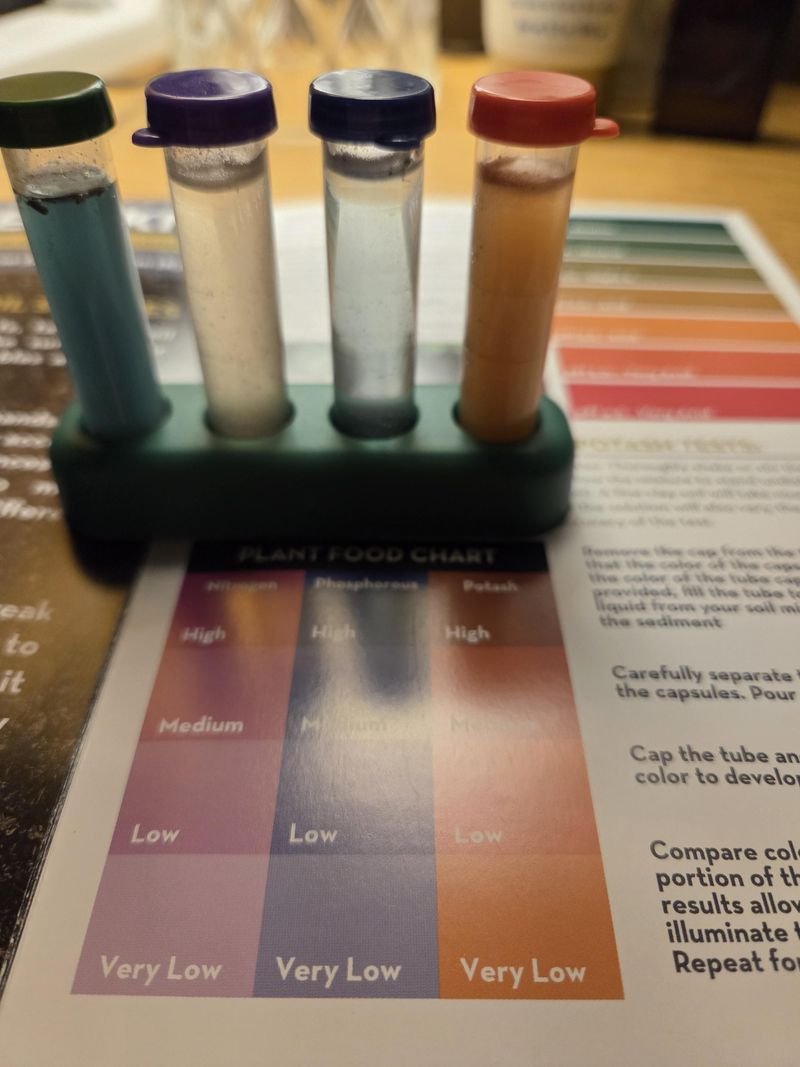
Balanced fertilizer bags carry three numbers on the label, and the middle number represents the phosphate content, which reflects the phosphorus supplied by the product.
Grabbing a bag of all-purpose fertilizer without checking your lab report first may mean adding a nutrient the bed already has in sufficient supply.
Phosphorus supports root development and energy transfer in plants. But adding more than the crop needs does not automatically create stronger growth, faster maturity, or larger harvests.
Years of regular fertilizer, compost, or manure applications can gradually raise phosphorus levels in a bed. The lab’s rating category and crop-specific recommendation matter far more than the raw number printed on the report.
Different laboratories use different extraction methods. A parts-per-million value from one lab cannot be directly compared with a number from a different lab using a different method.
Check the method, units, and rating category your lab provides, and use the recommendation written for your planned crop. An all-purpose fertilizer may be the wrong choice when phosphorus is already rated sufficient or high.
Phosphorus that leaves the soil through runoff or leaching can contribute to water-quality concerns in streams and lakes. This does not mean that one home application causes a direct problem, but it is a reason to apply only what the report supports.
Ohio waterways benefit when gardeners match phosphorus inputs to actual crop needs rather than applying by habit. Let the report decide whether your fall crop receives phosphorus at all.
5. Measure Potassium To Support Strong Roots
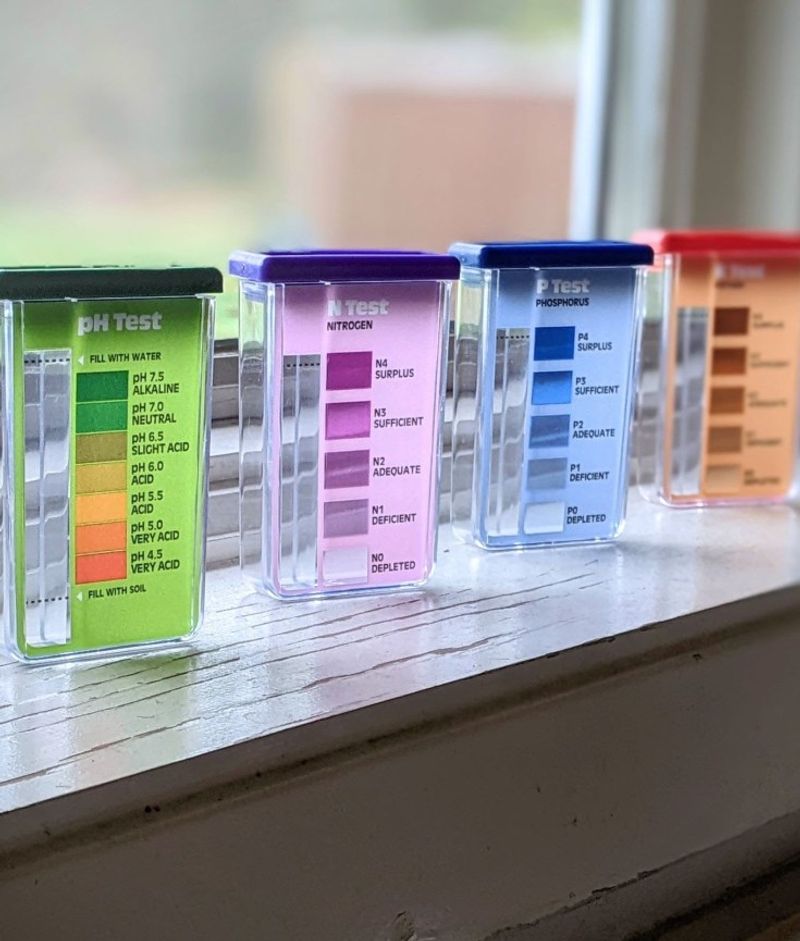
A potassium number on a lab report only becomes meaningful once the laboratory places it in context with your soil type, crop plan, and rating scale.
The subheading uses ‘strong roots’ as a reader-friendly way to introduce this nutrient, but potassium does much more than support root growth.
Verified roles of potassium include regulating water movement within plant cells and supporting enzyme activity. It also helps plants respond to stress and contributes to overall crop quality.
A deficiency can limit these functions, while an excess can interfere with the uptake of other nutrients like calcium and magnesium.
Leaf-edge discoloration is sometimes linked to low potassium, but similar symptoms can result from several other causes, so a visual diagnosis alone is not enough.
Soil texture affects how potassium behaves. Sandy soils tend to hold less potassium and may lose it more readily than heavier soils.
Clay-rich soils can bind potassium more tightly, which affects availability. Not all soils in the region are heavy clay, so texture matters when interpreting your specific reading.
Labs may rate potassium differently based on their methods and the soil properties in their recommendation database. Do not apply potash based on a number copied from a report written for a different bed or a different lab’s system.
Fall crops vary in their potassium demand, and no single target applies to every vegetable. Compare the laboratory’s rating with its recommendation for your planned crop, then apply only the advised amount.
6. Request Organic Matter For A Clearer Soil Picture
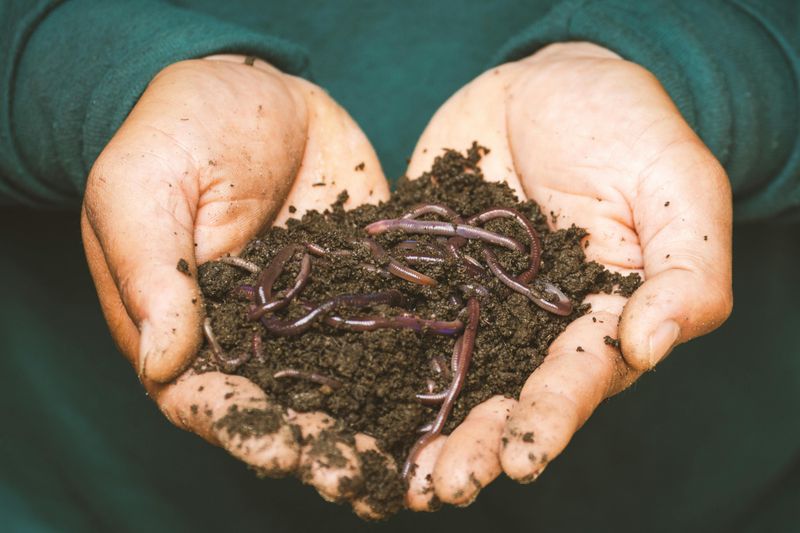
A standard test package from many laboratories lists pH, phosphorus, potassium, calcium, and magnesium, but organic matter may not appear on that same page.
Check what your chosen lab includes in its routine package before assuming organic matter is part of the analysis.
It may require a separate request and an added fee.
Organic matter refers to decomposed plant and animal material in the soil. It influences how soil holds water and how nutrients are retained between feedings.
It also affects how well soil particles clump into stable aggregates and how active the biological community in the soil tends to be.
A single percentage reading does not capture all of those functions on its own, and it should not be treated as a complete score for overall soil health.
Soil texture, climate, drainage patterns, tillage history, compost use, and how crop residues are managed all influence the organic matter reading.
No single ideal percentage applies to every vegetable bed, and a very high reading is not automatically a reason to add more compost.
Repeated compost applications can raise phosphorus levels and increase soluble salts over time.
If your bed has received heavy organic inputs for several years, ask your lab about an electrical conductivity test. It measures soluble salts and might be worth adding.
A soil texture analysis is another optional request that can help explain why two beds with similar nutrient levels handle water very differently. Use organic matter results to guide measured amendment choices rather than automatic yearly applications.
7. Follow Lime Recommendations Instead Of Guessing
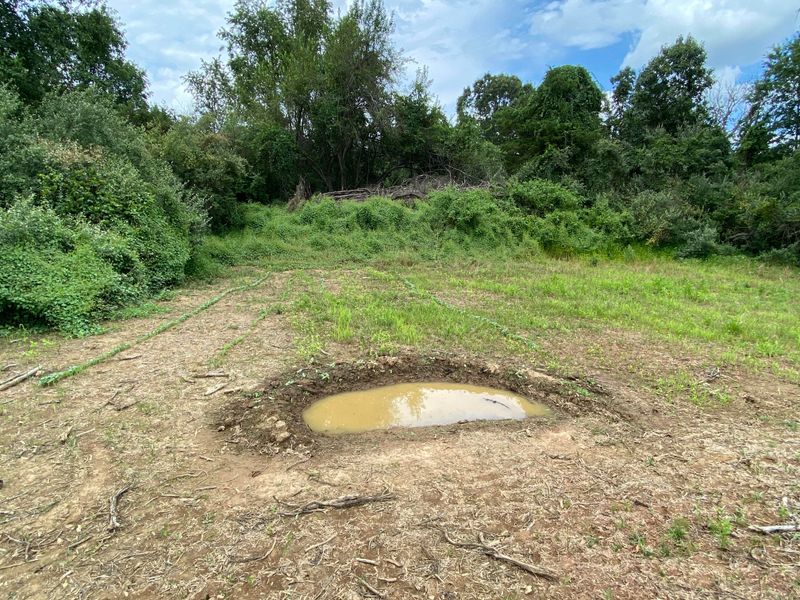
A low pH result sitting beside a calculated lime recommendation is far more useful than a generic chart that suggests amounts without knowing your soil.
Labs use your soil pH, a buffer measurement, soil properties, and your target pH to estimate how much lime a specific bed actually needs.
That calculation is more reliable than picking a number from a general reference.
Lime raises soil pH and supplies calcium, magnesium, or both depending on the product. Calcitic lime supplies mainly calcium, while dolomitic lime supplies both calcium and magnesium.
Do not choose dolomitic lime automatically. If your report shows adequate magnesium, adding more through lime is unnecessary and may create an imbalance with other nutrients.
Applying more lime than the report recommends can push pH above the range where most vegetable nutrients remain available. More is not better here.
Fall is generally a reasonable time to apply recommended lime because the material has months to react before the next growing season. Ohio State University guidance supports fall application as a practical option when the report calls for it.
Even so, lime reacts gradually. An August application will not fully correct pH before immediate fall planting.
The recommendation may mainly benefit crops planted later in the season or the following year. Wood ash can raise pH but should not be used as an unmeasured substitute for lime.
Sulfur lowers pH rather than raises it, so do not apply it to correct acidity. Measure your garden area accurately, follow the laboratory rate, and apply according to the product label.
8. Put The Results To Work Before Planting
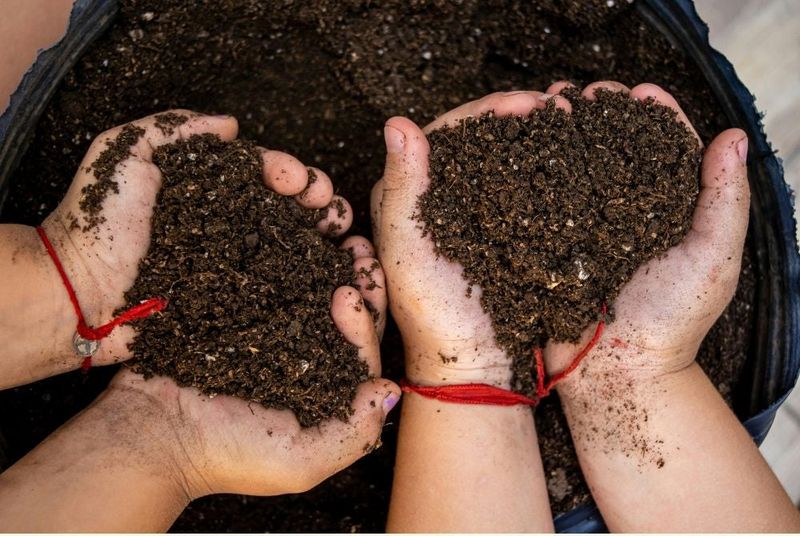
A completed lab report beside seed packets and a measured garden map is the starting point for a short, practical action plan.
Begin by confirming which bed was tested, then identify the planned crops and match them to the pH result and any lime recommendation the report provides.
Check the phosphorus and potassium ratings using the interpretation supplied with that specific report.
The words ‘high,’ ‘adequate,’ or ‘low’ do not carry the same numerical meaning at every laboratory, so rely on the interpretation from the lab that ran your sample.
If any unit or recommendation is unclear, contact the laboratory directly or reach out to a local extension educator for help. County extension offices across the state can assist Ohio gardeners with reading and applying lab results correctly.
Nitrogen requires separate attention. Available nitrogen changes quickly in soil, and many routine packages do not measure it in a way that directly guides fertilizer decisions.
Nitrogen recommendations may depend on the planned crop, soil history, organic inputs, and growth stage. Leafy crops like spinach and lettuce may benefit from modest nitrogen support, while legumes such as peas can fix their own supply.
Root crops like radishes generally need less nitrogen than heavy feeders.
Measure every amendment accurately and distribute it evenly according to verified instructions. Do not place concentrated fertilizer directly against seeds or young roots.
Fertility corrections cannot extend a planting window beyond what the season and your local frost date allow. Sample first, read the full report, make only the supported changes, and plant the fall bed with fewer guesses.