Why July 4th Fireworks Are A Serious Fire Hazard For California Gardens
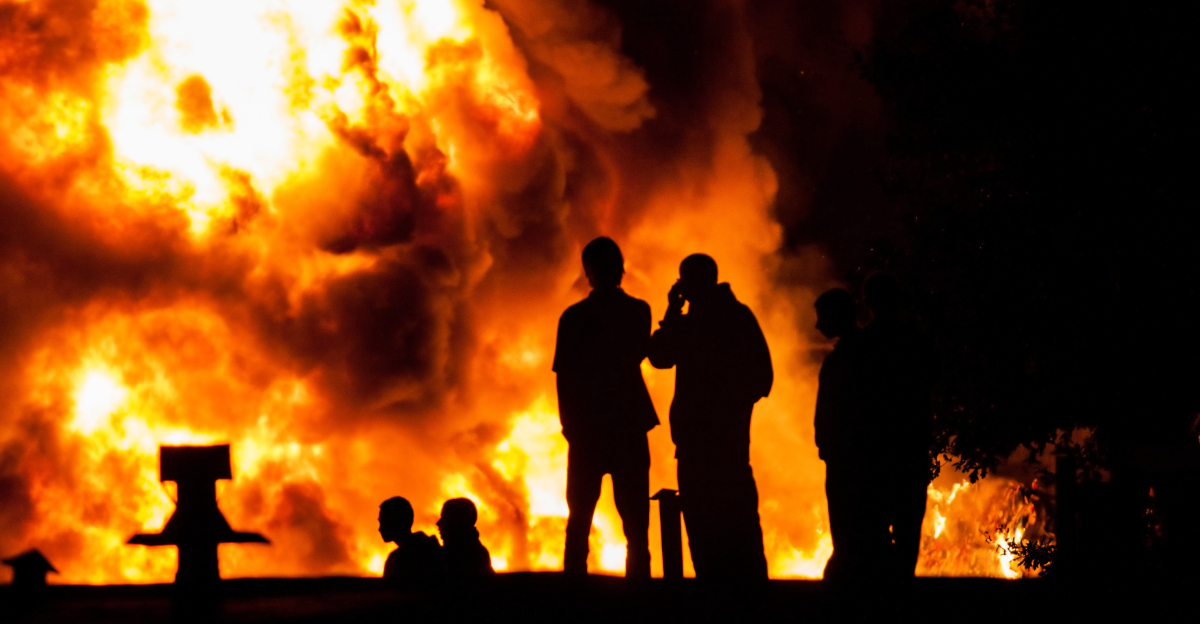
A California garden can look calm before July 4th, but one stray spark can change everything fast.
Dry mulch, thirsty plants, and warm evening winds can make outdoor spaces more vulnerable than they seem.
Fireworks do not need to land in a wildland area to cause trouble. A patio planter, dry lawn edge, or pile of garden clippings can be enough to start a serious problem.
That is why gardeners need to think beyond the show in the sky. The real risk may be sitting close to the fence, under shrubs, or beside the house.
A little cleanup before the holiday can make a big difference. Know where the hazards are, and your garden has a better chance of staying safe while the neighborhood celebrates.
1. Dry Mulch Can Catch Sparks Faster Than Gardeners Expect
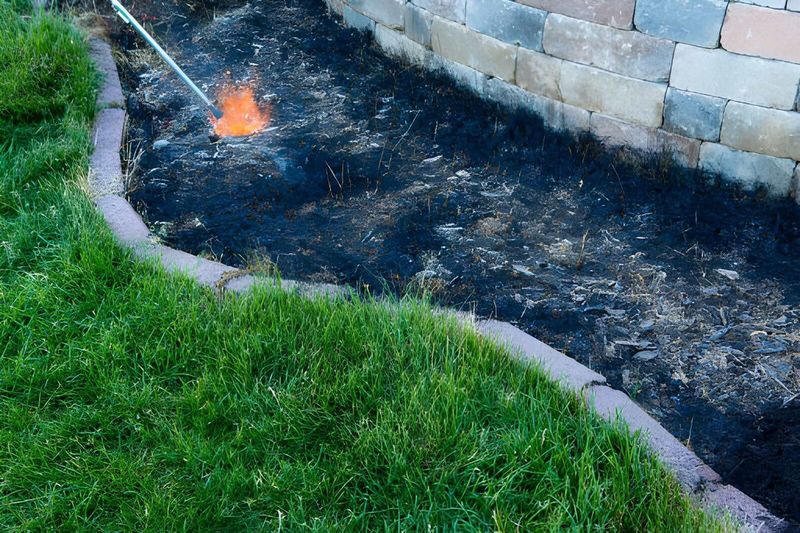
Wood chip mulch looks harmless sitting in a garden bed, but it behaves almost like a sponge for sparks.
Most California gardeners do not realize how quickly dry mulch can go from a smoldering ember to an active fire.
During the summer months, mulch loses almost all of its moisture, making it extremely easy to ignite.
Bark mulch, shredded wood, and pine straw are among the most flammable types. A spark from a nearby firework can land in a mulched bed and begin smoldering without producing visible flames right away.
By the time anyone notices, the fire may have already spread to nearby plants or structures.
Switching to gravel, decomposed granite, or other non-combustible ground cover near the house is one of the best moves you can make. If you plan to keep wood mulch in your beds, soak it thoroughly the night before and again on the morning of July 4th.
Keep the layer thin, no more than two inches deep, and clear any mulch away from the base of fences, walls, and wooden structures.
A small gap between mulch and your home’s foundation can make a significant difference in how fast a fire spreads. Taking these simple steps gives sparks fewer places to land and grow.
2. Withered Leaves Turn Corners And Beds Into Kindling
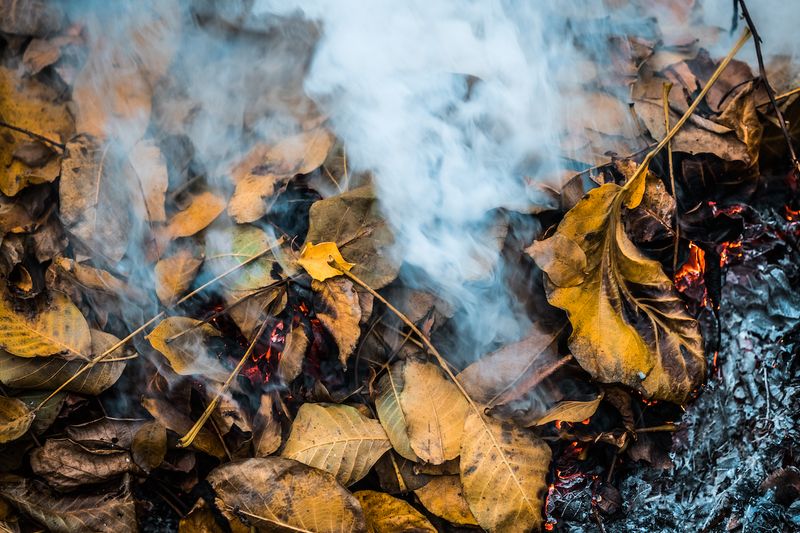
Withered leaves piling up in corners, along fences, and under shrubs are one of the most overlooked fire hazards in any yard.
People tend to think of leaf cleanup as a fall task, but in a hot and dry climate, leaves wither and drop throughout summer too.
By the time July rolls around, many California yards are full of dry, crinkly debris just waiting for a spark.
Withered leaves are lightweight and can catch an airborne ember very easily. Once one pile ignites, the fire can travel quickly along the ground to reach fences, wooden structures, or dry plants nearby.
The corners of yards are especially risky because leaves tend to collect there and are often forgotten during regular yard maintenance.
Raking and bagging leaves before the holiday weekend is a straightforward but powerful protective step. Pay close attention to spots under decks, behind raised garden beds, and along fence lines.
Your California Garden Changes Every Week. Your Plan Should Too.
Gardening in California changes quickly throughout the season. Every Friday you’ll receive a simple weekly plan showing exactly what to plant, prune, fertilize, harvest, and protect so you never miss the right timing.
These hidden areas trap debris and are harder to reach with a hose if a fire starts. Remove fallen leaves from gutters too, since sparks can drift upward and land on rooftop debris just as easily as ground-level material.
Clearing these spots takes an afternoon but can prevent a much bigger problem from developing on a night full of fireworks and unpredictable wind.
3. Ornamental Grasses Become Dangerous Once They Dry Out

Ornamental grasses are popular in California landscaping because they look dramatic and require very little water. But that drought-tolerant quality comes with a serious trade-off during fire season.
Once the blades dry out and turn brown, these grasses become some of the most flammable plants in any yard.
A clump of dry ornamental grass can ignite within seconds of contact with a spark. The thin, papery blades burn fast and hot, and the fire can spread outward from the base of the plant in multiple directions at once.
When these grasses are planted near fences, walls, or wooden structures, the risk increases significantly.
Cutting back ornamental grasses before July 4th is one of the most effective things you can do. Trim them down to about six inches from the ground and remove all the dry cuttings from the yard.
Do not leave clippings in a pile near the house, since loose dry grass is just as flammable as the plant itself.
If you are not ready to cut them back yet, at least move them away from your home and fence line when choosing plants for future landscaping.
Replacing highly flammable grasses near the house with low-growing, moisture-retaining ground covers is a smart long-term strategy for reducing fire risk around your property.
4. Wood Fences Can Carry Flames Into The Yard
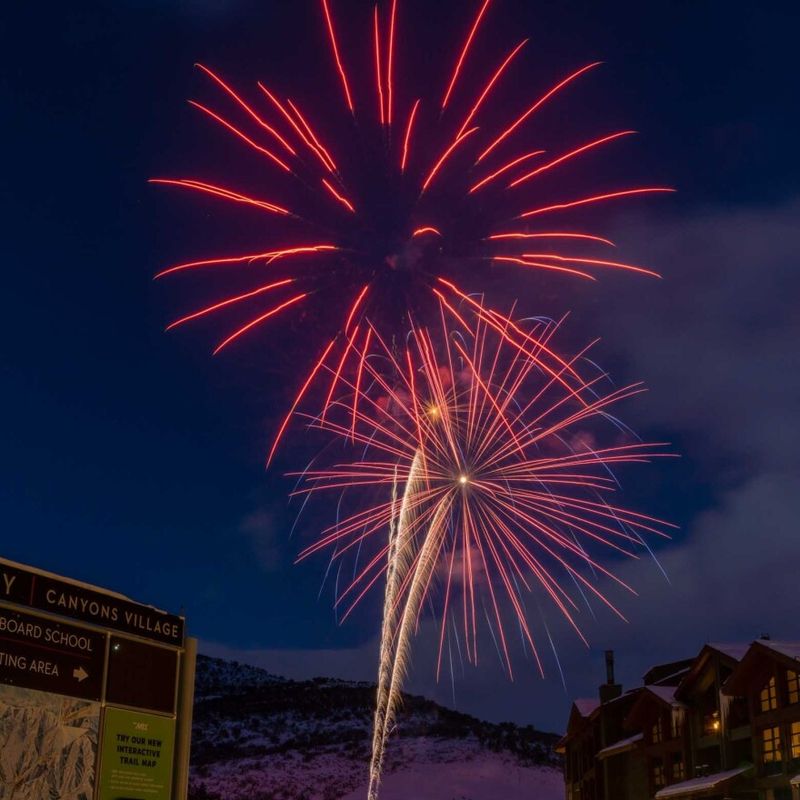
Most suburban yards in California have wooden fences, and those fences become a serious concern every fire season. Wood dries out under prolonged summer heat, and a fence that looked solid and sturdy in spring can be brittle and highly flammable by the Fourth of July.
Sparks that land on or near a fence can start a slow burn that creeps along the entire length of the structure.
What makes fences especially dangerous is how they connect different parts of the yard. A fire that starts at one end of a fence can travel to a deck, a storage shed, garden beds, or even the side of the house.
Fences act almost like a pathway for flames, moving fire from one area to another faster than most people expect.
Applying a fire-retardant coating to wooden fences is a worthwhile investment before the holiday season. These products are available at most hardware stores and can significantly slow how fast wood ignites.
Clearing the area on both sides of the fence is equally important. Remove dry leaves, mulch, and withered plants from within a few feet of the fence line.
If you have plants climbing the fence, check whether they are dry and trim back any damaged or withered growth.
Keeping the zone around your fence clean and clear is one of the simplest ways to reduce the chances of a fence fire spreading to your home.
5. Deck Planters Put Fire Risk Close To The House
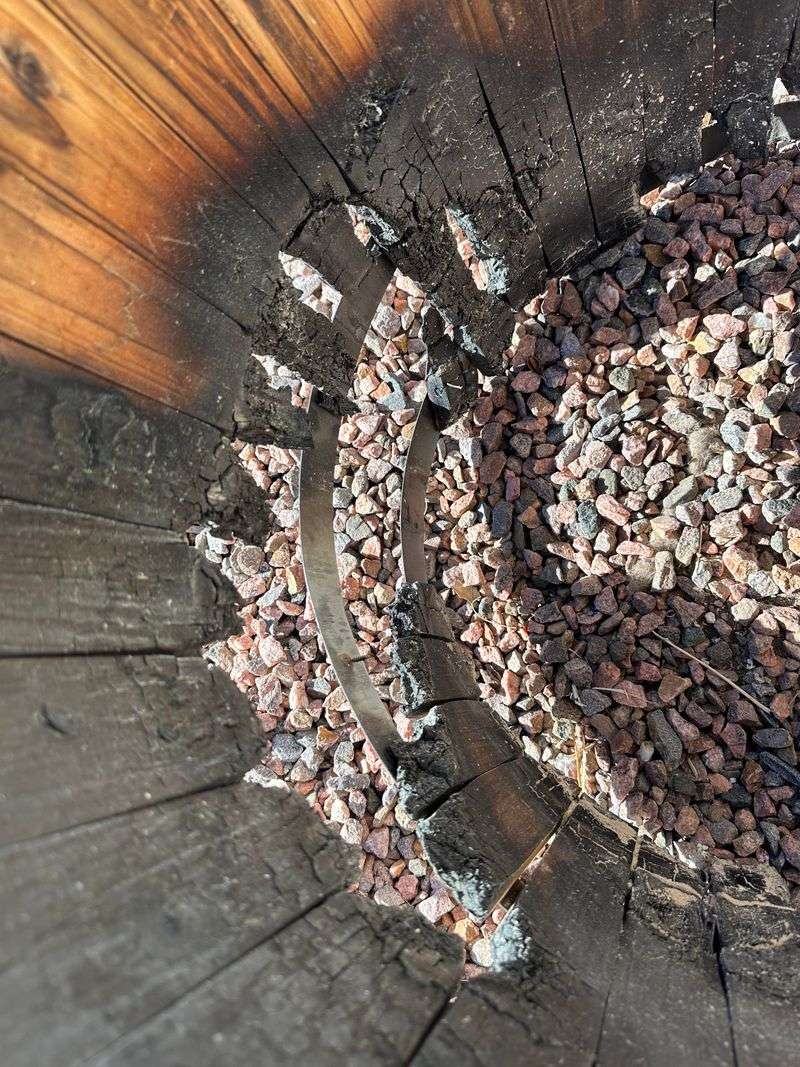
Deck planters are a beautiful way to bring greenery close to the house, but they also bring fire risk closer than many homeowners realize.
When plants in deck planters dry out, they become small bundles of flammable material sitting right next to the structure of your home.
A single spark landing in a planter can start a fire that reaches siding, eaves, or windows very quickly.
Wooden decks add another layer of concern in California. The combination of a dry planter sitting on dry wood creates a situation where fire can spread both upward and outward at the same time.
Plastic pots can also melt and drip burning material, which makes the problem worse in a short amount of time.
Before the holiday weekend, move planters away from the house and off the deck entirely if possible.
Place them on concrete, stone, or another non-combustible surface where they are less likely to spread fire to a structure.
Water them thoroughly and remove any withered or dry plant material from the pot. If you have hanging planters near the eaves, take them down temporarily during fireworks season.
Replacing dry annual plants with succulents or other moisture-retaining species in deck planters is also a smart long-term choice.
Succulents hold water in their leaves, which makes them far less likely to catch and hold a spark than dry-leafed annuals or herbs.
6. Wind Can Push Embers Into Hidden Garden Debris
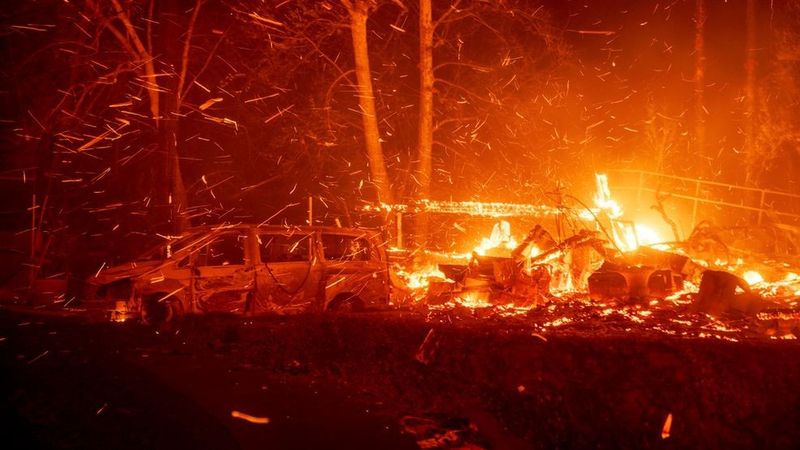
Wind is one of the most unpredictable factors during any fireworks event. Even a light breeze can carry a glowing ember much farther than you would expect.
Embers from fireworks have been known to travel hundreds of feet before landing, and they can stay hot enough to ignite dry material even after drifting through the air for several seconds.
Hidden garden debris is where these traveling embers do the most damage. Piles of clippings tucked behind shrubs, dry leaves wedged under a deck, or loose bark stacked along a fence line are all easy targets.
Because these spots are out of sight, a fire can begin and grow before anyone notices.
Walking your yard before the holiday weekend with fresh eyes is a great habit to develop. Look specifically for debris that has collected in low-visibility areas.
Check under raised garden beds, behind large container plants, along the base of walls, and in any corner where material tends to gather. Bag up anything dry and combustible and take it to the curb before the celebrations begin.
Also pay attention to the direction of the prevailing wind in your neighborhood. If embers from a nearby fireworks display would likely drift toward your yard, those hidden debris spots become priority cleanup zones.
Removing them takes the fuel away and gives drifting sparks nowhere to land and grow.
7. Illegal Fireworks Make Backyard Fires Harder To Predict
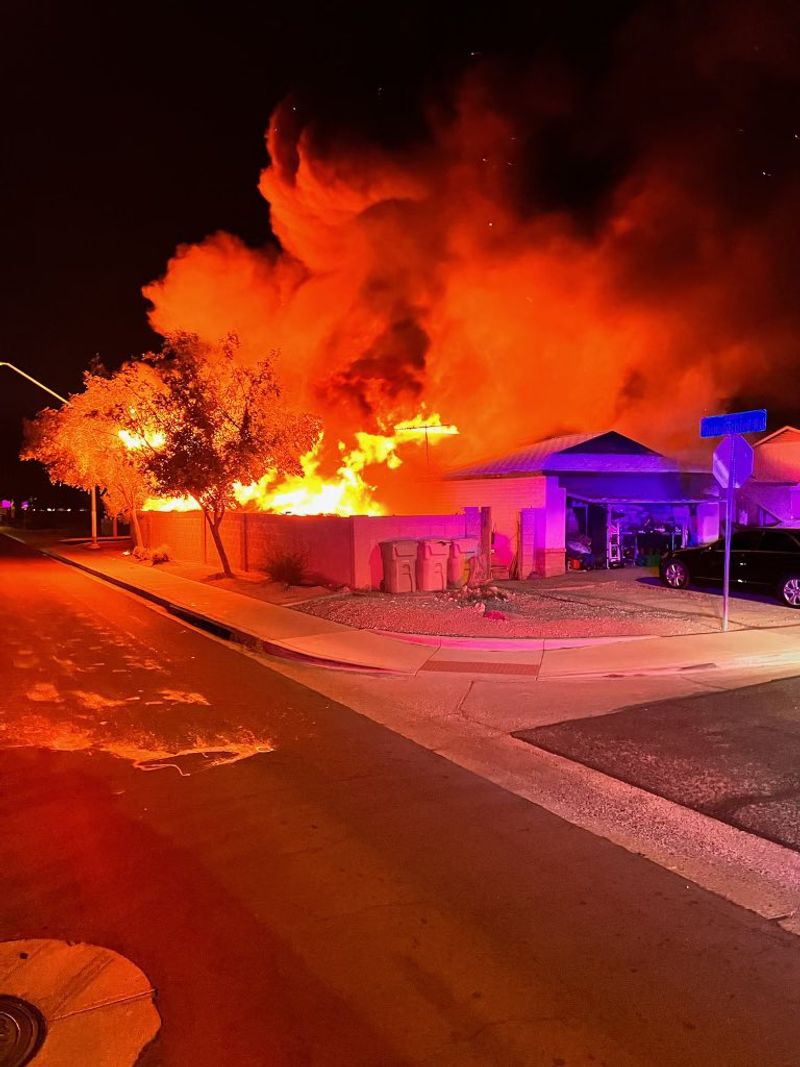
Legal consumer fireworks are designed with safety limits in mind, but illegal fireworks follow no such rules.
Aerial shells, mortars, and other prohibited devices send burning debris flying in unpredictable directions at high speeds.
When these land in dry gardens, the results can be devastating and very fast-moving.
Illegal fireworks are unfortunately common in many neighborhoods on and around July 4th. They are louder, fly higher, and scatter more debris than their legal counterparts.
Because they are not designed for consumer use, they can malfunction, explode at low altitudes, and send burning fragments into yards far from where they were launched.
One of the hardest parts of dealing with illegal fireworks is that you cannot control what your neighbors do. What you can control is how prepared your yard is to resist an ember or debris landing on it.
Keeping the garden clear of dry material, soaking mulch beds and soil before the holiday, and moving flammable objects away from the house all reduce the impact of an unexpected spark.
Reporting illegal fireworks to local authorities before the holiday is also a reasonable step. Many California cities have tip lines or non-emergency numbers for exactly this situation.
Reducing the number of illegal fireworks in your neighborhood protects everyone on the block, not just your own yard and family.
8. Watering The Garden Is Not A Complete Safety Plan
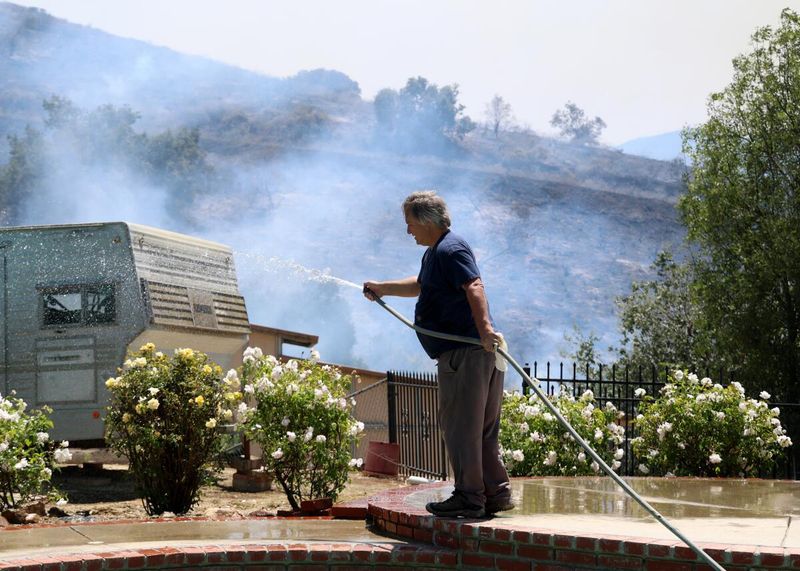
Watering the garden before fireworks season is a smart move, but it gives many California homeowners a false sense of security. A thorough watering can reduce the risk in some areas, but it does not make a yard fireproof.
Soil and plants dry out faster than most people expect, especially when temperatures are high and humidity is low.
Certain materials in the garden do not hold water well at all. Dry wood mulch, withered plant material, and withered leaves can still be flammable even after being watered, because moisture evaporates from the surface quickly.
The interior of a thick mulch layer or a dense pile of leaves may remain dry even after heavy surface watering.
Watering works best as part of a broader safety plan rather than as a standalone solution. Pair it with debris removal, mulch reduction, and moving flammable objects away from structures.
Water deeply and slowly the evening before and again on the morning of the holiday for the best results.
Focus on the areas closest to the house, including the first five to ten feet of garden beds around the foundation.
Pay special attention to mulched areas, raised beds, and any spots where dry material collects.
Watering is valuable, but it is most effective when combined with physical cleanup and the removal of anything that could catch and hold a spark near your home.
9. Clean Defensible Space Before The Holiday Weekend
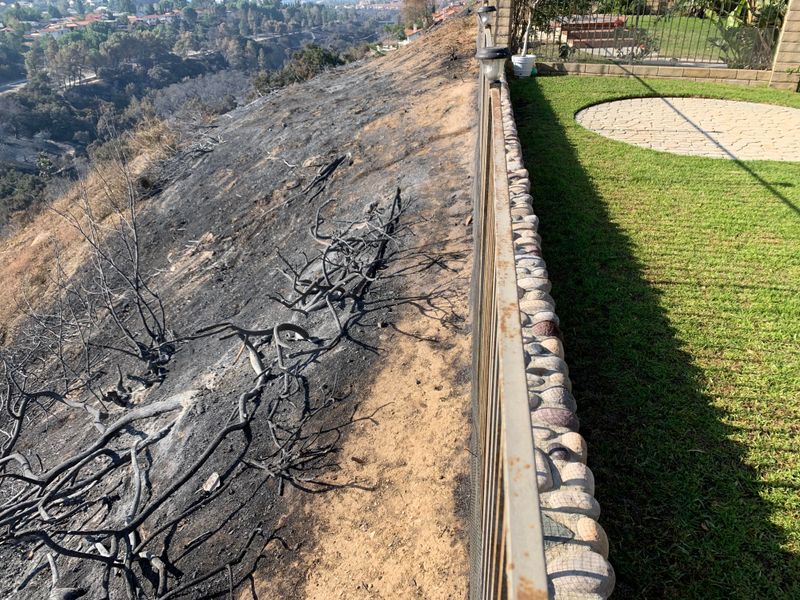
Defensible space is a term used by California fire departments to describe the buffer zone you create between your home and the flammable plants and materials around it.
Most fire safety guidelines recommend clearing at least thirty feet around any structure, though even a smaller cleared zone is far better than nothing.
Creating this space before July 4th can be a powerful protective measure. The concept is simple but requires real effort.
Trim back overgrown shrubs, remove damaged branches from trees, rake up dry ground cover, and clear away any loose debris within the zone closest to the house.
The goal is to reduce the amount of fuel available if a spark lands in your yard.
Start with the area immediately against the house and work outward. The zone within the first five feet of your foundation is the most critical.
Remove all plants, mulch, and debris from this area and replace it with gravel or concrete if possible. From five to thirty feet out, keep plants well-spaced, trimmed, and free of dry material.
Remove lower branches from any trees so that ground-level flames cannot climb up into the canopy.
If you have not already done this as part of your regular yard care routine, the week before July 4th is the right time to start.
A clean and well-maintained yard dramatically reduces how fast and how far a fire can travel once it starts.
10. Move Patio Cushions, Pots, And Garden Supplies Away From Siding
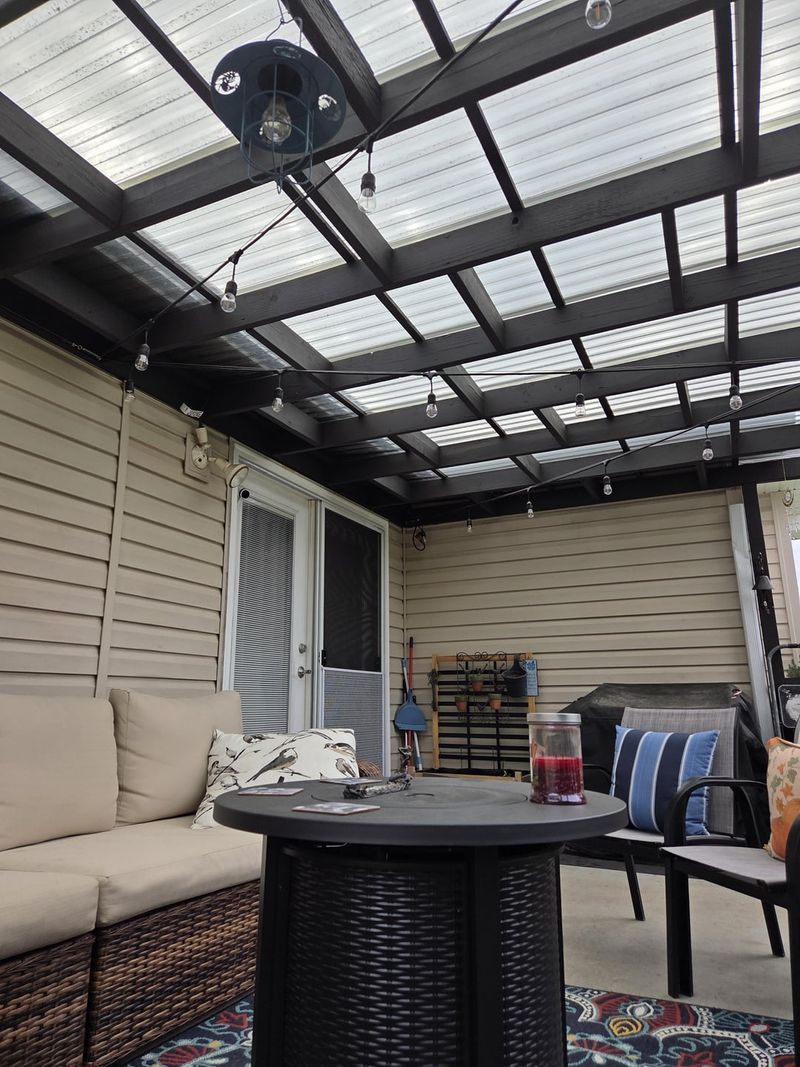
Patio furniture cushions are made of foam and fabric, both of which burn quickly and produce a lot of heat.
When these cushions are left on chairs or stacked near the house during fireworks season, they become a serious risk.
A single spark landing on a cushion can start a fire that reaches the siding of your home within minutes.
Garden supplies are another overlooked hazard. Bags of potting soil, fertilizer, mulch, and compost stored against the house or under a deck can catch fire or feed an existing flame.
Loose garden tools are less of a concern, but anything made of or stored in flammable packaging should be moved to a garage or shed before the holiday.
Take a slow walk around your home and look at everything sitting within a few feet of the siding. Move patio cushions inside or to a covered area away from the house.
Relocate potted plants, especially those with dry soil or withered foliage, to a spot farther from the structure. Stack any bags of garden supplies in a garage or shed with a solid door.
These small moves take less than an hour but can dramatically change how a spark interacts with your home’s exterior.
The siding, eaves, and lower walls of a house are vulnerable, and keeping flammable objects away from them is one of the easiest ways to protect your property during the holiday.