How Bird-Friendly Oregon Yards May Help Support Natural Tick Control
Ticks can make outdoor time feel a lot less carefree, especially when pets, kids, or garden paths are part of daily life.
Oregon homeowners often look for ways to make their yards feel safer without turning the space into a harsh treatment zone.
Birds may play a helpful role in that bigger picture. A yard with shrubs, clean water, and safe nesting spots can invite more natural activity through the seasons.
Some birds may eat small insects and other tiny pests while they move through the garden. That does not mean birds are a complete tick solution.
Yard cleanup, smart planting, and good habits still matter. But a bird-friendly space can support a healthier backyard balance.
Give birds a reason to visit, and your garden may gain quiet helpers you barely notice at work.
1. Bird-Friendly Yards Support A Larger Pest-Control Web
A well-planned yard does more than look nice. It functions like a small ecosystem where many living things work together.
When birds are present, they become part of a natural web that helps keep pest populations from getting out of hand.
Birds are not the only helpers in this web. Ground beetles, spiders, ants, and other insects also feed on ticks at various life stages.
When your yard supports a wide range of wildlife, you get multiple layers of pest pressure working at once.
Native plants are the foundation of this system. They attract insects that birds rely on for food, which draws more birds to your space.
More birds mean more foraging activity across your lawn and garden beds.
Shrubs with berries give birds a reason to stay. Dense plantings near the ground give foragers like towhees and sparrows places to scratch and search.
These behaviors naturally disturb tick habitat. A yard that supports biodiversity is not just good for pest control. It also tends to feel more alive and interesting.
You might notice more butterflies, beneficial insects, and songbirds over time. Think of your yard as a team effort. No single bird or plant does everything.
But together, they create conditions that make it harder for ticks to thrive unchecked. That kind of layered approach is worth building toward, one small change at a time.
2. Some Ground-Foraging Birds Do Eat Ticks
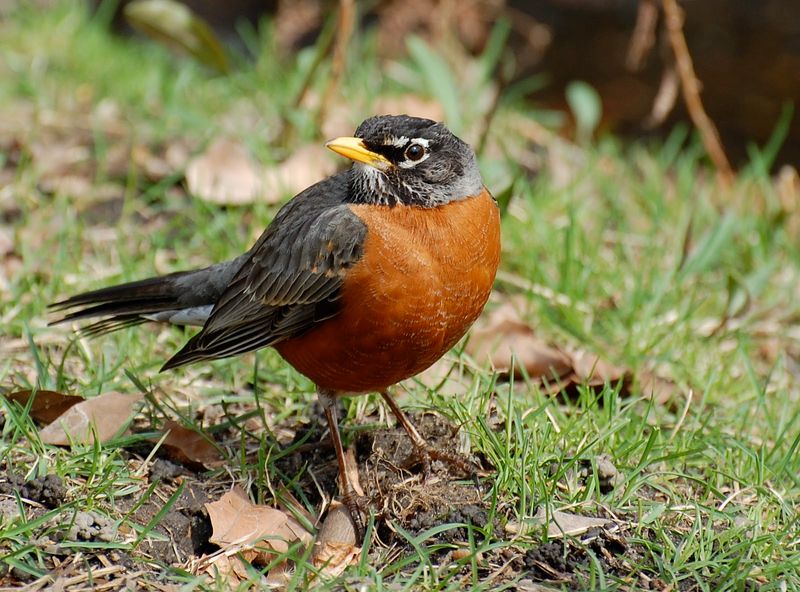
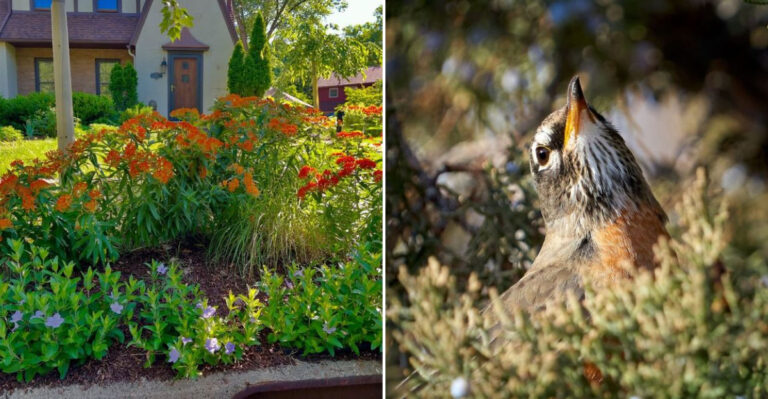
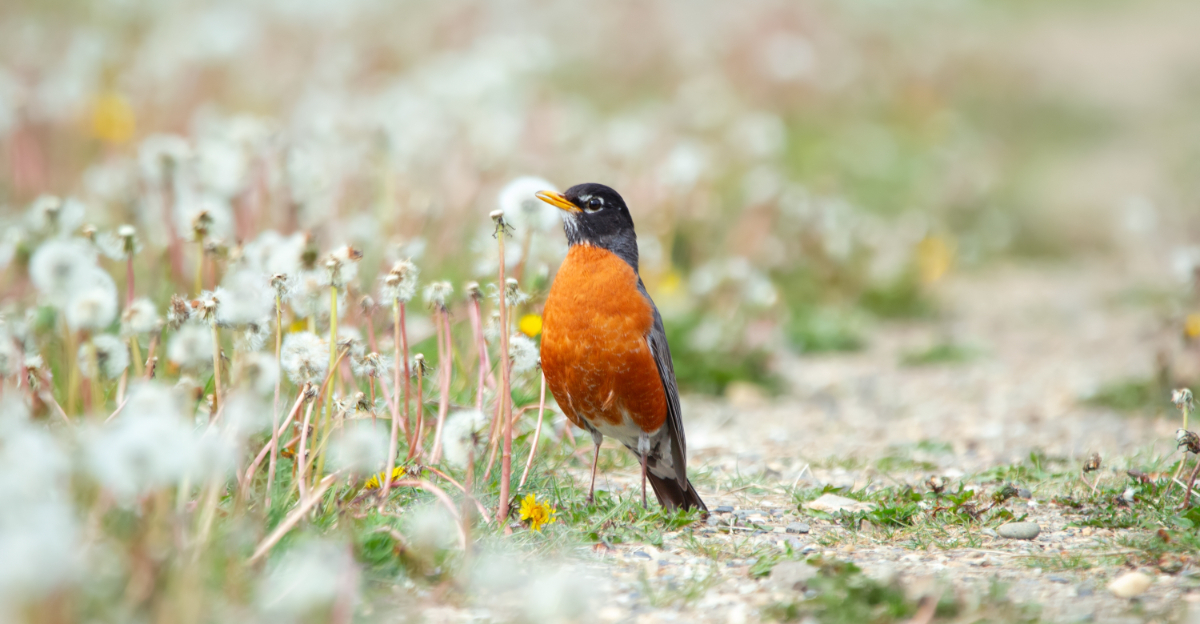
Not every bird that visits your yard will eat ticks, but some ground-foraging species do. American robins, wild turkeys, and guinea fowl are among the birds documented to consume ticks as part of their diet.
Knowing which birds to encourage can help you make smarter choices.
Wild turkeys are probably the most well-known tick consumers. Studies have shown that a single turkey can eat hundreds of ticks in a day while foraging.
If you live near wooded or rural areas of Oregon, turkeys may already visit your property.
Robins are far more common in suburban yards. They spend a lot of time pecking through grass and leaf litter looking for worms and insects.
Ticks can end up in their beaks during this process, especially nymph-stage ticks that are harder to spot.
Your Oregon Garden Changes Every Week. Your Plan Should Too.
Gardening in Oregon changes quickly throughout the season. Every Friday you’ll receive a simple weekly plan showing exactly what to plant, prune, fertilize, harvest, and protect so you never miss the right timing.
Sparrows and towhees also scratch through ground debris regularly. Their foraging stirs up the leaf litter where ticks often wait for a passing host.
This disruption alone can reduce tick-friendly habitat. It is worth being realistic, though. Birds will not wipe out a tick population on their own.
They eat what they find, and ticks are just one item on a long menu. Still, every tick a bird eats is one less tick that could end up on you or your pet.
Supporting these ground-foraging species through habitat and food sources gives them more reason to stick around and keep working your yard.
3. Native Plants Bring Birds Without Creating A Messy Yard
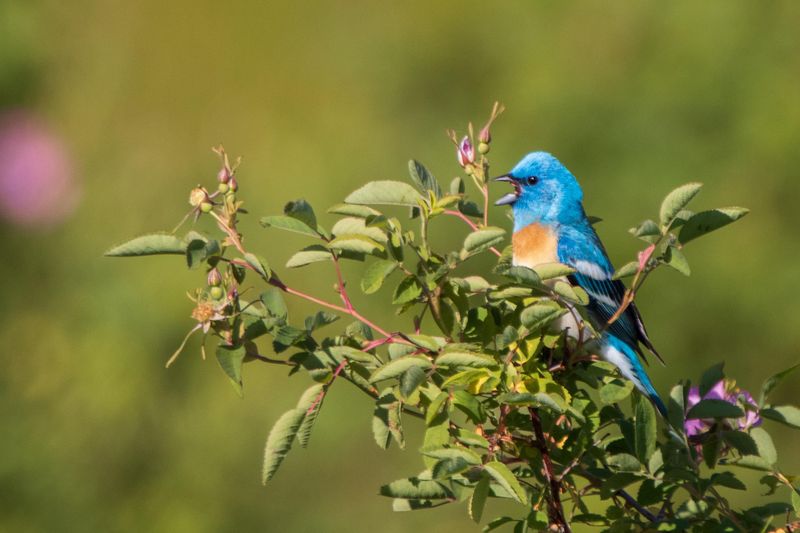
Native plants are a smart choice for homeowners who want to attract birds without turning their yard into an overgrown tangle.
Many native species are low-maintenance, tidy, and perfectly suited to the climate of this region.
Oregon grape is a great example. It provides berries that birds love and has attractive evergreen foliage year-round.
It grows in a structured way that fits neatly into a landscaped yard without taking over.
Red flowering currant blooms early in the season and draws hummingbirds and other species that are looking for food after winter. Planting it along a fence or border creates a natural corridor for birds moving through the yard.
Camas, native grasses, and low-growing sedges fill in ground-level spaces nicely. They give foraging birds places to search without creating thick brush that ticks also love.
Keeping these plantings trimmed and open at the base is key.
Native plants also support the insects that birds depend on. A yard full of native species tends to have a richer insect population, which means more food for birds throughout the seasons.
You do not need a wild meadow to make a difference. Even a few well-chosen native plants mixed into an existing garden can bring in more bird activity.
Start small, observe which birds visit, and expand from there based on what you see working in your specific space.
4. Dense Brush Can Help Birds But Also Shelter Ticks
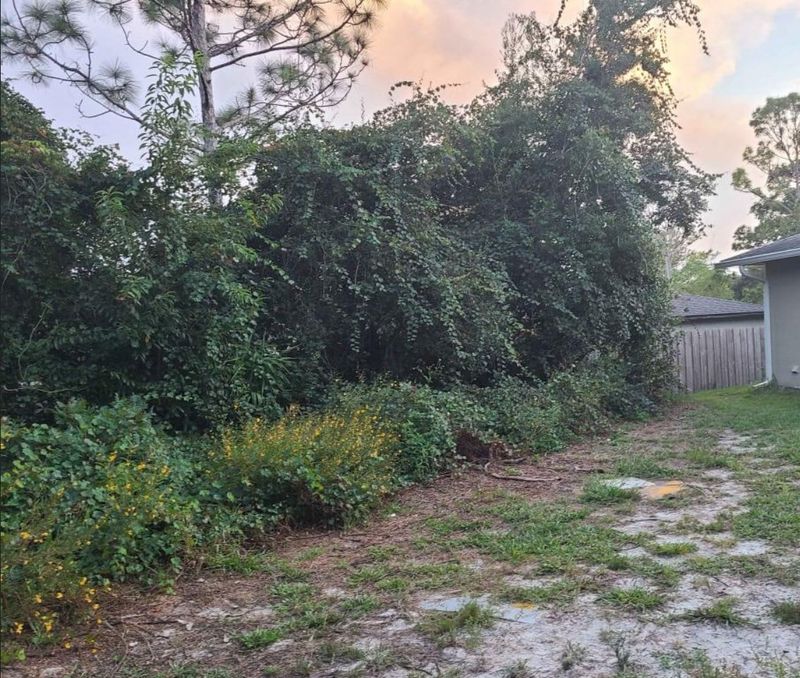
Brush piles and dense shrub areas can be valuable for birds. Wrens, sparrows, and other small species use thick cover for shelter and nesting.
But the same dense, shady spots that birds love are also ideal tick habitat.
Ticks thrive in moist, shaded environments with lots of leaf litter and tall grass. They climb onto vegetation and wait for a passing host. Dense brush gives them plenty of places to do exactly that.
The challenge is finding a balance. You want enough cover to make birds feel safe, but not so much that you are creating a tick haven right next to your patio or play area. Thoughtful placement matters a lot here.
Locate brush piles and dense plantings away from high-traffic areas of your yard. A back corner near a fence line is better than the edge of a garden bed where kids and pets play.
Keep a clear, mowed buffer zone between wild areas and living spaces.
Regularly clearing out old leaf litter from dense areas also helps. Ticks need humidity to survive, and removing accumulated debris reduces the moisture they depend on.
You can do this once or twice a year without harming the bird habitat too much.
Think of brush management as an ongoing task rather than a one-time fix. Checking these areas seasonally and adjusting as needed will help you maintain a yard that supports birds while keeping tick risks as low as possible.
5. Avoid Bird Feeders That Attract Rodents
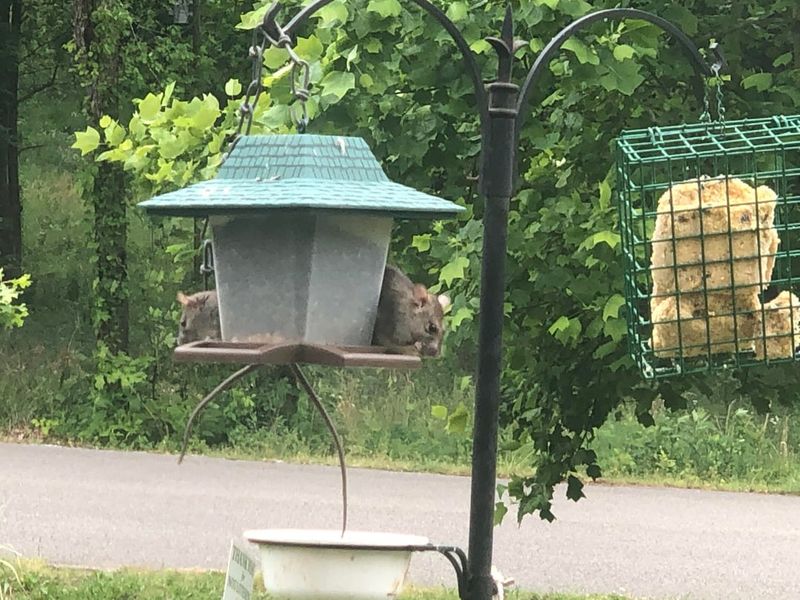
Bird feeders are a popular way to bring more birds into a yard, but they come with a catch. Spilled seed on the ground attracts mice, voles, and other small rodents.
These animals are major tick hosts, and more rodents in your yard can mean more ticks overall.
White-footed mice in particular are known to be efficient carriers of the bacteria that causes Lyme disease.
If your feeder is drawing rodents in regularly, you could be doing more harm than good from a tick-control standpoint.
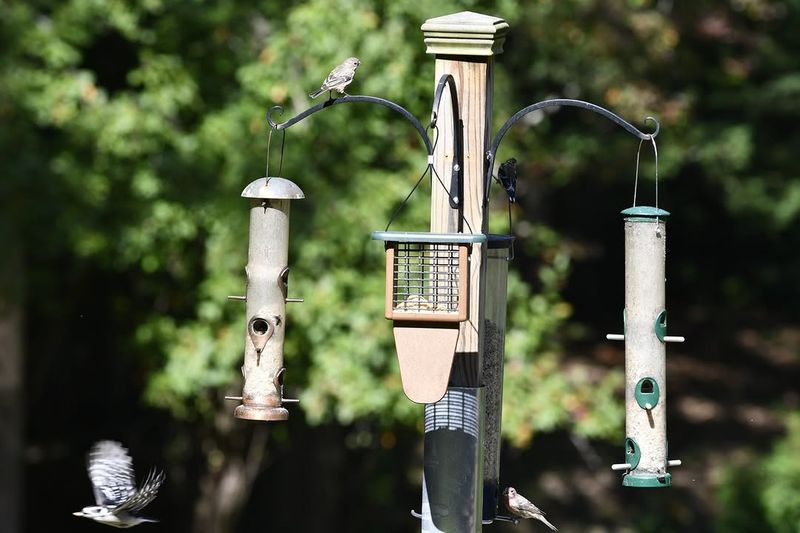
Choosing the right feeder design helps a lot. Tube feeders with small ports waste less seed.
Feeders with catch trays can reduce how much falls to the ground. Placing feeders on baffled poles keeps squirrels and rodents from climbing up and knocking seed loose.
Cleaning up spilled seed every few days is also important. Rake or sweep beneath feeders regularly so that seed does not accumulate and draw in unwanted guests overnight.
Some homeowners choose to skip feeders entirely and focus on native plants that produce natural food sources for birds.
Berries, seed heads, and insects from a well-planted yard can attract just as many birds without the rodent problem.
If you do use feeders, be strategic about placement. Keep them away from wood piles, dense shrubs, and areas where rodents are likely to nest.
A cleaner feeding station is a safer one for your whole yard.
6. Water Sources Should Be Clean And Well-Placed
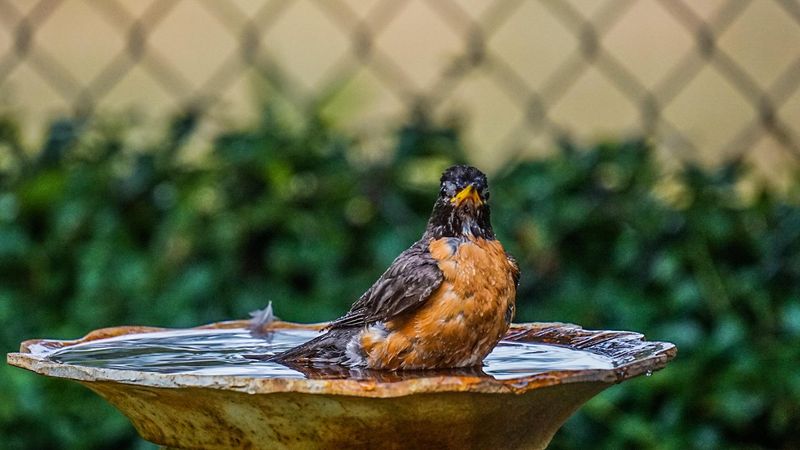
Fresh water is one of the best ways to keep birds coming back to your yard. A reliable water source encourages birds to stay longer, which means more time spent foraging across your lawn and garden.
But placement and cleanliness matter more than most people realize.
Bird baths should be placed in open, sunny areas where birds can easily spot predators. Avoid tucking them into dense shrubs or shaded corners.
Those spots stay damp and cool, which also happens to be exactly what ticks prefer.
Stagnant water is a problem for more than just hygiene. Standing water near tick habitat keeps the surrounding soil and leaf litter moist, which extends tick survival.
Changing the water in your bird bath every two to three days prevents this and also stops mosquitoes from breeding.
Shallow baths work best for most backyard birds. Water that is one to two inches deep lets small birds bathe comfortably without risk.
Adding a rock or two gives them a safe perch while they drink or clean themselves.
A small solar-powered dripper or wiggler can make your bird bath even more attractive. Moving water catches birds’ attention from a distance and keeps the surface from becoming stale between changes.
Keeping your water source clean and well-positioned is a simple habit that pays off. It brings birds in, keeps the area around the bath dry and sunny, and reduces conditions that help ticks survive near your home.
7. Open Sunny Edges Make Yards Less Tick-Friendly
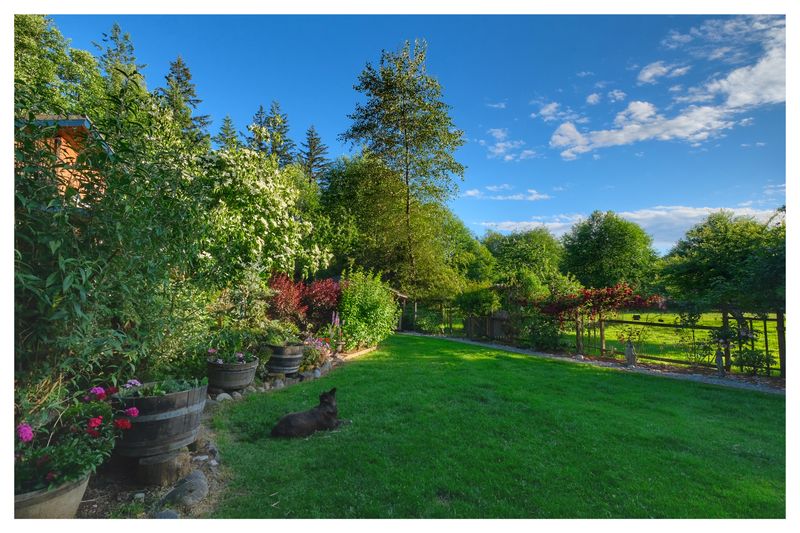
Sunlight is one of the simplest tools you have against ticks. These pests dry out quickly when exposed to heat and sun.
A yard with wide open, well-mowed areas gives ticks far fewer places to survive and wait for a host.
Keeping your lawn trimmed short is one of the most effective things you can do. Tall grass holds moisture and shade at ground level, which is exactly the kind of environment ticks prefer.
A regularly mowed lawn removes that comfort zone entirely. Garden edges matter too. Where your lawn meets a shrub border or flower bed, keep things neat and open.
Avoid letting plants sprawl low across the ground where they create a damp, shaded tunnel effect along the edge.
Sunny borders also attract birds. Many foraging species prefer open areas where they can see clearly and move around without obstruction.
A clean, bright edge between your lawn and plantings is good for birds and bad for ticks at the same time.
Removing unnecessary wood piles, old pots, and debris from sunny areas also helps. These items create shaded hiding spots that ticks and rodents both use.
Keeping your yard tidy and uncluttered removes these micro-habitats.
You do not need to turn your yard into a bare lawn to make progress. Even adding a few feet of open, sunny buffer along the edges of wooded sections or dense beds can make a meaningful difference in tick activity near your living spaces.
8. Birds Help Most When Paired With Smart Yard Maintenance
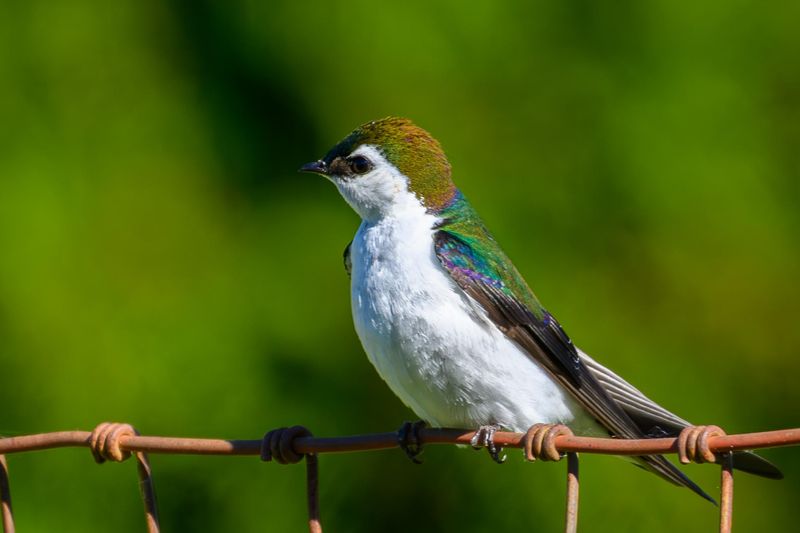
Birds can be a genuine part of your yard’s natural pest-control system, but they work best when you do your part too.
Relying on birds alone while ignoring other tick-friendly conditions in your yard will not get you far. The two have to work together.
Regular yard maintenance is the backbone of any tick-reduction effort. Mowing often, raking leaf litter, trimming overgrown edges, and clearing debris all reduce the habitat ticks need to survive.
These are simple tasks that make a big difference over a season. Pairing that maintenance with bird-friendly features creates a stronger result.
A yard that is clean, open, and well-planted with native species gives birds food, water, and shelter while keeping tick conditions less favorable. You are working from both ends at once.
Checking your family and pets for ticks after time outdoors is still essential, no matter how bird-friendly your yard becomes. Natural controls reduce risk but do not remove it entirely.
Personal habits remain your first line of defense. Seasonal timing also matters. Spring and early fall are peak tick activity periods in Oregon.
Stepping up your yard maintenance and checking bird activity during these months gives you the best coverage when it counts most.
Over time, a yard that combines smart maintenance with a welcoming environment for birds becomes a genuinely healthier space. Small, consistent efforts add up.
The birds do their part, and so do you, and the result is a yard that is more balanced and enjoyable for everyone in it.