Why More Indiana Gardeners Are Reaching For Passionflower This Season
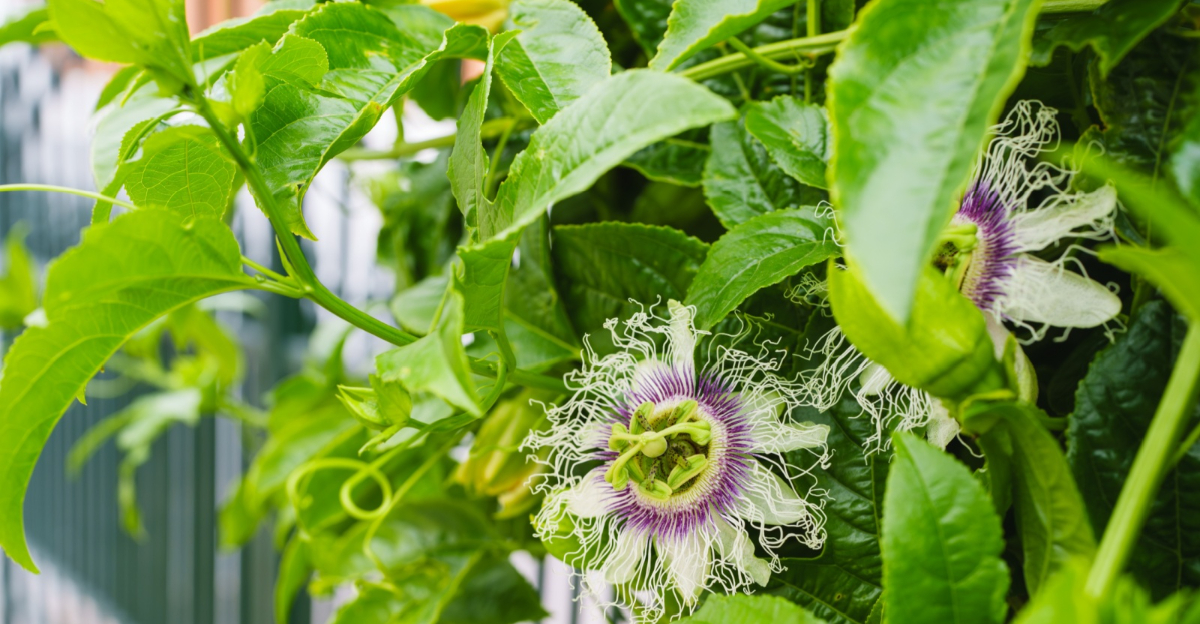
Your fence disappeared last July. A vine had woven itself around it completely, purple blooms trembling like something straight from a rainforest catalog.
You planted passionflower in your Indiana backyard on a whim, half-convinced it would fizzle out by August. Instead, it took over gloriously.
Butterflies arrived first, then sphinx moths at dusk, hovering like tiny helicopters over flowers so intricate they looked hand-painted.
You stood there genuinely confused about what you had growing in Indiana soil. Was this real? Did your boring trellis just become a wildlife corridor?
Turns out, this native vine delivers exotic blooms, edible fruit, and more pollinator action than anything else you have ever grown. It climbs, it wanders, it performs without apology.
Other plants in your yard will start feeling deeply insecure. Your trellis is about to become the most interesting conversation your gardening friends have not had yet.
1. Native To Indiana And Thrives With Minimal Attention
Passionflower is not some fussy import from a faraway tropical island. It has grown wild across Indiana for centuries, long before anyone called it a garden plant.
The botanical name is Passiflora incarnata. It is fully native to the Midwest. That means the soil, the rain, and the summer heat here already suit it perfectly.
The plant does not need to adjust to your climate. It already belongs in it. Most gardeners spend hours babying plants that were never meant to grow here. They amend soil, add fertilizers, and water obsessively.
Passionflower skips all of that by belonging here from the start. It is not fighting your conditions. It is working with them.
Plant it once, step back, and watch it take off on its own. It does not need special fertilizers, amended soil, or constant watering to thrive. Give it a sunny spot and reasonable drainage. That is genuinely all it asks for.
Even beginners report fast, healthy growth in their first season. The vine climbs fences, trellises, and railings without much guidance from you. It finds its own way upward and outward with very little help.
Experienced gardeners call it a low-maintenance reward. You put in almost nothing, and the plant gives back far more than expected.
Season after season, it returns stronger and fuller than the year before. There is something deeply satisfying about growing a plant that was always meant to be here.
Passionflower feels less like gardening and more like welcoming an old friend home. Once it is established, you will wonder why every garden does not have one.
2. Stays Healthy Through Dry Summers
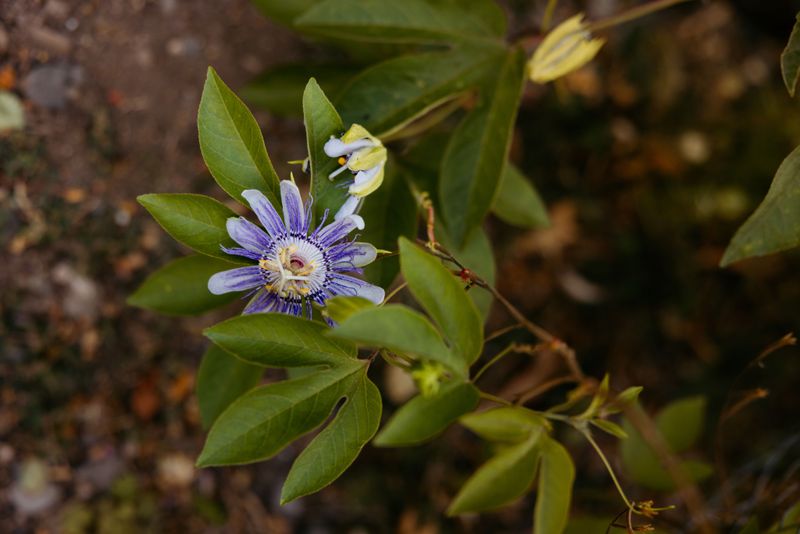
Indiana summers can be brutal. Heat waves roll in, rain disappears for weeks, and plenty of garden plants struggle or fail. Gardeners watch their beds wilt and wonder why they bother.
Passionflower refuses to quit when the weather turns dry and punishing. Its deep root system reaches moisture that shallow-rooted plants simply cannot access.
While other plants gasp at the surface, passionflower is drawing water from much further down.
Your Indiana Garden Changes Every Week. Your Plan Should Too.
Gardening in Indiana changes quickly throughout the season. Every Friday you’ll receive a simple weekly plan showing exactly what to plant, prune, fertilize, harvest, and protect so you never miss the right timing.
Once established, this vine handles drought better than most flowers you would find at a garden center. You do not need to hover over it with a hose every other day.
It manages itself in a way that most plants never could. That drought toughness comes from centuries of adapting to Midwest weather patterns. The plant evolved here.
It knows exactly what to expect from a hot Indiana July. That knowledge is built into its roots, its leaves, and its growth patterns.
Gardeners who have struggled with wilting impatiens or crispy petunias find passionflower to be a welcome change. It keeps its color and energy even when other plants look wilted or stressed.
It stays present and productive through conditions that would finish off most ornamentals. Watering deeply once a week during extreme heat is usually enough to keep it happy.
After the first full growing season, many gardeners report needing to water it even less. The roots go deeper each year and become increasingly self-sufficient.
Passionflower simply stays the course through heat, dry spells, and everything Indiana summer throws at it. It shows up strong all season, rain or shine, and never asks for extra attention.
3. Produces Striking Blooms From Late Spring Through Fall
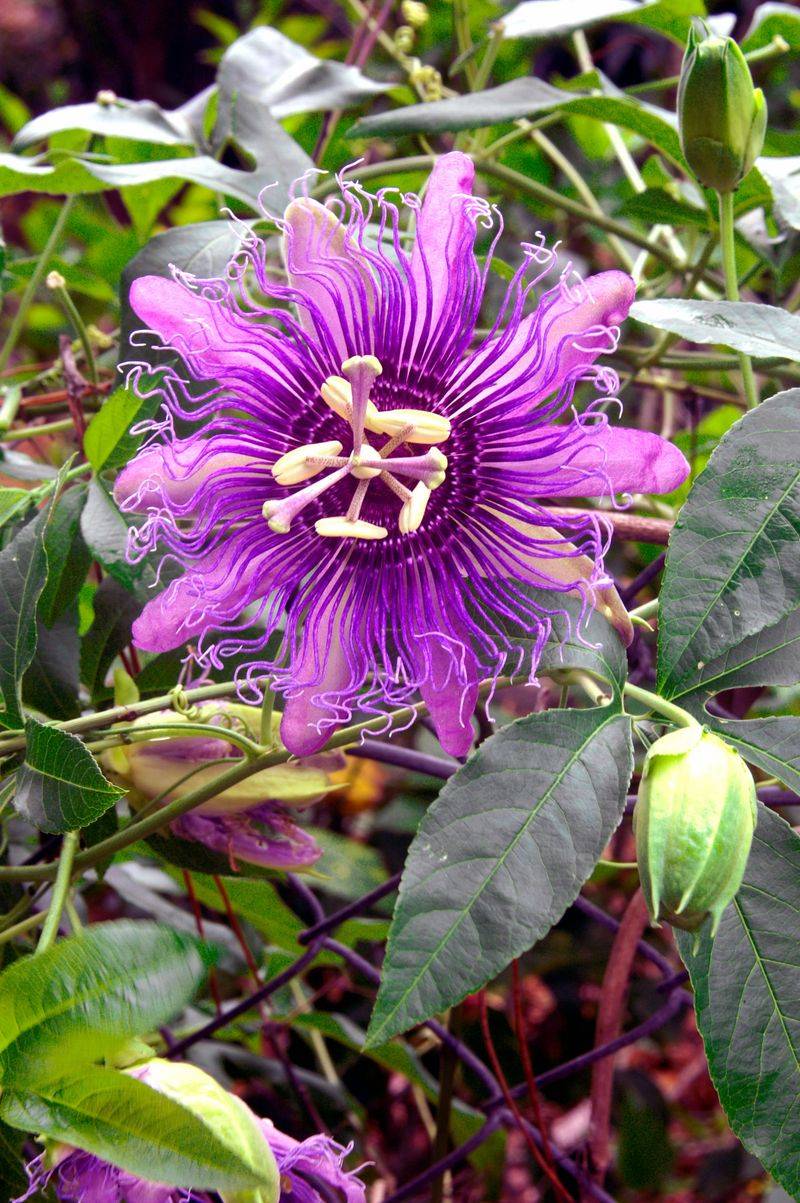
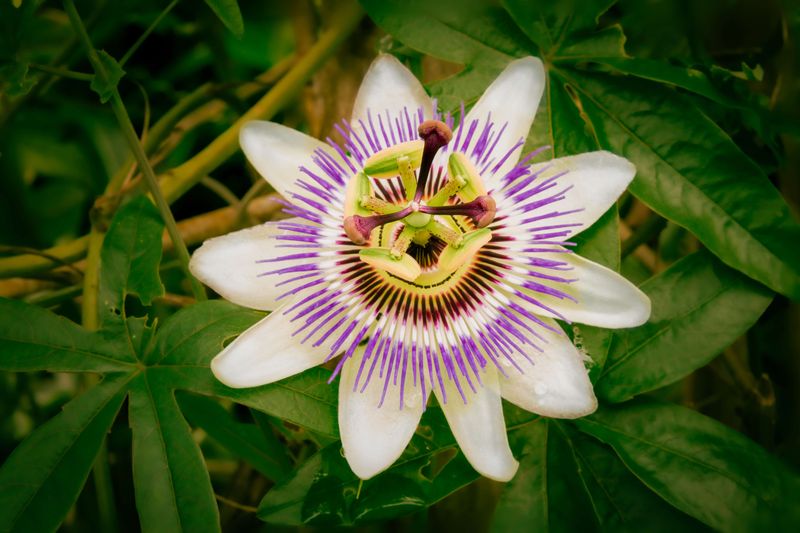
Nothing prepares you for your first passionflower bloom. The flower looks like it was designed by someone who had never seen a normal flower before. It stops people mid-step every single time.
Each blossom features layers of fringed purple and white petals arranged around a raised, jewel-like center. It genuinely looks like it belongs in a rainforest, not a Midwestern backyard.
Guests always assume you grew something rare and imported. You did not. You grew something native.
The blooms open fresh each morning and last through the afternoon. New flowers keep appearing from late spring all the way through early fall.
That means months of continuous color rather than one short burst that fades and disappears.
That long bloom window means your fence or trellis stays colorful for months. You get the visual payoff of a tropical garden without ever leaving your zip code.
No expensive specimens, no heated greenhouse, no complicated care routine. The blooms average about two to three inches across, making them big enough to command attention.
Even from across the yard, that purple fringe catches the eye immediately. It draws people closer every time. Nobody walks past a passionflower without stopping to look.
Most people have no idea that something this visually striking can survive a cold Indiana winter. That surprise reaction never gets old. You will enjoy explaining exactly what it is and watching their expression shift.
Passionflower earns its place in any garden on looks alone. But the blooms are just the beginning of everything this remarkable plant has to offer. What comes next is equally worth knowing.
4. Attracts Butterflies, Bees, And Hummingbirds
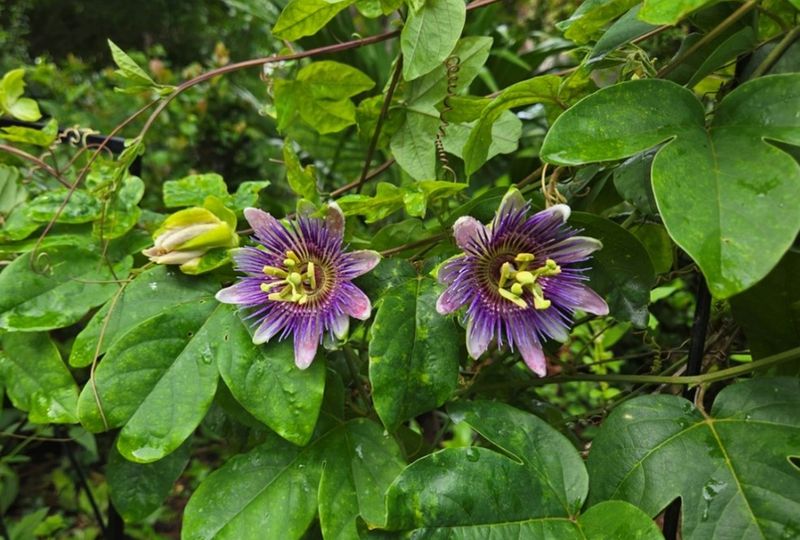
Plant passionflower and your yard becomes a wildlife destination almost overnight. The blooms produce rich nectar that bees and hummingbirds find impossible to resist.
Activity picks up fast once the first flowers open. Butterflies have an especially strong connection to this plant.
The variegated fritillary relies on passionflower as a host plant for its caterpillars, making your vine a genuine part of its life cycle, not just a food stop.
You are not just feeding adults. You are supporting the next generation. That means planting this vine does more than decorate your fence.
It actively supports the full life cycle of some of North America’s most beautiful butterflies. That is a meaningful contribution that most garden plants simply cannot make.
Bees work the blooms steadily throughout the morning hours. Their buzzing presence adds a lively soundtrack to any backyard sitting area nearby.
It transforms a quiet corner of your yard into something that feels genuinely alive. Hummingbirds are drawn to the flower’s structure, which suits their long beaks perfectly.
Spotting one hovering near the vine on a calm morning feels like a genuine gift. It is the kind of moment that makes you glad you chose this plant over something ordinary.
Wildlife gardening has become a growing priority for homeowners across the Midwest. More people want their yards to do something beyond looking neat.
Passionflower is one of the easiest ways to turn a plain yard into a thriving habitat without any complicated planning.
Every bloom you grow is an open invitation to the wild world around you. The more you plant, the more visitors you will welcome into your outdoor space all season long.
5. Grows Edible Maypop Fruit In Fall
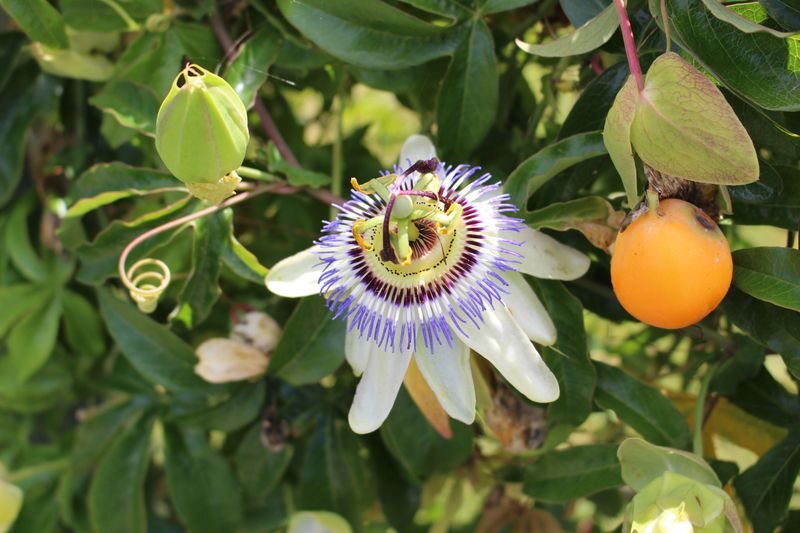
Most gardeners do not expect their ornamental vine to hand them free fruit. Passionflower surprises everyone by producing maypops in late summer and fall.
It is one of the most welcome surprises a backyard plant can offer. Maypops are egg-shaped fruits about the size of a large chicken egg.
When fully ripe, the skin turns from green to a soft yellow and the fruit gives slightly when pressed. That gentle give is your sign that it is ready to eat.
Inside, you find a fragrant, jelly-like pulp filled with seeds. The flavor is sweet with a noticeable tartness, somewhere between a guava and a citrus fruit.
Pick them only when the skin gives slightly under pressure. Unripe maypops are sharply sour and worth avoiding.
It is unlike anything most people have tasted before. First reactions are almost always positive.
You can eat maypops fresh, blend them into smoothies, or strain the pulp for juice. Some Indiana cooks use the pulp in homemade jams and desserts.
The flavor holds up well in both raw and cooked applications. Experimenting with them is half the fun.
Indigenous communities across the Southeast harvested maypops for food long before European settlers arrived.
Eating one connects you to a food tradition that stretches back centuries across the Southeast. That history adds something meaningful to an already enjoyable experience.
Not every vine produces fruit every season, but established plants in full sun tend to fruit reliably.
Many Indiana gardeners have observed more reliable fruiting in recent years, particularly in spots with full sun and warm southern exposure.
Finding a maypop on your vine for the first time feels like discovering a secret. Your neighbors will be surprised to learn your flowering vine also produces edible fruit worth eating.
6. Covers Fences Beautifully For Natural Privacy
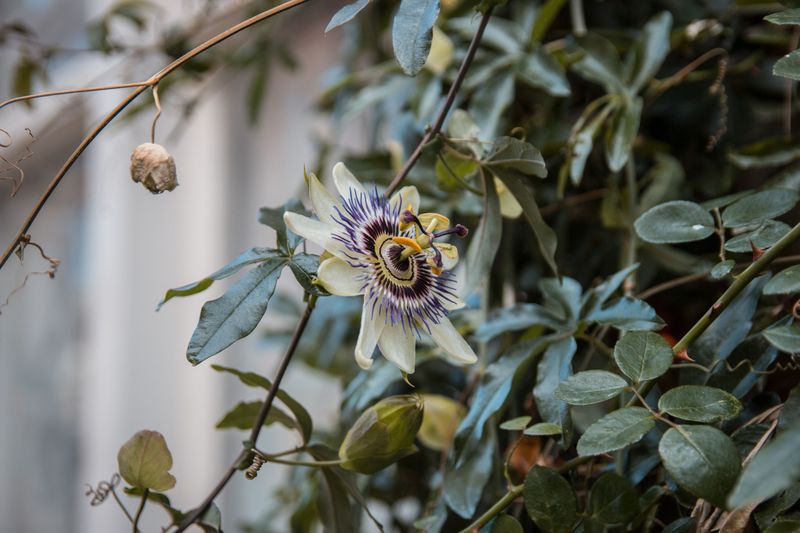
A bare fence is a missed opportunity. Passionflower transforms plain wood or chain link into a living, blooming wall within a single growing season.
The change is noticeable quickly and keeps improving year after year. The vine climbs using small tendrils that spiral around whatever they can grip.
Give it a trellis, chain-link fence, lattice, or railing and it will cover the surface steadily and eagerly.
A solid wooden privacy fence needs horizontal wires or a trellis panel added first to give the tendrils something to hold. Beyond that, it needs no complicated support structure to get going.
By its second or third season, a well-placed vine can stretch several feet wide and keeps expanding year on year.
That kind of coverage creates real visual privacy without the cost of building a taller fence or installing permanent screening. It is one of the most cost-effective privacy solutions available to any gardener.
The dense foliage also muffles street noise and blocks harsh wind. Your outdoor seating area becomes noticeably quieter and more sheltered once the vine fills in properly.
That added comfort makes a real difference on warm evenings outside. Neighbors often comment on how lush and tropical the covered fence looks.
It shifts the entire mood of a backyard from ordinary to something genuinely special. Visitors notice it immediately and always want to know more about it.
Planting passionflower along a fence line also reduces the need for traditional screening plants like arborvitae.
You get faster coverage, seasonal blooms, and wildlife habitat all in one plant. Nothing else on the market delivers that combination at this price point.
A covered fence stops being a boundary and starts being a feature. Passionflower makes the edges of your yard the most interesting part of the whole space.
7. Goes Dormant In Winter But Returns Each Spring
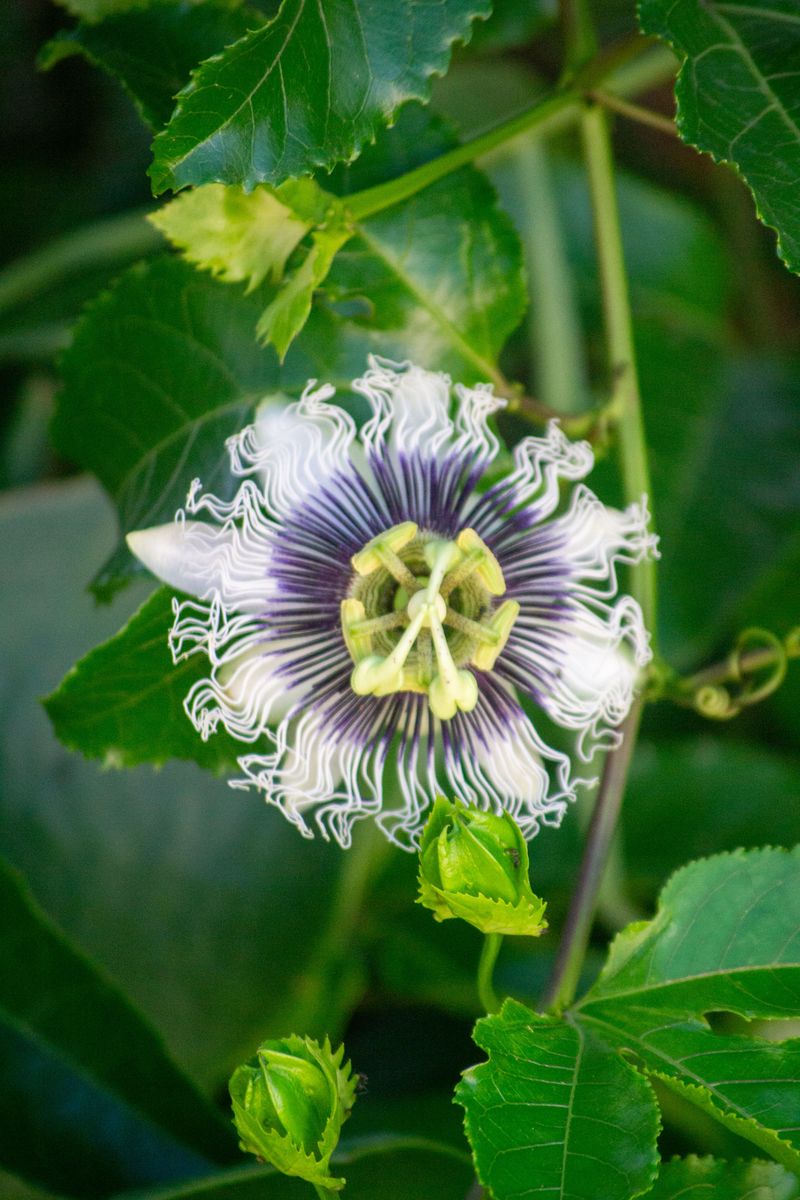
Every fall, passionflower pulls a disappearing act that worries new growers every single time. The vine goes dormant, foliage fades, and stems dry out above ground.
It looks, to every new gardener, like something has gone very wrong. First-time growers often assume the worst and pull the whole thing out.
That is the one mistake you absolutely want to avoid making. What looks like an ending is actually just a pause. The plant is very much alive underneath.
Underground, the root system stays fully active through the cold months. It is quietly storing energy, waiting for soil temperatures to rise again in spring.
Nothing about that process is visible from the surface. You simply have to trust it. Once the ground warms in April or May, new shoots push up through the soil with surprising speed.
Within weeks, the vine is climbing again like nothing ever happened. The rate of return growth catches most people off guard the first time they see it.
This cycle of dormancy and return is part of what makes passionflower so reliable. You do not replant it every year the way you would a tender annual.
It handles the hard season on its own and comes back ready to perform again. Marking the spot where your vine grows helps you avoid accidentally digging it up in early spring.
A small garden stake near the base is all you need as a reminder. It takes two seconds and saves a lot of frustration later.
Watching those first green shoots emerge each spring never gets old. Passionflower rewards patient gardeners with a comeback that feels genuinely exciting every single year.