This Backyard Gardening Trend Is Taking Over Small Oregon Suburbs
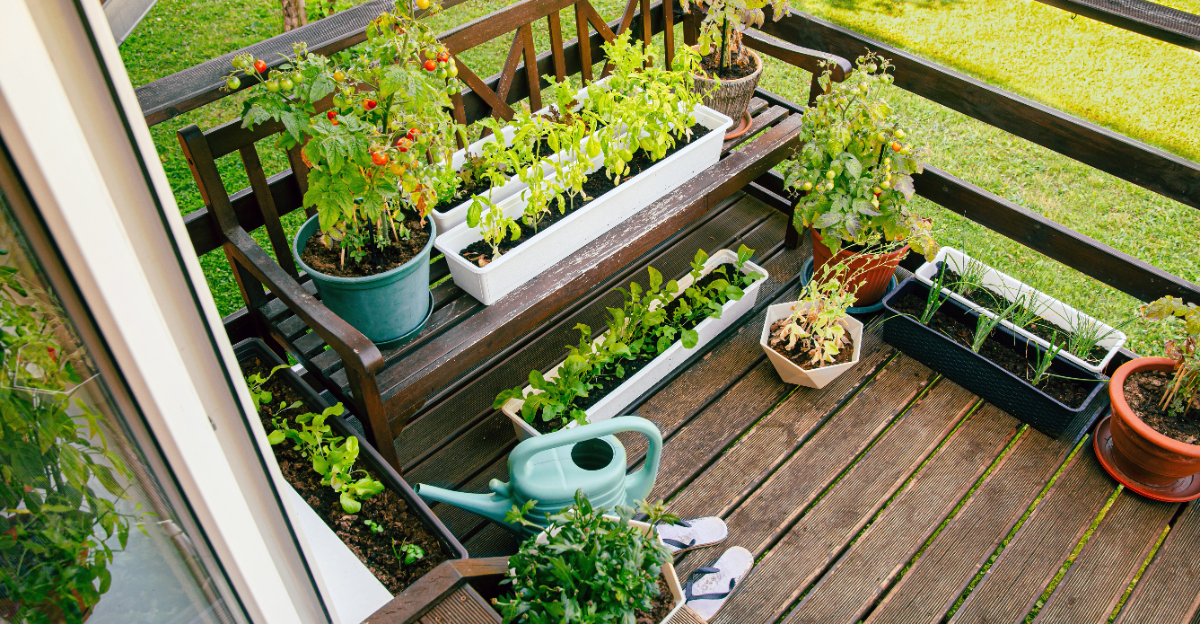
Small Oregon yards are getting a lot more productive. Homeowners are turning patios, side yards, and narrow fence lines into places that grow real food.
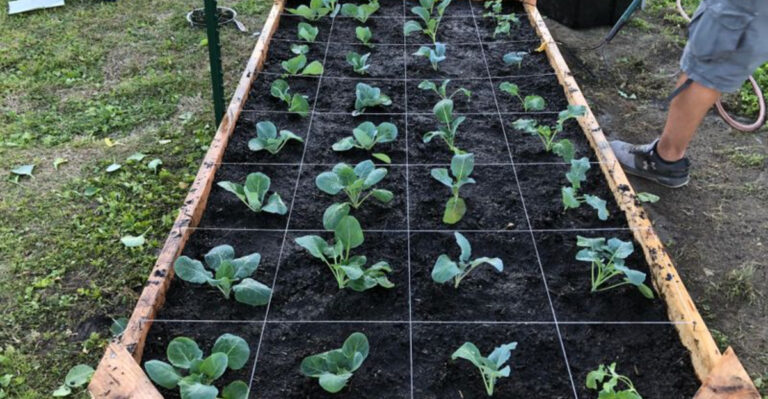
That is why small-space food gardens are becoming such a popular backyard trend in suburbs across the state. The idea feels simple, but the payoff can be huge.
A few containers can hold herbs near the kitchen. A raised bed can turn a sunny corner into a steady harvest spot.
Even a trellis can help a tight yard grow upward instead of outward. This kind of garden fits busy lives because it starts small and stays manageable.
It also makes fresh food feel closer and more personal. For Oregon homeowners with limited room, a small-space food garden can turn an ordinary backyard into something useful, pretty, and rewarding.
1. Small-Space Food Gardens Make Tiny Yards Productive
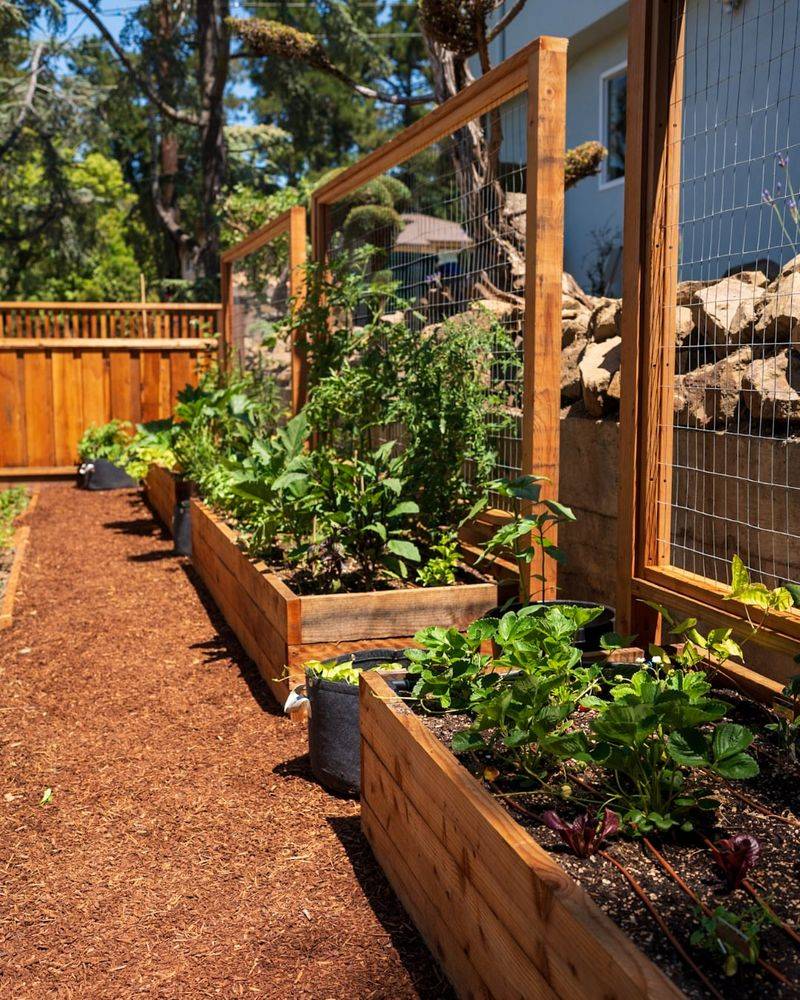
Backyards in suburban Oregon are getting a serious makeover, and the results are impressive.
Homeowners with small lots are discovering that even a 10-by-10-foot space can produce a surprising amount of food.
The key is planning your layout carefully before you plant anything.
Most small-space gardeners start by mapping out their yard on paper. They figure out where the sun hits longest, where water tends to pool, and which spots stay shaded most of the day.
Sunlight is the most important factor for food crops, so even a small sunny patch is worth using well.
Mixing plant types smartly helps too. Tall plants like corn or sunflowers can block shorter crops if placed wrong, so taller plants usually go on the north side of a bed.
Compact varieties of popular vegetables work best in tight spaces. Look for words like “bush,” “patio,” or “dwarf” on seed packets.
Keeping paths narrow is another trick small-space gardeners use. A path just wide enough to kneel beside a bed saves several square feet.
Every inch you save on walking space is an inch you can use for growing food.
With a little planning and the right plant choices, even the smallest suburban lot in Oregon can become a productive food garden that feeds a family through much of the year.
2. Raised Beds Help Oregon Gardeners Warm Soil Faster
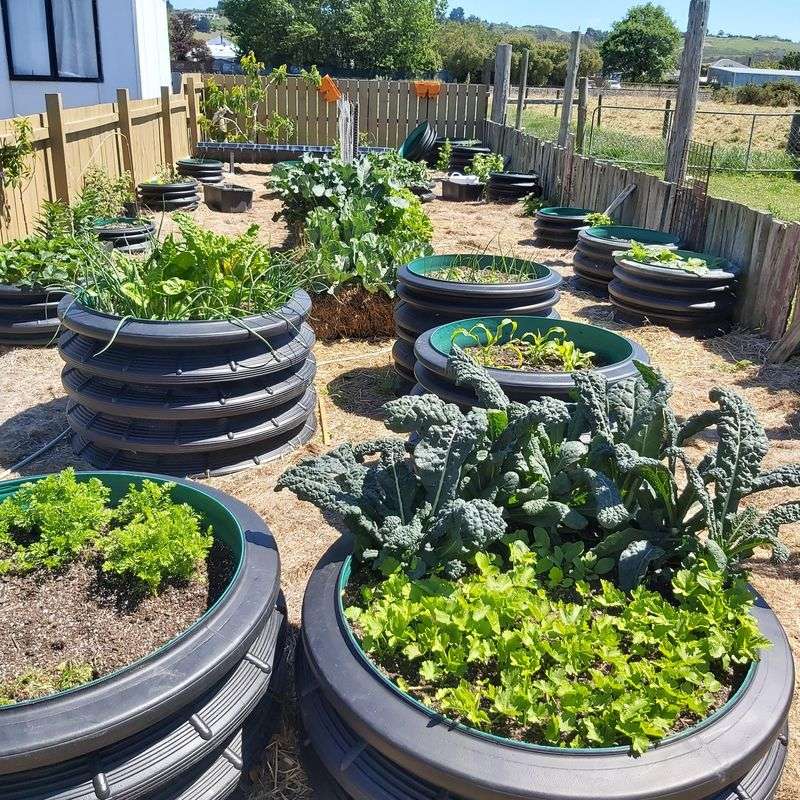
Spring in the Pacific Northwest can be stubborn. Rain lingers, temperatures stay cool, and the ground takes forever to dry out enough to work.
Raised beds solve this problem in a surprisingly simple way.
Because they sit above ground level, raised beds drain faster and warm up earlier in the season. Soil in a raised bed can be ready to plant two to four weeks before in-ground soil in the same yard.
That extra time matters a lot when you are trying to grow tomatoes or peppers in a short growing season.
Filling a raised bed with quality soil is one of the best investments a gardener can make. A mix of compost, topsoil, and a little aged manure gives plants a rich, loose environment to grow in.
Unlike heavy clay soils common in many parts of Oregon, a well-mixed raised bed stays loose and drains well even after heavy rain.
Your Oregon Garden Changes Every Week. Your Plan Should Too.
Gardening in Oregon changes quickly throughout the season. Every Friday you’ll receive a simple weekly plan showing exactly what to plant, prune, fertilize, harvest, and protect so you never miss the right timing.
Raised beds also make it easier to manage weeds. Because you are starting with clean, purchased soil, weed seeds are less of a problem from the beginning.
A layer of mulch on top of the soil helps keep any new weeds from taking hold. Gardeners with back or knee problems often find raised beds more comfortable to tend because they do not require as much bending.
Building just one or two raised beds is a great way to start growing more food at home.
3. Containers Turn Patios Into Mini Vegetable Gardens
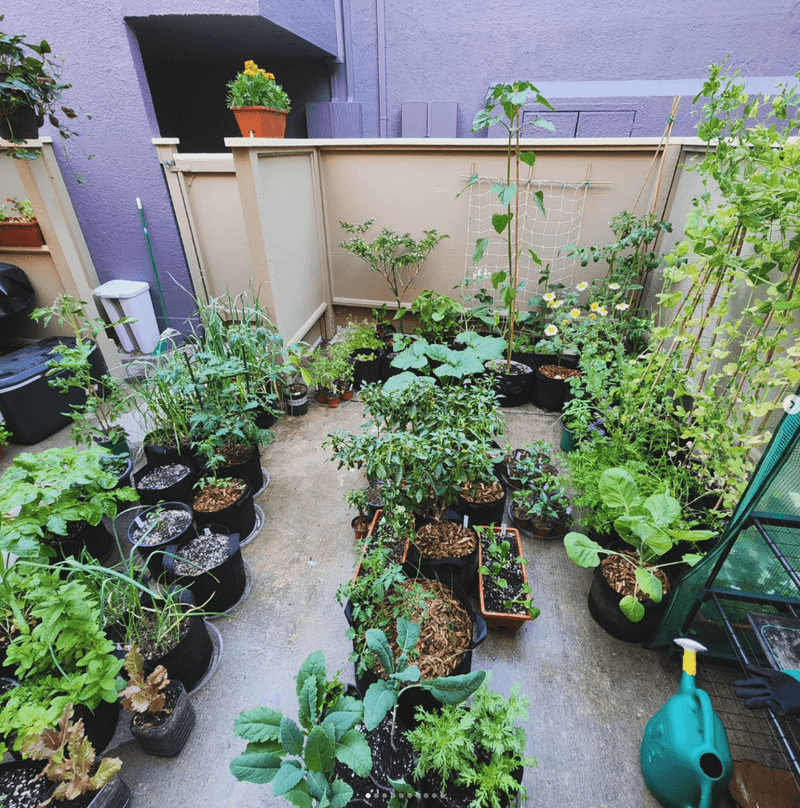
Not everyone has a patch of ground to dig up or even space for a raised bed. That is where containers come in.
Pots, buckets, fabric grow bags, and window boxes can all hold vegetables that produce real harvests through the season.
Container gardening has exploded in popularity because it is so flexible. You can move pots to follow the sun, bring them inside if a late frost threatens, and rearrange your whole setup without any permanent changes to your yard.
Renters especially love this because they can take their garden with them when they move.
Choosing the right container size makes a big difference. Tomatoes need at least a five-gallon pot to thrive.
Lettuce and herbs do fine in smaller containers. Fabric grow bags have become a favorite because they breathe well, prevent roots from circling, and fold up flat for storage in winter.
Watering is the one area where containers require more attention than in-ground gardens. Pots dry out faster, especially during the hot, dry summers common in southern and eastern parts of Oregon.
Checking moisture daily during warm weather keeps plants from stressing. A simple moisture meter takes the guesswork out of watering.
With the right containers and a consistent routine, a patio can produce enough salad greens, herbs, and even small tomatoes to make a noticeable difference in your grocery bill all season long.
4. Vertical Supports Make Fences Work Harder
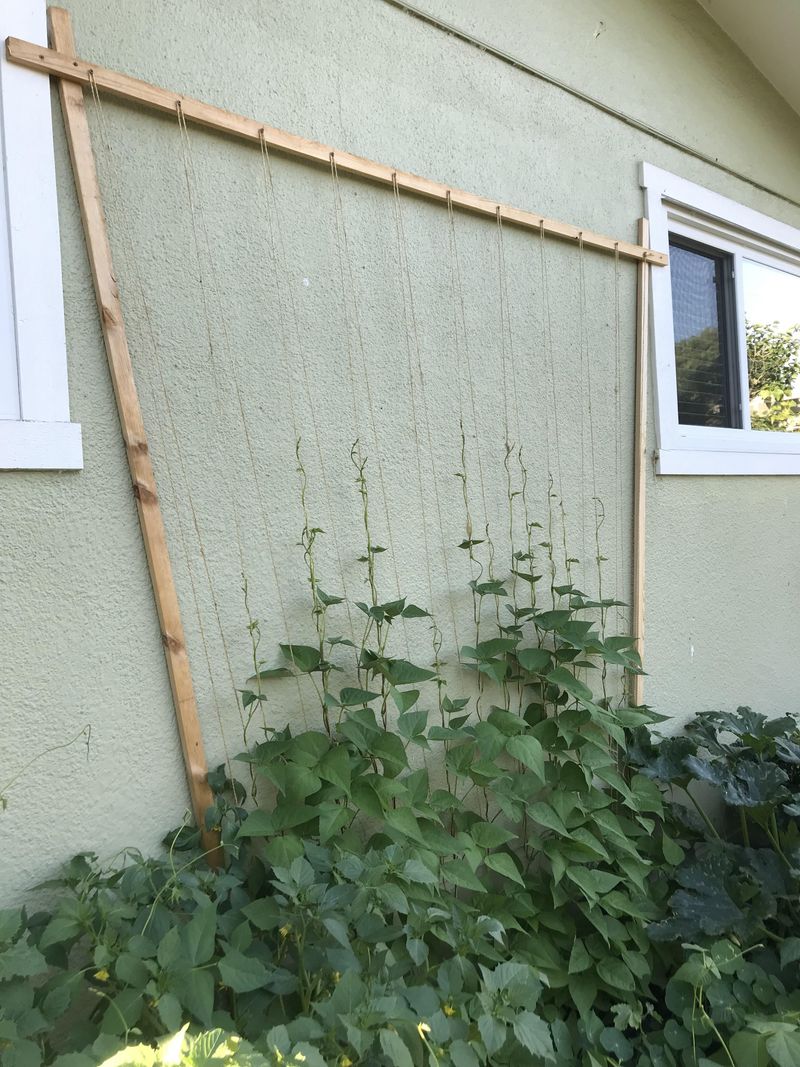
Fences are one of the most underused resources in a suburban yard. Most homeowners see them as boundaries.
Smart gardeners see them as growing space. A fence line can support climbing plants that produce a lot of food without taking up any ground space at all.
Cucumbers, pole beans, peas, and even small squash varieties all climb happily when given something to hold onto. Attaching a simple wire trellis or a piece of cattle panel to an existing fence creates an instant vertical garden.
Plants grow up instead of out, which means you are stacking productivity without expanding your footprint.
Vertical growing also improves air circulation around plants. When foliage is spread out vertically instead of bunched on the ground, air moves through more freely.
Better airflow means less disease pressure, which is especially helpful during the wet springs this region is known for.
Harvesting is easier too. Beans and cucumbers grown on a fence are at eye level instead of hidden under leaves on the ground.
You spot them quickly and pick them before they get too large and tough. Keeping fruits picked regularly encourages the plant to keep producing.
Even a short fence section, just six to eight feet long, can support enough climbing vegetables to add real variety to your meals.
Adding simple hooks or clips to hold stems in place helps plants stay supported as they grow heavier through the season.
5. Herbs And Greens Give The Fastest Payoff
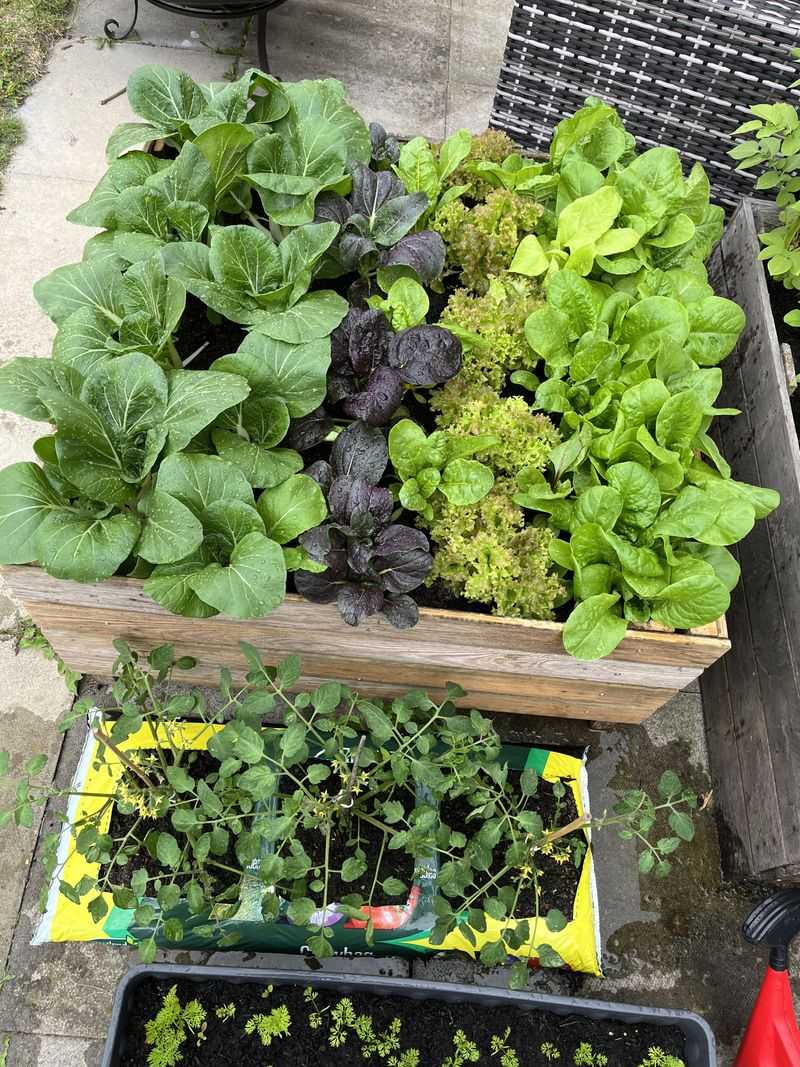
For anyone who wants quick results from a garden, herbs and greens are the place to start. Some leafy greens are ready to pick in as little as 30 days from planting.
That kind of fast turnaround keeps new gardeners motivated and keeps the kitchen stocked with fresh food.
Lettuce, spinach, arugula, and kale are all easy to grow in cool weather. Those crops thrive from early spring through late fall, giving gardeners a long productive window on either end of summer.
A small raised bed or a few containers planted with mixed greens can supply enough salad for a family every week.
Herbs are just as rewarding. Basil, parsley, cilantro, chives, and mint all grow well in containers on a sunny porch or windowsill.
Fresh herbs make a huge difference in home cooking, and buying them at the store is surprisingly expensive for what you get. Growing your own saves money and means you always have them on hand.
One helpful tip is to harvest greens and herbs by cutting outer leaves first. This encourages the plant to keep pushing out new growth from the center.
Pulling whole plants too early ends your harvest before it needs to. With a little patience and regular light harvesting, a small herb and greens garden can produce continuously for months, making it one of the most cost-effective things a suburban gardener can grow.
6. Tomatoes And Beans Fit Better When They Grow Up
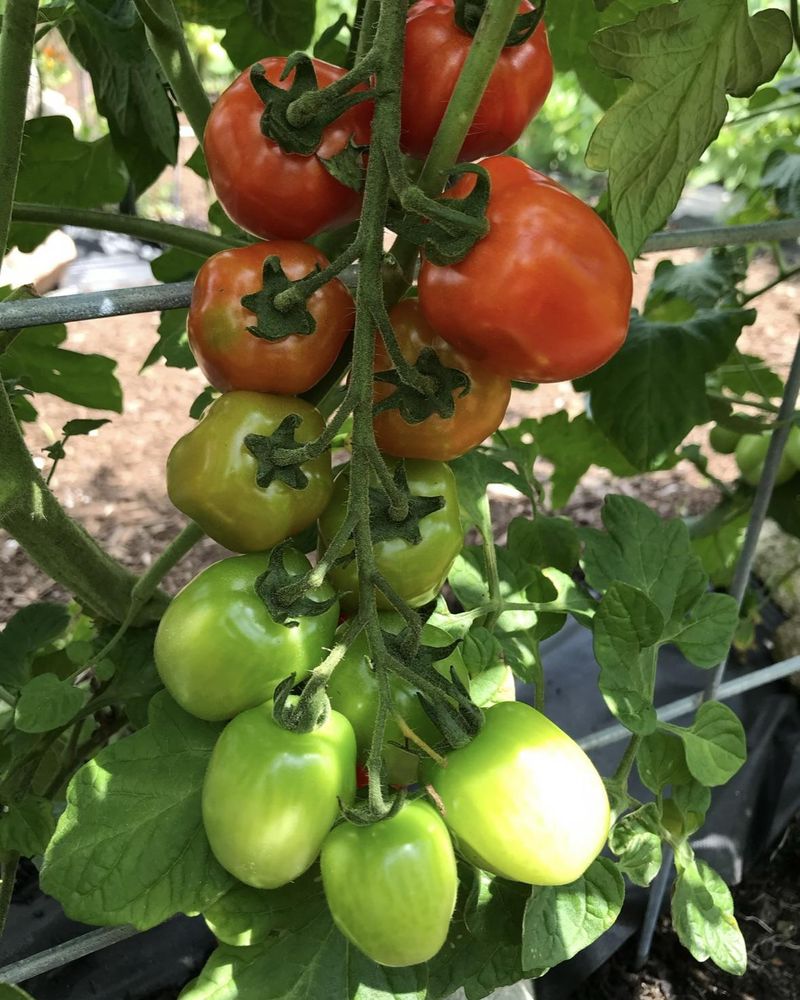
Two of the most popular backyard crops, tomatoes and beans, share a useful trait. Both grow better when they are trained to grow upward instead of sprawling along the ground.
For small suburban yards, this habit makes them much easier to fit into a tight garden layout.
Indeterminate tomato varieties keep growing and producing until cold weather stops them. Without support, they collapse under their own weight and become a tangled mess.
A sturdy stake, a wire cage, or a simple string trellis keeps them upright, improves airflow, and makes harvesting much easier. Compact or determinate varieties work well in raised beds and containers when space is really tight.
Pole beans are one of the most space-efficient crops a suburban gardener can grow. One short row of poles or a simple teepee structure made from bamboo can support enough beans to feed a family all summer.
They go from seed to first harvest in about 60 days, which fits nicely into the Oregon growing season.
Training plants upward also keeps fruits cleaner. Tomatoes and beans that touch the ground are more likely to rot or attract pests.
Keeping everything off the soil surface reduces those risks significantly. For anyone working with a small yard, choosing crops that naturally want to climb is one of the smartest decisions you can make.
It multiplies what your garden can produce without requiring a single extra square foot of ground space.
7. Drip Irrigation Keeps Small Gardens Easier To Manage
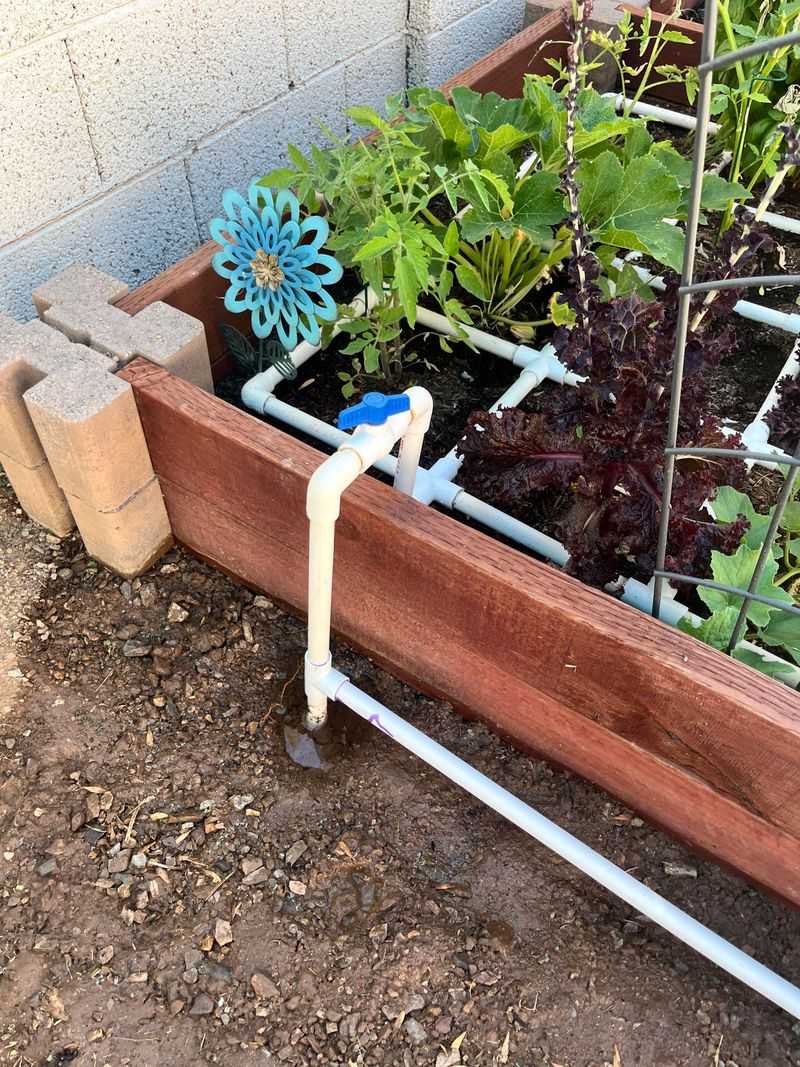
Watering a garden by hand every day gets old fast. It is time-consuming, easy to forget, and often inconsistent.
Drip irrigation solves all three problems at once, and it is more affordable and easier to set up than most people expect.
A basic drip system connects to a standard outdoor faucet and runs thin tubing to each plant or bed. Small emitters release water slowly right at the soil surface near the roots.
This method uses far less water than sprinklers and delivers moisture exactly where plants need it most, reducing waste significantly.
In the dry summers that hit many parts of Oregon hard, consistent watering is the difference between a thriving garden and a struggling one.
Drip systems can be connected to a simple timer, which means your garden gets watered even when you are at work or away for the weekend.
That reliability makes a huge difference in plant health and overall harvest size.
Drip irrigation also keeps foliage dry, which reduces fungal disease problems. Wet leaves from overhead watering encourage mildew and blight, especially during the cooler parts of the season.
Keeping water at ground level avoids that issue entirely. Setting up a basic drip system for a small raised bed garden takes about an afternoon and costs around 30 to 60 dollars for most setups.
Once it is in place, it practically runs itself, freeing up your time to enjoy the garden rather than just maintain it.
8. Succession Planting Makes One Bed Produce More
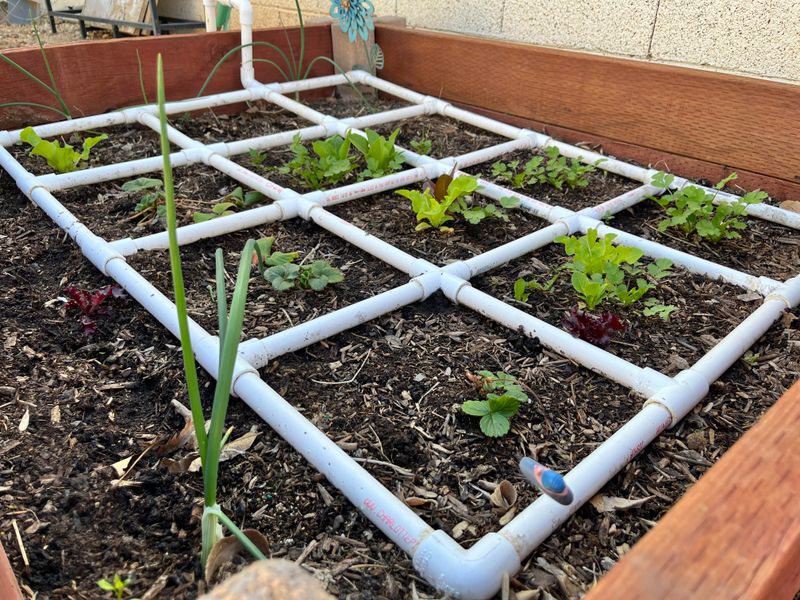
Most gardeners plant everything at once and then wonder why they have a huge harvest for two weeks and nothing after that.
Succession planting fixes this problem by spreading out planting dates so the harvest keeps coming steadily all season long.
The idea is simple. Instead of planting all your lettuce seeds on the same day, you plant a small batch every two to three weeks.
By the time the first planting is finishing up, the next one is ready to pick. You get a continuous supply instead of a feast followed by a long empty stretch.
Succession planting works especially well with fast-maturing crops like radishes, lettuce, spinach, cilantro, and bush beans.
These plants go from seed to harvest quickly, which means you can fit multiple rounds into a single growing season.
In the mild climate of western parts of Oregon, you can often start succession plantings as early as March and keep them going into October.
Keeping a simple planting calendar helps a lot. Write down what you planted, where it went, and when you plan to plant the next batch.
A small notebook or a notes app on your phone works perfectly for this. Over time, you start to see patterns and get better at timing each planting.
Gardeners who use this method often say they feel like their garden never stops giving, which makes all the effort feel worthwhile and keeps them coming back season after season.
9. Compact Fruit And Berries Add Long-Term Value
Vegetables get most of the attention in backyard gardens, but fruit plants deserve a spot in the plan too.
Compact fruit trees and berry bushes produce food year after year from the same plant, which means the long-term value they add to a small yard is hard to beat.
Blueberries are one of the best choices for suburban yards in Oregon. They grow well in the acidic soil common in many western parts of the region, they stay a manageable size, and they produce abundantly once established.
A pair of bushes planted together for cross-pollination can supply a family with fresh blueberries for six weeks or more each summer.
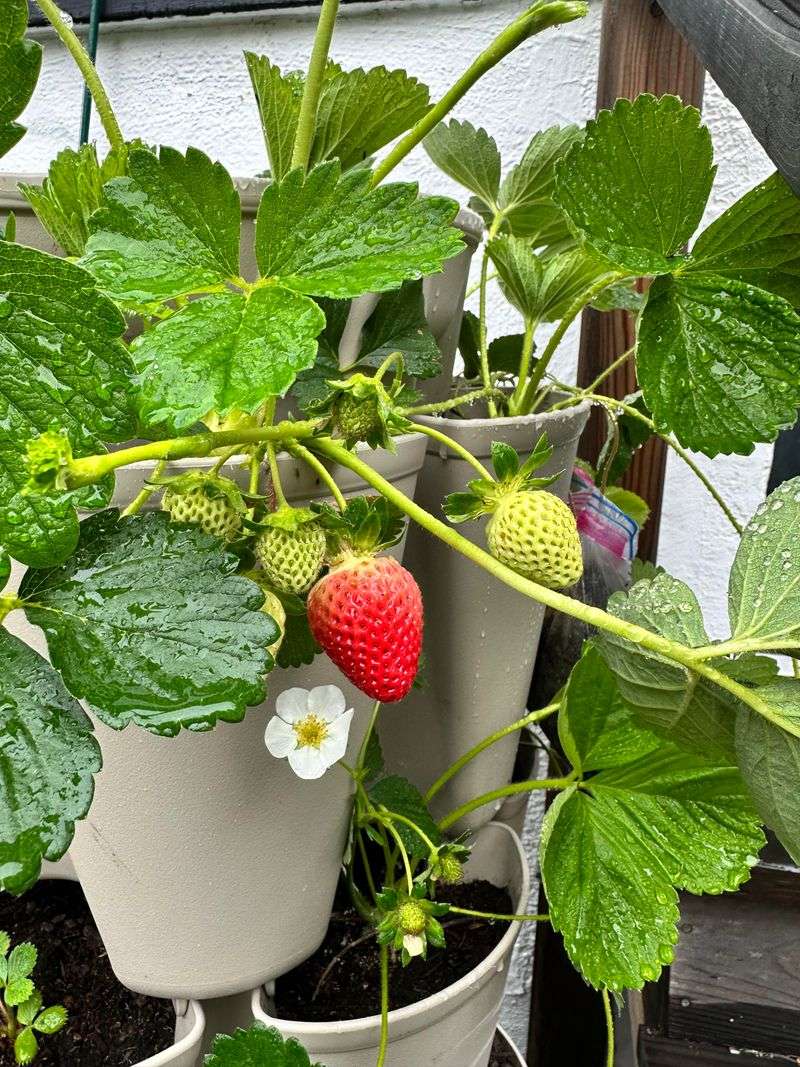
Strawberries are another excellent option for tight spaces. They grow happily in raised beds, containers, or hanging baskets.
Everbearing varieties produce smaller batches of fruit throughout the season rather than one big harvest, which makes them perfect for snacking and fresh use.
Dwarf apple and pear trees bred for small spaces can even be trained flat against a fence in a method called espalier, which looks beautiful and saves a lot of room.
Unlike vegetables that need replanting every year, fruit plants reward patience. The first year or two may produce little, but by year three most berry bushes and dwarf fruit trees are producing well.
Planting even one or two fruit plants this season starts a long-term harvest that will keep paying off for years to come in your suburban yard.