Oregon Gardeners Are Ditching Hostas In Shade Gardens For These Natives That Handle Dry Spells Too
Hostas may rule the classic shade bed, but many Oregon gardeners are ready for something tougher.
After a few hot, rainless weeks, those broad leaves can scorch, droop, and demand more water than anyone wants to haul across the yard.
Native shade plants offer a smarter fit for local conditions, especially once their roots are established.
They can handle dappled light, lean soil, summer dryness, and the occasional heat spike without turning the garden into a constant rescue project.
Better yet, they bring texture, seasonal color, and habitat value while blending naturally with woodland edges and older trees. Swapping out hostas does not mean settling for a dull patch of green.
The right native choices can create layers, movement, and year-round interest with far less fuss.
For gardeners tired of crispy leaves and thirsty beds, these resilient alternatives make shade gardening feel practical, polished, and much more Oregon-friendly overall today.
1. Ososberry Waking Up Shade Gardens Extra Early
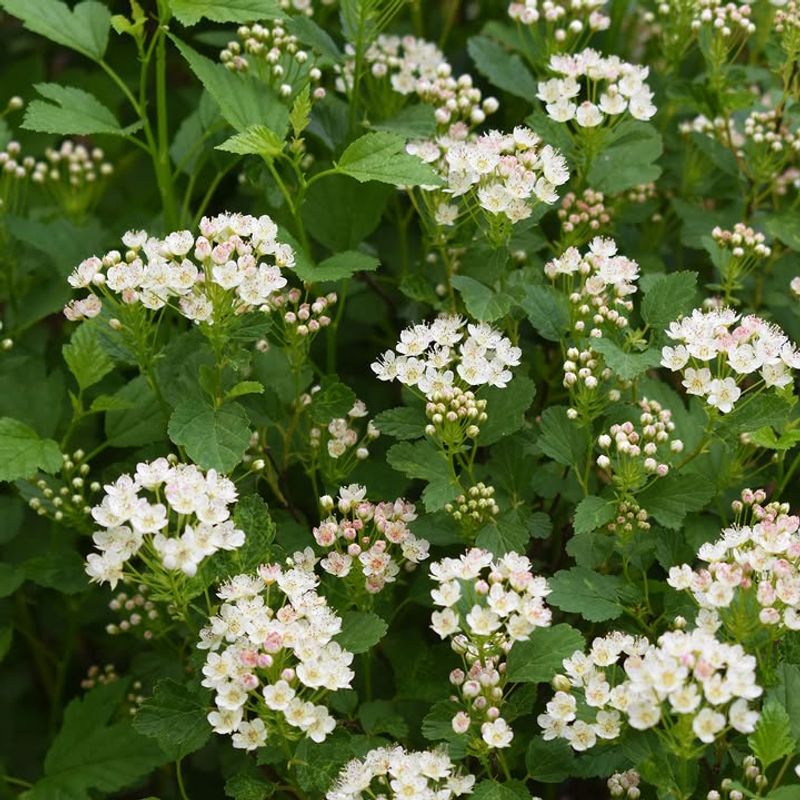
Before most plants even think about waking up, ososberry is already putting on a show. This native shrub is one of the very first plants to leaf out each spring, sometimes as early as February.
That early green is a welcome sight after a long, grey winter in the Pacific Northwest.
Ososberry handles dry shade better than almost any other shrub in our region. Once it gets settled into the ground, it asks for very little water and keeps growing steadily year after year.
It works well along fences, under big conifers, or in any shady corner that tends to dry out by midsummer.
The small, white, drooping flowers smell faintly sweet and attract early pollinators when not much else is blooming. Female plants produce small plum-like fruits that birds absolutely love.
That wildlife connection is a big reason native plant gardeners are choosing it over hostas.
It can grow six to fifteen feet tall, so give it some room. If space is tight, you can prune it lightly after flowering to keep it manageable.
Ososberry spreads slowly by root sprouts, which can fill in a bare shady area nicely over time. Pairing it with lower groundcovers creates a layered, woodland look that feels natural and full without requiring much upkeep at all.
2. Oceanspray Bringing Fluffy Blooms To Tough Spots
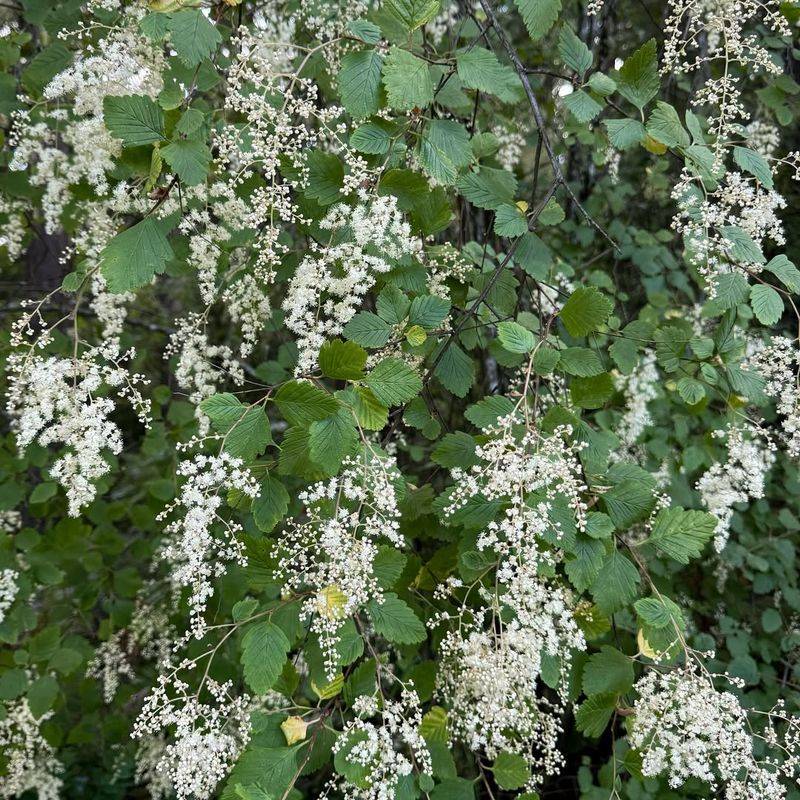
Few native shrubs put on a floral display quite like oceanspray. In early summer, it erupts in cascading, creamy white flower clusters that look like foam spilling over the branches.
Gardeners who see it in bloom for the first time almost always want one for their own yard.
What makes it even better is how tough it really is. Oceanspray thrives in dry, rocky, or poor soils where other plants refuse to cooperate.
It handles full sun to partial shade, which makes it flexible enough to work in tricky garden spots that get uneven light throughout the day.
This shrub is native to the Pacific Northwest and grows naturally along hillsides, roadsides, and forest edges across the region.
That background means it is completely comfortable with our dry summers and wet winters without any special care from you.
Your Oregon Garden Changes Every Week. Your Plan Should Too.
Gardening in Oregon changes quickly throughout the season. Every Friday you’ll receive a simple weekly plan showing exactly what to plant, prune, fertilize, harvest, and protect so you never miss the right timing.
It can grow anywhere from three to fifteen feet tall depending on conditions, so it works as a background shrub or a loose hedge.
After the flowers fade, the dried seed heads stay on through winter and give the garden some texture during the quieter months.
Birds and insects use it for shelter and food throughout the year. Replacing a clump of thirsty hostas with oceanspray gives you bold seasonal interest, real wildlife value, and a plant that practically takes care of itself once it is in the ground.
3. Piggyback Plant Piling On The Leafy Texture
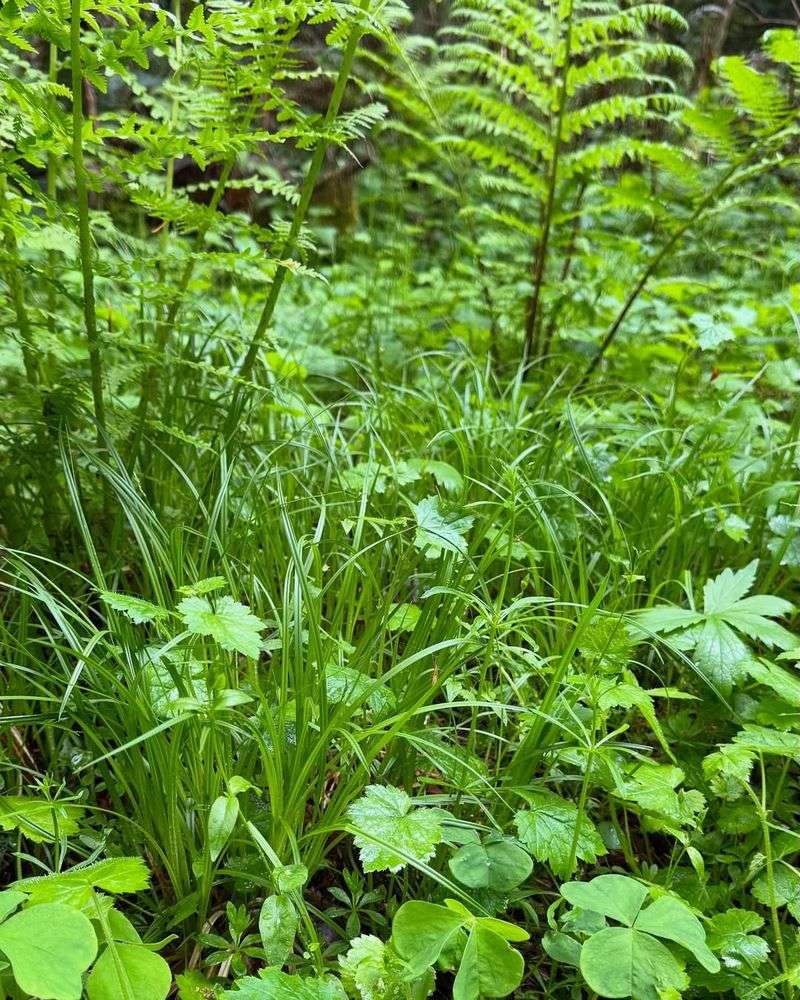
There is something genuinely charming about a plant that grows tiny baby plants right on top of its own leaves.
That is exactly what the piggyback plant does, and it is one of the reasons gardeners find it so fun to grow.
Each mature leaf can sprout a new plantlet at its base, which is where the nickname comes from.
Native to moist, shaded forests along the Pacific Coast, this plant is already adapted to the kind of conditions found in many home gardens across Oregon.
It forms a low, spreading mound of soft, maple-shaped leaves that look lush and full all season long.
The texture is rich enough to rival any hosta in a shady bed.
Piggyback plant does prefer some moisture, but it handles dry spells better than most people expect, especially when planted under trees where its roots can spread and find water on their own.
A layer of mulch around the base helps it stay comfortable during the driest summer months.
The tiny reddish-brown flowers on tall wiry stems add a delicate detail that most gardeners appreciate up close. It spreads gently over time and is easy to divide and share.
If you want that dense, leafy look that hostas are known for but with a plant that actually belongs here, the piggyback plant delivers that same satisfaction with far less fuss.
4. Foamflower Giving Hostas A Native Run For Their Money
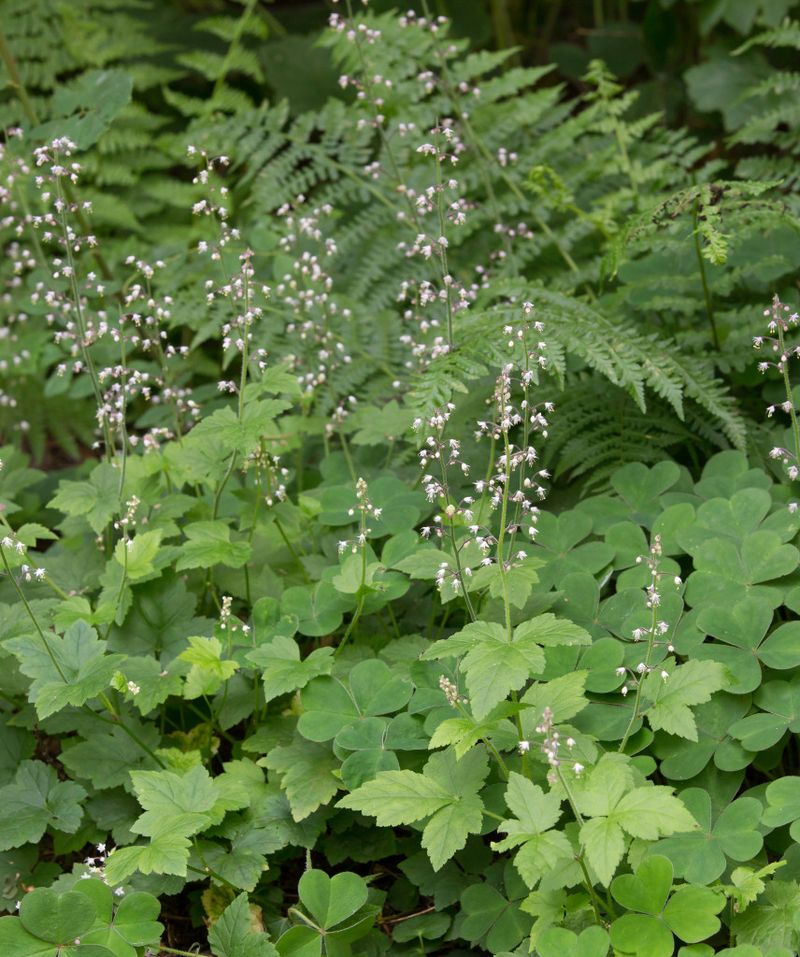
Foamflower might be small, but it punches way above its weight in a shade garden. The frothy white flower spikes that rise above the foliage in late spring are what give it its name, and they are genuinely pretty.
Bees and other small pollinators find them irresistible, which adds even more life to a quiet shady corner.
The leaves are lobed and deeply textured, somewhat like a coral bell, and they stay attractive even after the blooms are gone.
Some varieties hold their leaves through winter, giving you color and ground coverage during the grey months when most of the garden goes quiet.
That kind of year-round presence is something hostas simply cannot offer in our climate.
Native to moist woodlands throughout the Pacific Northwest, foamflower is perfectly suited to life under trees or along the shaded side of a house. It spreads by runners and slowly fills in bare areas without becoming aggressive or invasive.
That spreading habit makes it a great choice for covering ground under shrubs.
Established plants handle dry shade reasonably well, especially with a good layer of compost or mulch to keep the soil from baking in summer.
It pairs beautifully with ferns, wild ginger, and other low-growing natives to create a layered woodland floor.
For gardeners who want the lush, carpet-like effect of hostas but with a plant that actually supports the local ecosystem, foamflower is a natural fit.
5. Deer Fern Adding Bold Green Drama Without The Fuss
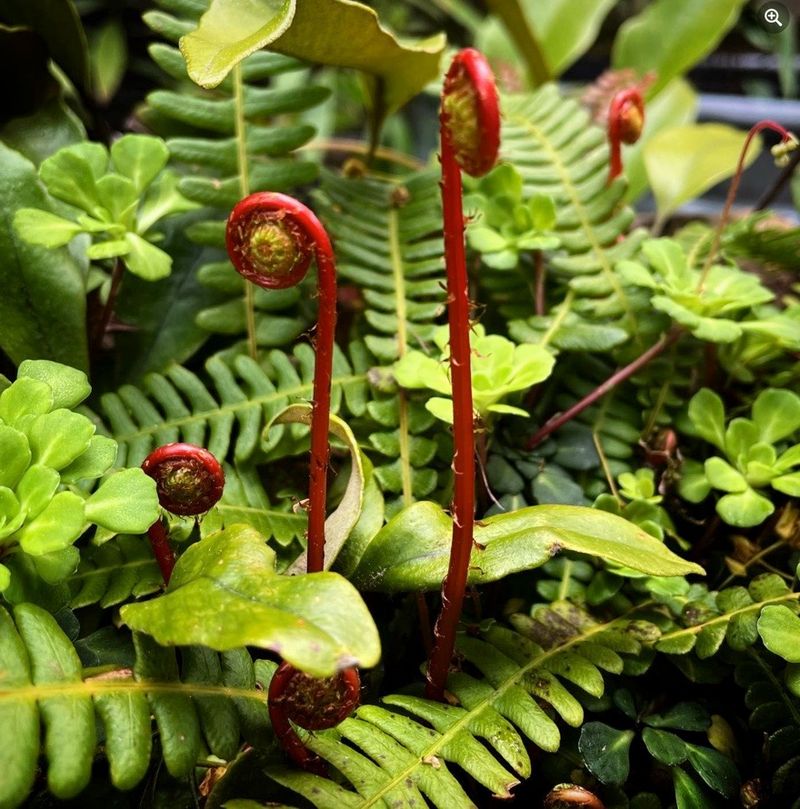
Not all ferns are created equal, and deer fern makes that very clear. It has two totally different types of fronds growing at once, which gives it a bold, architectural look that stands out in any shade garden.
The low, spreading sterile fronds hug the ground, while the taller fertile fronds shoot straight up from the center like little green swords.
That two-layer structure creates natural visual interest without any arranging or staking from the gardener.
It is the kind of plant that looks like someone put a lot of thought into it, even though all you did was plant it and walk away. That effortless elegance is a big part of its appeal.
Deer fern is native to moist, shaded forests throughout the Pacific Northwest and grows naturally in spots that stay relatively cool and damp. However, once established, it holds up through dry spells better than many other ferns.
A shaded spot with decent soil and occasional watering is really all it needs to look its best.
It stays evergreen through winter, which is a major advantage over hostas that disappear completely in the cold months. The deep, glossy green color stays rich and vibrant even on cloudy winter days.
Deer fern grows slowly but steadily and works well as a border plant, a groundcover under trees, or a companion to flowering natives. It brings structure and drama to shady spots that other plants struggle to fill.
6. Sword Fern Going Big Where Hostas Start Struggling
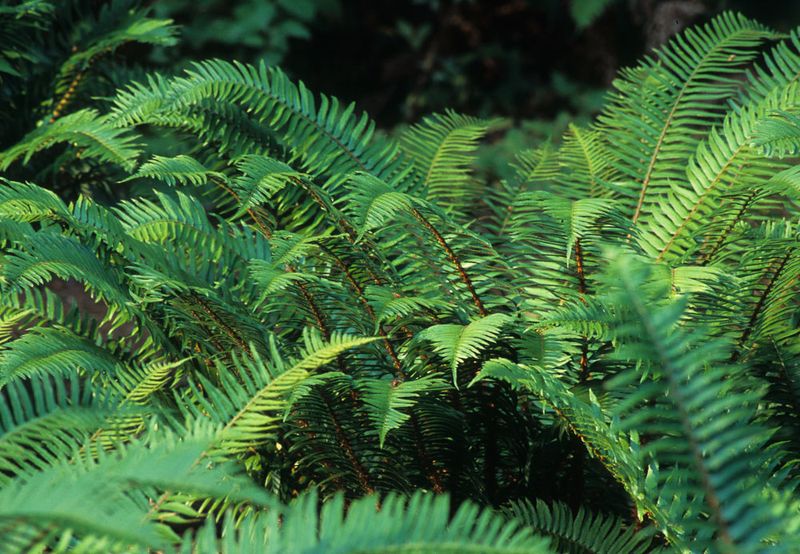
Walk through almost any forest in the Pacific Northwest and you will find sword fern growing in thick, sweeping clumps under the trees.
That natural abundance tells you everything you need to know about how well this plant handles tough conditions.
It thrives in deep shade, dry summers, and poor soil without a single complaint.
The bold, arching fronds can reach up to four feet long, creating a lush, dramatic presence that fills large shady areas with ease.
A single mature clump can grow three to five feet wide, which makes it a fantastic choice for spots where hostas always looked a little underwhelming or ran out of steam by August.
Sword fern is evergreen, so it earns its place in the garden every single month of the year. When deciduous plants go bare in autumn, the deep green fronds keep the garden looking alive and full.
That kind of dependability is hard to beat, especially in the wet, grey winters this region is known for.
Once established, sword fern needs almost no supplemental water. That drought tolerance is exactly what makes it such a smart swap for hostas in dry shade situations.
It pairs well with native shrubs like ososberry and oceanspray to create a multi-layered woodland garden that feels completely natural.
Planting a few large clumps together creates an impressive, low-maintenance backdrop that looks like it has been there for decades.
7. False Solomon’s Seal Filling Shade With Lush Layers
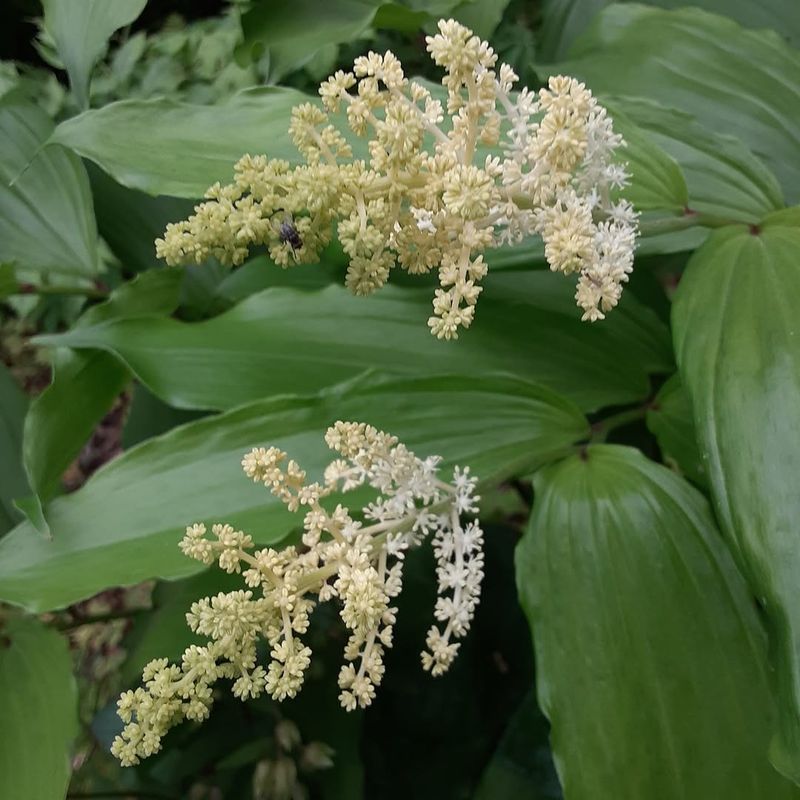
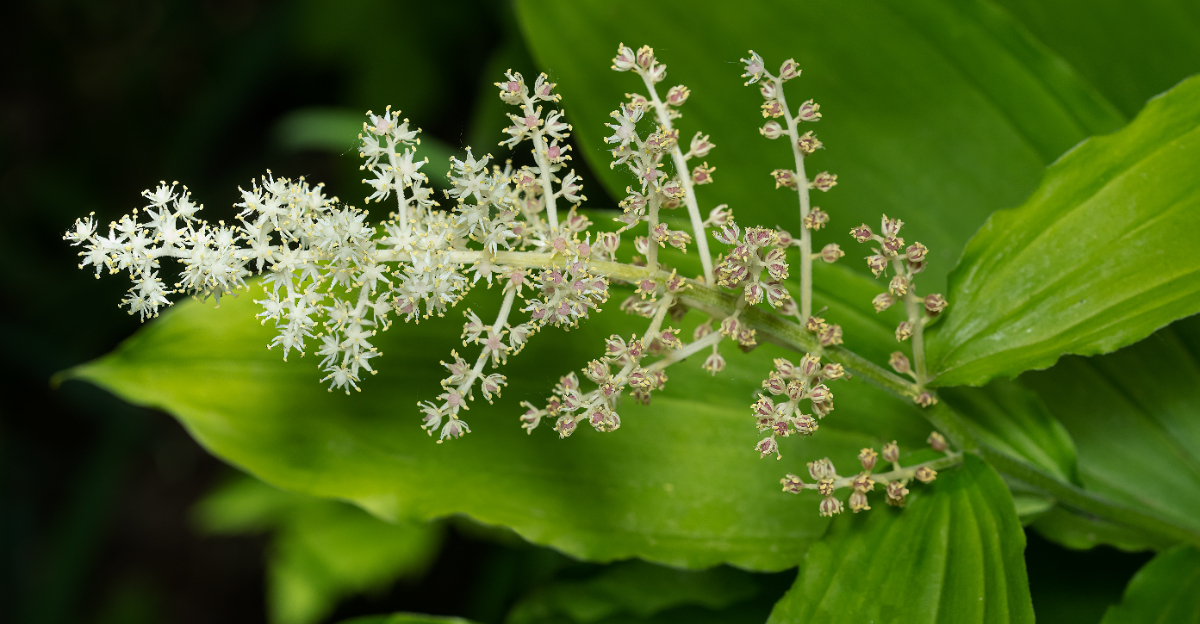
Graceful, arching stems lined with broad, parallel-veined leaves give false Solomon’s seal an elegant look that feels right at home in a woodland shade garden.
The foliage alone is worth growing it for, but the creamy white flower plumes that appear at the tips of each stem in late spring take things to another level.
It is one of those plants that genuinely surprises people when it blooms.
After the flowers fade, clusters of small berries form and ripen to a speckled red by late summer.
Birds and small mammals eat the berries, which makes this plant a genuine contributor to local wildlife rather than just a pretty face in the garden.
Native to moist woodlands across western North America, false Solomon’s seal grows naturally in the kind of dappled shade found under deciduous trees and along stream edges.
It handles seasonal dry spells better than you might expect, especially in soils that have been improved with compost.
A good layer of mulch keeps the roots cool and happy through the hottest weeks.
Plants spread slowly by rhizomes and gradually form attractive colonies that fill in bare shady areas with a relaxed, natural look.
The foliage turns golden yellow in autumn before dying back for winter, adding one more seasonal display to enjoy.
Oregon gardeners who want layered texture, wildlife value, and four-season interest in a shady bed, false Solomon’s seal delivers all of it in one elegant package.
8. Wild Ginger Spreading Those Big Glossy Leaves
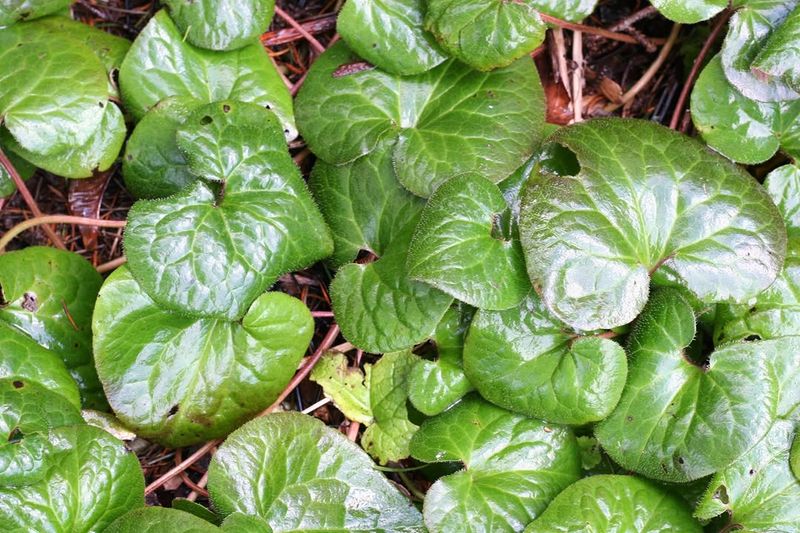
Rich, dark green leaves the size of your palm, spreading slowly across the forest floor in a thick, weed-suppressing mat. That is wild ginger doing exactly what it was born to do.
It is one of the most satisfying native groundcovers you can plant in a shady garden, and it looks fantastic from the moment it fills in.
The leaves are heart-shaped, glossy, and stay attractive from spring through late fall. In mild winters, they may stay green year-round, which is a real bonus for gardeners who want coverage even during the off-season.
The plant grows low to the ground, rarely topping six inches, making it a perfect carpet under taller natives.
Wild ginger is native to moist, shaded forests throughout the Pacific Northwest and grows naturally along stream banks and under conifers.
Despite that preference for moisture, established plants handle summer drought surprisingly well, especially when they are planted in decent soil with a layer of mulch on top.
The small, brownish-purple flowers hide under the leaves close to the ground in spring. They are easy to miss but worth looking for.
The roots have a mild ginger scent when bruised, which is another fun detail that makes this plant feel special. It spreads steadily but never aggressively, slowly filling gaps between larger plants.
For anyone who wants a polished, lush groundcover under trees without fighting dry spells all summer, wild ginger is an excellent and very rewarding choice.