6 Worst Plants To Grow Along North Carolina Fence Lines And 4 Natives That Work Perfectly There
Fence lines seem like straightforward planting opportunities until the wrong choice has been growing there for two or three seasons and the problems become obvious and expensive to correct.
North Carolina’s heat, humidity, and long growing season accelerate everything, which means invasive tendencies, aggressive spread, and structural damage from roots and stems all happen faster here than gardening guides written for cooler climates suggest.
Some of the most commonly planted fence line options across the state are also the most problematic once they get established and start moving beyond their intended boundaries.
The four native alternatives covered here solve every practical problem a fence line presents while contributing something genuinely positive to the surrounding landscape and local ecosystem rather than creating new headaches down the line.
1. Chinese Privet
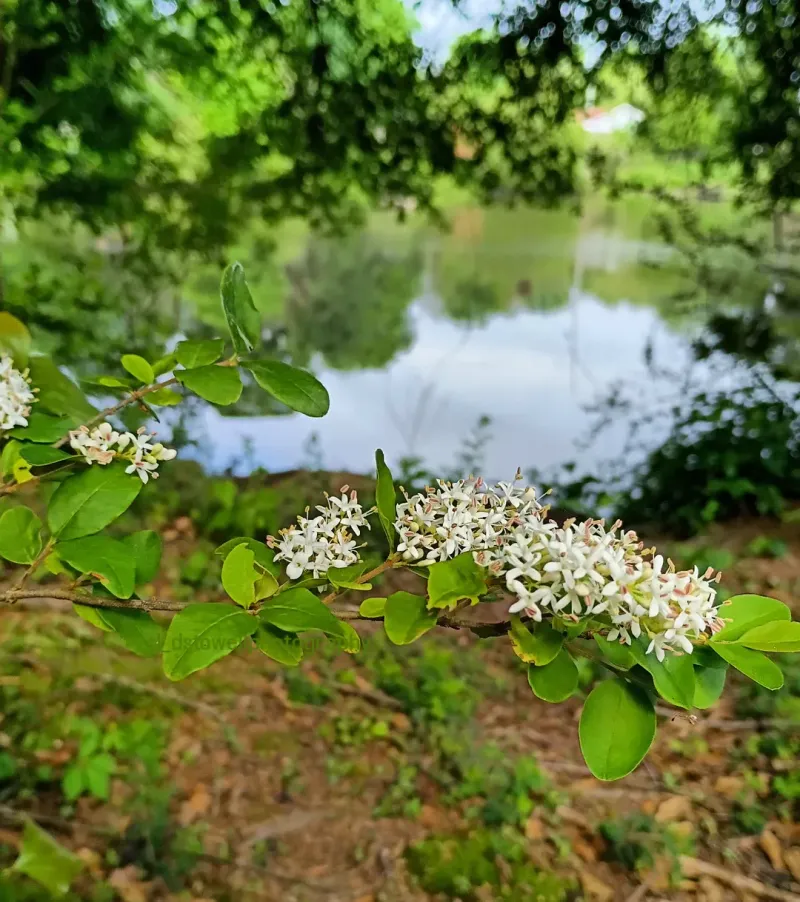
Few plants have caused as much trouble in North Carolina landscapes as Chinese Privet. Originally brought over from China as an ornamental hedge, this shrub has since spread into forests, roadsides, and fence lines across the entire Southeast.
It looks tidy at first, but that tidy look comes at a steep price.
Chinese Privet produces huge numbers of small berries that birds eat and scatter everywhere. Before you know it, seedlings pop up all over your yard, your neighbor’s yard, and beyond.
It grows so thickly that it blocks sunlight from reaching the native plants growing beneath it, slowly pushing them out entirely.
Controlling it is a serious challenge. Even after cutting it back, new shoots sprout aggressively from the roots.
Many homeowners spend years fighting regrowth without ever fully winning. Along a fence line, it can also push against wooden posts and panels, causing structural damage over time.
North Carolina’s Natural Heritage Program lists Chinese Privet as one of the most problematic invasive plants in the state.
Planting it along your fence might seem like an easy privacy solution, but the long-term consequences far outweigh any short-term benefit.
Choosing a native alternative instead protects your property and the surrounding natural areas from unnecessary damage.
2. Japanese Barberry
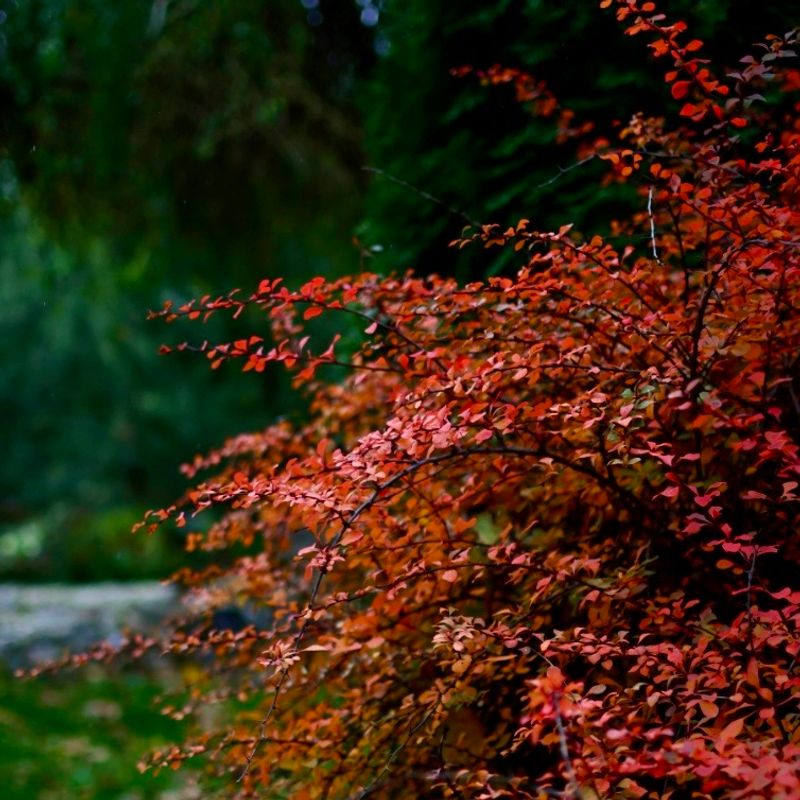
Japanese Barberry looks harmless enough with its small red berries and colorful foliage, but gardeners across the Mid-Atlantic and Southeast have learned the hard way that this plant is far more trouble than it appears.
Planted along a fence, it quickly becomes a thorny, tangled mess that is painful to prune and nearly impossible to fully remove.
Beyond the maintenance headache, Japanese Barberry has a sneaky ecological problem. Research from the Northeast has shown that the dense, humid shade it creates beneath its branches is a perfect breeding ground for ticks, including those that carry Lyme disease.
That alone is reason enough to keep it far away from your yard and fence line. It also spreads readily through bird-dispersed seeds, naturalizing in nearby woodlands and disturbed areas.
Several states have already banned its sale, and gardeners are increasingly being advised to remove existing plants before they spread further into natural areas.
The thorns make working near it unpleasant, especially along a fence where you need regular access for maintenance or repairs. Kids and pets are also at risk of getting scratched.
Your North Carolina Garden Changes Every Week. Your Plan Should Too.
Gardening in North Carolina changes quickly throughout the season. Every Friday you’ll receive a simple weekly plan showing exactly what to plant, prune, fertilize, harvest, and protect so you never miss the right timing.
Swapping Japanese Barberry out for a native shrub that offers similar visual appeal without the thorns or invasive tendencies is a much smarter move for any homeowner.
3. Nandina
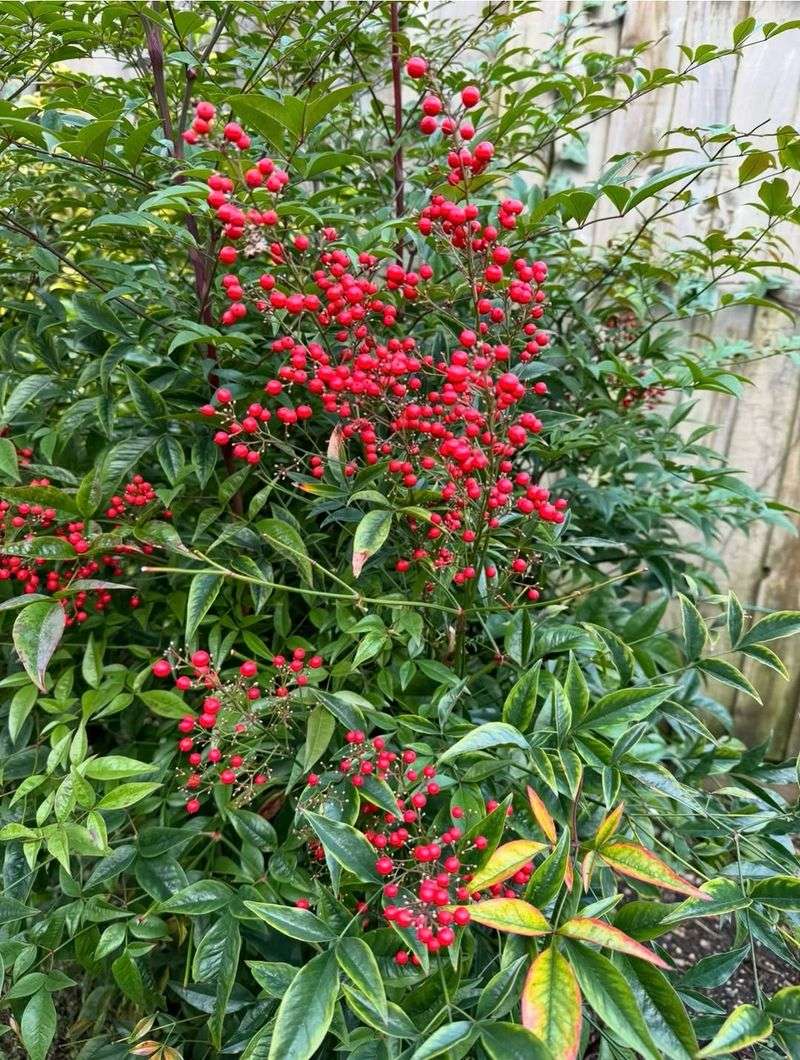
Nandina, sometimes called Heavenly Bamboo, is one of those plants that looks stunning in a nursery display but causes real problems once it settles into your landscape.
The bright red berries are eye-catching, but those same berries are highly toxic to birds, particularly Cedar Waxwings, which eat large quantities at once and can become severely ill from the cyanide compounds found inside.
Beyond the wildlife concern, Nandina spreads aggressively through those berries, naturalizing in forest edges, stream banks, and disturbed areas across North Carolina.
It forms dense colonies that crowd out native understory plants, reducing habitat diversity and food sources for local wildlife.
Along a fence line, it creates a thick wall that looks neat but quietly damages the surrounding ecosystem.
It is also remarkably difficult to remove once established. The root system is tough and persistent, and any remaining root fragments will send up new shoots.
Many gardeners who plant it thinking it requires minimal care find themselves spending far more time managing it than they ever expected.
North Carolina wildlife rehabilitators and conservation groups have repeatedly raised concerns about Nandina’s impact on native bird populations.
Given the availability of beautiful, bird-friendly native alternatives, there is really no good reason to keep planting it along fence lines. Your yard can look just as attractive without the ecological baggage Nandina brings along.
4. Leyland Cypress
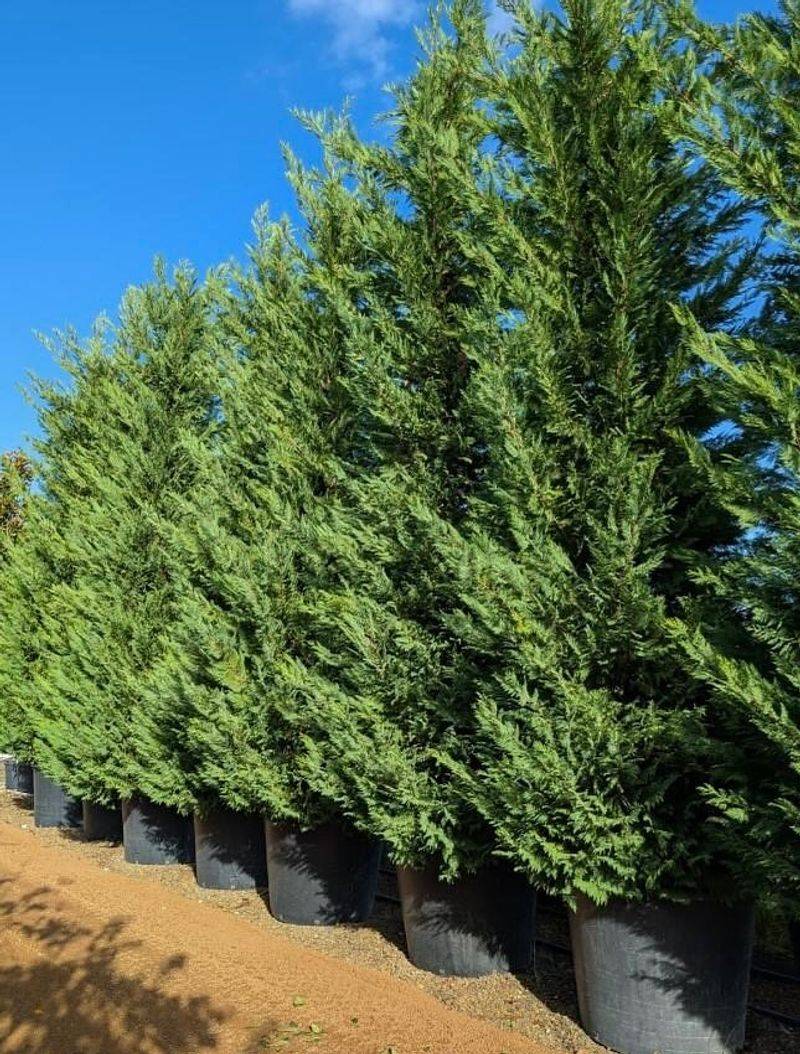
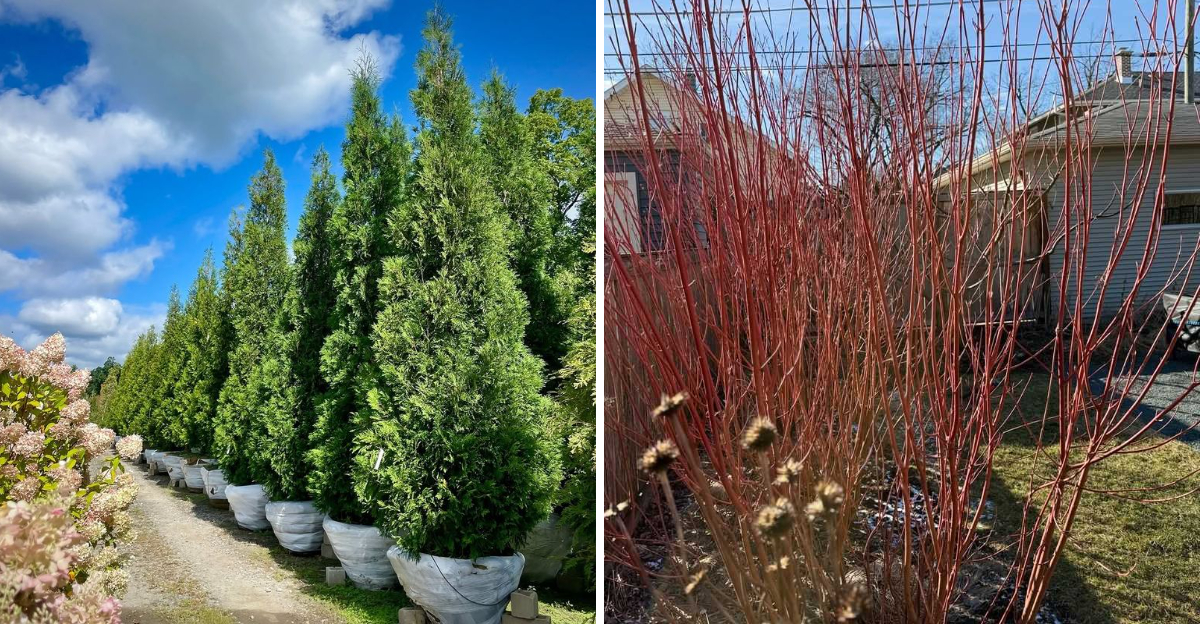
Leyland Cypress has been one of the most popular privacy screen choices in North Carolina for decades, and it is easy to understand why.
It grows fast, gets tall quickly, and forms a dense green wall that blocks out neighbors and road noise almost immediately.
The problem is that fast growth comes with a long list of serious drawbacks that most homeowners only discover after it is too late.
The wood is notoriously weak. Leyland Cypress branches split and break during ice storms, heavy snow, and strong winds, which are all weather events North Carolina sees regularly.
A large branch crashing onto a fence, a car, or a structure nearby can cause expensive damage. Keeping the trees trimmed back to prevent this requires frequent and costly professional pruning.
Root competition is another major issue. The shallow, spreading roots aggressively compete with nearby plants and can even work their way under fence footings and patio edges over time.
The trees are also highly susceptible to several fungal diseases, including Seiridium canker and Botryosphaeria canker, which spread rapidly through tightly spaced plantings.
Once a Leyland Cypress planting starts showing disease, recovery is rarely possible and removal becomes necessary.
Given the maintenance burden, structural risks, and disease vulnerability, relying on Leyland Cypress for a fence line screen in North Carolina is a gamble that rarely pays off in the long run.
5. English Ivy
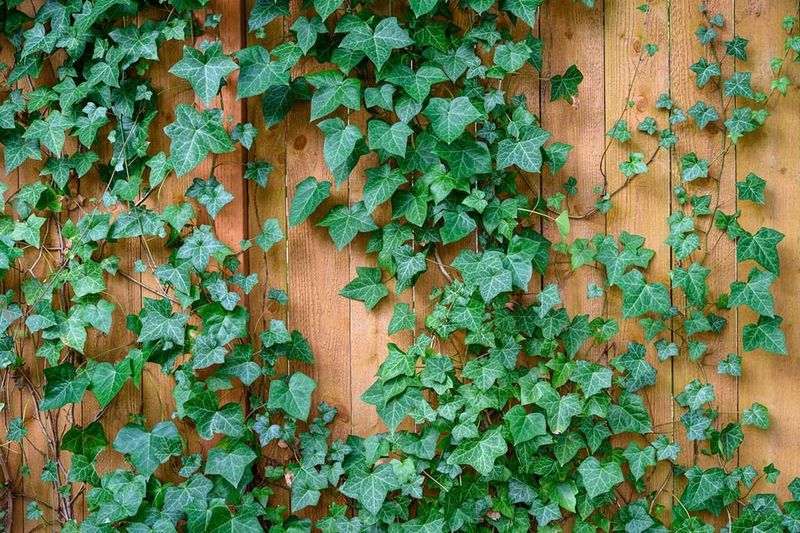
English Ivy might be the single most deceptive plant on this list. It looks lush, classic, and elegant growing along a fence, which is exactly why so many homeowners have planted it over the years.
But beneath that charming appearance, English Ivy is one of the most aggressive and damaging ground covers you can introduce to a North Carolina yard.
Along a fence, it does not stay on the fence. It spreads outward along the ground, smothering low-growing plants and preventing native seedlings from establishing.
It also climbs trees, adding so much weight and wind resistance that otherwise healthy trees become vulnerable to storm damage. The dense mats it creates on the ground trap moisture and provide perfect hiding spots for rodents and other pests.
English Ivy is listed as invasive across much of the Eastern United States, and North Carolina is no exception.
It escapes cultivated areas easily and has naturalized in forests throughout the Piedmont and Coastal Plain regions, where it forms monocultures that squeeze out native wildflowers and ferns.
Removing established English Ivy is a major undertaking. The vines root at every node, and pulling them up by hand is back-breaking work that often needs to be repeated multiple times before the plant gives up.
Planting a well-behaved native ground cover instead saves enormous effort and keeps your yard healthy from the start.
6. Arborvitae
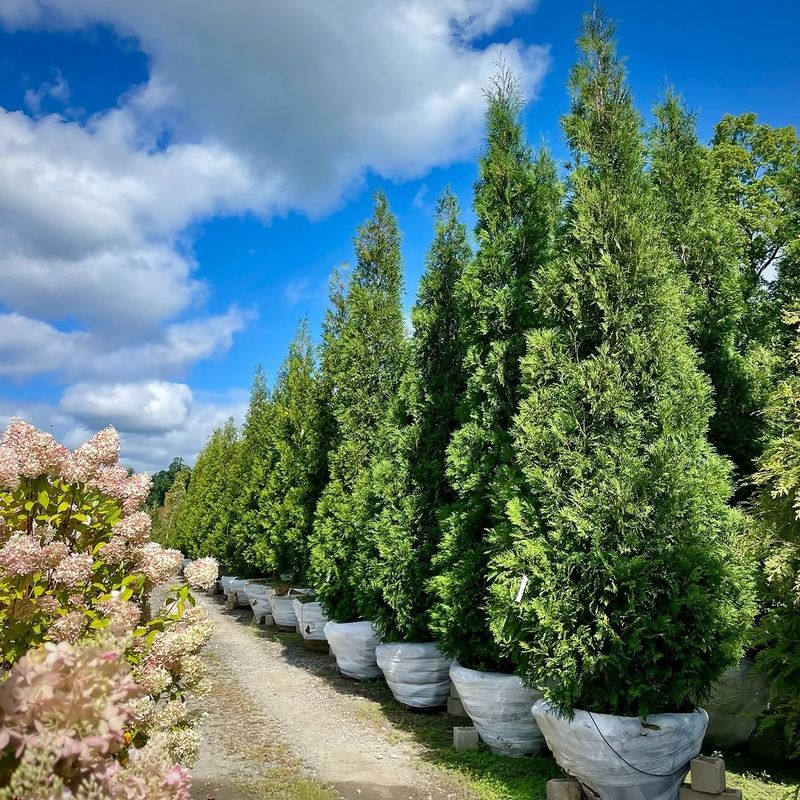
Arborvitae has become one of the go-to choices for privacy hedges across North Carolina, showing up in neighborhood after neighborhood as a fast, dense screen.
While it is not invasive in the way that privet or English Ivy is, it comes with a set of practical problems that make it a poor choice for most North Carolina fence lines, especially when better options exist.
Deer absolutely love Arborvitae. In suburban and semi-rural areas of North Carolina, deer pressure is significant, and an Arborvitae hedge planted along a fence can be stripped bare from the bottom up within a single winter.
Once the lower branches are browsed away, the plant rarely fills back in, leaving an ugly gap that ruins the privacy screen you planted it for in the first place.
Disease is another persistent problem. Arborvitae is susceptible to several fungal issues, including tip blight and root rot, particularly in the humid conditions that North Carolina summers bring.
Planting multiple trees in tight rows, as most privacy screens require, creates poor air circulation that makes these problems worse over time.
The maintenance requirements also add up. Regular trimming, treating for spider mites, and managing browning sections takes time and money throughout the growing season.
For homeowners who want a low-fuss fence line, Arborvitae ends up being anything but. Native shrubs offer far more resilience with far less ongoing effort in the Carolina climate.
7. Northern Bush Honeysuckle
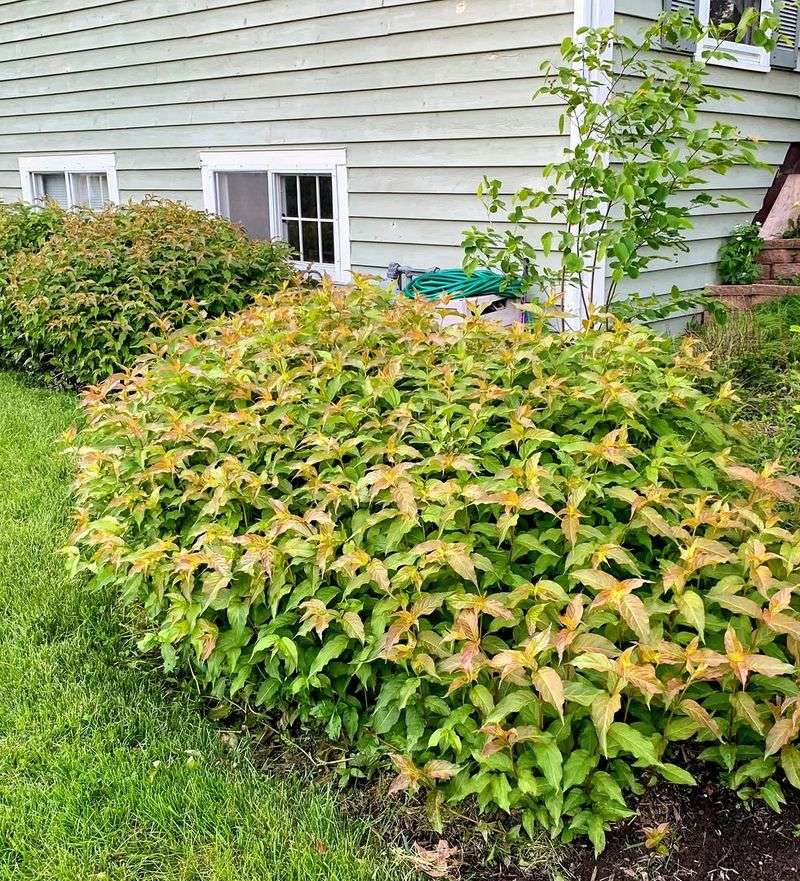
Not all honeysuckles are troublemakers.
Northern Bush Honeysuckle is a true North American native that offers everything a homeowner could want along a fence line, without any of the invasive behavior that makes Japanese Honeysuckle such a nightmare across the South.
This compact, multi-stemmed shrub fills in beautifully and stays right where you plant it.
It blooms in early to mid-summer with clusters of cheerful yellow flowers that attract butterflies, hummingbirds, and native bees in impressive numbers.
The foliage often turns a rich reddish-bronze in fall, giving the fence line a second season of visual interest before winter arrives.
Even without flowers, the dense branching structure provides excellent coverage and a neat, natural appearance.
One of its biggest selling points for North Carolina gardeners is its deer resistance. Unlike Arborvitae, Northern Bush Honeysuckle contains compounds that deer find unappealing, making it a reliable choice in areas with heavy deer pressure.
It also tolerates a range of soil types, from dry rocky ground to slightly moist conditions, which gives it flexibility most ornamentals simply do not have.
It spreads slowly by root suckers, which is actually useful along a fence line because it gradually fills in gaps without ever becoming aggressive. Pruning needs are minimal, and once established, it requires almost no supplemental watering.
For a low-maintenance, wildlife-friendly fence line plant, Northern Bush Honeysuckle is genuinely hard to beat in the Carolina landscape.
8. Spicebush
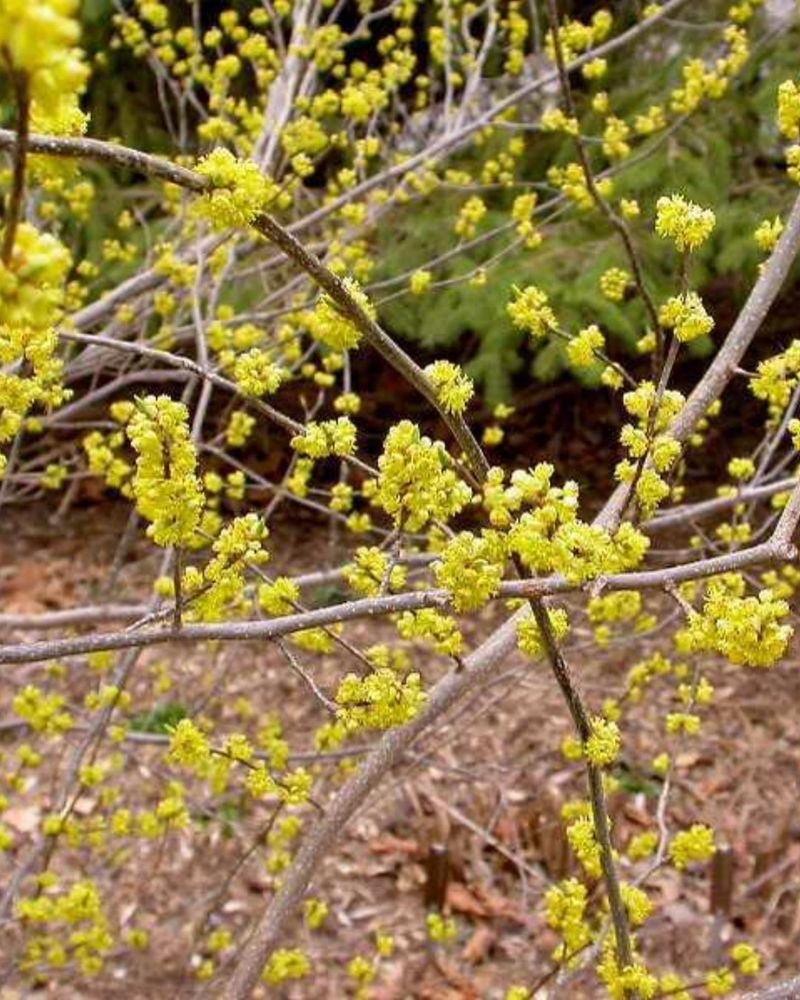
Crush a leaf of Spicebush and you will immediately understand how this native shrub got its name. The spicy, aromatic scent is unmistakable and absolutely wonderful, but it also serves a very practical purpose in the garden.
Deer find the fragrance deeply off-putting, which means Spicebush stands up to browsing pressure far better than most fence line shrubs in North Carolina. Spicebush is a four-season performer that earns its place in any yard.
In early spring, before most other shrubs have even thought about leafing out, it covers itself in tiny bright yellow flowers that are among the first nectar sources available to pollinators emerging from winter.
By fall, the female plants produce glossy red berries that are an important food source for migrating birds, including Wood Thrushes and Veeries.
It grows naturally in woodland edges and stream corridors across North Carolina, which means it is perfectly adapted to the state’s climate and soil conditions. Along a fence line with partial shade, it thrives without any fussing.
It also grows well in full sun with adequate moisture, giving it a wide range of planting options.
Spicebush serves as the sole host plant for the Spicebush Swallowtail butterfly, one of the most beautiful butterflies in the Eastern United States. Planting it along your fence means you are not just growing a shrub.
You are creating a habitat that supports an entire food web, from pollinators to songbirds, right in your own backyard.
9. Red Twig Dogwood
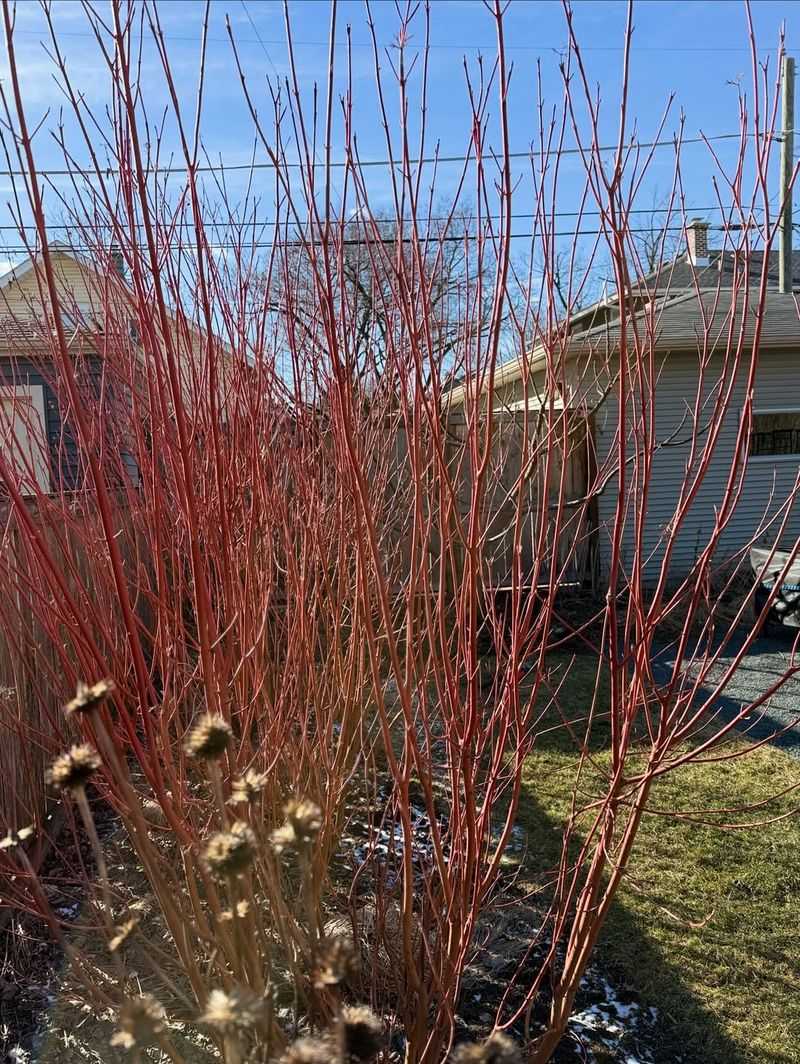
Most shrubs put on their best show in spring or summer, but Redtwig Dogwood saves its most dramatic display for the coldest months of the year.
When winter strips away the leaves, the brilliant red stems glow against gray skies and frost-covered ground in a way that genuinely stops people in their tracks.
Along a fence line, a grouping of Redtwig Dogwood transforms an otherwise dull winter yard into something worth looking at.
The visual interest does not end in winter, though. Spring brings clusters of creamy white flowers that attract a wide variety of native pollinators.
Summer follows with white berries that birds find irresistible, and fall turns the foliage a warm reddish-purple before it drops to reveal those famous stems once again. Few shrubs offer this kind of year-round value in the Carolina landscape.
Redtwig Dogwood tolerates a wide range of soil conditions, including wet or poorly drained spots where many other shrubs struggle.
This makes it especially useful along fence lines near low areas or downspouts where standing water can be a problem. It also grows vigorously enough to form a dense privacy screen over time.
Pruning a few of the oldest stems down each spring keeps the plant producing the brightest new red growth, which is where the most vivid color comes from.
This simple annual task takes very little time and keeps the planting looking fresh and vibrant year after year without any complicated care routine.
10. Sweetshrub
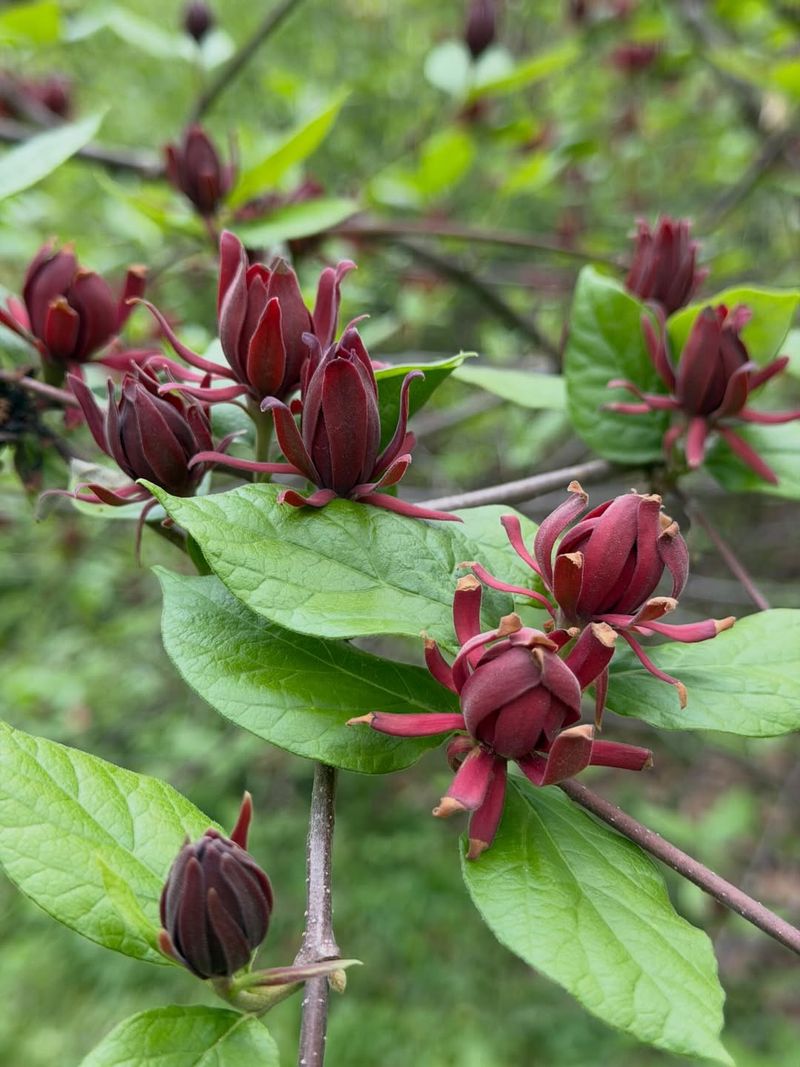
Sweetshrub is one of those plants that gardeners discover and immediately wonder why they waited so long to try it.
Native to the forests and woodland edges of the Southeastern United States, including right here in North Carolina, this multi-stemmed shrub has been valued for centuries for its remarkable fragrance.
The deep maroon flowers smell like a mix of strawberries, bananas, and spice, creating a scent that is genuinely unlike anything else blooming in the yard.
Along a fence line, Sweetshrub earns its keep in multiple ways. It grows into a dense, rounded form that provides solid coverage and a natural, informal look that fits beautifully into both cottage gardens and more naturalistic landscapes.
It handles partial shade well, making it one of the best choices for fence lines that run along the shadier side of a property or near tree canopies.
Wildlife absolutely love it. The seeds are eaten by small mammals and birds, and the flowers attract native pollinators throughout the spring and early summer blooming period.
Because it spreads slowly by root suckers, it gradually fills in along a fence line without ever becoming aggressive or jumping property boundaries.
Sweetshrub is also remarkably adaptable to different soil types, tolerating both clay-heavy soils and sandy loam without complaint. Once established, it needs very little supplemental care.
For a fragrant, wildlife-friendly, and visually appealing native shrub that behaves itself along a North Carolina fence, Sweetshrub is an outstanding and underused choice.