Most Petunias Don’t Hold Up To Texas Heat And Humidity (Here’s What To Plant Instead)
Petunias are one of the most widely purchased flowering annuals in Texas, and a significant number of them end up looking ragged by late June.
The combination of intense heat, humidity, and the relentless sun exposure that Texas summer delivers works against most petunia varieties in ways that become obvious quickly once conditions peak.
They stretch out, drop blooms, develop fungal issues in the humid stretches, and generally stop performing at exactly the point in the season when garden color is most wanted.
The frustrating part is that the failure is predictable, and it keeps happening because petunias are widely available and heavily marketed without much acknowledgment of how poorly most varieties handle a Texas summer.
There are flowering alternatives that fill the same role in containers and beds, delivering the kind of bold, consistent color petunias promise but rarely deliver past the first few weeks of real heat. These are the plants worth reaching for instead.
1. Lantana
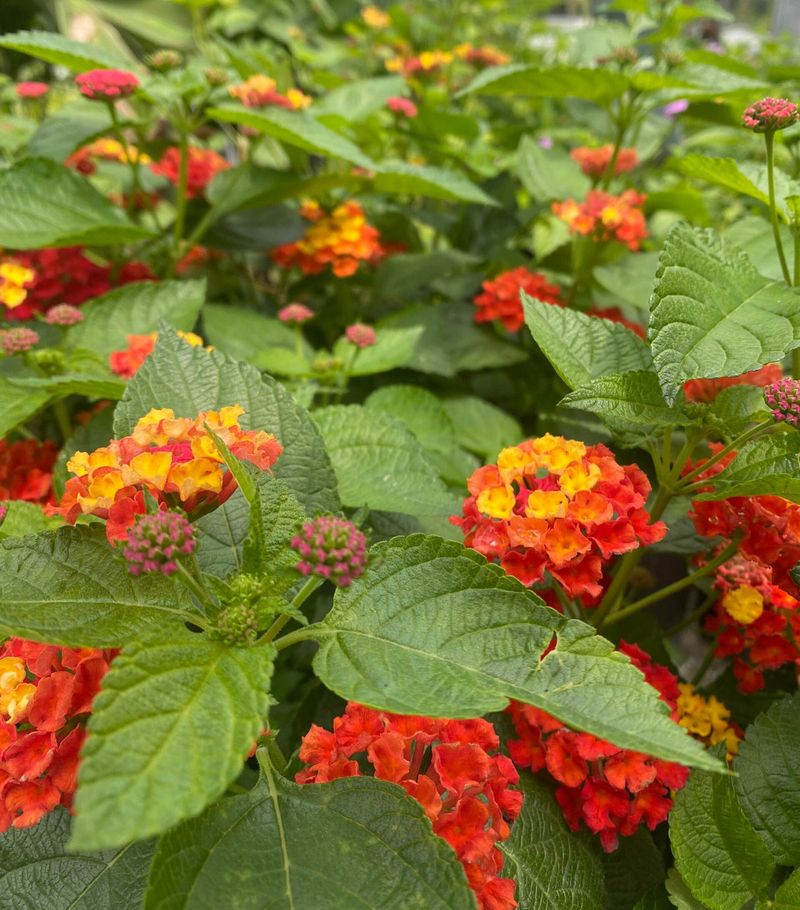
Walk through almost any Texas neighborhood in the heat of summer, and you’ll likely spot lantana putting on a show while everything else looks tired. This plant is practically made for Texas weather.
It shrugs off triple-digit temperatures and keeps blooming even when rain is nowhere in sight.
Lantana comes in a wide range of colors, from fiery orange and yellow to soft pink and purple. You can find it in trailing varieties perfect for hanging baskets, or upright types that work great as border plants.
It grows quickly, fills in space beautifully, and rarely needs much attention from you. One of the best things about lantana is how it attracts butterflies, bees, and other pollinators. Your garden becomes a lively, buzzing place full of movement and color.
Hummingbirds also visit the blooms regularly, which makes watching your garden even more enjoyable.
Lantana does best in full sun and well-drained soil. Water it deeply but infrequently once it’s established, and it will reward you with blooms from spring all the way through the first cool snap of fall.
Avoid overwatering, since lantana actually performs better in drier conditions. Pruning it back occasionally encourages fresh, new growth and even more flowers. It can grow quite large if left alone, so light trimming keeps it tidy.
Whether you’re planting in the ground or in containers, lantana is one of the most reliable and rewarding plants you can choose for a Texas summer garden.
2. Texas Sage
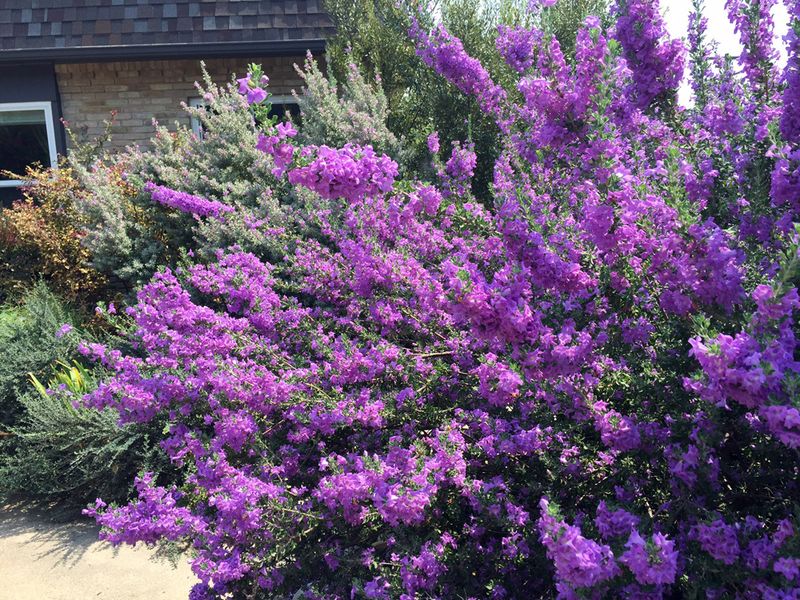
There’s something almost magical about Texas sage. After a good rain, this tough little shrub suddenly bursts into a cloud of soft purple blooms almost overnight.
Locals have nicknamed it the “barometer bush” because it blooms so reliably after rainfall, making it a natural signal that wet weather has passed through.
Texas sage is an evergreen shrub, which means it stays green and attractive even during the driest, hottest parts of summer. The silvery-gray leaves look beautiful against a fence, along a walkway, or as a low hedge.
It handles full sun without complaint and actually prefers it over shady spots. One of the biggest advantages of Texas sage is how little maintenance it needs. Once established, it requires almost no extra watering beyond normal rainfall.
Your Texas Garden Changes Every Week. Your Plan Should Too.
Gardening in Texas changes quickly throughout the season. Every Friday you’ll receive a simple weekly plan showing exactly what to plant, prune, fertilize, harvest, and protect so you never miss the right timing.
It’s naturally adapted to the alkaline soils and hot, humid summers that are common across most of Texas, making it a smart and practical choice for local gardeners.
This shrub grows slowly but steadily, typically reaching four to eight feet tall and wide at full maturity. You can prune it into a more formal shape or let it grow naturally with a rounded, relaxed form.
Either way, it looks polished and well-kept with almost no effort. Texas sage is also a great choice for attracting native bees and other beneficial insects. Planting it near vegetable gardens or fruit trees can help boost pollination.
For a plant that gives so much and asks for so little, Texas sage is truly one of the best options available for Lone Star State gardeners.
3. Portulaca
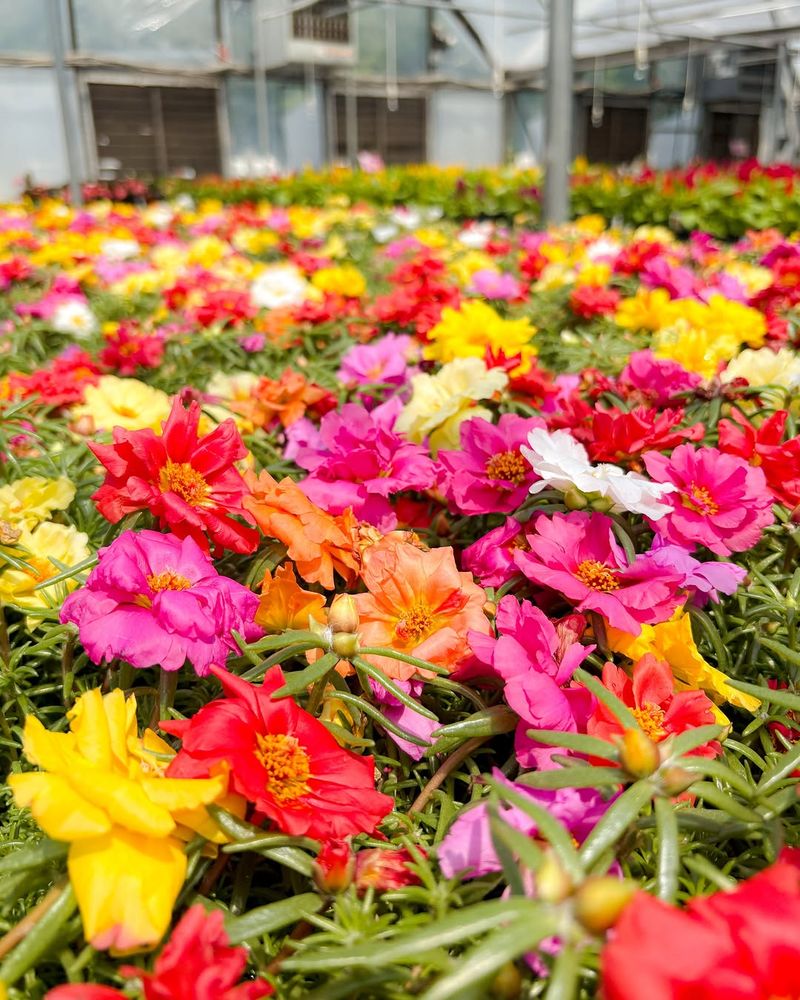
Hot, dry, and totally unforgiving soil? Portulaca couldn’t be happier. This cheerful little plant is a succulent at heart, storing water in its thick, fleshy stems so it can handle the kind of summer heat that would send most flowers into a full-on meltdown.
It’s one of the toughest and prettiest ground-level plants you can grow in Texas. The flowers come in an almost ridiculous variety of colors, including hot pink, vivid orange, sunny yellow, white, and deep red.
They open wide in the morning sun and create a carpet of color that’s absolutely stunning in garden borders, rock gardens, or containers on a sunny patio.
Each bloom only lasts a day, but new ones open constantly throughout the season. Portulaca thrives in poor, sandy, or rocky soil where other plants struggle to survive. Good drainage is the key to keeping it happy.
If your soil holds too much moisture, the roots can suffer, so raised beds or containers work especially well for this plant in areas with heavier clay soil.
Watering portulaca is refreshingly simple. Water it when the soil is completely dry, and then leave it alone.
Overwatering is actually the most common mistake gardeners make with this plant. Once you understand that less is more, portulaca basically takes care of itself all summer long.
It reseeds itself easily, so you may find new plants popping up on their own next spring. This makes portulaca a surprisingly economical choice since one season of planting can lead to years of colorful returns with very little extra effort on your part.
4. Verbena
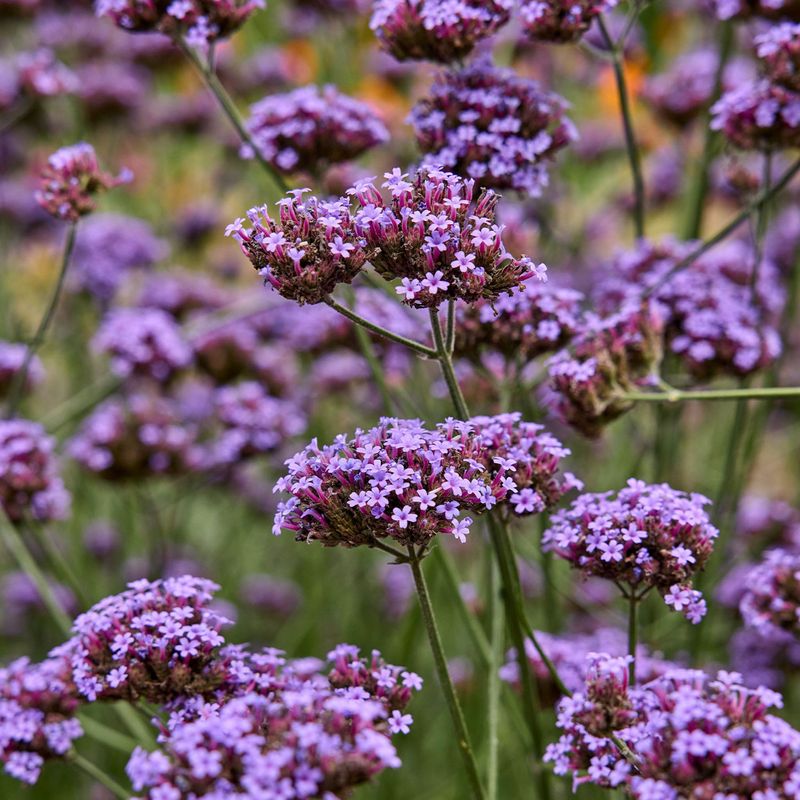
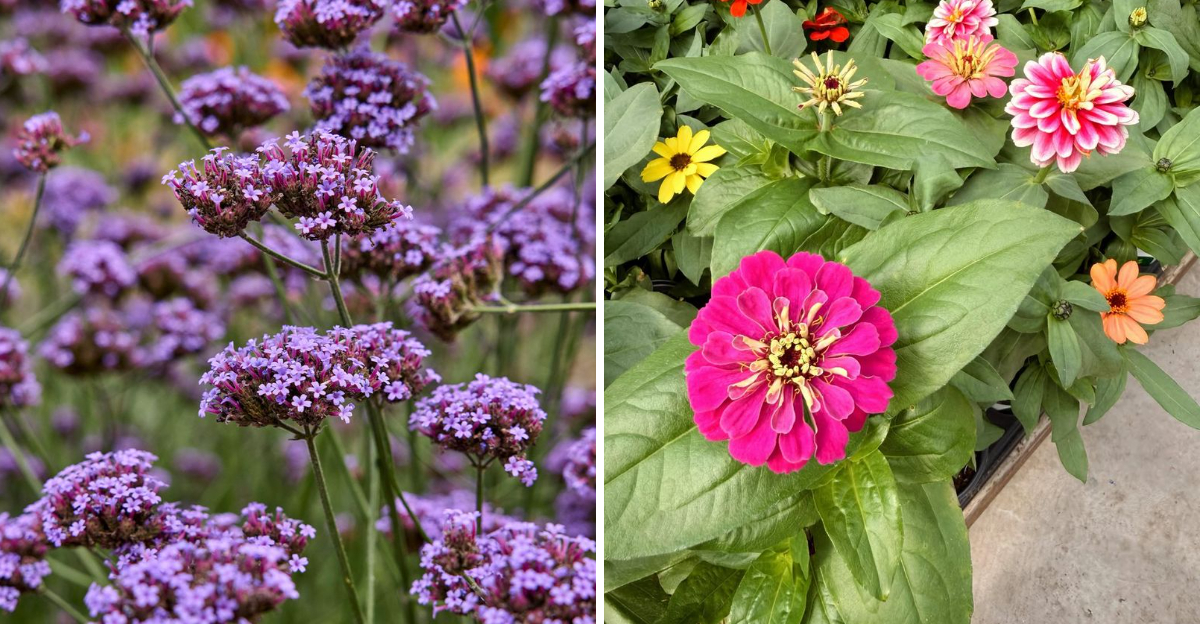
Few plants spread color as generously as verbena. This ground-hugging beauty produces tight clusters of small flowers in shades of purple, pink, red, and white from spring all the way into fall.
It’s a plant that earns its spot in the garden every single day of the growing season without demanding much in return.
Native verbena varieties, particularly those in the Glandularia family, are especially well-suited to Texas conditions. They’ve evolved to handle the heat, the humidity, and the unpredictable rainfall patterns that come with living in the Lone Star State.
Compared to non-native varieties, they tend to be far more resilient and long-lasting in local gardens.
Verbena loves full sun, which makes it perfect for those hot, exposed spots in your yard where shade-loving plants simply won’t work. Plant it along walkways, at the front of a flower border, or spilling over the edges of a container.
It spreads outward as it grows, filling in gaps and creating a lush, full look over time. Butterflies absolutely love verbena. If you’re trying to create a pollinator-friendly garden, adding a few verbena plants is one of the easiest steps you can take.
Bees and skippers visit the flowers regularly too, giving your garden a lively, natural energy that’s fun to watch.
Water verbena regularly during the first few weeks after planting to help it get established. After that, it becomes much more drought-tolerant and needs far less attention.
Cutting it back lightly midseason can encourage a fresh flush of blooms and keep the plant looking neat and vibrant through the rest of summer.
5. Zinnia
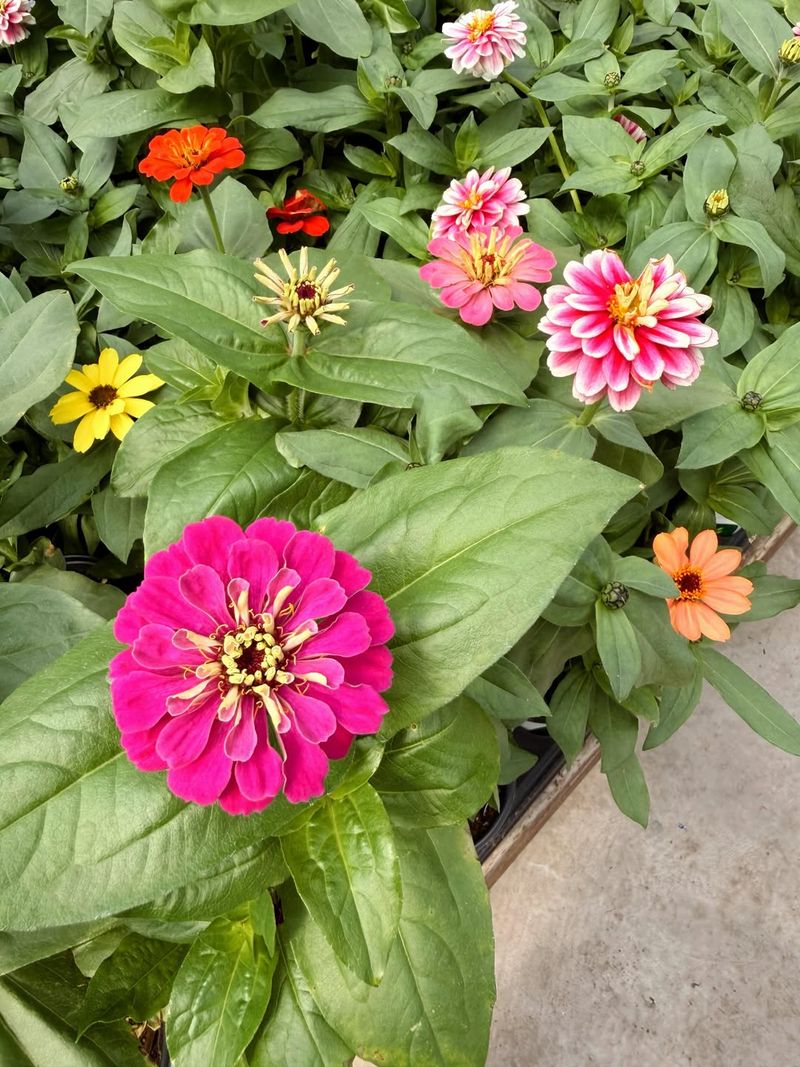
If you want bold, cheerful color without a lot of fuss, zinnias are your best friend in a Texas summer garden. These bright, daisy-like flowers come in almost every color imaginable, and they’re one of the easiest plants to grow from seed.
Just scatter them in a sunny spot, water them in, and watch them take off with very little help from you.
Zinnias are remarkably heat-tolerant. While many flowers start looking droopy and worn out by mid-July, zinnias just keep going.
They actually seem to enjoy the intense Texas sun, producing more and more blooms as the season heats up. The more sun they get, the better they perform, which makes them a natural fit for open, exposed garden beds.
One thing that sets zinnias apart from many other summer flowers is their resistance to humidity-related stress. In humid Texas summers, fungal issues can be a real problem for some plants.
Zinnias handle that moisture in the air surprisingly well, especially when they have good air circulation around them. Spacing them properly when planting helps prevent most common issues.
Zinnias are also a magnet for butterflies. Monarch butterflies in particular are drawn to zinnia blooms during their migration season, making a zinnia patch a genuinely exciting place to spend time outdoors.
Hummingbirds occasionally visit them too, adding even more life to your garden space. Cutting zinnia blooms regularly for indoor bouquets actually encourages the plant to produce even more flowers. The more you cut, the more it blooms.
They make gorgeous, long-lasting cut flowers that brighten up any room inside your home with very little effort.
6. Salvia
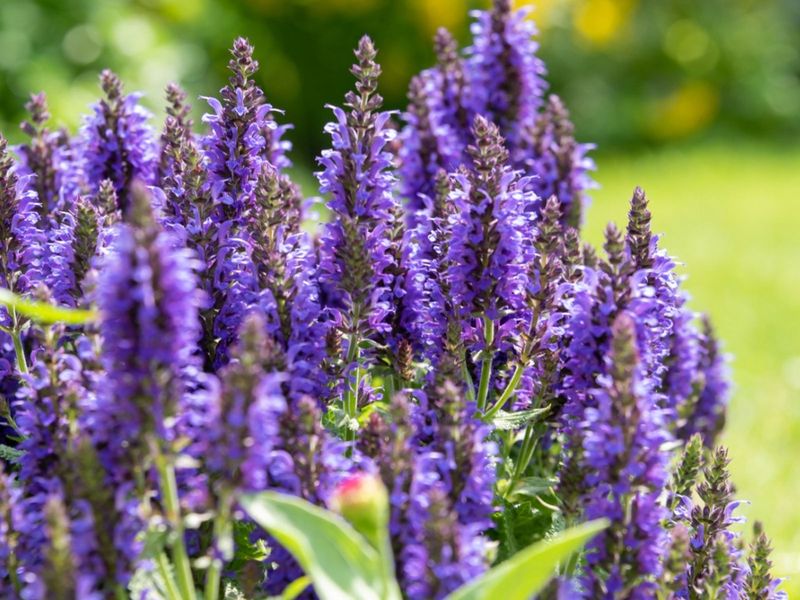
Salvia is the kind of plant that makes experienced Texas gardeners smile knowingly. While beginners are struggling to keep petunias alive in the August heat, salvia just keeps sending up fresh spikes of red, purple, or blue flowers like the season hasn’t even started yet.
It’s bold, reliable, and genuinely beautiful in the summer landscape. There are dozens of salvia species that perform well in Texas, from the classic red Salvia splendens to native varieties like Salvia greggii, commonly called autumn sage.
Each one has its own personality, but they all share the same love of full sun and warm temperatures.
Mixing a few different types gives your garden layers of color and texture throughout the season.
Hummingbirds are absolutely wild about salvia. The tubular flowers are perfectly shaped for hummingbird feeding, and a patch of red salvia near a window or patio can turn your outdoor space into a hummingbird hotspot all summer long.
Watching them hover and feed is one of the real rewards of planting this beautiful perennial or annual.
Salvia grows best in well-drained soil with full sun exposure for at least six hours a day. It handles dry spells well once established and rarely needs fertilizing.
In fact, too much fertilizer can actually reduce the number of blooms, so a light hand with plant food is the right approach here.
Cutting spent flower spikes back regularly encourages continuous blooming. In warmer parts of Texas, some salvia varieties come back as perennials year after year.
That means one small investment of time and money can reward you with color for many seasons to come.
7. Marigold
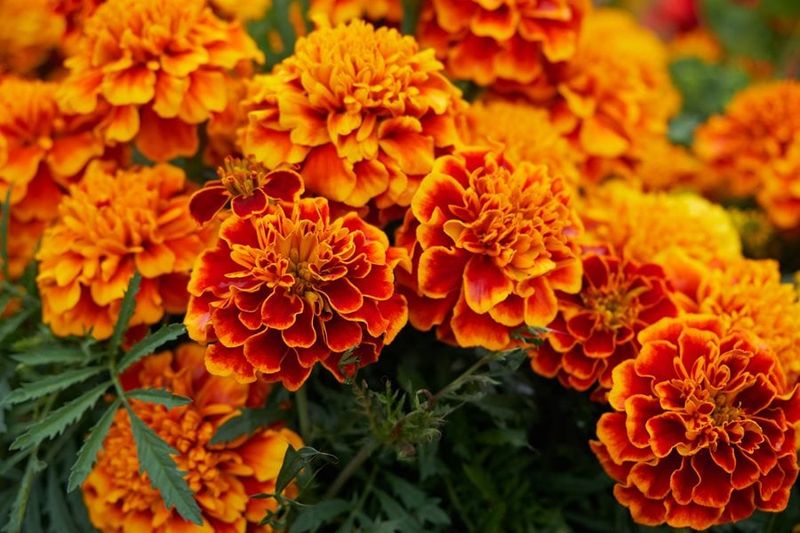
Marigolds have been a garden staple for generations, and there’s a very good reason for that.
These cheerful, golden blooms are nearly impossible to mess up, and they keep going strong through the hottest, muggiest Texas summers without skipping a beat. If you’re looking for a reliable, colorful, and useful flower, marigolds check every single box.
The flowers come in warm shades of yellow, orange, and deep gold, sometimes with streaks of red mixed in. They look fantastic planted in masses along a garden border, tucked between vegetable rows, or grouped in containers on a sunny porch.
Their rich, warm colors complement almost everything else growing in a summer garden, making them one of the most versatile flowers you can plant.
One of the most interesting things about marigolds is that they’re natural pest deterrents. The strong scent of the foliage is known to repel certain insects, including aphids and whiteflies.
Many vegetable gardeners plant marigolds around their tomatoes, peppers, and squash as a natural, chemical-free way to help protect their crops from unwanted visitors.
Marigolds grow best in full sun with well-drained soil. They’re not picky about soil quality and actually perform well in average or even slightly poor conditions.
Overwatering is one of the few things that can cause problems, so let the soil dry out a bit between waterings for the best results.
Deadheading, which means removing spent blooms, keeps marigolds looking tidy and encourages them to produce more flowers. It only takes a few minutes of light work each week.
With that small amount of care, marigolds will reward you with nonstop color from late spring all the way through the first cool days of autumn.