Stop Making These 8 Yard Habits That Welcome Ticks Into Your Massachusetts Backyard
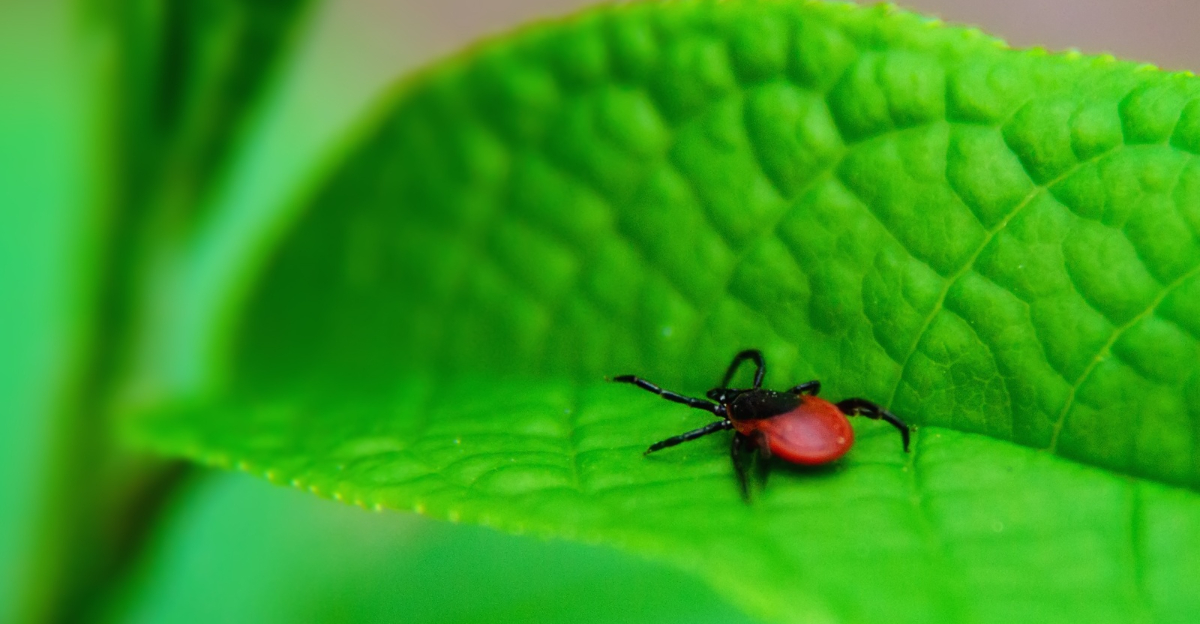
Last summer, you pulled three ticks off your dog after a single backyard session in Massachusetts, and all three were clinging stubbornly to golden fur.
Your yard looked perfectly normal, freshly mowed with tidy borders, nothing suspicious anywhere.
Yet something invisible was rolling out the welcome mat for every tick in the neighborhood. What exactly were you doing wrong? Turns out, almost everything.
Massachusetts homeowners unknowingly invite these persistent little creatures through shockingly ordinary yard habits, like tall grass near the fence line, leaf piles left too long, and shady corners nobody maintains.
Each one is prime tick real estate, and you are probably maintaining several right now. The creepy part is not the ticks themselves, but how ridiculously easy fixing this actually is, once you know what to look for.
1. Letting Grass Grow Too Tall

Tall grass is ideal habitat for ticks. They cling to long blades waiting for a passing host, which could be your dog, your kid, or you.
Ticks thrive in humid, shaded environments, and long grass creates exactly that kind of cover. When your lawn goes unmowed for even a couple of weeks, you are handing ticks a perfect hiding spot right outside your back door.
Keeping your grass trimmed to three inches or shorter removes that shelter ticks depend on. Short grass dries out faster in sunlight, making it far less appealing to these pests.
Make mowing a weekly habit during spring and summer when tick activity peaks in New England. Do not forget to trim along fences, garden borders, and the edges of your property where grass tends to get missed.
Bag your clippings rather than leaving them on the lawn. Piles of cut grass retain moisture and can become a resting spot for ticks between hosts.
If you have a large yard, consider a riding mower to stay on top of things without it feeling like a chore. Consistent mowing is one of the cheapest and most effective ways to reduce tick habitat near your home.
Think of your mower as your first line of defense. A well-trimmed yard sends ticks looking for friendlier territory elsewhere.
2. Leaving Leaf Litter Around Your Home

Raking leaves feels like a never-ending fall chore, but skipping it is a decision ticks celebrate. Leaf litter creates a moist, dark layer that ticks use as shelter and a hunting ground.
In New England, leaves pile up fast from September through November. Letting them sit against your house foundation or in garden beds gives ticks a sheltered overwintering spot close to your home.
Research from the Connecticut Agricultural Experiment Station found that ticks survive much better in leaf litter than in open, dry areas. That layer of decomposing leaves holds moisture and warmth, two things ticks absolutely need.
Clear leaves from your yard at least twice during fall, and do not let them pile up along fences or under shrubs. Bag them or compost them far from the main living areas of your yard.
Your Massachusetts Garden Changes Every Week. Your Plan Should Too.
Gardening in Massachusetts changes quickly throughout the season. Every Friday you’ll receive a simple weekly plan showing exactly what to plant, prune, fertilize, harvest, and protect so you never miss the right timing.
Pay special attention to the border where your lawn meets wooded areas. This transition zone is the most tick-heavy area in any yard, and leaf buildup there makes it even worse.
Spring cleanup matters just as much as fall. Any leaves that made it through winter are now sheltering ticks that survived the cold season and are ready to find a host.
Grab your rake and think of it as pest control. Clearing leaf litter is one of the fastest ways to make your yard significantly less welcoming to ticks.
3. Skipping The Wood-Chip Barrier

Most Massachusetts homeowners do not know this trick exists, but a simple wood-chip border can seriously cut down on ticks crossing from the woods into your yard. It acts like a dry moat that ticks are reluctant to cross.
Ticks move slowly and avoid dry, sunny surfaces whenever possible. A three-foot-wide strip of wood chips or gravel placed between your lawn and any wooded edges creates a barrier they tend to avoid.
The CDC actually recommends this strategy as part of a home tick-control plan. It is inexpensive, low-maintenance, and genuinely effective when combined with other yard habits.
You can find wood chips at garden centers or sometimes for free from local tree-trimming companies. Spread them at least three feet wide along any edge where your lawn meets trees, brush, or tall vegetation.
Gravel works just as well if you prefer a cleaner look. The key is creating a dry, sun-exposed zone that interrupts the moist, shaded path ticks use to migrate into your lawn.
Given how active tick populations are across Massachusetts, refreshing your barrier each spring is especially important.
Over time, wood chips break down and lose their deterrent effect, so adding a fresh layer annually keeps the protection strong. Think of it as drawing a boundary line your yard deserves.
For anyone spending time outdoors in Massachusetts, that simple strip of mulch could be the difference between a low-risk summer and an active tick season.
4. Not Pruning Overgrown Shrubs And Bushes
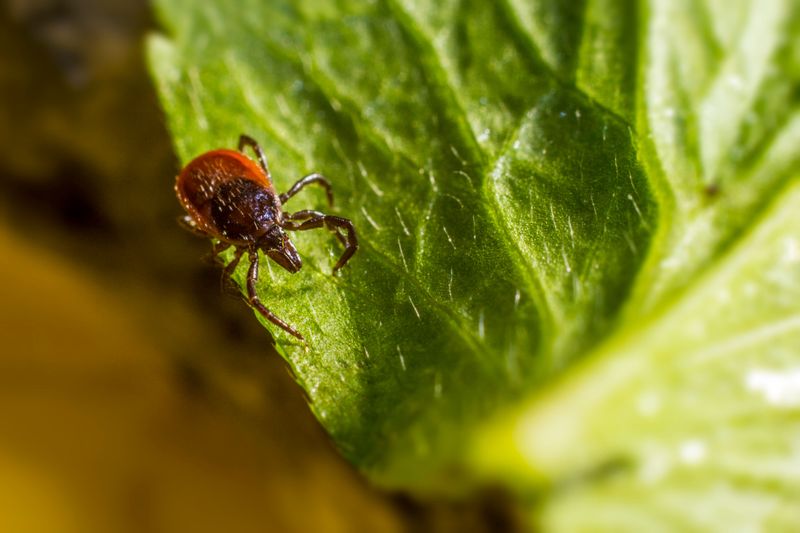
Overgrown shrubs look wild and natural, but they are dense shelter for ticks. Dense, low-hanging branches create shade, trap moisture, and give ticks the exact environment they prefer.
Bushes that brush against your lawn or touch the side of your house create a direct highway for ticks to travel from vegetation onto your walls, porch, or patio furniture. That is closer than you want them.
Pruning is not just about curb appeal. Trimming shrubs so that sunlight and air can move through them makes the space underneath dry out faster, which is bad news for ticks.
Focus especially on shrubs near entryways, along pathways, and close to seating areas. These are the spots where people and pets spend the most time, making them higher-risk zones for tick encounters.
Aim to prune at least twice a year, once in early spring and again in late summer. Remove any branches that droop to the ground or create dense canopies that block sunlight from reaching the soil below.
Wear gloves and long sleeves when pruning, and do a tick check afterward. Even the act of trimming can disturb ticks resting in the branches.
A well-pruned yard is not just prettier, it is genuinely safer. Keeping your shrubs tidy is a small effort that pays off all season long.
5. Keeping Wood Piles And Bird Feeders Near The House
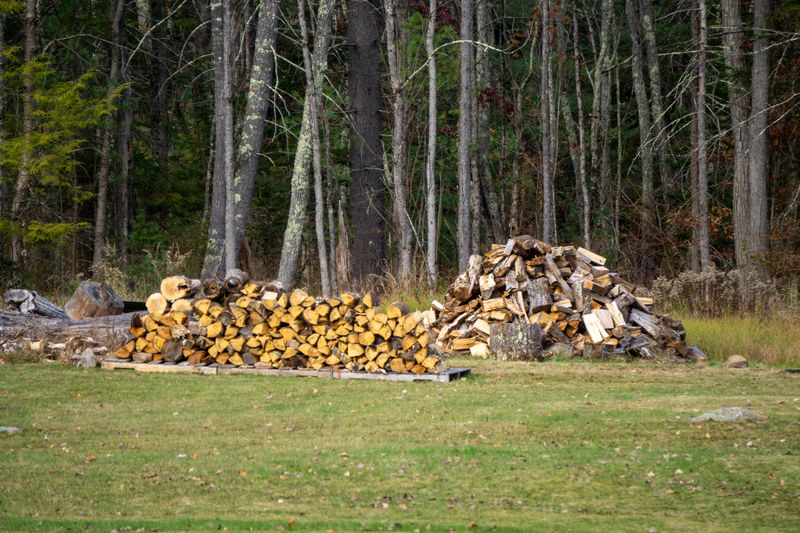
Your firewood stack might be inviting more than warmth into your life. Wood piles create ideal hiding spots for mice and other small rodents, which are the primary hosts that carry and spread ticks.
White-footed mice are especially common in New England and are one of the main reasons Lyme disease spreads so effectively here. Where mice go, ticks follow, and wood piles are a favorite mouse hangout.
Move your firewood storage at least 20 feet from your home and off the ground if possible. Stacking wood on a raised platform reduces the moisture underneath and makes it less attractive to nesting rodents.
Bird feeders cause a similar problem. Seeds that fall to the ground attract squirrels, chipmunks, and mice, all of which are hosts for tick larvae and nymphs.
Consider moving feeders away from your patio or deck and placing them on poles with baffles that reduce spilled seed on the ground. Cleaning up fallen seed regularly also helps cut down on rodent activity near your home.
You do not have to give up your bird-watching hobby or your fireplace. Small adjustments to where you place these items can dramatically reduce the rodent traffic that brings ticks to your doorstep.
Think about placement carefully. Each item near your home that attracts wildlife is worth moving.
6. Planting Deer-Attracting Vegetation

Deer are beautiful, but they are also carriers of ticks. Adult ticks ride deer for miles, dropping off in new locations including your garden beds and lawn.
Certain plants act like an attractive food source for deer in New England. Hostas, clover, tulips, and arborvitae are deer favorites that can turn your yard into a regular stop on the local deer route.
A single deer visit can deposit multiple ticks across your lawn. Those ticks then wait for the next warm body, which might be your toddler playing outside or your dog rolling in the grass.
Switching to deer-resistant plants is a smart and stylish solution. Lavender, catmint, Russian sage, and ferns are all less appealing to deer and still look gorgeous in a New England landscape.
Installing deer fencing around garden areas is another option, especially if you live near conservation land or wooded neighborhoods. An eight-foot fence is typically tall enough to deter most deer.
You can also use deer-repellent sprays around the perimeter of your yard. These need to be reapplied regularly, especially after rain, but they can significantly reduce how often deer wander through.
Choosing your plants thoughtfully is a form of pest control most gardeners never consider. A deer-resistant garden is a tick-resistant garden, and that is a win for everyone in your household.
7. Placing Play Areas And Furniture Too Close To The Woods
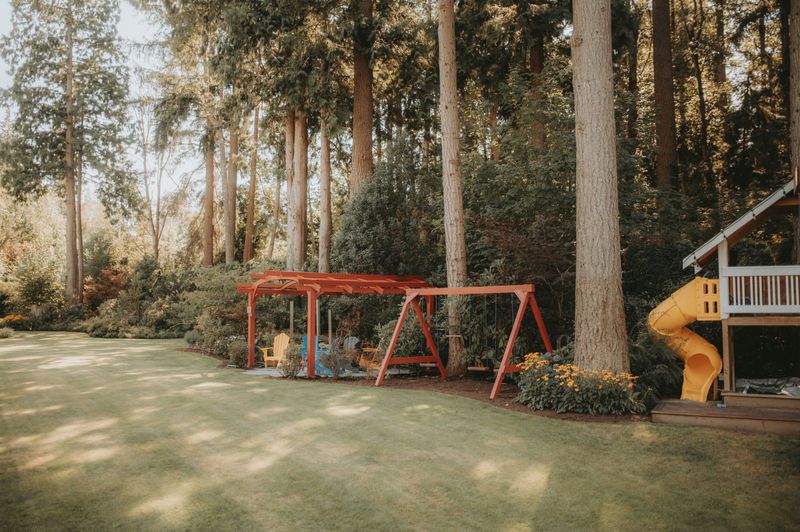
That shady spot under the trees might feel like the perfect place for a swing set, but it is also prime tick territory. Placing play structures or seating near wooded edges dramatically increases exposure risk.
Ticks do not jump or fly. They wait on low vegetation and grab onto hosts that brush past, so the closer your family sits to the tree line, the greater the chance of an encounter.
Move play equipment and outdoor furniture toward the center of your yard where sunlight is strongest and grass is regularly mowed. Open, sunny areas are far less hospitable to ticks than shaded woodland edges.
Creating a defined play zone with a border of wood chips or rubber mulch adds an extra layer of protection. These surfaces dry quickly and do not support the moisture ticks need to survive.
If you love entertaining outdoors, position your patio furniture away from shrubs and garden beds where ticks are more likely to be lurking. Even a few extra feet of distance from vegetation can reduce risk.
Check kids and pets thoroughly after outdoor play, especially during late spring and early summer when nymph ticks are most active. Nymphs are tiny and easy to miss, making regular checks essential.
Your backyard should feel like a refuge, not a risk. A little strategic planning about where you place things goes a long way toward protecting your family all season long.
8. Waiting Until You See Ticks To Act
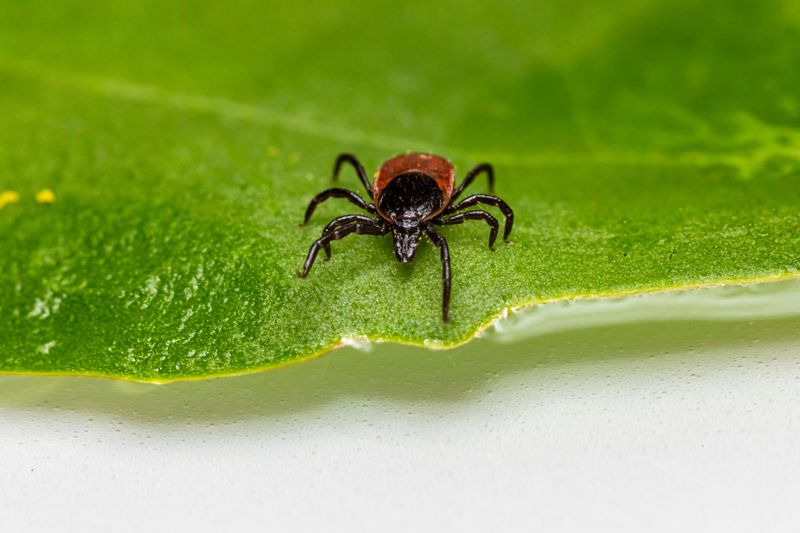
Waiting for a tick to show up before taking action is like waiting for a leak before checking your roof. By the time you spot one, dozens more may already be living in your yard.
Ticks are seasonal but not predictable. In Massachusetts, black-legged ticks can be active on warm winter days and are fully mobile by early spring. Waiting until summer to start prevention means you have already lost weeks of protection.
Start your tick-prevention habits early in the season, before the first warm stretch of weather arrives. Mow early, clear debris early, and apply any yard treatments before ticks become active.
Consider a professional yard spray in early spring if your property borders woods or fields. Many pest control companies offer barrier treatments that target tick-heavy zones along the edges of your lawn.
Personal protection matters too. Wearing permethrin-treated clothing and applying EPA-approved repellent before spending time outside are habits worth starting now, not after your first tick sighting.
Check yourself, your children, and your pets after every outdoor outing. For Lyme disease, ticks typically need 36 to 48 hours of attachment before transmission occurs, so finding them early makes a real difference.
Be aware that other tick-borne illnesses present in Massachusetts, such as Powassan virus, can transmit much faster, which makes prompt removal even more important.
Proactive habits are far more powerful than reactive ones. These yard habits are easy to break once you know what to look for, so start today and stay ahead of the season.