These Native Pennsylvania Plants Outperform Pachysandra In Shade And Support Wildlife Too
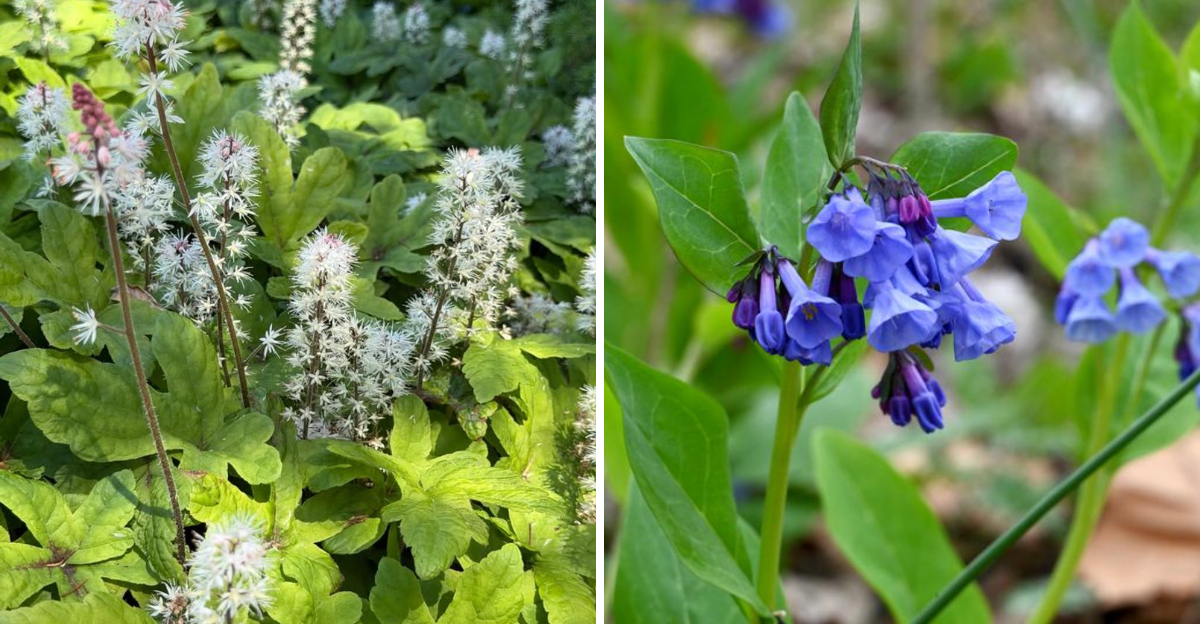
Pachysandra has covered shady Pennsylvania garden beds for decades, and the appeal is understandable. It stays green, it spreads, and it handles deep shade in spots where most plants give up.
The problem is that pachysandra is not native to Pennsylvania, and despite how widely it is used, it contributes almost nothing to the local ecosystem.
Birds do not rely on it, native insects largely ignore it, and the dense monoculture it creates across a shaded bed crowds out the native plants that would otherwise support the wildlife Pennsylvania actually has.
Native alternatives that handle the same shade conditions are not only available, they outperform pachysandra in the ways that actually matter to a yard functioning as more than just a green surface.
They bring seasonal blooms, food for pollinators, and habitat value that pachysandra cannot offer, and several of them spread just as reliably without the ecological trade-off that comes with a non-native ground layer.
1. Pennsylvania Sedge (Carex Pensylvanica)
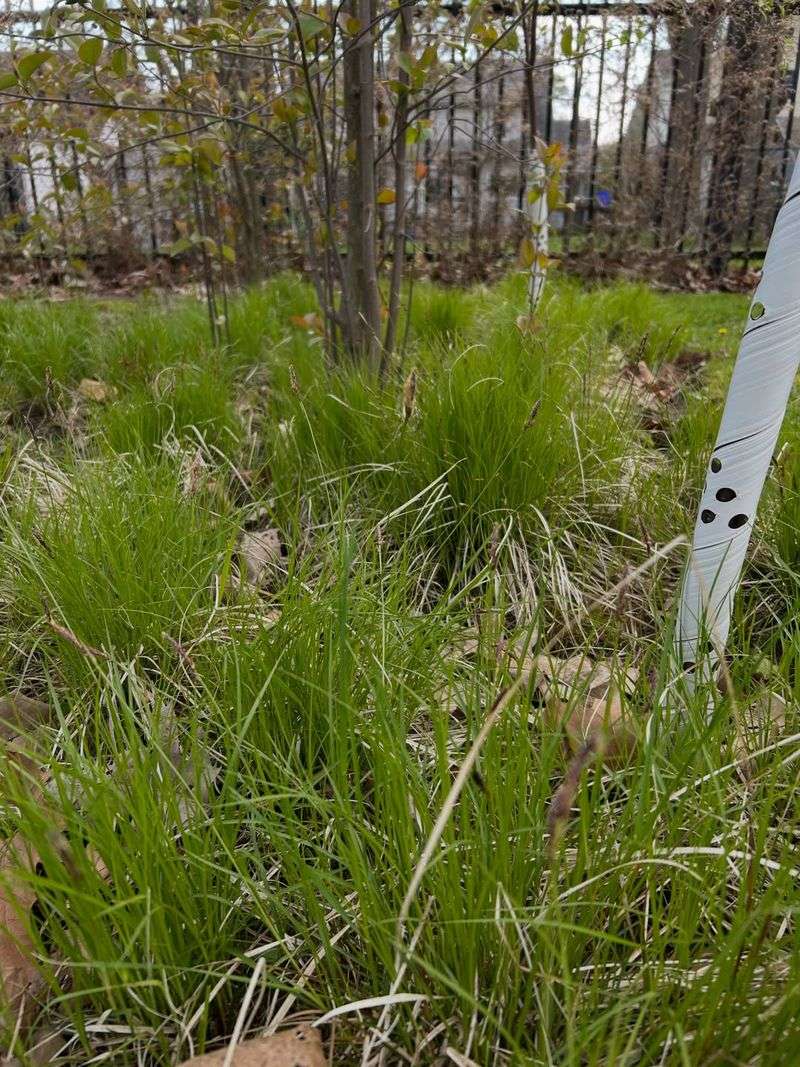
Walk through almost any dry, shaded Pennsylvania woodland and you will likely spot Pennsylvania Sedge without even realizing it. This tough little plant has been quietly doing its job for thousands of years, long before anyone thought to put it in a garden.
It grows in low, dense tufts that stay green through most of the year, making it one of the most reliable groundcovers you can plant under trees.
What makes Pennsylvania Sedge stand out is how well it handles dry shade, which is one of the hardest growing conditions to deal with. Most plants struggle when tree roots soak up all the moisture, but this sedge thrives.
It reaches only about six to twelve inches tall, so it stays tidy without much effort on your part. You rarely need to mow it, and it spreads slowly by underground runners to fill in gaps over time.
Beyond its good looks and low-maintenance personality, Pennsylvania Sedge is a powerhouse for wildlife. It provides nesting material for small birds and shelter for ground-dwelling insects.
Several native moth and skipper butterfly caterpillars use it as a host plant, which means planting it helps support the full food web in your yard. That is something pachysandra simply cannot offer.
Getting it started is straightforward. Plant it in spring or fall, give it a little water while it settles in, and then mostly leave it alone.
It is drought-tolerant once established and rarely bothered by pests or disease. For shady, dry spots where nothing else seems to grow, Pennsylvania Sedge is a genuine game-changer.
2. Foamflower (Tiarella Cordifolia)
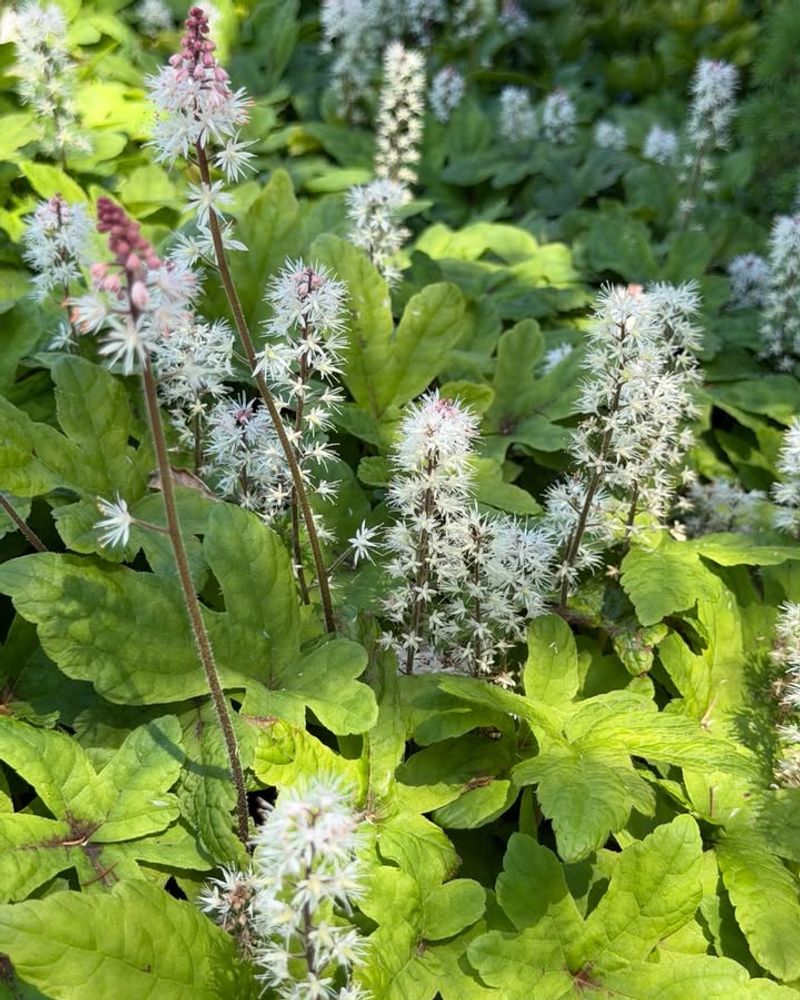
There is something almost magical about watching Foamflower burst into bloom in spring. Tiny white flowers rise up on slender stalks like little clouds of foam, which is exactly how this plant got its charming name.
Underneath those blooms, the leaves are just as beautiful, often marked with deep burgundy patterns that look almost painted on. It is the kind of plant that makes visitors stop and ask, what is that?
Foamflower forms dense clumps that spread steadily in shaded areas, making it an excellent groundcover for woodland gardens. It thrives in moist, rich soil with plenty of shade, exactly the kind of conditions found under mature trees or along shaded paths.
Your Pennsylvania Garden Changes Every Week. Your Plan Should Too.
Gardening in Pennsylvania changes quickly throughout the season. Every Friday you’ll receive a simple weekly plan showing exactly what to plant, prune, fertilize, harvest, and protect so you never miss the right timing.
Unlike pachysandra, which offers very little to wildlife, Foamflower is a nectar source for early-season pollinators like native bees that are just waking up after winter.
The foliage stays attractive long after the blooms fade, giving you interest across multiple seasons. In milder Pennsylvania winters, the leaves may even stay semi-evergreen, adding color when the garden needs it most.
Some varieties hold their burgundy leaf markings well into fall, which gives the garden a rich, layered look without any extra effort.
Planting Foamflower is easy. It prefers amended soil with good moisture retention, but it adapts well once established.
Space plants about a foot apart and let them fill in naturally. They rarely need dividing, though you can split clumps every few years to spread them further.
For a shady garden that looks professionally designed but requires minimal upkeep, Foamflower earns its place every single season.
3. Wild Ginger (Asarum Canadense)
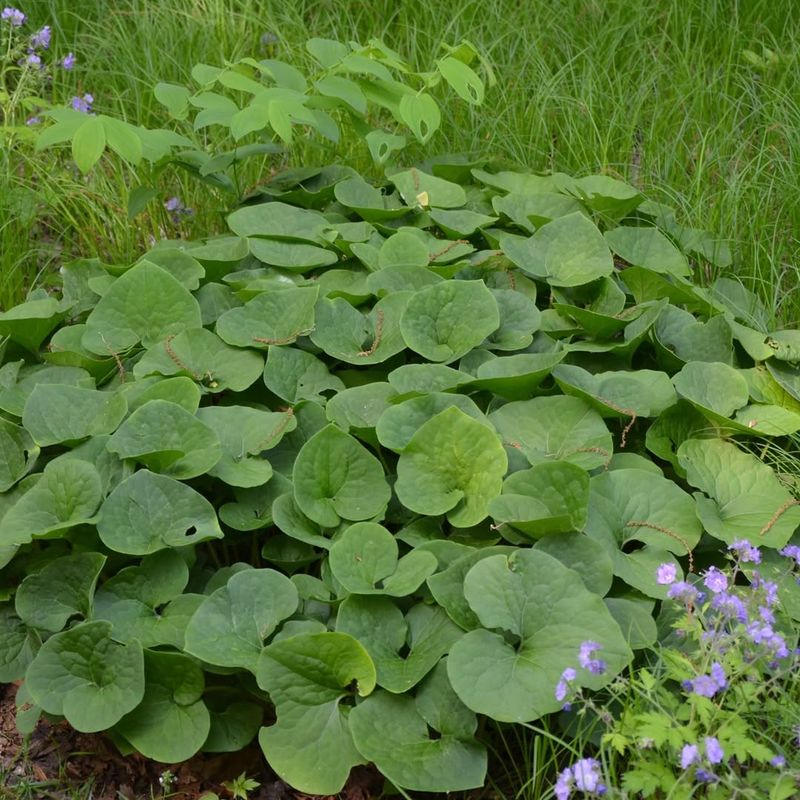
Few plants have a personality as quietly bold as Wild Ginger. The leaves are large, heart-shaped, and velvety, spreading out in overlapping layers that create one of the richest-looking groundcovers in any shaded garden.
Crush a leaf and you will catch a faint spicy scent that explains the name, even though this plant is not related to the ginger used in cooking. It is a native wildflower with serious character.
Wild Ginger thrives in moist, shaded spots with rich, humus-filled soil. It spreads by underground rhizomes, slowly forming dense mats that choke out weeds without any help from you.
Once it gets going, it is remarkably low-maintenance. The thick leaf canopy shades the soil so effectively that very little else can grow underneath, which means fewer weeds to pull and more time to enjoy your garden.
From a wildlife perspective, Wild Ginger is genuinely impressive. Its unusual reddish-brown flowers bloom near the ground in early spring, hidden beneath the leaves.
Those flowers are pollinated by early insects like fungus gnats and small beetles that are active before most other pollinators even appear.
The seeds are also distributed by ants, a fascinating process called myrmecochory that helps the plant spread naturally through woodland areas.
Planting Wild Ginger is straightforward. It prefers partial to full shade and consistent moisture, especially while getting established.
Pair it with ferns or Foamflower for a layered woodland look that feels completely natural. It is slow to establish but very long-lived, making it a true investment in your garden’s future. Once settled, Wild Ginger practically takes care of itself year after year.
4. Christmas Fern (Polystichum Acrostichoides)
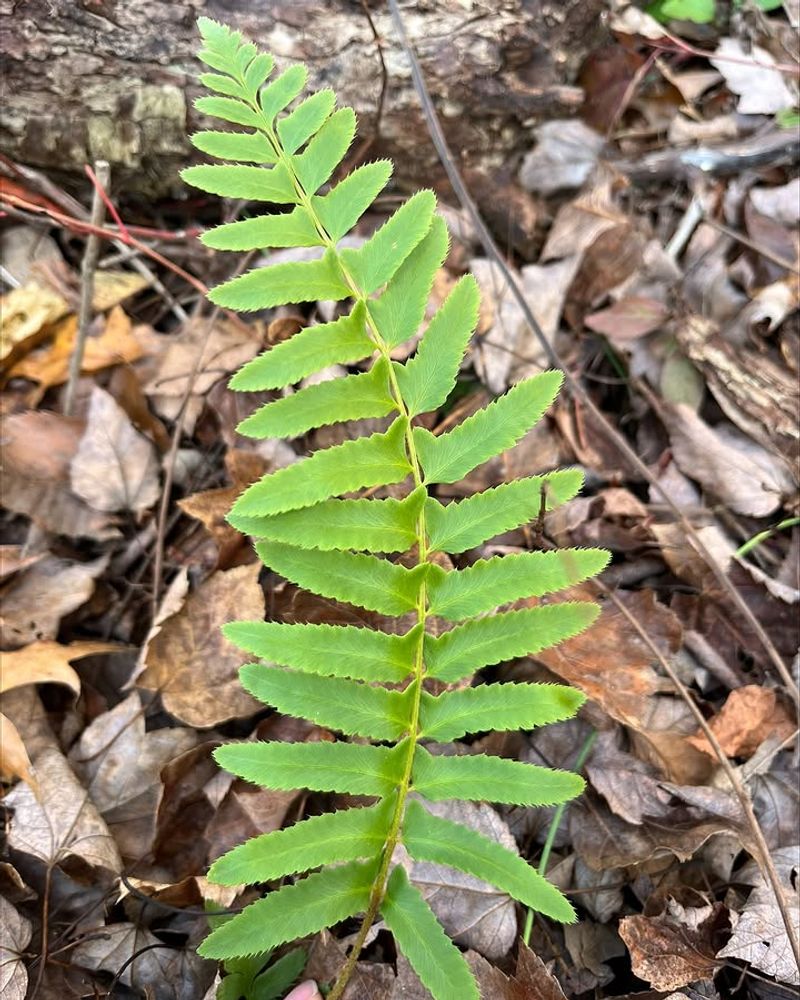
Named for its ability to stay green straight through the Christmas season, Christmas Fern is one of the most dependable plants you can add to a shaded Pennsylvania garden.
While other plants go dormant and leave bare spots, this fern keeps its rich, dark green fronds looking sharp all winter long.
That kind of year-round presence is hard to find, especially in deep shade where most plants simply give up.
Christmas Fern grows in graceful, arching clumps that reach about one to two feet tall. It handles deep shade better than almost any other native plant, making it perfect for spots under dense tree canopies where even grass refuses to grow.
It also tolerates dry soil once established, though it looks its best with a little moisture. Slopes and hillsides are ideal spots because the fern’s root system holds soil firmly in place, helping prevent erosion during heavy rain.
Wildlife benefits from Christmas Fern in ways that go beyond what most gardeners realize. The fronds provide important winter shelter for insects, small mammals, and ground-nesting birds.
Some moth species use it as a host plant, and the dense clumps offer hiding spots for toads and salamanders. In a yard that is otherwise bare in winter, a patch of Christmas Fern becomes a genuine refuge for local wildlife.
Planting it is simple. Set plants in fall or early spring, water them in well, and give them a layer of leaf mulch to mimic their natural woodland habitat.
They are slow to spread but long-lived and virtually trouble-free. Over several years, a single clump grows fuller and more impressive, rewarding patient gardeners with a plant that truly earns its keep.
5. Allegheny Spurge (Pachysandra Procumbens)
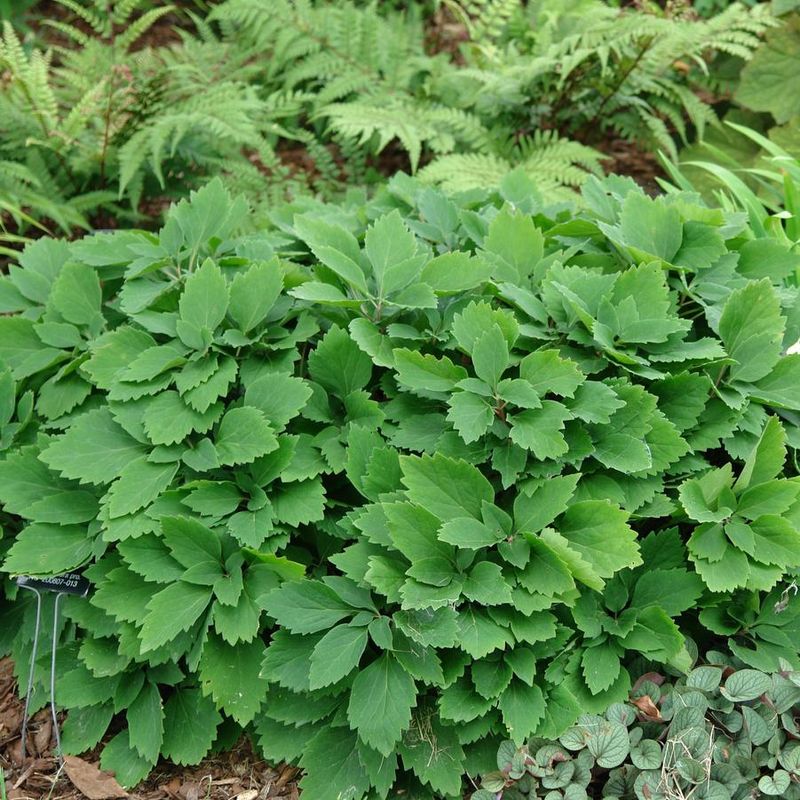
Here is something worth knowing right away: Allegheny Spurge is actually a native American cousin of the common Japanese Pachysandra most people plant in their yards.
While the Japanese version is technically invasive in some areas, Allegheny Spurge is a Pennsylvania native that plays by the rules.
It looks similar at first glance, but once you get up close, the differences are striking and the benefits for local wildlife are far greater.
The leaves of Allegheny Spurge are broader and beautifully mottled with silver-green patterns, giving the plant a much more interesting appearance than its foreign counterpart. It grows six to twelve inches tall and spreads gradually to form a tidy, weed-suppressing mat.
In late winter or very early spring, it puts out small, fragrant white to pinkish flower spikes that are among the first blooms available to early pollinators. That early nectar source is genuinely valuable in a season when food is scarce for bees.
Allegheny Spurge thrives in partial to full shade with moist, well-drained soil. It is semi-evergreen in Pennsylvania, meaning the foliage often persists through mild winters and provides ground-level shelter for beneficial insects during cold months.
It is also more tolerant of dry conditions than many people expect, making it adaptable to a range of shady garden situations.
Swapping Japanese Pachysandra for this native alternative is one of the easiest upgrades a gardener can make. The planting process is identical, the look is comparable, but the ecological value is vastly superior.
Plant it in groups of three or more for the best coverage, and let it spread at its own relaxed pace across your shaded beds.
6. Virginia Bluebells (Mertensia Virginica)
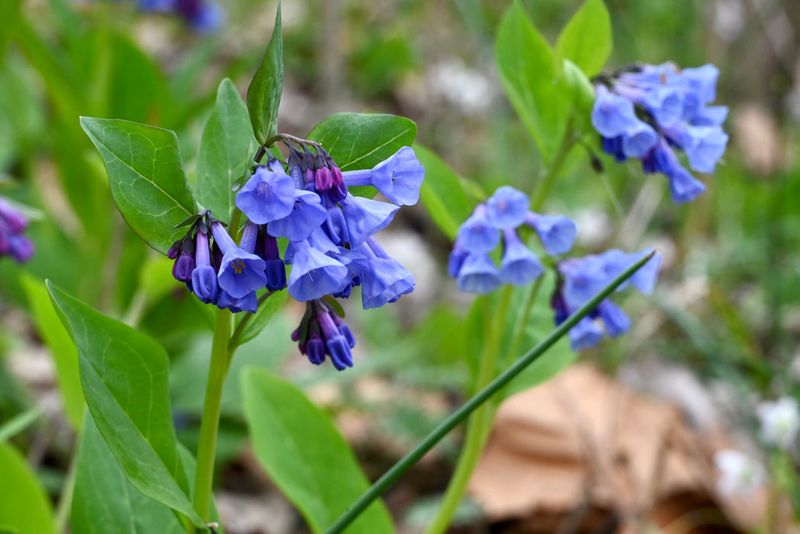
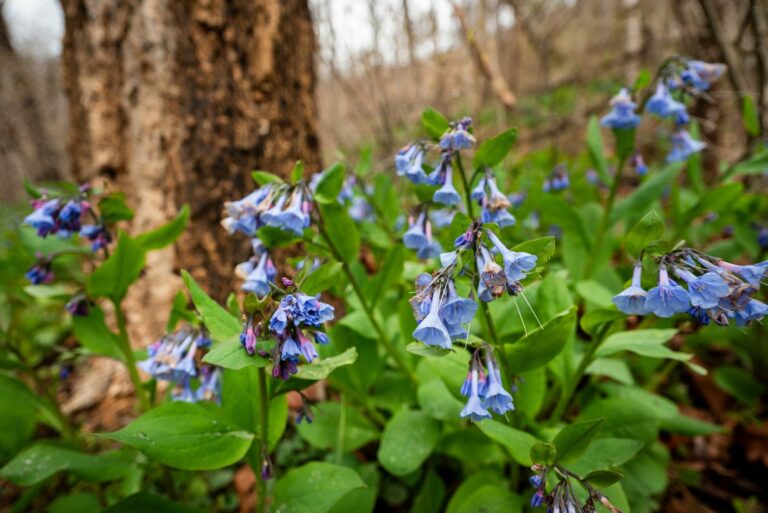
Every spring, Virginia Bluebells put on a show that stops people in their tracks. The flowers open in clusters of soft pink buds that gradually shift into the most vivid sky-blue you have ever seen on a native plant.
Standing in a garden full of blooming Virginia Bluebells feels like something out of a storybook. No wonder gardeners who discover this plant become completely devoted to it.
Virginia Bluebells are a spring ephemeral, which means they emerge early, bloom brilliantly, and then quietly go dormant by early summer. That sounds like a drawback, but it is actually a smart design.
They make the most of the light and moisture available before tree canopies leaf out, then step aside gracefully. Pair them with later-emerging plants like ferns or Wild Ginger to fill the space they leave behind, and the garden looks full all season long.
From a pollinator standpoint, Virginia Bluebells are exceptionally valuable. Their tubular blue flowers are perfectly shaped for bumblebees, and they also attract specialist native bees that rely on spring-blooming plants.
Hummingbirds visit them too, making a patch of Virginia Bluebells a lively, buzzing corner of the garden in April and May. Few native plants pack that much ecological punch into such a short blooming window.
Plant the roots in fall for the best results, choosing a spot with moist, rich soil and dappled shade. They naturalize beautifully over time, spreading by seed to form larger and larger colonies.
Mark where they are planted so you do not accidentally disturb the dormant roots in summer. With a little patience, Virginia Bluebells reward you with a spring display that gets better every single year.
7. Woodland Phlox (Phlox Divaricata)
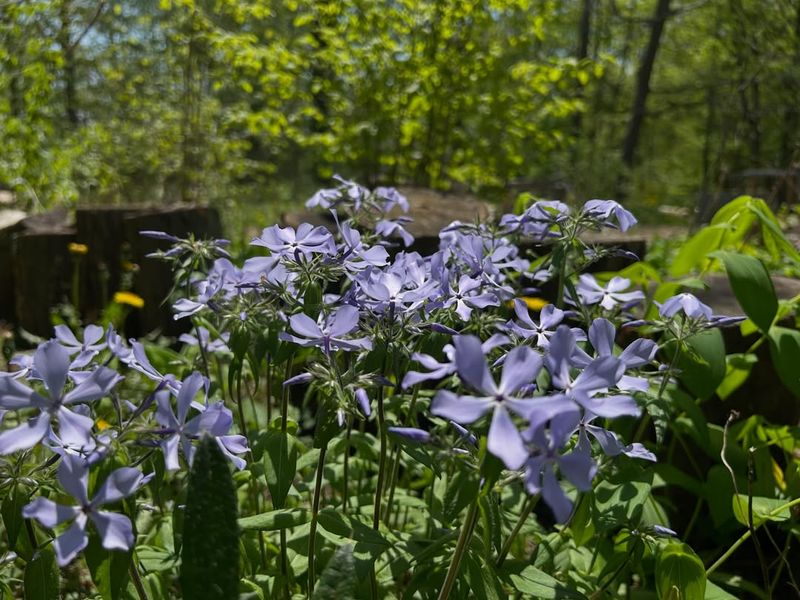
Lavender-blue and absolutely lovely, Woodland Phlox is one of those plants that makes even experienced gardeners smile.
When it blooms in April and May, it spreads like a soft purple-blue mist across the forest floor, filling shaded spots with color at a time when the garden is just waking up.
The fragrance is light and sweet, the kind that drifts through the yard on a warm spring afternoon and makes you want to slow down and enjoy the moment.
Woodland Phlox grows six to fifteen inches tall and spreads steadily by trailing stems that root where they touch the ground. Over time, a single plant becomes a wide, flowering mat that fills in shaded areas beautifully.
It is not aggressive, so it plays well with neighboring plants like ferns, Wild Ginger, and Foamflower. That cooperative spreading habit makes it ideal for naturalizing large shaded areas without any of the invasive tendencies of non-native groundcovers.
Pollinators are absolutely drawn to Woodland Phlox. Its tubular flowers are perfectly designed for butterflies, especially swallowtails, as well as sphinx moths and various native bees.
Hummingbirds are occasional visitors too. Planting a swath of it near other spring-blooming natives creates a genuine pollinator corridor that benefits the entire neighborhood ecosystem, not just your yard.
For best results, plant Woodland Phlox in partial to full shade with moist, well-drained soil. It handles average garden conditions well once established and rarely needs supplemental watering after its first season.
Trim it back lightly after blooming to encourage fresh growth and prevent it from getting leggy. It is a plant that gives generously and asks for very little in return, making it a perfect fit for any Pennsylvania shade garden.