The Grass Cutting Habits That Are Bringing More Ticks Into Pennsylvania Yards This Summer
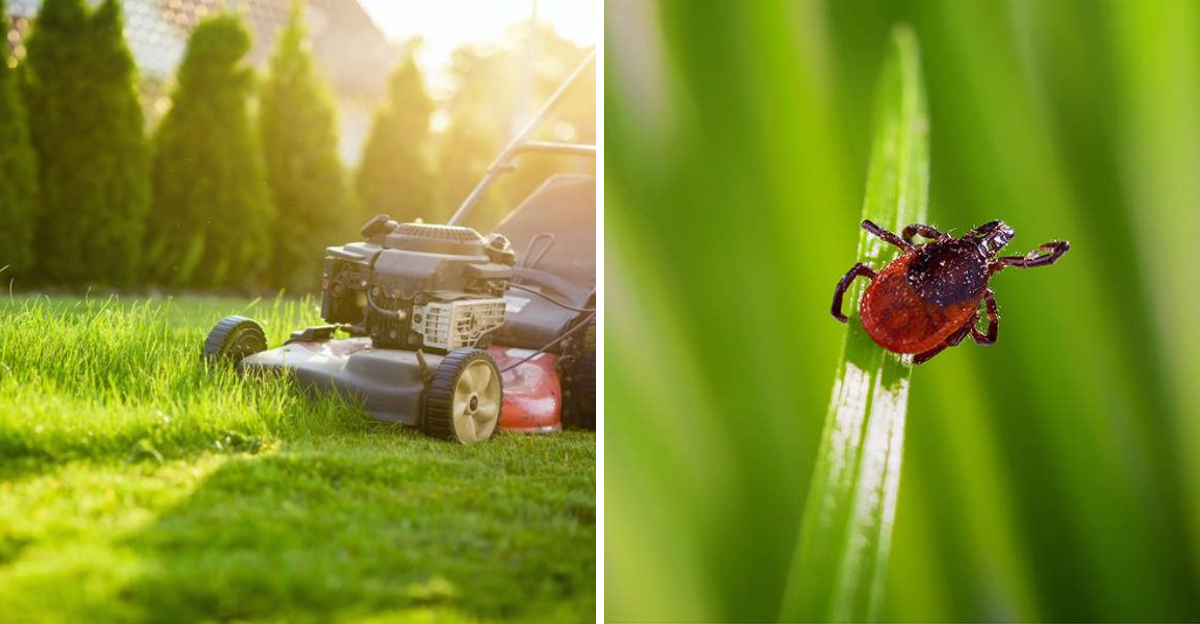
Most Pennsylvania homeowners think of lawn mowing as a straightforward maintenance task with no real connection to tick pressure, and that assumption is leaving one of the more practical tick management tools completely unused.
The way grass is cut in Pennsylvania yards has a direct and measurable effect on the conditions that ticks need to establish themselves close to a home, and some of the most common mowing habits in the state are working in ticks’ favor rather than against them.
This is not a matter of whether a yard is well-kept or not. It comes down to specific details in cutting height, timing, and edge management that influence the microhabitat at ground level in ways most people never consider.
Adjusting a few of those details requires no additional time or expense, and the effect on tick-friendly conditions around the yard can be meaningful through the most active part of the season.
1. Mowing Too Short

Scalping your lawn might seem like a time-saver, but cutting grass below 2 inches is one of the most tick-welcoming mistakes you can make. Many Pennsylvania homeowners assume shorter grass means fewer places for ticks to hide. The truth is actually the opposite.
When grass is cut too low, it removes the natural canopy that shades the soil. That shade normally helps keep the ground cooler and drier, which are conditions ticks do not prefer.
Without that cover, the soil gets warm and humid in a way that actually helps ticks survive longer.
Taller grass also supports ground beetles, spiders, and other small predators that naturally feed on tick larvae. Mowing too short removes their habitat, which reduces their populations and gives ticks a better chance of thriving.
Lawn experts and Penn State Extension both recommend keeping grass at 3 to 4 inches tall during peak summer months. At that height, the lawn stays healthier, roots grow deeper, and the natural balance of the yard is better maintained.
Try raising your mower deck at least one notch higher than your current setting. It is a simple adjustment that costs nothing and makes a noticeable difference.
A healthier, taller lawn is not just more comfortable to walk on barefoot. It is also a much less attractive environment for ticks looking for a place to wait for their next host.
Small changes in mowing height can have a surprisingly big impact on how tick-friendly your yard becomes over a full summer season.
2. Cutting On A Fixed Schedule

Sticking to a strict mowing schedule no matter what the weather is doing sounds responsible, but it can actually work against you when it comes to tick control. Grass does not grow at the same rate every week.
Heat, humidity, and rainfall all affect how fast your lawn grows, especially during a Pennsylvania summer.
Mowing on autopilot means you might be cutting grass that does not need trimming yet, or skipping a week when the lawn has already gotten too long. Both situations can create uneven growth patterns across your yard.
Your Pennsylvania Garden Changes Every Week. Your Plan Should Too.
Gardening in Pennsylvania changes quickly throughout the season. Every Friday you’ll receive a simple weekly plan showing exactly what to plant, prune, fertilize, harvest, and protect so you never miss the right timing.
Those uneven patches create pockets of dense, shaded growth that ticks absolutely love. There is another risk that most people do not think about.
If ticks have already settled into one section of your yard, mowing that area and then moving to a clean section can physically carry tick eggs and larvae to new spots. Your mower wheels and undercarriage can transport them without you ever noticing.
A smarter approach is to mow based on actual grass height rather than the calendar. Check your lawn every few days.
If the grass has grown more than a third taller than your target height, it is time to mow. If it has not, wait a few more days.
Also, pay attention to tick activity alerts from your local county health department. Pennsylvania often sees spikes in tick activity during warm, humid stretches.
Adjusting your mowing routine around those conditions, rather than the date, helps you stay one step ahead of a growing tick population in your own backyard.
3. Leaving Clippings On The Lawn
Mulching your clippings back into the lawn is popular advice in gardening circles, and for good reason. It returns nutrients to the soil and saves time.
But during tick season in Pennsylvania, leaving too many clippings on the surface can create a hidden problem right under your feet.
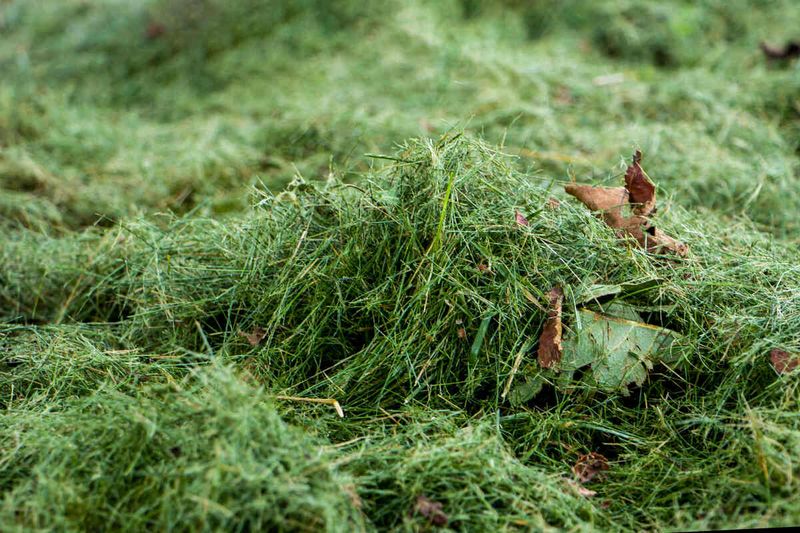
Thick layers of grass clippings trap moisture close to the ground. That damp, warm layer becomes a cozy microhabitat for ticks, especially larvae and nymphs that are too small to see easily.
They can burrow into the clipping layer, stay hydrated, and wait patiently for a passing host. Tick nymphs are the size of a poppy seed. They are incredibly easy to miss.
When they are sheltered inside a clipping pile, they are even harder to spot. And because the clippings spread across your entire lawn after mowing, the ticks spread with them.
If you prefer to recycle your clippings, try using a mulching mower that chops them into very fine pieces. Fine clippings break down much faster and do not create the same thick, moisture-trapping layer that whole clippings leave behind.
Another option is to bag your clippings during the peak summer months and compost them away from your main lawn area.
Keeping the surface of your lawn as clean and dry as possible is one of the most practical steps you can take. Ticks cannot survive long without moisture.
Removing the conditions that keep them hydrated is a straightforward way to make your yard far less inviting for them throughout the hottest and most active months of the tick season.
4. Ignoring Lawn Edges And Borders
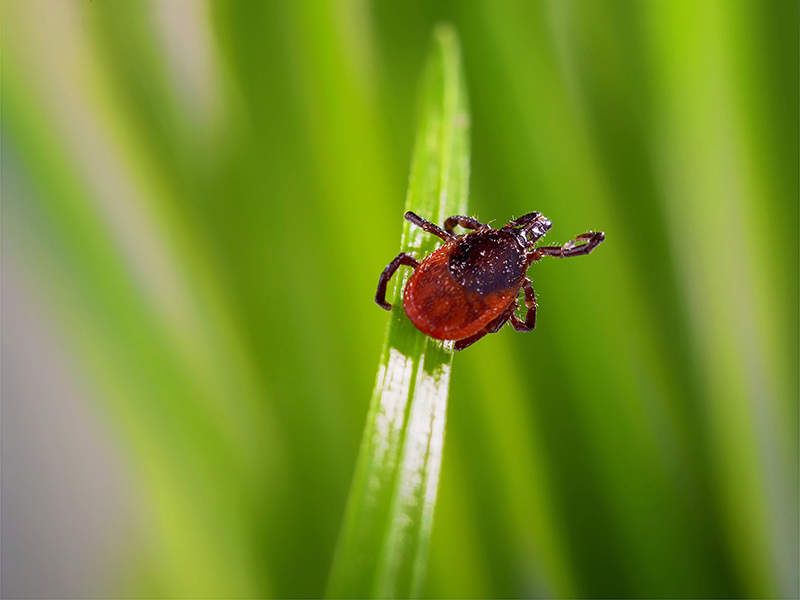
Picture this: you just finished mowing your entire lawn. It looks neat, trimmed, and clean. But along the fence line, next to the garden beds, and around the base of the trees, the grass is still long, tangled, and untouched.
That border zone is exactly where ticks set up camp. Ticks do not hang out in the middle of a sunny, open lawn. They prefer the edges.
Researchers call this behavior questing. Ticks climb to the tip of a grass blade or leaf and stretch out their front legs, waiting for a warm-blooded host to brush past. Tall grass along lawn borders is prime real estate for this behavior.
Pennsylvania yards often have lots of natural borders. Tree lines, shrub beds, stone walls, and wooden fences all create those shady transition zones that ticks favor.
When those edges are left untrimmed, ticks from the surrounding woods or tall vegetation can easily migrate inward toward the areas where your family actually spends time.
Using a string trimmer or edger along every border after mowing is a habit worth building. It only adds a few extra minutes to your routine, but it dramatically reduces the welcoming zones around the perimeter of your yard.
Creating a mulch or gravel barrier between your lawn and wooded areas can also help. A dry, sunny strip of about 3 feet wide makes it much harder for ticks to cross from wild areas into your maintained lawn.
Keeping those edges tidy and dry is one of the most effective and underrated ways to reduce tick pressure all season long.
5. Mowing When Grass Is Wet
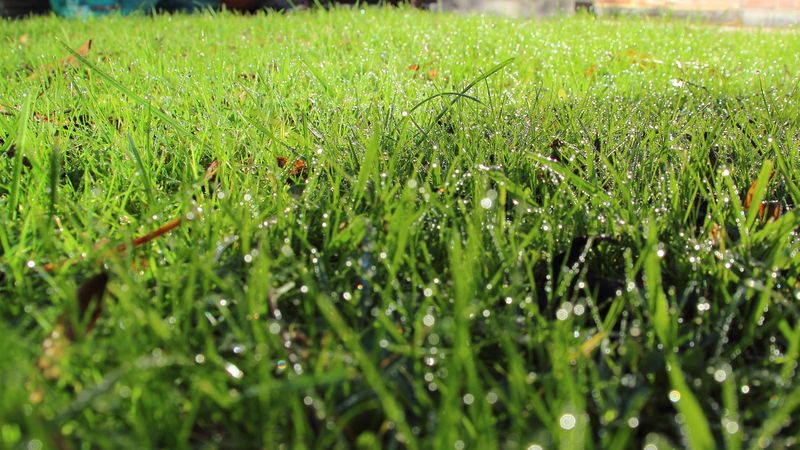
Early morning mowing might feel productive, especially on a humid Pennsylvania summer day when you want to beat the afternoon heat.
But if there is still dew on the grass, you are mowing under conditions that can actively spread ticks across your yard without realizing it.
Wet grass causes clippings to clump together rather than scatter evenly. Those clumps stick to your mower deck, wheels, and undercarriage.
If any of those clumps contain tick eggs or tiny larvae, you are essentially transporting them from one part of the yard to another with every pass you make.
Damp conditions also extend how long ticks can survive on the open lawn surface. Normally, direct sunlight and dry air would stress out ticks and reduce their activity.
But wet grass gives them enough moisture to stay active and mobile for much longer than they would on a dry day.
Lawn care professionals recommend waiting until the grass is fully dry before mowing. That usually means late morning or early afternoon on most summer days.
Yes, it is hotter, but the trade-off is a cleaner cut and far less risk of spreading tick populations around your yard.
After mowing, clean off your mower thoroughly. Use a hose to rinse the undercarriage and remove clumped clippings.
Leaving wet debris caked under the mower deck creates another small, damp hiding spot that ticks can use between mowing sessions.
These small habits, like timing your mowing and cleaning your equipment, add up to a real difference in keeping tick numbers down in your Pennsylvania yard over the course of a full summer.
6. Not Rotating Mowing Patterns
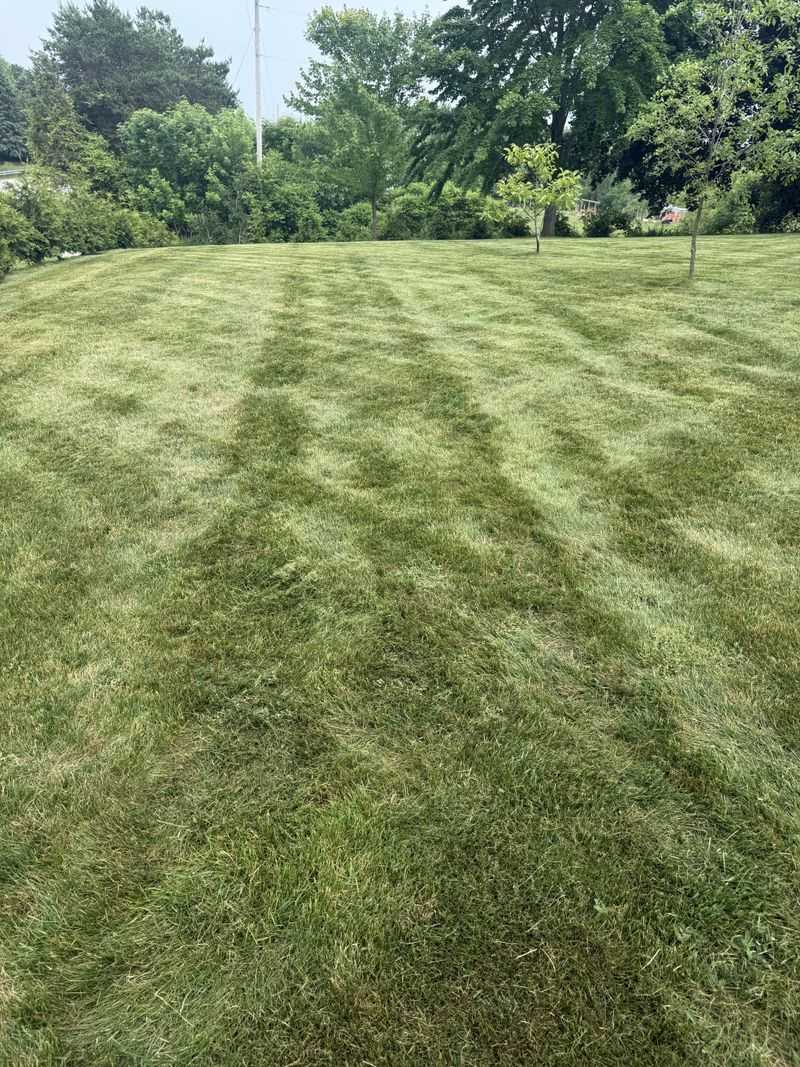
Most people mow their lawn the same way every single time. Same direction, same starting corner, same path around the yard.
It feels efficient, and the stripes look clean. But repeating the same mowing pattern over and over creates a hidden problem that quietly encourages ticks to settle in.
When you always mow in one direction, grass blades consistently lean the same way. Over time, certain areas of the lawn become more compressed, shadier, and denser than others.
Those consistently shaded, thicker patches hold moisture longer and receive less direct sunlight. Sound familiar? That is exactly the kind of microclimate ticks prefer.
Rotating your mowing pattern breaks up those microclimates. When you alternate between horizontal, vertical, and diagonal passes, the grass stands more upright, sunlight reaches the soil more evenly, and air circulates better throughout the lawn.
All of those factors work together to make the yard less comfortable for ticks. Changing your pattern also improves the overall health of your turf.
Grass that is not repeatedly bent in one direction grows more evenly, develops stronger roots, and resists drought better.
A healthier lawn is naturally more resistant to the conditions that allow tick populations to grow.
Try switching your mowing direction every other session. It takes no extra time and requires no new equipment.
Just start from a different edge or angle each time you mow. Over the course of a summer, this simple habit helps disrupt the small, sheltered zones that ticks depend on for survival.
Combined with the other habits on this list, it is a powerful and easy addition to a smarter lawn care routine.