Pennsylvania Native Shrubs To Plant Instead Of Rosemary This Season
Rosemary has been a reliable landscape choice in Pennsylvania for years, prized for its evergreen structure, drought tolerance once established, and the bonus of being useful in the kitchen.
The problem is that Pennsylvania winters are increasingly unpredictable, and hard cold snaps have taken out established rosemary plants across the state more than once in recent years.
Replanting the same shrub after losing it to a freeze starts to feel like a pattern rather than bad luck.
Pennsylvania native shrubs offer a more permanent solution, plants that are genuinely calibrated to survive whatever winter delivers here without needing protection, replacement, or a particularly optimistic outlook.
Several of them bring the same low maintenance appeal as rosemary with added seasonal interest, better wildlife value, and the kind of deep cold hardiness that comes from actually belonging in this climate.
If rosemary has been a recurring disappointment in your landscape, Pennsylvania natives deserve a serious look this season.
1. Sweetfern
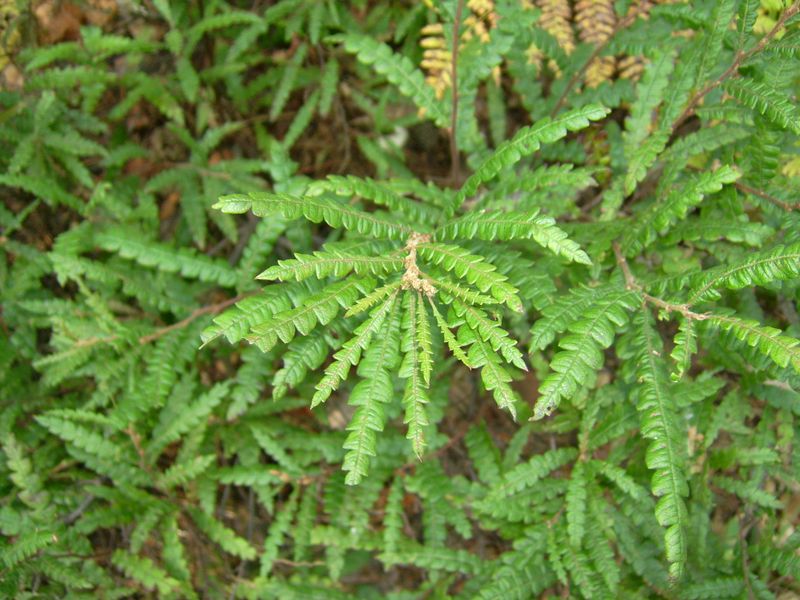
Walk past a patch of Sweetfern on a warm summer day, and you will immediately understand why gardeners love it. The leaves release a spicy, sweet fragrance when brushed, making it one of the most aromatic native shrubs in Pennsylvania.
It is not actually a fern at all. Sweetfern is a woody shrub that just happens to have fern-shaped leaves, which gives it a unique, textured look in the garden.
Sweetfern thrives in dry, sandy, or rocky soil where many other plants would struggle. It loves full sun and handles drought like a champion.
If you have a sunny slope or a dry corner of your yard that nothing seems to grow in, Sweetfern might be exactly what you need. It spreads slowly by underground runners, forming a low, dense mat that helps control erosion on slopes and hillsides.
This shrub typically grows two to four feet tall and wide. Its catkins appear in early spring, adding a subtle seasonal interest before the leaves fully open.
Sweetfern is also a host plant for several native moth and butterfly species, making it a valuable addition to any wildlife-friendly yard.
Gardeners looking for a rosemary alternative will appreciate how Sweetfern handles neglect with grace. Once established, it needs almost no maintenance.
No pruning, no fertilizing, and no watering beyond the first season. It is truly a plant-it-and-forget-it shrub that rewards you with fragrance and beauty year after year.
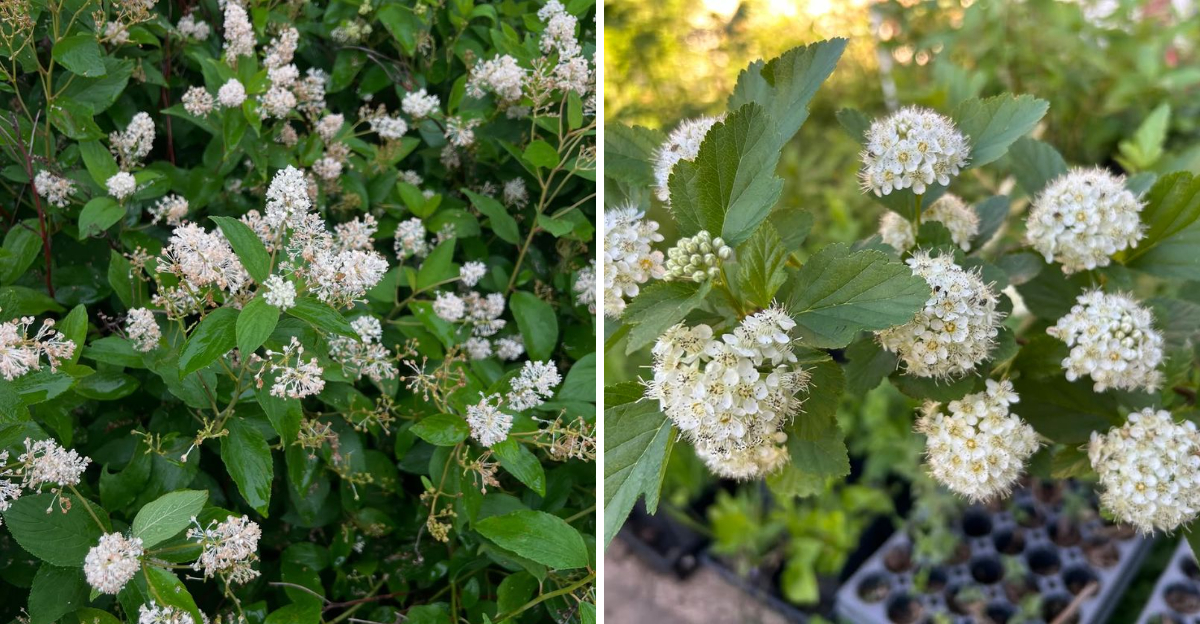
2. New Jersey Tea
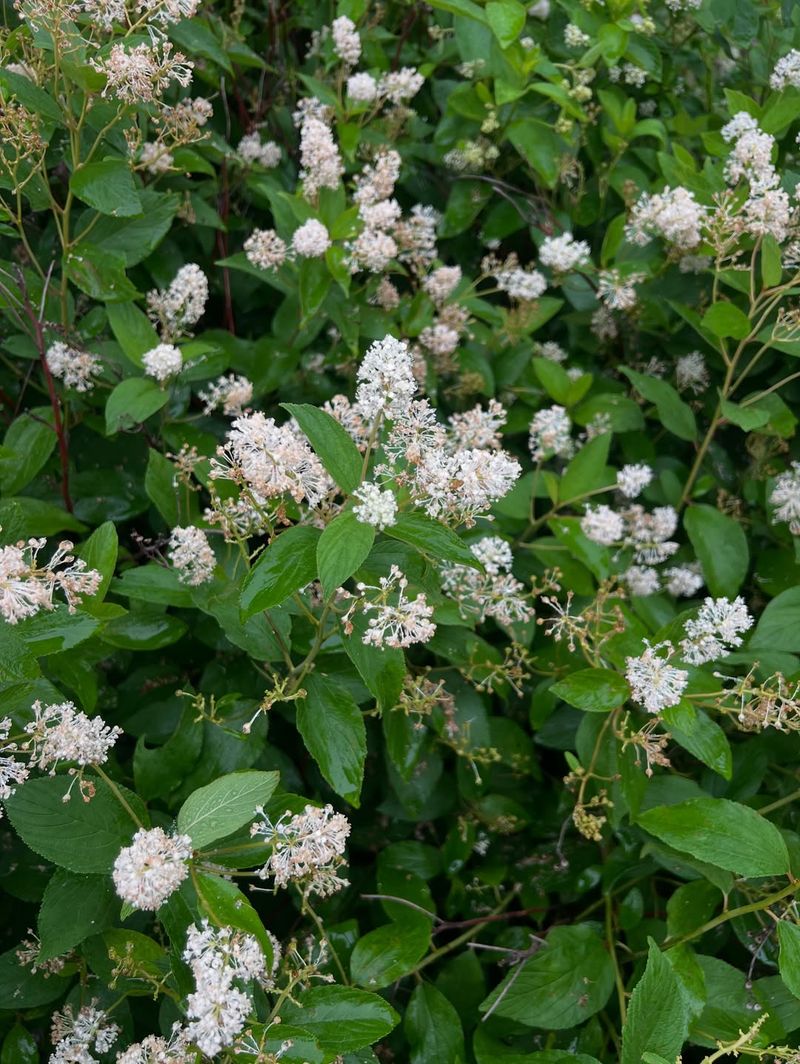
There is a fun piece of history tucked inside this plant’s name. During the American Revolution, colonists brewed the leaves of New Jersey Tea as a substitute for imported tea.
That historical charm alone makes it a conversation-starting addition to any yard. Beyond its backstory, New Jersey Tea is a genuinely impressive native shrub that earns its place in Pennsylvania gardens season after season.
New Jersey Tea grows two to three feet tall and produces clusters of tiny white flowers in early summer. Those blooms are a magnet for native bees, butterflies, and other pollinators.
If you want to support local wildlife, few shrubs deliver as reliably as this one during the summer months. Monarch butterflies, bumblebees, and hummingbird moths are just a few of the visitors you might spot.
Your Pennsylvania Garden Changes Every Week. Your Plan Should Too.
Gardening in Pennsylvania changes quickly throughout the season. Every Friday you’ll receive a simple weekly plan showing exactly what to plant, prune, fertilize, harvest, and protect so you never miss the right timing.
One of its standout qualities is its ability to grow in poor soil. Compacted clay, dry sandy patches, or rocky ground that would frustrate most plants does not slow New Jersey Tea down at all.
It has a deep taproot that reaches moisture other plants cannot access, making it genuinely drought-tolerant once established in the landscape.
Compact and tidy, New Jersey Tea fits easily into a mixed shrub border, a rain garden edge, or a naturalized meadow planting. It pairs beautifully with native grasses and wildflowers.
For gardeners who want a low-maintenance, pollinator-friendly shrub with a great story attached, New Jersey Tea is an outstanding choice this planting season.
3. Virginia Sweetspire
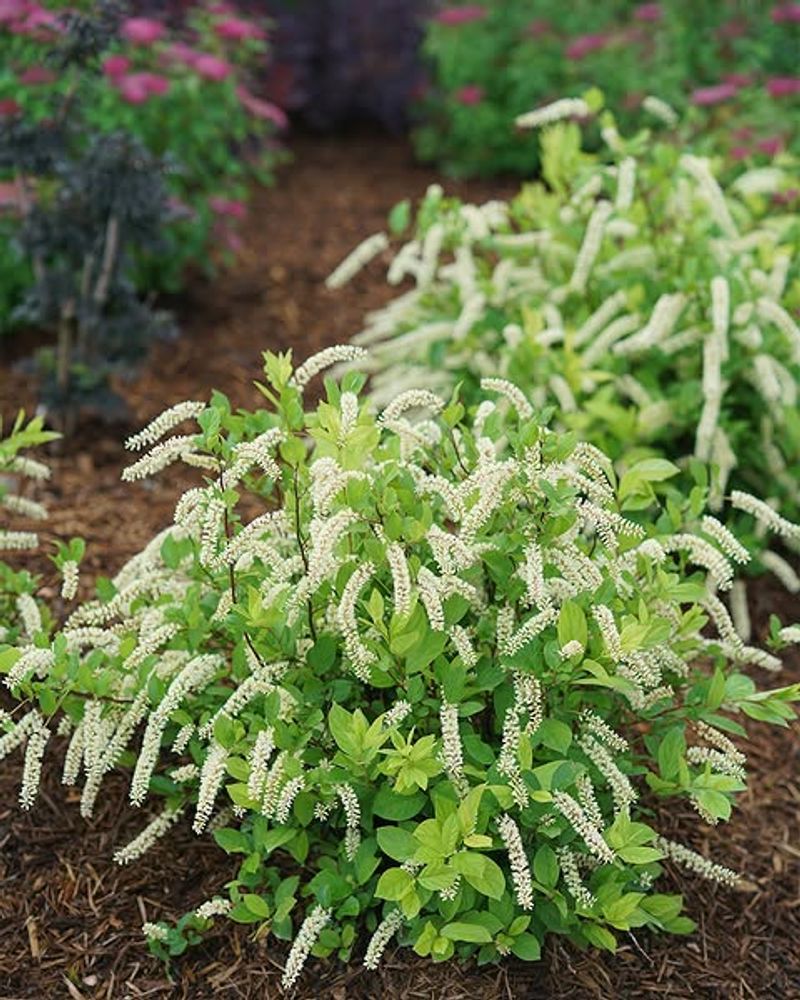
Few native shrubs can compete with Virginia Sweetspire when it comes to putting on a show across multiple seasons. In early summer, long arching clusters of fragrant white flowers drape gracefully from the branches.
The scent is soft and sweet, almost like honey drifting through the air on a warm afternoon. Then, as fall arrives, the foliage transforms into a stunning mix of red, orange, and purple that rivals any ornamental shrub you could buy at a nursery.
Virginia Sweetspire is a flexible shrub that adapts to a wide range of conditions. It grows naturally along stream banks and woodland edges, so it handles both wet and dry soil reasonably well.
It performs beautifully in part shade to full sun, making it one of the more versatile options on this list. Most plants grow three to five feet tall and wide, though some cultivars stay a bit smaller and more compact.
Wildlife benefits are strong with this shrub. Native bees flock to the flowers during bloom time, and the dense branching provides excellent cover for small birds.
The berries that follow the flowers offer a modest food source for wildlife heading into fall and winter. Planting Sweetspire near a patio or garden path lets you enjoy the fragrance up close without much effort.
Maintenance needs are minimal. A light trim after flowering keeps it tidy if needed, but honestly, many gardeners simply let it grow naturally. Virginia Sweetspire is a shrub that genuinely earns its space in any Pennsylvania yard.
4. Shrubby St. John’s Wort
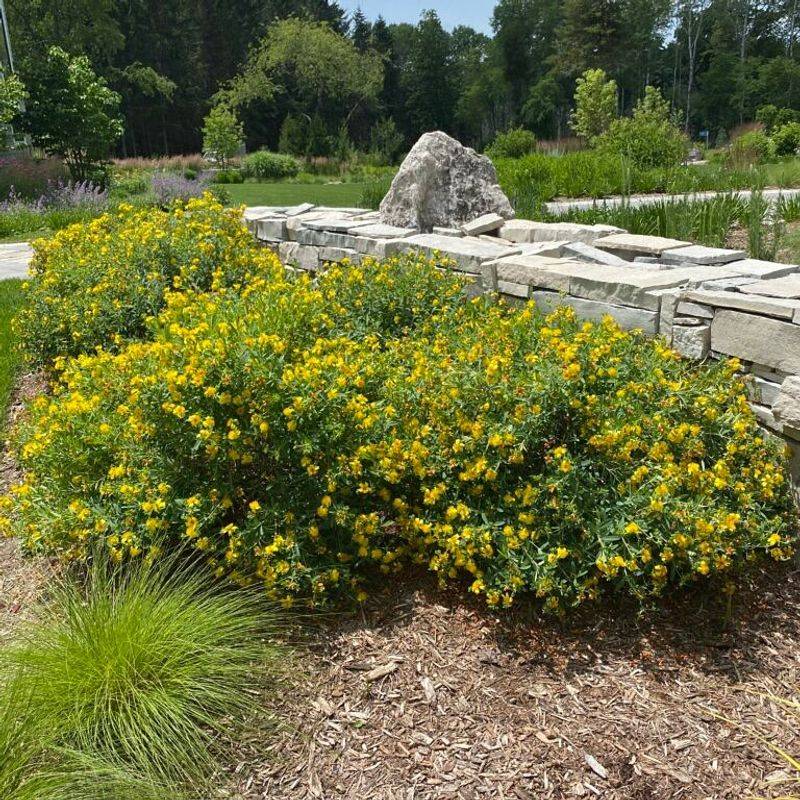
Bright yellow flowers that pop against green summer foliage make Shrubby St. John’s Wort one of the most cheerful native shrubs Pennsylvania has to offer.
It blooms from midsummer into early fall, filling a gap in the garden calendar when many other shrubs have already finished flowering.
That extended bloom time makes it especially valuable for gardeners who want continuous color and pollinator support through the hottest months of the year.
This shrub grows two to four feet tall with a rounded, tidy shape that fits naturally into formal and informal garden settings alike. The leaves are small, blue-green, and slightly waxy, giving the plant a clean look even when it is not in flower.
After the blooms fade, the seed capsules persist on the branches and add subtle winter interest to the landscape.
Pollinators absolutely love Shrubby St. John’s Wort. Native bees in particular are drawn to the bright yellow blossoms, which are packed with pollen.
Planting a few of these shrubs together creates a buzzing, lively garden scene during midsummer. Birds also visit the seed heads in fall and winter, extending the ecological value of this plant well beyond its blooming period.
Soil flexibility is another reason to appreciate this shrub. It handles dry, rocky, or sandy ground without complaint and grows well in full sun to light shade.
Once established, it needs very little attention. For Pennsylvania gardeners seeking a durable, cheerful, summer-blooming native that gives back to local wildlife, Shrubby St. John’s Wort is a reliable and rewarding pick.
5. Bayberry
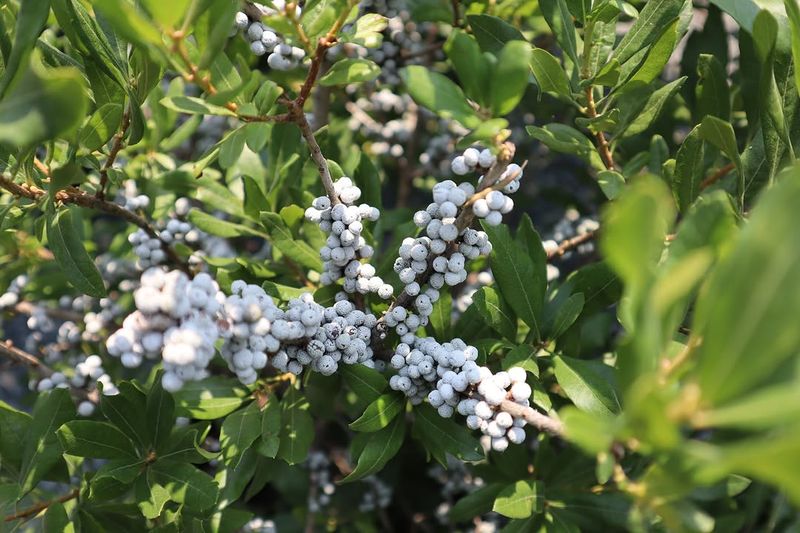
Bayberry has been growing along the eastern seaboard for centuries, and for good reason. This tough native shrub handles conditions that would stress most garden plants without missing a beat.
Sandy soil, poor drainage, salt spray, drought, and coastal winds are all challenges Bayberry shrugs off with ease. In Pennsylvania, it thrives in exposed, difficult spots where other shrubs refuse to cooperate, making it a go-to choice for challenging landscape situations.
The waxy gray berries that appear in fall are the plant’s most recognizable feature. Those berries were once used by early American settlers to make fragrant candles, which is where the familiar bayberry candle tradition comes from.
Today, the berries serve a different but equally important purpose. Dozens of bird species, including yellow-rumped warblers and tree swallows, depend on bayberry fruit as a high-energy food source during fall migration.
Bayberry grows five to ten feet tall depending on the site and variety. It spreads by root suckers to form dense colonies, which makes it excellent for naturalizing large areas, stabilizing slopes, or creating wildlife hedgerows.
The aromatic leaves add a pleasant scent to the garden, especially when crushed or brushed against while walking by.
Male and female plants are needed for berry production, so plan to plant at least one of each. Most nurseries sell them in pairs or label them clearly.
Bayberry is virtually maintenance-free once established, requiring no fertilizer and very little water. As a rugged, wildlife-rich alternative to rosemary, it is hard to top.
6. Ninebark
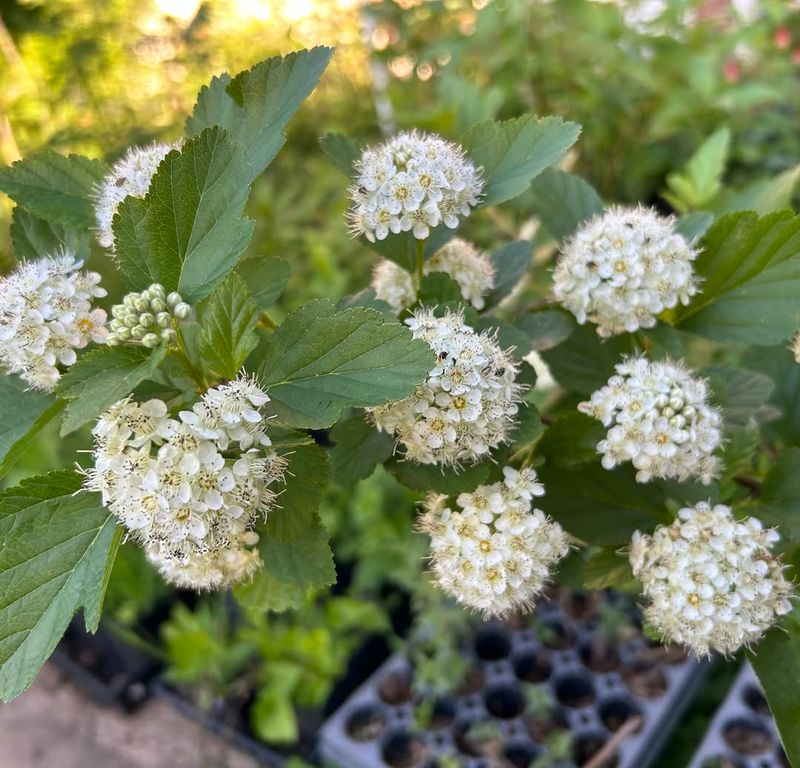
Ninebark gets its quirky name from the way its bark peels away in multiple papery layers, revealing cinnamon and cream-colored tones underneath. That peeling bark makes it genuinely interesting to look at even in winter when most shrubs have nothing to offer.
It is the kind of plant that makes visitors stop, look closer, and ask what it is. That curiosity factor alone sets Ninebark apart from most other native shrubs on the market.
Beyond its bark, Ninebark delivers in every season. Spring brings clusters of small white or pinkish flowers that bees adore.
Summer showcases the bold, deeply lobed foliage, which comes in green, burgundy, or gold depending on the cultivar you choose. Fall and winter reveal the reddish seed clusters and that stunning exfoliating bark, ensuring the shrub never disappears into the background.
Ninebark is also one of the most ecologically valuable native shrubs in Pennsylvania. It supports over 100 species of native insects, including many specialist bees that depend on plants in the rose family.
Birds use the dense branching for nesting and shelter, and the seed clusters provide food into late winter. Planting Ninebark is essentially installing a mini wildlife habitat in your yard.
It grows five to ten feet tall and handles a wide range of soil types, from wet to dry and clay to sandy. Full sun brings out the richest foliage color, but it tolerates part shade well.
Pruning once a year after flowering keeps it from getting too large. Ninebark is bold, beautiful, and brilliantly suited to Pennsylvania gardens.
7. Arrowwood Viburnum
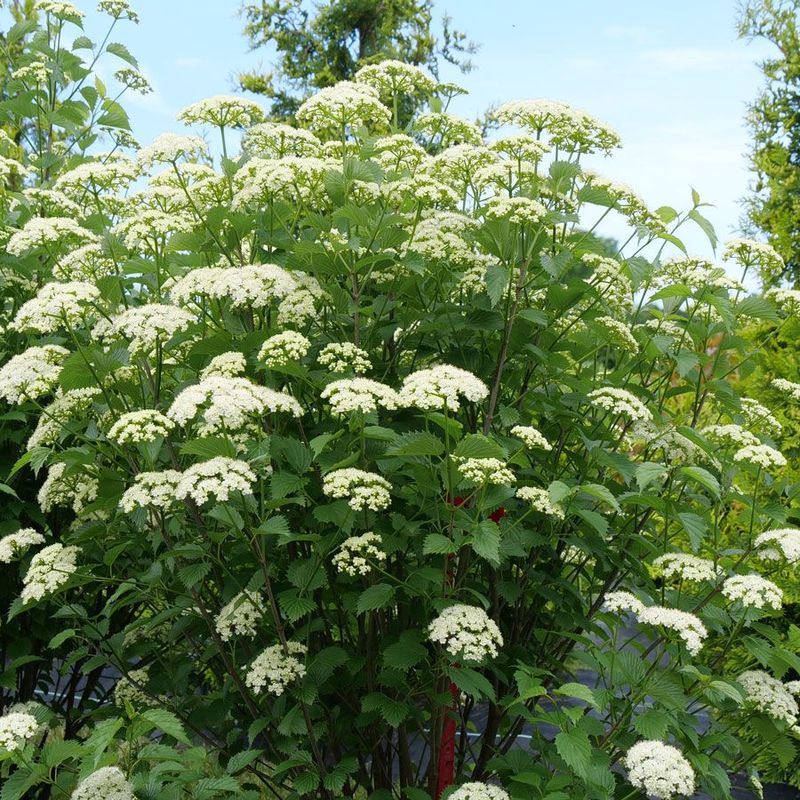
If one shrub could be called the complete package for Pennsylvania gardens, Arrowwood Viburnum would make a strong case for the title.
It blooms in late spring with flat-topped clusters of creamy white flowers that attract a wide variety of native bees and other pollinators.
By late summer, those flowers become clusters of blue-black berries that songbirds cannot resist. Then fall arrives and the foliage lights up in shades of red, orange, and burgundy before dropping cleanly to the ground.
Arrowwood Viburnum is incredibly adaptable. It grows well in sun or part shade, wet or dry soil, and in both urban and rural settings.
It tolerates compacted soil better than most native shrubs, which makes it a practical choice for yards with less-than-ideal conditions. It typically reaches six to ten feet tall and wide, forming a rounded, multi-stemmed shrub with a natural, relaxed shape.
The wildlife value of this shrub is outstanding. Over 100 species of birds eat the berries, including bluebirds, robins, and cedar waxwings.
The flowers support native bees during a critical period in late spring when food sources can be limited. The dense branching provides excellent nesting habitat for small songbirds throughout the warmer months.
Arrowwood Viburnum is also low-maintenance and long-lived. It rarely needs pruning and handles Pennsylvania winters without any protection.
For gardeners who want a reliable, beautiful, wildlife-friendly shrub that works hard across all four seasons, this native viburnum is an easy and confident recommendation to close out this list.