How To Keep Plumbago Blooming All Summer Long In Arizona
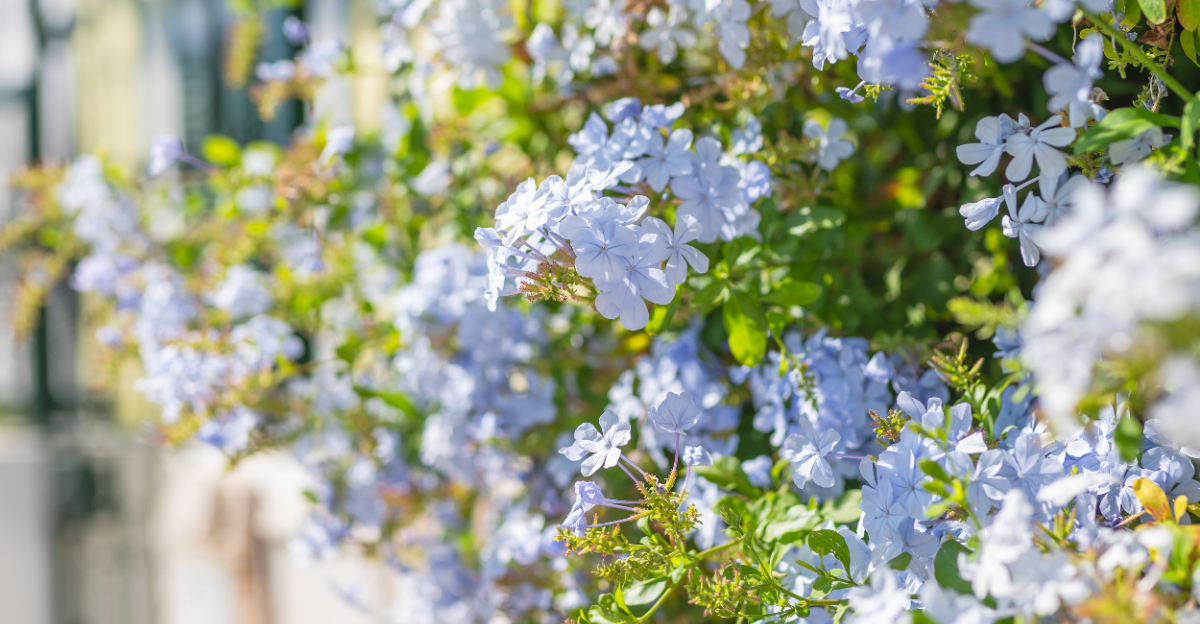
A yard can look completely different from one month to the next. Plants that were bursting with color in spring can start looking tired once the strongest summer heat arrives.
It is something many gardeners notice every year. The challenge is figuring out which plants need attention and which ones are simply going through a normal seasonal change.
Bright flowers have a way of becoming the focal point of a landscape. When those blooms start slowing down, it is hard not to notice.
A plant can still look healthy from a distance, yet the color that once covered it becomes less consistent. That can leave people wondering whether they should just wait it out or make a few changes.
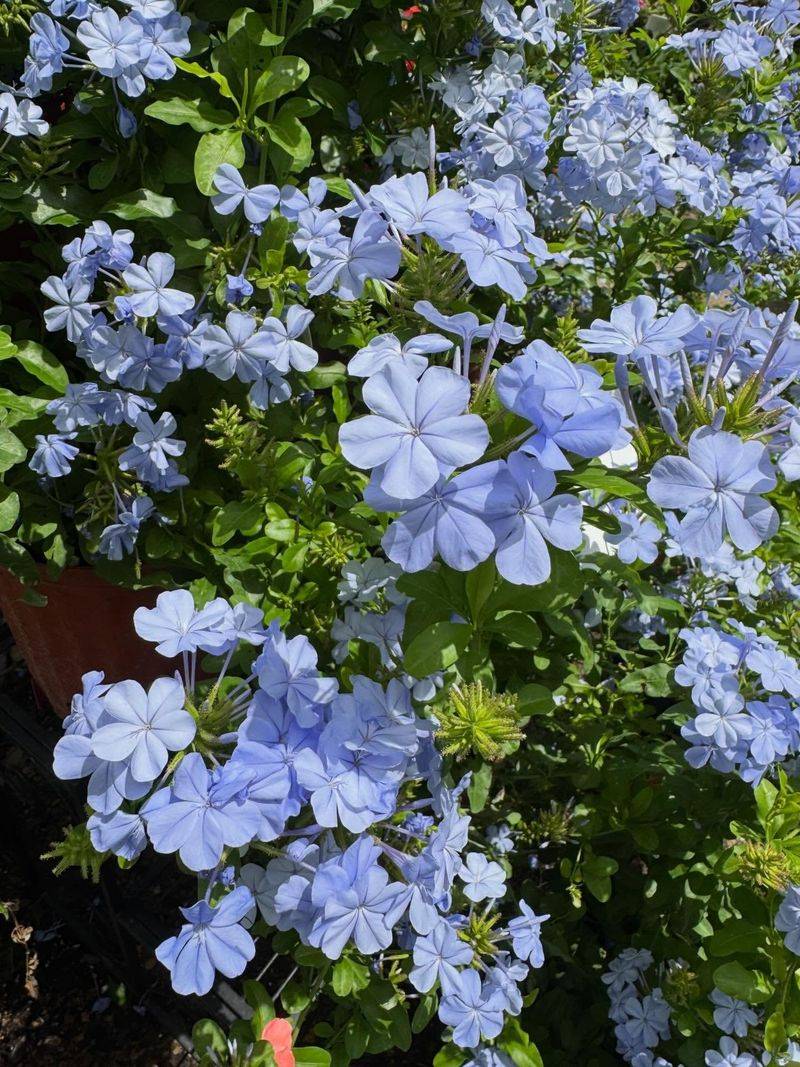
Plumbago is known for bringing long-lasting color to Arizona yards. Even so, summer conditions can affect how heavily it blooms.
Knowing what this plant needs during the hottest part of the season can help keep it looking its best for much longer.
1. Water Deeply During Extended Heat Waves
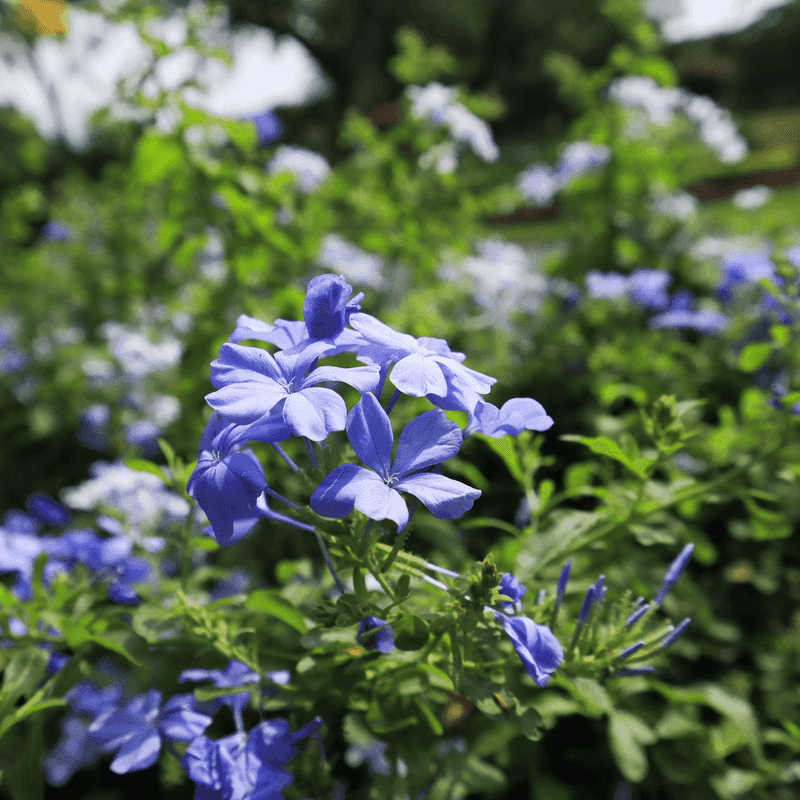
Shallow watering is one of the fastest ways to stress a plumbago during a Phoenix summer. When temps push past 110°F, surface moisture evaporates before roots can use it.
Deep watering forces moisture down where roots actually live.
Aim to water slowly and long enough for moisture to reach at least 12 to 18 inches deep. A slow drip or soaker hose works better than a quick spray.
Run it for 45 to 60 minutes during peak heat weeks.
Water early in the morning. Evening watering can leave moisture sitting around the crown overnight, which raises the risk of fungal problems.
Morning gives the plant a full supply before afternoon heat hits.
During extended heat waves, watering every two to three days is usually necessary. Watch the soil.
If the top two inches dry out within a day, increase your frequency slightly. Cut back once temperatures drop below 100°F.
Established plumbago is surprisingly tough, but it still needs consistent moisture to bloom. A plant running dry will drop buds before they open.
Keeping moisture steady is the single biggest factor in maintaining continuous color through summer.
2. Remove Spent Flower Clusters Regularly
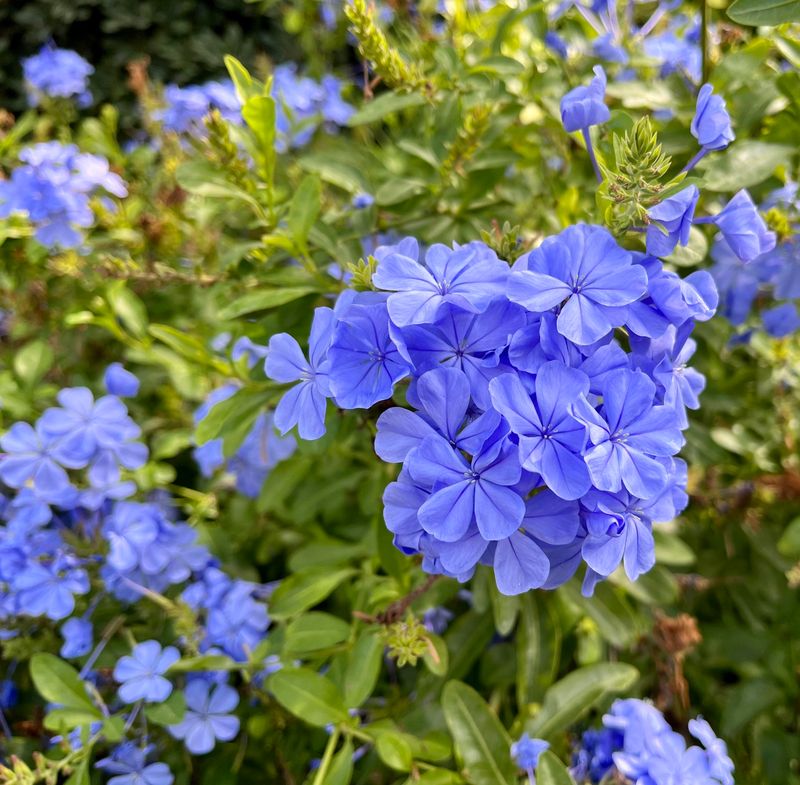
Spent blooms left on the plant send a signal to stop producing. Once a flower cluster fades and goes brown, the plant shifts energy toward seed development instead of new buds.
Cutting those off changes that equation fast.
Deadheading plumbago does not require fancy tools. A pair of clean hand pruners or even sharp scissors works fine.
Snip just behind the faded cluster, right above a leaf node or branching point.
Do this at least once a week during peak bloom season. Plumbago moves through flower cycles quickly in warm weather.
Staying on top of spent clusters keeps the plant in active bloom mode rather than winding down.
You will notice new buds forming within days of a good deadheading session. The plant responds almost immediately.
Skipping even two weeks can result in a noticeably slower bloom rate.
Some gardeners skip deadheading and wonder why their plumbago slows down in July. The answer is almost always spent clusters piling up.
Your Arizona Garden Changes Every Week. Your Plan Should Too.
Gardening in Arizona changes quickly throughout the season. Every Friday you’ll receive a simple weekly plan showing exactly what to plant, prune, fertilize, harvest, and protect so you never miss the right timing.
A few minutes of trimming each week makes a real difference in how long the color lasts. Consistent removal keeps the flowering cycle running without interruption all the way through late summer and into fall.
3. Feed Lightly During The Active Growing Season
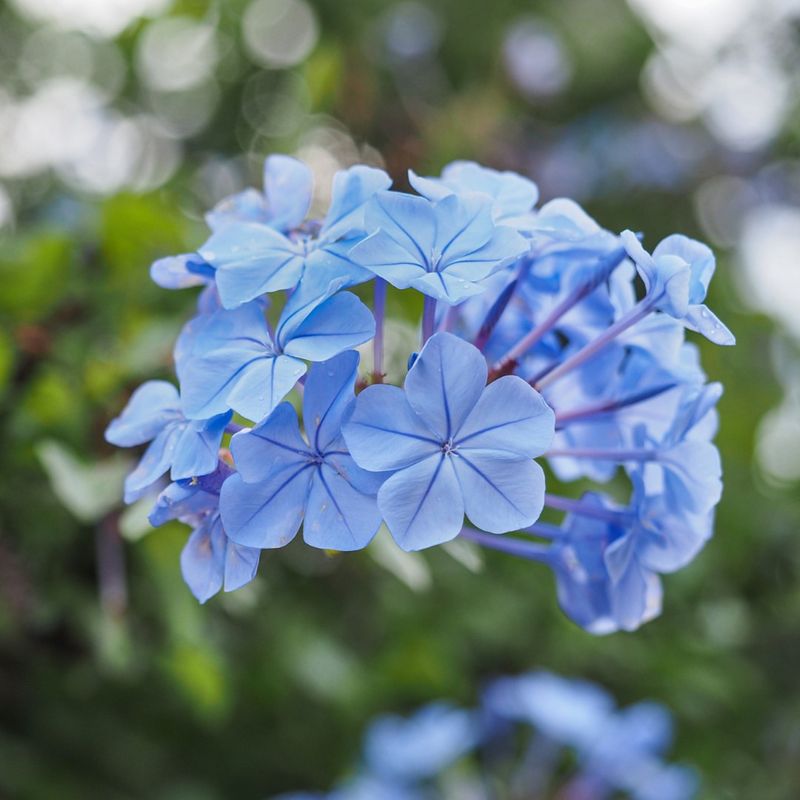
Overfeeding plumbago is a real problem, especially in summer. Too much nitrogen pushes the plant to grow leaves instead of flowers.
Light, consistent feeding is the smarter approach during the active season.
A balanced slow-release fertilizer works well. Something like a 10-10-10 or a bloom-boosting formula with slightly higher phosphorus encourages flower production without triggering excessive leafy growth.
Apply it once every six to eight weeks.
Avoid feeding during the absolute peak of summer heat, usually mid-July through early August in the low desert. Fertilizing when soil temps are extreme can stress roots rather than help them.
Wait for a slightly cooler morning or hold off until the heat wave breaks.
Liquid fertilizers can work too, but they need more frequent application. Every three to four weeks at half strength is a reasonable approach.
Always water the plant thoroughly before applying any liquid feed to avoid root burn.
Plumbago in the ground needs less feeding than plumbago in containers. Container plants lose nutrients faster through regular watering.
Bump up feeding frequency slightly for potted plants, but keep the dose light. Feeding smart rather than feeding heavy keeps blooms coming and roots healthy through the long desert summer.
4. Maintain A Layer Of Mulch Around The Roots
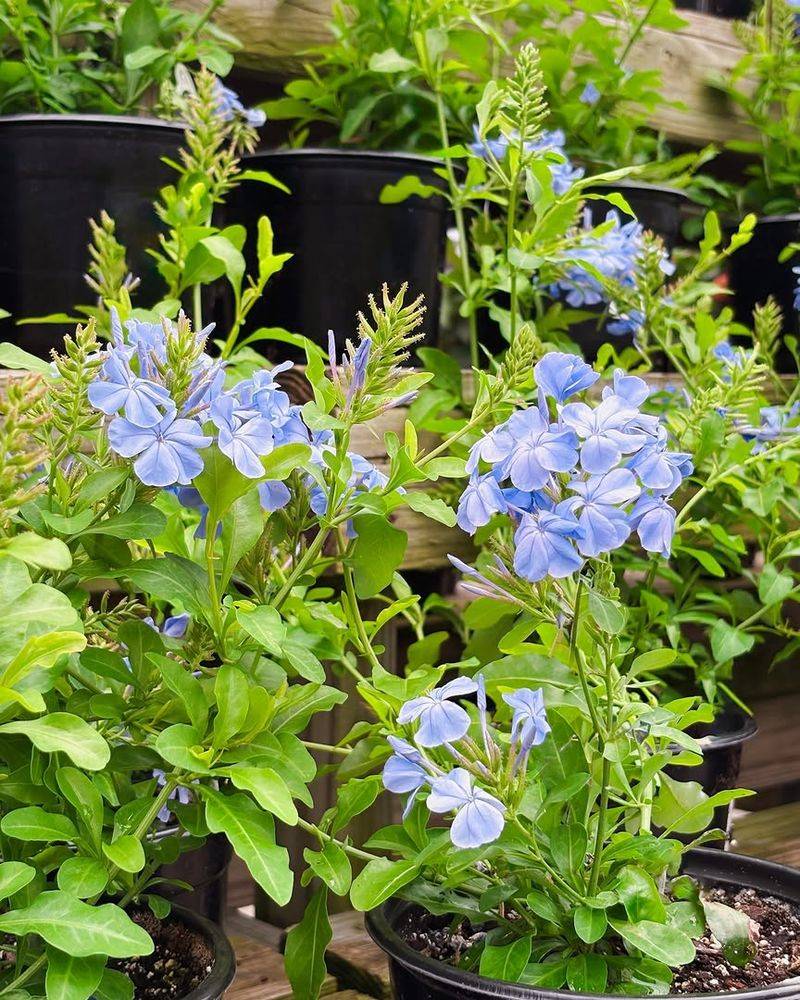
Ground temperature in a desert garden can reach 160°F at the surface on a hot summer afternoon. That kind of heat bakes roots and dries soil out within hours.
Mulch acts as a buffer between that heat and the root zone.
A three to four inch layer of organic mulch keeps soil noticeably cooler. Wood chips, shredded bark, or even decomposed compost all work well.
Spread it out to cover the full root zone, not just the area right at the trunk.
Keep mulch a few inches away from the main stem. Piling it against the base traps moisture against the bark and can cause rot.
Leave a small gap so air can circulate around the crown.
Mulch also slows evaporation significantly. In dry desert heat, a mulched plumbago can go longer between waterings than an unmulched one.
Less frequent watering stress means more consistent blooming.
Refresh the mulch layer once or twice during summer as it breaks down. Organic mulch slowly adds nutrients to the soil as it decomposes, which is a bonus.
Keeping that layer intact through the hottest months is one of the easiest ways to protect roots and maintain steady flower production without extra effort.
5. Give Overgrown Stems A Light Midseason Trim
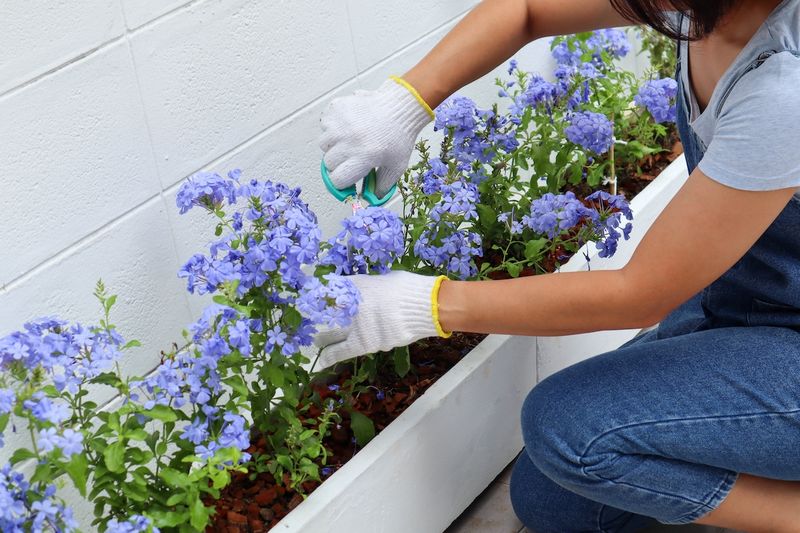
By midsummer, plumbago can get leggy. Long stems with sparse blooms at the tips are a sign the plant needs a light trim to redirect energy.
A hard cutback is not the goal here, just a modest shaping.
Remove about one-third of the longest stems. Cut back to a point where you see healthy leaf nodes or side branching.
This encourages the plant to push out new shoots, which carry fresh flower buds.
Avoid trimming during the absolute peak of a heat wave. Wait for a slightly cooler morning or a brief break in extreme temps.
Pruning during intense heat can stress new cuts. Early morning is always the safest time to work.
After trimming, give the plant a good deep watering. New growth coming in after a trim needs consistent moisture to develop properly.
Skipping water after pruning slows recovery and delays the next bloom flush.
A midseason trim is not about reducing the plant significantly. Think of it as a reset button.
Removing tired, overgrown stems lets the plant put its energy into fresh growth and new flower clusters rather than maintaining long, unproductive shoots. Done right, you will see a noticeable boost in bloom density within two to three weeks of trimming.
6. Protect Roots From Excess Heat Buildup
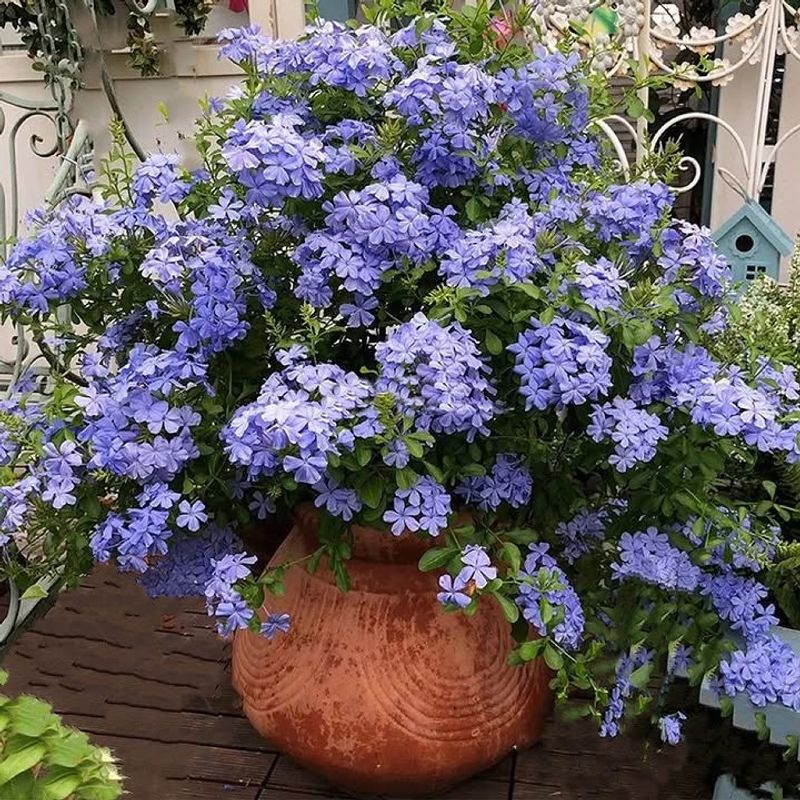
Roots sitting in superheated soil struggle to absorb water and nutrients efficiently. Even heat-tolerant plants hit their limits when soil temps stay extreme for weeks at a stretch.
Protecting the root zone is just as important as managing what happens above ground.
Planting plumbago near a light-colored wall or fence that reflects rather than absorbs heat can help. Dark walls and black plastic edging absorb and radiate intense heat directly into the root zone.
Swap dark hardscape elements near plumbago for lighter materials where possible.
Shade cloth over the root zone during the worst heat weeks is another option. A 30 to 40 percent shade cloth draped loosely over the ground around the plant reduces soil temps noticeably.
Remove it once the peak heat period passes.
Raised planting beds can also trap heat more than ground-level planting. If your plumbago is in a raised bed, increase mulch depth and water frequency during summer to compensate for faster soil heating.
Root protection is often overlooked because it is invisible. Gardeners focus on what they can see above the soil line, but root health drives everything.
A plant with stressed roots will show it in reduced blooming, yellowing leaves, and weak new growth.
7. Monitor New Growth For Signs Of Stress
New growth tells you everything. Yellowing tips, curling leaves, or buds dropping before opening are early warnings that something is off.
Catching problems early keeps small issues from turning into bigger setbacks.
Check new shoots every few days during summer. Look at the color first.
Pale green or yellow on new leaves often points to a nutrient issue or overwatering. Dark, crispy tips usually mean heat stress or underwatering.
Spider mites love stressed plumbago in dry summer conditions. Look for fine webbing on the undersides of leaves.
A strong blast of water in the early morning can knock populations back without chemicals. Repeat every few days if needed.
Wilting in the morning is a serious sign. Afternoon wilt during extreme heat is normal and usually recovers by evening.
Morning wilt that does not bounce back by mid-morning means the plant needs water immediately.
Keeping a simple weekly log helps track patterns. Note when you watered, how the new growth looked, and whether buds are forming or dropping.
Over time, that record shows you exactly what the plant responds to best in your specific garden setup. Consistent monitoring turns guesswork into reliable care, and reliable care keeps plumbago blooming strong all the way through the end of summer in Arizona.