These Pennsylvania Yard Mistakes Can Attract More Black Widows To Your Home
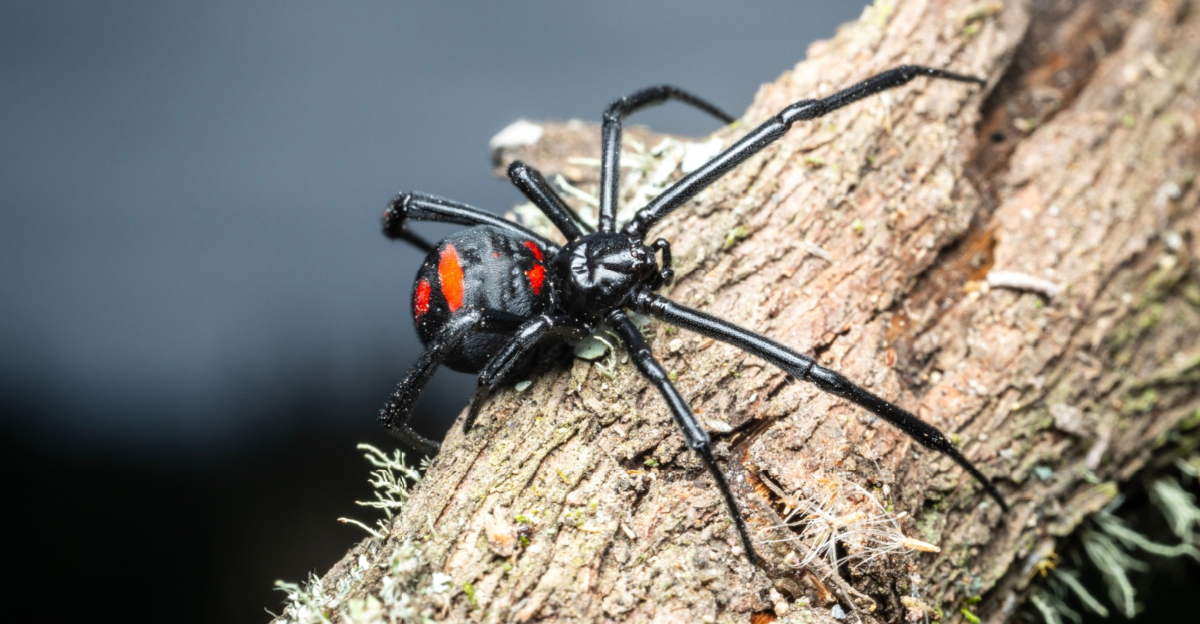
Pennsylvania yards have a lot going for them in the warmer months, and most of what is living out there is completely harmless. But black widows do turn up in Pennsylvania, and they have pretty specific taste in real estate.
Dark, undisturbed, sheltered spots close to the ground are exactly what they are looking for, and a surprising number of ordinary yard features fit that description perfectly.
Woodpiles against the house, cluttered sheds, forgotten debris piles, stored items under the deck.
These are not unusual things to have around, but they are worth being aware of.
Black widow encounters near Pennsylvania homes are not common, but they are not unheard of either, and a little awareness about which yard habits create inviting conditions goes a long way toward keeping things comfortable and informed out there.
1. Leaving Firewood Piles Close To The House
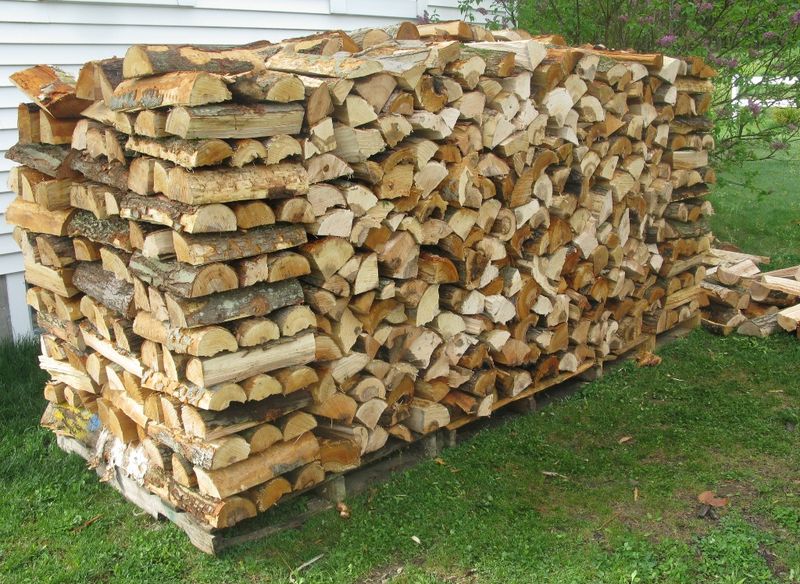
Stacked firewood sitting right against your home’s foundation is one of the most common ways Pennsylvania homeowners accidentally invite spiders closer than they realize.
Logs with bark, gaps between pieces, and the dark spaces underneath a woodpile create exactly the kind of protected, undisturbed environment that black widows tend to use for building webs and resting.
The closer that pile sits to your house, the shorter the path from the woodpile to your foundation gaps, siding edges, or basement entry points.
Ideally, firewood should be stored at least 20 feet away from the house and raised off the ground on a rack or platform. Keeping wood elevated reduces moisture underneath the pile, which also makes the spot less appealing to the insects that spiders feed on.
When you bring firewood inside, take a moment to shake the logs gently and check the undersides before carrying them in.
In Pennsylvania, firewood season stretches well into spring, so these piles often sit in place for months without being fully disturbed.
Rotating your woodpile regularly, using older logs first, and keeping the area around it clear of leaf litter can reduce how settled and sheltered the space feels to spiders looking for a quiet spot to stay.
Small habits like these make a real difference over time.
2. Letting Yard Debris Sit Undisturbed
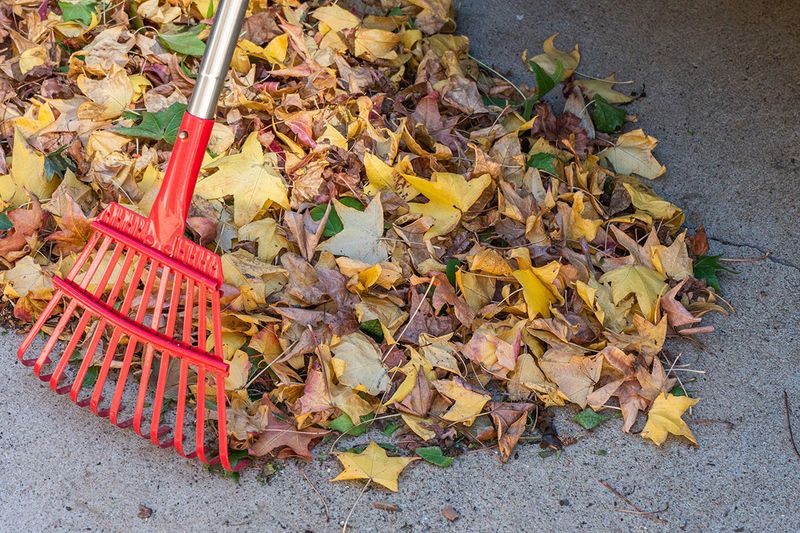
Forgotten piles of leaves, broken branches, grass clippings, and old garden cuttings may not seem like a big deal at the end of a busy season, but over time these debris piles become surprisingly cozy hideouts for spiders.
When organic material sits undisturbed for weeks or months, it compacts, holds moisture, and creates a layered environment full of small insects and other invertebrates.
That food supply is part of what makes debris piles appealing to spiders like the black widow.
Pennsylvania yards tend to accumulate a lot of debris between fall cleanup and spring gardening. Leaf piles that get pushed to the edge of the property line or tucked along a fence and then forgotten are particularly worth checking.
Even a modest pile left against a shed wall or garden border can become well-settled by the time warmer weather arrives.
Your Pennsylvania Garden Changes Every Week. Your Plan Should Too.
Gardening in Pennsylvania changes quickly throughout the season. Every Friday you’ll receive a simple weekly plan showing exactly what to plant, prune, fertilize, harvest, and protect so you never miss the right timing.
Clearing debris regularly and disposing of it properly helps reduce how many sheltered microhabitats build up around your yard. If full removal is not practical right away, try to move or turn the pile occasionally so it does not stay completely undisturbed.
Wearing gloves and using a rake or long-handled tool rather than reaching directly into a pile is a simple precaution worth taking, especially in late spring and summer when spider activity tends to pick up across Pennsylvania.
3. Keeping Lumber, Boards, Or Building Materials Stacked Outside
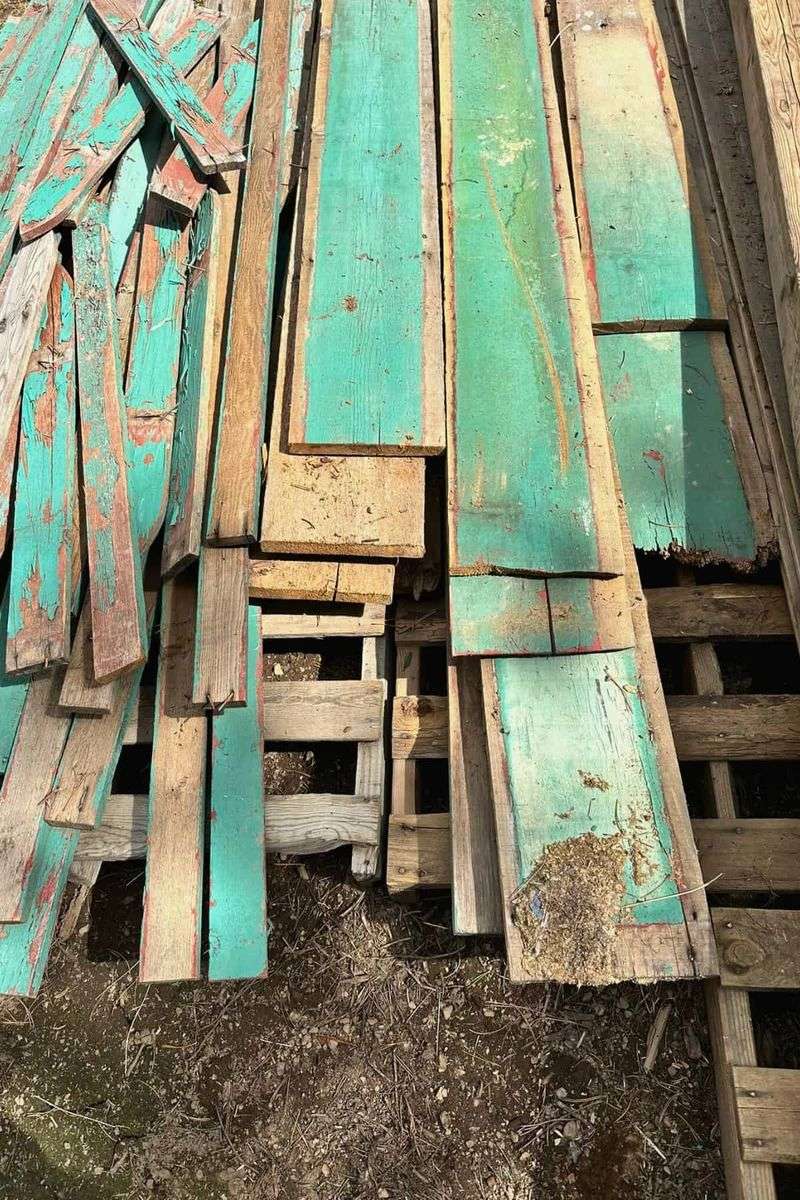
Old boards, leftover lumber, unused pallets, and miscellaneous building scraps are easy to set aside after a project with the intention of using them later.
Weeks turn into months, and those stacked materials settle into the yard, collecting moisture and creating a network of dark, tight spaces between each piece.
Those gaps are exactly the kind of location black widows and other spiders favor for building irregular, tangled webs close to the ground.
Lumber piles are especially common along the sides of Pennsylvania garages and sheds, where they often go unnoticed for an entire season.
The combination of shade, shelter from rain, and the insects that tend to gather in and around wood makes these spots quietly attractive to spiders over time.
Pallets are particularly worth watching because their hollow undersides offer a flat, protected ceiling that spiders find useful.
If building materials need to be stored outside, keeping them raised on a rack, covered loosely with a tarp, and away from the home’s foundation can make the space a little less settled.
Check stored lumber before handling it, especially if it has not been moved in a while.
Wearing work gloves and tapping boards with a stick before picking them up are easy habits that can reduce the chance of an unexpected encounter in your Pennsylvania yard.
4. Ignoring Rock Piles And Stone Walls
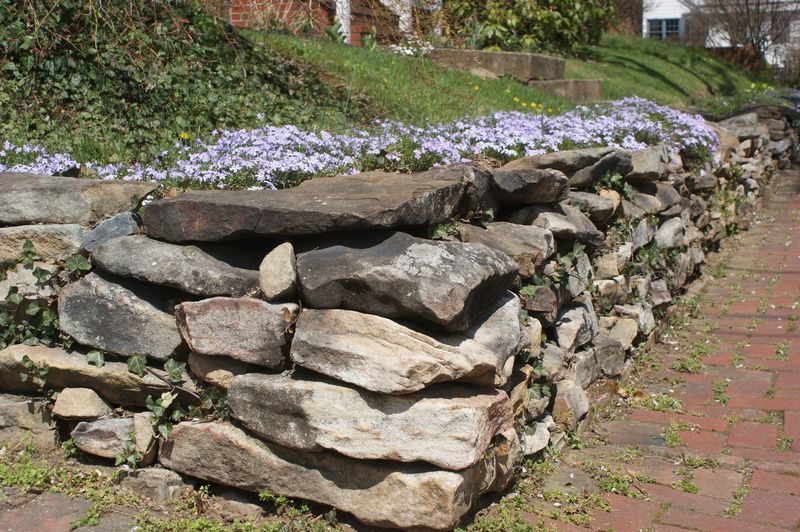
Rock piles and dry-stacked stone walls are classic features in Pennsylvania landscapes, used as garden borders, retaining walls, and decorative accents. They also happen to offer some of the most naturally sheltered hiding spaces in the yard.
The gaps and crevices between stones stay cool, shaded, and relatively undisturbed, which makes them appealing to spiders that prefer quiet, protected spots away from foot traffic and direct sunlight.
Black widows in particular tend to build webs in low, sheltered locations close to the ground rather than up high in open spaces. A rock pile tucked along a garden edge or a stone wall bordering a patio fits that description well.
If the wall or pile also happens to be near the house, it can serve as a stepping stone between the outdoor environment and foundation gaps or basement windows.
Pennsylvania homeowners with stone walls or rock features should take a closer look at those areas during yard cleanup, especially in spring after a long winter.
Wearing gloves before reaching into any gap between stones is a practical habit, even if you are just pulling weeds nearby.
Keeping vegetation trimmed away from stone walls and avoiding letting leaf litter build up in the crevices can help reduce how sheltered those spaces feel over the course of a season. Small adjustments to how you maintain these features go a long way.
5. Letting Sheds And Garages Stay Cluttered
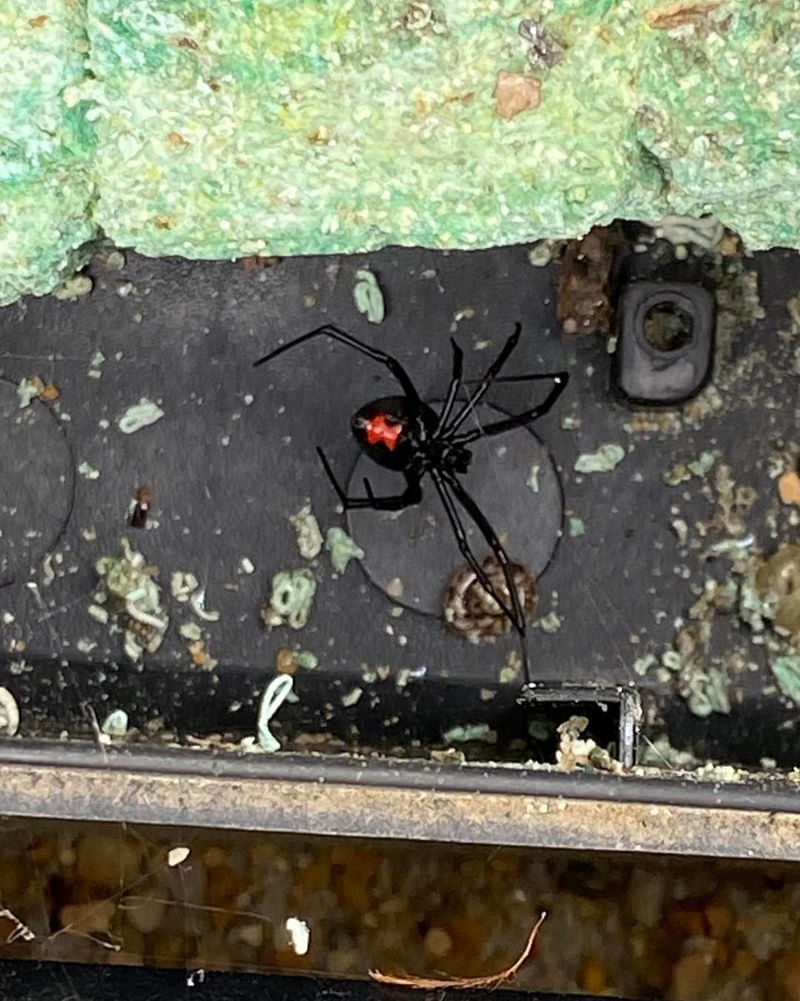
Cluttered sheds and garages are prime real estate for spiders in Pennsylvania, and the darker and more undisturbed the corners, the more appealing those spaces tend to be.
Boxes stacked directly on the floor, old equipment pushed to the back, gardening gear left in disorganized piles, and shelves packed with items that rarely get touched all create a network of quiet, sheltered spaces that spiders can settle into without being bothered for months at a time.
Black widows in particular tend to prefer low, dark areas close to the ground rather than open shelving or well-lit spaces.
Corners behind stored equipment, the undersides of shelves, and the spaces between stacked containers are worth paying attention to during seasonal cleanouts.
A garage or shed that has not been fully cleared and reorganized in a year or more can become quite settled, with spiders building webs in spots you might not notice right away.
Taking time once or twice a year to pull everything away from walls, sweep corners thoroughly, and reorganize storage can make a real difference.
Using sealed plastic containers instead of open cardboard boxes is a practical upgrade that reduces hiding spots inside the clutter itself.
When cleaning out a shed or garage that has sat undisturbed for a while, wearing gloves and moving items cautiously rather than grabbing quickly makes the process safer and more comfortable for Pennsylvania homeowners.
6. Leaving Items Stored Under Decks Or Along Foundations
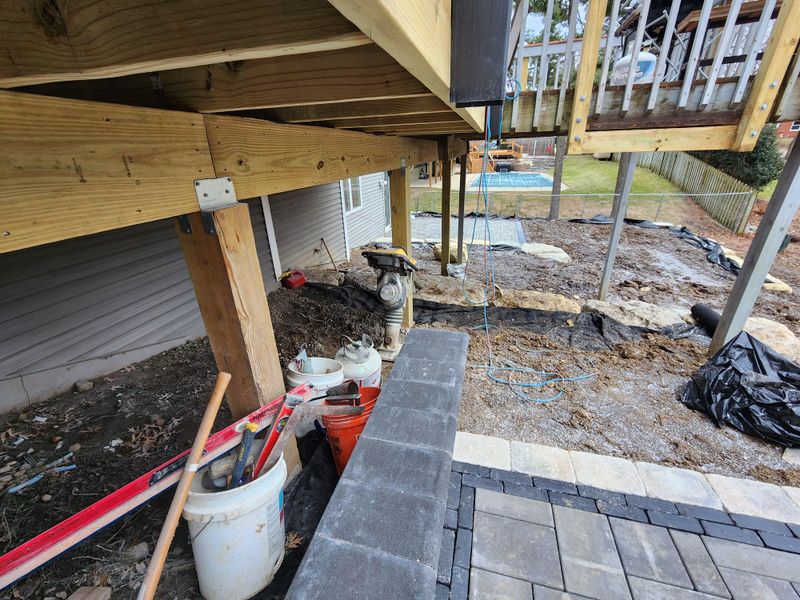
The space under a deck might seem like a convenient out-of-the-way storage area, but it is also one of the most reliably sheltered spots in a Pennsylvania yard.
Low light, protection from rain, stable temperatures, and minimal foot traffic make the area under a deck or along a shaded foundation edge an environment where spiders can settle in with very little disruption.
Items stored there, such as old planters, rolled-up hoses, tarps, garden tools, and seasonal furniture, add even more hiding opportunities within an already sheltered space.
Foundation edges are worth checking too, particularly where mulch, soil, or landscaping fabric meets the base of the house.
Spiders that find a comfortable spot near the foundation can sometimes make their way into basement windows, utility gaps, or crawl space openings.
Keeping stored items off the ground and away from the foundation itself can reduce how inviting that area feels.
Before reaching under a deck or pulling items out from a shaded foundation area, take a moment to use a flashlight and look for any irregular, tangled webbing low to the ground.
Black widow webs tend to be messy and close to the surface rather than round and symmetrical.
Wearing gloves and using a long tool to move items out before grabbing them by hand is a simple, sensible approach for Pennsylvania homeowners who use under-deck storage regularly.
7. Allowing Rodent Holes Or Animal Harborage Near The Home
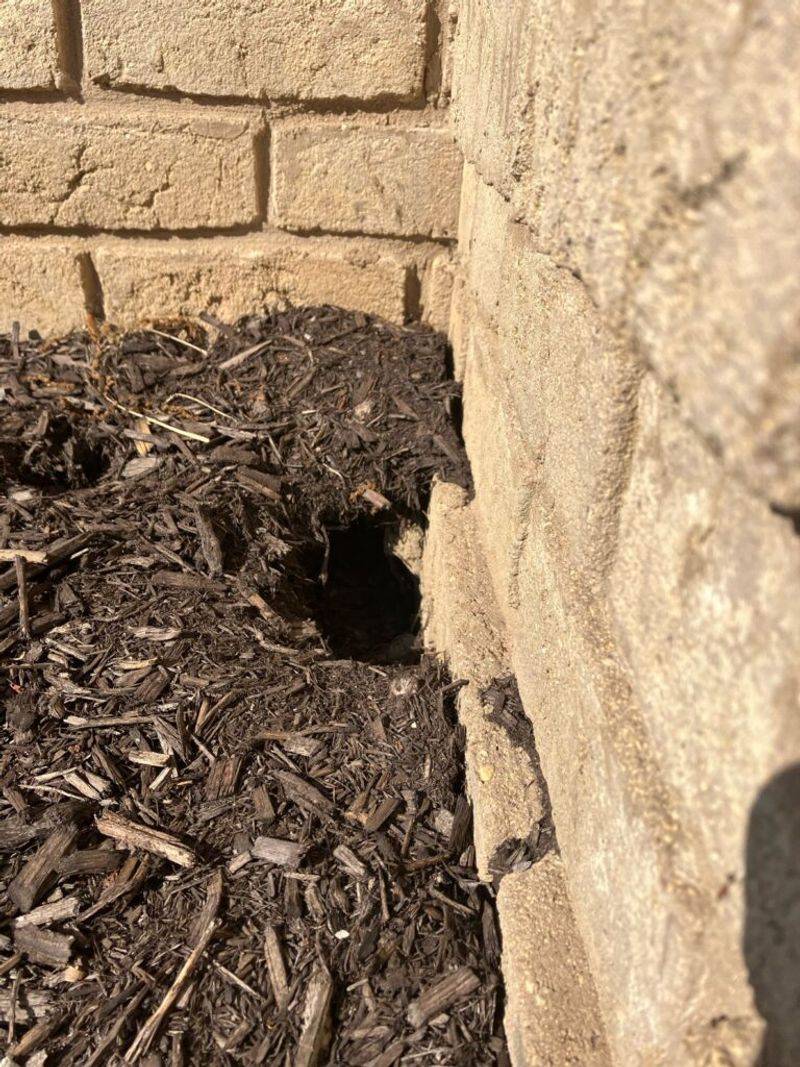
Old rodent burrows and animal harborage areas around a Pennsylvania home can create more spider-friendly conditions than many homeowners expect.
When mice, voles, or other small animals dig burrows near a foundation, they leave behind a hollow, protected space that stays relatively undisturbed even after the animal moves on.
Those vacant tunnels and cavities are exactly the kind of low, sheltered environment that ground-dwelling spiders, including black widows, may explore and settle into.
Beyond the burrows themselves, areas where rodents or other animals regularly visit tend to have higher insect activity as well, since food scraps, nesting material, and organic debris attract small invertebrates.
A higher insect presence in a particular area of the yard naturally attracts more spider activity over time, since spiders follow their food supply.
Addressing rodent activity near the home is worth doing for a variety of reasons, and reducing potential spider harborage is one of them.
Filling in obvious burrows, removing brush piles or dense ground cover near the foundation, and keeping the area around the home’s base clear of debris can help make the space feel less settled.
If you notice signs of active animal digging near your Pennsylvania home’s foundation, handling those spots with a long tool or gloves rather than bare hands is a straightforward precaution that takes only a moment.
8. Skipping Gloves When Moving Stored Outdoor Items
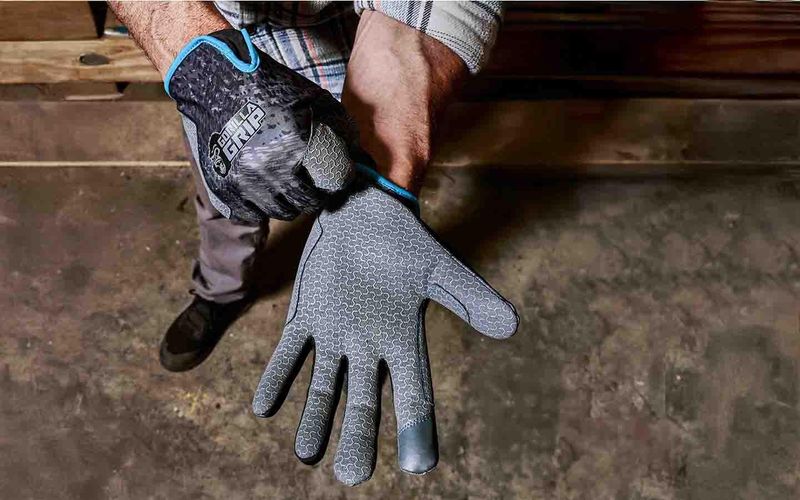
Reaching into a stack of stored lumber, pulling a pot out from under the deck, or grabbing a tarp that has been sitting folded in the corner of the garage all have one thing in common: your hands go into spaces you cannot fully see before you touch them.
In Pennsylvania yards and outbuildings, that habit is worth rethinking during the warmer months when spider activity is higher and more spiders may be using stored items as shelter.
Wearing a pair of sturdy work gloves before handling any item that has been sitting undisturbed is one of the simplest and most practical habits a homeowner can build. Gloves do not need to be heavy-duty to be helpful.
A standard pair of garden or work gloves provides a meaningful layer of protection when moving stored outdoor gear, pulling weeds near stone walls, handling firewood, or cleaning out a shed corner that has not been touched in months.
Beyond gloves, taking a moment to shine a flashlight into a space before reaching in, or tapping an item with a stick before picking it up, adds a small but useful layer of awareness.
These are not complicated steps, and they do not require any special equipment.
For Pennsylvania homeowners who spend time in the yard, garage, or shed during spring and summer, making gloves a standard part of outdoor work is one of the most straightforward ways to stay comfortable and aware around stored outdoor spaces.