Do These 6 Things The Moment Your Michigan Pepper Plants Start Flowering
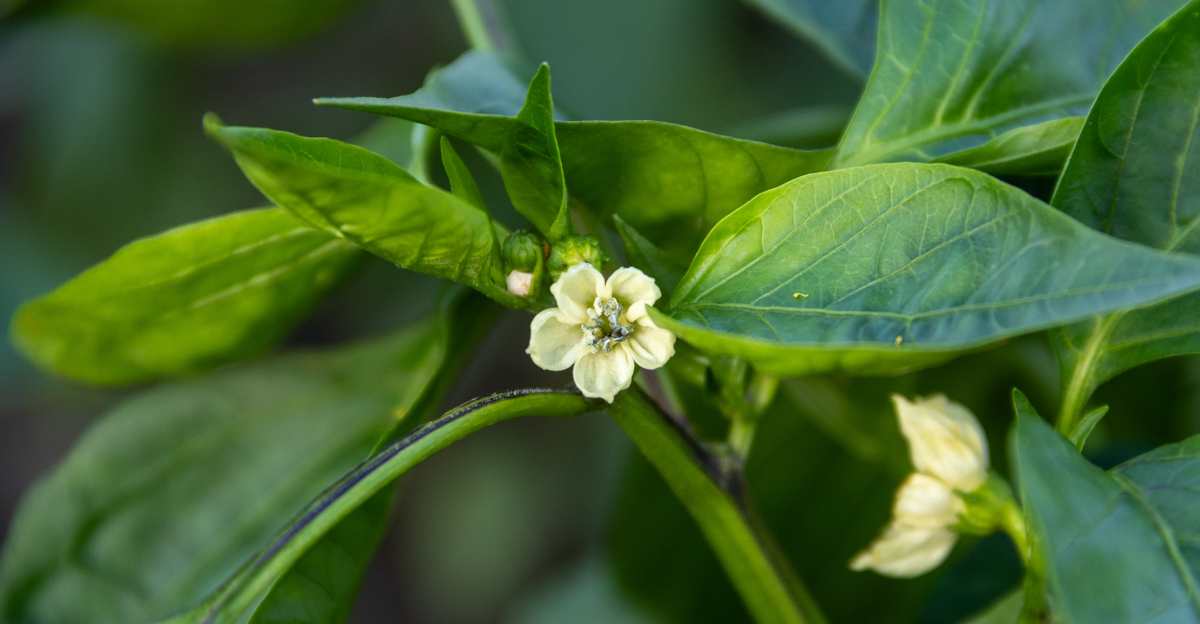
Pepper plants that flower well but produce disappointing harvests are one of the most common frustrations in Michigan vegetable gardens.
The gap between strong flowering and strong fruiting almost always comes down to what happens or does not happen in the days right after those first blooms appear.
Michigan’s relatively short warm season means there is limited time between first flower and first frost, which makes the flowering stage more time-sensitive here than it would be in longer-season climates further south.
Specific actions taken immediately when flowering begins create the conditions peppers need to convert those blooms into full, well-developed fruits rather than dropping flowers or stalling out during the hottest stretch of summer.
1. Check Flower Pollination
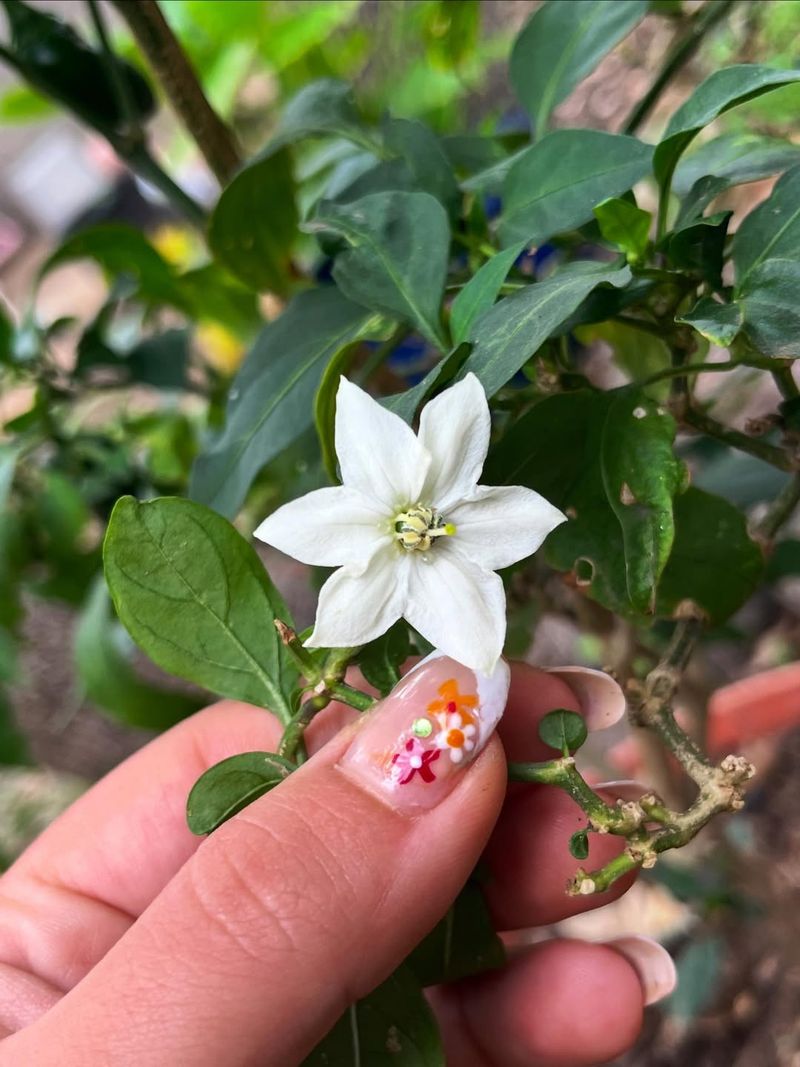
Not every flower that opens on your pepper plant will automatically turn into a pepper. Pollination has to happen first, and sometimes nature needs a little help.
In Michigan, cool mornings, rainy stretches, and inconsistent bee activity can all reduce the number of flowers that get properly pollinated. Watching your flowers closely right from the start gives you a real advantage.
A successfully pollinated pepper flower will stay on the plant, slowly swell at its base, and begin forming a tiny fruit. An unpollinated flower usually drops off within a few days, leaving nothing behind.
If you notice a lot of flowers falling before fruit sets, that is your signal to step in and help the process along.
Hand-pollination is easier than most people think. Grab a small, clean paintbrush or even a cotton swab, and gently swirl it inside each open flower.
Move from bloom to bloom, mimicking what a bee would do naturally. This transfers pollen between flowers and dramatically improves your fruit set.
Do this in the morning when flowers are fully open and temperatures are mild.
You can also give the plant a gentle shake to release pollen, which works surprisingly well on calm days. Planting pollinator-friendly flowers nearby, like marigolds or zinnias, encourages bees and other beneficial insects to visit more often.
Once you see those tiny green fruits swelling at the base of your flowers, you will know your efforts paid off. Consistent monitoring during the first two weeks of flowering makes the biggest impact on your overall pepper yield this season.
2. Monitor For Aphids And Spider Mites
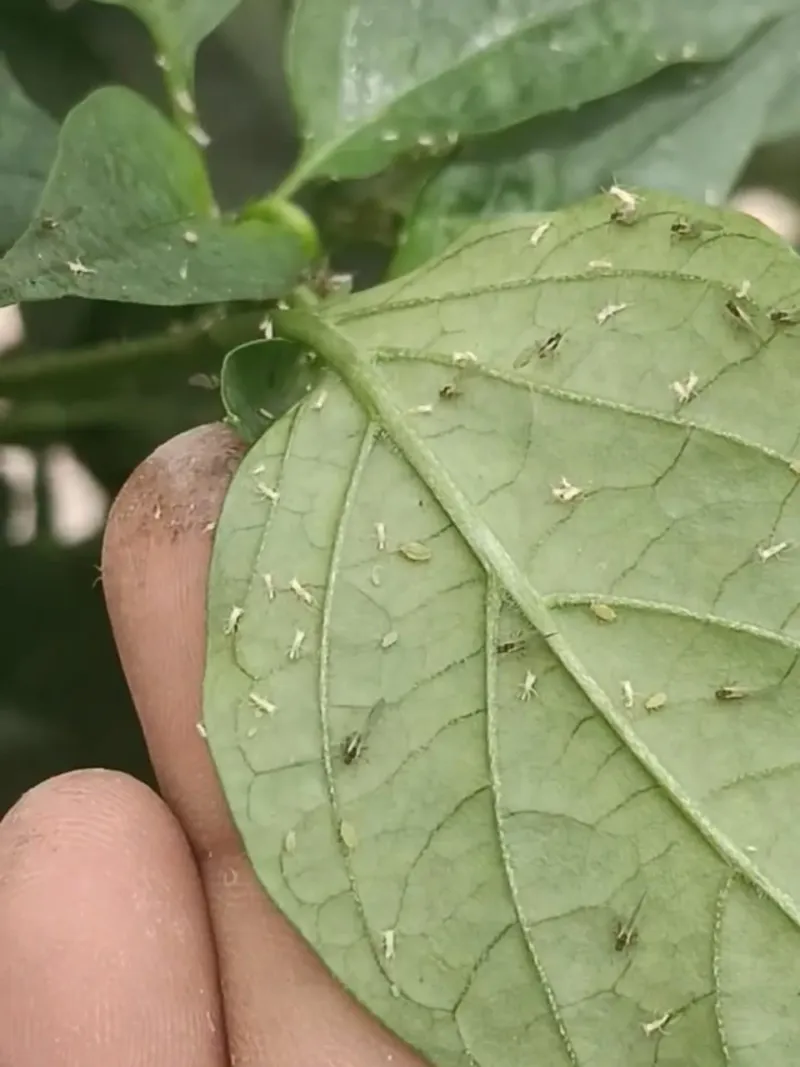
Pepper flowers are a magnet for trouble, and the most common troublemakers are aphids and spider mites. These tiny pests show up fast, multiply even faster, and can seriously set back your plants right when they are trying to produce fruit.
Catching them early is everything, so make pest inspection a daily habit the moment your plants start blooming.
Aphids are small, soft-bodied insects that cluster on new growth, stems, and the undersides of leaves. They suck sap from the plant, causing curled leaves, sticky residue, and stunted growth.
Spider mites are even tinier and harder to spot, but you will notice fine webbing on leaves and a dusty, speckled appearance on the foliage. Both pests thrive during hot, dry Michigan summers.
Your Michigan Garden Changes Every Week. Your Plan Should Too.
Gardening in Michigan changes quickly throughout the season. Every Friday you’ll receive a simple weekly plan showing exactly what to plant, prune, fertilize, harvest, and protect so you never miss the right timing.
A strong spray of plain water from your garden hose knocks aphids off plants quickly and effectively. For heavier infestations, insecticidal soap spray works well and is safe for edible plants.
Mix a few drops of dish soap in a spray bottle with water and coat the affected areas thoroughly, especially leaf undersides. Reapply every few days until the population drops.
Encouraging natural predators is one of the smartest long-term strategies you can use. Ladybugs and lacewings are natural enemies of aphids and will patrol your garden if you avoid broad-spectrum pesticides.
Planting dill or fennel nearby attracts these helpful insects. Spider mites respond well to increased humidity, so misting your plants lightly during dry spells helps keep their numbers down.
Stay consistent with your checks and your pepper plants will stay healthy through the entire fruiting season.
3. Support Stems And Fruits
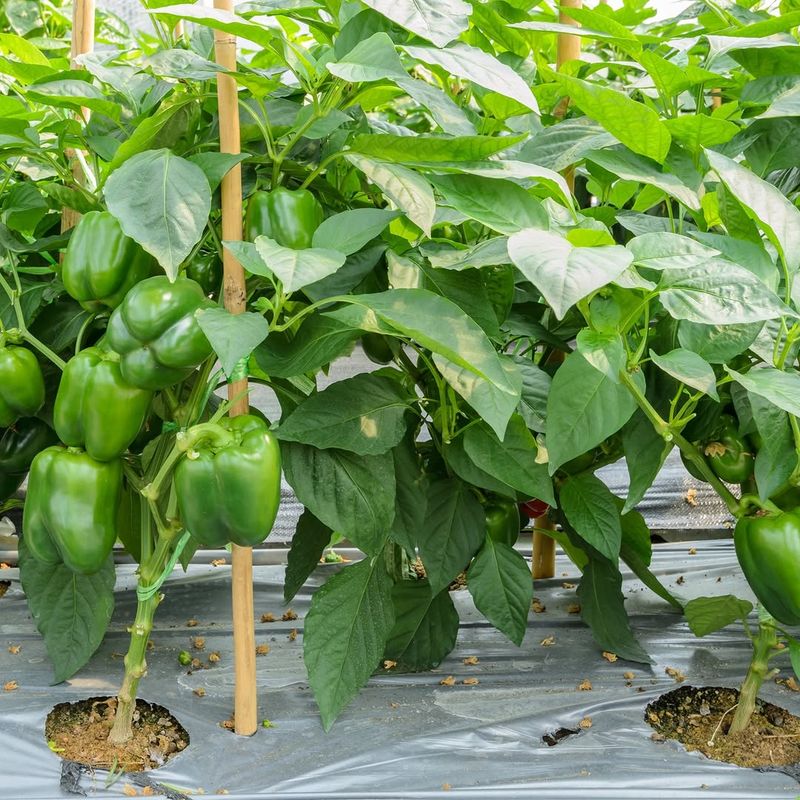
Pepper plants look sturdy, but they have a sneaky weakness. Once those flowers turn into fruit and the peppers start sizing up, the weight can snap branches right off the main stem.
Michigan summers bring afternoon thunderstorms and gusty winds that make this problem even worse. Getting your support systems in place at flowering time, before the weight builds up, is the smartest move you can make.
Tomato cages work great for pepper plants and are easy to find at any Michigan garden center. Simply place the cage around the plant and gently guide stems through the rings as they grow.
Bamboo stakes are another solid option, especially for taller varieties like poblanos or sweet Italian peppers. Tie stems loosely with soft garden twine or strips of old fabric to avoid cutting into the plant tissue.
Proper support does more than just prevent breakage. When stems are held upright, air flows more freely through the plant, which lowers the risk of fungal diseases.
Wet, crowded foliage is a breeding ground for problems like powdery mildew, and good airflow helps keep leaves dry after rain. Michigan gardens often deal with humidity, so this benefit is especially valuable here.
Check your supports every week as fruits develop and get heavier. Adjust ties if they start to look tight or if a branch is leaning too far in one direction.
Some gardeners run a length of twine between two stakes to create a simple fence-style support system, which works beautifully for rows of peppers. A little setup now saves a lot of heartbreak later when your plants are loaded with beautiful, heavy fruit.
4. Maintain Consistent Soil Moisture
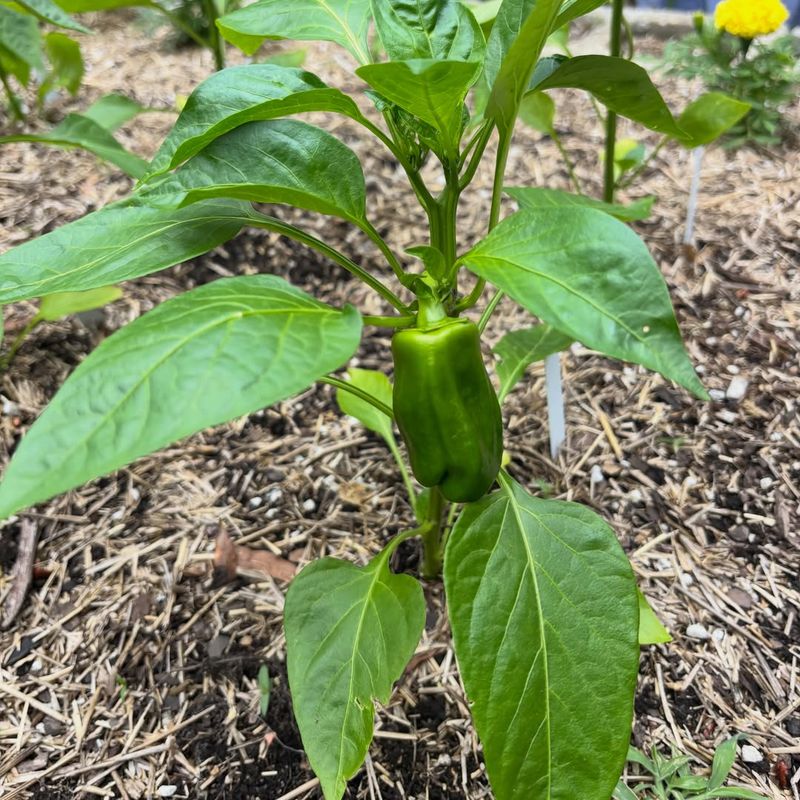
Watering pepper plants sounds simple, but getting it right during the flowering stage takes a bit more attention than usual. Inconsistent moisture is one of the top reasons pepper flowers drop before they ever become fruit.
One day too dry, the next day soaked, and your plant responds by shedding its blooms as a stress response. Michigan summers can swing between dry heat waves and rainy periods, which makes staying consistent a real challenge.
Deep, steady watering is the goal. Rather than sprinkling a little water every day, water deeply two to three times per week, allowing moisture to reach six to eight inches into the soil.
This encourages roots to grow down rather than stay near the surface, making plants far more resilient during dry spells. Always water at the base of the plant rather than overhead to keep foliage dry and reduce disease pressure.
Mulching around your pepper plants is one of the most effective ways to hold moisture in the soil between watering sessions. A two to three inch layer of straw, wood chips, or shredded leaves slows evaporation dramatically.
It also keeps soil temperatures more stable, which peppers absolutely love. In Michigan, where soil can heat up quickly in July and August, mulch is a genuine game changer.
A simple soil moisture test takes just a second. Push your finger about two inches into the soil near the base of the plant.
If it feels dry at that depth, it is time to water. If it still feels damp, hold off for another day.
Consistent moisture during the flowering and early fruiting stage pays off with a noticeably larger and healthier pepper harvest by late summer.
5. Side-Dress With Fertilizer
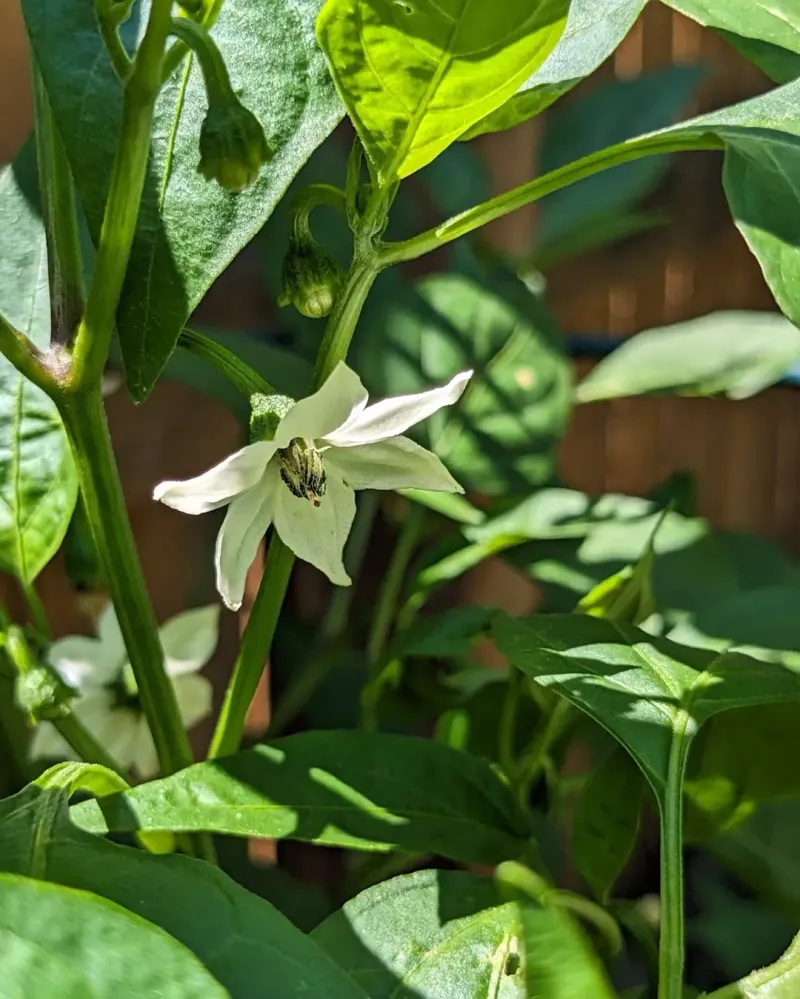
Once your pepper plants start flowering, their nutritional needs shift in a big way. During the early growing stage, nitrogen helps build strong leaves and stems.
But at flowering time, too much nitrogen pushes the plant to keep producing lush green growth instead of putting energy into fruits.
Switching to a fertilizer higher in phosphorus and potassium right when blooms appear makes a noticeable difference in how well your peppers set and develop.
Side-dressing is the simple process of applying fertilizer alongside your plants rather than mixing it into the soil from the start.
Sprinkle a balanced granular fertilizer, something like a 5-10-10 or 0-10-10 formula, in a ring around each plant about six inches from the base.
Work it lightly into the top inch of soil and water it in well. This slow-release approach feeds your plants steadily over several weeks without overwhelming them.
Phosphorus is the nutrient that really drives root development and flower-to-fruit conversion. Potassium strengthens cell walls, improves disease resistance, and helps peppers develop their full flavor and color.
Together, these two nutrients are exactly what your flowering pepper plants are craving. A fertilizer with these ratios applied at the right time gives your plants exactly what they need, right when they need it most.
Michigan soils vary quite a bit across the state, so if you have not done a soil test recently, this is a great time to do one through your local MSU Extension office.
Knowing your exact soil nutrient levels helps you avoid over-fertilizing, which can cause just as many problems as under-feeding.
A targeted approach always beats guessing, and your peppers will reward you with a fuller, more productive harvest as a result.
6. Remove Competing Suckers Sparingly
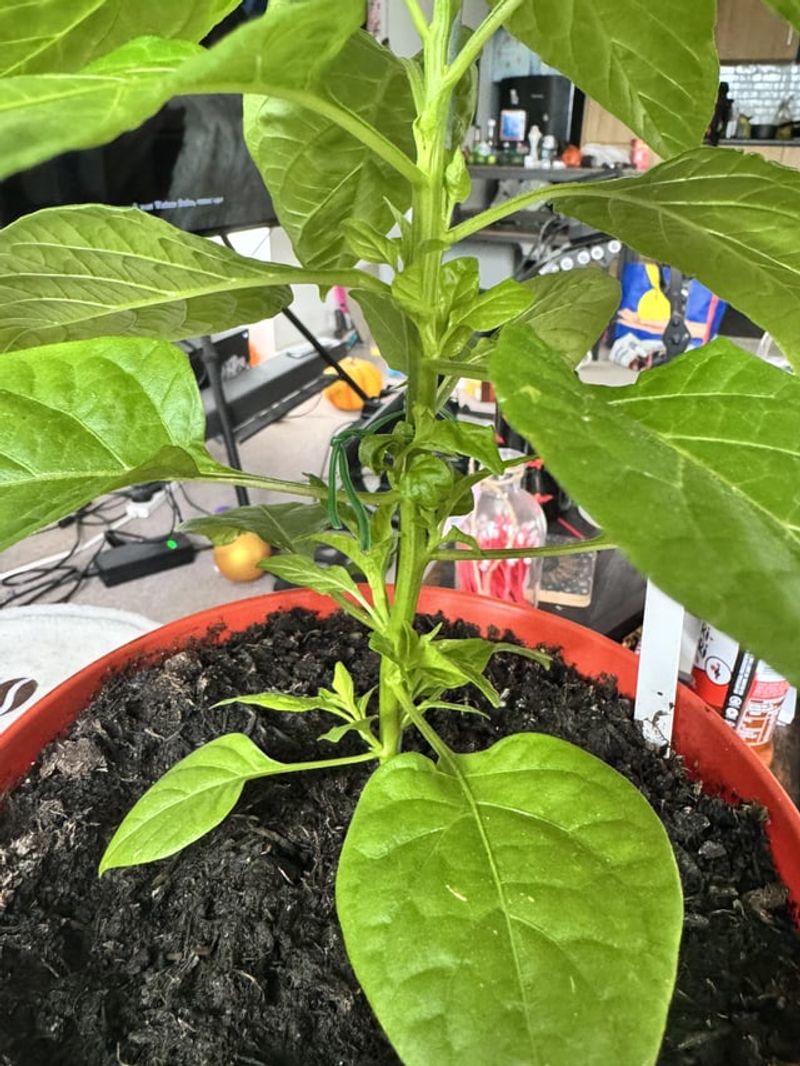
Pepper plants are enthusiastic growers, and sometimes they put energy into shoots that do not contribute much to your harvest. These lateral shoots, often called suckers, grow in the joints where a branch meets the main stem.
When left unchecked, they can crowd the plant, reduce airflow, and pull energy away from the flowers and developing fruits. Knowing which ones to remove and which ones to leave is the key skill here.
The word sparingly matters a lot when it comes to pruning peppers. Unlike tomatoes, where aggressive suckering is common practice, pepper plants actually benefit from having more leaves.
Leaves capture sunlight and fuel fruit development, so stripping too many off can weaken the plant significantly.
Focus only on the thinnest, weakest lateral shoots that are growing inward or crowding the center of the plant where airflow is most restricted.
When you do remove a sucker, use clean, sharp scissors or pruning snips rather than tearing with your fingers. A clean cut heals faster and lowers the chance of introducing bacteria or fungal issues into the wound.
Michigan summers bring plenty of humidity, which makes open plant wounds more susceptible to disease, so clean tools matter more here than in drier climates.
Step back and look at your plant from a few feet away before making any cuts. You want to see a plant with an open, airy structure where light can reach the inner branches and fruits.
Removing just a handful of competing shoots at the right time improves airflow, reduces the risk of fungal problems, and helps the plant funnel more of its resources into producing the peppers you have been waiting all season to pick.