Mulch And Rock Types That Could Be Increasing Scorpion Activity Around Your Arizona Home
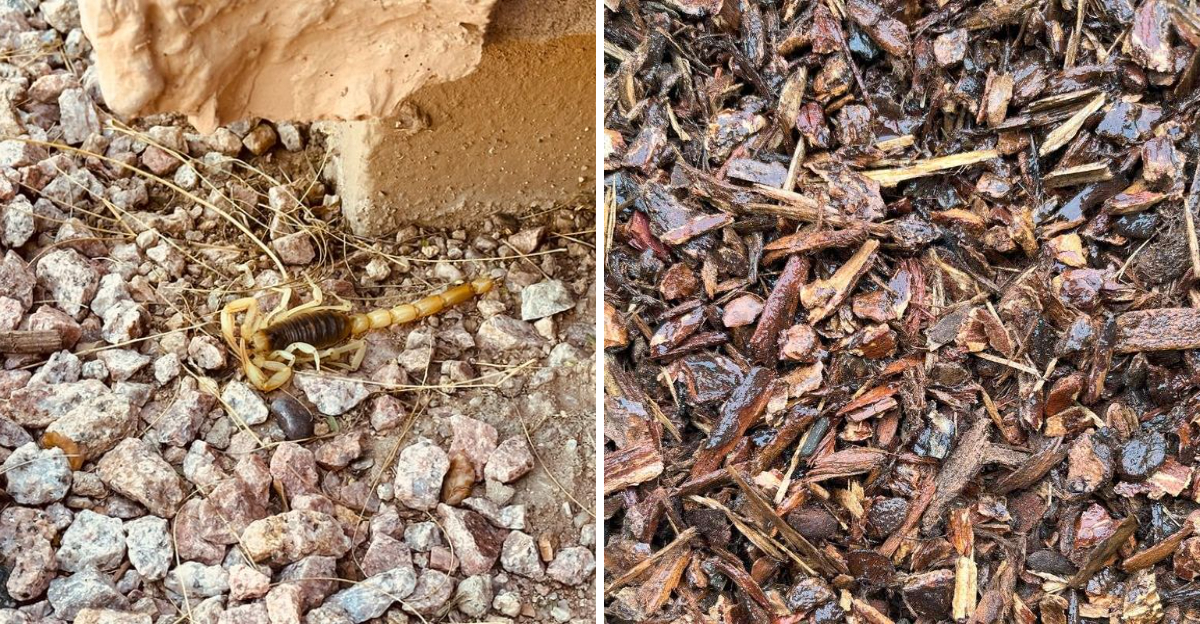
You put down fresh mulch, tidy up the landscape, and swap out old rock because it makes the yard look cleaner and easier to maintain.
Everything seems like a smart upgrade until you start noticing a few unwanted visitors showing up where they never used to be.
That is when many homeowners begin wondering if something in the landscape is creating conditions they did not expect.
In Arizona, it is easy to focus on plants, irrigation, and shade while overlooking what is covering the ground.
Yet the materials used around flower beds, trees, and foundations can change how moisture, temperature, and shelter are distributed throughout the yard.
Some options create more hiding places than others, especially during the hottest parts of the year when pests are looking for cooler spots to spend the day.
If scorpion activity seems higher than usual around your home, the answer may not be where you think. Certain mulch and rock choices can make parts of a yard much more appealing than homeowners realize.
1. Thick Wood Mulch Creates Cool Hiding Places
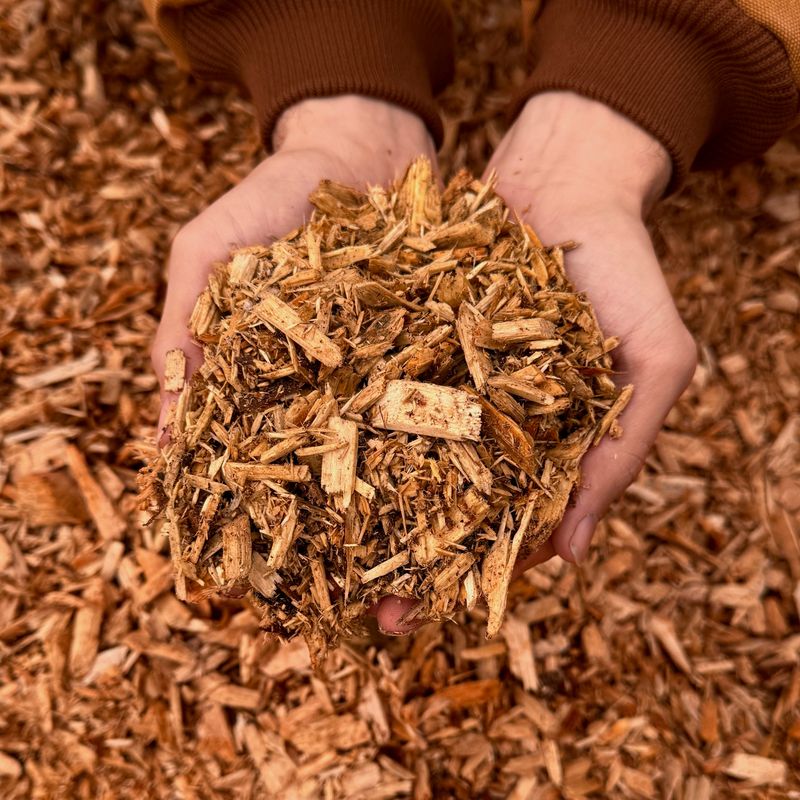
Wood chip mulch looks great in any yard, but it comes with a hidden downside in hot desert climates. Thick layers trap moisture and stay several degrees cooler than the surrounding soil.
Scorpions actively seek out those cooler spots during the day.
Bark mulch and shredded wood mulch are the worst offenders. Layers deeper than two inches create a dark, insulated zone underneath that feels ideal to a scorpion resting between nighttime hunts.
They burrow just below the surface and wait.
Organic mulch also breaks down over time, which attracts insects. More insects mean more food for scorpions, so the problem compounds quickly.
A yard with deep wood mulch near the foundation is essentially putting out a welcome mat.
Switching to a thinner layer, no more than one inch deep, reduces the shelter effect significantly. Keeping mulch pulled back at least six inches from your home’s foundation also helps.
If you love the look of wood mulch, use it in open areas away from the house rather than in tight garden beds right against the walls.
Rubber mulch is sometimes suggested as an alternative, but it still retains heat differently depending on color and placement. Gravel or decomposed granite tends to be a smarter swap in desert yards where scorpion pressure is already high.
2. Large Decorative Rocks Leave Gaps Beneath Them
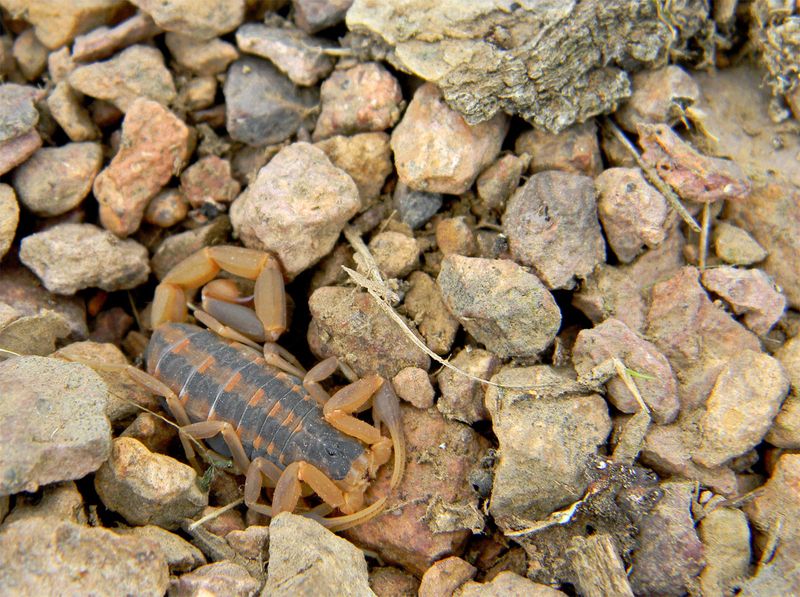
Big decorative boulders have become a staple of desert landscaping, and they look stunning. But flip one over, and you might be surprised what is living underneath.
Scorpions love the sheltered gap between a heavy rock and the soil below.
Larger rocks stay cool on the underside even during peak afternoon heat. That temperature difference makes them attractive resting spots.
A scorpion can tuck in during the day and venture out at night without traveling far from shelter.
Rocks placed directly on bare soil are the most problematic. Soil underneath compresses and forms a snug cavity.
Over time, ants and other insects also nest in those gaps, giving scorpions a reliable food source right next door.
Your Arizona Garden Changes Every Week. Your Plan Should Too.
Gardening in Arizona changes quickly throughout the season. Every Friday you’ll receive a simple weekly plan showing exactly what to plant, prune, fertilize, harvest, and protect so you never miss the right timing.
Setting large rocks on a layer of compacted decomposed granite instead of raw soil reduces the gap problem. It also limits the insect activity underneath.
Even a small adjustment in how the rocks are placed can make a noticeable difference.
Avoid stacking decorative rocks near entry points, patios, or walls. Scorpions are climbers, and a stacked rock feature next to a doorway is an easy path indoors.
Spacing rocks apart so they do not create connected hiding corridors also limits how far scorpions can travel while staying sheltered. Keeping that buffer zone clear matters more than most homeowners expect.
3. Loose Rock Piles Provide Daytime Shelter
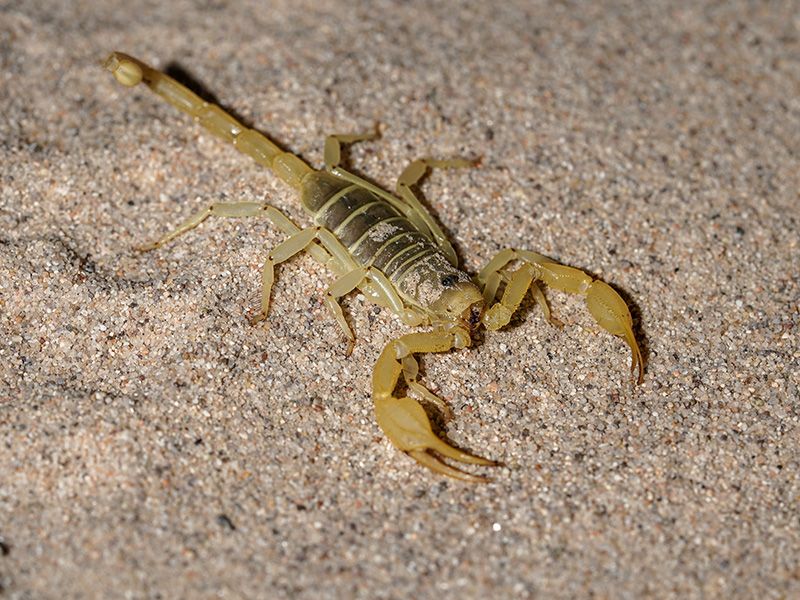
Loose rock piles are one of the most scorpion-friendly features a yard can have. Irregular gaps between stones create a maze of protected spaces with varying temperatures.
Scorpions navigate these gaps easily and find exactly the microclimate they prefer.
Unlike large single boulders, loose piles offer multiple entry and exit points. A scorpion can move deeper into the pile if it gets too warm near the surface or shift toward the edges at night when hunting.
That flexibility makes loose piles especially useful to them.
Rock piles near walls or fences are particularly risky. Scorpions can use the pile as a staging area before climbing vertical surfaces.
Once on a wall, getting inside a home becomes much easier through gaps around utility lines, pipes, or weep holes.
Breaking up loose rock piles and replacing them with tightly packed crushed gravel eliminates most of the shelter value. Crushed gravel settles into a compact surface with fewer gaps.
Scorpions can still be present in gravel yards, but they have far fewer places to hide during daylight hours.
If removing the rock pile completely is not practical, consider relocating it to a far corner of the yard away from the house. Treating the area around it with a scorpion-specific barrier product adds another layer of protection.
Regular inspection and disruption of the pile also keeps scorpion populations from establishing there long-term.
4. Damp Mulch Stays Cooler Than Surrounding Soil
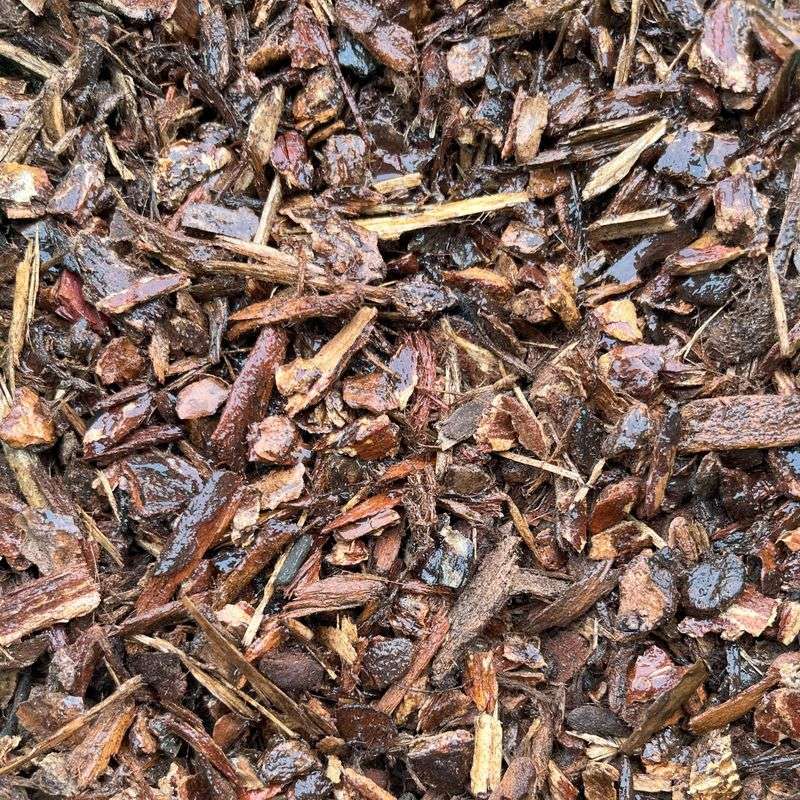
Irrigation systems in desert yards often overwater mulched garden beds without homeowners realizing it. Damp mulch behaves very differently than dry mulch.
It holds moisture much longer and stays noticeably cooler than the surrounding baked soil.
Scorpions are moisture-sensitive creatures. During Arizona summers, surface temperatures can reach extreme levels, and anything that offers relief from that heat becomes a magnet.
Consistently damp mulch near drip lines or sprinkler heads creates a microhabitat scorpions will return to night after night.
Bark nuggets and shredded hardwood mulch hold water especially well. After an irrigation cycle, these materials can stay damp for 24 hours or longer.
That extended cool, moist window overlaps perfectly with scorpion activity hours after sunset.
Adjusting irrigation schedules to water less frequently but more deeply reduces surface dampness. Letting mulch dry out between watering cycles makes it far less attractive.
Morning watering rather than evening watering also gives mulch more time to dry before scorpions become active at night.
Replacing moisture-retaining organic mulch with inorganic materials like pea gravel or crushed granite near the foundation removes the problem at the source. Inorganic materials drain quickly and do not hold moisture the same way.
Pairing that switch with a reduced irrigation schedule around the home’s perimeter is one of the most practical adjustments a desert homeowner can make to reduce scorpion pressure around the yard.
5. Dense Ground Cover Around Rock Beds Adds Protection
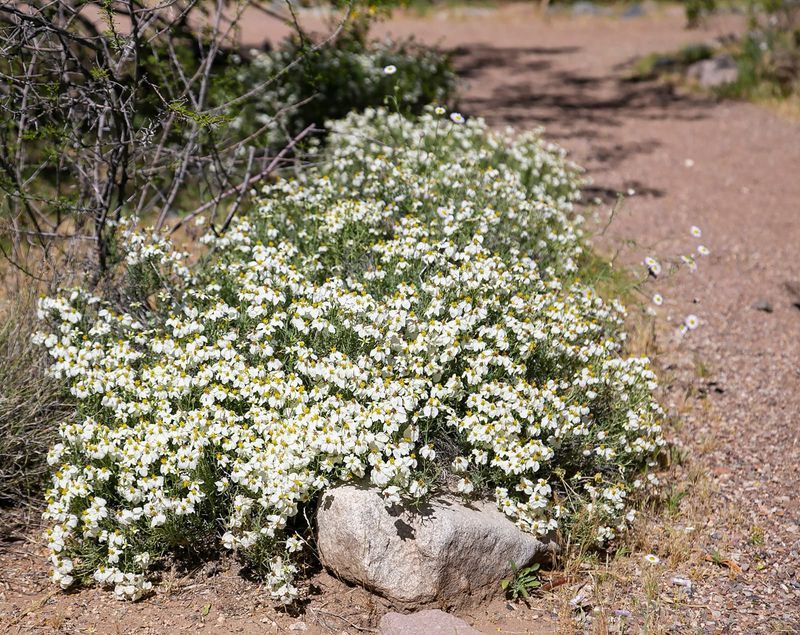
Ground cover plants fill gaps in desert landscaping beautifully, but dense varieties planted around rock beds create layered shelter that scorpions exploit well. Thick foliage at soil level blocks sunlight and keeps the ground below cool and dark throughout the day.
Plants like trailing lantana, creeping rosemary, or low-spreading succulents look attractive but generate exactly the kind of shaded, protected zones scorpions seek.
When ground cover grows directly into or over a rock bed, it essentially connects two separate shelter zones into one larger habitat.
Scorpions do not need much space. A gap of half an inch between a rock and the base of a plant stem is enough to tuck into.
Dense plantings make inspection nearly impossible, which means populations can grow undetected for extended periods.
Trimming ground cover plants back regularly and keeping a visible gap between the plant edge and any rock feature helps enormously. Visibility is a form of control.
When you can see the soil surface clearly, scorpions have fewer protected routes to travel.
Choosing open, airy desert plants like agave or sparse ornamental grasses instead of dense spreading ground cover reduces the shelter opportunity significantly.
Open plant structures allow airflow and sunlight to reach the soil, which keeps temperatures higher and less appealing.
Pairing plant selection with regular inspection of nearby rock beds gives homeowners much better awareness of what is actually happening at ground level in their yards.
6. Landscape Borders Create Protected Crevices
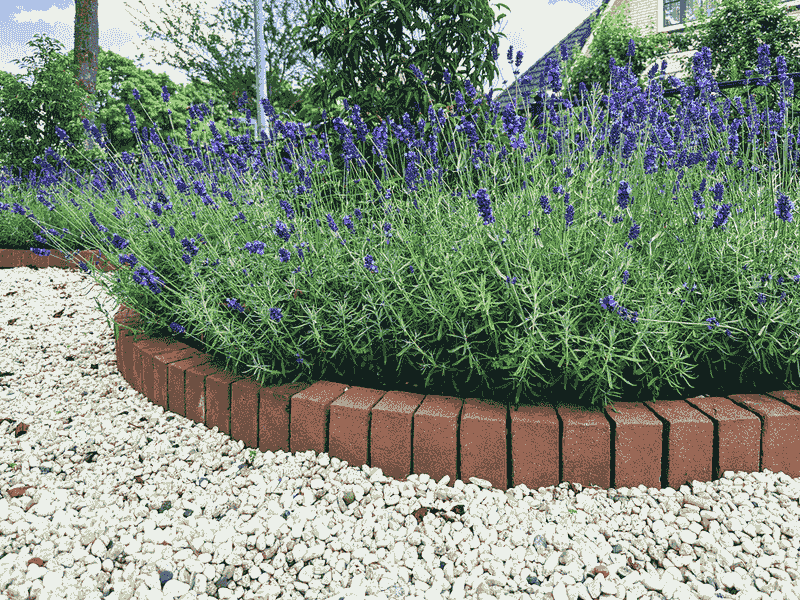
Landscape borders seem harmless enough, but those neat lines of brick, stone, or metal edging create a consistent gap between the border material and the soil. Scorpions are built for tight spaces, and a border crevice is almost perfectly sized for them.
Brick borders are particularly problematic when they shift over time. Ground movement causes small separations between pieces.
Each gap becomes a potential resting spot, especially when the border sits in a shaded area of the yard where temperatures stay lower.
Metal edging can also trap heat on the surface while staying cooler at the base where it contacts soil. Scorpions sometimes position themselves along the shaded side of metal borders during peak afternoon hours.
At night, they move freely along the border line hunting for insects attracted to landscape lighting.
Sealing gaps in brick or stone borders with sand or mortar reduces the crevice problem noticeably. Choosing solid, continuous border materials without joints limits entry points.
Keeping the area immediately inside and outside the border clear of debris also removes secondary hiding spots.
Relocating landscape lighting away from border edges reduces insect concentration along those lines. Insects gather near light sources, and scorpions follow insects.
Moving lights to poles or wall-mounted positions further from the ground disrupts that feeding pattern. Simple adjustments to both the physical border and the lighting around it can reduce scorpion presence along garden edges significantly over a season.
7. Overgrown Plantings Create More Places To Hide
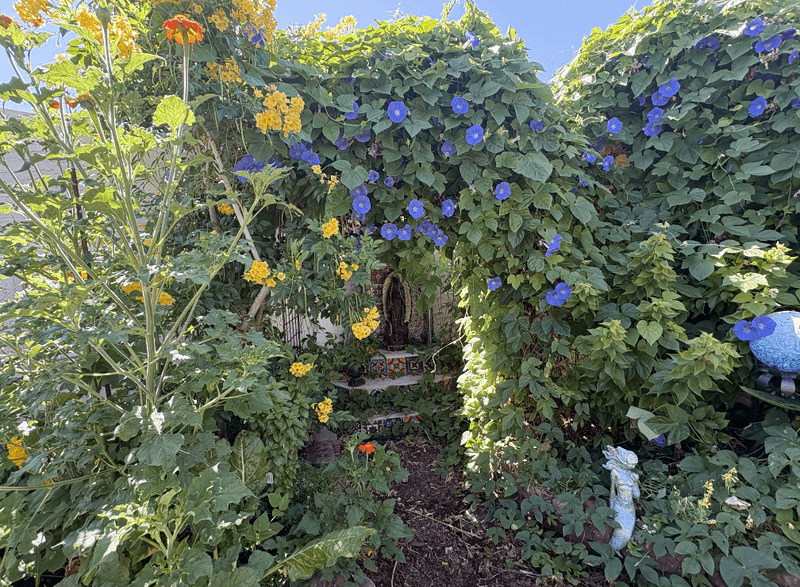
Yards that go a few weeks without trimming can change quickly in terms of scorpion risk. Overgrown shrubs, untrimmed cacti skirts, and sprawling desert plants all push branches and leaves down toward the soil level.
That low canopy becomes protected territory fast.
Ground-level clutter is one of the biggest contributors to scorpion pressure around any home. Fallen leaves, dried flower stalks, and tangled plant bases create layered debris that holds moisture and blocks sunlight.
Scorpions use that debris as both shelter and a hunting ground.
Agave plants with old, dried lower leaves are a classic example. Those older leaves curl inward and create a tight, dark pocket at the base of the plant.
Scorpions are frequently found sheltering in exactly that spot, especially in yards that border natural desert areas.
Removing accumulated lower growth from desert plants on a regular schedule can eliminate one of the most common hiding places around the yard.
Raking out debris from plant bases and keeping a clear, visible ring of open soil around each plant makes a measurable difference. Visibility at ground level consistently reduces shelter opportunity.
Trimming shrubs so that the lowest branches sit at least four inches above the soil also helps. Scorpions prefer covered routes, and an open gap beneath a plant removes that security.
Pairing regular trimming with a perimeter inspection every few weeks gives homeowners a strong practical handle on what is happening at the base of their plants throughout the warmer months.
8. Shaded Stone Features Stay Cooler During The Day
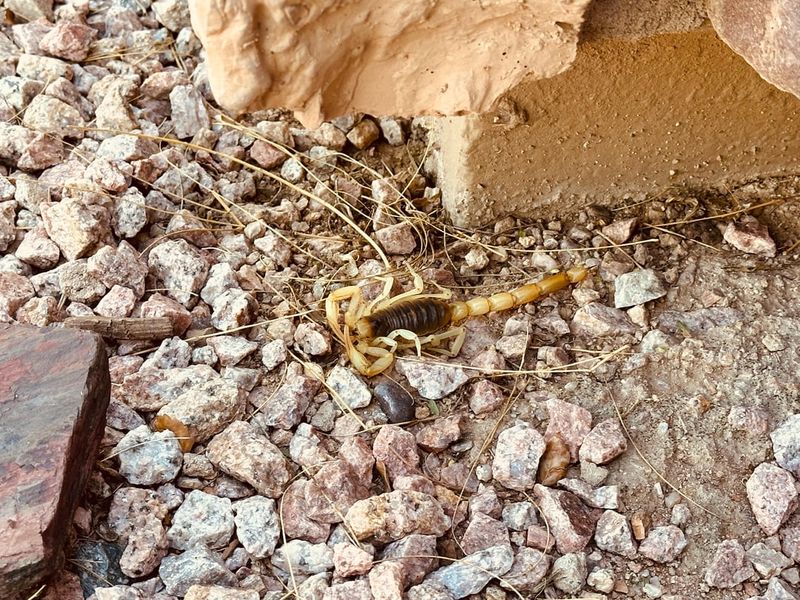
Stone features placed in shaded parts of the yard behave very differently than those baking in full sun. Shaded stone surfaces stay significantly cooler throughout the day and hold that lower temperature well into the evening.
Scorpions gravitate toward those cooler surfaces during peak heat hours.
Stone pathways under tree canopy, shaded retaining walls, and decorative stone features near covered patios all share this characteristic. Full-sun stone gets too hot for scorpions to use during the day.
Shaded stone stays within a comfortable range for them much longer.
Trees planted near stone features also drop debris. Leaf litter collects between stones, adding an organic layer that retains moisture and attracts insects.
Shaded stone combined with organic debris is about as ideal a scorpion habitat as a yard can accidentally create.
Keeping shaded stone areas clean and free of leaf buildup removes the added shelter layer. A leaf blower or stiff broom used weekly along shaded pathways keeps debris from accumulating between stones.
Clearing that organic material also reduces the insect activity that draws scorpions in.
Sealing gaps between pathway stones with polymeric sand limits the crevice space available. Polymeric sand hardens after wetting and stays in place through normal weathering.
Combining sealed stone joints with regular debris removal from shaded features gives desert homeowners a practical, low-effort way to reduce scorpion activity in the shadier corners of their outdoor spaces without a full landscape overhaul.