The Arizona Citrus Tasks That Help Prevent Heat Stress Later In Summer
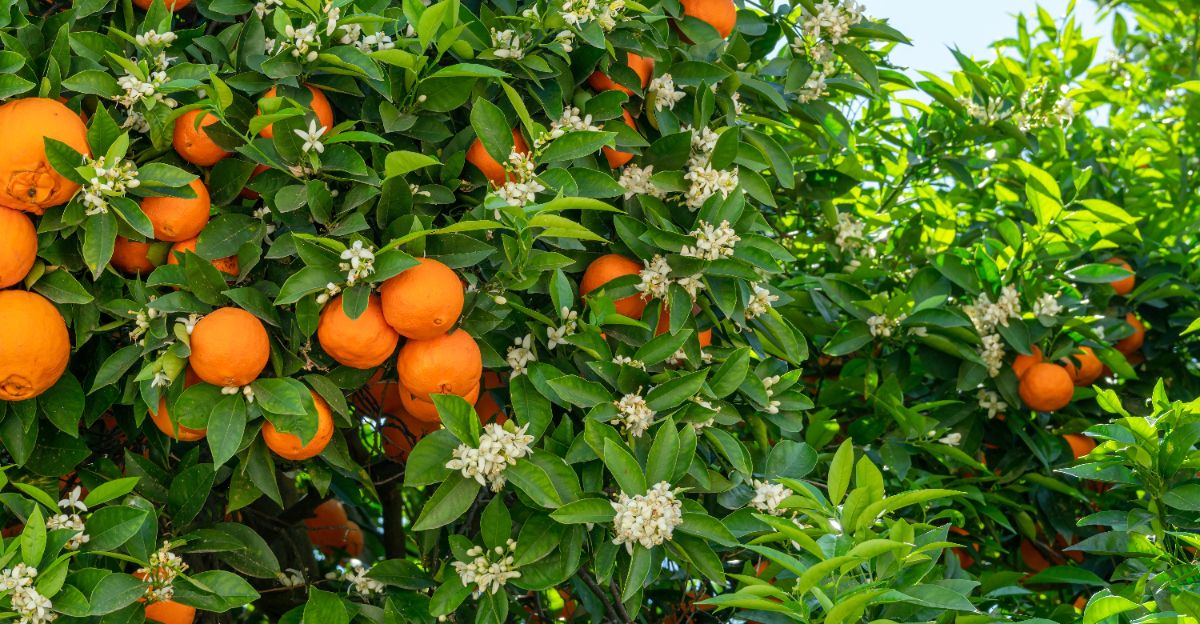
Arizona citrus trees can struggle fast once extreme summer heat arrives. Leaves may curl, fruit can drop early, and stressed trees often stop putting on healthy new growth.
Many of those problems start building weeks earlier, even when trees still look fine from a distance.
Late spring is when small citrus care tasks matter most. Deep watering helps roots prepare for hotter days ahead.
Fresh mulch can keep soil from drying too quickly. Afternoon shade also becomes much more important once temperatures begin staying high every day.
Many gardeners wait until trees already look stressed before making changes. That usually makes recovery much harder during long heat waves.
Trees planted near gravel, patios, or block walls often need extra attention because those areas hold heat for hours.
Healthy citrus trees usually handle summer much better when a few simple steps are done early. Small changes now can help prevent bigger problems once intense heat settles in.
1. Deep Watering Encourages Stronger Roots Before Extreme Heat
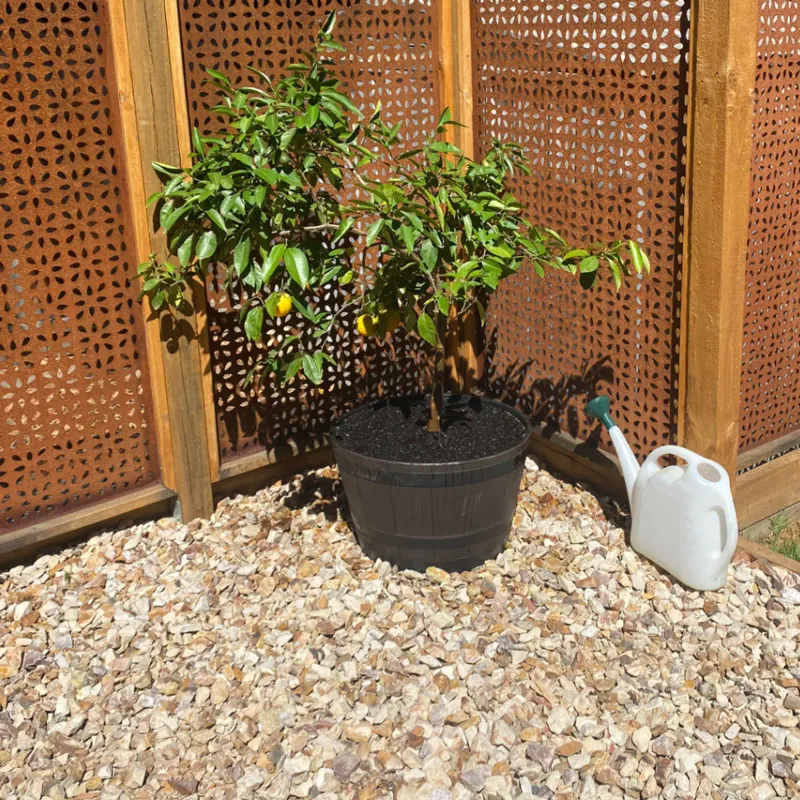
Shallow watering is one of the biggest mistakes citrus growers make before summer hits.
Roots that stay near the surface have almost no protection once the ground starts baking in June and July.
Watering deeply and slowly pushes moisture far down into the soil profile. Roots follow that moisture downward, anchoring the tree in cooler, more stable ground.
A tree with deep roots can access water reserves that surface-level roots simply cannot reach.
Aim for slow, extended watering sessions rather than short daily bursts. A two-to-four-hour soak once or twice a week works far better than a quick ten-minute sprinkle every day.
Basin watering works especially well for citrus. Build a shallow earthen ring around the drip line of the tree, fill it slowly, and let gravity do the work.
Water seeps down instead of running off.
Sandy desert soils drain fast, so longer sessions are often needed to get moisture deep enough to matter.
Clay-heavy soils hold water longer but can become compacted, so check drainage before adjusting your schedule.
Start this watering habit at least six to eight weeks before peak heat arrives. Roots need time to grow and establish in deeper soil layers.
A well-watered root system going into summer is your tree’s strongest advantage against heat stress.
2. Fresh Mulch Helps Soil Hold Moisture Longer
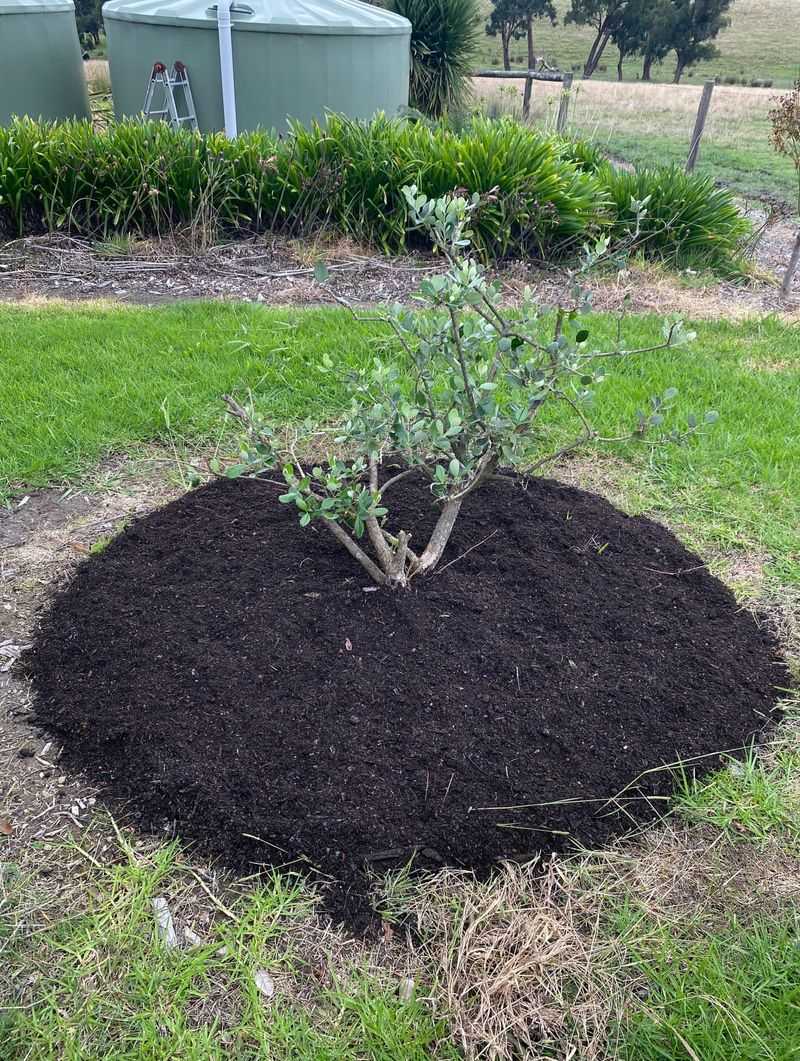
Bare soil under a citrus tree acts like a frying pan in summer.
Ground temperatures under direct sun can exceed air temperature by twenty degrees or more, and that heat moves straight into the root zone.
A thick layer of organic mulch breaks that cycle. Wood chips, straw, or shredded bark placed three to four inches deep over the root zone insulates the soil and slows moisture loss dramatically.
Pull mulch back a few inches from the trunk itself. Mulch pressed against the bark can trap moisture and create conditions that encourage fungal problems or bark damage over time.
Fresh mulch applied in early spring gives it time to settle and begin breaking down before heat peaks.
Your Arizona Garden Changes Every Week. Your Plan Should Too.
Gardening in Arizona changes quickly throughout the season. Every Friday you’ll receive a simple weekly plan showing exactly what to plant, prune, fertilize, harvest, and protect so you never miss the right timing.
As it decomposes, it also adds small amounts of organic matter back into the soil, which improves structure gradually.
Organic mulch can cut soil moisture evaporation by up to fifty percent in hot, dry climates. That means fewer emergency watering sessions during heat waves and more consistent root zone conditions.
Gravel mulch is common in desert landscaping, but it absorbs and radiates heat rather than blocking it. Organic mulch is a smarter choice specifically for protecting citrus roots.
Reapply mulch annually to maintain an effective, consistent layer that keeps working all season long.
3. Removing Suckers Prevents Unnecessary Energy Loss
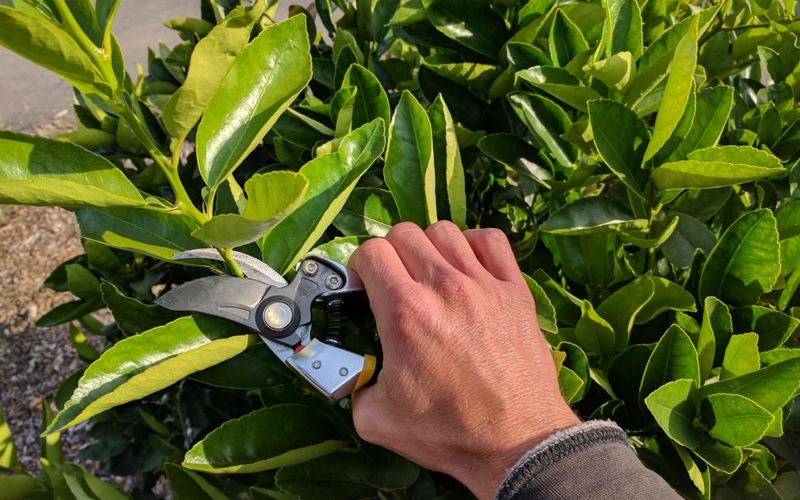
Suckers are sneaky. Those fast-growing shoots that sprout from the base or below the graft union look harmless, but they pull real energy away from the main canopy.
Every sucker competes directly with the productive parts of the tree. During spring, when the tree is building reserves for the stress of summer, that competition matters more than most people realize.
Suckers from below the graft union are especially problematic. They often belong to the rootstock variety, which is typically not the fruiting type you want growing.
Left alone, they can eventually overtake the grafted portion entirely.
Remove suckers as soon as you spot them. Pull them off by hand when they are young and small, which removes more of the base tissue and slows regrowth better than cutting alone.
For larger suckers, use clean pruning shears and cut as close to the origin point as possible. Leaving a stub often encourages multiple new shoots to replace the one removed.
Check the base of your citrus trees every few weeks through spring. Sucker growth accelerates with warmer soil temperatures, so early removal keeps the problem manageable without major effort.
A tree that is not wasting energy on unwanted growth enters summer in noticeably better condition. Fewer suckers means more resources directed toward fruit development and heat tolerance.
4. Sun Exposed Trunks Benefit From Protective Whitewash
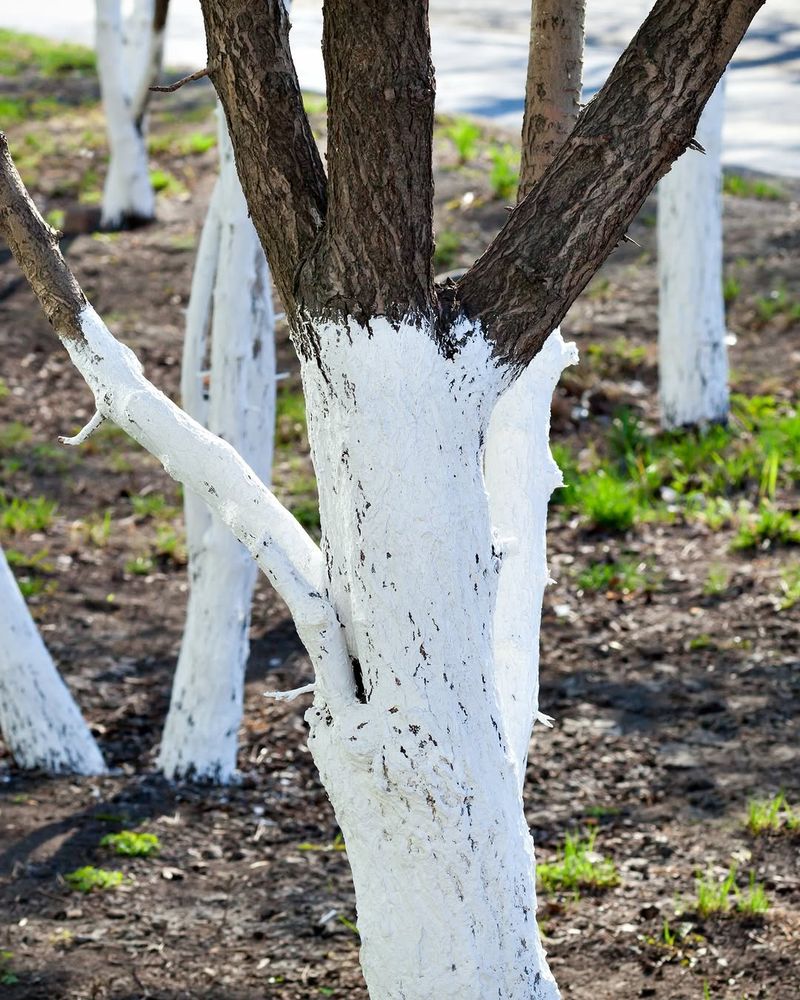
Sunburn on citrus bark is a real problem, and it is more common than most backyard growers expect.
When bark tissue overheats from direct sun exposure, it can crack, peel, and create entry points for pests and disease.
Trunk whitewashing is an old technique that works surprisingly well.
A diluted mixture of white interior latex paint and water, applied to exposed trunks and lower branches, reflects sunlight and keeps bark temperatures lower throughout the hottest months.
Mix one part white latex paint with one part water for a basic whitewash solution. Apply it with a brush directly onto clean, dry bark.
Coverage does not need to be thick, just consistent enough to create a reflective surface.
Focus on the south and west-facing sides of the trunk, since those angles receive the most intense afternoon sun. North-facing bark rarely needs treatment unless the tree is fully exposed on all sides.
Newly planted citrus trees are especially vulnerable because their canopies have not yet grown large enough to shade their own trunks. Established trees with dense canopies are less at risk, though any exposed trunk can benefit from protection.
Reapply whitewash each spring before intense heat begins. Rain and weathering break it down over time.
Keeping it fresh ensures the bark stays protected through the full heat season without interruption.
5. Light Spring Fertilizing Supports Healthy Summer Growth
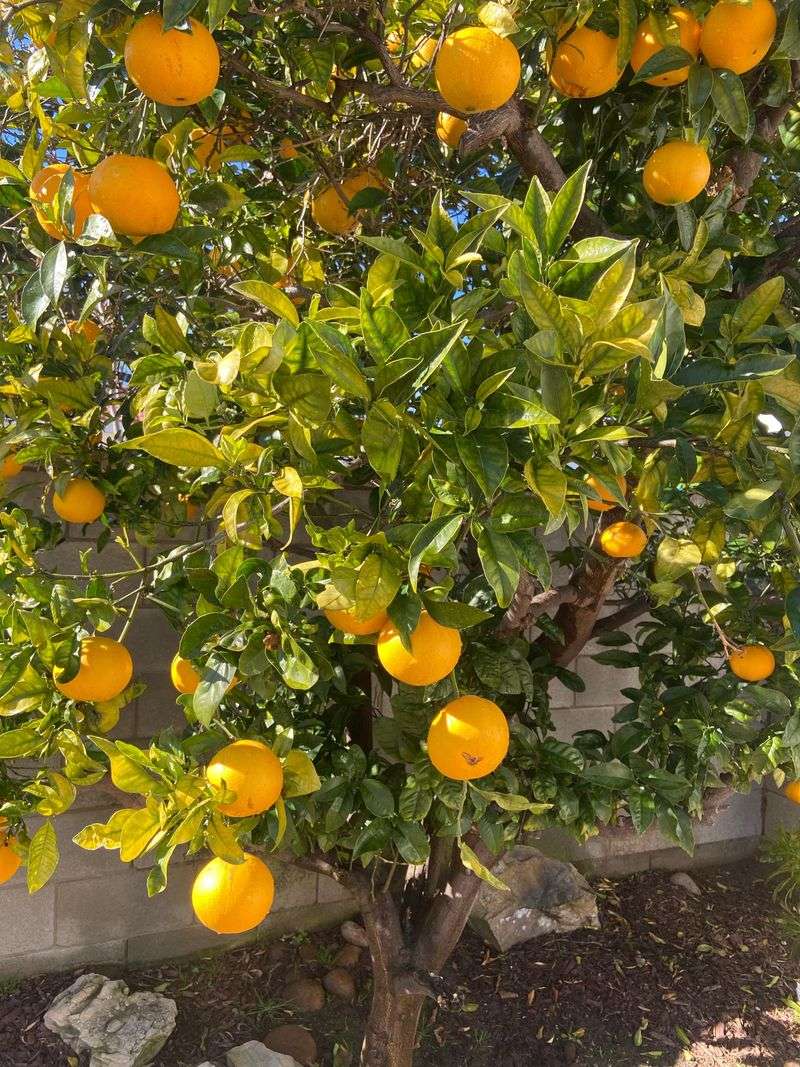
Fertilizing at the wrong time can actually set a citrus tree back rather than help it. Heavy nitrogen applications right before extreme heat pushes a flush of soft new growth that scorches easily under intense sun.
Spring fertilizing should be light and timed carefully.
A moderate application of a balanced citrus fertilizer in late winter or early spring gives the tree what it needs to develop strong, mature growth before temperatures climb.
Look for fertilizers formulated specifically for citrus. These blends typically include nitrogen, phosphorus, potassium, and trace minerals like iron, zinc, and manganese that citrus trees use regularly and desert soils often lack.
Avoid fertilizing once daytime temperatures consistently exceed 95 degrees. At that point, the tree shifts into a conservation mode and is not actively pushing new growth anyway.
Fertilizer applied during peak heat sits unused and can even stress roots.
Slow-release granular fertilizers are a practical choice for spring application. They break down gradually over weeks rather than delivering a sudden surge, which suits the steady growth pace of citrus in spring.
Water thoroughly after applying granular fertilizer to help it begin activating in the soil.
Dry fertilizer sitting on the surface without moisture absorption offers little benefit and can cause minor surface burn on feeder roots near the soil surface.
6. Damaged Branches Should Be Pruned Before Monsoon Season
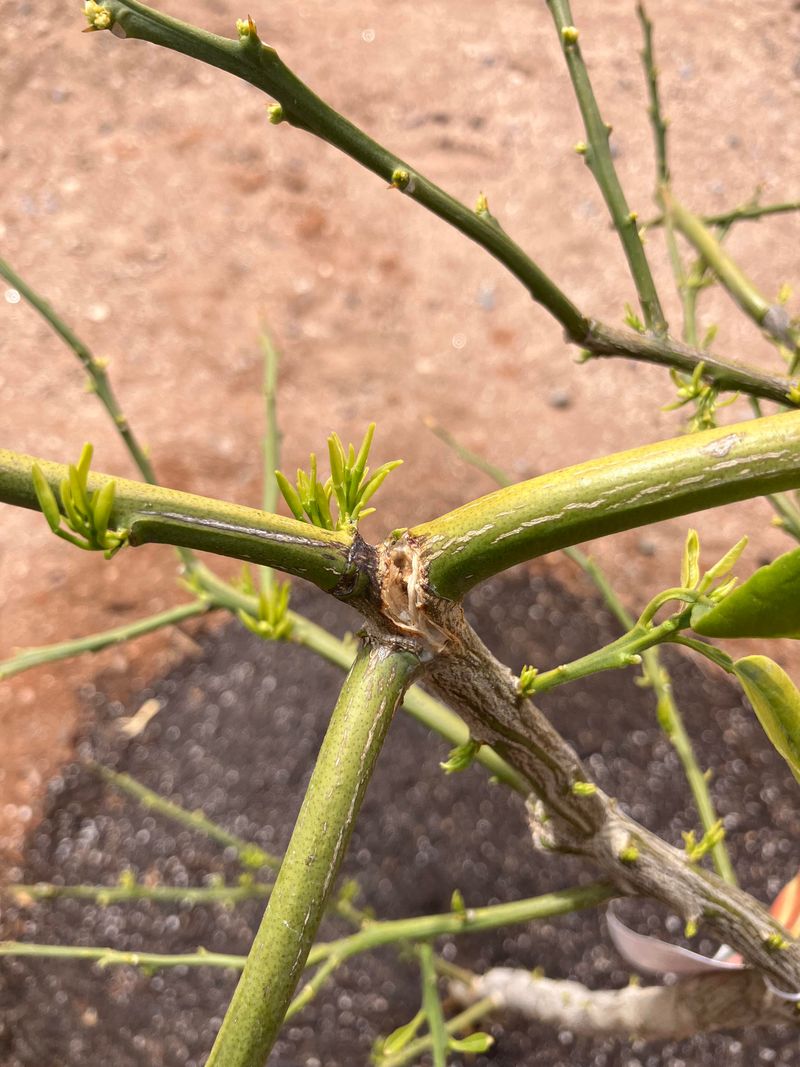
Broken or cracked branches going into monsoon season are asking for trouble.
High winds, heavy rain, and sudden temperature swings during monsoon storms can snap weakened wood that might have held through a calmer season.
Pruning damaged branches in late spring cleans up the tree before those storms arrive. It also removes potential entry points where insects and fungal spores can move into the tree during wet monsoon conditions.
Focus on branches that show visible cracks, hollow sections, or areas where bark has separated from the wood. These spots will not heal on their own and will only get worse under storm stress.
Make clean cuts just outside the branch collar, which is the slightly raised ring of tissue where a branch meets the trunk or a larger limb. Cutting at this point allows the tree to seal over the wound more efficiently.
Avoid heavy structural pruning on citrus in Arizona during late spring. Removing too much canopy at once exposes bark and interior branches to sunburn right before the hottest part of the year.
Light, targeted removal of damaged wood is the goal. A few careful cuts now prevent larger problems later when monsoon winds test every weak point in the canopy.
Sharp, clean tools reduce tearing and make healing faster and more complete.
7. Early Pest Checks Help Prevent Additional Heat Stress
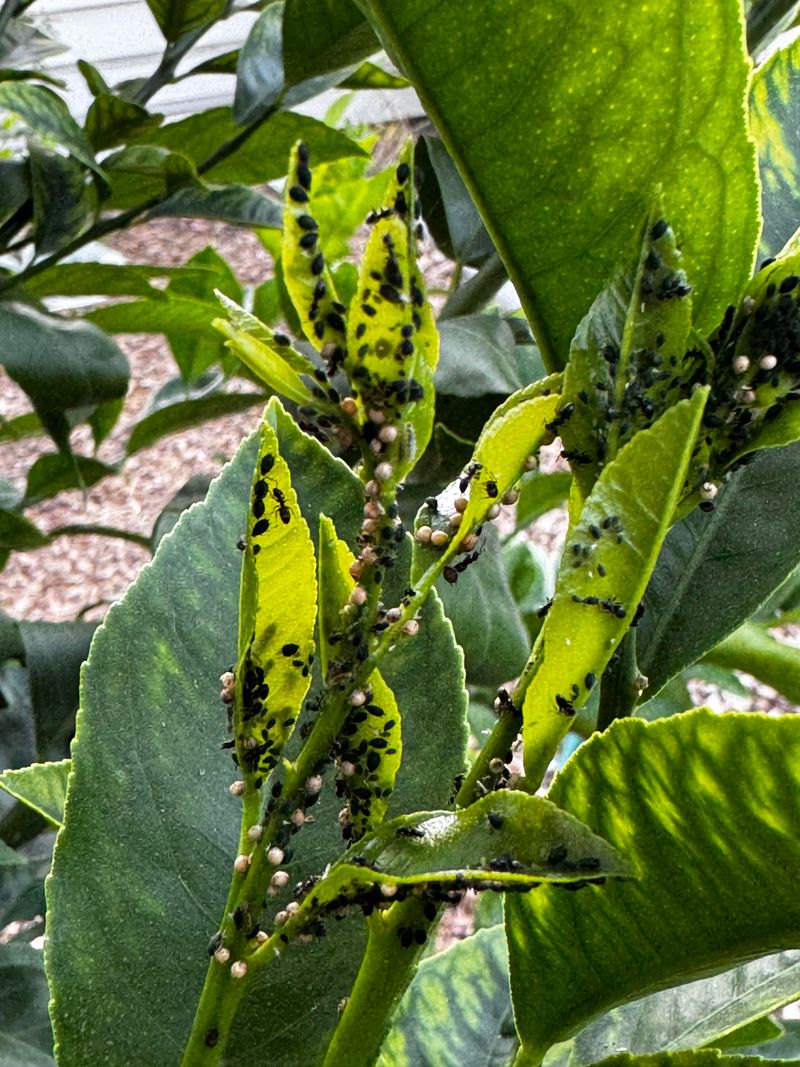
A citrus tree already fighting off a pest infestation has far less capacity to handle summer heat. Stress compounds fast, and a tree dealing with two problems at once rarely handles either one well.
Spring is the right time to walk your trees slowly and look closely. Check both the tops and undersides of leaves, along new growth tips, and around any fruit that has already set.
Asian citrus psyllid, citrus leafminer, and spider mites are among the most common problems in warm desert regions.
Each one causes a different type of damage, so knowing what to look for matters before you reach for any treatment.
Sticky traps placed near trees give you early warning of flying pest activity before populations get large enough to cause serious damage. Check them weekly and replace them when they fill up or lose stickiness.
Horticultural oil sprays applied in early spring can manage scale insects and mite populations before heat makes application difficult.
Avoid spraying oils when temperatures exceed 90 degrees, as they can cause leaf scorch under intense sun.
Beneficial insects like ladybugs and lacewings naturally keep pest populations lower. Avoiding broad-spectrum pesticides in spring preserves those helpful populations through the season.
Catching problems in March or April is dramatically easier than managing a full infestation in July heat. Early checks save time, money, and tree energy when it matters most.