The Tennessee Homeowner’s Guide To Choosing Between Pine Straw And Mulch
You pressed your bare hands into the Tennessee soil last July. Sweat soaked through your shirt before nine in the morning, and the weeds kept coming back no matter what you did.
Your back ached. Your garden bed looked worse than before you started. The frustration felt personal, like your yard was winning on purpose.
What if one simple material choice stopped most of that misery before the weeds even appeared?
Pine straw and mulch both promise serious weed control, but your specific Tennessee soil, your budget, and your yard layout quietly determine the real winner before you spend a single dollar.
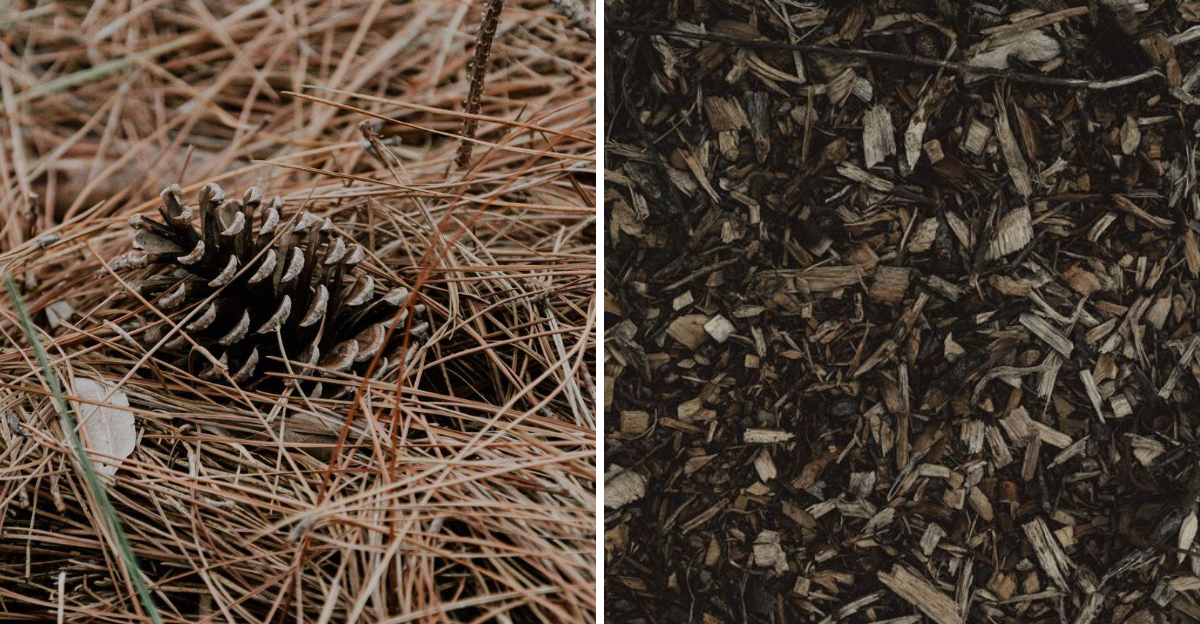
Pine straw costs less upfront and feeds acidic soil beautifully over time. Mulch suppresses more heavily, holds longer.
Choose wrong and the weeds are back by the end of the week. Choose right and your weekends finally feel like yours again.
Forms A Dense Mat That Naturally Blocks Weeds
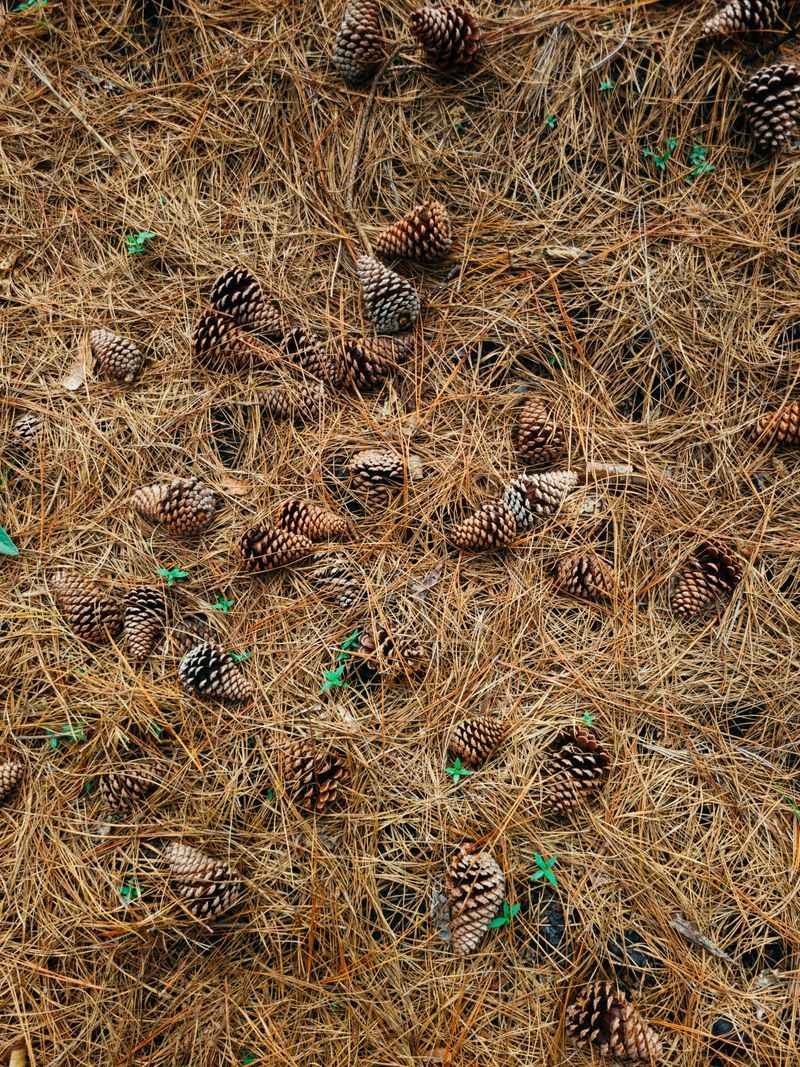
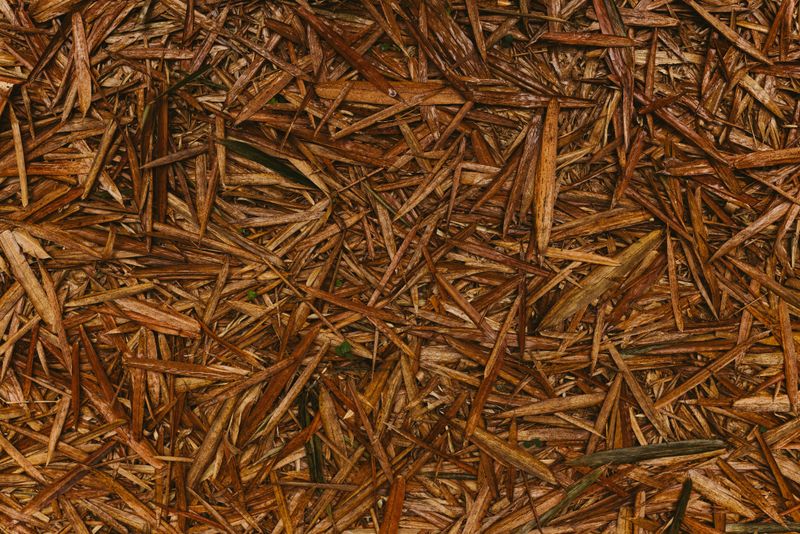
Pine straw has a secret weapon most gardeners overlook. The needles interlock like a natural puzzle, creating a dense mat that sunlight simply cannot break through.
Weed seeds need light to sprout. When that light gets cut off at the soil surface, most weeds never even get started.
A fresh layer of pine straw laid three to four inches thick does serious blocking work. It acts almost like a blanket thrown over bare soil, smothering potential growth before it begins.
Hardwood mulch does something similar, but pine straw has an edge in tight spots. Its flexible needles fill in around plant bases and awkward corners more naturally than chunky wood chips.
Many gardeners in Middle Tennessee report noticing fewer weeds after switching to pine straw. The mat stays intact even after heavy rain, which keeps the barrier working without constant repair.
Think of pine straw as a living puzzle that tightens over time. Each rain and footstep presses the needles closer together, making the weed-blocking layer even more effective as the season goes on.
Keeps Soil Moist During Hot Tennessee Summers
Tennessee summers bring sustained heat and extended dry stretches. Temperatures regularly push past 90 degrees, and garden soil can dry out faster than you can water it.
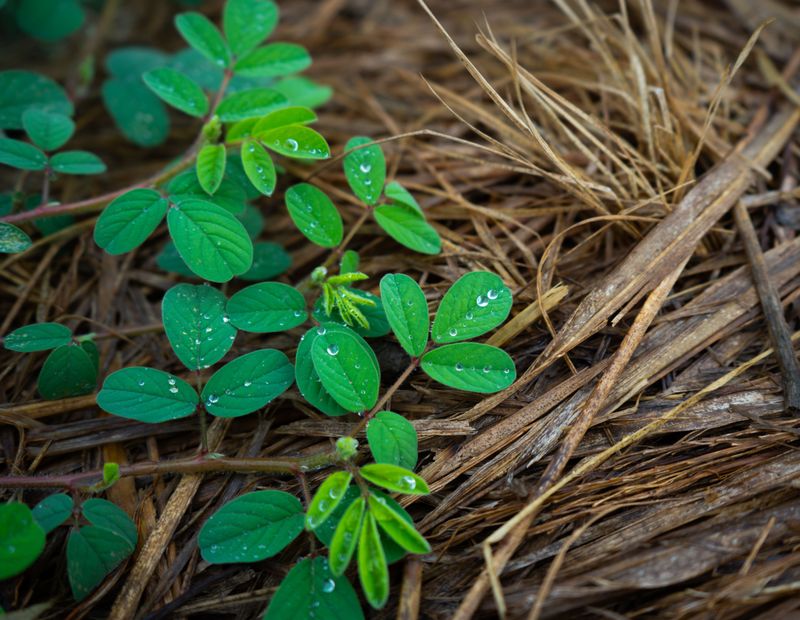
Pine straw acts like a shade umbrella for your soil. That thick layer slows evaporation dramatically, keeping moisture locked in where plant roots actually need it.
Research suggests mulched soil can retain significantly more moisture than bare ground, making every watering session work harder for your plants. For Tennessee gardeners dealing with dry July and August stretches, that number matters a lot.
Traditional wood mulch also holds moisture, but pine straw has a slight advantage in breathability. It lets air move through the mat while still reducing water loss from the surface below.
Plants under pine straw tend to look healthier mid-summer compared to those in bare beds. Less water stress means stronger stems, deeper roots, and more blooms lasting into fall.
Watering less frequently is not just convenient, it also saves money on your water bill. Choosing the smarter weed control option for Tennessee yards means thinking about moisture management as much as weed suppression.
Your Tennessee Garden Changes Every Week. Your Plan Should Too.
Gardening in Tennessee changes quickly throughout the season. Every Friday you’ll receive a simple weekly plan showing exactly what to plant, prune, fertilize, harvest, and protect so you never miss the right timing.
Stays Put On Slopes And Hilly Terrain
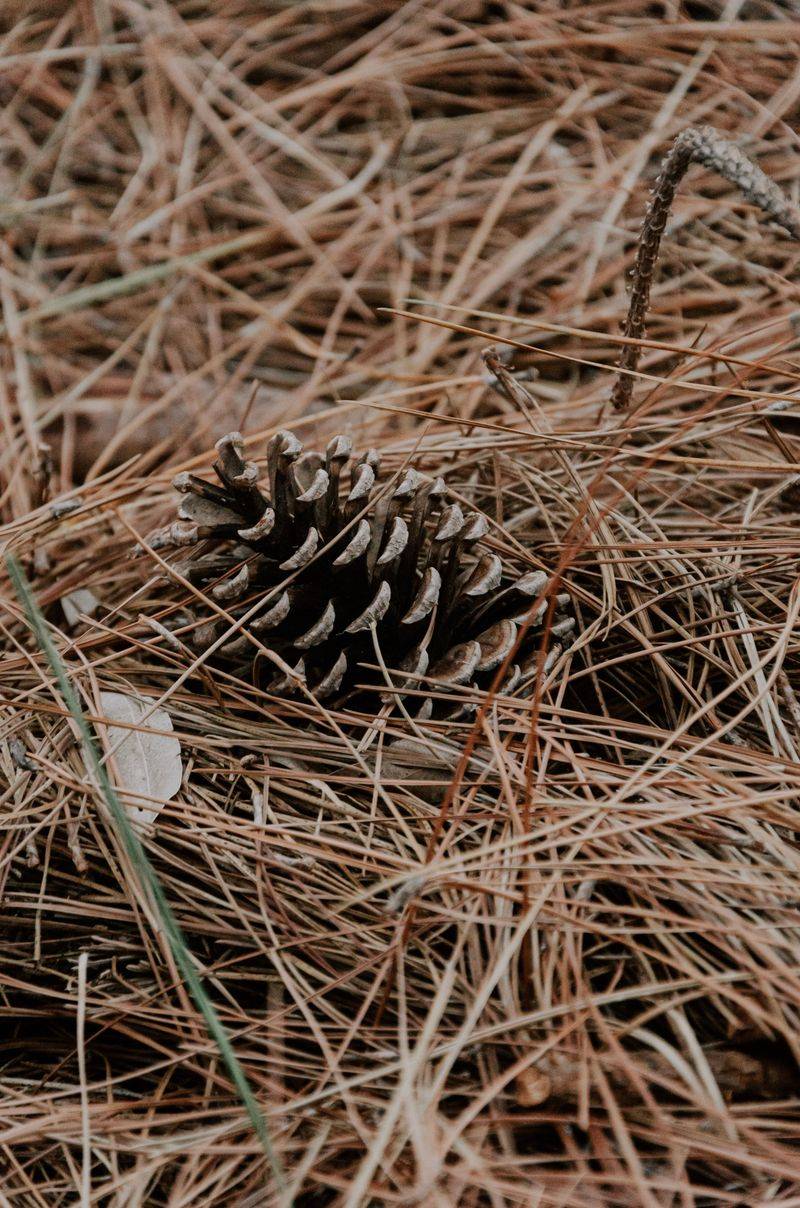
Hilly yards are beautiful until it rains. Traditional wood mulch on a slope turns into a floating mess after a good Tennessee downpour.
Pine straw behaves completely differently on inclines. Those interlocking needles grab onto each other and hold their position even when water rushes down a hillside.
Many landscapers in East Tennessee recommend pine straw as a reliable option for sloped beds. It is one of the few ground cover options that stays where you put it without needing edging, netting, or stakes.
The needle structure creates natural friction against the soil. That grip prevents the erosion that loose wood chips or shredded bark often cause on grades steeper than fifteen degrees.
Homeowners with terraced gardens report spending far less time replacing washed-away cover after storms. Pine straw simply anchors itself in a way that heavier materials cannot match on uneven ground.
If your yard has any kind of roll or pitch to it, this is a major factor worth considering. Choosing pine straw or mulch for weed control in Tennessee yards with slopes is an easy call once you have watched mulch float away twice.
Widely Available And Affordable Across Tennessee
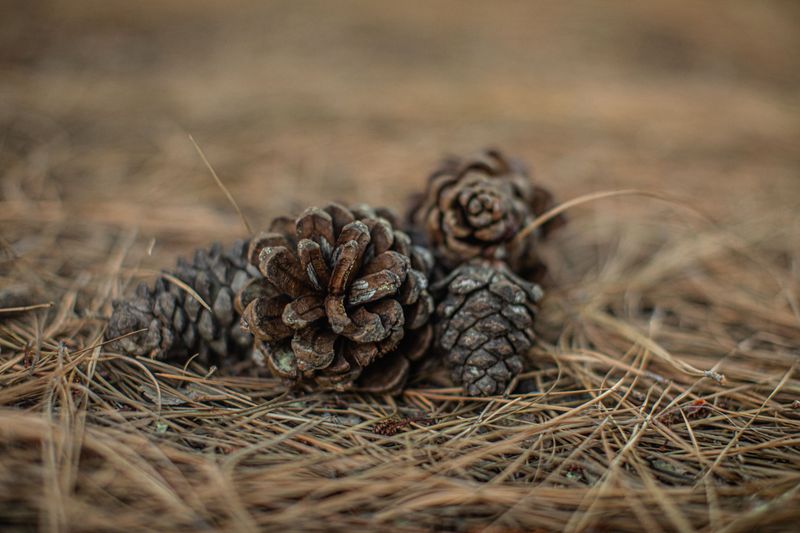
Budget matters, especially when you are covering large garden beds or a whole front yard. Pine straw wins the affordability contest in most parts of Tennessee without much debate.
A standard bale of pine straw covers roughly 35 to 40 square feet at a three-inch depth. Compare that cost to a bag of hardwood mulch, and the savings add up fast across a full landscape.
Pine is one of the most common trees across the state. That abundance keeps supply high and prices low at nurseries, farm co-ops, and even roadside stands throughout the region.
Mulch sourced from hardwood takes more processing before it hits store shelves. That extra production step gets passed along to the buyer, making it consistently pricier per square foot of coverage.
Buying in bulk bales also reduces packaging waste compared to bagged mulch products. For eco-conscious homeowners, that is a small but satisfying bonus on top of the savings.
Splitting a bulk pine straw delivery with a nearby household is a practical way to reduce costs further. Choosing the smarter weed control option for Tennessee yards sometimes comes down to simple math, and pine straw tends to pencil out better.
Creates A Thick Physical Barrier Against Weed Growth
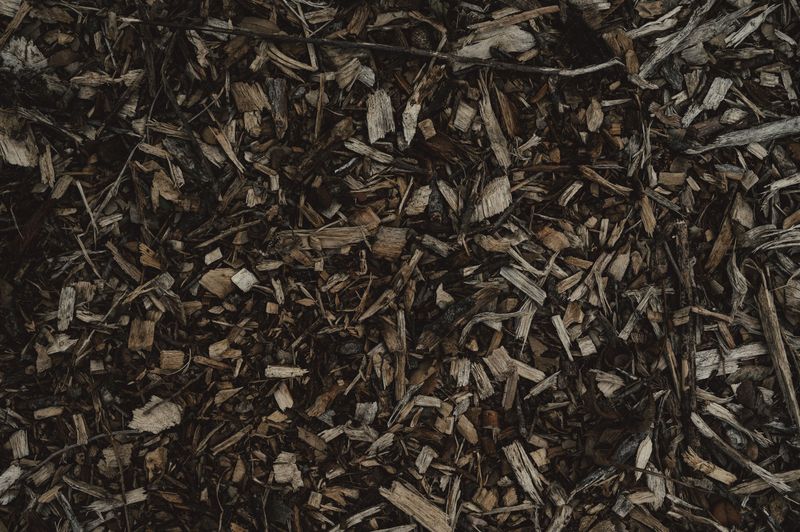
Hardwood mulch is a heavyweight when it comes to physical weed suppression. A four-inch layer creates a barrier that most weed seeds simply cannot push through to reach sunlight.
The density of shredded hardwood or bark mulch packs down over time. That compression makes it even harder for stubborn weeds to break through as the season progresses.
Landscaping professionals often recommend mulch for formal garden beds with larger plants. The chunky texture stays in place around shrubs and trees without getting kicked around by foot traffic or wind.
Mulch also pairs well with landscape fabric for maximum weed control. Layering the two creates a double barrier that can keep beds nearly weed-free for an entire growing season.
One advantage mulch has over pine straw is raw weight. Heavier material means less movement in windy conditions, which is helpful for open, exposed beds in Middle Tennessee neighborhoods.
When you choose pine straw or mulch for weed control in your Tennessee yard, consider the plant types in each bed.
Mulch performs exceptionally well around established perennials, ornamental grasses, and foundation plantings that need long-lasting coverage without frequent replacement.
Breaks Down Over Time To Enrich The Soil
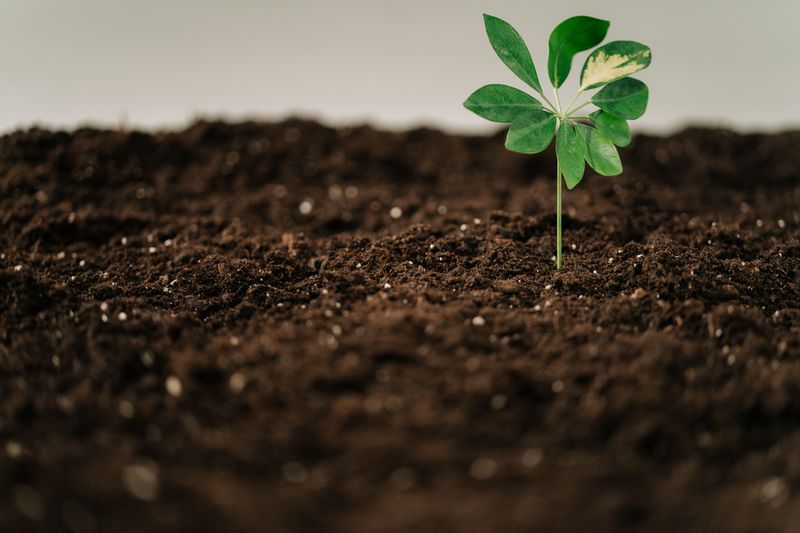
Mulch does double duty in the garden. While it blocks weeds on top, it quietly breaks down underneath, feeding the soil with organic matter over time.
Decomposing hardwood adds carbon and nutrients back into the ground. That slow release improves soil structure, making it easier for roots to spread and absorb water more efficiently.
Tennessee clay soil commonly drains poorly and compacts easily. Regular mulch applications that break down over two to three seasons can gradually loosen that tight clay and improve drainage without chemicals.
Pine straw also decomposes, but at a slower rate. Mulch breaks down faster, meaning it feeds the soil more quickly but also needs replenishment more often, usually once a year for most beds.
Earthworms love decomposing mulch. Their presence signals healthy soil biology, and their tunneling further loosens compacted ground, creating a garden bed that gets better with every passing season.
Gardeners who think long-term often choose mulch partly for this soil-building benefit. Weed control is the immediate benefit, but the enriched soil beneath continues supporting your plants with every passing season.
Regulates Root Temperature Through Seasonal Changes
Roots are more sensitive to temperature swings than most gardeners realize. A sudden frost after a warm October day can shock plant roots and set back growth for the following spring.
Mulch acts as a natural insulator, buffering the soil against rapid temperature changes. In Tennessee, where fall and spring bring wild temperature swings, that protection is genuinely valuable.
A three to four inch layer of mulch keeps soil temperatures more stable than bare ground. Research indicates mulched soil tends to stay measurably warmer on cold nights and cooler during peak afternoon heat compared to bare ground.
Pine straw offers similar insulation, but mulch tends to hold heat slightly better due to its denser composition. For tender perennials and newly planted shrubs, that extra warmth through winter can mean the difference between thriving and struggling.
Spring benefits from this regulation too. Mulched beds warm up more gradually, which helps prevent premature budding during a late-winter warm spell that gets followed by another freeze.
Choosing the right ground cover for your Tennessee yard is about more than just aesthetics.
Protecting root zones through seasonal temperature shifts is one of the most underrated advantages of consistent mulching year after year.
Available In Multiple Colors For A Polished Look
Curb appeal is real, and the color of your ground cover plays a bigger role than you might expect. Mulch comes in a range of shades that can transform a tired yard into a polished outdoor space.
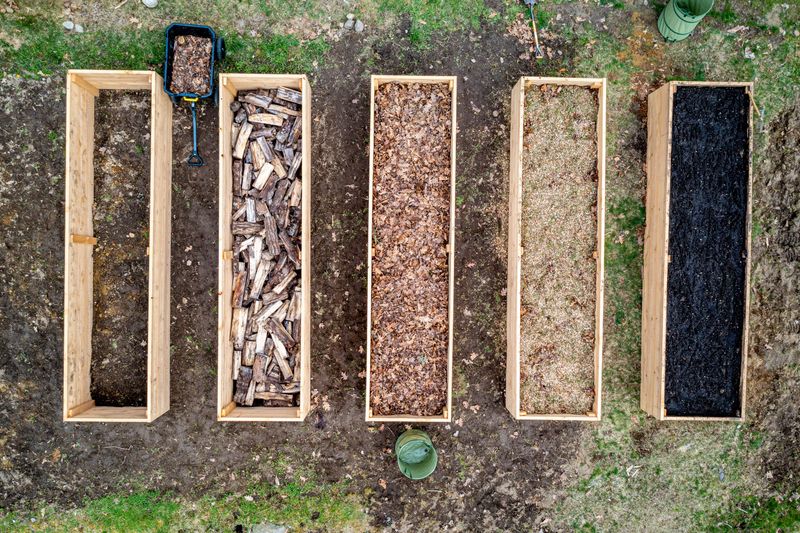
Black mulch creates sharp contrast against green plants and bright flowers. It gives garden beds a clean, modern look that photographs well and impresses neighbors walking by.
Red mulch adds warmth and a rustic feel that pairs beautifully with brick homes. Brown shades offer a natural earthy tone that blends seamlessly with most Tennessee landscapes.
Pine straw has a golden amber color that fades to gray over time. That natural look suits wooded or cottage-style gardens but offers less visual variety compared to dyed mulch options.
Colored mulch is typically treated with iron oxide dyes, which are considered safe for plants and soil. The color holds for about a season before fading, giving you a good excuse to refresh beds annually.
When weighing pine straw or mulch for weed control in Tennessee yards, aesthetics deserve a seat at the table. A yard that looks intentional and well-maintained adds genuine value to your home and makes outdoor time feel a whole lot better.