What To Leave Uncut In Your Georgia Yard This Summer To Attract Luna Moths At Night
Summer evenings can make a yard feel completely different. As daylight fades, familiar plants and garden spaces become part of a landscape that most people rarely pay attention to.
Activity continues long after sunset, even if it is not always easy to see. Many fascinating creatures spend their time moving through the yard while homeowners are indoors or focused on other things.
Wildlife gardening usually brings birds, butterflies, and bees to mind. Those visitors get plenty of attention because they are easy to spot during the day.
Nighttime species tend to be overlooked, even though they are just as connected to the plants and features found around a home. Small decisions about yard maintenance can have a much bigger impact on them than many people realize.
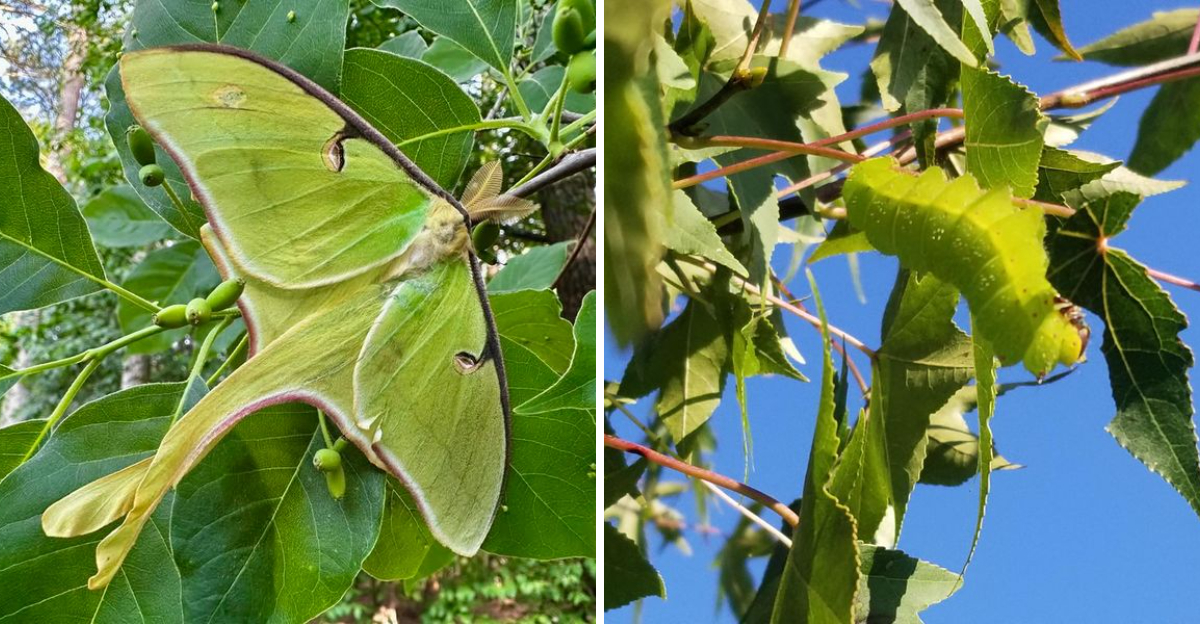
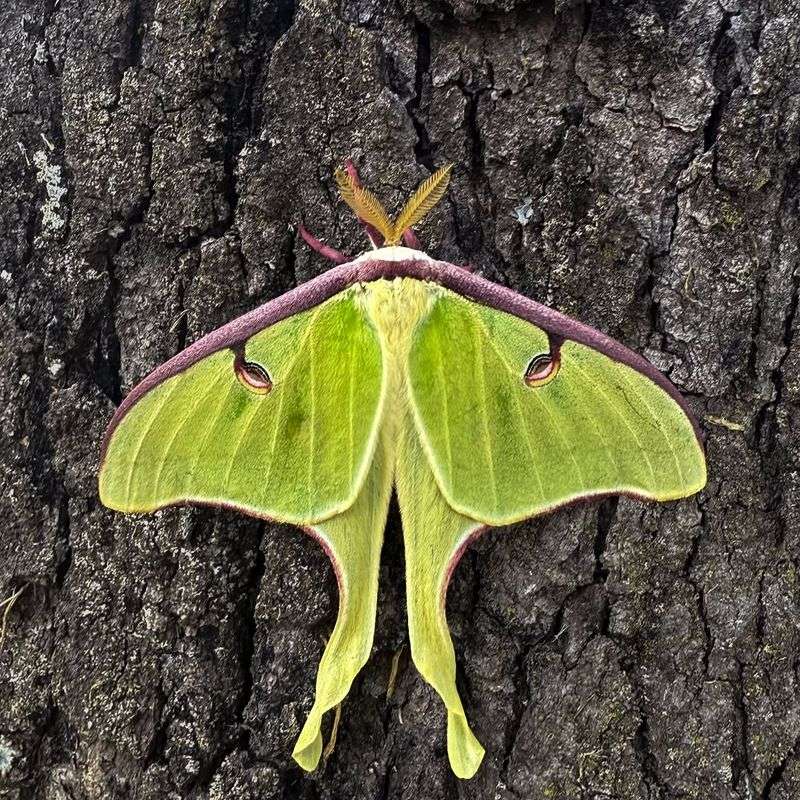
Luna moths are among the most memorable insects active during summer. Georgia yards can provide valuable habitat for them.
Keeping a few things uncut may help make those rare nighttime encounters more likely.
1. Naturally Regenerated Tree Growth Expands Habitat
Volunteer tree growth that sprouts on its own along yard edges is often treated as a problem. Pull it, cut it, spray it.
But that spontaneous regeneration is exactly how luna moth habitat expands without any planting effort from the homeowner.
Mixed volunteer growth tends to include multiple species at once. Sweetgum, persimmon, walnut, and hickory frequently regenerate together in the same border strip.
That species diversity creates a richer habitat than any single-species planting could provide.
Natural regeneration also produces trees that are already adapted to local soil and light conditions. They tend to establish faster and require less maintenance than intentionally planted specimens.
Letting them grow is genuinely the lower-effort option in most cases.
Border strips along fences, property edges, or the back of a yard are ideal locations for regenerated growth. These areas are already low-traffic and shaded part of the day.
Luna moths and their caterpillars benefit from exactly that kind of sheltered, layered environment.
Resist the urge to clear these strips in late spring or early summer. That timing coincides with active egg-laying and early larval feeding.
Cutting during that window removes habitat at the worst possible moment in the seasonal cycle.
As these saplings grow larger, they provide more of the foliage luna moth caterpillars depend on for development.
2. Persimmon Seedlings Feed Developing Larvae
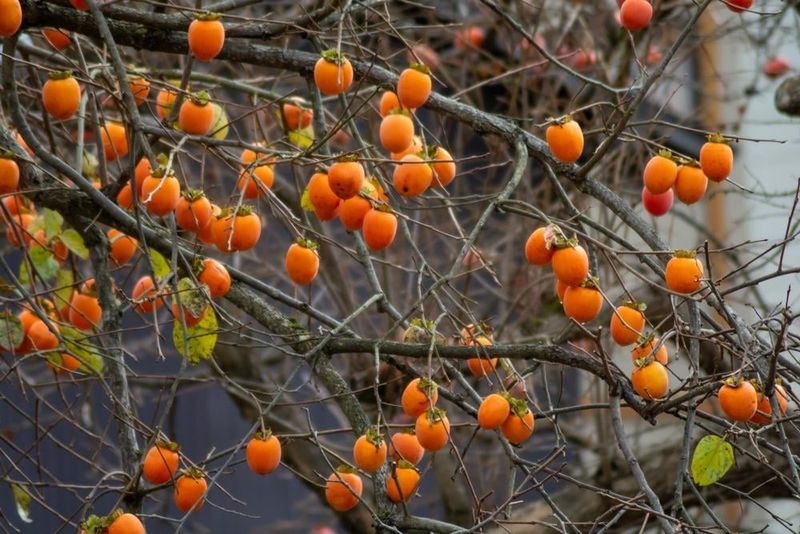
Native persimmon is an underappreciated tree in most Southern yards, but luna moth caterpillars know exactly what it is. Seedlings that sprout along yard edges or near older persimmon trees can serve as active feeding sites during summer months.
Persimmon spreads readily through seed. Birds eat the fruit and deposit seeds in new locations, which is why seedlings often appear far from any mature tree.
Check open sunny areas and field edges where birds tend to perch.
Young persimmon leaves are soft and nutritious, making them ideal for early-stage caterpillars. Mature leaves toughen over the season, but fresh growth on young seedlings stays accessible longer.
That extended feeding window matters for larval development.
Your Georgia Garden Changes Every Week. Your Plan Should Too.
Gardening in Georgia changes quickly throughout the season. Every Friday you’ll receive a simple weekly plan showing exactly what to plant, prune, fertilize, harvest, and protect so you never miss the right timing.
Persimmon is a native species, so it fits naturally into the local ecosystem without becoming invasive or aggressive. Letting seedlings grow does not mean giving up control of your yard.
A small cluster near a natural border requires almost no management.
Avoid cutting persimmon seedlings during summer mowing sessions. Mark their locations before the grass gets tall so they are easy to spot.
A simple wire cage around each seedling can also protect them from accidental damage during yard work.
Persimmon seedlings grow slowly compared to walnut or sweetgum. Patience pays off here.
Many of the best future host trees start as overlooked volunteers along a fence line or field edge.
3. Hickory Saplings Can Serve As Host Plants
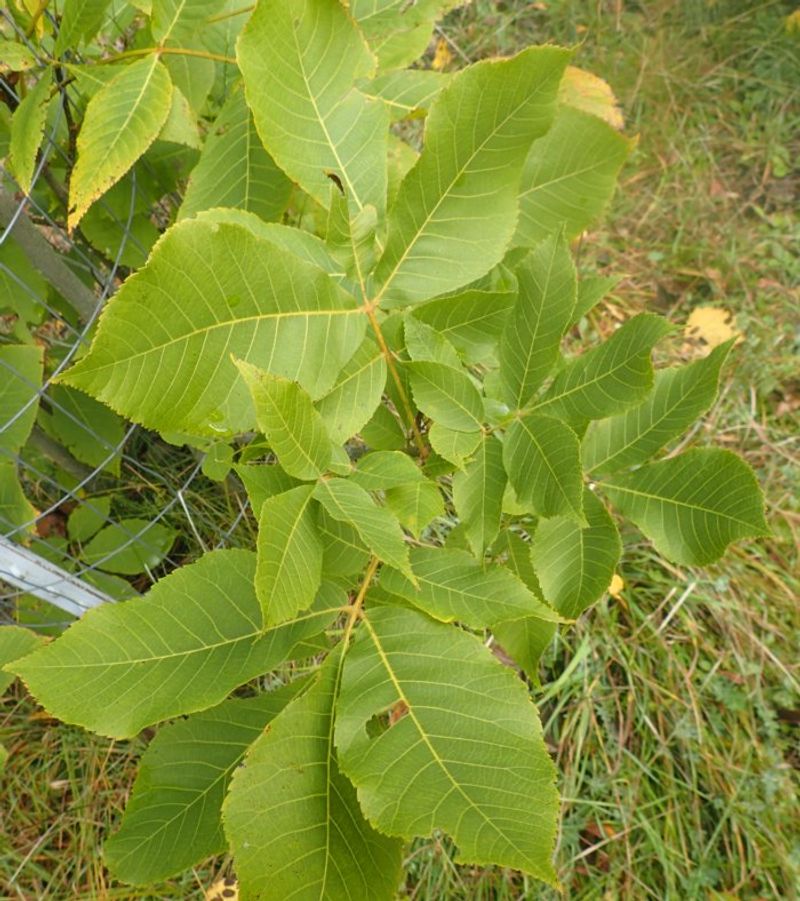
Hickory is one of those trees that belongs in any discussion about luna moths. Caterpillars have been observed feeding on hickory foliage, and young saplings that sprout naturally in a yard are worth preserving for that reason alone.
Several hickory species grow across the Southeast, including shagbark and pignut. Both can serve as host plants.
If you spot a sapling with compound leaves and a straight upright form near a tree line, there is a good chance it is a hickory volunteer.
Young hickory leaves are softer than mature foliage and more accessible to caterpillars in early feeding stages. Saplings between one and four feet tall tend to produce the most palatable new growth throughout summer.
That is the size range worth protecting most.
Hickory grows slowly, so a sapling in your yard may have been establishing for two or three years already. Cutting it removes years of natural progress.
Leaving it undisturbed costs nothing and adds genuine habitat value to your property over time.
Keep lawn equipment away from the base of any hickory sapling you want to protect. Bark damage near the soil line can stress young trees significantly.
A small mulch ring around the base helps reduce mowing risks and retains soil moisture during dry spells.
Over time, those protected saplings can become some of the most valuable host trees in the yard.
4. Low Tree Branches Create Daytime Resting Areas
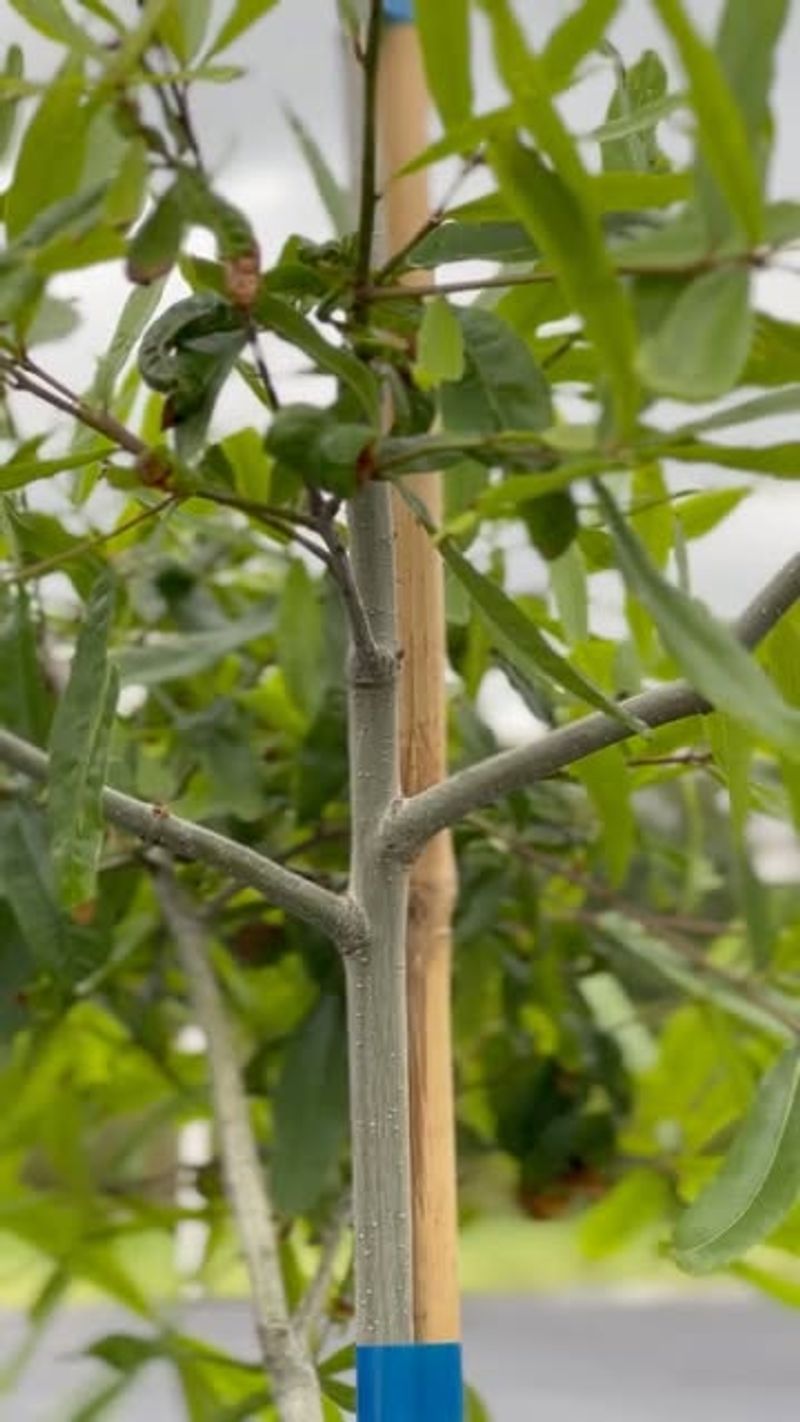
Luna moths are nocturnal. When daylight arrives, they need a shaded, sheltered spot to rest until dark returns.
Low branches on trees near your yard provide exactly that kind of cover during summer days.
Most people trim low branches for aesthetics or lawn access. Leaving a few in place along the yard edge or near a tree line gives luna moths a safe place to perch without being exposed.
Shade and leaf density matter more than height.
A branch hanging between three and six feet off the ground is ideal. Luna moths blend almost perfectly into green foliage, so spotting one at rest takes a careful eye.
Check the undersides of leaves on shaded branches during morning hours when activity is lowest.
Branches near host plant species are especially valuable. A resting adult moth near sweetgum or walnut foliage may be preparing to deposit eggs on those same leaves.
That proximity speeds up the reproductive process considerably.
Avoid heavy pruning of lower canopy growth during the summer months. Pruning disrupts resting sites and removes leaf cover that adults depend on between dusk and dawn flight periods.
Wait until fall if trimming is necessary.
Dense, layered canopy near the ground also reduces light penetration, which luna moths prefer during rest.
That darker, more sheltered environment helps resting luna moths remain concealed throughout the day.
5. Leaf Litter Supports The Final Stages Of Development
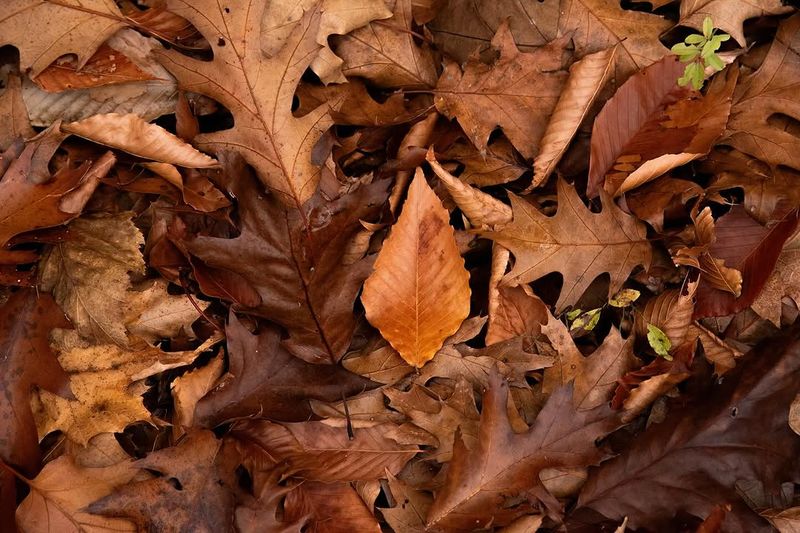
Leaf litter does a lot more than most homeowners realize. Luna moth pupae overwinter inside cocoons that are often wrapped in fallen leaves or tucked just beneath the leaf surface on the ground.
Raking everything away removes them completely.
After caterpillars finish feeding, they spin cocoons using leaves and silk. Many of these cocoons end up on the ground, camouflaged within the natural debris layer.
Without that layer, there is nowhere safe for pupation to occur.
Summer leaf litter builds up gradually under deciduous trees. Sweetgum, walnut, and hickory all shed leaves throughout the season, not just in fall.
Allowing that debris to accumulate under host trees creates natural pupation habitat right where it is needed most.
Avoid blowing or raking leaf litter from areas near known host plants during summer and fall. Even a shallow layer a few inches deep provides meaningful protection.
More depth means better insulation and more concealment from predators.
Leaf litter also supports a broader community of insects, fungi, and decomposers. Keeping it in place benefits the whole yard ecosystem, not just luna moths.
Soil health improves noticeably in areas where natural debris is left undisturbed over multiple seasons.
A practical approach is to designate a section of your yard as a no-rake zone.
Placing that zone beneath host trees maximizes its value for luna moths and other beneficial insects.
6. Unmowed Areas Reduce Disturbance Around Host Plants
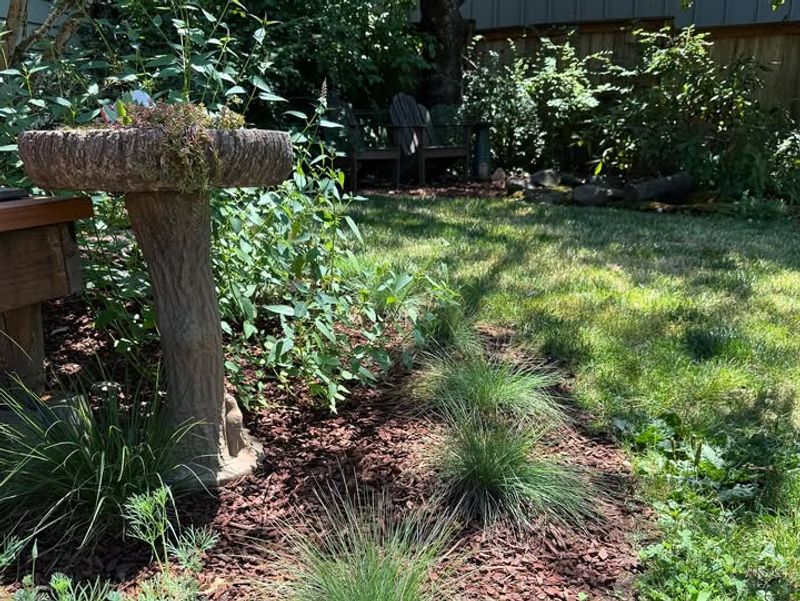
Mowing right up to the base of host plant saplings creates more problems than most people expect. Ground vibration, debris impact, and foot traffic during mowing all stress young trees and disturb the surrounding habitat.
Stepping back from those areas helps more than it seems.
An unmowed buffer of even two or three feet around a host plant sapling makes a measurable difference. Caterpillars that drop from leaves to pupate need undisturbed ground nearby.
Mowed turf offers almost no protection once they land.
Tall grass and low vegetation around host plants also provide cover for predator avoidance. Birds and other insects are less likely to pick off caterpillars moving through dense, unmowed ground cover.
That small margin of safety improves survival rates across larval stages.
You do not need to let your entire yard go wild. A targeted approach works well.
Identify your host plant locations and simply stop mowing in a defined radius around each one. Keep the rest of the yard however you prefer.
Unmowed patches also support native ground-level insects that are part of the broader food web. Fireflies, ground beetles, and native bees all benefit from reduced mowing pressure during summer months.
Luna moths are just one piece of a larger picture.
Even a small unmowed zone can create noticeably better conditions for developing luna moths.
7. Sweetgum Saplings Support Luna Moth Caterpillars
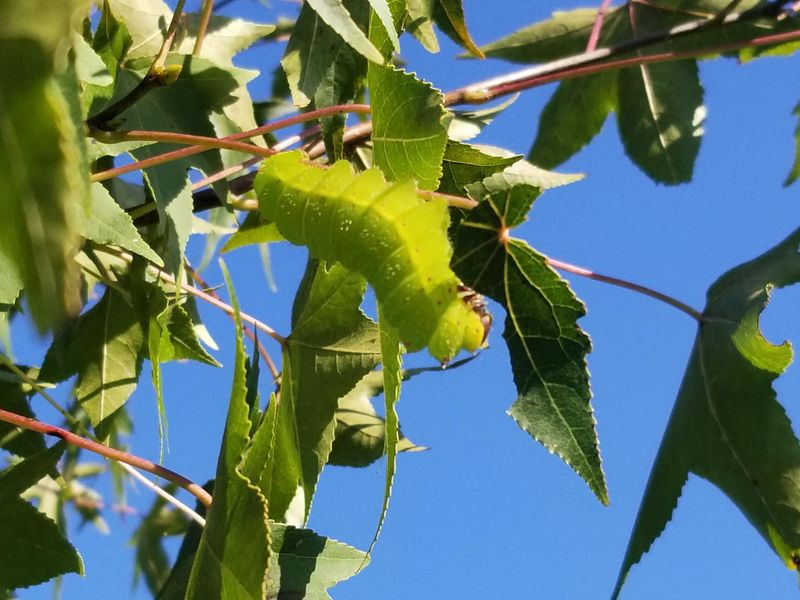
Sweetgum saplings are one of the most reliable luna moth host plants you can find growing wild in a Southern yard. Spot one near your fence line or tree edge?
Leave it alone. Luna moth caterpillars actively feed on sweetgum leaves throughout the summer months.
Sweetgum grows fast and tends to pop up on its own in disturbed soil. Most homeowners pull these seedlings out without a second thought.
Letting even two or three grow undisturbed gives caterpillars a real food source without any effort on your part.
Caterpillars need soft, fresh leaves to feed efficiently. Young saplings produce exactly that kind of growth during warm weather.
Older, tougher leaves on mature trees are less ideal for early-stage larvae.
Keep the area around sweetgum saplings unmowed if possible. Tall grass nearby reduces foot traffic and gives caterpillars a safer environment.
Less disturbance means better survival odds throughout each growth stage.
You do not need to plant sweetgum intentionally. Watch for volunteer seedlings that sprout naturally along borders or under larger trees.
Mark them with a small flag so you remember not to cut them during yard work.
Sweetgum is native to this region and thrives without supplemental watering. Once you stop pulling or mowing them, they establish quickly.
A small cluster of saplings can become a meaningful habitat patch within a single summer season.
8. Native Walnut Growth Provides Important Host Foliage
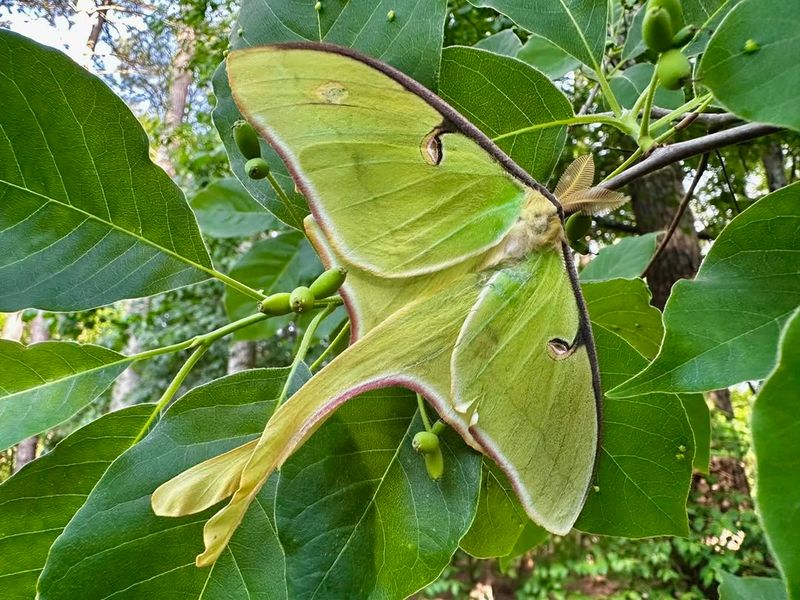
Black walnut is not just a nut tree. It is a documented luna moth host plant, and young specimens growing in your yard deserve a closer look before you reach for the pruners.
Caterpillars will feed on walnut foliage during the summer larval period.
Volunteer walnut seedlings often sprout from nuts dropped by squirrels or carried by water. Check along fence rows, under bird feeders, and near wooded edges.
These spots are where walnut tends to establish on its own.
Walnut saplings grow vigorously once rooted. A seedling that appeared this spring could have several feet of growth by midsummer.
That fresh foliage is exactly what developing caterpillars need during their feeding stages.
One thing to keep in mind: black walnut releases compounds into the soil that can suppress nearby plants. Keep it away from vegetable gardens or flower beds you want to protect.
Near a natural border or tree line works best.
You do not need to do much maintenance once the sapling is established. Skip the mowing around its base.
Avoid applying herbicide in the surrounding area, since runoff can affect the young root system.
Walnut also attracts other beneficial wildlife, which adds value beyond luna moths alone. Birds nest in its canopy, and insects use it throughout the season.
Letting it grow costs you nothing but a small patch of unmowed space each summer.