The Real Reason Carpenter Bees Target Tennessee Porches
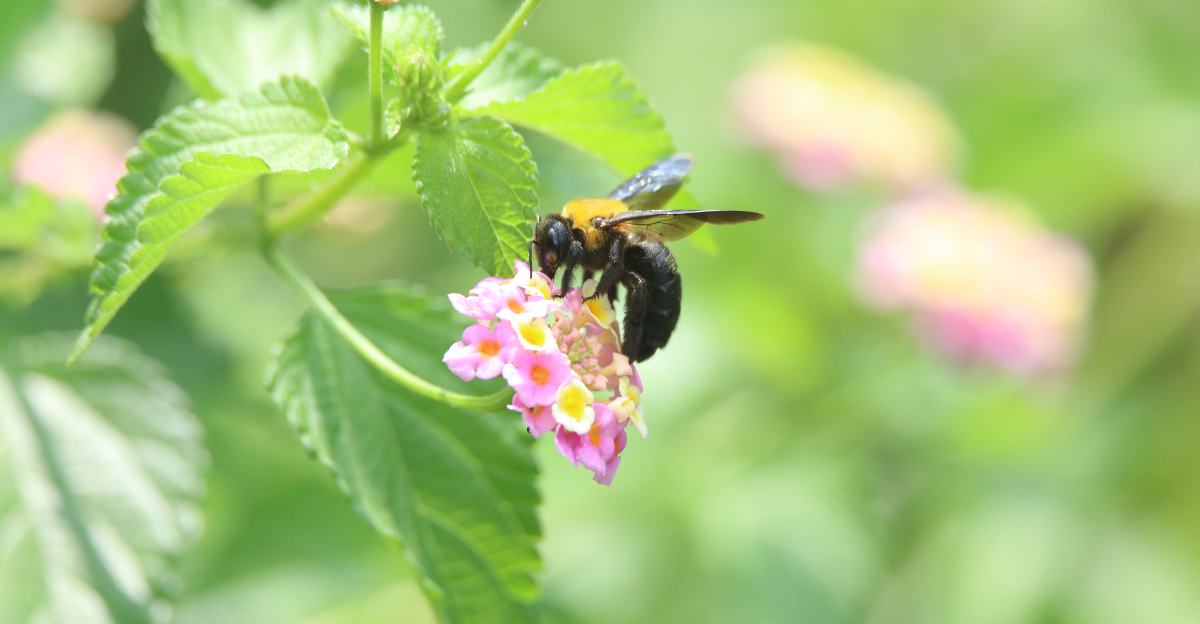
Every spring, Tennessee homeowners find the same unwelcome surprise: perfectly round holes bored straight into their porch wood.
Carpenter bees did not land there by accident. Your porch is giving off signals you cannot see, and these bees are reading every one of them. They are not interested in your flowers or your food.
They want your wood, specifically the bare, weathered, unfinished kind that older Tennessee porches tend to have in abundance.
The warmer it gets, the more aggressive their search becomes. And once a carpenter bee finds a good spot, it remembers. So does the next generation.
What looks like a random infestation is actually a very deliberate process, and your porch is checking every box on their list.
Unfinished Wood Is The Real Culprit
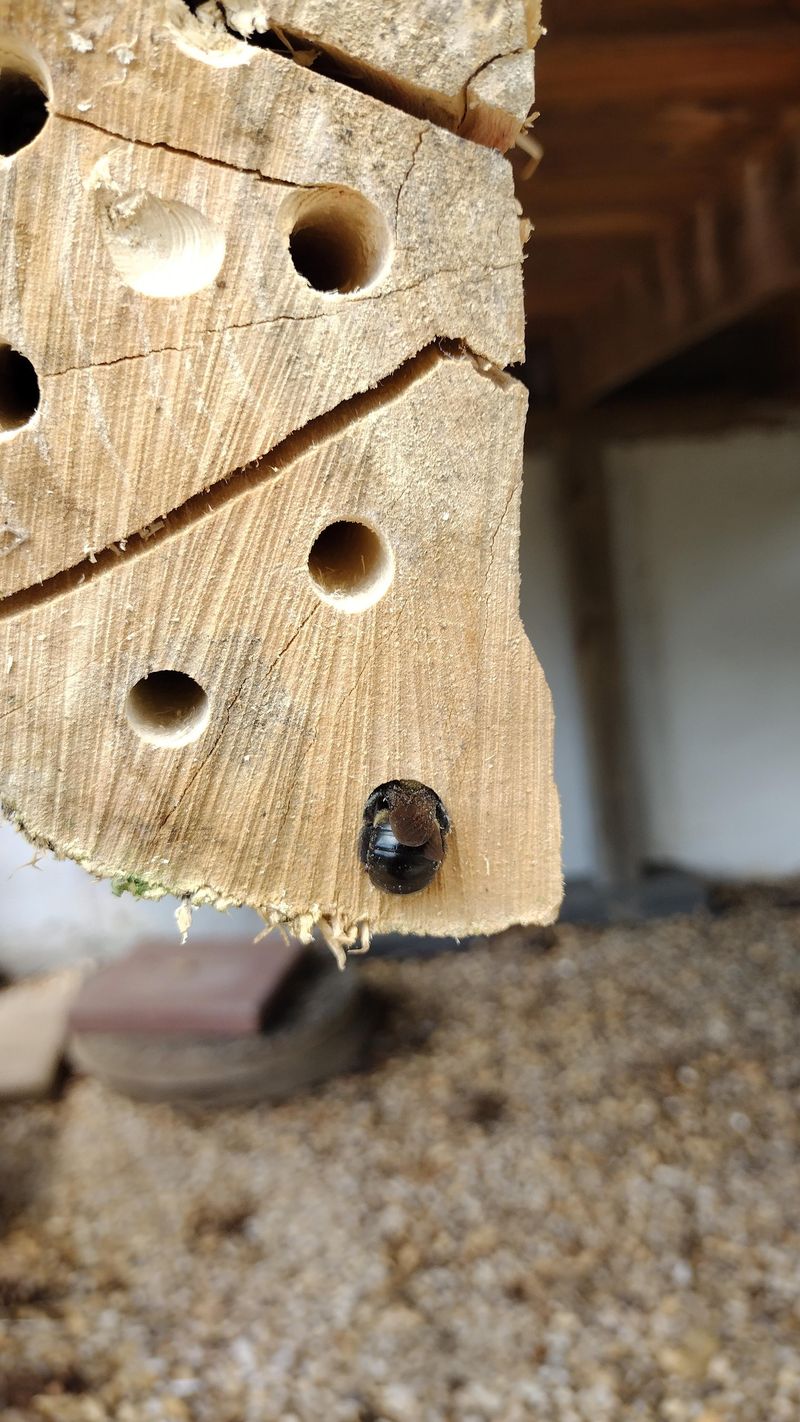
Bare wood is basically a flashing neon sign for carpenter bees. If your porch has unfinished, unpainted, or unsealed wood, you have already rolled out the welcome mat.
Carpenter bees do not eat wood like termites do. Instead, they chew through it to build cozy nesting tunnels for their eggs.
Raw, untreated wood is softer and easier to bore through. Painted or sealed surfaces make the work much harder, so bees skip those spots entirely.
Fascia boards, porch railings, and overhead beams are prime targets when left uncoated. These are exactly the spots most homeowners forget to paint or seal after a build.
Even wood that was once painted but is now peeling or chipping becomes vulnerable again. Once that protective layer cracks, bees detect the exposed grain underneath.
The fix is straightforward: seal every inch of exposed wood on your porch. Use an oil-based paint or a quality exterior sealant for the best protection.
Pay special attention to the ends of boards, where the wood grain is most open and inviting. End grain absorbs moisture faster and attracts bees more quickly than flat surfaces.
Applying two coats of paint is always smarter than one. A single coat can thin over time and leave gaps that bees will find before you do.
Your porch is worth protecting, and the solution starts with a paintbrush. Seal it now before the bees find it first.
How Carpenter Bees Choose Where To Nest
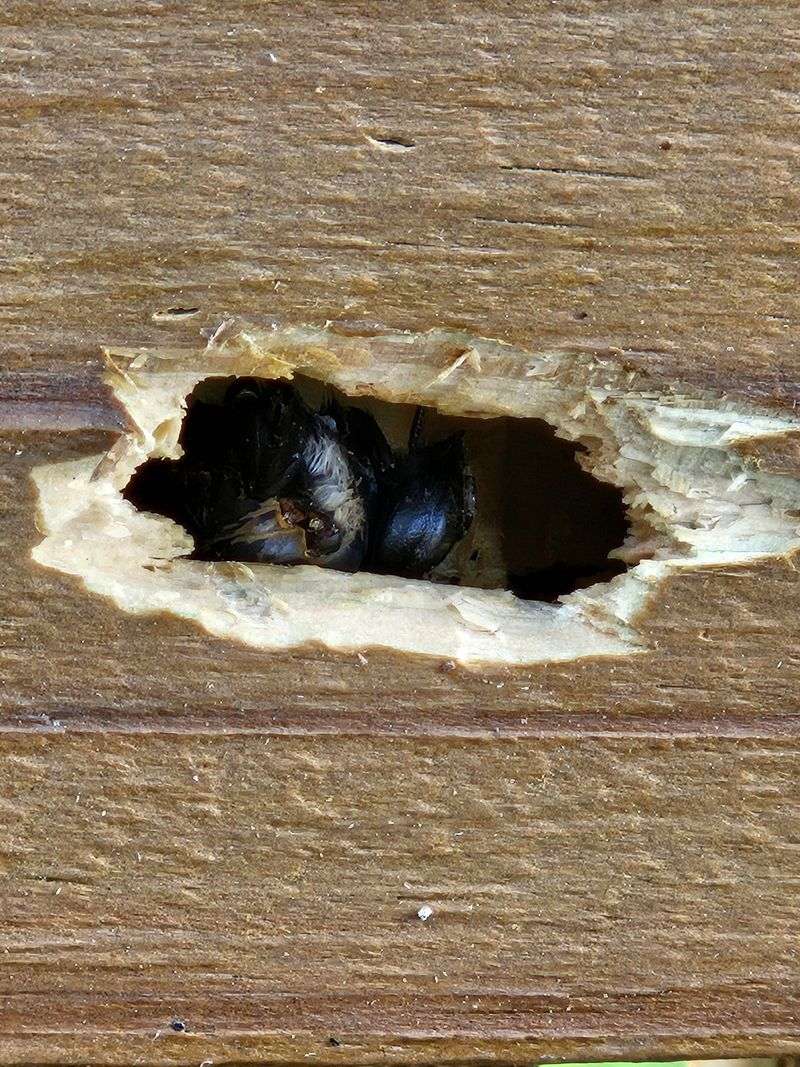
Carpenter bees are surprisingly picky house hunters. They scout locations the same way a savvy buyer tours a neighborhood, looking for specific features before committing.
Female carpenter bees do all the nesting work. They inspect wood surfaces up close, tapping and chewing to test hardness before drilling a full tunnel.
Sheltered spots are always preferred over exposed ones. The underside of a porch overhang protects a nest from rain, wind, and direct sun, making it ideal real estate.
Bees also favor wood that is already slightly weathered. Aged wood tends to be drier and softer, which means less effort when boring a tunnel.
Proximity to flowering plants matters too. Carpenter bees need nectar to feed themselves and their young, so a porch near a garden is doubly attractive.
Once a bee finds a good spot, it often returns to the same location year after year. Old tunnels get expanded and reused, making the damage worse each season.
Your Tennessee Garden Changes Every Week. Your Plan Should Too.
Gardening in Tennessee changes quickly throughout the season. Every Friday you’ll receive a simple weekly plan showing exactly what to plant, prune, fertilize, harvest, and protect so you never miss the right timing.
That is why early intervention is so critical. Waiting a second or third season allows tunnels to grow deeper and wider, weakening structural wood significantly.
Old tunnels release wood scents that signal a safe nesting site to future bees. Even after you remove one bee, those traces in the wood can draw others to the same spot.
Treating old holes and sealing them completely removes that invisible welcome sign. Act early, act thoroughly, and you break the cycle before it starts.
Why Tennessee’s Climate Works In Their Favor
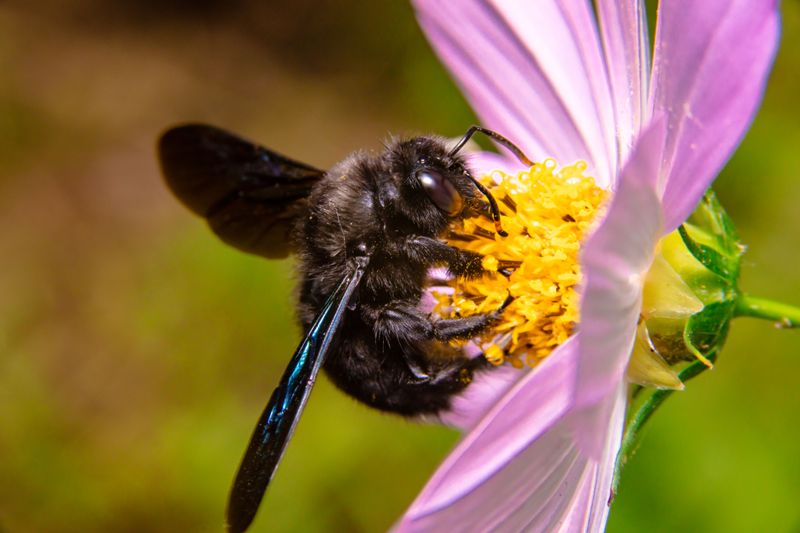
The climate here is practically tailor-made for carpenter bees to thrive. Long warm seasons, mild winters, and abundant flowering plants create perfect conditions for these insects.
Tennessee sits in a sweet spot where winters rarely get cold enough to wipe out bee populations. Most years, adults simply hibernate in old tunnels and emerge in spring fully intact.
Spring arrives early in this region, with bees emerging as soon as temperatures begin to climb in March. That gives carpenter bees a head start on nesting before most homeowners think about porch maintenance.
Humidity plays a role too. Moist air causes wood to expand and contract repeatedly, which opens small cracks over time. Those cracks become entry points for bees seeking soft spots.
Summer heat dries wood out fast after rain, creating a cycle of swelling and shrinking that weakens surface coatings. Peeling paint is far more common in humid Southern climates.
The abundance of blooming plants across the region also keeps bee populations well-fed. A well-fed bee is an active bee, and active bees nest aggressively.
Compared to colder Northern states, carpenter bee seasons here can stretch from early March well into October or November. That is a much longer window of potential porch damage than most homeowners expect.
Understanding the local climate helps you plan smarter. Inspect and seal your porch in late winter, before the first warm days wake those bees from their winter sleep.
Getting ahead of the season is the single best move you can make. Timing is everything when your porch is on the line.
The Types Of Wood Carpenter Bees Prefer
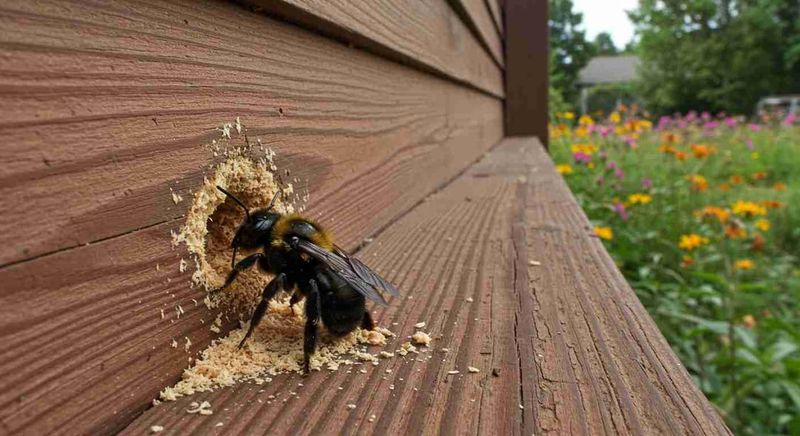
Not all wood is created equal in a carpenter bee’s eyes. Softwoods are the clear favorites, and your porch is probably full of them.
Cedar, pine, redwood, and cypress top the list of preferred nesting materials. These woods are soft enough to bore through quickly, making the bee’s job much easier.
Cedar is especially popular in Southern porches because it handles humidity well and looks beautiful. Unfortunately, that same softness that makes it durable outdoors also makes it easy for bees to drill.
Pine is one of the most common porch woods in the country, and carpenter bees know it well. Untreated pine practically invites them in with its open grain and soft fibers.
Hardwoods like oak and maple are far less appealing. Bees will avoid wood that requires too much effort, choosing easier targets nearby instead.
Composite decking and vinyl materials offer no attraction to carpenter bees. If you are planning a porch renovation, those materials are worth serious consideration.
Pressure-treated lumber is less appealing to carpenter bees, but it is not a reliable barrier. Because bees drill through wood rather than eat it, the chemical treatment offers little real protection against a determined female.
Knowing your wood type helps you prioritize which sections of your porch need the most protection. Soft, untreated boards should be sealed first and sealed well.
Swapping out the most vulnerable boards during a renovation can dramatically cut bee activity. Choose your materials wisely, and your porch will thank you for years.
How To Protect Your Porch From Carpenter Bees
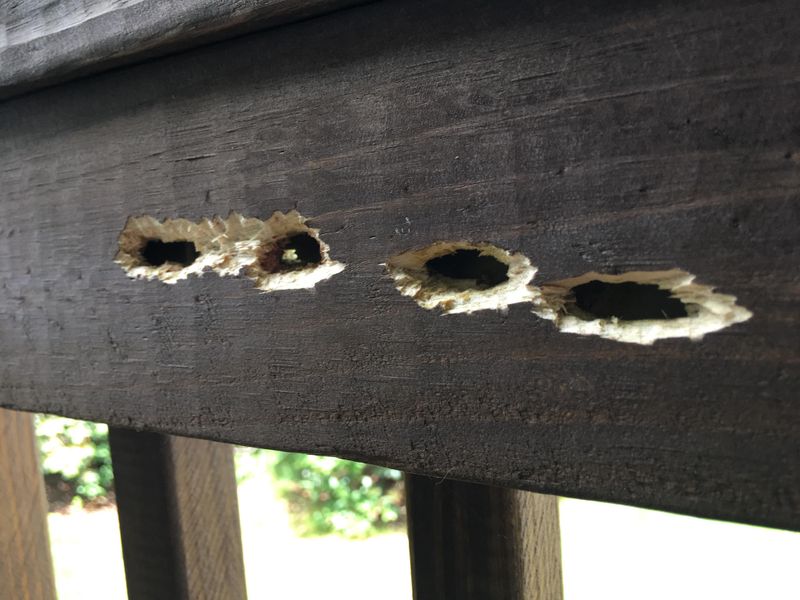
Protection is simpler than most homeowners expect. A few targeted steps taken before spring can save you from months of buzzing frustration.
Start by painting or sealing every exposed wood surface on your porch. Cover fascia boards, railings, joists, and the underside of overhangs without skipping a single section.
Oil-based paints tend to penetrate deeper into wood grain than latex options. That deeper penetration creates a stronger barrier against bees looking for soft entry points.
Plug any existing holes with steel wool before caulking over them. Steel wool prevents bees from chewing through the patch, while caulk seals the surface flush.
Citrus-based sprays are a popular natural deterrent. Carpenter bees strongly dislike the smell of citrus, and regular application around vulnerable areas discourages nesting attempts.
Almond oil is another scent bees tend to avoid. Dabbing it near entry points or along porch edges can add an extra layer of protection between paint applications.
Some homeowners report success hanging decoy wasp nests near active areas. Results vary, so treat this as a supplemental measure rather than a primary solution.
Bee traps are also widely available and surprisingly effective when placed near active holes. They catch bees without chemicals and can reduce local populations quickly.
Staying consistent with your prevention routine makes the biggest difference over time. Protecting your porch from carpenter bees is a seasonal habit worth building every single year.
Chemical-Free Ways To Deter Carpenter Bees
Not everyone wants to reach for a pesticide the moment a bee shows up. Fortunately, there are several effective, chemical-free approaches worth trying first.
Citrus oil sprays are among the most popular natural options. Mix fresh citrus juice with water in a spray bottle and apply it directly to wood surfaces every week or two.
Bees have a strong aversion to citrus scents and will often seek nesting sites elsewhere. Reapplication after rain is important since water washes the scent away quickly.
Tea tree oil diluted with water works similarly. Spray it along railings, beams, and any previously damaged boards to create an aromatic barrier bees prefer to avoid.
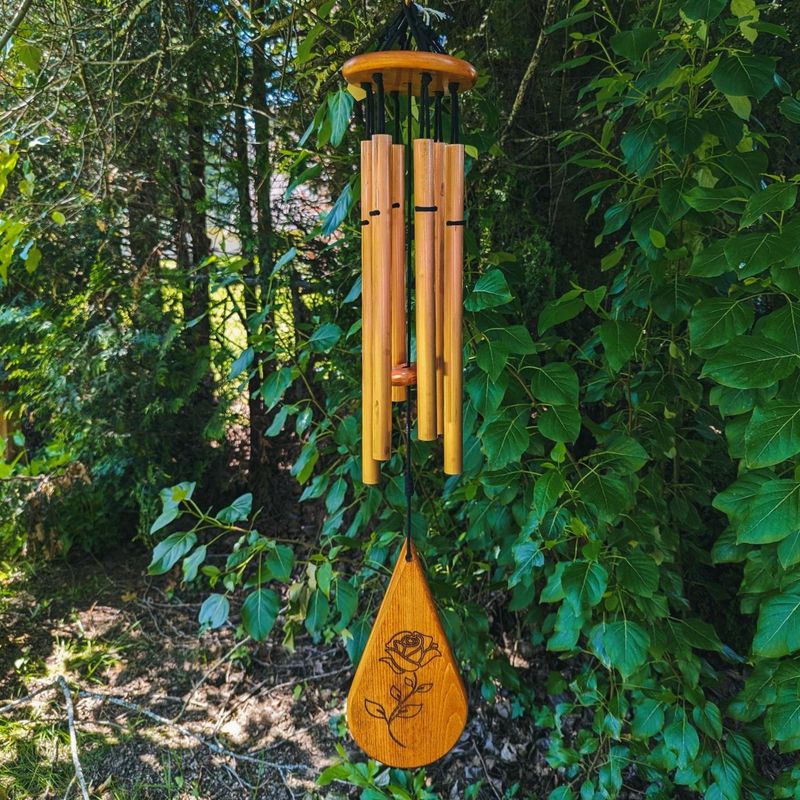
Hanging wind chimes near your porch creates vibration and noise that disrupts bees. Carpenter bees prefer calm, quiet locations for nesting, and constant movement unsettles them.
Planting mint near your porch may help discourage carpenter bees with its strong scent. Eucalyptus oil applied directly to wood surfaces is a more reliable option than planting alone.
Wooden bee traps shaped like birdhouses are highly effective without any chemicals at all. Bees enter through a small hole, fall into a jar below, and cannot escape.
These traps work best when placed near active holes or high-traffic areas on your porch. Check and empty them regularly throughout the spring and summer months.
Going chemical-free is not just better for the environment, it is often easier to maintain. Small, consistent efforts add up to a porch that stays protected all season long.