What Georgia Hardy Hibiscus Plants Need Now To Keep Blooming Longer
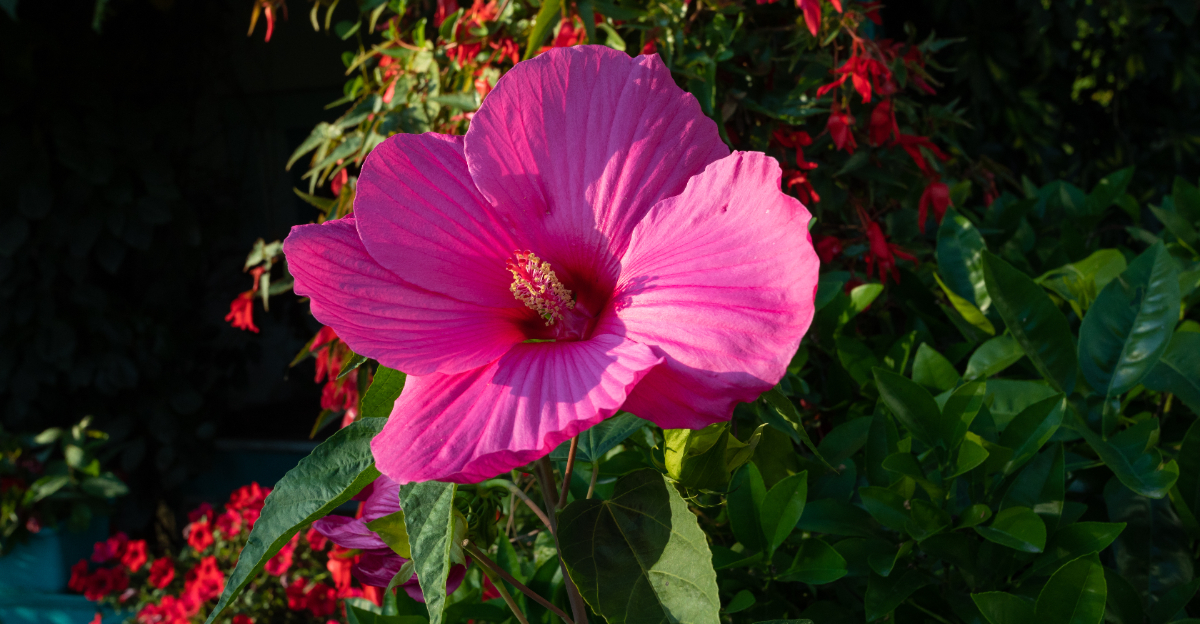
Hardy hibiscus can still put on an impressive flower show in August, but those huge blooms need the right care now. Summer heat can quickly change what your plant needs from one week to the next.
In Georgia, strong sun and drying soil can leave even established plants looking tired. That does not mean their best flowering days are already behind them.
Pay attention when blooms fade faster or new buds seem slower to open. Small changes in care can make a noticeable difference during this part of summer.
The key is supporting the plant without pushing extra growth during stressful weather. Too much attention can sometimes work against what your hibiscus needs.
Healthy roots matter just as much as the flowers above them.
A well-supported plant can carry its colorful display further into the season.
1. Steady Moisture Helps Hibiscus Keep Blooming
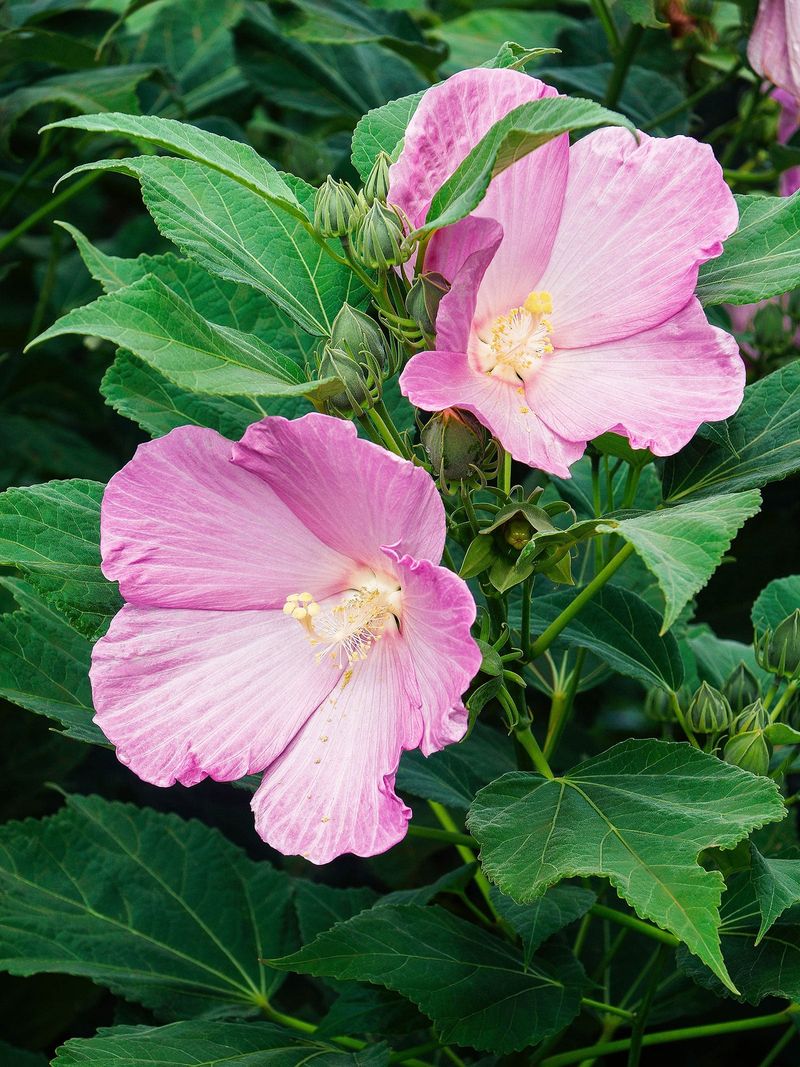
Dry soil is one of the fastest ways to cut a bloom season short. Hardy hibiscus needs consistent moisture to keep producing flowers, especially during peak summer heat.
When soil dries out between waterings, the plant shifts its energy away from blooming. Buds may drop before they open, and existing flowers can fade faster than normal.
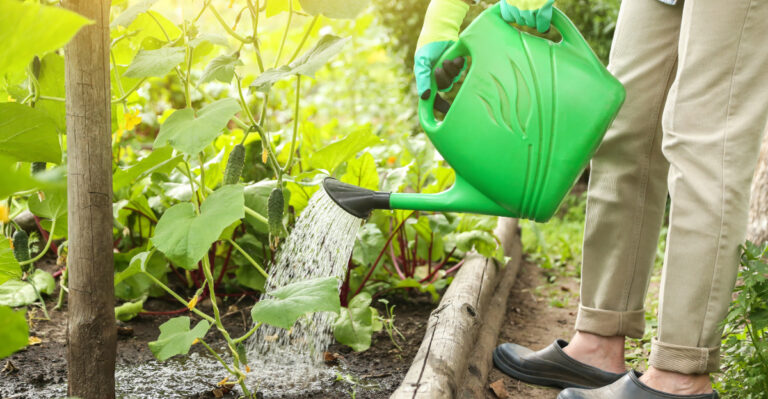
Aim to water deeply two to three times a week during dry stretches. Shallow watering only wets the top inch or two of soil, which does not help roots that run deeper.
Check the soil about two inches down before watering. If it feels dry at that depth, your plant needs water.
If it still feels slightly damp, you can usually wait another day.
Morning watering works best. Wet foliage that dries quickly in the sun is less prone to fungal issues than leaves that stay damp overnight.
Avoid letting water pool around the base of the plant. Good drainage matters just as much as regular watering.
Soggy roots can cause problems just as quickly as dry ones.
Container-grown hibiscus may need daily watering in hot weather. Pots dry out much faster than garden beds, so check them more often during heat waves.
2. Plenty Of Sun Supports More Flowers
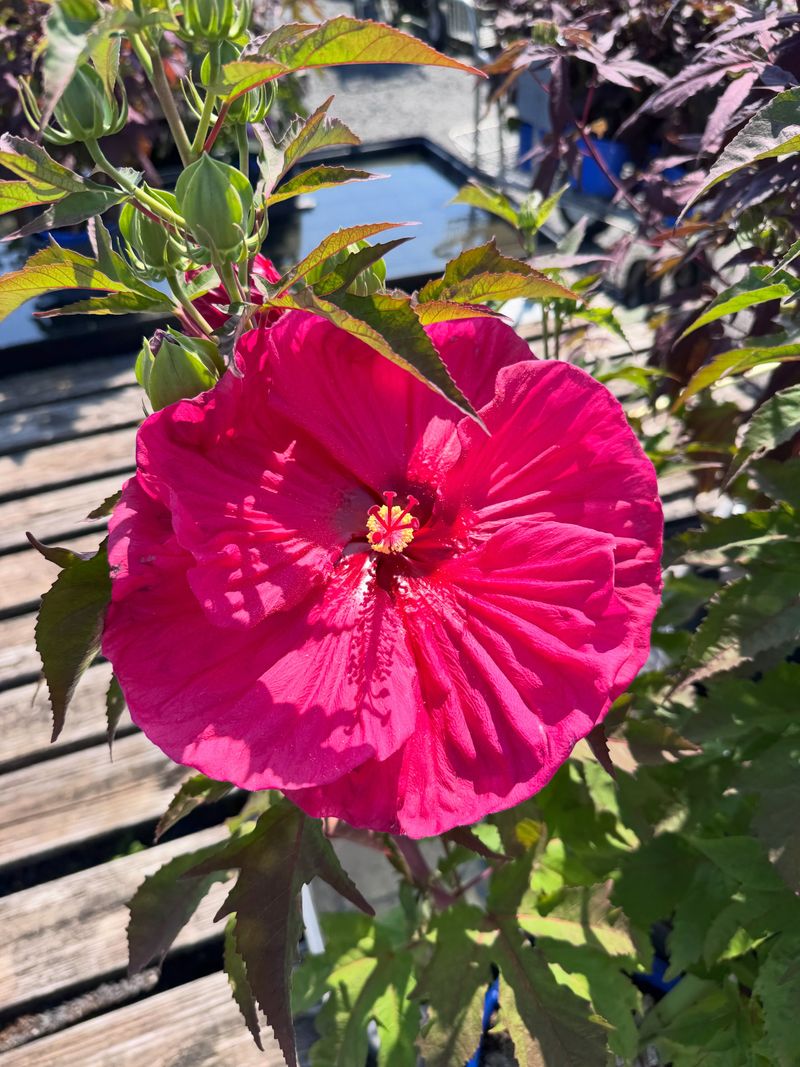
Sunlight is the engine behind every hibiscus bloom. Without enough of it, plants tend to produce fewer flowers and stretch toward light in ways that make them look leggy and weak.
Hardy hibiscus performs best with at least six hours of direct sun each day. Eight hours is even better if your garden allows it.
Shaded plants often bloom less and grow more slowly.
Afternoon shade can sometimes help during extreme heat, but most established hardy hibiscus handles full sun just fine when it has enough water. Shade that cuts into morning sun hours tends to reduce flowering more than it helps.
If your plant sits near a fence, large tree, or structure that blocks light for part of the day, watch how many hours of direct sun it actually receives. Estimating can lead you astray.
Younger plants adjusting to a new spot may look stressed in full sun at first. Give them a few weeks to settle before moving them.
Your Georgia Garden Changes Every Week. Your Plan Should Too.
Gardening in Georgia changes quickly throughout the season. Every Friday you’ll receive a simple weekly plan showing exactly what to plant, prune, fertilize, harvest, and protect so you never miss the right timing.
Transplant shock can mimic sun stress.
Overgrown shrubs or trees nearby can gradually steal sunlight from a hibiscus that used to bloom well. Trimming back nearby plants can sometimes restore blooming without changing anything else.
Good sun exposure supports strong stems, rich leaf color, and a steady supply of buds throughout the season.
3. Mulch Protects Roots From Summer Heat
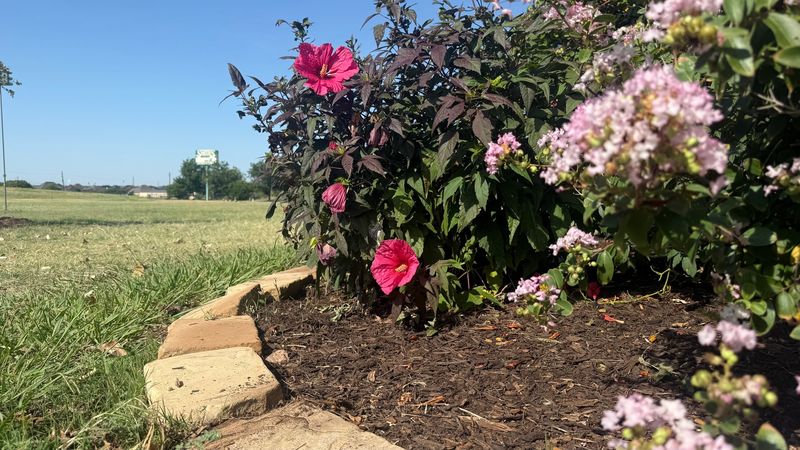
Bare soil bakes fast in the summer sun, and roots sitting in hot, dry ground have a harder time supporting steady blooming. Mulch is one of the simplest fixes available to any gardener.
A layer of organic mulch two to three inches deep around the base of your hibiscus can noticeably lower soil temperature. Cooler roots stay more active and help the plant move water and nutrients more efficiently.
Wood chips, shredded bark, or pine straw all work well. Each type breaks down at a different rate, but any of them will help retain soil moisture and moderate temperature during hot spells.
Keep mulch pulled back a few inches from the main stem. Piling it directly against the base can trap moisture against the bark and invite rot or pest activity over time.
Mulch also reduces how often you need to water. Covered soil loses moisture more slowly than bare ground, which means your watering efforts go further during dry stretches.
Weed pressure drops significantly with a good mulch layer too. Fewer weeds mean less competition for water and nutrients, which benefits your hibiscus directly.
Refresh mulch as it breaks down. A thin layer that has decomposed into the soil no longer provides much insulation.
Topping it off mid-season keeps the benefits going strong through late summer.
4. Removing Spent Blooms Leaves Plants Looking Fresh
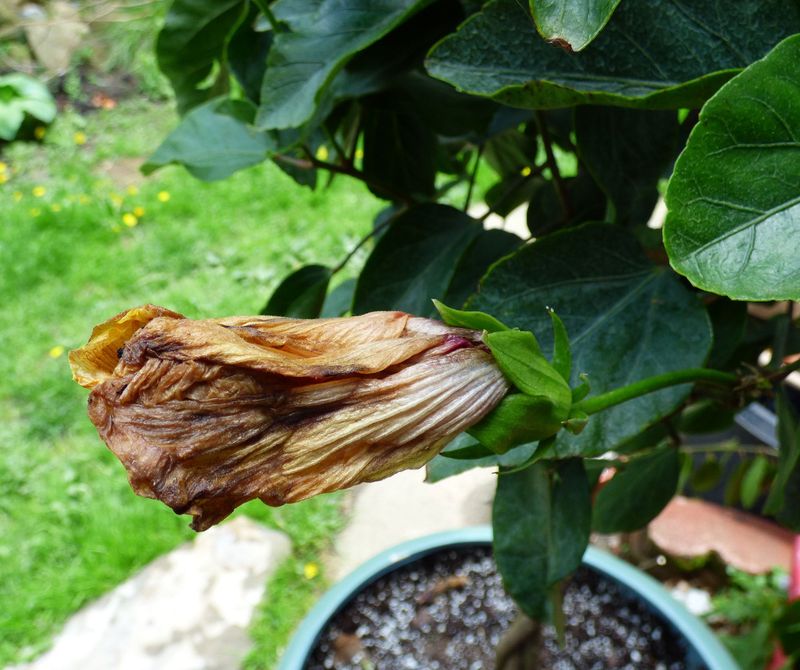
Spent blooms left on the plant do not just look untidy. They can actually signal the plant to slow down flower production as it shifts energy toward forming seeds.
Removing faded flowers regularly, a practice called deadheading, encourages the plant to keep producing new buds. Hardy hibiscus blooms last only one to two days each, so checking plants every couple of days keeps things tidy and productive.
Pinch or snip off the entire flower head once it has closed and begun to wilt. Leaving the stem and base of the bloom behind is fine as long as the faded petals are removed.
Some gardeners prefer using small pruning snips for a clean cut. Pinching works fine for soft, fresh blooms.
Either method gets the job done without harming the plant.
Look for swelling seed pods at the base of spent flowers. If pods are forming, the plant is already putting energy into seeds.
Removing pods along with spent flowers keeps the focus on blooming.
Deadheading also keeps the garden looking neat during peak season. A hibiscus covered in faded blooms can look messy even when healthy new flowers are opening nearby.
Make it a quick habit every few days rather than letting spent blooms pile up. Regular attention keeps plants looking their best and supports a longer, more productive bloom period.
5. Skip Heavy Feeding This Late In Summer
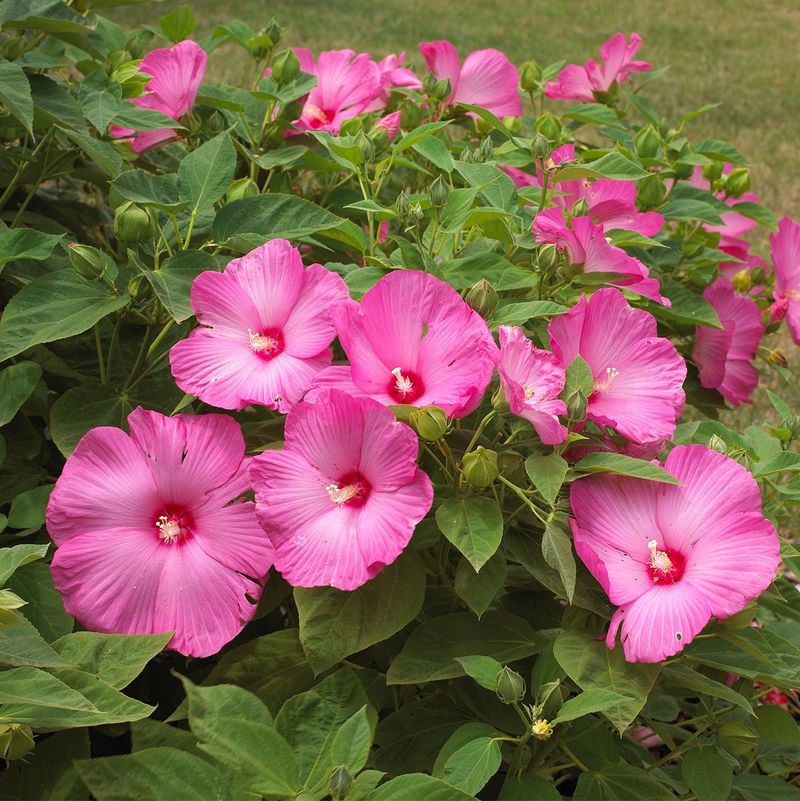
Fertilizing feels productive, but pushing heavy feeding on hibiscus late in the season can backfire.
Too much nitrogen at the wrong time encourages soft new growth that may not hold up well as temperatures shift.
Hardy hibiscus benefits most from feeding earlier in the season, typically from spring through midsummer. By late summer, most plants have already set their bloom cycle for the year.
If you have not fed your plant recently and it looks pale or sluggish, a light application of a balanced fertilizer can help. Look for something with roughly equal nitrogen, phosphorus, and potassium numbers.
Avoid fertilizers that are very high in nitrogen alone. Nitrogen pushes leaf and stem growth, which is helpful early on but less useful when you want the plant focused on flowers.
Slow-release granular fertilizers tend to be gentler and more forgiving than liquid concentrates. They release nutrients gradually, which reduces the risk of overfeeding.
Potassium supports flower production and helps plants manage heat stress. A fertilizer with a slightly higher potassium number can be a reasonable choice during summer months, though results vary by soil type.
Soil that has not been tested in a while may already have adequate nutrient levels. Feeding plants that do not actually need it rarely improves blooming and can sometimes cause more problems than it solves.
6. Watch Leaves For Common Garden Pests
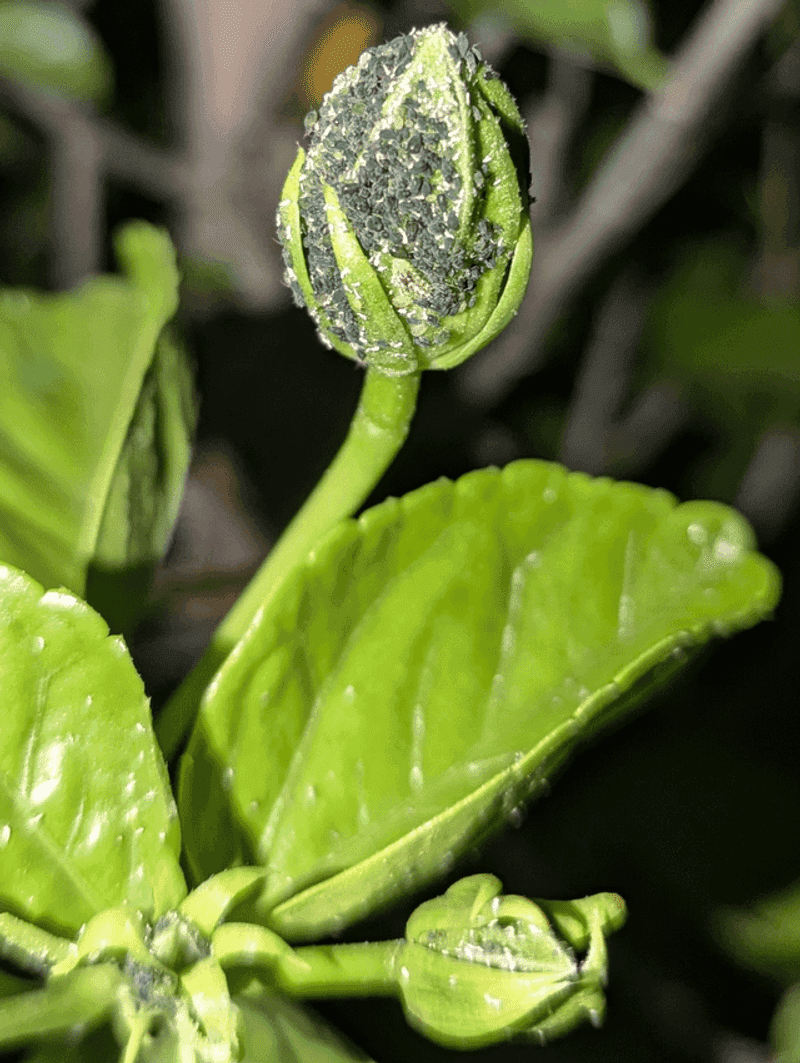
Pest problems rarely announce themselves loudly. By the time damage looks obvious, insects have often been feeding on your hibiscus for days or even weeks.
Japanese beetles are among the most common culprits in Southern gardens during summer. They chew ragged holes in leaves and flowers, often working in groups.
Hand-picking them in the early morning works reasonably well when populations are small.
Aphids cluster on new growth and soft stems. A strong spray of water from a garden hose can knock many of them loose.
Check the undersides of leaves, where they tend to gather in large numbers.
Whiteflies are another frequent issue in warm, humid conditions. Tiny and fast-moving, they scatter when disturbed.
Yellowing leaves and a sticky residue on foliage are common signs of their presence.
Spider mites thrive during hot, dry spells. Fine webbing on stems and stippled, dull-looking leaves can signal an infestation.
Increasing humidity around the plant or rinsing foliage with water may help reduce numbers.
Insecticidal soap sprays are a lower-risk option for soft-bodied pests like aphids and mites. Follow label directions carefully and apply during cooler parts of the day to reduce the chance of leaf scorch.
Checking plants at least once a week keeps small pest problems from becoming large ones. Catching issues early gives you more options for managing them without heavy intervention.
7. Leave Healthy Growth Until The Season Ends
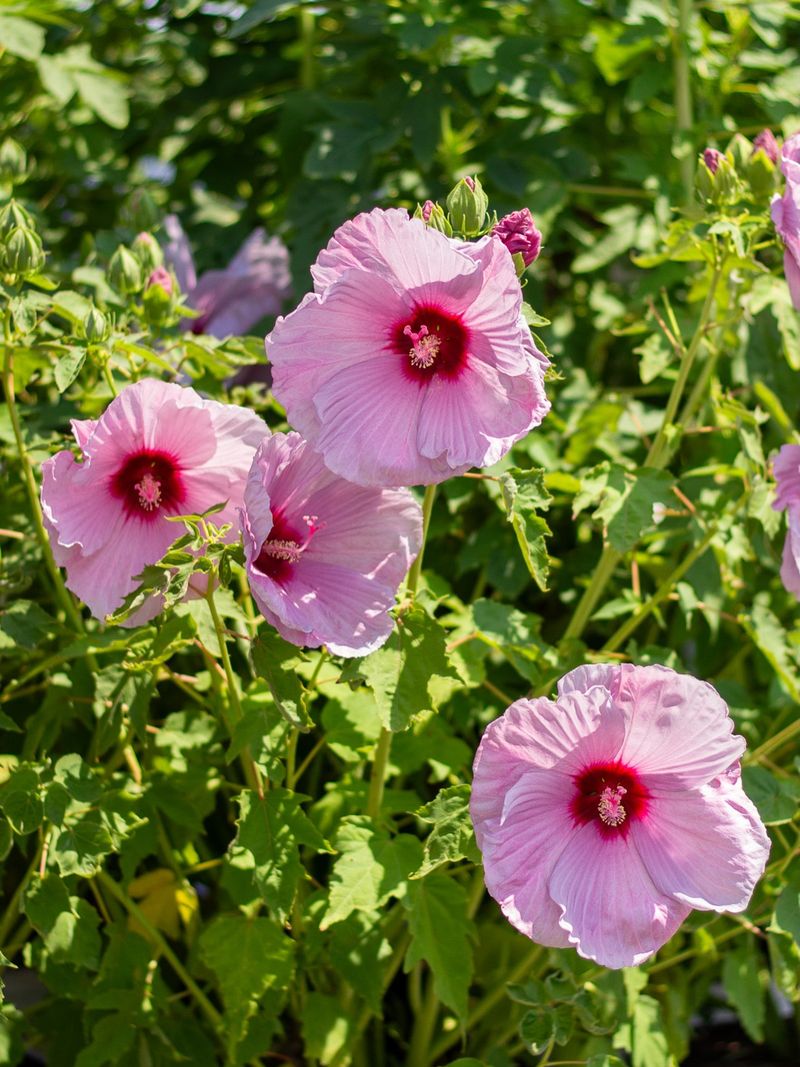
Pruning feels satisfying, but cutting back healthy hibiscus growth mid-season can set the plant back more than most gardeners expect. Stems that look a little wild are often carrying buds that have not opened yet.
Hardy hibiscus blooms on new growth, but that growth needs time to develop before flowers appear. Cutting stems back in late summer removes potential blooms and forces the plant to spend energy recovering instead of flowering.
Light shaping to remove a broken stem or an obviously damaged branch is fine. Aggressive pruning to reshape the whole plant is better saved for early spring before new growth begins.
Leaving stems intact through the rest of the season also protects the plant’s energy reserves. As days shorten and temperatures cool, the plant naturally begins preparing for dormancy.
Disrupting that process rarely helps.
In Georgia, hardy hibiscus often continues blooming into September and sometimes beyond, depending on the weather. Letting the plant run its natural course gives it the best chance to keep producing flowers.
After the first frost signals the end of the season, stems can be cut back if desired. Many gardeners leave them standing through winter to provide some structure and habitat in the garden.
Patience with late-season growth tends to reward you with more flowers before the season closes out for good.