What Works Better For Weed Control In Virginia, Pine Straw Or Mulch
Weeds do not care how much time you spent in the garden last weekend. They come back, and they bring friends.
If you are trying to decide between pine straw and mulch for weed control in Virginia, you are already asking the right question. Most gardeners just grab whatever is on sale and hope for the best.
That approach costs more time and money than it saves. Pine straw and mulch work in completely different ways, and Virginia’s clay-heavy soil, humid summers, and unpredictable springs make that difference matter more than it would somewhere else.
Pine straw breaks down faster. Mulch holds moisture longer. The cheaper option upfront will send you back to the store sooner. Knowing the difference changes everything about how you mulch, plant, and maintain your yard in Virginia.
Mulch Wins For Weed Control In Most Virginia Gardens
Pull back the curtain on any well-kept Virginia garden bed and you will find mulch doing the heavy lifting. When it comes to blocking weeds, wood chip mulch consistently outperforms pine straw in most yard settings.
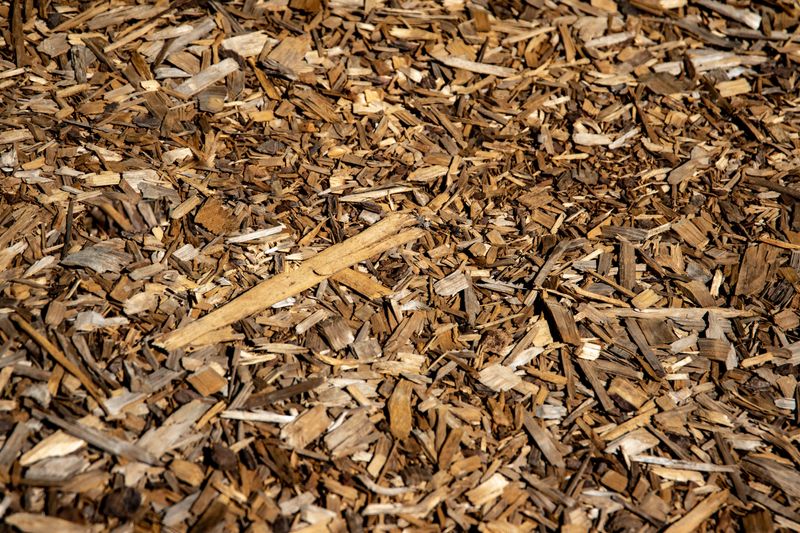
Mulch creates a dense, compact layer that blocks sunlight from reaching weed seeds below. Without light, those seeds cannot sprout, and your beds stay cleaner longer.
Pine straw, while lovely, is lighter and less dense. Wind can shift it around, and it does not pack down the same way mulch does.
Weed control in Virginia is a serious challenge. Mulch tends to offer a more reliable physical barrier than pine straw in most yard situations.
Hardwood mulch, in particular, tends to mat together slightly as it breaks down. That matting action makes it even harder for weeds to push through from below.
Many homeowners in central and northern parts of the state find that a fresh layer of mulch each spring keeps weed pressure noticeably lower. Most Virginia gardeners who switch to mulch notice the difference by midsummer.
For garden beds around shrubs, perennials, and walkways, mulch is the go-to choice. It stays put, looks tidy, and keeps your weekend free from endless weeding sessions.
How Pine Straw And Mulch Actually Block Weeds
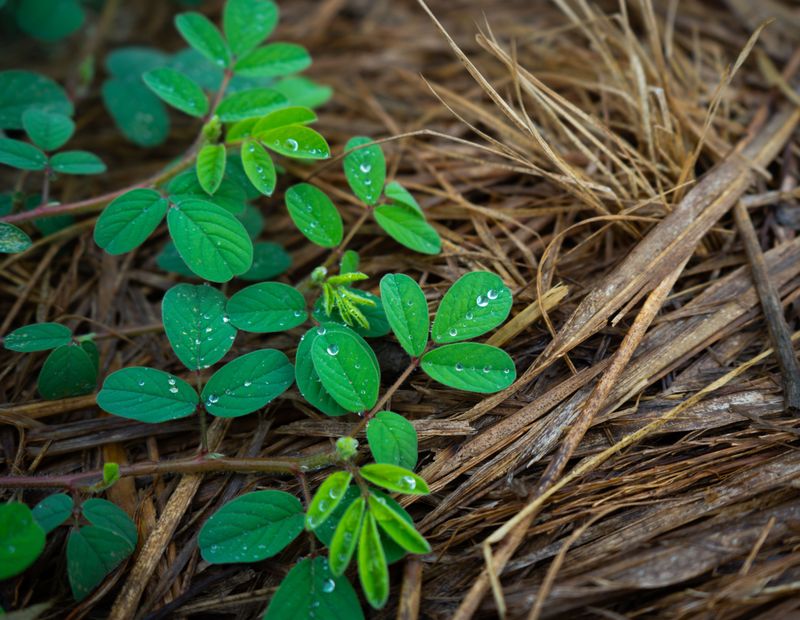
Weeds are sneaky, but both pine straw and mulch fight back in interesting ways. Understanding how each one works helps you make a smarter choice for your specific yard.
Mulch blocks weeds mainly by cutting off sunlight to the soil surface. Seeds sitting below a thick mulch layer cannot photosynthesize, so they never get the signal to sprout.
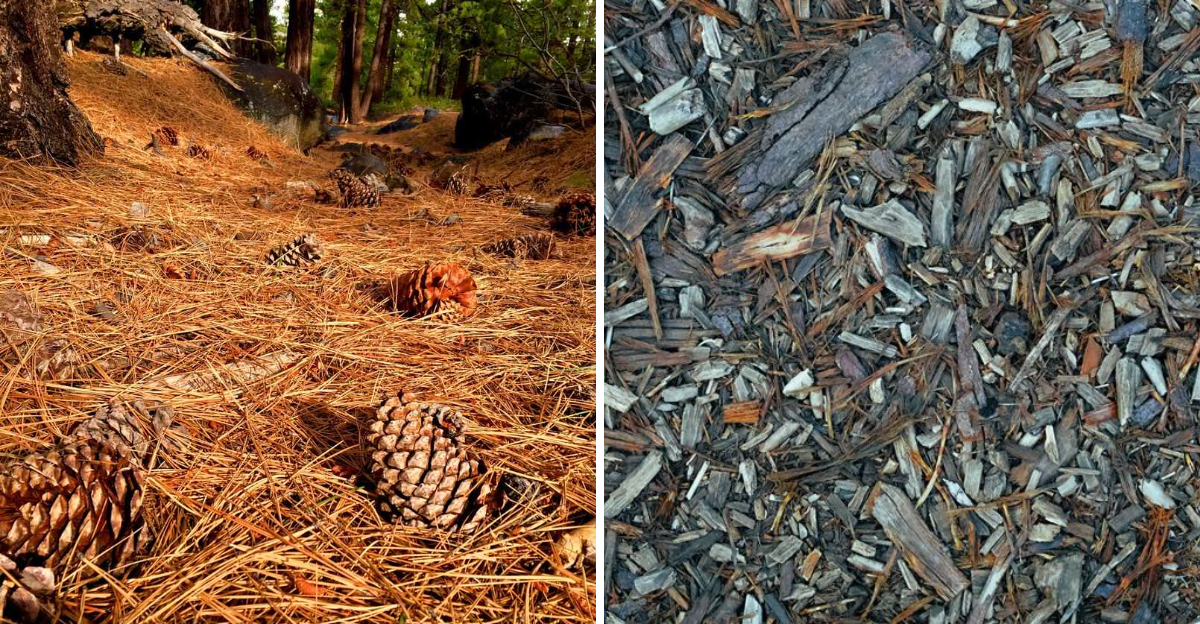
Pine straw works a bit differently because it creates a tangled, fibrous mat. That mat makes it physically harder for seedlings to push upward and break through to the surface.
Both methods are passive, meaning they do not require sprays or chemicals. That is great news for families with kids, pets, or pollinator gardens nearby.
Mulch also tends to stay moist underneath, which can suppress germination in some weed species. Dry conditions actually favor certain weeds, so keeping moisture consistent helps tip the balance in your favor.
Your Virginia Garden Changes Every Week. Your Plan Should Too.
Gardening in Virginia changes quickly throughout the season. Every Friday you’ll receive a simple weekly plan showing exactly what to plant, prune, fertilize, harvest, and protect so you never miss the right timing.
Pine straw, on the other hand, drains quickly and stays airy. That can be an advantage near plants that hate wet roots but a disadvantage if your goal is maximum weed suppression.
The key takeaway here is that neither option is magic. Proper depth and regular top-ups are what make either material truly effective over time.
When you understand the mechanics behind weed control in Virginia landscapes, you can layer your strategy for better results season after season.
Where Pine Straw Makes More Sense In Virginia
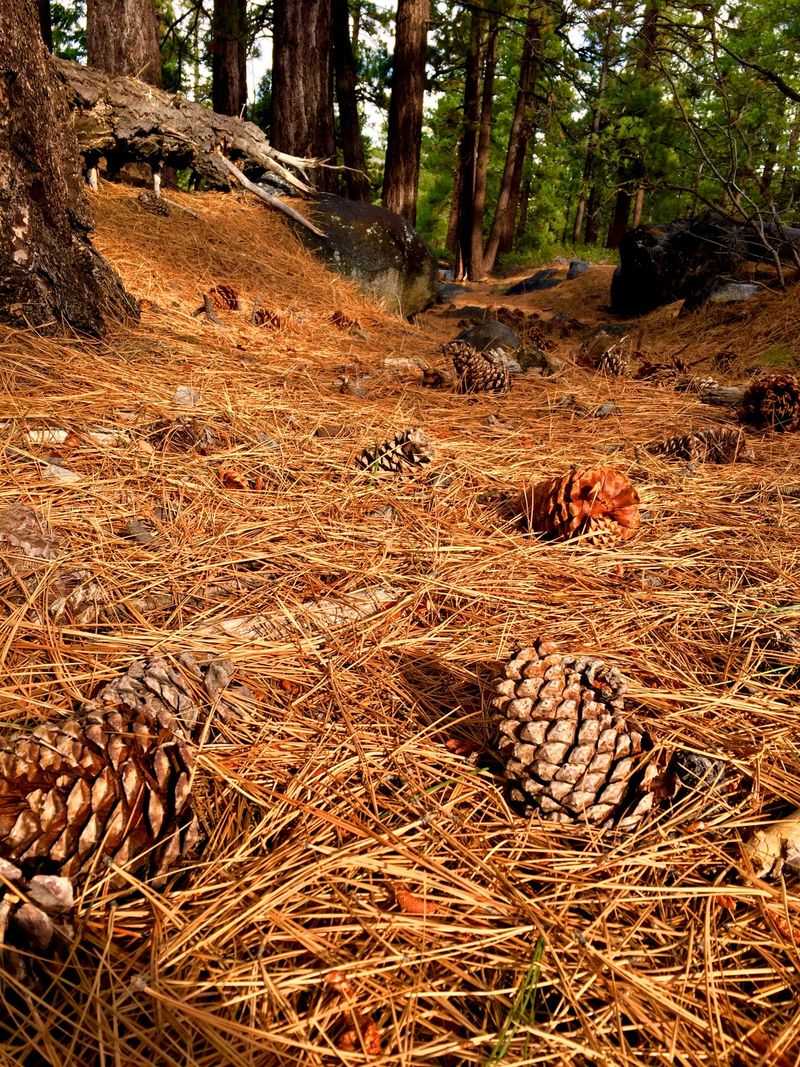
Image Credit: © William Hoffman / Pexels
Not every corner of your yard is a flat, easy-to-mulch garden bed. Some spots genuinely call for pine straw, and knowing those spots can save you a lot of effort.
Slopes and hillsides are where pine straw has a clear advantage. Its interlocking needle structure resists washing away during heavy rain far better than loose wood chips do.
Acid-loving plants like azaleas, blueberries, and rhododendrons also benefit from pine straw. As it breaks down, it lowers soil pH slightly, which these plants absolutely love.
Pine forests and naturalized areas in the Blue Ridge foothills look more natural with pine straw than with dark wood chips. Matching the mulch to the environment makes maintenance easier and the yard look intentional.
If you live near wooded areas in western or southwestern parts of the state, pine straw is often cheaper and more locally available. Using what is plentiful nearby makes practical and financial sense.
Pine straw is also lighter to spread, which matters if you are covering a large area by yourself. A few bales go a long way without the back strain that comes with hauling heavy bags of mulch.
For tight spots under low-growing shrubs, pine needles tuck in more easily than chunky wood chips. The flexibility of pine straw as a material makes it a solid pick for tricky landscape situations.
The Best Mulch Types For Virginia Weed Control
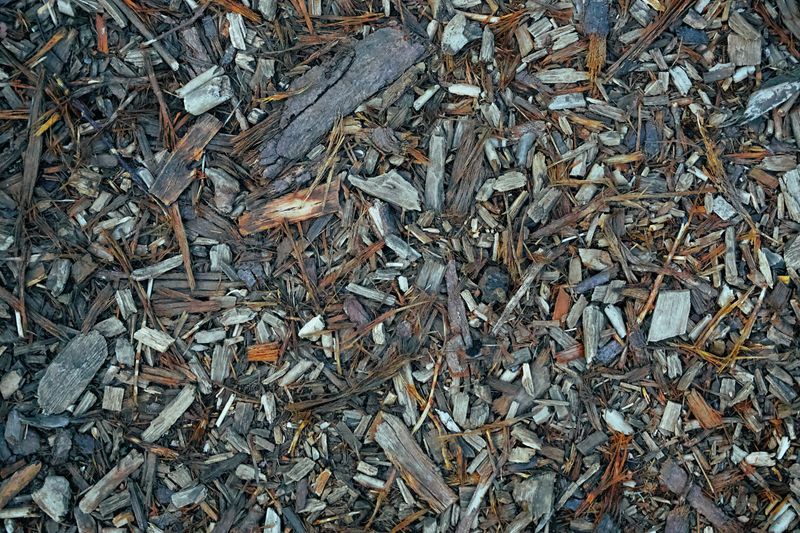
Image Credit: © Mike Bird / Pexels
Not all mulch is created equal, and choosing the right type makes a real difference in how well it controls weeds. Virginia gardeners have several solid options depending on budget and plant type.
Hardwood mulch is the most popular choice across the state. It breaks down slowly, mats together nicely, and creates a reliable barrier against weed growth throughout the season.
Cedar mulch is another strong option because it naturally resists insects and decomposition. It stays fresh longer than standard hardwood, which means fewer top-ups during the growing season.
Dyed mulch, often sold in red or black, uses colorants to maintain its appearance longer. The dye is generally safe for plants, but always check that the base wood comes from untreated sources.
Pine bark nuggets are a popular mid-range choice that drains well and looks attractive in formal beds. Larger nuggets can shift in heavy rain, so they work best in flat or slightly raised beds.
Straw mulch, not to be confused with pine straw, is sometimes used in vegetable gardens. It breaks down quickly and adds organic matter, but seed straw in particular can carry weed seeds if it has not been certified weed-free.
For general weed control in Virginia flower beds and foundation plantings, aged hardwood mulch remains the gold standard. Fresh wood chips from a local arborist are also an affordable and effective alternative worth exploring.
How Deep To Lay Pine Straw Or Mulch For Best Results
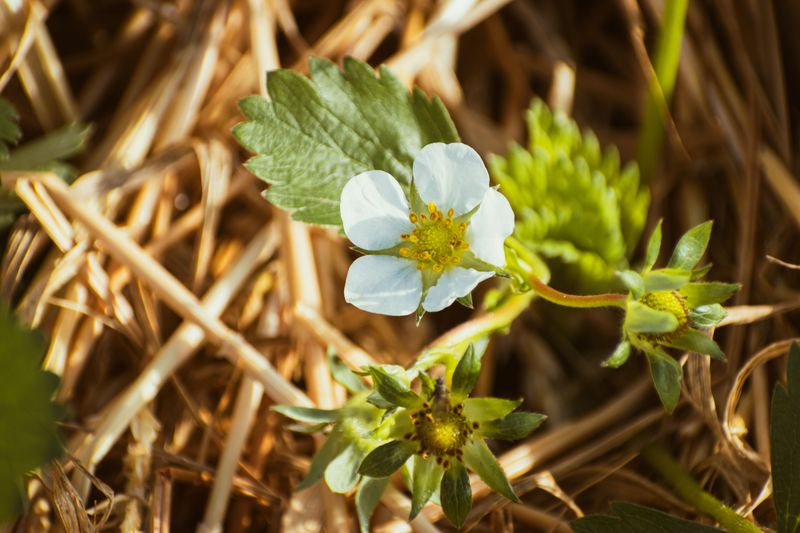
Depth is everything when it comes to weed suppression, and most people get this part wrong. Too thin and weeds push right through; too thick and you risk smothering your plants.
For wood chip mulch, a depth of two to three inches is the sweet spot. That range blocks enough light to stop most weed seeds without creating drainage problems around plant roots.
Pine straw needs to go a bit thicker to be equally effective. Aim for three to four inches since the loose, airy structure means light can still filter through a thinner layer.
Avoid piling either material against plant stems or tree trunks. That habit traps moisture and creates conditions where rot and disease can take hold quickly.
Leave a small gap of one to two inches around the base of every plant. That gap allows airflow and keeps the crown of the plant healthy throughout the season.
Refreshing your layer each spring is important because both materials break down over time. A top-up of one inch or so each year keeps the barrier effective without building up too deep.
Measuring depth with a ruler before and after spreading takes about thirty seconds. That small step ensures you are not guessing and wasting material on spots that are already covered well.
Getting the depth right is the single fastest way to improve your weed control in Virginia beds without spending more money.
What Virginia Gardeners Should Consider Before Choosing
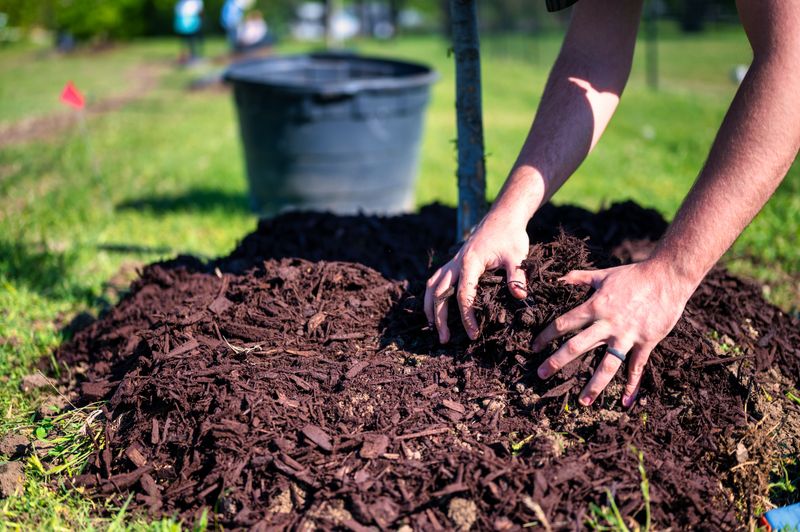
Before you load up the truck at the garden center, a few personal factors should guide your decision. What works brilliantly for your neighbor might be the wrong call for your yard.
Start by thinking about your soil type. Heavy clay soils in the Piedmont region benefit from mulch that breaks down and adds organic matter over time, improving structure season after season.
Sandy soils in coastal areas near the Tidewater region drain fast and need mulch that helps retain moisture. Hardwood mulch holds water better than pine straw in these conditions.
Consider your plant list carefully. Acid-loving plants want pine straw; most vegetables and flowering perennials prefer the neutral environment that aged hardwood mulch provides.
Budget is always part of the equation. Pine straw bales are generally cheaper per square foot in areas where pine trees are abundant, which covers much of the central and western parts of the state.
Maintenance preference matters too. If you want a low-maintenance solution that holds color and shape, cedar or dyed hardwood mulch will serve you better than pine straw long-term.
Think about your yard’s aesthetic as well. Dark mulch gives a polished, modern look while pine straw feels more natural and woodland-inspired.
Weed control in Virginia comes down to matching the right material to the right situation, and no single answer fits every yard perfectly.