Virginia Yard Habits That Keep Lightning Bugs Coming Back All Summer Long
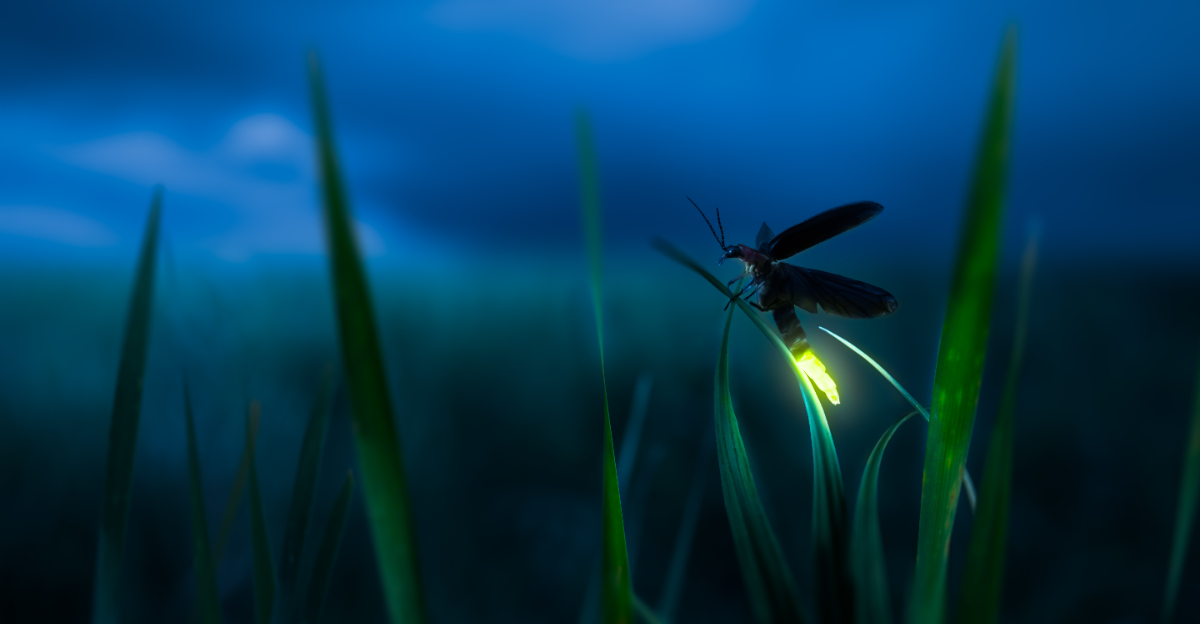
Virginia summers have a soundtrack, cicadas, screen doors, the hum of a box fan. But the real magic happens after dark, when the yard fills with tiny blinking lights.
Lightning bugs have been lighting up Old Dominion evenings for generations, and for many homeowners, spotting that first flash of the season still feels like something worth stopping for.
The problem is, those flashes are getting harder to find. Populations are shrinking in many parts of Virginia, and most people have no idea their own yard habits are part of the reason.
The way you mow, the lights you leave on, the products you spray, all of it adds up. But here is the thing: the yards that still have lightning bugs are not doing anything extraordinary.
They have just made a few simple changes that most people have never thought to try. This summer, your yard could be one of them.
1. Leave The Leaf Litter Where It Falls
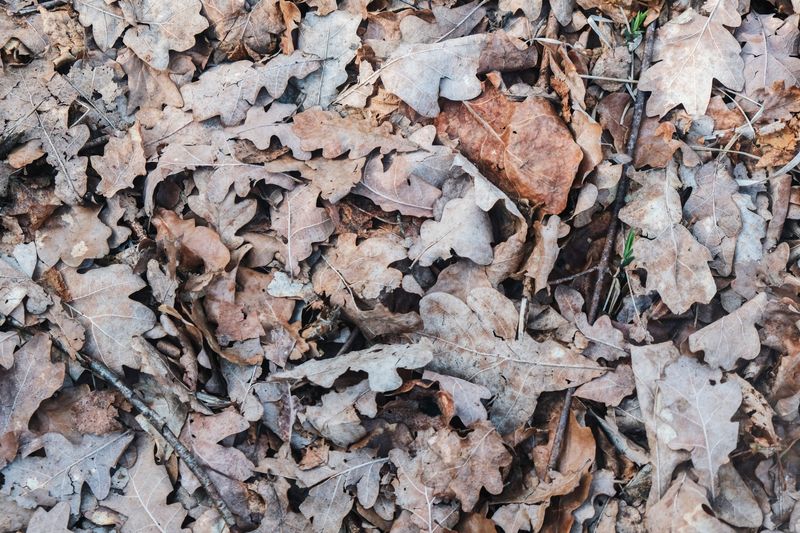
Most people grab the rake the moment leaves hit the ground, but fireflies are counting on you to resist that urge. Leaf litter is where lightning bug larvae spend the winter, burrowed safely beneath layers of decomposing leaves.
Clearing it all away removes the nursery they depend on for survival. Larvae live underground and under leaf piles for up to two years before they ever flash a single light.
They feed on small insects and snails hiding in that same moist layer of debris. Without that habitat, the next generation simply never makes it to adulthood.
You do not need to let your whole yard go wild to make this work. Leaving leaf litter under trees, along fence lines, or in garden beds is enough to provide meaningful shelter.
Think of it as nature doing the mulching for you. Shredded leaves actually break down into rich compost that feeds your soil over time.
So skipping the bag-and-haul routine is good for your lawn and good for fireflies. That is a rare win-win in yard care.
Start by choosing one or two spots where leaves can stay put each fall. Mark those areas as no-rake zones and let nature take over.
Your summer reward will be a yard full of blinking lights that your neighbors will envy.
2. Plant Native Virginia Species In Your Yard
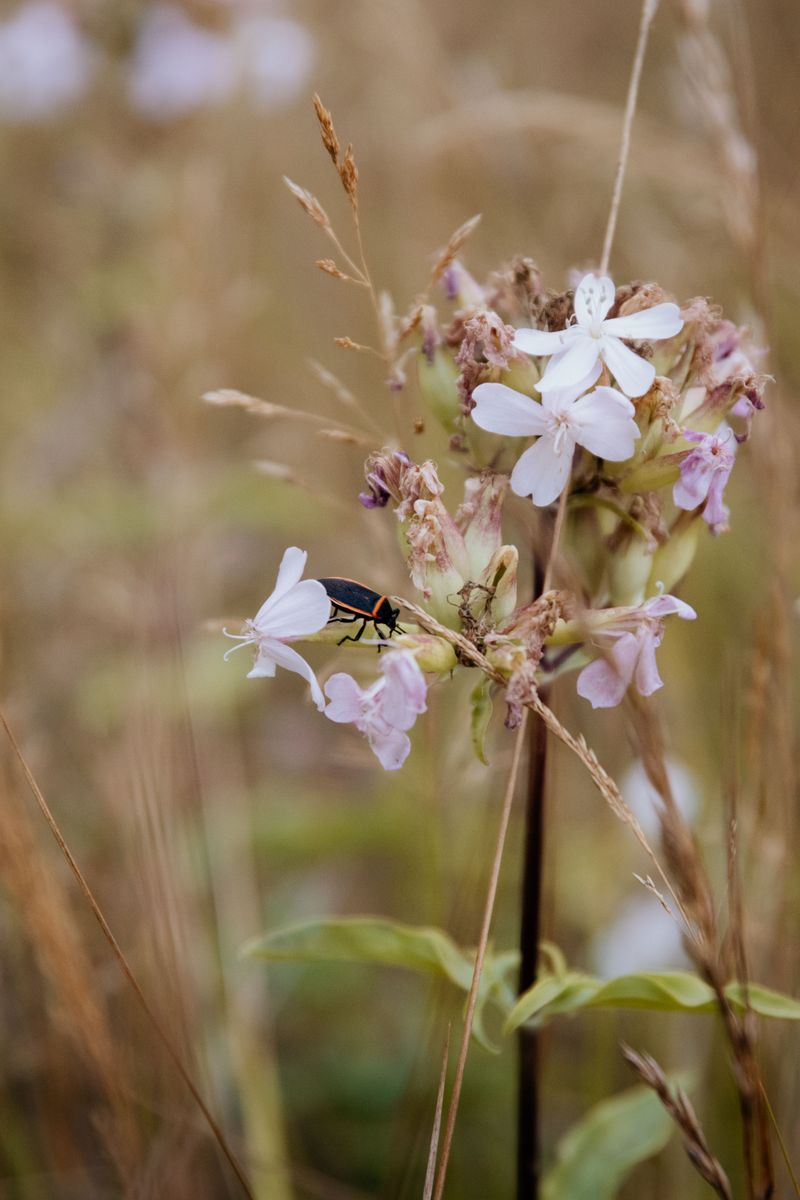
Native plants are the secret backbone of a firefly-friendly yard. Lightning bugs evolved alongside Virginia’s native species, and those plants support the entire food web that fireflies depend on.
When you swap out ornamental exotics for local natives, you are rebuilding the ecosystem from the ground up. Native wildflowers attract the beetles, worms, and soft-bodied insects that firefly larvae eat during their long underground stage.
Plants like wild bergamot, Joe-Pye weed, and black-eyed Susans are powerhouses for supporting local insect life. They are also tough, drought-resistant, and low-maintenance once established.
Native grasses like little bluestem and switchgrass create the kind of dense, sheltered ground cover that adult fireflies love.
Your Virginia Garden Changes Every Week. Your Plan Should Too.
Gardening in Virginia changes quickly throughout the season. Every Friday you’ll receive a simple weekly plan showing exactly what to plant, prune, fertilize, harvest, and protect so you never miss the right timing.
These grasses hold moisture at the soil level, which keeps the humid microclimate that fireflies prefer. Even a small patch along a garden border can make a noticeable difference.
Trees matter too, especially native oaks, which support more insect species than almost any other tree in the eastern United States. More insects in the canopy means more food for firefly larvae below.
Planting even one oak sapling is an investment in decades of summer light shows. Check with your local Virginia Cooperative Extension office for a free list of recommended native species for your region.
Many native plants are available at local nurseries and are surprisingly affordable. Building a native garden is one of the most rewarding things you can do for your outdoor space.
3. Let A Section Of Your Lawn Grow Wild
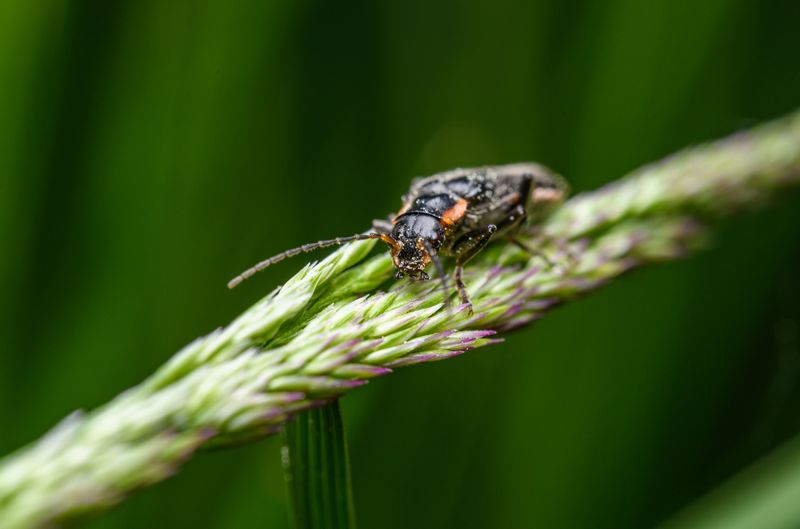
A perfectly manicured lawn looks tidy, but it offers very little for fireflies. Fireflies need shelter, moisture, and prey, a tight-cropped lawn offers none of those things.
Letting even a small corner of your yard grow tall changes everything. Wild sections hold moisture longer after rain, creating the damp soil conditions that firefly larvae need to thrive.
Tall grasses and flowering weeds also provide resting spots for adult fireflies during the day. They hide low in vegetation, staying cool and safe until darkness falls.
You do not need acres of wilderness to see results. A strip along a back fence or a corner behind the shed can be enough. Even a small patch gives fireflies a meaningful foothold in your yard.
Clover is especially helpful in these wild zones because it fixes nitrogen in the soil and attracts a wide range of small insects. Those insects feed the larvae that will eventually become the blinking adults you love to watch.
It is a simple chain reaction that starts with letting go of control. Place a small sign or border stone to show that the wild section is intentional, not neglected. Neighbors are often curious and may follow your lead once they see the results.
Watching your wild corner come alive with fireflies on a June evening makes every unmowed blade worth it.
4. Add A Water Source To Your Outdoor Space
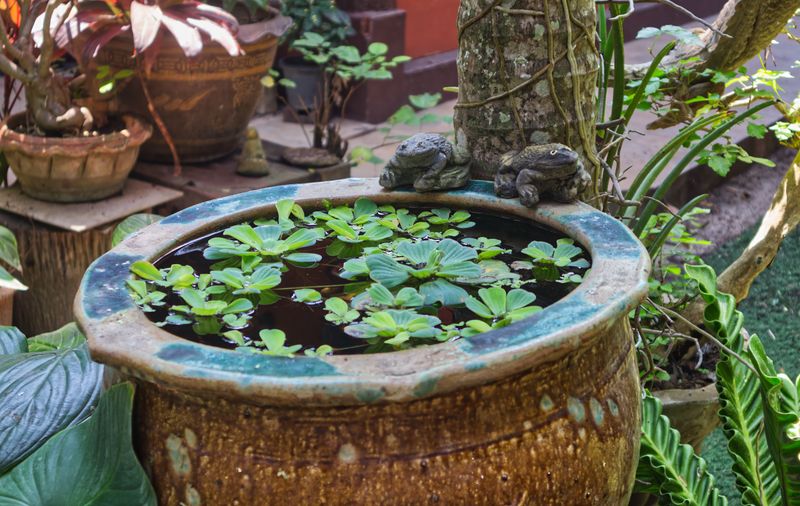
Fireflies consistently seek out yards where moisture is present. Standing water, shallow ponds, and even birdbaths create the humid microhabitat that these insects seek out during warm months.
Adding a water source to your yard is one of the fastest ways to attract more of them. You do not need a full pond to make a difference.
A shallow dish filled with clean water and refreshed every few days works well near garden beds. Place flat rocks inside so small insects and other creatures can climb out safely.
Fireflies are most active near areas where humidity stays consistently high after sundown. A small water feature near dense vegetation creates exactly that kind of moist air pocket.
Even a simple rain garden planted with native water-tolerant species can serve the same purpose. Standing water also supports the snails, worms, and soft insects that firefly larvae hunt underground.
Moist soil near a water source stays loose and easy for larvae to navigate. That combination of food and shelter near water is a powerful draw for these insects.
Keep the water source clean to avoid mosquito breeding, which can lead to pesticide use that harms fireflies. Change the water every two to three days or add a small solar-powered bubbler to keep it moving.
A bubbling birdbath is charming, practical, and genuinely helpful to the glowing visitors you want to attract.
5. Turn Off Outdoor Lights After Dark
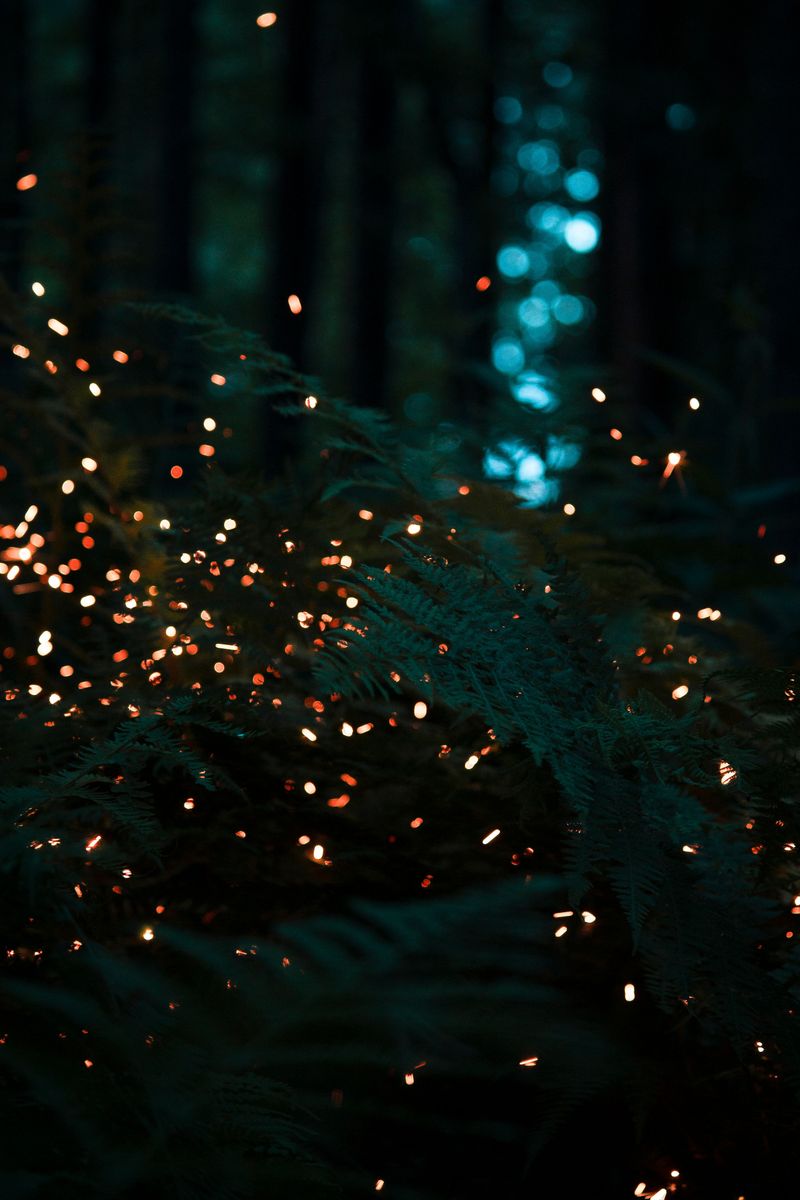
Artificial light is one of the biggest threats to firefly populations that most homeowners never think about. Male fireflies flash to attract mates, and females respond from the ground below.
Bright outdoor lights drown out those signals and leave fireflies unable to find each other. Porch lights, string lights, and floodlights all create what scientists call light pollution.
Even low-level ambient glow from a lit patio can confuse fireflies enough to stop their mating behavior entirely. Fewer successful matings means fewer fireflies the following summer.
The fix is wonderfully simple: turn off your outdoor lights after dark during firefly season, which in most of Virginia runs from late May through August, depending on the species.
Motion-sensor lights that only activate when needed are a smart alternative that balances safety and firefly friendliness. You get security without bathing your yard in constant light.
Amber or red-toned bulbs are far less disruptive to firefly communication than white or blue-white LED lights. If you need some light on your property at night, switching bulb color is an easy upgrade.
Hardware stores carry warm-spectrum bulbs that work just as well for human visibility. Sitting in a darkened yard on a summer night is its own reward.
The moment the porch light goes off and your eyes adjust, the yard transforms into something genuinely breathtaking. Give your fireflies the darkness they need, and they will put on a show you will not forget.
6. Skip The Pesticides And Go Organic
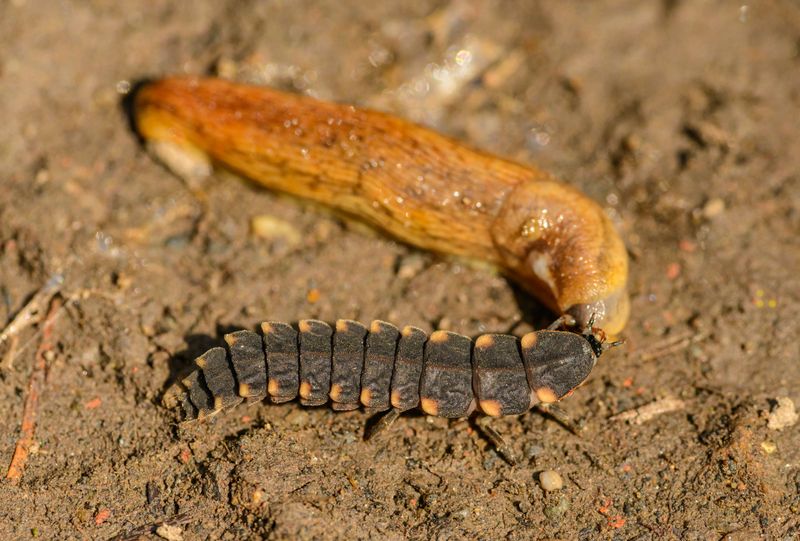
Pesticides do not discriminate between pests and the insects you want to keep. Broad-spectrum sprays and lawn treatments wipe out the beetles, worms, and soft insects that firefly larvae depend on for food.
Going organic is not just a trendy choice, it is a survival strategy for your firefly population. Firefly larvae are ground-dwelling predators that eat snails, slugs, and small worms.
Many common lawn pesticides soak into the soil and poison exactly those creatures. When the food supply disappears, the larvae cannot complete their development into adults.
Grub treatments can be especially harmful because they target the soil layer where firefly larvae live and hunt. Even products marketed as safe for lawns can devastate the underground insect community.
Read labels carefully and consider whether any treatment is truly necessary before applying it. Organic alternatives like neem oil, diatomaceous earth, and insecticidal soap target specific pests without carpet-bombing your entire yard’s insect population.
Companion planting with herbs like basil and marigolds can deter common garden pests naturally. These methods take a little more planning but protect the broader ecosystem your fireflies call home.
Healthy soil filled with organic matter naturally resists many pest problems on its own. Compost, mulch, and native plantings build a self-regulating yard that needs fewer interventions over time.
Choosing organic is one of the most powerful habits in keeping lightning bugs coming back all summer long, year after year.
7. Plant Trees And Shrubs Of Varying Heights
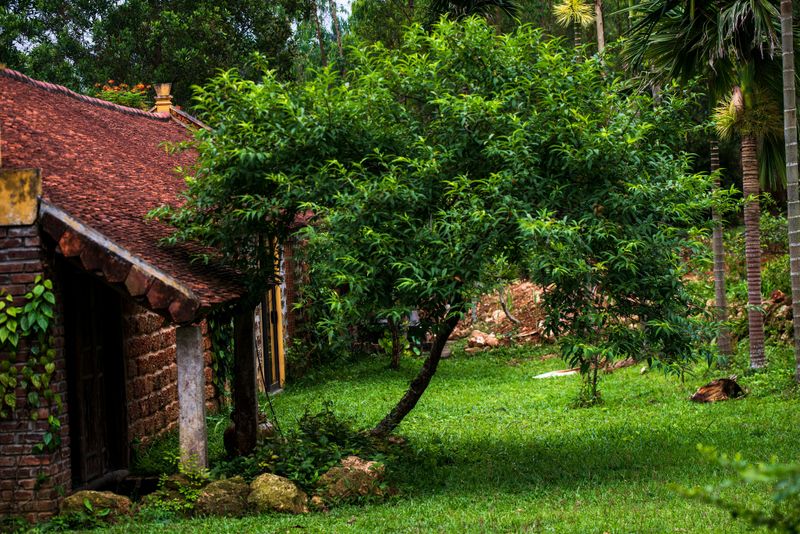
Fireflies do not just live in the grass. They use every layer of a yard’s vegetation, from ground level all the way up into the tree canopy.
Fireflies use vertical space. Tall trees like oaks and tulip poplars give them a high canopy to rest and flash from during mating season, while lower shrubs fill in the middle layer.
Mid-height shrubs like native viburnums and buttonbush offer shelter for adults during daylight hours. Low ground cover plants hold the moisture and provide the humid microclimate larvae need below the surface.
Structural variety in your yard also supports the full food web. More plant layers mean more insects at every level, which means more food for developing larvae underground.
A yard with only a flat lawn and a few isolated trees cannot support this kind of complexity. Even a modest yard can achieve meaningful layering with thoughtful planning.
Try grouping a small native tree with two or three shrubs and a border of native ground cover plants. That cluster alone creates a habitat island that fireflies will seek out and return to each season.
Layered plantings also happen to look beautiful and provide year-round interest in your landscape. Choosing native species at each height level means less watering, less pruning, and more resilience against drought.
A yard that works for fireflies almost always works better for everything else too.
8. Replace Invasive Plants With Native Alternatives
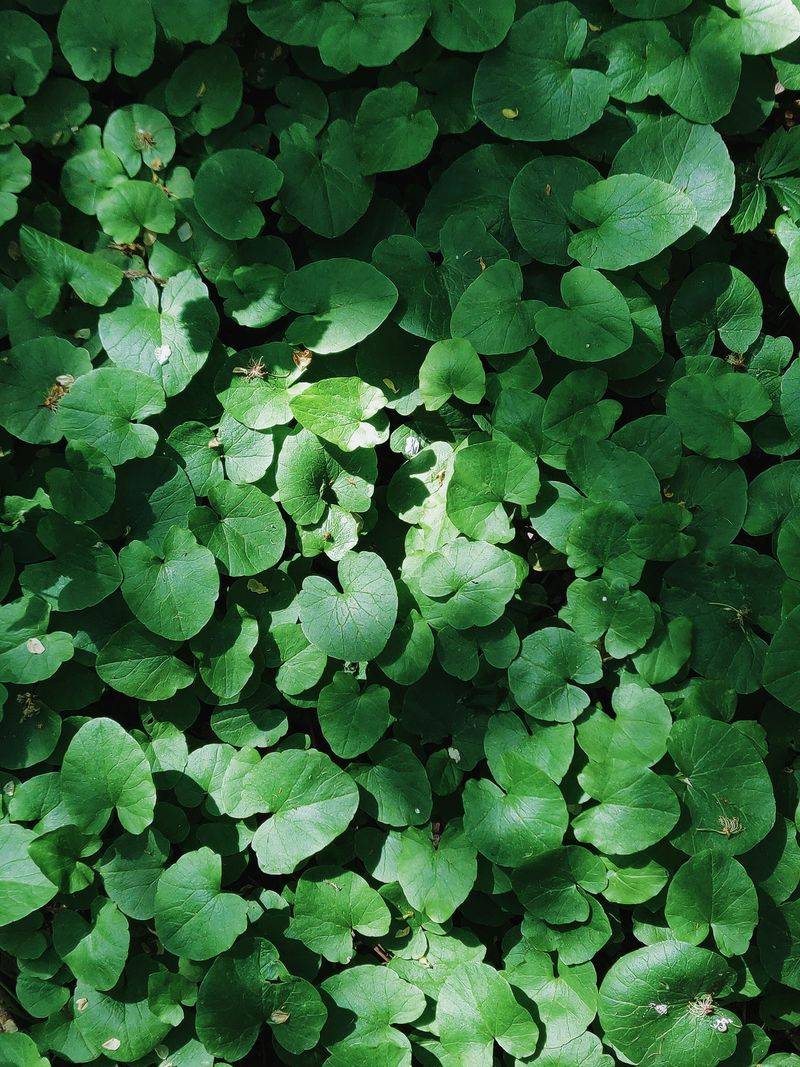
English ivy, Japanese honeysuckle, and kudzu might look lush, but they are ecological traps for fireflies. Invasive plants crowd out the native species that support the insects fireflies eat, rest on, and breed near.
Replacing them with native alternatives is one of the most impactful changes you can make. Invasive groundcovers like English ivy create dense mats that block moisture from reaching the soil below.
Firefly larvae need loose, moist soil to move through and hunt in. A yard blanketed in ivy is essentially sealed off at the ground level where fireflies do their most important work.
Native alternatives like wild ginger, partridge berry, and native ferns allow water to penetrate, support native insects, and create the open, rich soil that larvae love.
They also tend to support pollinators and songbirds as a bonus. Removal does not have to happen all at once, which makes this habit feel less overwhelming.
Start with one bed or one corner and replace the invasive species with two or three native plants. Repeat the process each season and watch the transformation unfold gradually.
Local native plant societies in Virginia often host free removal events and plant swaps. Getting involved connects you with neighbors who share the same goal of restoring healthy outdoor spaces.
Bringing lightning bugs back all summer long starts with giving them a yard that feels like home, not a foreign landscape.