California Plants That Go Into Summer Dormancy And Should Never Be Watered More
A plant that looks quiet in summer is not always asking for rescue. Many California natives slow down on purpose when heat rises and rain disappears.
Their leaves may fade, curl, or drop as part of a normal survival rhythm. That can make gardeners nervous, especially when everything else in the yard seems to need more water.
But extra watering can push these plants out of balance and cause bigger problems below the soil. Summer dormancy is their way of waiting out the hardest months.
The trick is learning which plants are resting and which ones are truly stressed. Once you can tell the difference, your garden care gets simpler.
Give these plants patience instead of constant soaking, and they can return stronger when their growing season comes back around.
1. Manzanita Can Struggle With Summer Irrigation
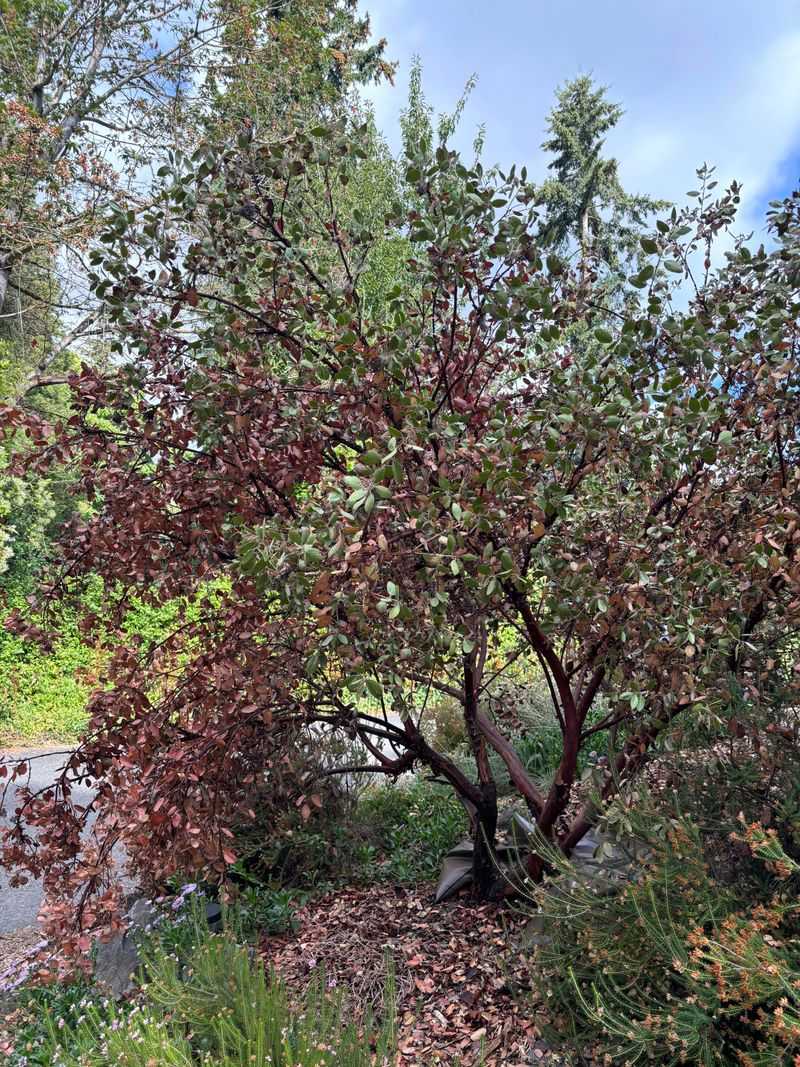
Few native shrubs are as tough and beautiful as manzanita, yet it is one of the easiest plants to accidentally harm with a garden hose. Once established, this shrub expects dry summers.
That is simply how it evolved in our state’s Mediterranean climate.
Manzanita roots are sensitive to excess moisture during warm months. Watering in summer can quickly lead to root rot, which often shows up as wilting, yellowing leaves, or branch damage.
Many gardeners mistake these signs for drought stress and water even more, making things worse.
The trick is to water deeply but infrequently during the first one to two years of planting. After that, most manzanita varieties need zero supplemental irrigation in summer.
They enter a natural rest period and draw on stored energy until the rains return in fall.
There are over 100 species of manzanita native to our state, and most of them share this summer-dry preference. Some varieties, like Arctostaphylos uva-ursi, are even used as ground covers in low-water landscapes.
Their smooth, reddish-brown bark and small pink flowers make them a standout in any native garden.
If your manzanita looks a little dull or drops some leaves in July or August, do not panic. That is completely normal behavior.
Pull back on the water, add a layer of gravel mulch around the base, and trust that it will bounce back beautifully once cooler weather arrives.
2. Ceanothus Often Wants A Dry Summer Rest
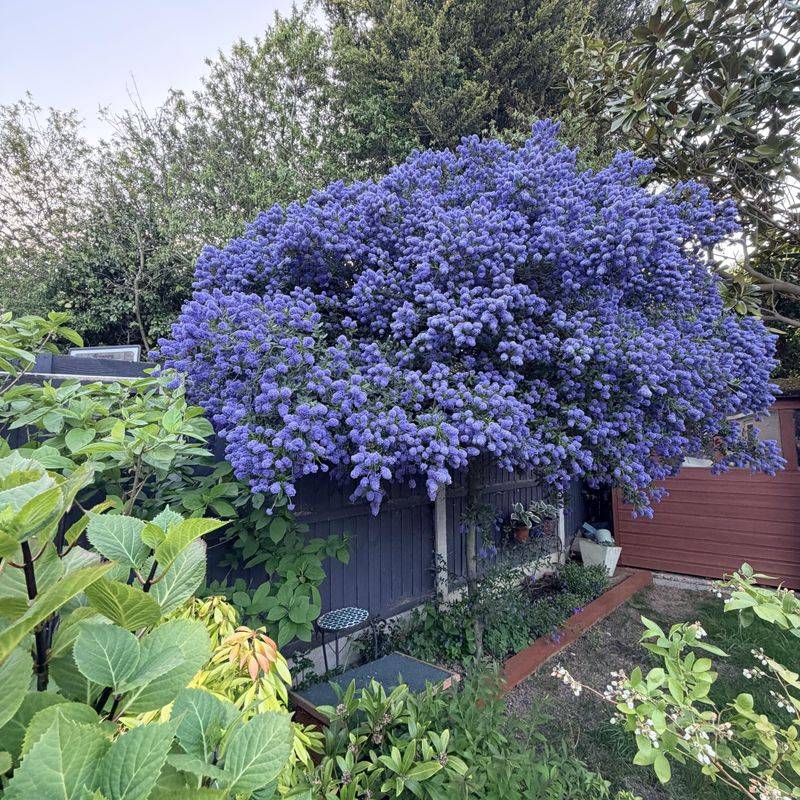
Walk through any wild hillside in our state in spring, and you will likely spot ceanothus putting on a spectacular show of blue or purple flowers. But once summer arrives, this plant shifts gears completely and asks for one simple thing: no water.
Ceanothus, sometimes called California lilac, is a champion of dry summers. Its roots are specially adapted to well-drained, low-moisture soil.
When summer irrigation is added, those same roots become vulnerable to a fungal disease called phytophthora, which spreads quickly in warm, wet conditions.
Most gardeners lose their ceanothus not from drought but from overwatering. The plant may look stressed in midsummer, with some leaf drop or a dusty appearance.
That is not a sign it needs a drink. That is a sign it is resting, conserving energy, and preparing for new growth in fall.
Your California Garden Changes Every Week. Your Plan Should Too.
Gardening in California changes quickly throughout the season. Every Friday you’ll receive a simple weekly plan showing exactly what to plant, prune, fertilize, harvest, and protect so you never miss the right timing.
Established ceanothus plants can go the entire summer without any irrigation at all. In fact, many thrive best when completely ignored from June through October.
If you planted one recently, a deep watering in late spring can help it transition into dormancy more smoothly.
One fun fact: ceanothus roots can fix nitrogen in the soil, which means they actually improve the ground around them over time. This makes them excellent neighbors for other native plants.
Let them rest in summer, and they will reward you generously every spring.
3. Flannel Bush Resents Hot, Wet Soil
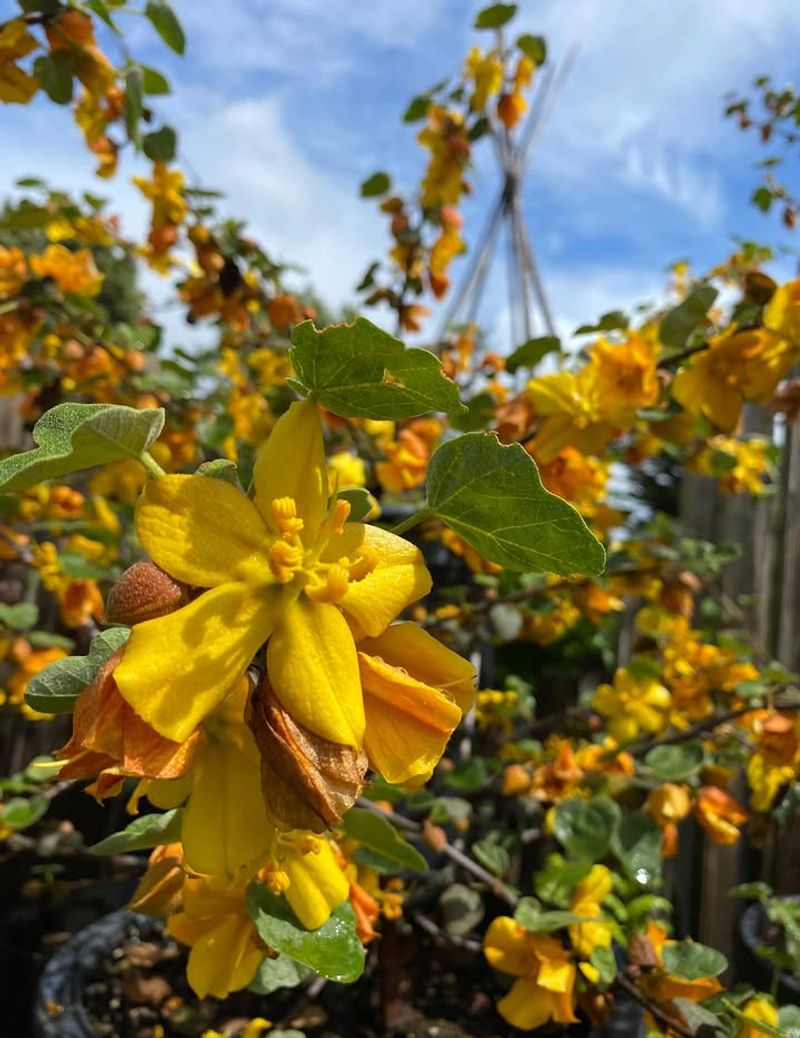
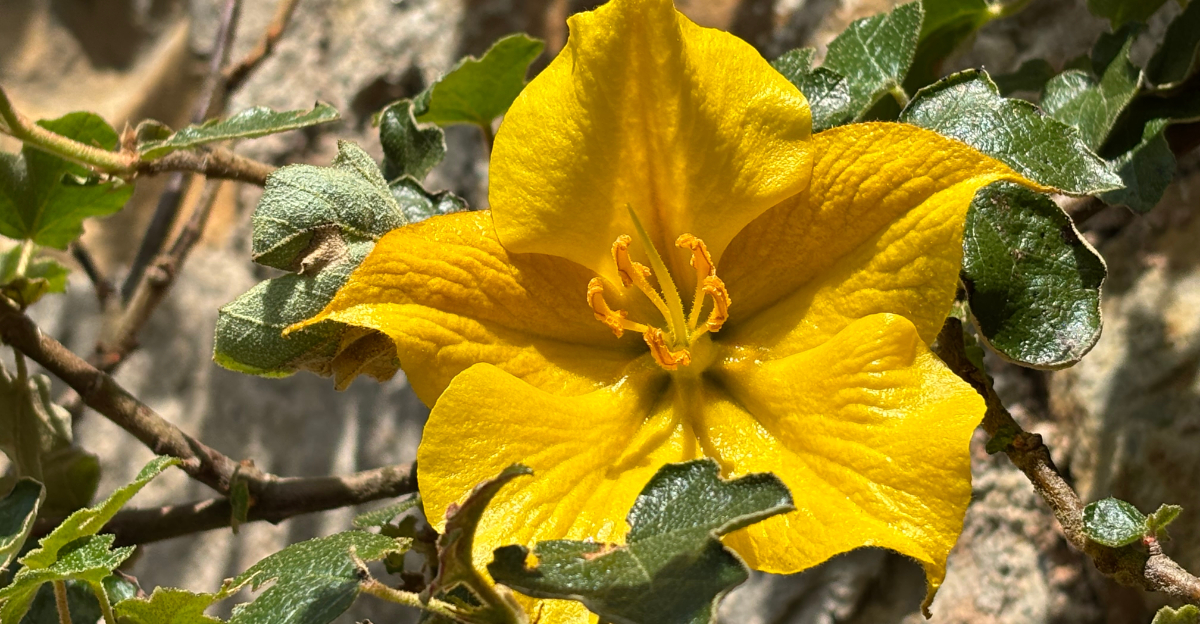
Bright yellow flowers the size of a fist make flannel bush one of the showiest native shrubs you can grow. But behind that bold beauty is a plant with a very strong opinion about summer water: it does not want any.
Fremontodendron californicum, the flannel bush, is famous for being drought tolerant once established. It grows naturally on dry, rocky slopes and foothills across our state.
The fuzzy texture of its leaves and stems, which gives it the name flannel bush, actually helps it hold moisture and reflect heat during dry months.
Watering flannel bush in summer is one of the fastest ways to send it into serious decline. Its roots simply cannot handle warm, wet soil.
Phytophthora root rot is a constant threat when irrigation is added during hot weather. Even a small amount of extra moisture can tip a healthy plant toward trouble.
The best approach is to water it well during its first fall and winter after planting, then back off completely as temperatures rise. Once established, this shrub is remarkably self-sufficient.
It asks for almost nothing and gives back an incredible floral display every spring.
Plant it on a slope or in raised, rocky soil to ensure drainage is excellent. Avoid planting it near lawn areas or drip systems that run on summer schedules.
Give it space, give it sun, and give it a completely dry summer, and it will thrive for years.
4. Matilija Poppy Withers Back Instead Of Needing Rescue Water
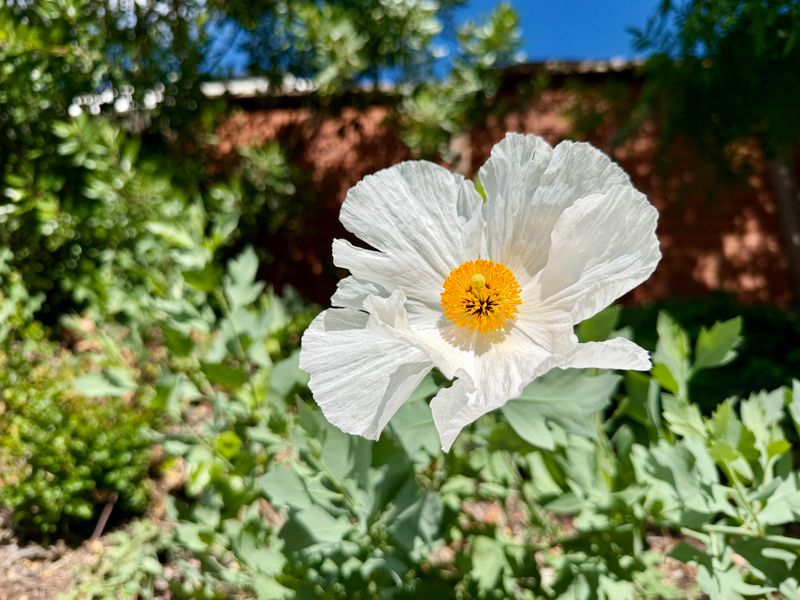
Sometimes called the fried egg plant because of its giant white blooms with sunny yellow centers, the Matilija poppy is one of the most dramatic native plants in our state. It can grow six to eight feet tall and spread just as wide.
And every summer, it does something that surprises new gardeners: it completely withers back to the ground.
Romneya coulteri goes dormant in summer by shedding all of its above-ground growth. The stems dry out, the leaves fall, and the plant looks completely finished.
Many gardeners assume something went wrong and reach for the hose. That is the worst thing you can do.
Adding water to a dormant Matilija poppy in summer encourages rot at the root crown, which sits just below the soil surface. The roots need dry, warm conditions during this rest period to stay healthy.
Watering disrupts that process and can prevent the plant from returning the following spring.
Once the plant goes dormant, cut the dry stems back to just a few inches above the ground. Do not water.
Do not fertilize. Just let the soil dry out and wait.
When fall rains arrive, new growth will push up from the base with impressive speed.
Matilija poppy spreads by underground runners, so give it room to roam. It is a bold, confident plant that knows exactly what it needs.
Trust its summer rest, and it will come back bigger and more beautiful each year.
5. Woolly Bluecurls Is Sensitive To Summer Watering
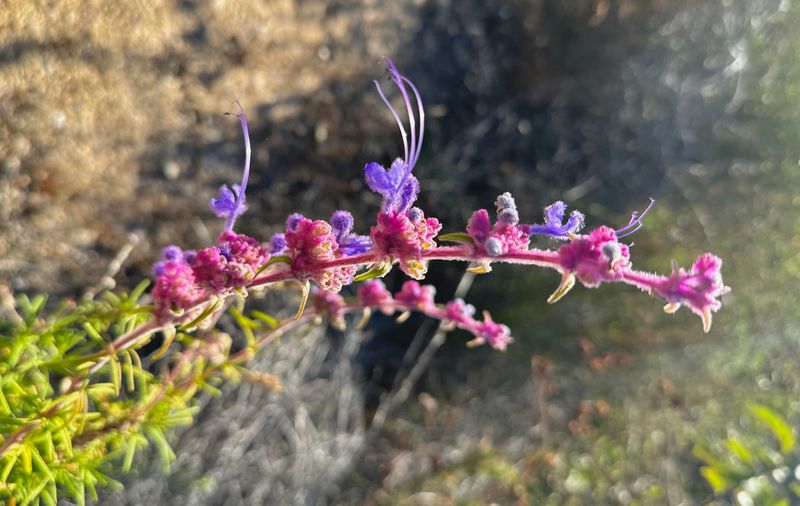
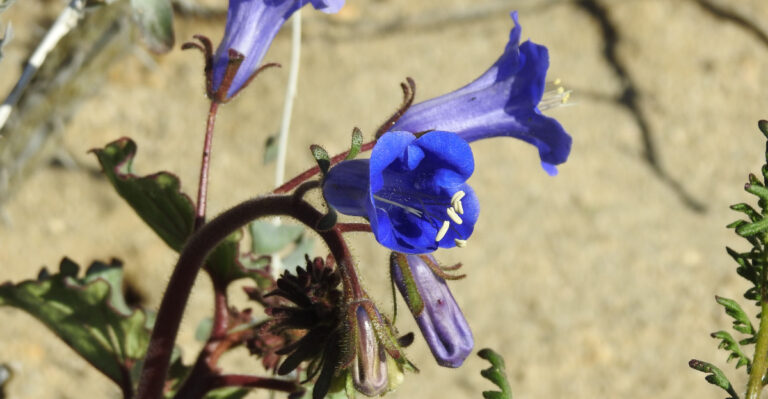
There is something almost magical about woolly bluecurls. Its silvery, fuzzy leaves shimmer in the sun, and its curved blue flowers attract hummingbirds and bees like a magnet.
But this plant has a reputation among native gardeners for being tricky to keep alive, and summer watering is almost always the reason why.
Trichostema lanatum is native to dry coastal sage scrub and chaparral habitats. It is perfectly designed for hot, dry summers with no rain at all.
The woolly coating on its leaves reduces water loss and reflects heat. When you add summer irrigation, that same coating can trap moisture and promote fungal rot right at the stem base.
Even light summer watering can stress this plant significantly. Gardeners who water woolly bluecurls on a regular summer schedule often find the plant collapses within a season or two.
The decline can look like wilting or browning stems that never recover, even after watering stops.
The key to keeping this plant happy is excellent drainage and complete summer dryness. Plant it in sandy or gravelly soil, never in clay.
Once established after the first winter, it should receive no supplemental water from June through October.
When conditions are right, woolly bluecurls can bloom from spring all the way into fall, attracting pollinators nonstop. It is a rewarding plant for those willing to follow its rules.
Respect its need for a dry summer, and it will be a long-term garden gem.
6. California Poppy Naturally Fades When Heat Arrives
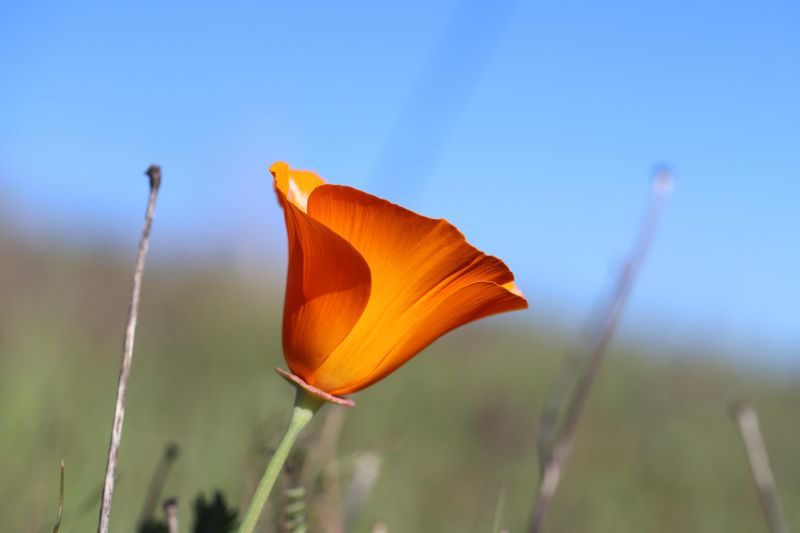
Every spring, roadsides and hillsides across our state explode with the orange glow of California poppies. They are cheerful, easy to grow, and wildly popular.
But most people do not realize that these flowers are meant to fade away once summer heat kicks in, and that is perfectly fine.
Eschscholzia californica is an annual or short-lived perennial that completes its life cycle in sync with the rainy season. It sprouts with winter rains, blooms in spring, sets seed, and then dries up as temperatures climb.
The plant is programmed to do exactly this.
Watering California poppies in summer to keep them going is a common mistake. Extra moisture in hot weather can cause the plants to rot at the base or develop fungal issues.
It also does not actually extend their blooming season in most cases. The heat triggers the end of the cycle, not the lack of water.
The smarter move is to let the plants go to seed naturally. Scatter the seeds lightly if you want, or just let them fall on their own.
California poppies reseed themselves reliably and will return next spring without any help from you.
Do not pull up the dry plants too early. Let them stand until the seeds are fully mature and ready to drop.
Once you see the long seed pods turn tan and start to split, you can remove the old plants. Then sit back and wait for next year’s golden display to arrive on its own schedule.
7. Red Flowering Currant May Look Tired By Summer
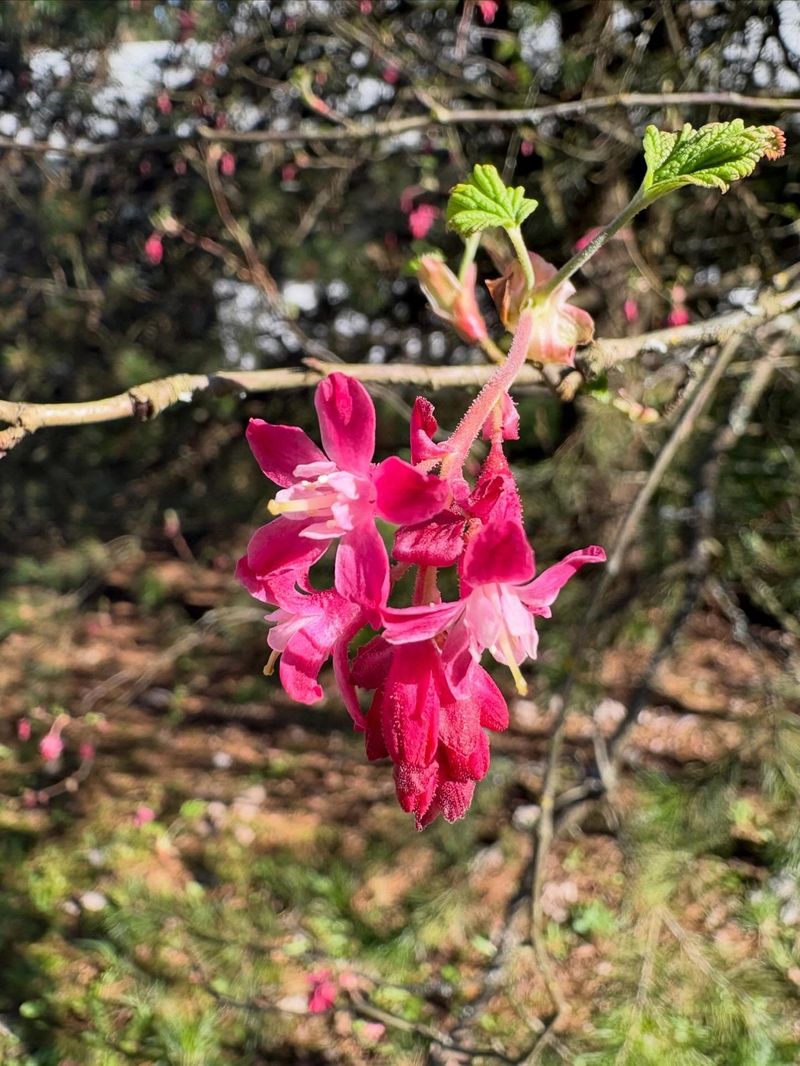
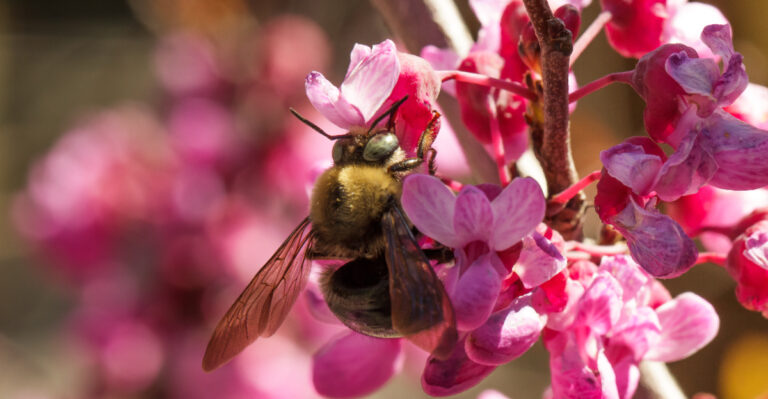
In late winter and early spring, red flowering currant puts on one of the most stunning shows in the native garden. Clusters of deep pink to red flowers hang from bare branches before the leaves even fully emerge.
Hummingbirds go absolutely wild for it. But by summer, this same shrub can look like it has completely given up.
Ribes sanguineum var. glutinosum is native to coastal ranges and mixed woodland areas. It is adapted to wet winters and dry summers.
When summer arrives, the plant naturally drops many of its leaves and enters a semi-dormant state. This is not a problem.
It is a plan.
Adding summer water to red flowering currant in an effort to keep it green and lush can backfire badly. The roots are vulnerable to rot in warm, moist soil.
Overwatered plants may develop sudden damage or fungal canker on their stems, which is difficult to reverse.
Let the plant go through its summer rest without interference. A light layer of organic mulch around the base can help keep the soil cool and reduce moisture loss from the ground without adding actual water.
That small step makes a big difference in plant health.
Come fall, new leaves will emerge and the plant will green up again before flowering the following late winter. It is a plant that moves to its own rhythm.
Once you understand that rhythm, caring for it becomes almost effortless. Just step back and let it do its thing.
8. Bush Poppy Performs Better Without Constant Irrigation
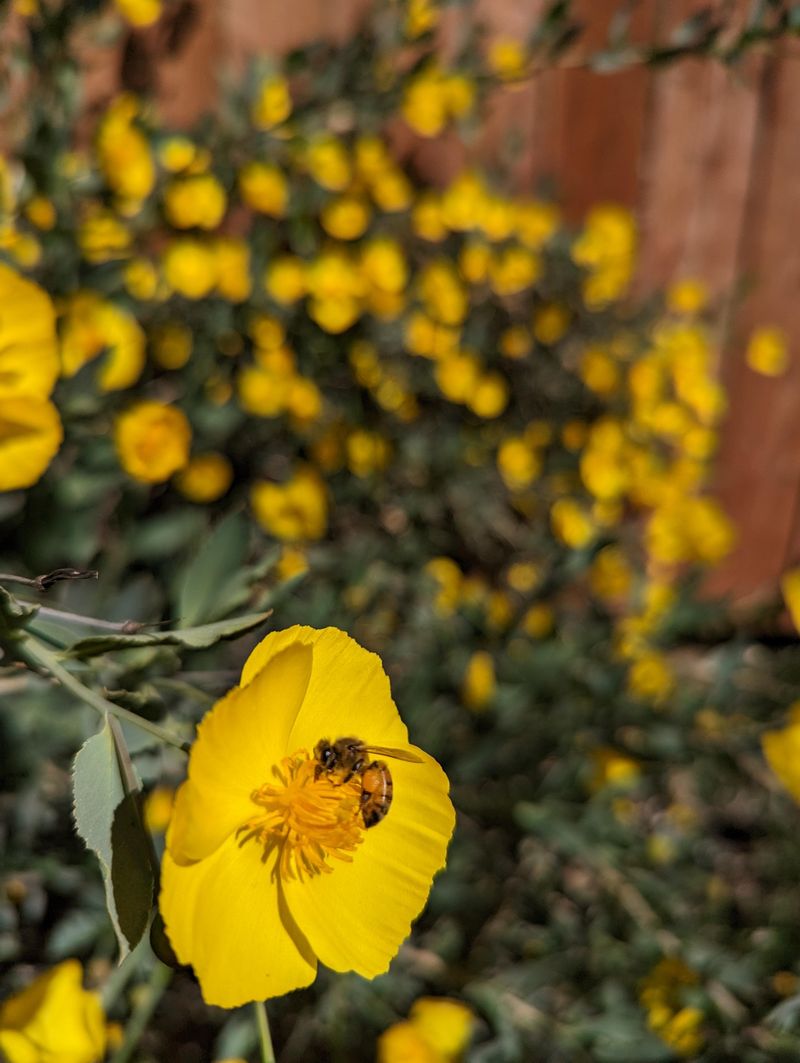
Bright yellow flowers on a tidy, upright shrub make bush poppy a standout in any native plant garden. It blooms generously in spring and holds its blue-green foliage through much of the year.
But push it too hard with summer water, and this plant will show you its unhappy side quickly.
Dendromecon rigida grows naturally in chaparral and rocky foothill habitats where summers are completely dry. Its thick, waxy leaves are built to minimize water loss.
The plant does not need help surviving summer heat. It has been doing it on its own for thousands of years.
Watering bush poppy through summer, especially in clay or poorly drained soil, almost always leads to root rot. The plant may look fine for a while, then suddenly drop leaves and decline fast.
By the time the symptoms show, the damage to the roots has already been done.
After the first year, established bush poppy plants should receive little to no summer water. A single deep watering in early June can help ease the transition into dormancy, but beyond that, restraint is the best policy.
The plant will slow its growth, conserve energy, and wait for cooler weather.
Bush poppy also pairs beautifully with other chaparral natives like manzanita and ceanothus, which share the same summer-dry preferences. Grouping these plants together makes it easy to manage irrigation zones.
One zone, no summer water, and a garden full of thriving native plants that practically care for themselves.
9. Penstemon Can Decline When Watered Too Often
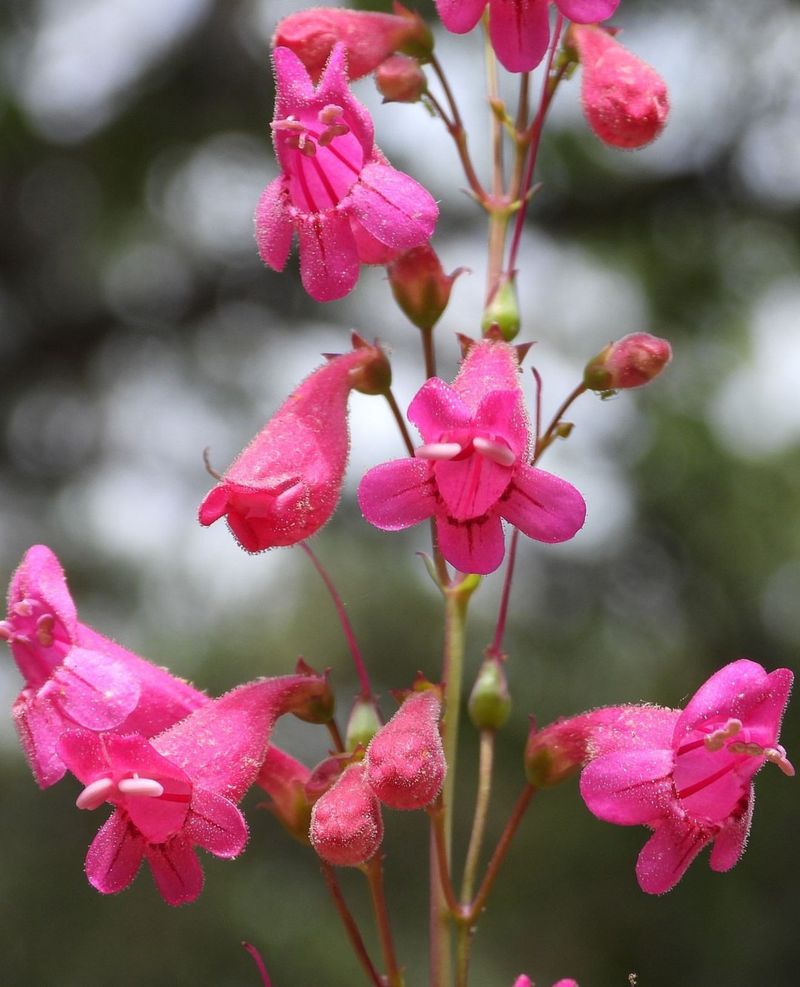
Penstemon is one of the most beloved native plant groups in our state, and for good reason. The tall flower spikes come in shades of red, pink, purple, and white, and hummingbirds visit them constantly.
With over 250 species found across North America, many of them are native to dry, rocky habitats where summer rain is almost unheard of.
Most penstemon species that grow in our state evolved in conditions where summer is bone dry. Their roots prefer lean, fast-draining soil.
When gardeners water them on a regular summer schedule, the roots sit in warm, moist soil for extended periods, which creates ideal conditions for crown rot and fungal disease.
The signs of overwatering in penstemon can be subtle at first. Leaves may yellow slightly, or stems may flop over more than usual.
By the time the plant looks truly sick, the root system has often already been compromised. Backing off water at that stage helps, but prevention is always better.
For most native penstemon varieties, summer irrigation should stop entirely once the plant is established. In the first year, water every two to three weeks during summer to help the roots develop.
After that, let rainfall handle everything from late spring through fall.
Cutting back flower stalks after blooming can help the plant conserve energy and look tidier through the summer rest. New growth will emerge when temperatures cool in fall.
Penstemon is a genuinely low-maintenance plant when given the dry summer conditions it naturally prefers.
10. Dudleya Needs Dry Summer Treatment In Many Gardens
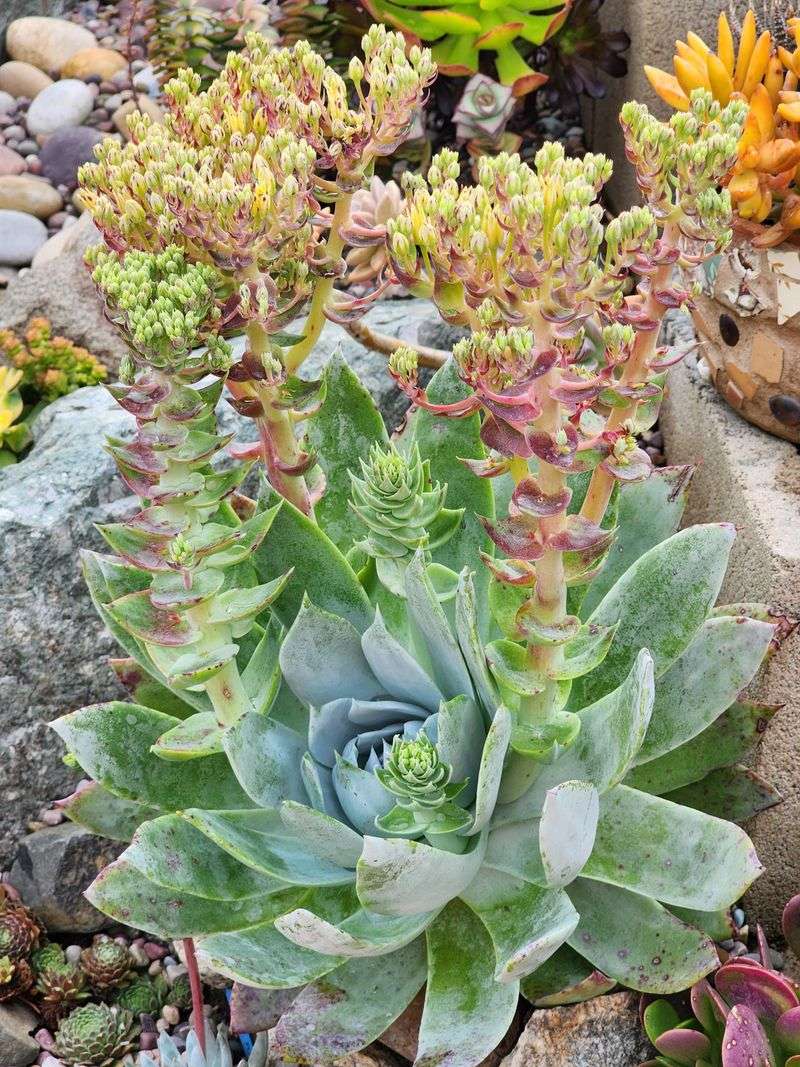
Dudleya is one of the most distinctive native succulents in our state, and it grows in some of the most dramatic spots imaginable: sea cliffs, rocky outcrops, and dry hillsides that bake in the summer sun. Its waxy, powdery leaves store water efficiently, and its entire lifestyle is built around surviving long dry spells with grace.
There are over 40 species of dudleya native to our state, and most of them share one critical trait: they go summer dormant. During the hottest months, growth slows almost completely, and the plant relies on water stored in its fleshy leaves.
Adding irrigation at this stage does not help. It creates soggy conditions around the base that invite rot.
One of the most common mistakes with dudleya is treating it like a typical succulent that needs regular water year-round. Unlike many desert succulents that appreciate summer water, dudleya follows a Mediterranean pattern.
It grows in winter and rests in summer. Watering it in July or August is working against its natural biology.
Plant dudleya in fast-draining, rocky or sandy soil, ideally on a slope or in a raised bed. Avoid overhead irrigation entirely.
Even getting water on the leaves during summer can cause fungal spotting and rot on the powdery coating that protects the plant.
Once you understand dudleya’s rhythm, it becomes one of the easiest plants to maintain. Stop watering in late spring, step back, and let it rest.
When fall arrives, resume light watering and watch it come back to life with fresh, vibrant rosettes that make any garden feel wild and beautiful.