5 Michigan Groundcovers That Choke Out Every Weed And 3 That Become The Weed Themselves
Not all groundcovers are on your side. Some of them do exactly what they promise, spreading steadily, shading out weeds, and holding their territory without crossing into places they weren’t invited.
Others start out looking like a smart solution and gradually turn into the very problem you were trying to solve.
Michigan gardeners have a long history with both categories, and the line between a hardworking groundcover and a garden nuisance isn’t always obvious at the nursery when the plant is sitting in a small, innocent-looking pot.
The five on the good side of this list are genuinely reliable. They work with your soil, survive Michigan winters, and make weeding feel like a problem from a previous life.
The three on the other side are worth knowing about before you plant them, not after.
1. Canada Anemone
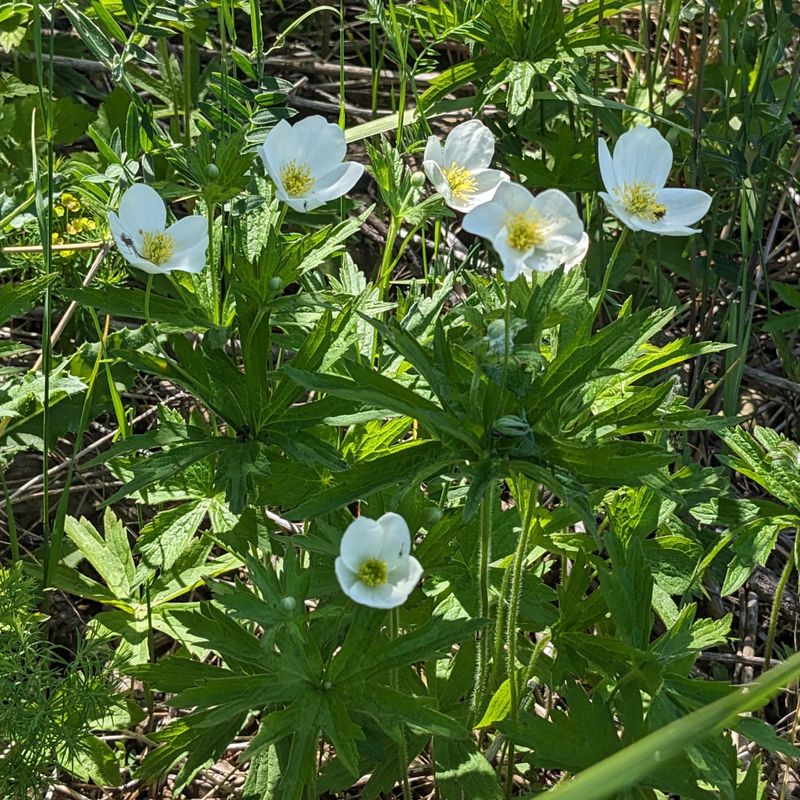
Few native plants spread with as much confidence as Canada Anemone, known botanically as Anemone canadensis.
In the right spot, this plant is an absolute workhorse. It forms thick, knee-high colonies that shade the soil so effectively that most weeds simply cannot get a foothold beneath it.
Canada Anemone thrives in moist to wet soil and handles both full sun and partial shade without complaint.
In Michigan, it works beautifully along pond edges, rain gardens, ditches, and large naturalized areas where you want coverage fast.
The bright white flowers that appear in late spring add a cheerful bonus to its already impressive resume.
Spacing plants about 18 inches apart gets things started, but within two to three seasons, they will fill in on their own through spreading rhizomes.
That aggressive spread is exactly the point in a large space, but it also means Canada Anemone is not a good fit for small, tidy beds.
It will not respect borders and will push into neighboring plantings without hesitation.
For Michigan gardeners managing a challenging wet slope or a naturalized backyard area, this plant is genuinely hard to beat.
Just give it room, keep it away from delicate companions, and let it do what it does best.
2. Golden Ragwort
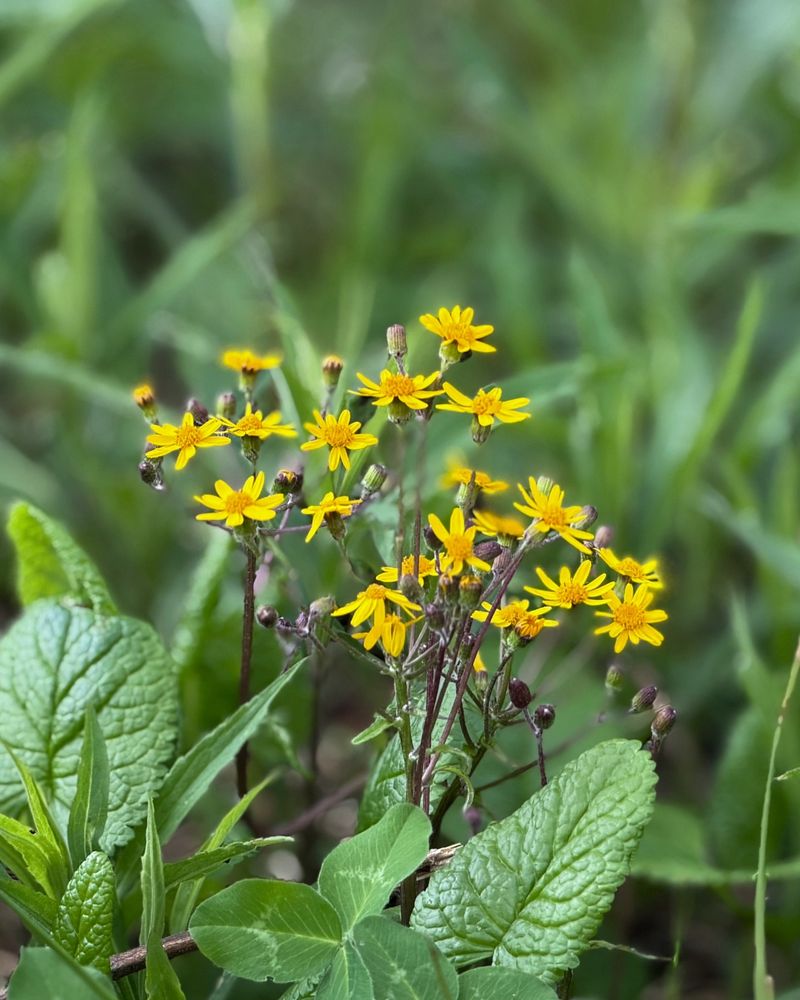
Golden Ragwort, or Packera aurea, is one of those plants that earns its place in the garden twice over.
First, it covers the ground with semi-evergreen foliage that stays attractive from spring well into fall.
Second, it erupts in a wave of cheerful yellow flowers each spring that pollinators absolutely love.
In Michigan, Golden Ragwort performs best in moist, shaded spots under trees and shrubs where many other plants struggle.
Once it settles in, it forms dense colonies that shade the soil and reduce weed pressure significantly.
The foliage is low and spreading, making it one of the tidier native groundcovers available to Michigan gardeners.
Spacing plants about 12 to 18 inches apart gives them room to fill in naturally within two to three growing seasons.
Watering regularly during the first year helps establish a strong root system, after which the plant becomes quite self-sufficient in shaded, moisture-retaining soil.
It handles occasional dry periods better than many woodland plants once it is fully established.
Your Michigan Garden Changes Every Week. Your Plan Should Too.
Gardening in Michigan changes quickly throughout the season. Every Friday you’ll receive a simple weekly plan showing exactly what to plant, prune, fertilize, harvest, and protect so you never miss the right timing.
Beyond weed suppression, Golden Ragwort supports early pollinators, including native bees that emerge while temperatures are still cool.
For a shaded Michigan bed that needs low-maintenance, long-season coverage with genuine ecological value, this native groundcover is a seriously smart choice that rewards patient gardeners generously.
3. Wild Ginger
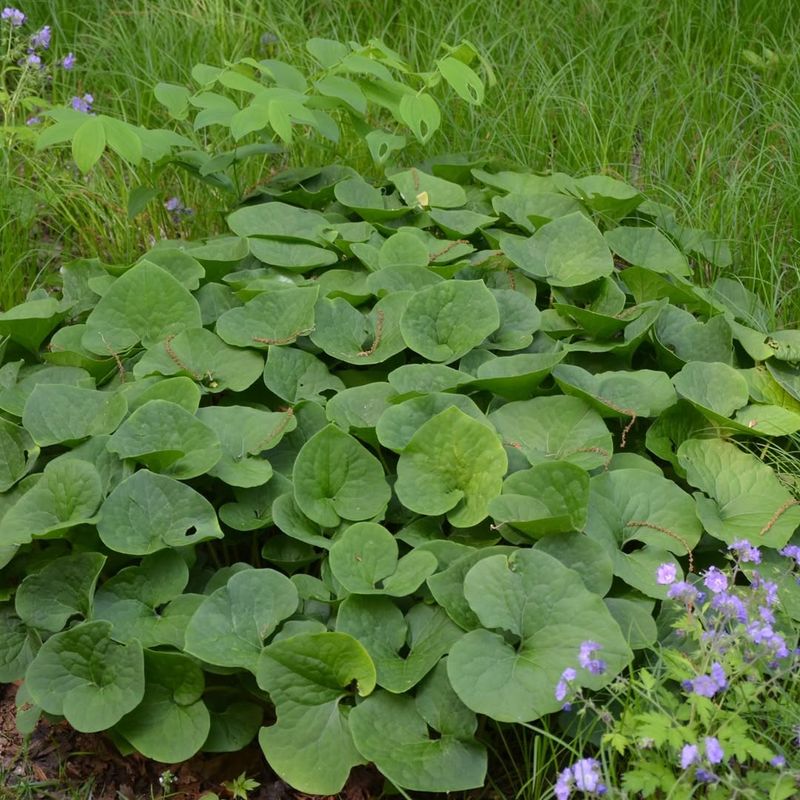
Underneath the canopy of Michigan trees, Wild Ginger creates a carpet so thick and even that it looks almost intentional.
Asarum canadense is a slow-and-steady spreader, which means it rewards patient gardeners with a groundcover that looks genuinely polished once it fills in.
Wild Ginger spreads through shallow rhizomes, gradually expanding outward from the original planting each season.
The heart-shaped leaves grow about 6 to 8 inches tall and overlap densely enough to shade the soil beneath them, which keeps most weed seeds from germinating.
It thrives in full to partial shade and prefers consistently moist, humus-rich soil common under mature Michigan hardwoods.
Getting Wild Ginger established takes some patience. Plants spread slowly in the first year or two, so filling a large area quickly requires either planting closely at about 6 to 8 inches apart or accepting a multi-season timeline.
Adding a light layer of leaf mulch between plants during establishment helps hold moisture and speeds things along considerably.
One of the most appealing things about this plant is how naturally it fits into a woodland setting. It looks like it belongs there because, in Michigan, it genuinely does.
For shaded spots under oaks, maples, or large shrubs where you want something that suppresses weeds and looks beautiful season after season, Wild Ginger is a reliable and rewarding choice.
4. Pennsylvania Sedge
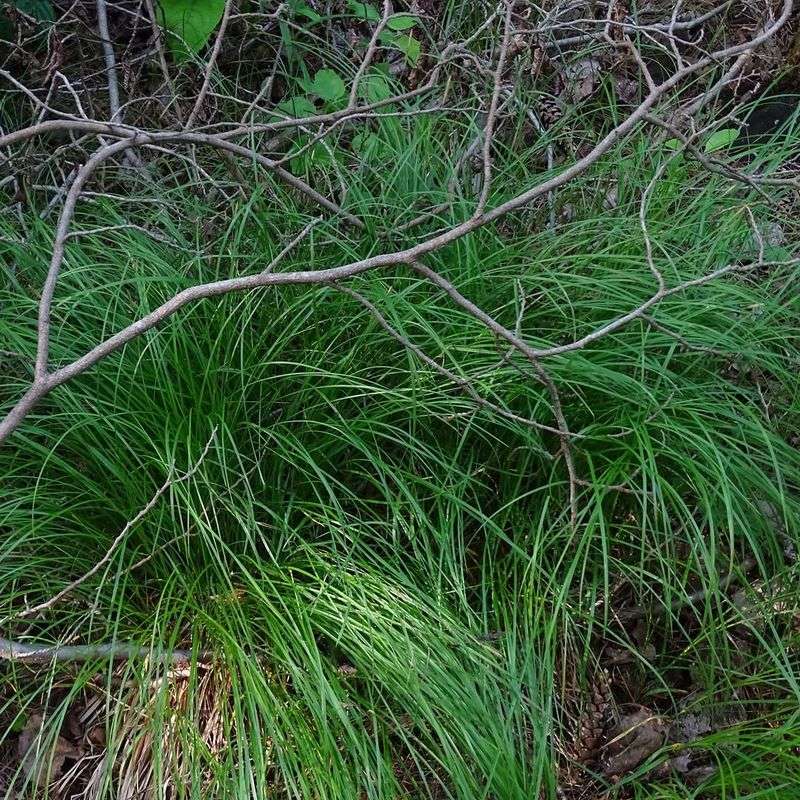
Pennsylvania Sedge is quietly one of the most practical groundcovers a Michigan gardener can plant.
Carex pensylvanica grows in fine, arching tufts that spread slowly into a soft, grass-like mat perfect for dry shade under trees where traditional lawn grass simply refuses to grow.
One of its biggest selling points is drought tolerance once established. Tree roots compete hard for water, and most plants struggle in that environment.
Pennsylvania Sedge handles it well, making it a genuinely useful option for the dry, shaded areas beneath oaks, maples, and other large Michigan trees.
It stays low, usually reaching only 6 to 10 inches tall, and rarely needs mowing unless you prefer a tidier look. Spacing plants 6 to 12 inches apart gives the best results.
The sedge fills in slowly over two to three seasons, and during that time weeds can sneak in between plants, so some hand-pulling in the first year or two is realistic.
Once it knits together, weed pressure drops dramatically because the dense root system and overlapping foliage leave little room for competition.
An optional annual mowing in late winter or early spring refreshes the planting and encourages fresh new growth.
Pennsylvania Sedge is not flashy, but it is steady, native, and genuinely low-maintenance once established.
For Michigan gardeners tired of fighting bare, weedy patches under large trees, this sedge is a practical and satisfying solution worth trying.
5. Barren Strawberry
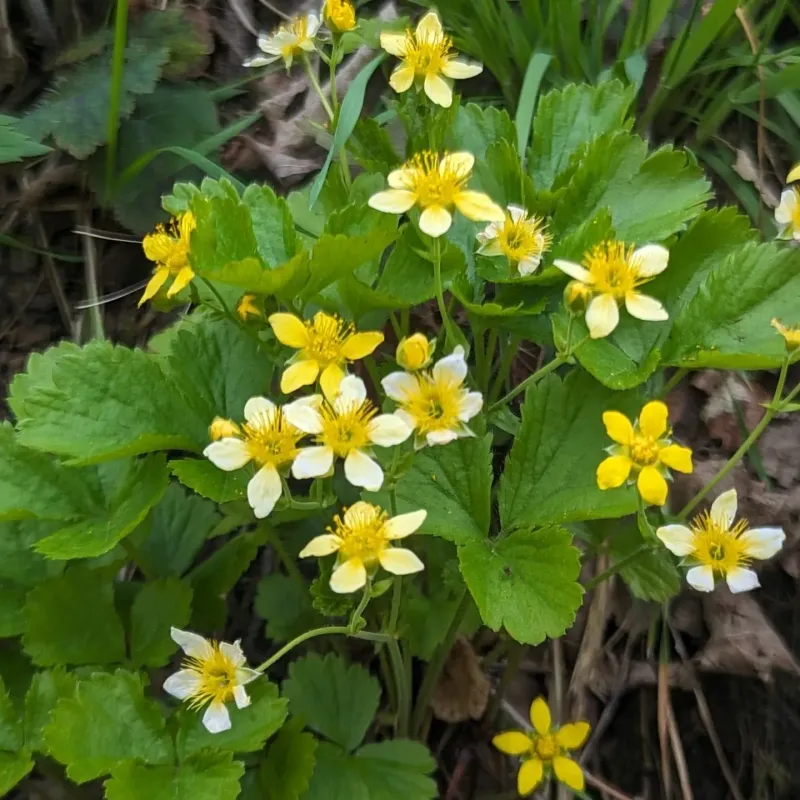
Barren Strawberry has one of those names that sounds discouraging but actually describes a genuinely useful plant.
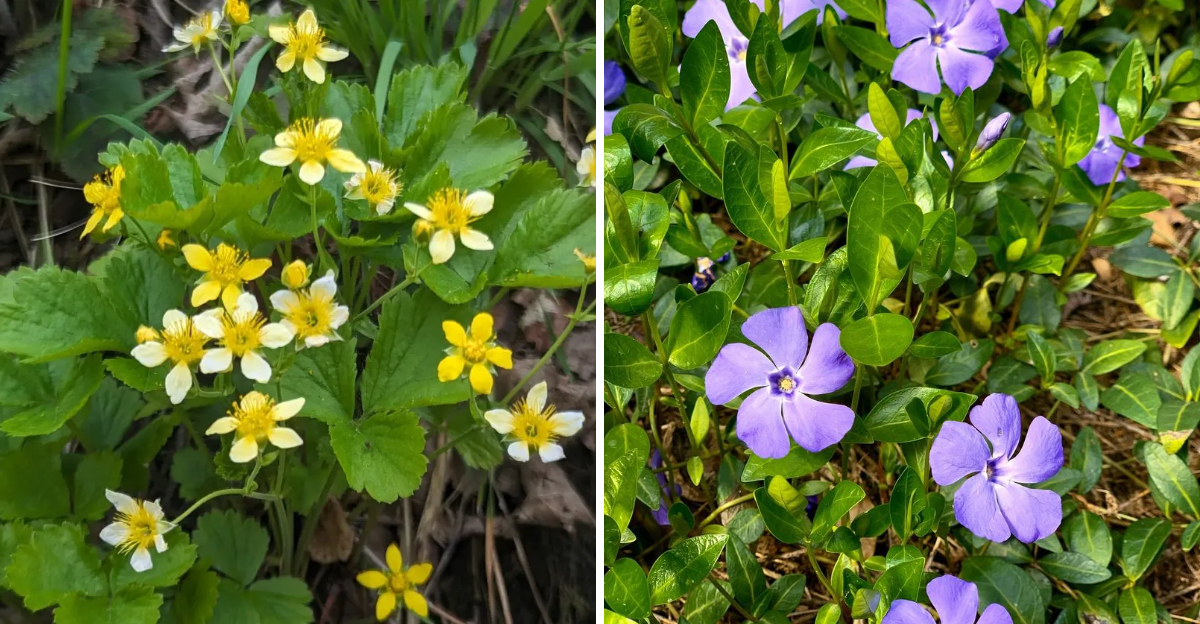
Geum fragarioides looks remarkably like a wild strawberry, complete with similar leaves and cheerful yellow flowers in spring, but it focuses all its energy on spreading rather than fruiting.
In Michigan gardens, Barren Strawberry works well in part shade to full sun locations with average to slightly moist, well-drained soil.
It spreads through runners, forming low mats that stay around 3 to 6 inches tall and cover bare soil surprisingly well over time.
The dense foliage shades the ground effectively, which helps reduce weed germination in beds that would otherwise require regular attention.
Planting about 12 inches apart gives each runner room to spread naturally. Within two growing seasons, the plants typically connect to form a fairly solid mat.
During the first season, some light weeding between plants keeps things tidy while the groundcover fills in.
After that, maintenance needs drop off considerably, which is exactly the point. The spring flowers are small but genuinely pretty, and pollinators visit them regularly.
The foliage often takes on attractive reddish tones in fall before settling into semi-evergreen coverage through winter in milder Michigan years.
For part-shade areas where you want a native, low-growing, weed-suppressing option that also adds seasonal interest, Barren Strawberry is an underrated gem worth far more attention than it typically gets.
6. Bishop’s Weed
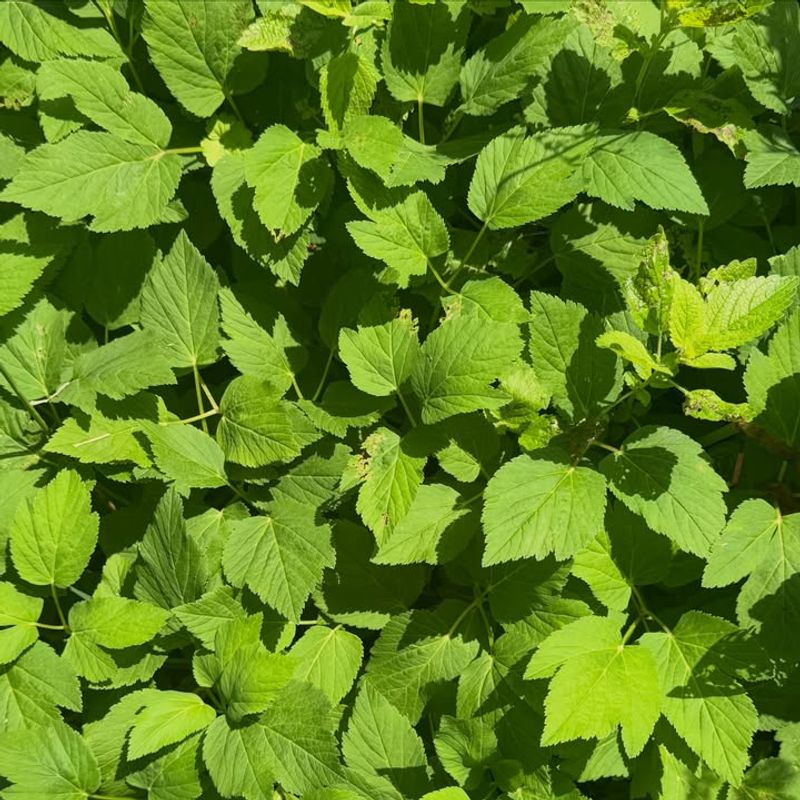
Bishop’s Weed sounds harmless enough, and when you first see the variegated green-and-white foliage of Aegopodium podagraria at a garden center, it can be genuinely tempting.
The problem is that this plant does not stay where you put it, and getting it out once established is a serious challenge most gardeners deeply regret.
It spreads through an aggressive network of underground rhizomes that travel far beyond the original planting area.
Sections of rhizome left in the soil after removal will simply resprout, which is why Bishop’s Weed has a reputation for being nearly impossible to fully eliminate from a garden bed.
It regularly escapes into lawns, neighboring beds, and even beyond property lines.
In Michigan, Bishop’s Weed is not listed as a regulated invasive species statewide, but it behaves invasively in many garden settings and is widely regarded by experienced gardeners as a plant to avoid.
Once it takes hold, it outcompetes other perennials and shrubs by monopolizing soil space and resources aggressively.
If you love the look of variegated groundcover foliage, several native and non-invasive alternatives give you similar appeal without the regret.
Wild Ginger, Pennsylvania Sedge, or even a combination of native ferns offer beautiful textured coverage in shade without the aggressive spreading habit.
Bishop’s Weed is one of those plants that looks like a solution but slowly turns into the problem itself.
7. Lily Of The Valley
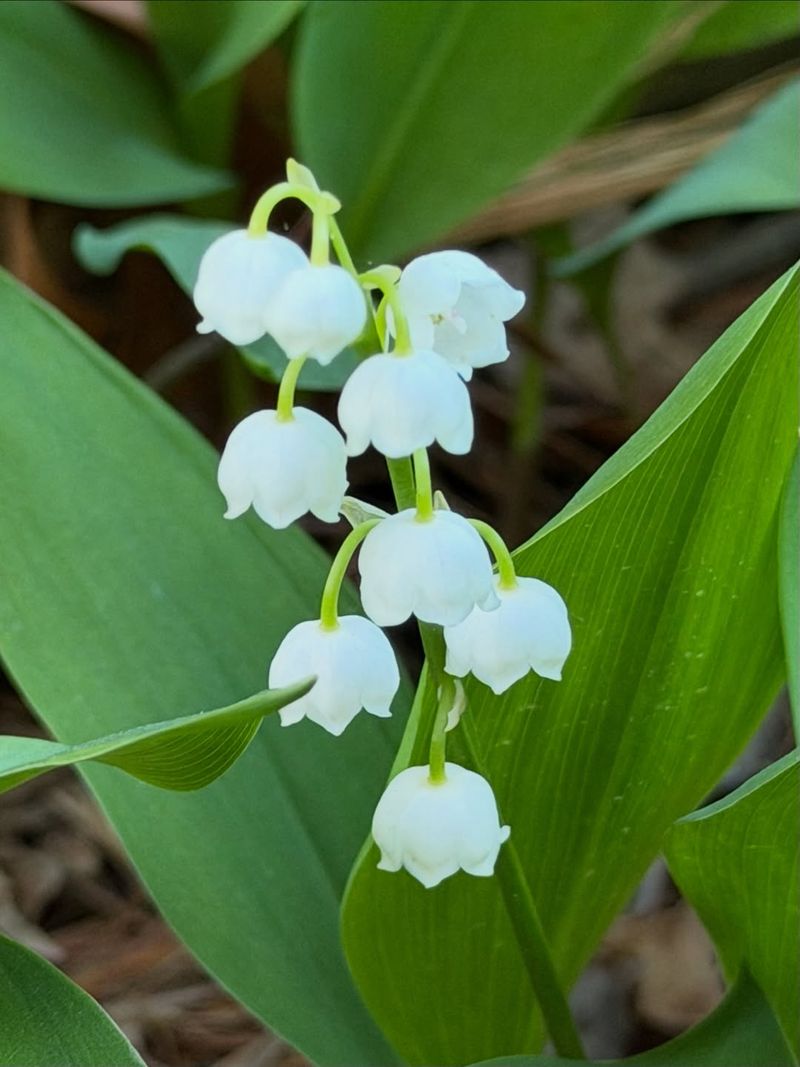
Lily of the Valley is one of the most beloved spring plants in American gardens, and it is easy to understand why.
Convallaria majalis produces those iconic small white bell-shaped flowers with a fragrance so sweet it feels like spring itself.
But beneath that charming surface, this plant has a spreading habit that many Michigan gardeners eventually find overwhelming.
It spreads through rhizomes just below the soil surface, gradually expanding outward each year until it forms dense, nearly impenetrable colonies.
In a shaded bed where you planned a mixed planting of hostas, ferns, and wildflowers, Lily of the Valley will steadily crowd out the competition and claim the entire space for itself over several seasons.
Containment is possible but requires consistent effort. Installing a deep root barrier around the planting helps slow its spread.
Regular edge trimming in spring and fall removes advancing rhizomes before they anchor further into surrounding soil.
Even with these measures, complete containment is an ongoing commitment rather than a one-time fix.
For Michigan gardeners who love the look and fragrance but want a less aggressive option, Wild Ginger or Golden Ragwort offer native alternatives with manageable spread and genuine ecological value.
Lily of the Valley is not a plant to avoid entirely, but it deserves a spot where its spreading habit is either welcome or genuinely containable, not just hopefully manageable.
8. Periwinkle
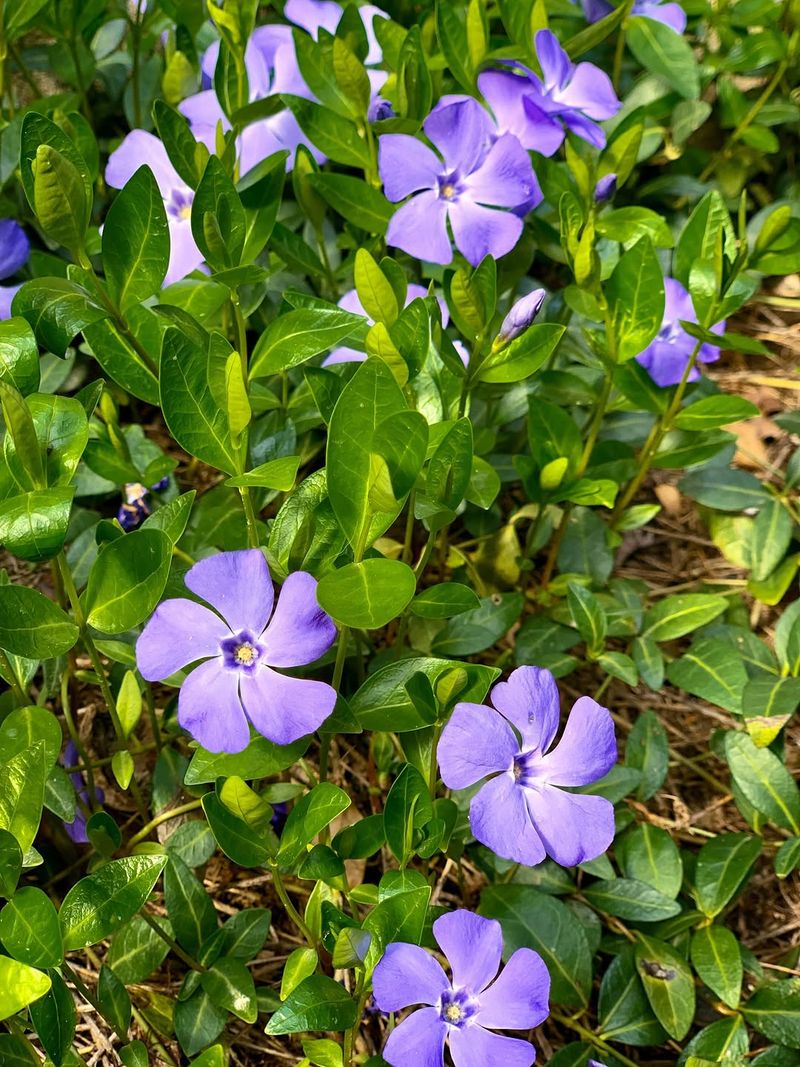
Periwinkle has been planted in Michigan gardens for generations, and it is not hard to see why.
Vinca minor stays green year-round, produces pretty blue-purple flowers in spring, and covers shaded slopes with minimal care.
For decades it was considered a reliable, low-maintenance groundcover solution. The fuller picture, though, is more complicated.
Vinca minor spreads through long trailing stems that root wherever they touch soil. In a contained bed, that spreading habit looks tidy and manageable. Along a woodland edge, it becomes a different story entirely.
Periwinkle regularly escapes cultivated areas and spreads into natural spaces, where it forms dense mats that compete directly with native spring wildflowers like trillium, bloodroot, and spring beauty.
Michigan natural areas and woodland edges have suffered real losses of native plant diversity in places where Periwinkle has escaped and established.
The Michigan Natural Features Inventory lists Vinca minor as a species of concern in natural communities, and many conservation organizations recommend avoiding it near woodland edges or natural areas for that reason.
Fortunately, strong native alternatives exist for shaded Michigan gardens.
Wild Ginger, Pennsylvania Sedge, and Barren Strawberry all provide attractive, low-growing coverage without threatening native plant communities.
If you are working near a woodland edge or natural area, swapping Periwinkle for a native groundcover is a straightforward choice that genuinely benefits the broader landscape around your garden.