How To Tell If Your California Citrus Tree Has Root Rot Before It’s Too Late
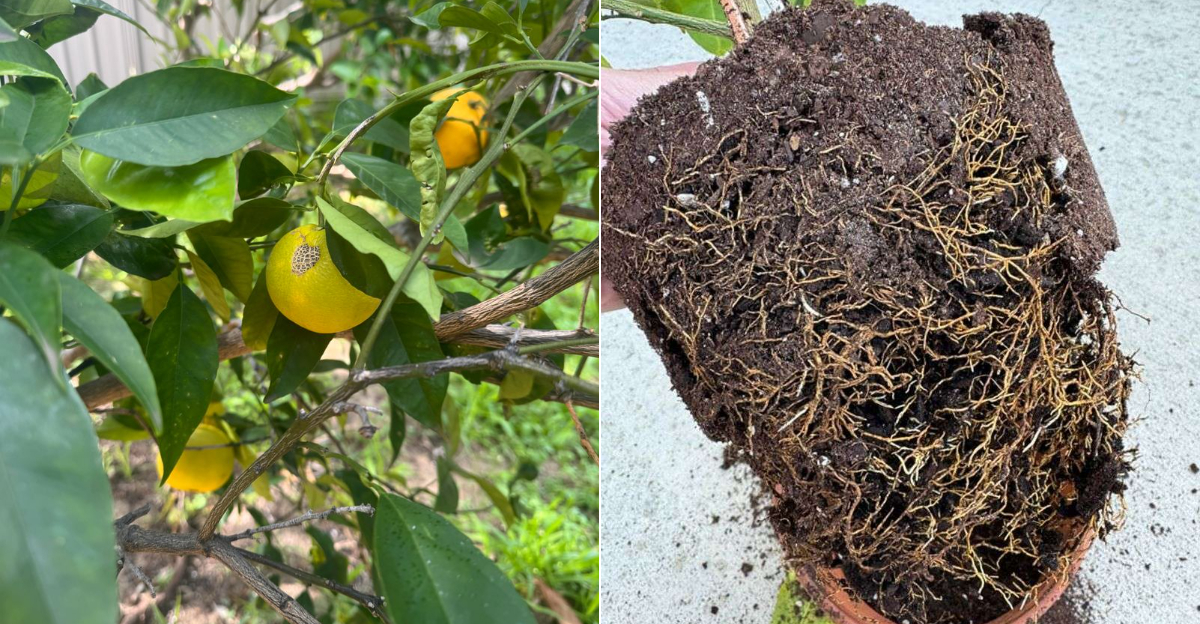
A citrus tree can look thirsty on top while the real trouble is hiding below the soil. California gardeners often notice yellow leaves, weak growth, or fruit drop and reach for more water.
That can make root rot harder to spot because the early signs can mimic drought stress. The difference is in how the tree responds.
A healthy dry tree usually perks up after a deep soak. A tree with damaged roots may keep looking tired even when the soil stays moist.
That is when it is time to look closer. Root rot can move quietly before the canopy shows clear clues.
Catching it early gives you a better chance to fix drainage, adjust watering, and protect the tree before the problem spreads too far.
1. Yellowing Leaves Can Be An Early Root-Rot Warning
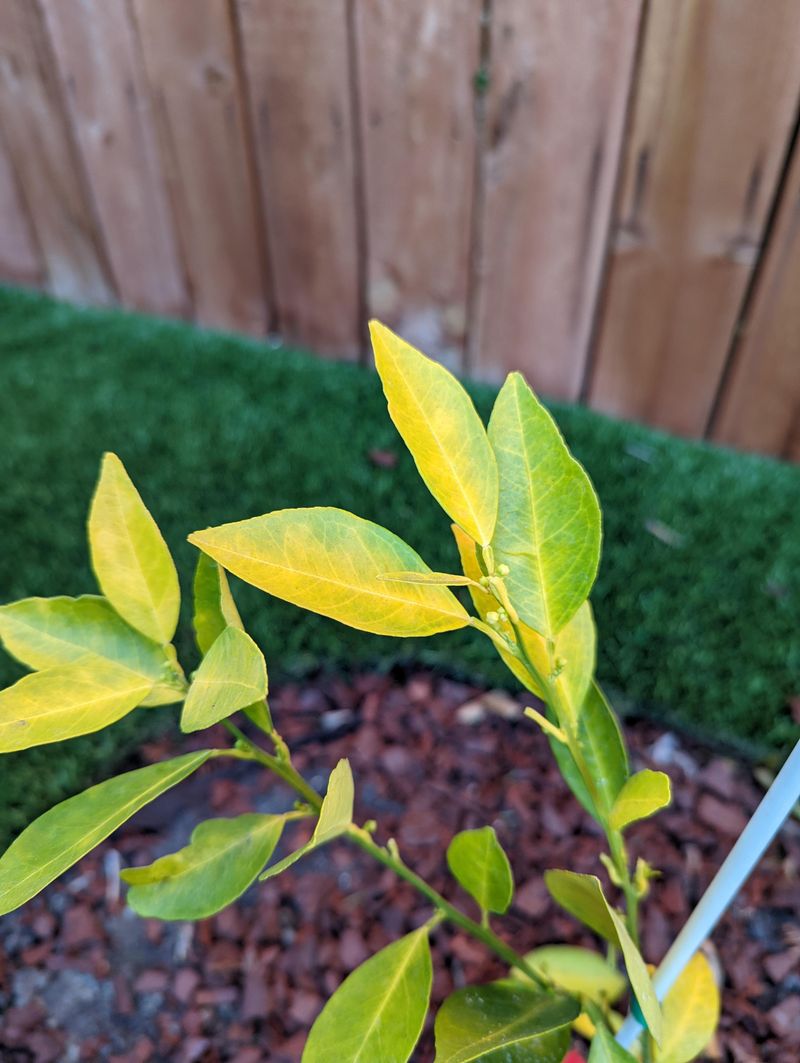
Yellow leaves on a citrus tree are easy to brush off as a minor nutrient problem. But when the yellowing spreads across many leaves at once and does not respond to fertilizer, root rot could be the real cause.
Healthy roots pull nitrogen and other nutrients from the soil. When those roots start breaking down, the tree cannot feed itself properly.
The yellowing from root rot tends to look a little different from a simple iron or nitrogen deficiency. It often affects older leaves first and may appear blotchy or uneven across the canopy.
The veins of the leaves sometimes stay green while the rest of the leaf turns pale or yellow. That pattern is a clue worth paying attention to.
If you have already added fertilizer and the leaves are still yellow, stop and check the soil moisture. Overwatering is one of the top causes of root rot in California.
Wet soil for long periods creates the perfect environment for Phytophthora to spread. Pull back on irrigation and check whether the yellowing slows down.
Also look at the overall health of the tree. Are branches thinning out? Is new growth weak or sparse?
Yellow leaves combined with those other signs point strongly toward a root problem rather than a simple feeding issue. Catching this early makes treatment much more realistic.
2. A Thinning Canopy Means Roots May Be Failing
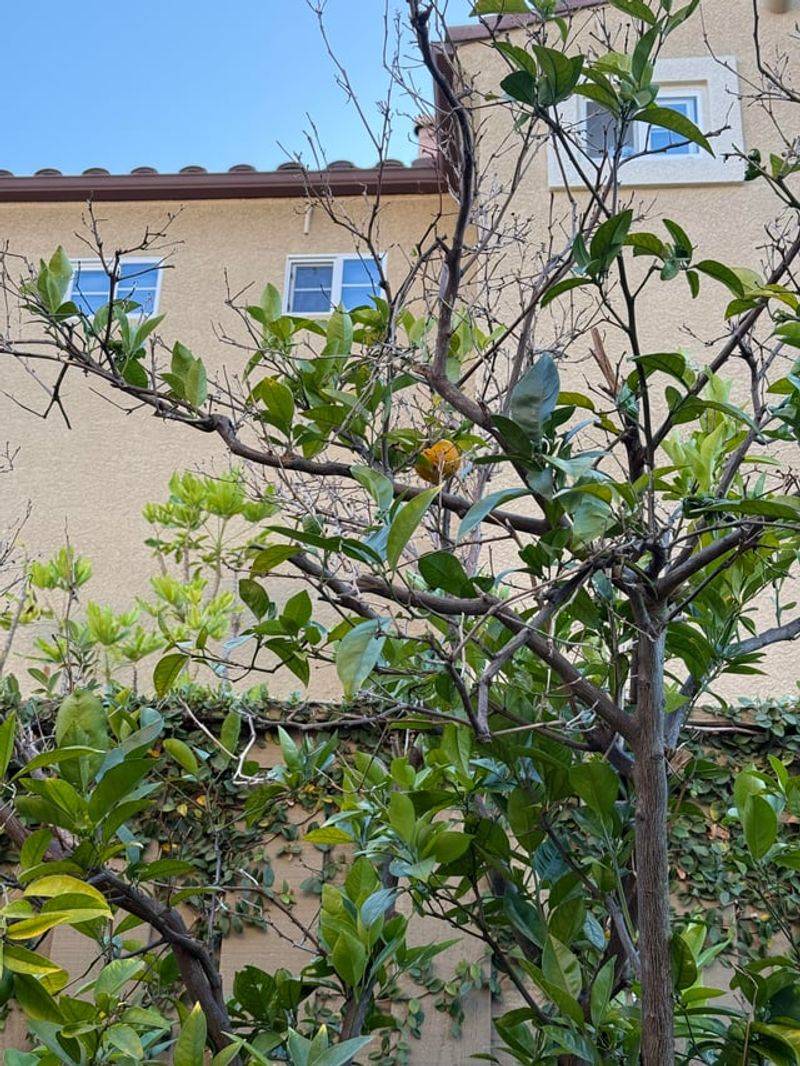
A full, lush canopy is one of the best signs that a citrus tree is thriving. When the canopy starts looking thin and patchy, something is going wrong at the root level.
Roots are responsible for delivering water and nutrients to every branch and leaf. When they fail, the upper part of the tree is the first to show it.
Thinning usually happens gradually, so it is easy to miss at first. You might notice a few bare branches here and there.
Over time, those bare spots grow larger and the overall shape of the tree looks less full. Some branches may stop producing new leaves entirely.
Others might have leaves that are smaller than usual or pale in color.
This kind of slow decline is a classic pattern with root rot. The tree is not losing its canopy all at once.
Your California Garden Changes Every Week. Your Plan Should Too.
Gardening in California changes quickly throughout the season. Every Friday you’ll receive a simple weekly plan showing exactly what to plant, prune, fertilize, harvest, and protect so you never miss the right timing.
It is losing the battle little by little as more roots get damaged. One helpful thing to do is compare photos of your tree from different seasons.
If you can see a clear change in how full the canopy looks, that is a meaningful warning sign. Pruning away any clearly bare or brittle branches can help the tree focus its limited energy.
But pruning alone will not fix the root problem. You need to address the soil conditions and drainage to give the tree a real chance at recovery.
3. Leaf Drop After Wet Soil Is A Red Flag
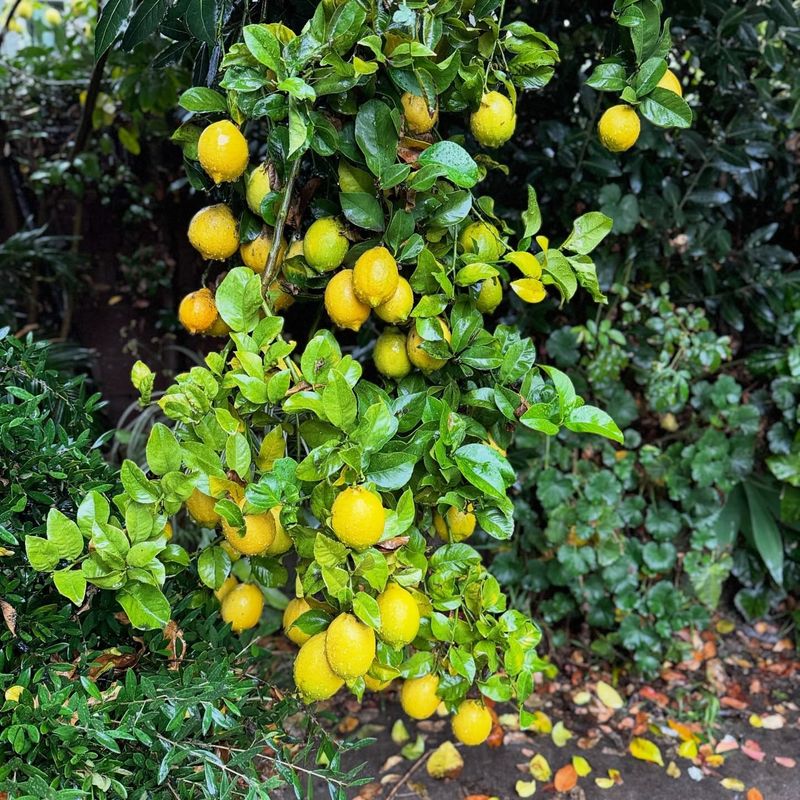
Losing a few leaves here and there is totally normal for citrus trees. But if your tree starts dropping a significant number of leaves shortly after a heavy rain or a round of deep watering, pay close attention.
That pattern is one of the clearest early signals that root rot may be developing. The timing matters a lot here.
When soil stays saturated for too long, the roots begin to suffocate. They cannot get the oxygen they need to function.
In response, the tree sheds leaves to reduce its water needs. It is a survival mechanism, but it also means the tree is already under serious stress.
Leaf drop after wet conditions is the tree telling you it cannot handle the moisture load.
Look at the leaves that fall. Are they green and still somewhat firm, or are they yellowed and limp?
Green leaf drop after watering is especially concerning because it suggests the roots are not the problem with the leaves themselves. The roots simply cannot support them anymore.
After a wet spell, walk around the base of your tree and check how quickly the soil drains. If puddles linger for more than a few hours, drainage is poor.
Poor drainage is the main driver of root rot in residential citrus trees across California. Fixing the drainage issue is a critical step toward stopping the rot from spreading further.
4. Small Fruit And Weak Growth Point To Root Stress
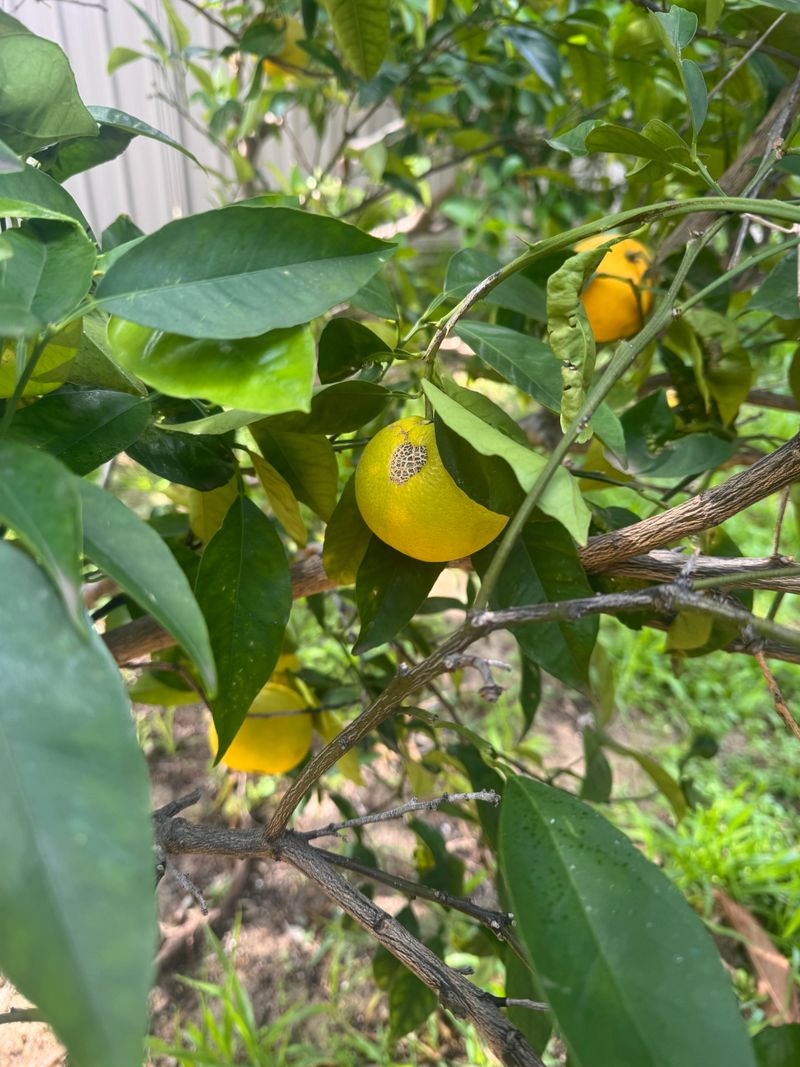
One of the more frustrating signs of root stress is a tree that simply stops performing the way it used to. Fruit gets noticeably smaller.
New growth looks weak and stunted. Branches that used to push out strong new shoots in spring barely produce anything.
This kind of decline is hard to ignore once you know what to look for.
Roots affected by rot cannot deliver the level of nutrition and hydration that a fruiting tree demands. Producing fruit takes a tremendous amount of energy.
When the root system is compromised, the tree pulls back. It puts less into fruit development and less into pushing out new growth.
The result is a tree that looks like it has just given up on being productive.
California gardeners often assume small fruit means the tree needs more fertilizer. Sometimes that is true.
But if fertilizing does not bring improvement within a season, the problem likely runs deeper than nutrition. Check whether the fruit is also dropping early or failing to ripen fully.
Those are additional signs of root stress. Also note the color of new leaves when they do appear.
Pale or yellowish new growth on top of small fruit is a strong combined signal. Together, these symptoms paint a picture of a root system that is struggling to keep up with the tree’s demands.
Acting quickly at this stage can still make a real difference in the tree’s recovery.
5. Wilting Despite Moist Soil Should Worry You
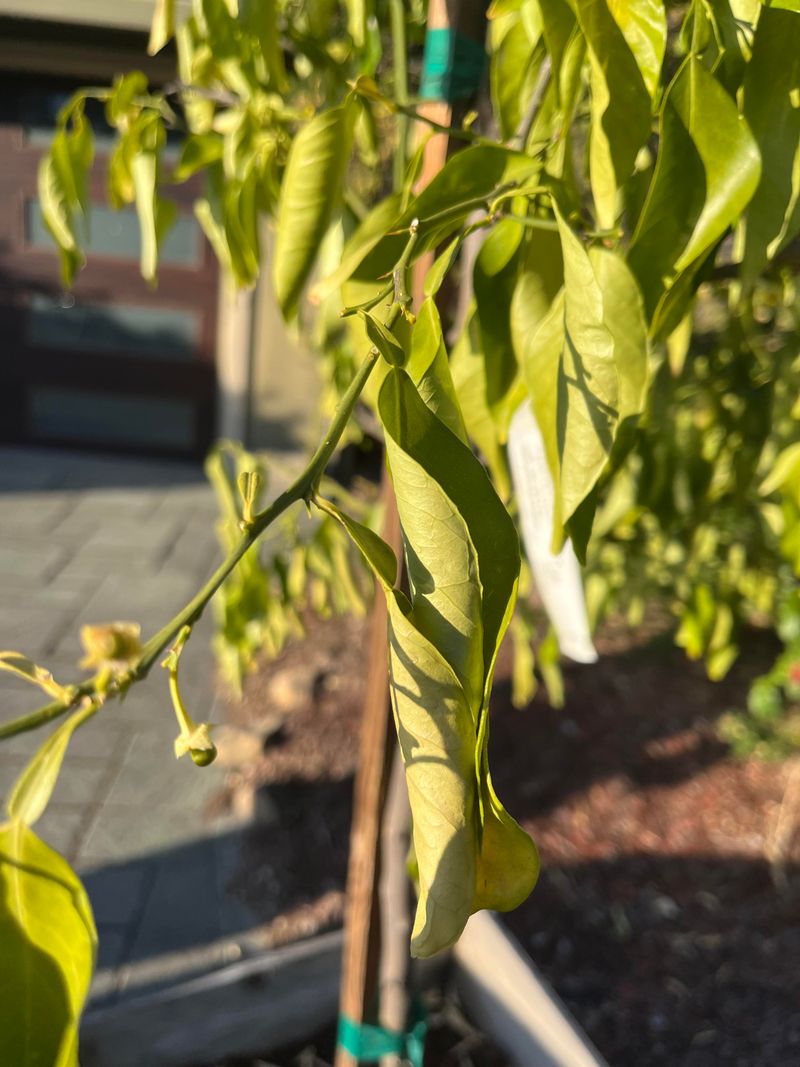
Wilting usually means a plant is thirsty. So when you see a citrus tree wilting and the soil around it is clearly moist, that is a genuinely alarming situation.
It means the tree is not able to pull water up from the soil even though the water is right there. That disconnect points directly to damaged roots.
Healthy roots absorb water through tiny structures called root hairs. When Phytophthora attacks, it destroys these fine roots first.
The bigger, structural roots may still look okay for a while, but the fine feeding roots are gone. Without them, the tree cannot uptake moisture no matter how much water is in the ground.
The leaves wilt because they are not getting what they need.
Many well-meaning California gardeners make this situation worse by adding more water. They see wilting and assume the tree is dry.
But adding water to already saturated soil creates a worse environment for root rot to thrive. If your tree is wilting and the soil feels damp, stop irrigating right away.
Let the soil dry out before watering again. Then check the roots if you can.
Gently dig a small area near the drip line and look at the feeder roots. They should be white and firm.
If they are brown, mushy, or falling apart, root rot has already taken hold. That is the moment to start treatment without delay.
6. Soft Or Black Feeder Roots Confirm The Problem
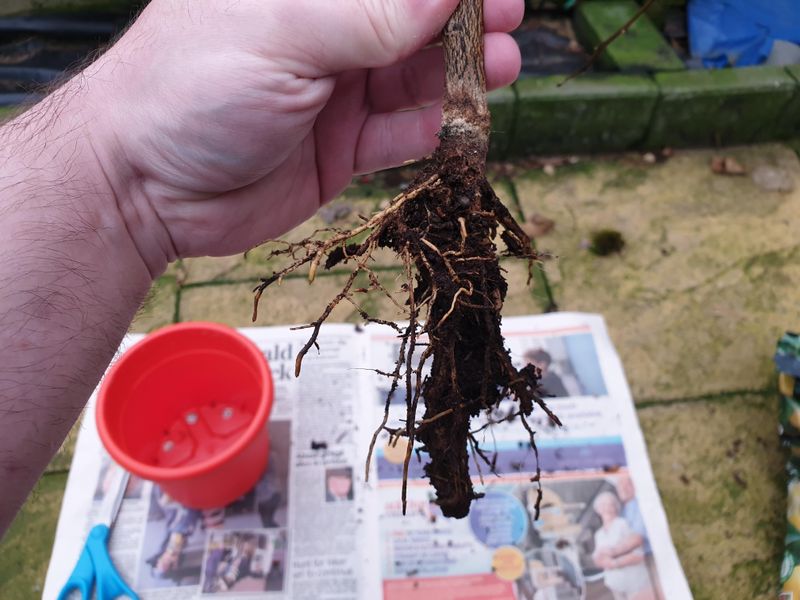
There is no more direct confirmation of root rot than looking at the roots themselves. Healthy feeder roots are white or light tan, firm to the touch, and flexible.
Roots damaged by Phytophthora look completely different. They are brown or black, soft, and they often fall apart when you touch them.
The contrast is striking once you know what you are comparing.
To check, use a hand trowel and carefully dig a small area about a foot or two away from the trunk, near the drip line. This is where most of the active feeder roots grow.
You do not need to dig deep. Most feeder roots live in the top twelve inches of soil. Scoop out a small amount of soil and look at what comes up with it.
If the roots you find are mostly dark and mushy, root rot is confirmed. The extent of the damage will help you decide how to respond.
If only a small portion of the roots look affected, there is a reasonable chance the tree can recover with proper care.
Improve drainage, reduce watering, and consider applying a copper-based fungicide or a product specifically labeled for Phytophthora.
If the vast majority of roots are already rotted, recovery becomes much harder. Either way, knowing for certain what you are dealing with is better than guessing.
This simple check can save you a lot of time and help you make the right decision fast.
7. Gumming Near The Trunk Can Signal Phytophthora Trouble
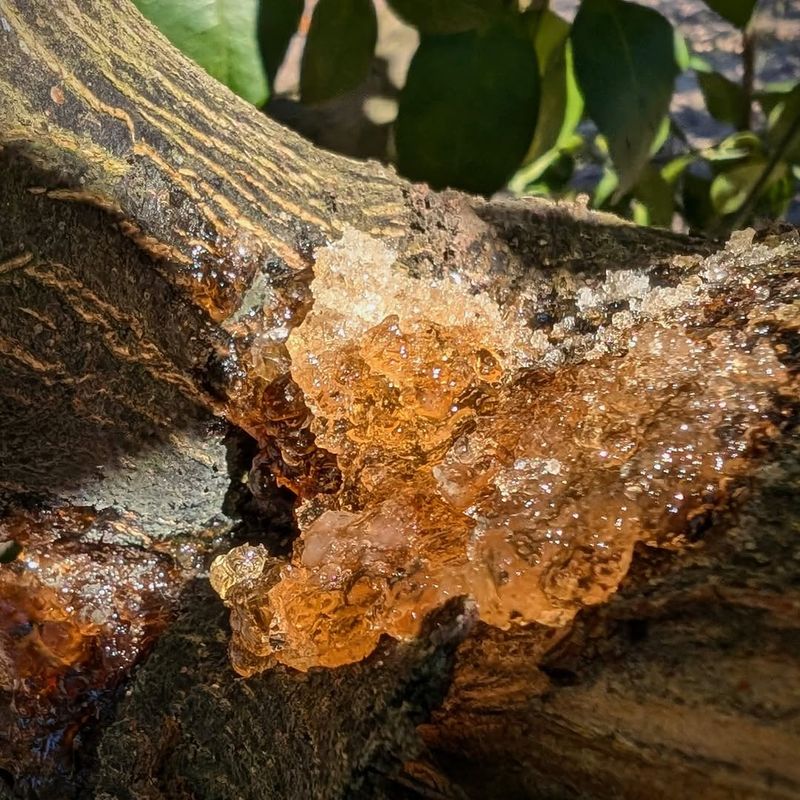
Gummosis is the term used when a tree oozes a thick, sticky, gum-like substance from its trunk or bark. In citrus trees, this is one of the most recognizable signs of Phytophthora infection.
The gum is usually amber or brown in color and may harden over time. It often appears near the base of the trunk, right around the crown and root zone.
The gumming happens because the tree is trying to respond to infection. As Phytophthora attacks the bark and the tissue beneath it, the tree produces this resin as a kind of defense.
But the gum itself is not the real problem. It is a symptom of the damage happening underneath.
If you peel back a small piece of bark near the gumming, you may see dark, water-soaked tissue beneath. That discolored tissue is a sign that the infection is active.
Not all gumming means root rot. Physical damage, sunburn, or other infections can also cause it.
But gumming combined with poor drainage, wet soil, and the other symptoms in this list is a strong indicator of Phytophthora. One important thing to avoid is piling soil or mulch against the trunk.
Keeping moisture in contact with the bark for long periods creates the exact conditions this pathogen loves. Keep the base of the trunk dry and clear.
That simple habit goes a long way in preventing this kind of infection from getting started in the first place.
8. Poor Drainage Makes Root Rot More Likely
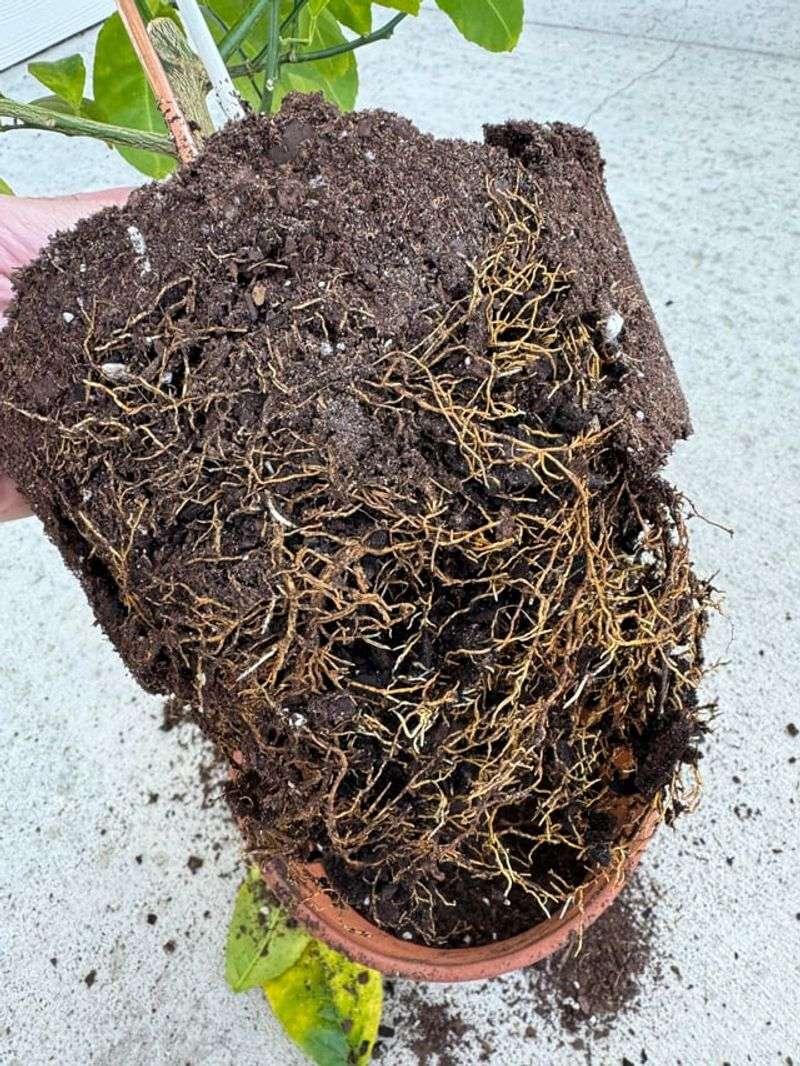
Soil that does not drain well is practically an invitation for root rot. Phytophthora is a water mold, and it needs wet, oxygen-poor conditions to spread.
When water sits in the root zone for hours after rain or irrigation, the environment becomes ideal for this pathogen to move through the soil and attack healthy roots.
Heavy clay soils, which are common in many parts of California, are especially prone to poor drainage. Clay holds onto water much longer than sandy or loamy soils.
If your yard has clay-heavy soil and you are growing citrus, drainage management is not optional. It is one of the most important things you can do for your tree’s long-term health.
There are several ways to improve drainage around a citrus tree. Planting on a slight mound or raised area helps water move away from the root zone naturally.
You can also amend the soil with coarse sand or organic compost to improve its texture and drainage capacity. French drains or gravel trenches around the planting area are another option for yards with serious drainage problems.
Checking your irrigation schedule is equally important. Citrus trees need deep, infrequent watering rather than frequent shallow watering.
Letting the soil dry out slightly between waterings allows roots to breathe. Good drainage habits started early are far more effective than trying to fix a drainage problem after root rot has already set in.
9. Mulch Against The Trunk Can Keep Bark Too Wet
Mulch is genuinely helpful in a California garden. It keeps soil temperatures stable, holds in moisture, and cuts down on weeds.
But there is one very common mulching mistake that can hurt citrus trees more than it helps.
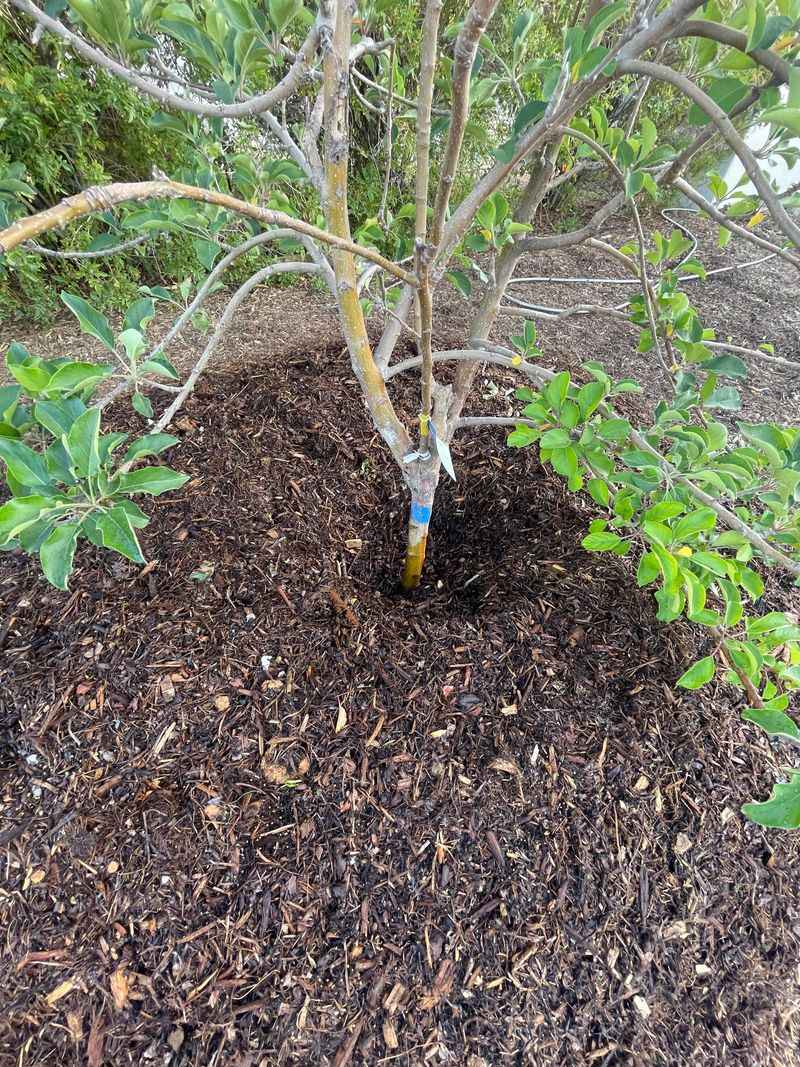
Piling mulch directly against the trunk traps moisture against the bark, and that creates a breeding ground for Phytophthora and other pathogens.
The bark near the base of a citrus tree is not designed to stay wet. It needs to dry out between rain and irrigation events.
When mulch is pressed up against the trunk, it acts like a wet sponge sitting right against the wood. Over time, the bark begins to break down.
Once that protective bark layer is compromised, infection can move in quickly and spread toward the root crown.
The fix is simple but important. Keep mulch at least six inches away from the trunk at all times.
Create a donut-shaped mulch ring around the tree rather than a volcano-shaped mound piled up against it.
The mulch should be no more than three to four inches deep and should be pulled back to leave the base of the trunk completely clear and exposed to air.
This one adjustment can make a meaningful difference in preventing moisture-related problems. It is an easy habit to build and a smart practice for any citrus grower.
Many cases of Phytophthora infection in backyard trees trace back to this one overlooked mistake.