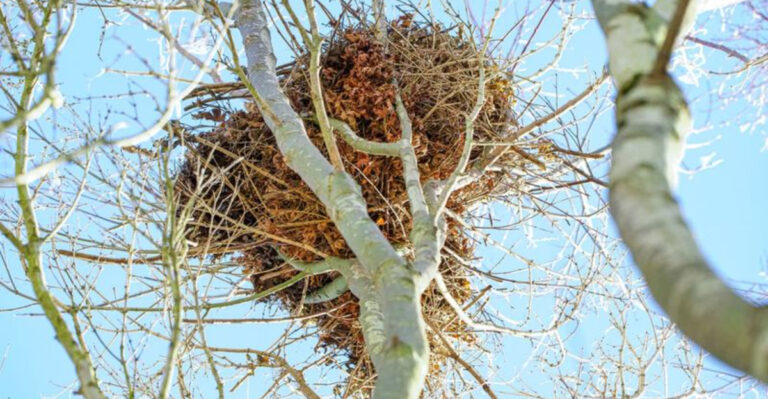
A Fox in Your Louisiana Yard Is Telling You Something About Your Property
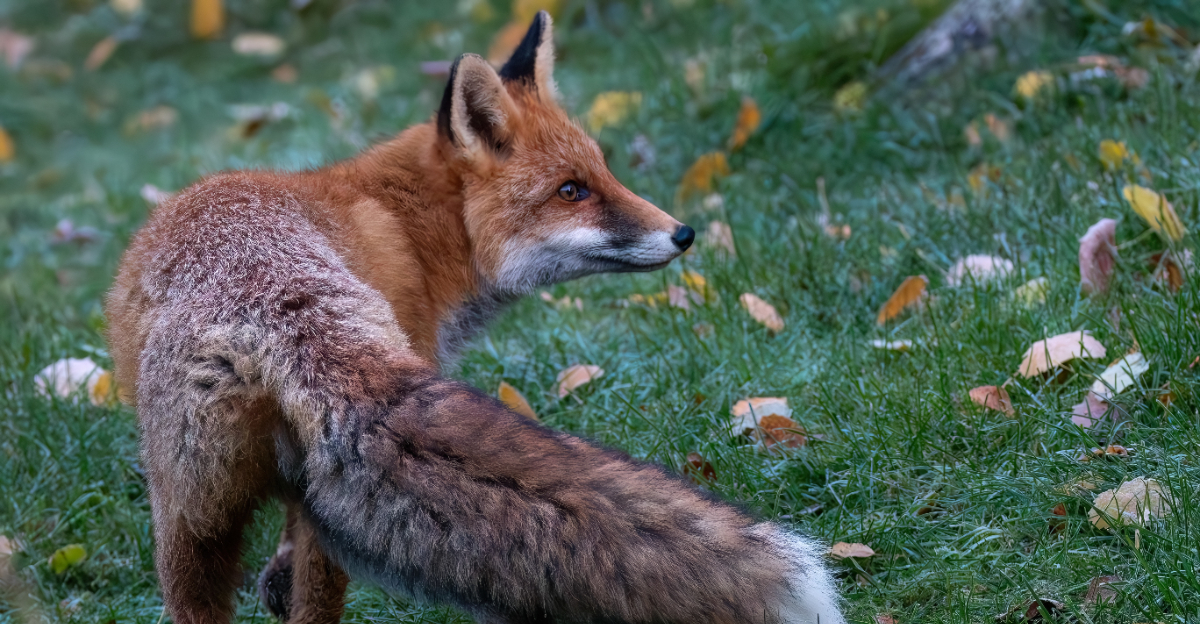
A fox does not wander into your Louisiana yard by accident. These animals are deliberate, calculated, and quietly observant, they have been watching your property far longer than you have been watching them.
By the time one finally steps out into the open, it has already decided your yard is worth the risk. That says a lot about what you have growing, what you have left out, and how your land fits into the wider territory it patrols every night.
Louisiana yards offer something most states cannot match: a layered mix of dense vegetation, mild winters, and wild food sources that keep foxes active and searching year-round.
If one has shown up in your yard, your property just made it onto the map.
That Persimmon Tree May Be Why a Fox Keeps Coming Back
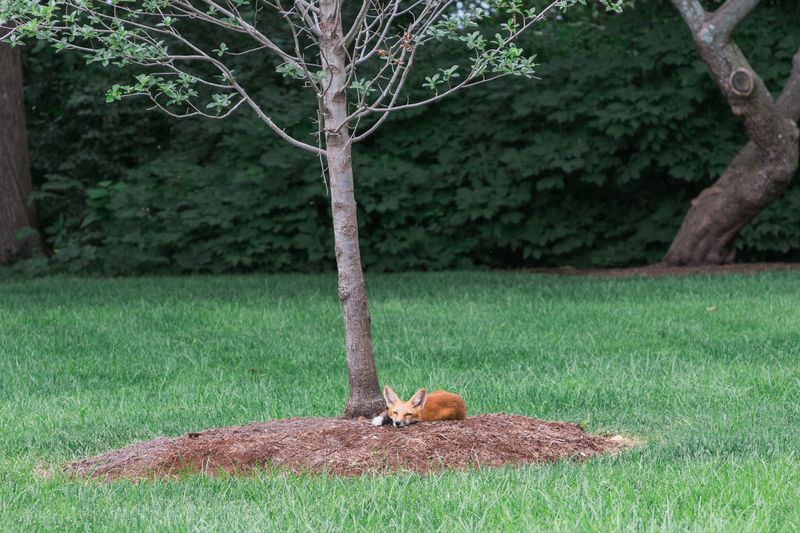
Fallen fruit is basically a fox buffet. If you have a persimmon, fig, or mulberry tree dropping ripe fruit, you have accidentally set out a welcome mat.
Foxes are opportunistic eaters, and sweet, fermenting fruit is one of their favorite snacks. They will often return to the same spot once they discover it.
Your yard is not just a yard to a fox. It is a mapped-out feeding route with reliable stops.
Persimmons are especially attractive because they ripen in fall, right when foxes are building fat reserves for cooler months. The smell of overripe fruit carries well on a humid Southern night.
Dense shrubs and low brush piles add another layer of appeal. Foxes do not just come for the food, they come for the cover, and a yard with both is hard for them to pass up.
Louisiana’s humidity and year-round greenery make that cover available in every season. A fox can move through a well-planted yard almost invisibly, which is exactly how it prefers to travel.
If you notice fox tracks near a specific tree, the tree is almost always the reason. Picking up fallen fruit regularly can reduce repeat visits without any confrontation needed.
Other food magnets include compost piles, bird feeders, and unsecured garbage cans. Any of these can turn a one-time pass-through into a nightly routine for a hungry animal.
Knowing what draws them in gives you real control. You can decide whether to clean up the attractants or simply enjoy watching a wild neighbor do what it does best.
The Difference Between A Red Fox And A Gray Fox
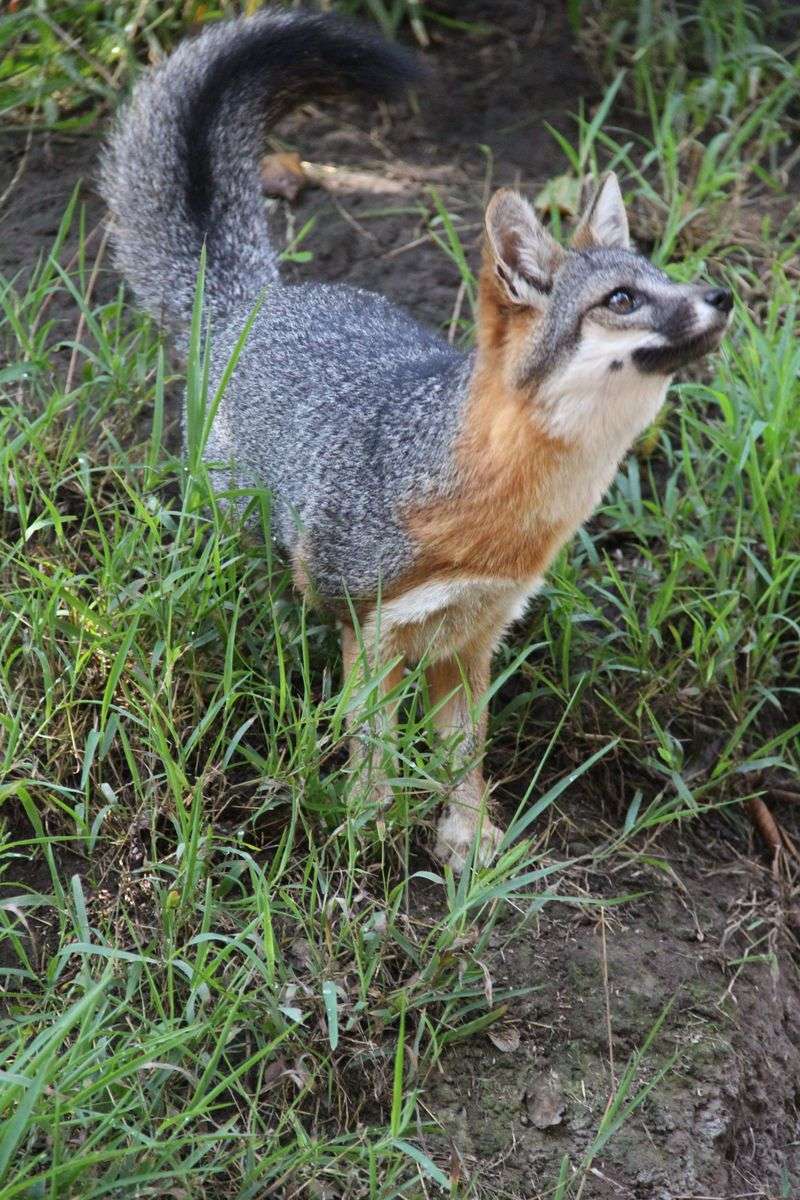
Not all foxes are the same animal. Louisiana is home to two species, and knowing which one showed up tells you a lot about your neighborhood habitat.
The red fox has a bright rusty coat, white-tipped tail, and black legs. It tends to prefer open fields, suburban edges, and areas near farms or pastures.
Red foxes were introduced to North America centuries ago and have adapted aggressively to human-altered landscapes. Seeing one near your yard often means you are close to open land or agricultural areas.
The gray fox is the native species and behaves quite differently. It is smaller, has a salt-and-pepper coat, and is the only fox in North America that can climb trees.
Your Louisiana Garden Changes Every Week. Your Plan Should Too.
Gardening in Louisiana changes quickly throughout the season. Every Friday you’ll receive a simple weekly plan showing exactly what to plant, prune, fertilize, harvest, and protect so you never miss the right timing.
Gray foxes are also more nocturnal than red foxes. You are far more likely to spot a red fox at dusk or dawn, while a gray fox tends to move under full darkness, making sightings rarer and more surprising.
Gray foxes prefer dense woods, brushy areas, and properties with mature tree cover. Spotting one means your yard likely borders good natural habitat with thick understory.
Both species are mostly harmless to humans and pets when left alone. However, gray foxes are shyer and less likely to linger in open spaces where people gather.
Identifying your visitor takes only a quick look at tail color and body size. That identification alone tells you whether your property leans more rural-wild or suburban-edge in its ecological character.
What Foxes Are Actually Doing In Your Yard
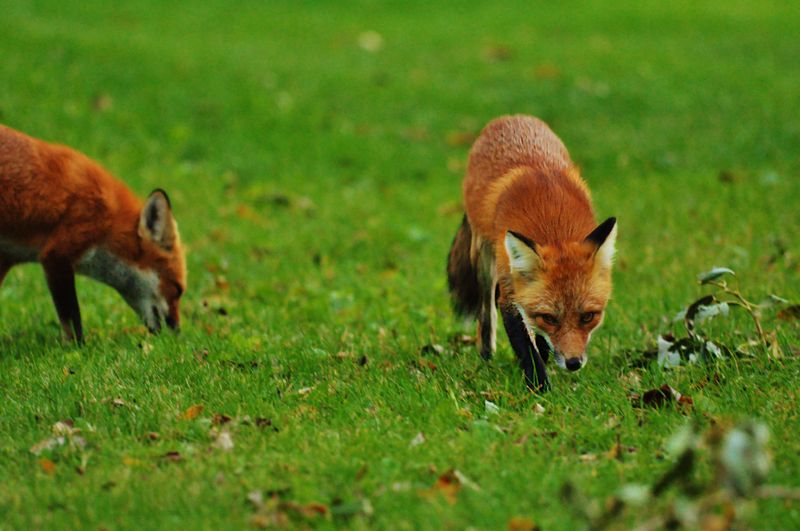
A fox is never just wandering. Every move it makes in your yard has a specific purpose tied to survival.
Hunting is the top reason foxes enter residential spaces. They are chasing rodents, voles, and insects that thrive in lawns, mulch beds, and garden edges.
If your yard has a mouse problem, a fox already knows about it. Their hearing is sharp enough to detect prey moving beneath the surface of the ground.
Foxes also scout for nesting sites during late winter and early spring. A crawl space, a gap under a shed, or a dense shrub row can look like prime real estate to a pregnant female.
Marking territory is another common behavior. You might notice a faint musky smell near fence lines or garden borders where a fox has left scent marks.
Some foxes simply pass through on established travel corridors. Your yard may sit on a path between a water source and a hunting ground, making it a regular shortcut.
Understanding fox behavior helps you see your property through a completely different lens. Every hedge, every mulch pile, and every gap in the fence is a feature, not just a detail.
How To Tell If A Fox Has Made Your Yard A Regular Stop
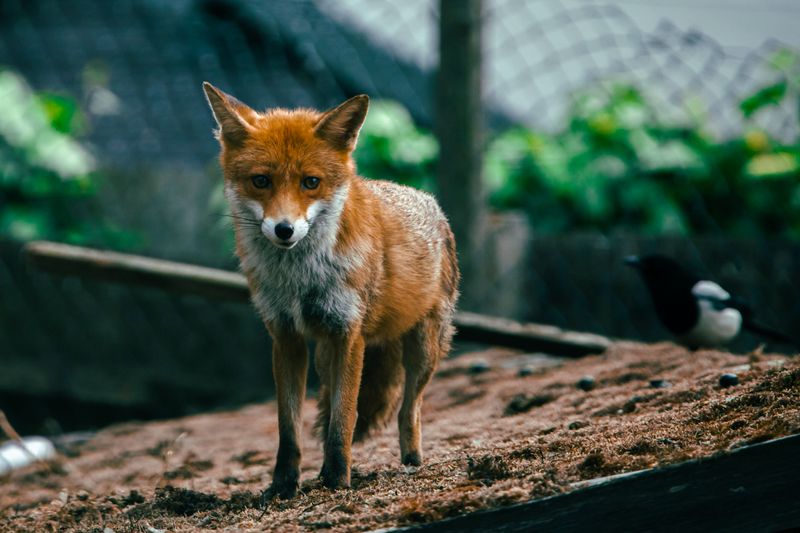
One sighting could be a coincidence. Repeated signs mean something different entirely.
Fox tracks are one of the easiest clues to spot. They look like small dog prints but are narrower, with a distinctive oval shape and tightly grouped toes.
Check soft soil near garden beds, muddy patches after rain, and the edges of any water feature. Tracks in these zones almost always mean regular visits, not random wandering.
Scat is another reliable indicator. Fox droppings are twisted at one end, often contain fur, feathers, or berry seeds, and are usually left in prominent spots like rock edges or raised mounds.
A persistent musky odor along your fence line is a strong signal. Foxes scent-mark their routes, and that smell tends to linger for several days after a visit.
Disturbed mulch, small digging patches near plant bases, and scattered feathers near the garden are additional red flags. Each of these points to a fox that is actively working your yard as part of its hunting circuit.
Once you identify the signs, you can trace the entry points and figure out what the attraction is. That knowledge puts you in charge of what happens next on your property.
When A Fox Visit Is Normal And When It Is A Concern
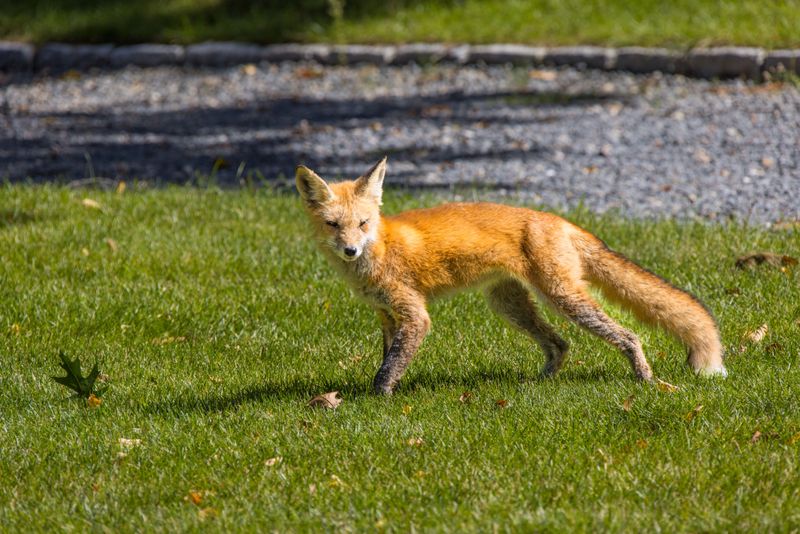
Most fox sightings are completely normal. These animals are adaptable, curious, and increasingly comfortable around human spaces across the South.
A fox moving smoothly through your yard at dusk or dawn is behaving exactly as expected. Healthy foxes are alert, move in straight purposeful lines, and startle easily when they notice you.
Daytime activity alone is not automatically a problem. Gray foxes in particular are sometimes active during the day, especially when raising pups in spring.
The warning signs are behavioral, not just timing. A fox that is stumbling, walking in circles, or showing no fear of people could be sick and should be reported to your local wildlife agency.
Aggression toward humans or pets is rare but serious. If a fox approaches without hesitation or acts disoriented, keep distance and contact Louisiana Department of Wildlife and Fisheries right away.
Healthy foxes rarely bother pets, though small animals like rabbits and toy-breed dogs are worth keeping supervised.
Knowing the difference between normal and concerning behavior makes you a calmer, smarter observer. A fox in your Louisiana yard is almost always a sign of a healthy local ecosystem, not a threat.
Simple Ways To Make Your Yard More Or Less Welcoming To Foxes
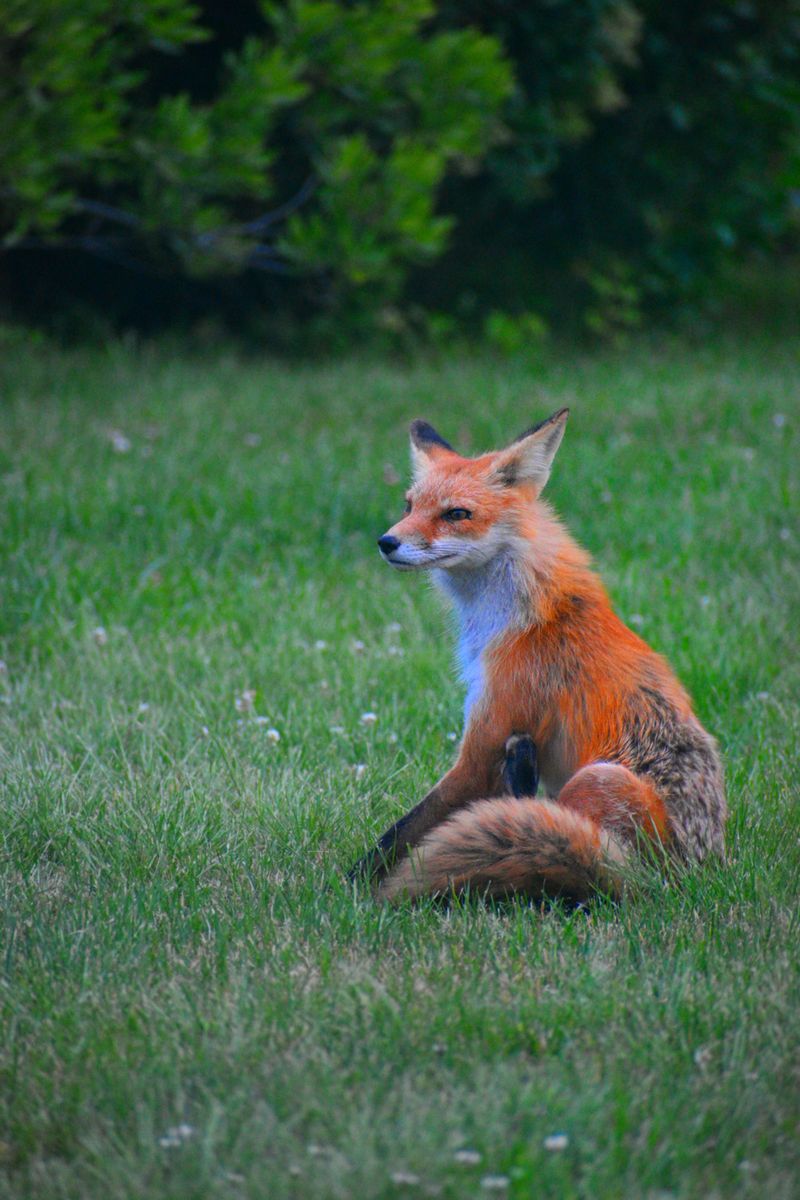
You get to decide how fox-friendly your property is. A few targeted changes can shift the dynamic completely.
Removing food sources is the fastest way to reduce visits. Pick up fallen fruit daily, secure garbage lids with bungee cords, and move bird feeders to hanging positions that scatter less seed on the ground.
Seal gaps under sheds, porches, and decks before late winter. February is when females start scouting den sites, so closing those access points early prevents a much bigger situation.
Motion-activated lights near garden beds and compost areas are a low-effort deterrent. Foxes prefer predictable, undisturbed routes, and unexpected light disrupts that comfort level quickly.
If you want foxes around for natural rodent control, do the opposite. Leave a brush pile in a back corner, let leaf litter accumulate near tree bases, and reduce lawn chemicals that wipe out the insects foxes chase.
A consistent water source like a shallow birdbath can also encourage gentle, passing visits without creating a full-time residency situation. Foxes drink frequently and appreciate reliable clean water.
Your property sends signals to every wild animal in the area. A fox in your Louisiana yard is just the messenger, and now you know how to read what it is saying.