The Underrated Georgia Native That Supports Beneficial Insects All Summer
Georgia summers are long, hot, and humid, and keeping a vegetable garden productive through all that heat takes more than just water and fertilizer.
Beneficial insects, including bees, parasitic wasps, and predatory beetles, play a quiet but important role in keeping garden pest populations in check and supporting pollination near food crops.
Many Georgia gardeners overlook the small flowering plants that can help support these helpful insects right through the hottest months.
Southern Mountain Mint is one of the more underrated Georgia natives available to summer gardeners, blooming steadily through the heat and attracting bees, wasps, beetles, and other beneficial insects consistently.
It performs best as part of a broader approach that includes diverse plantings, thoughtful pesticide use, and regular garden scouting rather than serving as a one-plant solution to pest pressure.
1. Southern Mountain Mint Blooms Through Summer Heat
Walking past a vegetable bed in late July, most Georgia gardeners notice that reliable summer bloomers are hard to find. Heat stress, drought, and humidity knock out many flowering plants before the season even peaks.
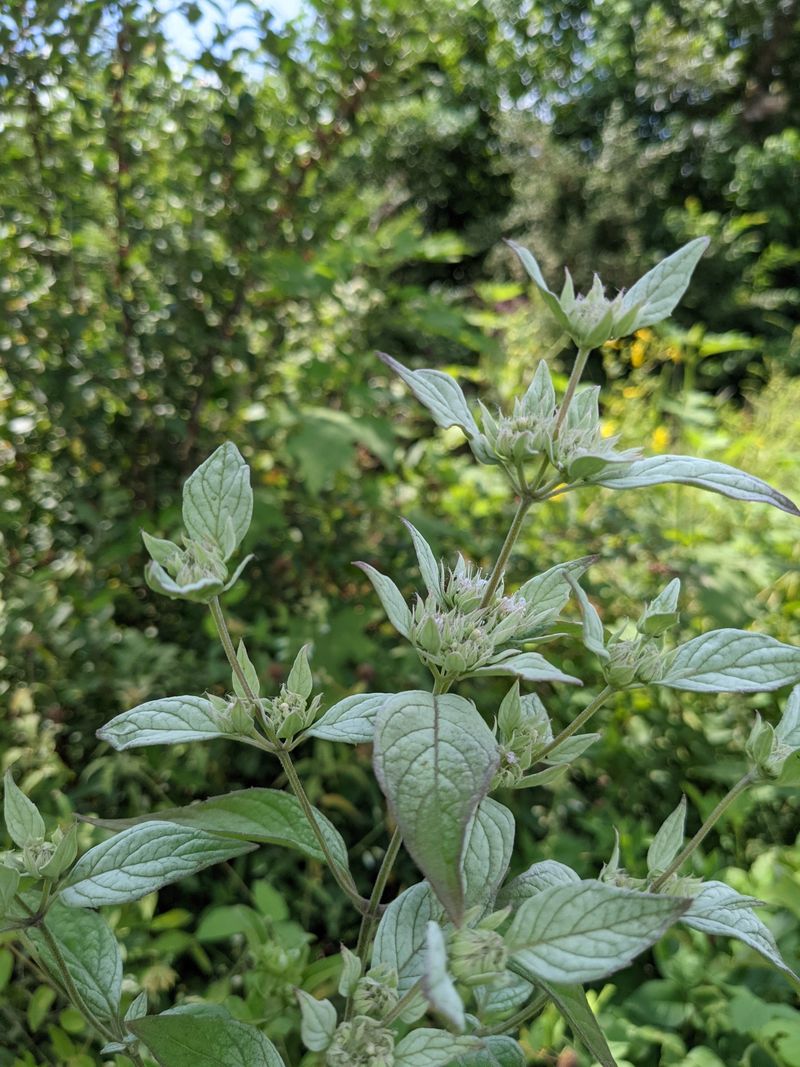
Southern Mountain Mint, known botanically as Pycnanthemum pycnanthemoides, handles Georgia summers with a steadiness that surprises many first-time growers.
Its small flowers may look modest from a distance, but they can become busy landing spots for bees, beneficial wasps, beetles, and other helpful insects.
That makes it especially useful near vegetable beds, where steady insect activity can support a more balanced summer garden.
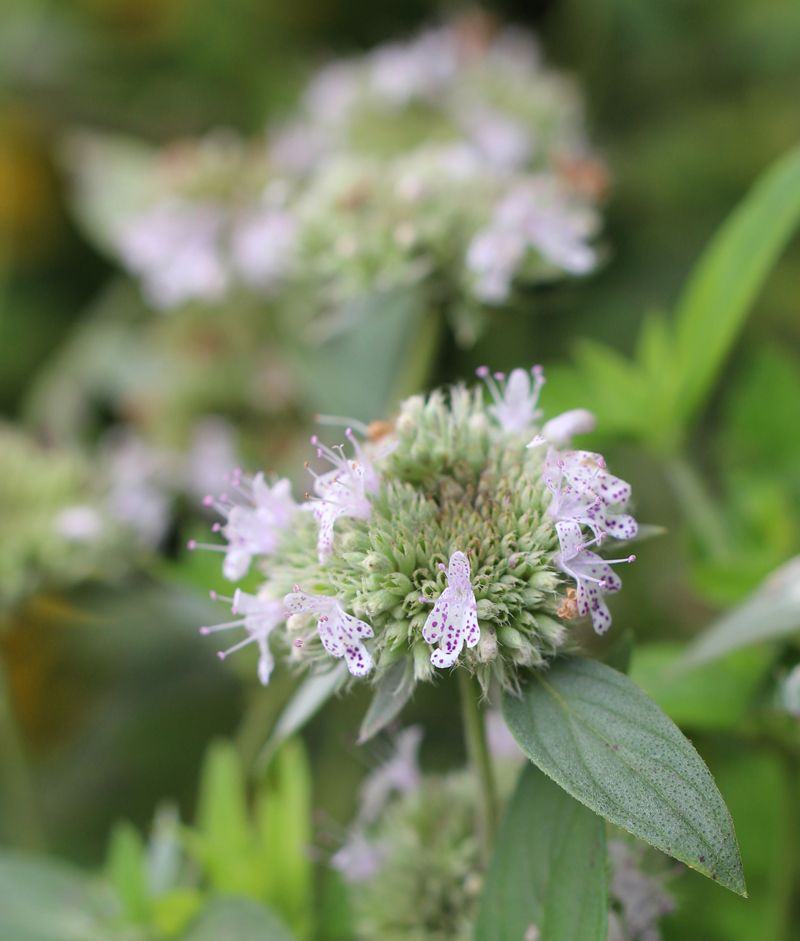
Unlike tender annuals that fade fast, this native perennial keeps pushing out clusters of small white flowers from early summer well into fall.
That long bloom window matters a great deal near vegetable gardens, where beneficial insects need consistent nectar sources throughout the growing season rather than just during a brief spring flush.
Georgia’s heat and humidity can be brutal on garden plants, but Southern Mountain Mint tolerates those conditions without much fuss.
It grows naturally in open fields, forest edges, and sunny roadsides across the state, which tells you something about its toughness.
Home gardeners in Georgia who have struggled to find a heat-tolerant native that stays in flower through August and September often find that this plant fills that gap better than most options.
The steady bloom production through the hottest part of summer is one of the main reasons it deserves more attention in Georgia vegetable and pollinator gardens.
2. Tiny Flowers Feed Many Helpful Insects
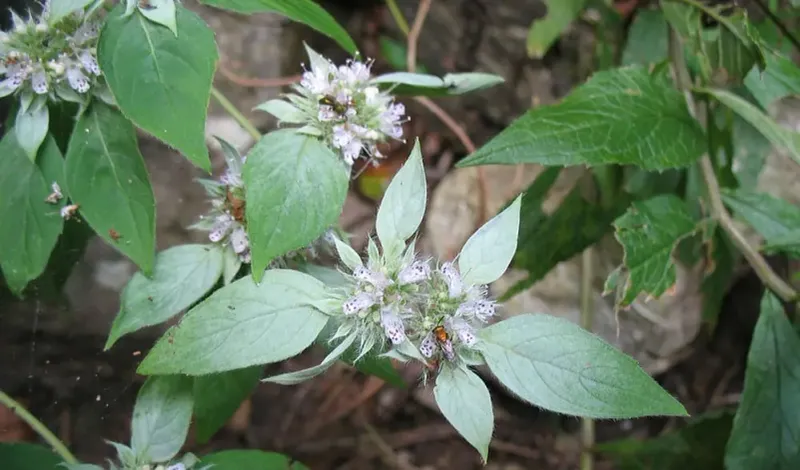
Small flowers often do more work than large showy blooms when it comes to feeding beneficial insects. Southern Mountain Mint produces dense clusters of tiny white flowers that are easy for a wide range of insects to access.
Unlike deep tubular flowers that only certain pollinators can reach, the open, shallow florets on this plant are available to insects of many sizes and types.
This makes the plant especially useful as a steady summer feeding station for the small insects that often get overlooked in busy garden beds.
That accessibility is a big deal in a Georgia vegetable garden, where you want to support as many different beneficial species as possible. Parasitic wasps, for example, are among the most helpful insects a gardener can encourage.
Your Georgia Garden Changes Every Week. Your Plan Should Too.
Gardening in Georgia changes quickly throughout the season. Every Friday you’ll receive a simple weekly plan showing exactly what to plant, prune, fertilize, harvest, and protect so you never miss the right timing.
These wasps are tiny, and they need small, open flowers where nectar is easy to reach. Southern Mountain Mint fits that need well, providing a reliable food stop for these garden helpers right through the summer months when other nectar sources may be limited.
Hoverflies, small native bees, sweat bees, and various beetles also visit the flowers regularly.
Each of these insects contributes something useful near vegetable crops, whether through pollination, predation, or parasitism of common garden pests.
Encouraging a wide mix of beneficial insect species by offering easy-to-access flowers like those on Southern Mountain Mint helps build a more balanced garden ecosystem over time.
Georgia gardeners who pay close attention often notice more insect activity around vegetables planted near this mint.
3. Bees Wasps And Beetles Visit Often
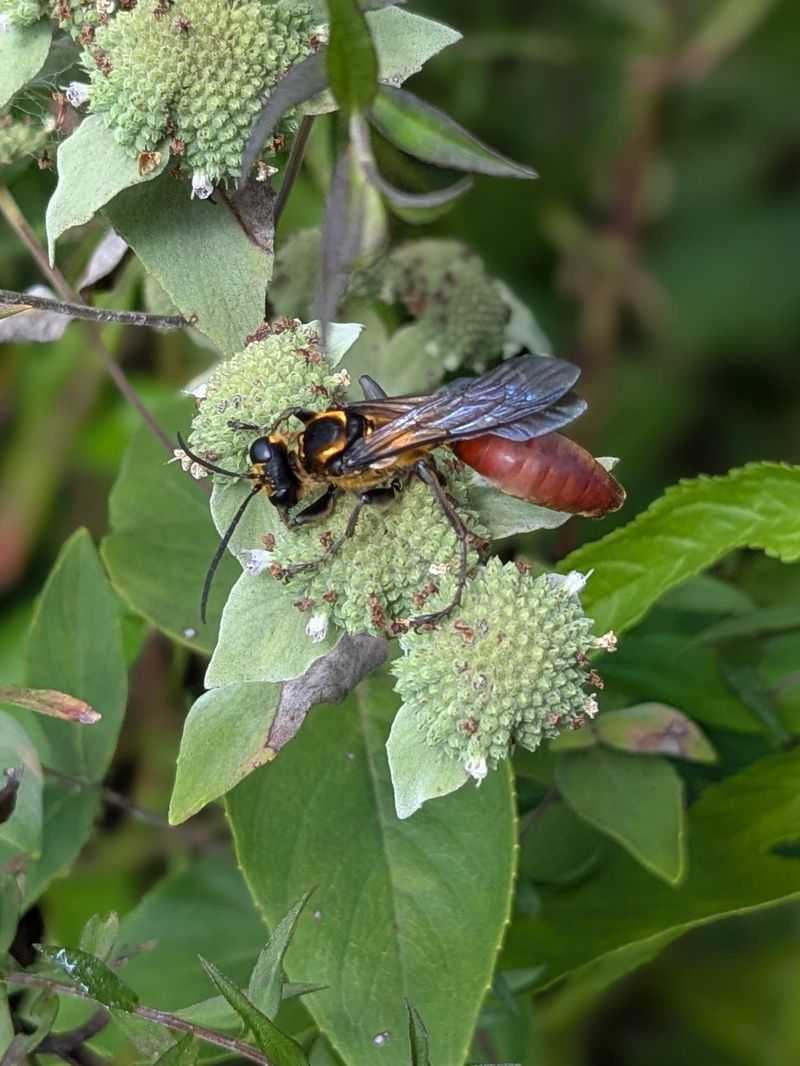
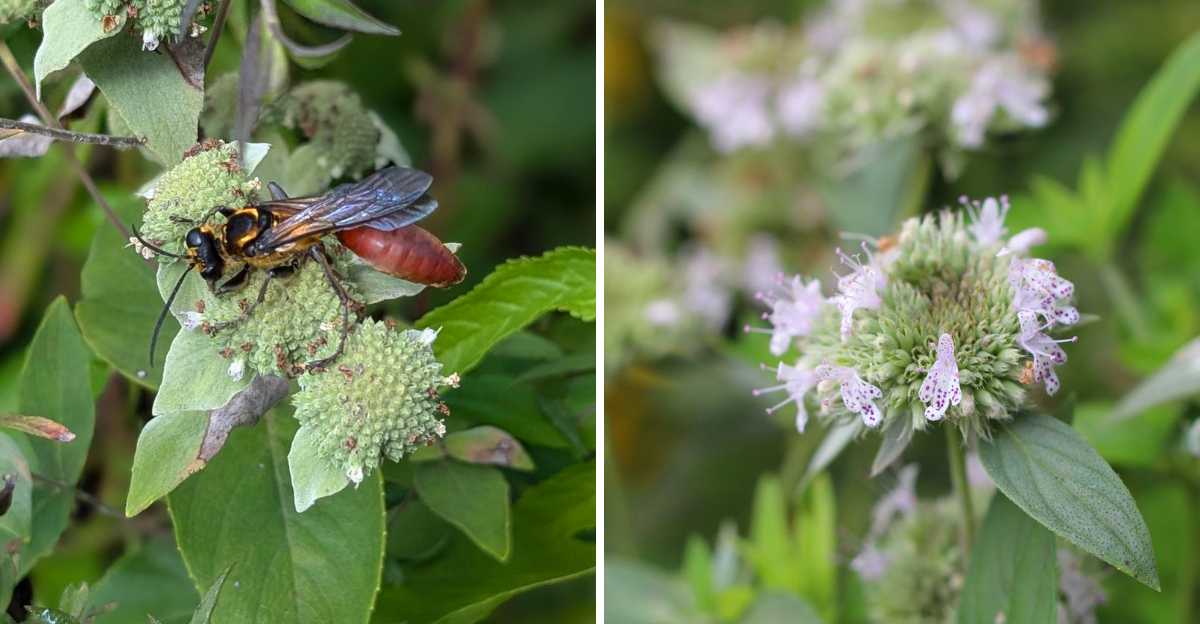
On a warm Georgia morning, a patch of Southern Mountain Mint in full bloom can look almost electric with insect activity. Bees of several species, from bumblebees to small native sweat bees, move steadily from flower cluster to flower cluster.
The plant has a well-documented reputation among native plant enthusiasts for drawing in an impressive variety of visitors.
That steady movement can make the planting feel like a small living hub at the edge of the vegetable garden.
Wasps are frequent guests too, and not the aggressive stinging types most homeowners worry about.
Many of the wasps that visit Southern Mountain Mint are parasitic or predatory species that spend their adult lives feeding on nectar and pollen while their larvae develop inside or alongside garden pests like caterpillars and aphids.
Seeing wasps on a flowering plant near your vegetable bed is often a sign that your garden ecosystem is functioning well.
Beetles round out the visitor list in interesting ways. Some beetle species that visit flowers are themselves predators of soft-bodied insects and pest eggs.
Others contribute to pollination in ways that complement bee activity.
The combination of bees, wasps, and beetles moving through a patch of Southern Mountain Mint near a Georgia vegetable garden creates a dynamic, layered insect community that can contribute to healthier crops over a full growing season.
Planting it where foot traffic is low and sun exposure is high tends to encourage the most consistent insect visits throughout summer.
4. Vegetable Gardens Gain More Insect Activity
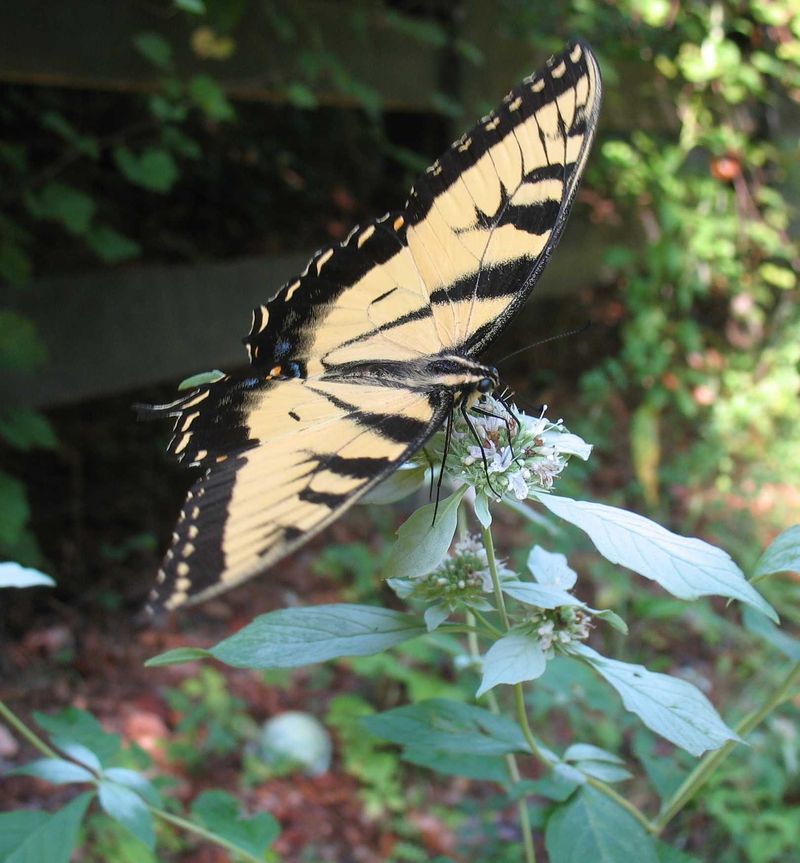
Raised beds packed with tomatoes, peppers, squash, and beans are a common sight in Georgia home gardens, but vegetable beds on their own offer relatively little to support beneficial insects.
Most food crops do not provide the consistent nectar and pollen that beneficial insects need to thrive nearby.
Adding a flowering native plant like Southern Mountain Mint along the edge of a vegetable garden can shift that dynamic noticeably.
It gives helpful insects a nearby place to refuel while they move through the vegetable beds.
Gardeners who have incorporated native flowering plants near their vegetables often report seeing more insect activity overall, including more visits from pollinators and more sightings of predatory and parasitic insects.
Southern Mountain Mint, with its long summer bloom period, keeps that activity going through the hottest part of the Georgia growing season when many other flowering plants have already finished or faded.
More insect activity near vegetable beds does not mean every pest problem disappears, but it does mean the garden has a more active and diverse insect community working within it.
A healthy mix of beneficial insects can help slow the buildup of common pests like aphids, caterpillars, and whiteflies when combined with regular scouting and careful garden management.
In Georgia, where the growing season stretches long into fall, maintaining that insect activity through summer with a plant like Southern Mountain Mint can make a noticeable difference in how the garden performs from midsummer onward.
5. Minty Foliage Adds Garden Interest
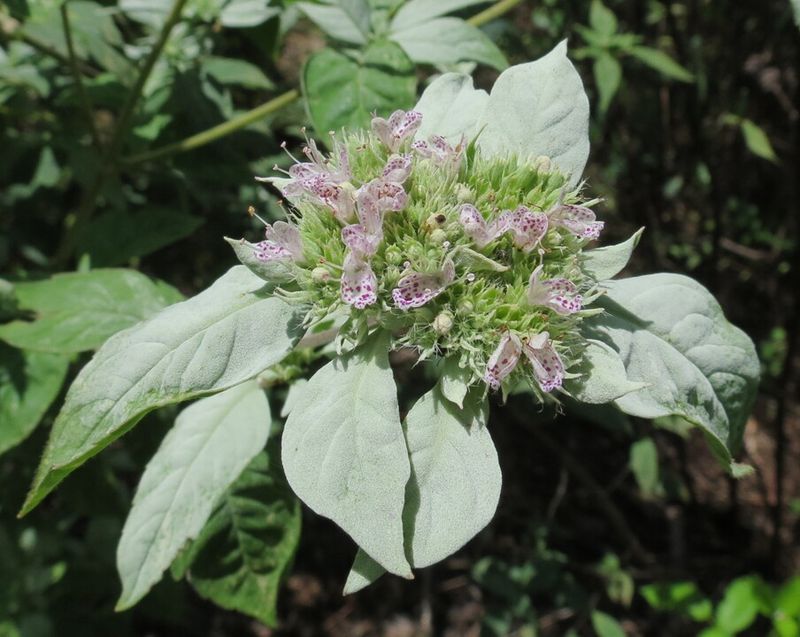
Beyond its insect-supporting qualities, Southern Mountain Mint brings some genuine visual appeal to a garden. The foliage has a soft, silvery-green appearance that stands out against the darker greens of most vegetable plants and garden herbs.
When sunlight hits the leaves in the morning, the subtle sheen gives the plant a fresh, clean look that works well in mixed borders.
Its pale flower clusters add another light, airy detail that helps soften the heavier texture of many summer vegetables.
Brush against the foliage and you will notice a strong, pleasant minty fragrance. That scent is one of the reasons many gardeners enjoy planting it near garden paths, herb beds, or the edges of raised vegetable beds where people walk by regularly.
The aromatic quality adds a sensory layer to the garden that goes beyond what most purely functional plants offer.
In Georgia, where summer gardens can start to look tired and overgrown by August, the silvery foliage of Southern Mountain Mint provides a visual break that keeps the planting looking lively.
It mixes well with other native plants, herbs, and pollinator-friendly perennials, and its upright but somewhat bushy habit fills in gaps in a border without overwhelming neighboring plants.
Gardeners who appreciate both function and form in their plantings tend to find this native a satisfying addition.
It earns its spot not just by feeding insects but also by contributing texture, fragrance, and a tidy seasonal presence throughout the long Georgia growing season.
6. Sunny Edges Make A Useful Planting Spot
Finding the right spot for any new plant can feel like a puzzle, but Southern Mountain Mint is fairly straightforward about what it wants. Full sun to light partial shade suits it well, and it tends to establish most successfully in well-drained soils.
In Georgia, where heavy clay soils are common in many yards, amending the planting area or choosing a naturally well-drained spot along a sunny edge can help the plant settle in more easily.
Sunny border edges, fence lines, and the outer margins of raised bed areas are often underused spaces in home gardens.
These spots get good light, tend to have better air circulation than the interior of a bed, and are close enough to vegetable crops that beneficial insects attracted to the mint flowers can easily move into the food garden.
Placing Southern Mountain Mint in these transitional zones makes practical sense for Georgia gardeners who want to support insect activity near their vegetables.
Once established, this native perennial handles Georgia’s summer heat and humidity reasonably well without requiring constant attention.
Moderate watering during dry stretches helps while it is getting settled in its first season, but mature plants are generally more tolerant of dry conditions.
Giving it room to spread slightly is also worth planning for, since it can expand over time through rhizomes. Keeping that spread in check with occasional division keeps the planting tidy and manageable in a home garden setting.
7. Diverse Flowers Keep The Garden Lively
Relying on a single plant to support all the beneficial insects in a Georgia vegetable garden is a strategy with real limits.
Southern Mountain Mint is a genuinely useful native, but the most active and resilient insect communities tend to build up in gardens that offer a variety of flowering plants blooming at different times through the season.
Mixing this mint with other Georgia natives creates a richer and more supportive environment for a wider range of helpful insects.
That kind of layered planting gives the garden more than one source of nectar, pollen, shelter, and seasonal activity.
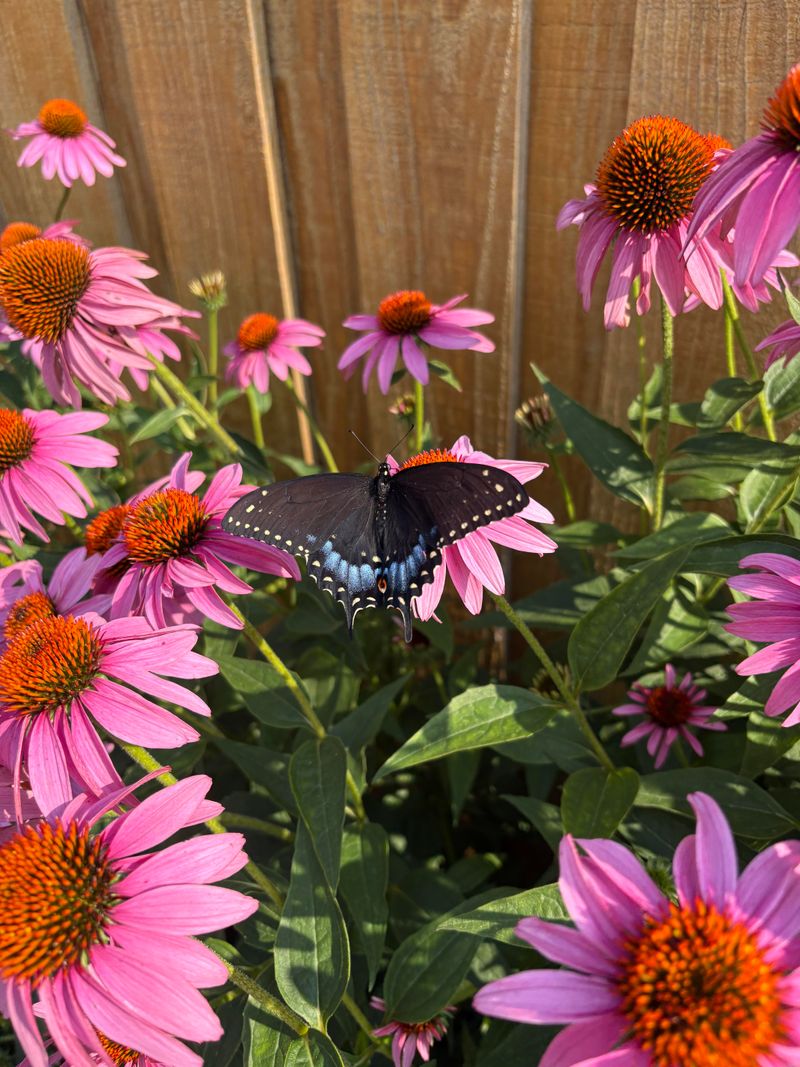
Coneflowers, black-eyed Susans, native goldenrods, and wild bergamot are among the plants that pair well with Southern Mountain Mint in a sunny Georgia garden border.
Each species attracts a somewhat different mix of insects and blooms on its own schedule, so the combination keeps nectar and pollen available across a longer stretch of the growing season.
That continuity matters for maintaining beneficial insect populations through the full arc of a Georgia summer.
Reducing pesticide use near flowering plants is just as important as the plantings themselves. Even organic or low-toxicity sprays can affect beneficial insects if applied when flowers are in bloom and insects are actively foraging.
Regular scouting for early pest buildup, hand-removing pests when possible, and timing any necessary treatments carefully are all habits that pair well with diverse flowering plantings in a Georgia garden.
Together they help keep the growing space balanced, productive, and full of beneficial insect activity right through the end of the season.