This Vermont Wildflower Spreads On Its Own And Makes Your Lawn More Beautiful
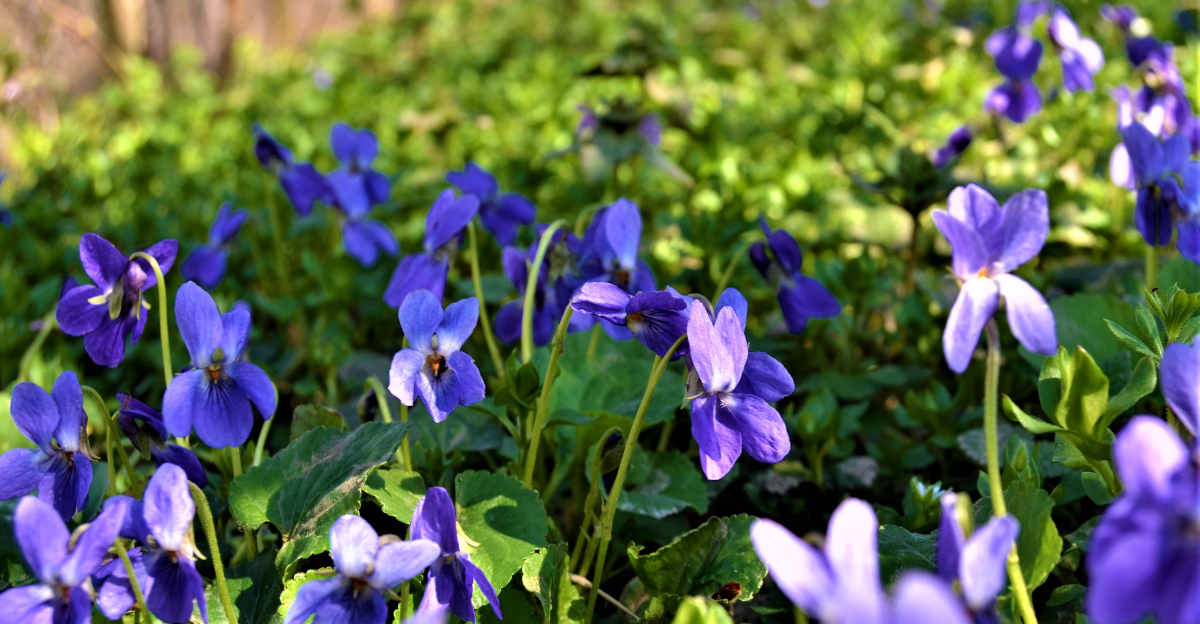
Something small and purple is moving through Vermont lawns right now, and most homeowners have no idea it is doing them a favor. It shows up uninvited, asks for nothing, and spreads on its own terms.
Every spring, people reach down and pull it out without thinking twice. That instinct might be costing them one of the most naturally beautiful lawns on the block.
This wildflower is native to Vermont and has been quietly carpeting local lawns for generations. It thrives on its own, without any help from you. It simply spreads.
And when it does, the result is a soft wash of purple across the grass that stops people mid-stride. If your first move every April is to get rid of it, it may be worth slowing down this year and taking a second look at what you actually have.
The Purple Flower Most Vermont Homeowners Pull Too Soon
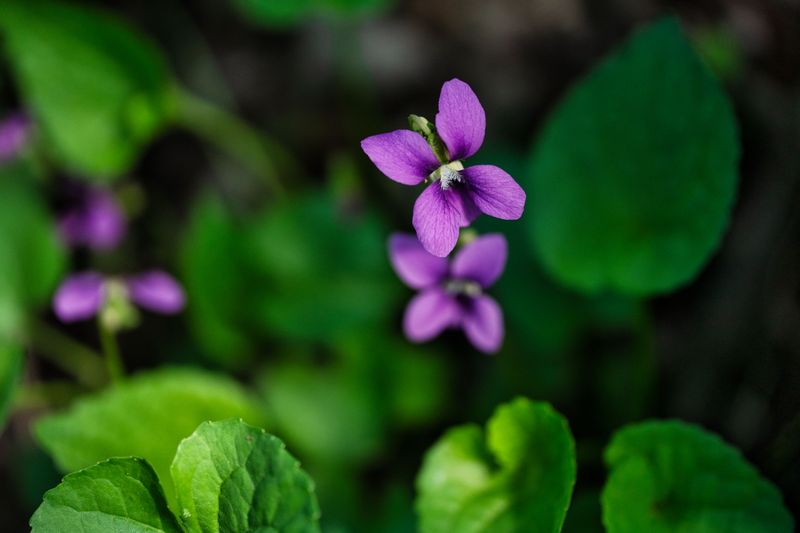
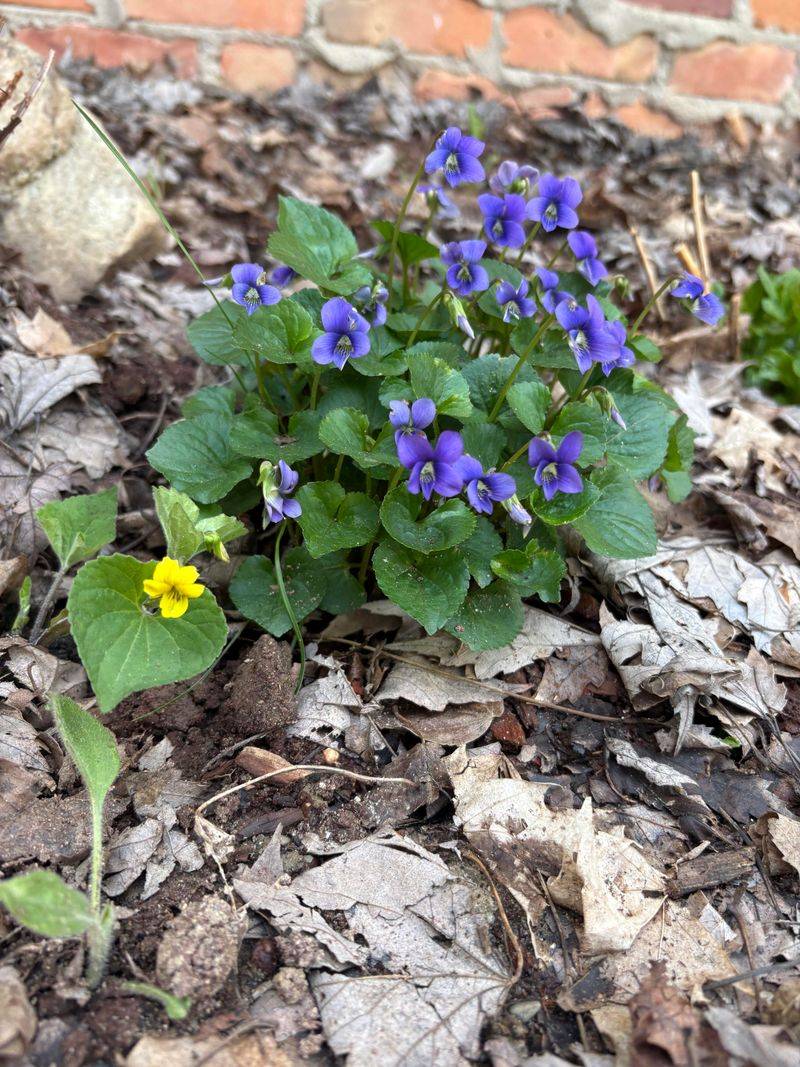
You see it, and your first instinct is to yank it out. That small purple flower hiding in your grass is wild violet, and most people treat it like a weed before giving it a fair chance.
Wild violet has been growing across New England lawns for generations. It is not some invasive newcomer trying to wreck your yard.
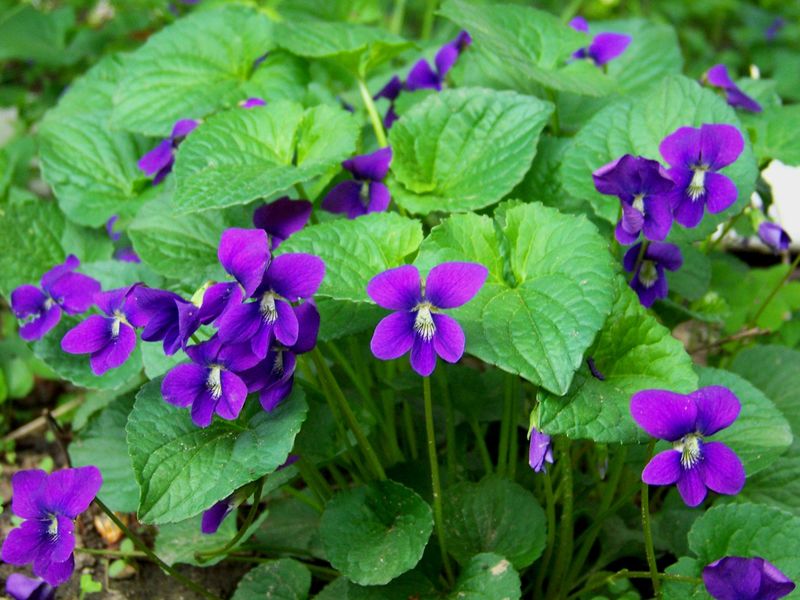
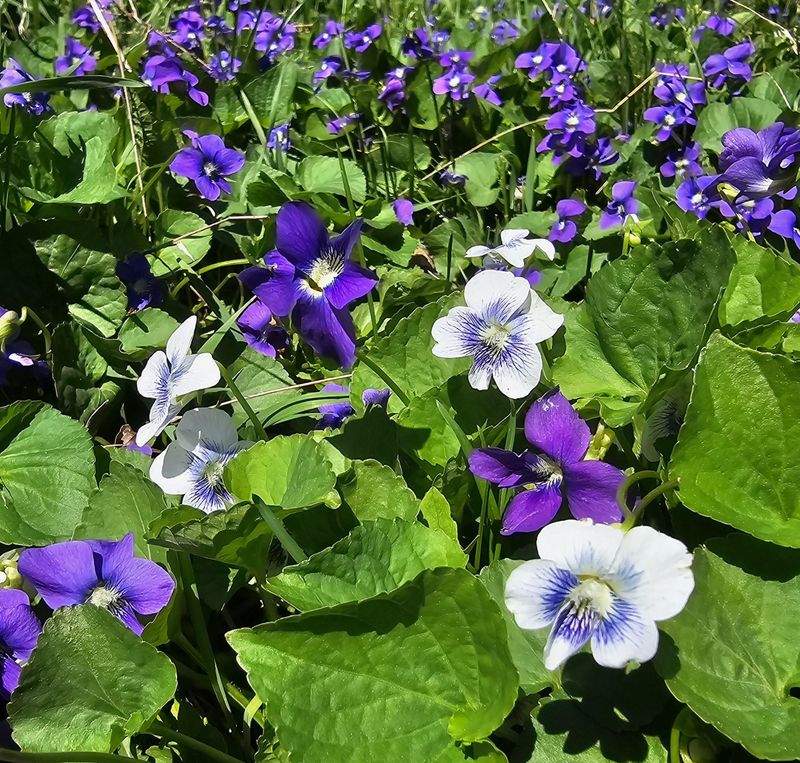
The flower blooms in shades of deep purple, soft lavender, and sometimes white. Each blossom sits on a slender stem rising just above the grass line.
Homeowners often mistake it for a common weed because it spreads without being planted. But spreading on its own is actually one of its greatest strengths.
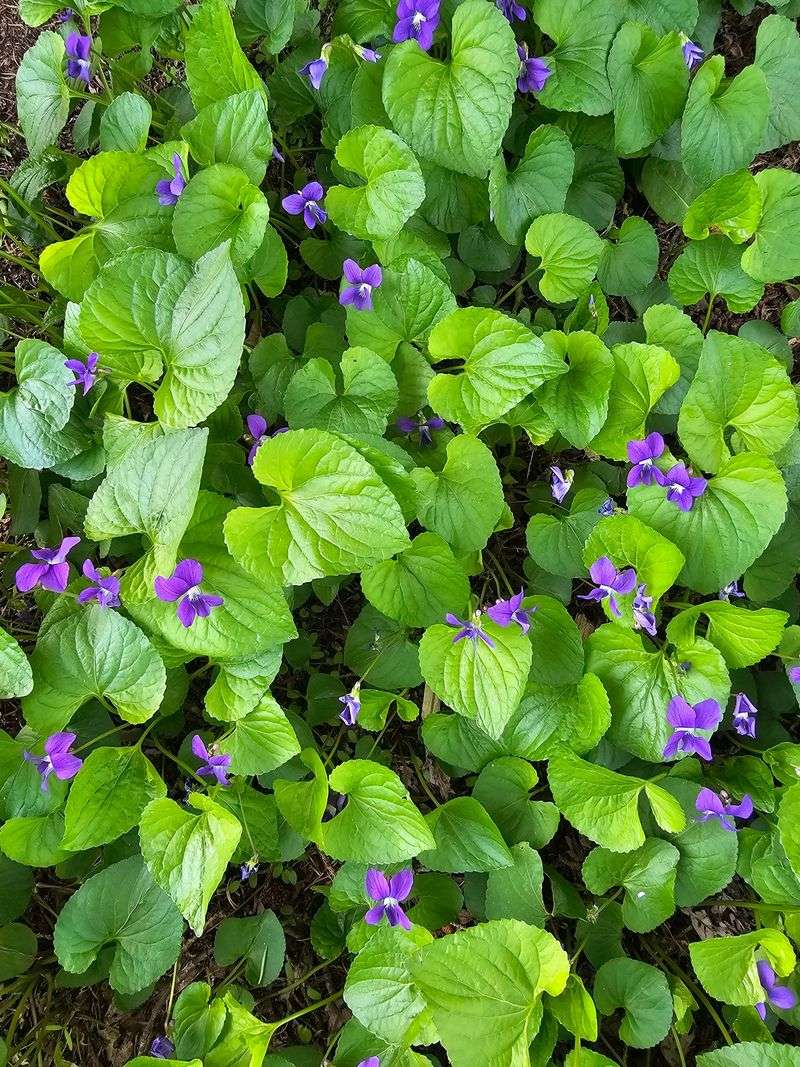
The heart-shaped leaves are dark green and stay low to the ground. They fill in bare patches that grass sometimes struggles to cover.
Pulling wild violet repeatedly can actually stress your lawn more than leaving it alone. The roots go deep, and disturbing them churns up soil unnecessarily.
Some gardeners in New England have started embracing this flower as a natural ground cover. Once you stop fighting it, your lawn starts looking more intentional and put together.
This Vermont wildflower spreads on its own and makes your lawn more beautiful without a single bag of fertilizer. Give it one season before making any decisions.
Why Wild Violet Belongs In A Vermont Lawn
Not every plant earns its place in a yard. Wild violet earns it every single spring without asking for anything in return.
Native plants are built for local conditions. Wild violet evolved alongside Vermont soil, rainfall patterns, and cold winters.
It does not need special fertilizer or weekly watering to survive. Once established, it handles spring frost and summer dry spells with ease.
Lawns that include native plants tend to stay healthier overall. They build stronger ecosystems that support insects, birds, and soil health together.
Wild violet is especially valuable because it blooms early. Most flowers are still underground when violets are already adding color to your yard.
Early pollinators like bumblebees and certain butterfly species depend on those early blooms. Without them, some insects struggle to find food after a long winter.
The plant also has a history of being used in folk medicine and cooking. Young violet leaves have historically been used in salads and folk recipes, though individual sensitivities vary.
Choosing plants that belong to your region is one of the smartest lawn decisions you can make. This Vermont wildflower spreads on its own and makes your lawn more beautiful while supporting the local habitat around your home.
A yard filled with native plants is not just pretty. It is doing quiet, important work every single day.
How Wild Violet Spreads And What That Means For Your Yard
Wild violet has a clever strategy for taking over a yard. It spreads two different ways, and both happen without any effort from you.
Above ground, the plant produces the showy purple flowers you see each spring. Those blooms attract pollinators that carry pollen from plant to plant.
Below ground, wild violet produces a second type of flower called a cleistogamous bloom. These never open at all, but they self-pollinate and produce seeds anyway.
Those hidden seeds get flung out when the seed pod dries and snaps open. A single plant can scatter seeds several feet away from where it sits.
The plant also spreads through underground rhizomes. These are root-like structures that creep sideways and send up new shoots nearby.
This double spreading system means wild violet fills in gaps faster than most ground covers. Bare spots in your lawn can disappear within one or two seasons.
For homeowners who hate patchy grass, this is genuinely good news. The plant does the repair work on its own schedule and on its own terms.
The only thing to watch is that it does not crowd out plants you actually want nearby. Keeping a small border around garden beds gives other plants room to breathe.
This Vermont wildflower spreads on its own and makes your lawn more beautiful by quietly filling every empty space with green leaves and purple color.
What Wild Violet Actually Does For Your Lawn Over Time
Most people think of wild violet as decoration. But this plant is doing a lot more than just looking good out there.
The dense leaf cover shades soil from direct sun. Shaded soil holds moisture longer, which means your lawn needs less watering during dry stretches.
Wild violet roots also help break up compacted soil over time. Compaction is one of the top reasons grass struggles to grow in heavily used yards.
As the plant grows and sheds old leaves, it adds organic matter back into the ground. That organic matter feeds soil microbes that keep your entire lawn ecosystem healthy.
The flowers feed early pollinators at a time when little else is blooming. This creates a ripple effect that benefits your vegetable garden and fruit trees nearby.
Certain butterfly caterpillars rely heavily on violet leaves. Fritillary butterflies, for example, turn to wild violet as a key food source during their larval stage.
Hosting those caterpillars means you will eventually see more butterflies floating across your yard. That is a reward that no bag of grass seed can offer.
Over several seasons, a lawn with wild violet becomes noticeably richer in texture and life. It stops looking like a flat green carpet and starts looking like a living space.
This Vermont wildflower spreads on its own and makes your lawn more beautiful by quietly building a healthier outdoor space, one growing season at a time.
How To Let Wild Violet Spread Without Losing Control Of Your Lawn
Letting a plant spread freely sounds risky. But wild violet is surprisingly manageable once you understand how it behaves.
The key is deciding early where you want it and where you do not. Creating clear boundaries saves a lot of work later in the season.
Use a simple lawn edger along garden beds and pathways. A clean edge keeps the violet on the lawn side where it belongs.
Mowing height matters more than most people realize. Keeping your mower blade at three inches or higher lets violet coexist with grass without one smothering the other.
If wild violet starts creeping into a spot you want clear, hand-pulling while the soil is moist works well. The roots come out cleanly after a good rain.
You do not need chemical herbicides to manage this plant. Consistent physical removal in problem areas is enough to keep it where you want it.
Overseeding thin grass patches in fall can also help. Thick grass naturally limits where wild violet can establish new seedlings the following spring.
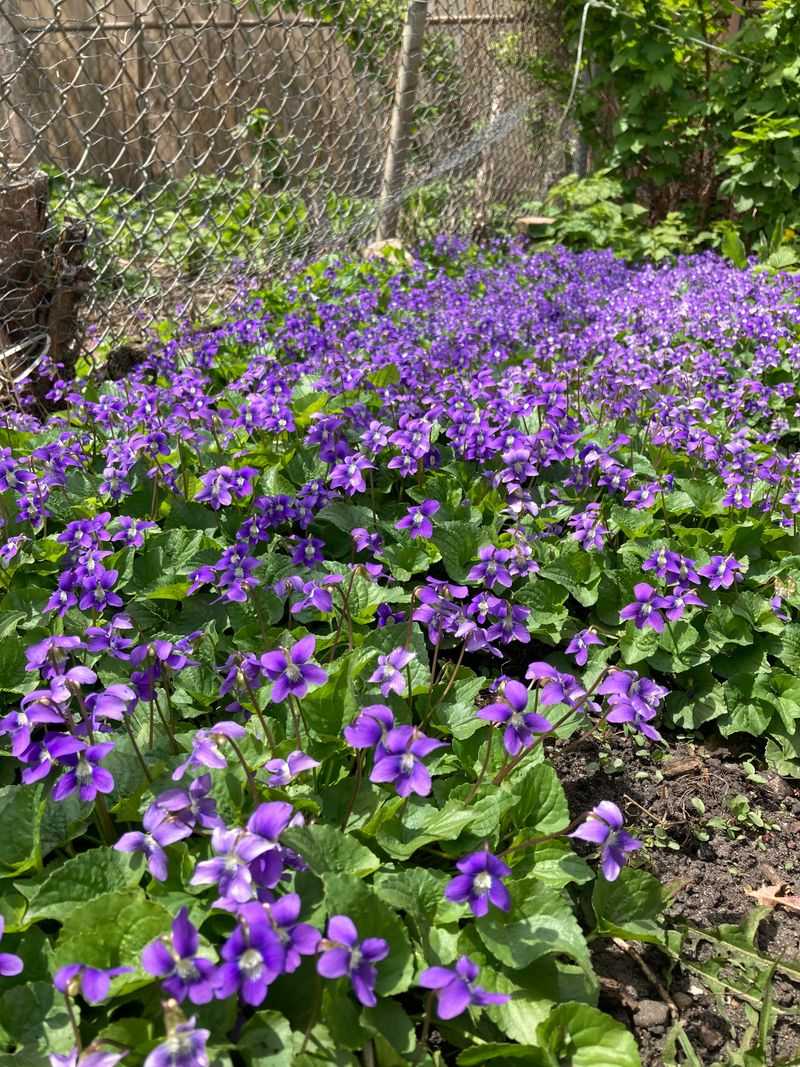
The goal is balance, not elimination. A lawn with scattered violet patches looks intentional and natural, not neglected or out of control.
Think of yourself as a gentle editor, not a warden. This Vermont wildflower spreads on its own and makes your lawn more beautiful when you guide it rather than fight it at every turn.
Simple Ways To Encourage More Wild Violet In Your Lawn This Spring
You already have the best tool for growing wild violet, and that tool is simply time. But a few small actions can speed things up and help it spread more evenly.
Start by reducing how often you mow in early spring. Letting the grass grow slightly taller gives violet seedlings shelter to sprout without being cut down immediately.
Avoid applying broadleaf herbicides in April and May. Many common lawn treatments target exactly the type of plant that wild violet is.
If you want to introduce violet to a new area, collect seed pods from existing plants in late summer. The pods turn tan and papery when they are ready to harvest.
Scatter those seeds across bare or thin patches in early fall. Cool soil and fall moisture give them the best chance of germinating the following spring.
Watering lightly after seeding helps settle seeds into the soil without washing them away. A gentle spray from a hose nozzle works better than a hard stream.
You can also transplant small violet clumps from one part of your yard to another. Dig them up with a trowel, keeping the root ball intact, and replant at the same depth.
Shade-heavy spots under trees are perfect candidates. Wild violet actually prefers partial shade over full sun, making it ideal for areas where grass struggles to grow.
This Vermont wildflower spreads on its own and makes your lawn more beautiful, but a little encouragement from you never hurts the process.