The California Night Flyers Helping Control Garden Insects While Homeowners Sleep
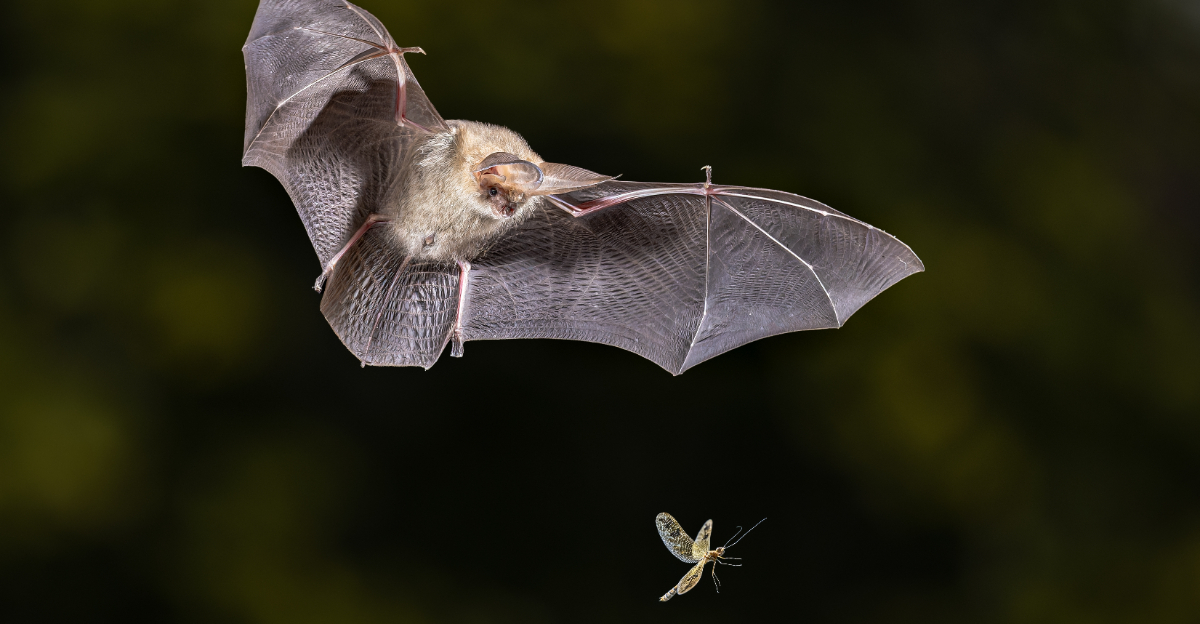
After sunset, a California garden can get busy in ways most homeowners never see. While the porch lights glow and the yard goes quiet, bats may be sweeping overhead in search of tiny flying insects.
They are easy to miss because they move fast and usually work above the garden, not in it. But their nighttime hunting can be a quiet benefit for outdoor spaces.
These night flyers are not the spooky pests people sometimes imagine. They are part of the local wildlife that helps keep the evening insect crowd in check.
A yard with safe shelter and fewer harsh chemicals can be more welcoming to them. Once you understand what bats are doing after dark, your garden may feel a little more alive even while you sleep.
1. Bats Are Nighttime Insect Hunters
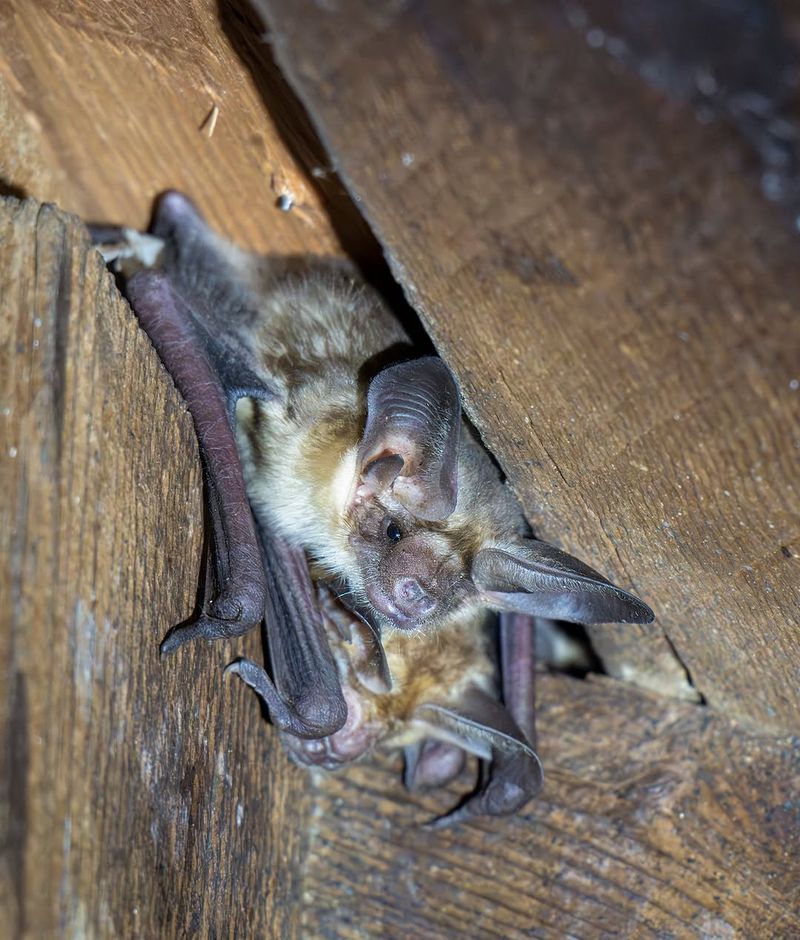
Few creatures on Earth are as efficient at catching bugs as a bat in full hunting mode. On a single night, one small bat can catch hundreds of insects, sometimes more than a thousand.
That kind of output would take a can of pesticide and a lot of effort to match.
Bats use a built-in system called echolocation to find their prey. They send out high-pitched sound waves that bounce off objects, including tiny flying insects, and return to their sensitive ears.
This lets them hunt in complete darkness with remarkable accuracy. They do not need moonlight or streetlamps to find their next meal.
Most bats in California are insectivores, meaning insects are their only food source. They are not interested in your hair, your pets, or your fruit bowl.
Their entire focus at night is on finding and catching flying bugs. A bat zipping through your backyard is not being erratic. It is tracking prey with pinpoint precision.
Gardeners who understand this tend to feel differently about seeing bats at dusk. Instead of concern, there is something almost satisfying about watching nature handle pest control on its own.
These animals evolved for exactly this role, and they fill it every single night without any prompting from us.
2. Their Pest Control Happens While Most Homeowners Sleep
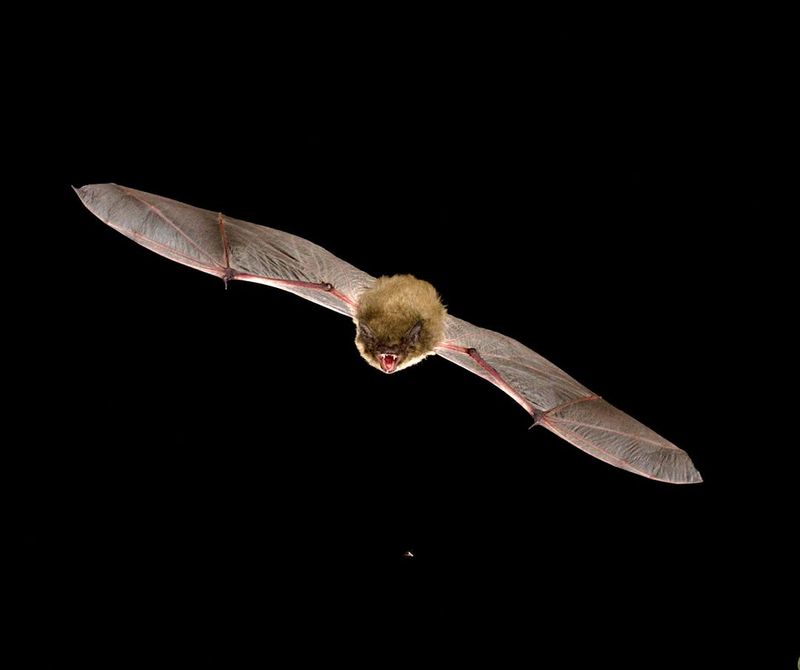
There is something quietly amazing about knowing your garden is being protected while you are sound asleep.
Bats begin their hunting flights shortly after sunset and continue through much of the night. By the time most people wake up and step outside, the work is already done.
This nighttime schedule lines up perfectly with when many pest insects are most active. Moths, mosquitoes, and certain beetles prefer the cover of darkness.
Bats evolved to match that schedule exactly, which is why they are so effective at catching these particular species.
Homeowners who rely on daytime spraying often miss the window when the most damaging insects are flying. Chemical treatments also require reapplication and can affect other insects, including beneficial ones.
Bats work continuously through the night, night after night, without any schedule adjustments needed from you.
Think about what that adds up to over a full growing season. From spring through early fall, bats are out hunting on most nights.
Your California Garden Changes Every Week. Your Plan Should Too.
Gardening in California changes quickly throughout the season. Every Friday you’ll receive a simple weekly plan showing exactly what to plant, prune, fertilize, harvest, and protect so you never miss the right timing.
Multiply that by the number of insects caught per bat per night, and the total is staggering. Researchers estimate that bats provide billions of dollars in pest control value to agriculture across the country every year.
Knowing that kind of work is happening just above your garden while you sleep makes it worth doing a few simple things to welcome these animals to your yard.
3. Many California Bats Feed On Moths, Beetles, Flies, And Mosquitoes
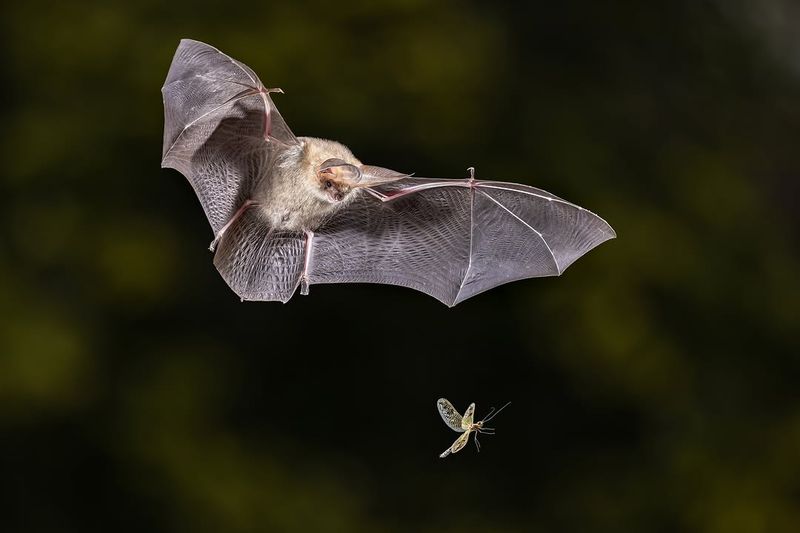
Not all insects are equal when it comes to garden damage. Moths, beetles, flies, and mosquitoes are some of the biggest troublemakers, and they also happen to be favorites on a bat’s nightly menu.
That overlap is great news for anyone growing tomatoes, peppers, squash, or flowers.
Moth larvae are responsible for chewing through leaves and destroying crops. When bats catch adult moths before they lay eggs, fewer caterpillars end up on your plants.
It is a form of prevention that works quietly and consistently without any action from the gardener.
Beetles like cucumber beetles and June bugs can be destructive in large numbers. Bats hunt these insects during their flying phases, which reduces how many end up in the soil or on your plants.
Flies and gnats are also on the menu, keeping those populations from exploding during warm months.
Mosquitoes often get top billing when people talk about bats, and for good reason. While bats are not exclusively mosquito hunters, they do eat them regularly when they are available.
In yards near standing water or dense vegetation, bats can make a noticeable dent in mosquito numbers over time.
The variety in a bat’s diet makes it a flexible and valuable ally. No single pest dominates the menu, which means bats naturally help balance insect populations across the board.
4. A Bat Over Your Garden Is Usually Hunting, Not Bothering You
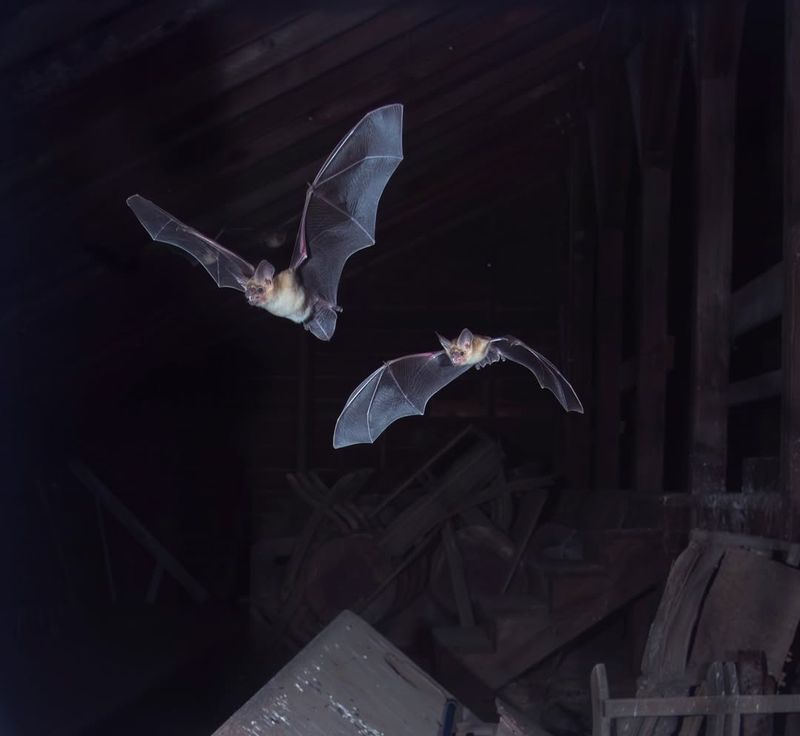
Seeing a bat swoop low over your head can be startling the first time it happens. The quick, unpredictable movements look chaotic, but there is a clear purpose behind every turn and dive.
A bat flying near you in the garden is almost certainly chasing an insect, not targeting you.
Bats have no interest in humans. They are focused entirely on hunting, and they use echolocation to avoid obstacles, including people, with impressive precision.
The swooping motion that seems alarming is actually a tight aerial maneuver designed to catch a fast-moving bug.
Many people grow up hearing stories about bats getting tangled in hair or attacking without reason. These are myths.
Bats are shy, cautious animals that prefer to avoid contact. If one flies close to your face, it was probably chasing a mosquito that was hovering near you.
Once people understand what bats are actually doing, the fear tends to fade pretty quickly. Watching them hunt can even become enjoyable.
Some gardeners set up lawn chairs at dusk just to observe the evening flight. It is a free show that also happens to be keeping your plants safer.
Respecting bats from a comfortable distance is all that is needed. You do not need to interact with them, feed them, or do anything special.
Simply letting them do their job is enough to benefit from everything they offer.
5. Night-Blooming Plants Can Support The Insects Bats Hunt
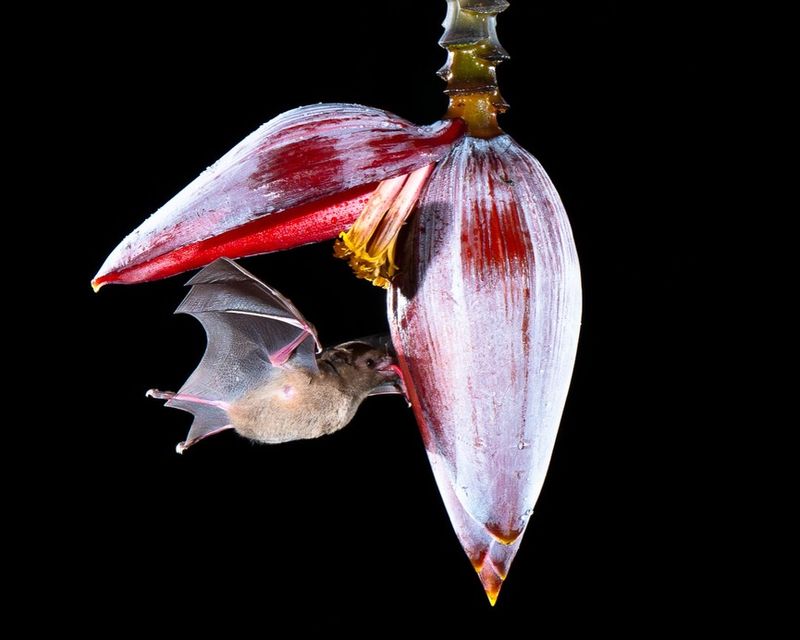
Planting with intention can do more than beautify a yard. Certain plants bloom specifically at night, releasing fragrance and nectar that attract moths, beetles, and other flying insects after dark.
When those insects gather, bats are not far behind. Evening primrose, moonflower, night-blooming jasmine, and four o’clocks are all popular choices that thrive in California’s climate.
These plants attract the exact types of insects that bats prefer to hunt. Adding even a few of them to your garden creates a natural feeding zone that bats will return to night after night.
This approach works because it builds a connected food web. Plants attract insects. Insects attract bats. Bats keep insect populations from getting out of hand.
Everyone in the chain benefits, and your garden stays more balanced without heavy intervention from you.
Night-blooming plants also tend to be low maintenance once established. Many are drought-tolerant, which matters a lot during dry summers in warmer regions of California.
They do not require constant attention, and they reward you by doing ecosystem work around the clock.
Placing these plants near a water source or open flying space makes the setup even more effective. Bats prefer to hunt in areas where insects are concentrated.
A thoughtful planting arrangement can turn your backyard into one of the most active bat hunting grounds on the block.
6. Skipping Broad Pesticides Helps Keep The Food Web Working
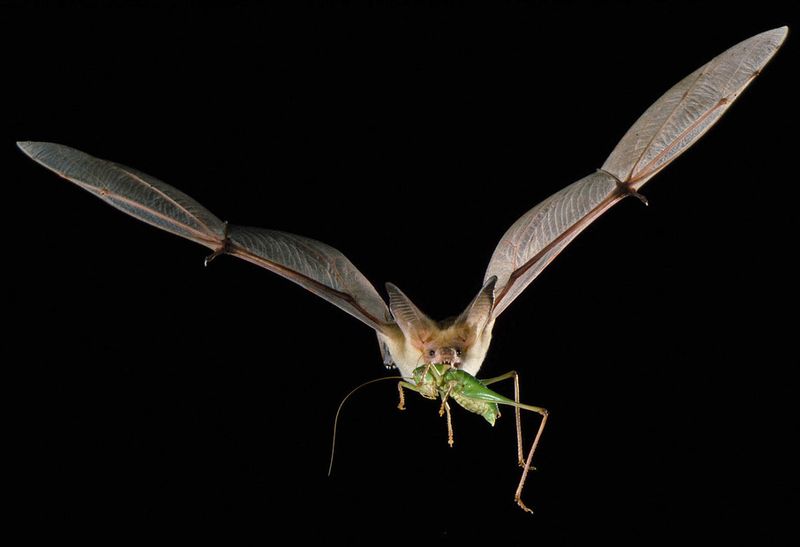
Broad-spectrum pesticides do not discriminate. They target harmful insects, but they also affect the beneficial ones, including the insects that bats depend on for food.
When the food supply drops, bats move on, and your garden loses a valuable layer of natural protection.
Many common garden pesticides leave residue on plants and in the soil for days or even weeks. Insects that feed on treated plants can carry those chemicals into the bat’s system when eaten.
Over time, this kind of exposure causes real harm to bat populations at a regional level.
Switching to targeted treatments, like insecticidal soap for specific pests or hand-picking larger insects, keeps the broader insect community intact.
Beneficial insects like lacewings, ladybugs, and ground beetles also survive, adding even more layers of natural pest control to your yard.
Companion planting is another tool that reduces pest pressure without chemicals. Basil near tomatoes, marigolds along borders, and dill near brassicas all help deter specific insects naturally.
These strategies work alongside bat activity rather than against it. Gardeners who reduce pesticide use often notice changes within a single season.
Insect diversity increases, birds show up more often, and the overall feel of the garden shifts toward something more alive and self-sustaining.
Bats are a big part of that shift, and keeping the food web intact is what allows them to stay.
7. Bat Houses May Help, But They Are Not A Guaranteed Mosquito Fix
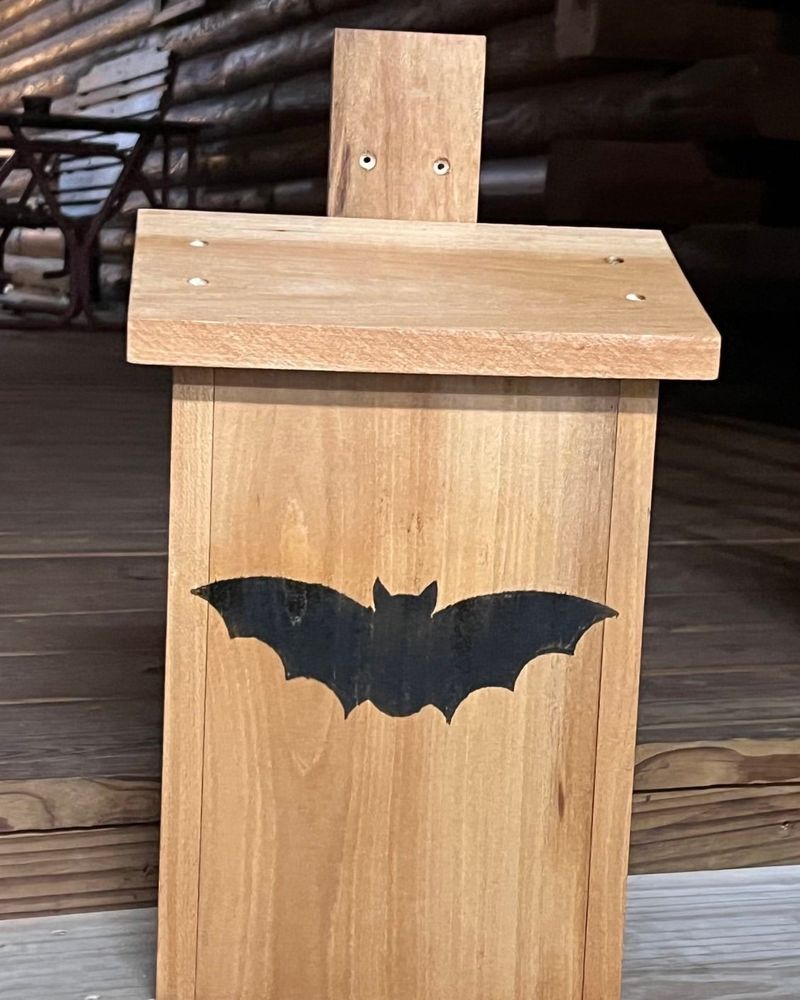
Bat houses have become popular among wildlife-friendly gardeners, and for good reason. They provide roosting spots for bats that might otherwise struggle to find shelter in neighborhoods with few old trees or natural cavities.
A well-placed bat house genuinely can attract roosting bats over time. However, expectations matter here.
A bat house will not instantly fill your yard with bats or wipe out your mosquito problem overnight.
Bats choose roost sites based on many factors, including temperature, nearby water, flight paths, and the availability of insects. A house alone is not always enough.
Placement is one of the most important factors. Bat houses should face south or southeast to catch morning sun and stay warm through the day.
They work best when mounted at least twelve to fifteen feet off the ground on a pole or building, away from tree branches where predators might perch.
It can take a full season or longer for bats to discover and move into a new house. Patience is essential.
California gardeners who add a bat house as one part of a broader bat-friendly approach tend to have better results than those relying on the house alone.
Think of a bat house as an invitation, not a guarantee. When combined with water sources, open flying space, and reduced pesticide use, it becomes part of a welcoming environment that gives bats a real reason to stay.
8. Water Sources And Mature Trees Can Make A Yard More Bat-Friendly
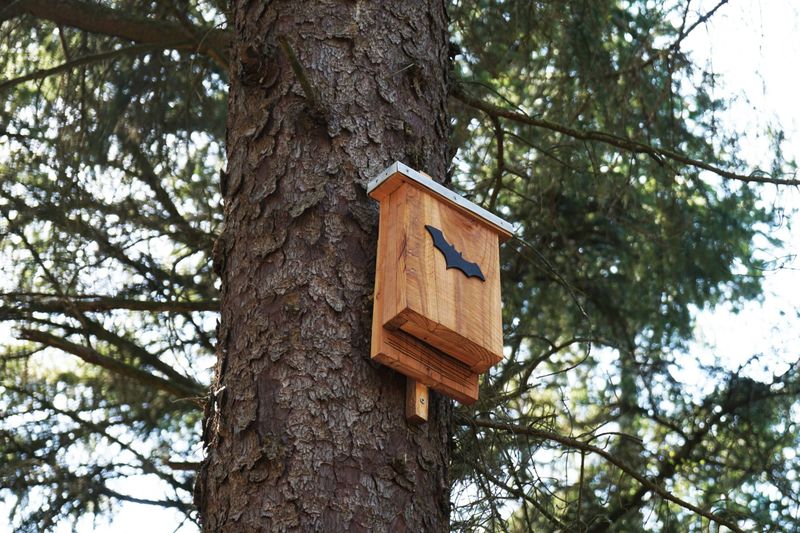
Bats need water every day. They drink on the wing, skimming the surface of ponds, birdbaths, or slow-moving water as they fly.
A yard with a reliable water source becomes part of a bat’s regular nightly route, especially during the dry summer months common in many parts of California.
A birdbath with gently sloped edges works well. So does a small garden pond or even a large, shallow container kept filled with clean water.
The key is keeping the water fresh and accessible. Stagnant, covered, or hard-to-reach water will not attract bats the same way.
Mature trees are equally important. Old trees with rough bark, loose panels, or hollow sections offer natural roosting spots that bats have used for centuries.
Neighborhoods with older tree canopies tend to support more bat activity than newer developments with only young plantings.
If your yard has mature oaks, eucalyptus, or other large trees, those are assets worth protecting.
Avoid trimming large limbs unnecessarily, especially during spring and summer when bats may be roosting with young.
Checking local guidelines before pruning older trees is always a smart step. Together, water and trees create the foundation of a bat-friendly habitat.
Add night-blooming plants and reduced pesticide use, and your yard starts to function as a genuine wildlife corridor, one that benefits your garden in ways that are hard to put a price on.