Do These 7 Things The Moment Your Michigan Zucchini Plants Start Setting Fruit
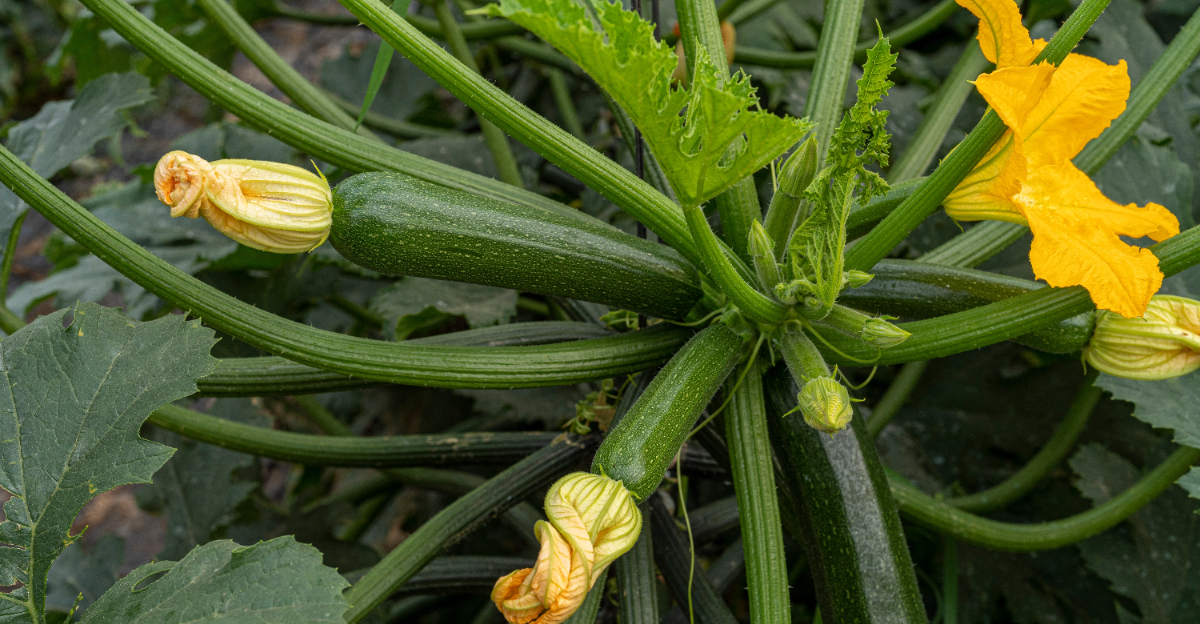
The moment zucchini plants in a Michigan garden shift from flowering into active fruit production is one of the most important transition points in the entire growing season.
What happens in the days immediately following that shift has a direct and measurable impact on how long the plants stay productive and how large and flavorful the fruits develop.
It also affects whether the vines hold up through the heat and humidity that typically arrive right alongside peak fruiting time.
Most gardeners ease off at this stage, assuming the hard work is done once fruits start forming. The opposite is true.
Seven specific actions taken right at this moment set the trajectory for the rest of the zucchini season and determine whether you end up with a weeks-long harvest or a short burst that fades out far too early.
1. Check For Pollination Success
Not every zucchini flower that opens will turn into a full-grown fruit. Bees and other pollinators do most of the work, but on cloudy Michigan mornings or in gardens with low insect activity, pollination can fall short.
Knowing how to spot the problem early saves you from watching tiny zucchinis turn yellow and shrivel before they ever get a chance to grow.
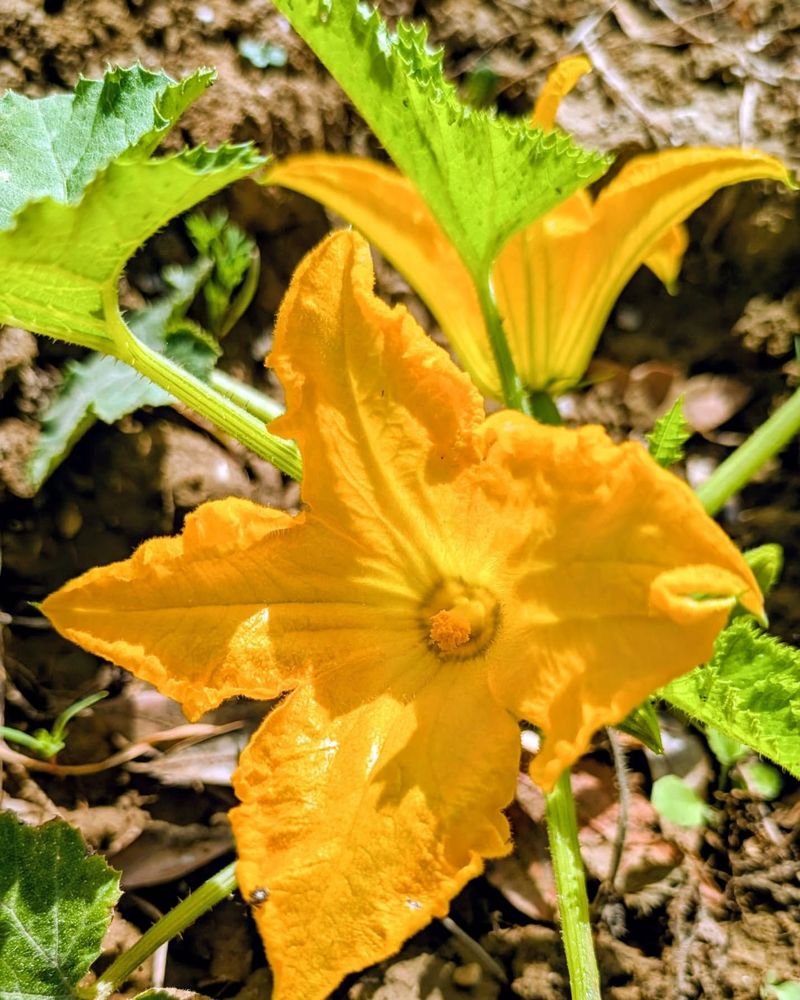
Zucchini plants produce two types of flowers. Male flowers appear first on long, thin stems, while female flowers sit on short stems with a tiny swollen base that looks like a miniature zucchini.
For a fruit to develop, pollen from a male flower needs to reach the center of a female flower. If that transfer does not happen fully, the fruit will stop developing within a few days.
Hand-pollination is easy and takes less than two minutes. Use a small, clean paintbrush or a cotton swab to collect bright orange pollen from the center of a freshly opened male flower.
Then gently dab that pollen onto the sticky center of a female flower. Morning is the best time to do this, ideally before 10 a.m., when flowers are fully open and pollen is at its freshest.
Planting pollinator-friendly flowers like marigolds or borage nearby also encourages bees to visit your garden more often. Reducing pesticide use during flowering hours helps too.
Once pollination succeeds, the tiny fruit will plump up quickly, and you will know your plants are off to a strong, healthy start.
2. Support The Vines
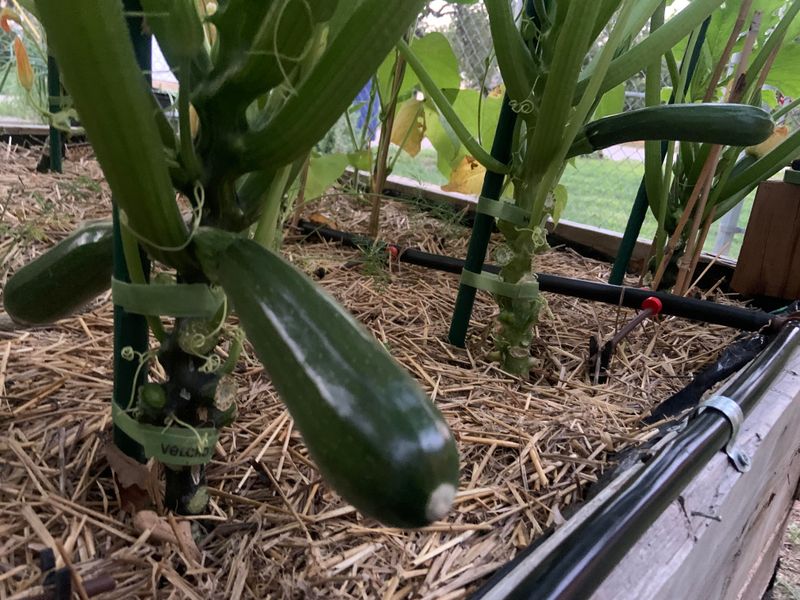
Most gardeners picture zucchini as a sprawling plant that takes over every inch of garden space it can find. While that is often true, giving those vines some structure actually makes a big difference in how well your fruit develops.
A little support goes a long way toward keeping your plants healthy and productive all season long.
When zucchini fruit rests directly on moist soil, it invites rot, slugs, and soil-borne fungal problems. Michigan summers bring plenty of rain and humidity, which makes ground contact especially risky for developing fruit.
Lifting the vines with stakes, tomato cages, or a simple trellis keeps the fruit suspended in cleaner, drier air where it can mature without interference.
Your Michigan Garden Changes Every Week. Your Plan Should Too.
Gardening in Michigan changes quickly throughout the season. Every Friday you’ll receive a simple weekly plan showing exactly what to plant, prune, fertilize, harvest, and protect so you never miss the right timing.
You do not need fancy equipment for this. Sturdy wooden stakes or metal garden stakes work perfectly for guiding vines upward.
Loosely tie the main vine to the support using soft garden twine or strips of old fabric, being careful not to bind the stem too tightly. As the plant grows, add more ties every few inches to keep things secure without causing damage.
Better airflow is another major benefit of vertical growing. When air moves freely through the plant, fungal diseases like powdery mildew have a much harder time getting established.
Michigan gardens often deal with this issue by late summer, so anything you can do to improve circulation now will pay off later.
Supported vines also make harvesting easier since fruit is visible and accessible without digging through a pile of leaves.
3. Monitor For Cucumber Beetles

Cucumber beetles are one of the sneakiest problems in Michigan vegetable gardens. These small insects, which come in both striped and spotted varieties, show up right when your zucchini plants are most vulnerable.
Catching them early is everything, because once they settle in, they multiply fast and spread bacterial wilt, a disease that can stop fruit production entirely.
Striped cucumber beetles are yellow with three black stripes running down their backs, while spotted ones are yellow with a pattern of black dots. Both feed on leaves, flowers, and stems.
Check your plants every single morning by flipping leaves over and looking closely at stems near the soil. Even a few beetles warrant immediate action before populations explode.
Row covers made of lightweight fabric are one of the most effective tools you have. Draping them over young plants keeps beetles out entirely, though you will need to remove the covers when flowers open so pollinators can reach them.
After that window, you can replace covers overnight when beetles are most active. Companion planting with nasturtiums, radishes, or tansy has also shown promise in repelling cucumber beetles naturally.
For heavier infestations, organic neem oil spray or pyrethrin-based insecticides offer a safer option than harsh chemicals, especially when fruit is already forming. Apply sprays in the early morning or evening to avoid harming bees.
Kaolin clay, a powdery white mineral coating you spray onto leaves, physically deters beetles without toxicity. Staying consistent with daily checks makes all the difference in keeping these pests from taking over your harvest.
4. Keep Soil Consistently Moist
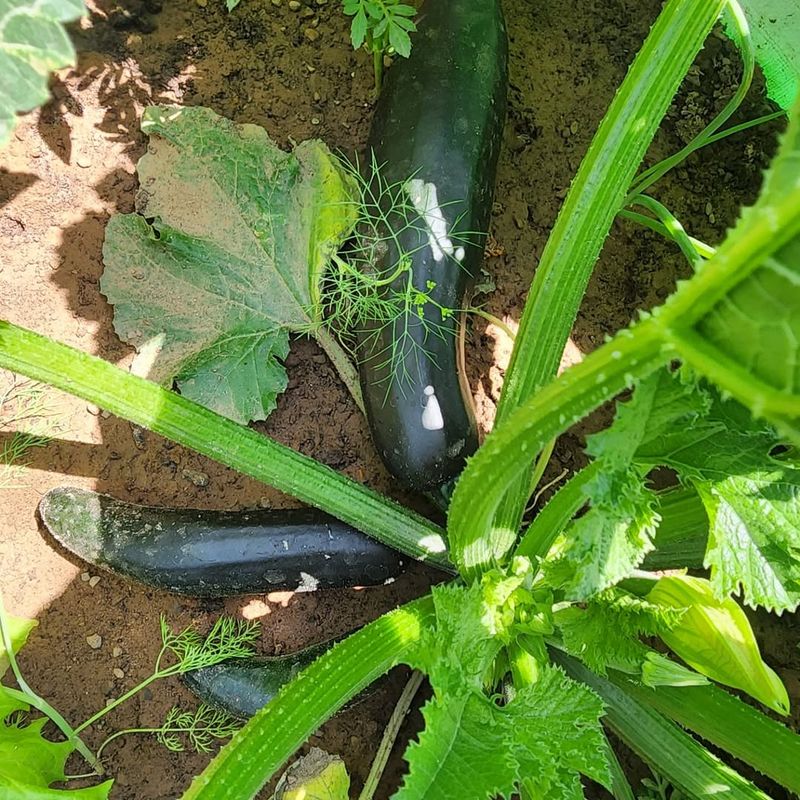
Water is one of the most powerful tools in your zucchini-growing toolkit, and getting it right during fruit set makes a noticeable difference in your harvest quality. Zucchini plants are thirsty, especially once they start putting energy into growing fruit.
Inconsistent watering is one of the top reasons fruit splits, develops blossom end rot, or simply stops growing before reaching a harvestable size.
The goal is even, consistent moisture rather than alternating between soaking and drying out. In Michigan, summer heat can pull moisture from the soil quickly, especially in raised beds or sandy soils.
Aim to water deeply at least two to three times per week, giving the soil a thorough soaking rather than a light sprinkle.
Deep watering encourages roots to grow downward, making the plant more resilient during dry spells.
Drip irrigation or soaker hoses are ideal because they deliver water directly to the root zone without wetting the leaves. Wet foliage invites fungal diseases, which Michigan gardeners already deal with regularly during humid stretches.
If you water by hand, aim the hose at the base of the plant and water slowly so the soil absorbs moisture rather than letting it run off.
Checking soil moisture before watering is a smart habit. Push your finger two inches into the soil near the base of the plant.
If it feels dry at that depth, it is time to water. If it still feels damp, wait another day.
Overwatering causes its own problems, including root rot, so balance is the key to keeping your zucchini plants thriving all season.
5. Fertilize Appropriately
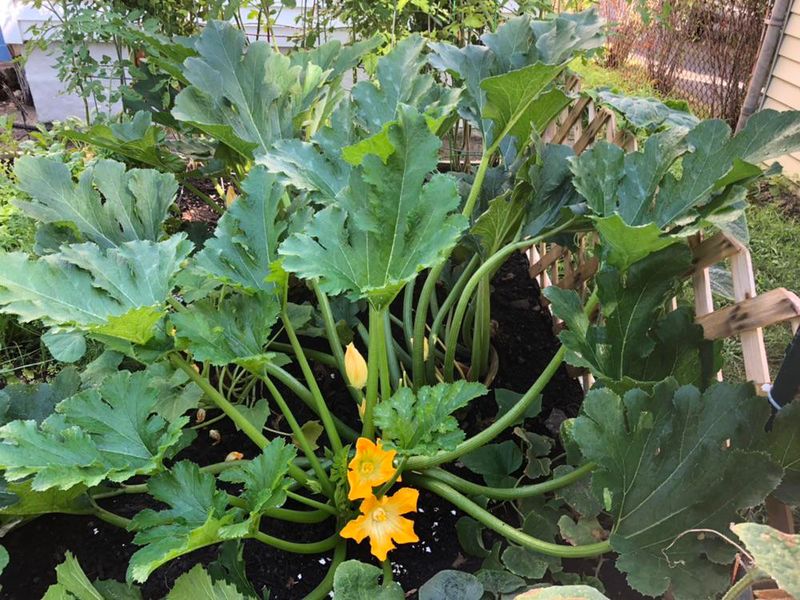
Right when those first fruits appear, your zucchini plant shifts into a higher gear. It is suddenly supporting leaf growth, vine expansion, and fruit development all at once.
That kind of energy demand requires a solid nutrient supply, and if your soil is running low, the plant will struggle to keep up. Feeding at the right time makes a real difference in both fruit size and overall plant stamina.
Side-dressing is the most practical method for fertilizing at this stage. Sprinkle a balanced granular fertilizer, something like a 10-10-10 or a vegetable-specific blend, in a ring about six inches away from the base of the plant.
Work it lightly into the top inch of soil and water it in well. Avoid piling fertilizer directly against the stem since that can cause burning and damage to the plant.
Nitrogen helps fuel leafy growth and keeps the plant green and vigorous, while potassium supports strong fruit development and helps the plant handle stress from heat or dry conditions.
Phosphorus encourages healthy root systems that can absorb all those nutrients efficiently. A well-balanced fertilizer gives your zucchini all three in one application.
Compost is another excellent option, especially for Michigan gardeners who prefer organic methods. A two-inch layer of finished compost worked around the base of each plant feeds the soil gradually and improves its structure over time.
Liquid fertilizers like fish emulsion or kelp meal also work well and deliver nutrients faster than granular options.
Feeding your plants every three to four weeks during the growing season keeps production strong from first fruit all the way to the final harvest.
6. Mulch Around The Plants
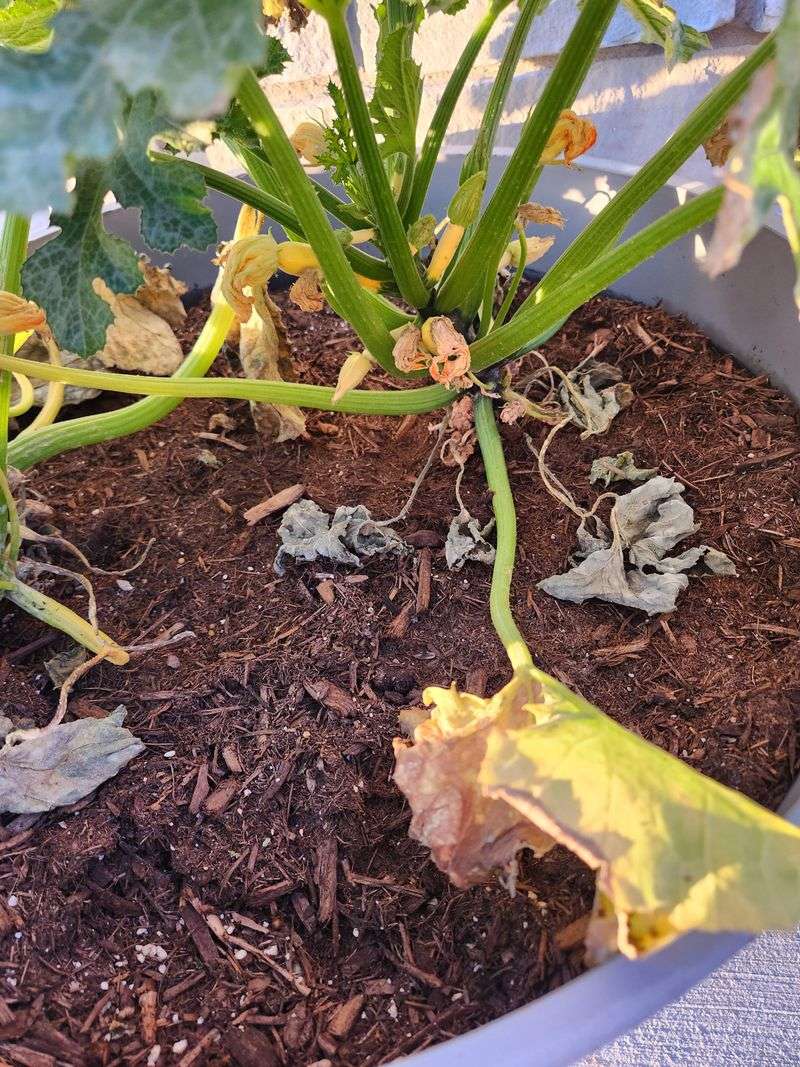
Straw mulch might not look like a big deal, but spread it around your zucchini plants at the right time and you will wonder how you ever gardened without it.
Mulching is one of those simple steps that quietly solves multiple problems at once, and in a Michigan garden where summer conditions can swing from hot and dry to wet and humid, that kind of versatility is genuinely valuable.
A three to four inch layer of straw, shredded leaves, or wood chips around each plant acts like a protective blanket for the soil beneath.
It slows moisture evaporation dramatically, which means less frequent watering and more consistent soil conditions for developing fruit.
Keeping moisture stable reduces the stress that leads to blossom end rot and cracked fruit, two frustrating problems that mulching helps prevent.
Soil temperature is another factor mulch handles well. Michigan summers can bring sudden heat waves that bake unprotected soil and stress plant roots.
Mulch keeps the soil several degrees cooler during hot stretches and warmer on unexpectedly cool nights, giving roots a more stable environment to work in all season long.
Weed suppression is a bonus that most gardeners appreciate quickly. Weeds compete with zucchini for water and nutrients, and pulling them by hand is tedious work.
A solid mulch layer blocks most weed seeds from germinating and makes the ones that do sprout easy to pull.
One more benefit worth mentioning is that mulch creates a physical barrier between developing fruit and the soil surface, reducing contact with insects and pathogens that live in the ground and can damage fruit before you ever get to harvest it.
7. Prune Sparingly For Airflow
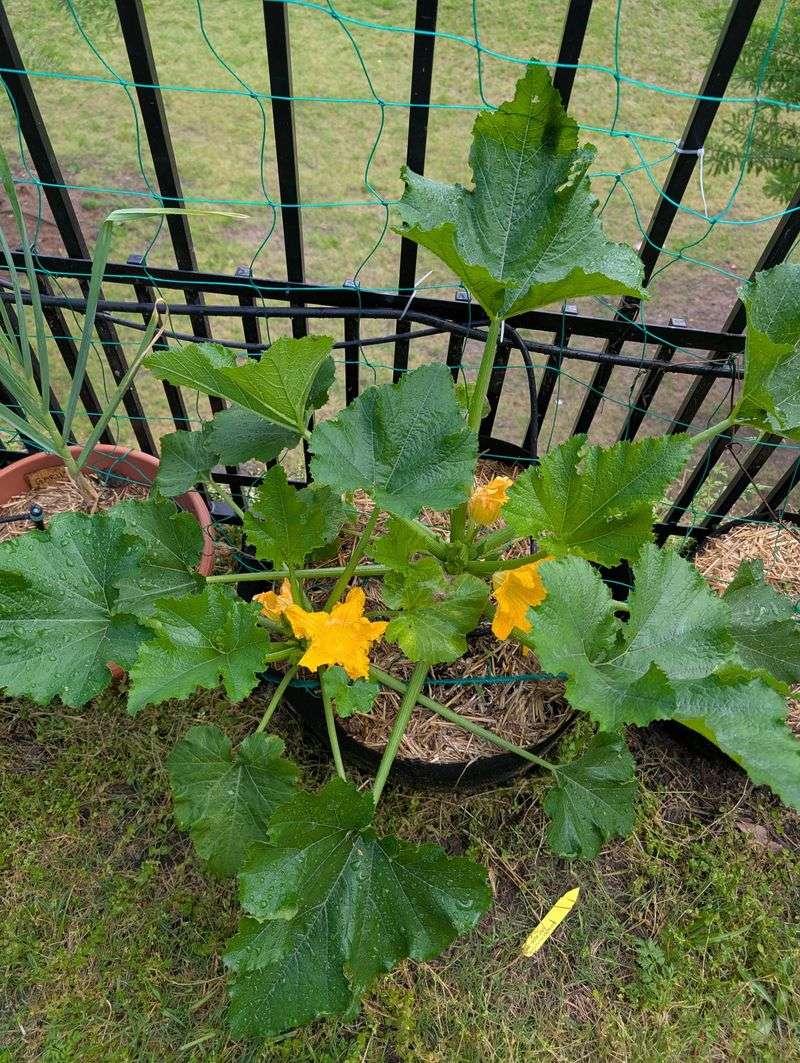
Zucchini plants can grow surprisingly large and bushy in a short amount of time.
By midsummer in Michigan, a single plant might spread four feet in every direction, creating a dense canopy of overlapping leaves that traps moisture and blocks air movement.
That kind of crowding creates the perfect conditions for powdery mildew and other fungal issues that love warm, still, humid environments.
Selective pruning helps open up the plant without stressing it. Focus on removing older leaves near the base of the plant that have already turned yellow or show early signs of mildew spotting.
These leaves are no longer contributing much to photosynthesis anyway, and removing them improves airflow through the lower portion of the plant where moisture tends to linger longest after rain or watering.
Use clean, sharp garden scissors or pruning shears for every cut. Dirty tools can spread fungal spores from one plant to another, so wiping blades with rubbing alcohol between plants is a smart habit.
Make clean cuts close to the main stem rather than leaving short stubs, which can become entry points for disease.
Restraint is the most important rule when it comes to pruning zucchini. Removing too many leaves reduces the plant’s ability to photosynthesize, which directly cuts into fruit production.
A good rule of thumb is to remove no more than two or three leaves per week, and only target the ones that are already declining or visibly blocking airflow. Think of it as light housekeeping rather than a major renovation.
Small, consistent adjustments keep your plant healthy, open, and producing strong right through the end of the Michigan growing season.