These Are The Texas Garden Plants That Secretly Shelter Scorpions Without Anyone Realizing It
What if some of the plants you are most proud of in your Texas garden are quietly sheltering one of the pests you least want near your home?
Scorpions in Texas are opportunists, and the conditions that make a landscape look lush and well-established are often the same conditions that give scorpions exactly what they need to stay close to a house without ever being noticed until the wrong moment.
Dense foliage at ground level, moisture retained under canopy, and the insect concentration that healthy plantings attract all factor into where scorpions choose to spend their time. The plants creating those conditions are not unusual or exotic.
Many of them are common choices that show up in Texas yards precisely because they look great and are easy to maintain. Knowing which ones double as reliable scorpion habitat gives a much more complete picture of what your landscape is actually doing after dark.
1. Liriope (Liriope Muscari)
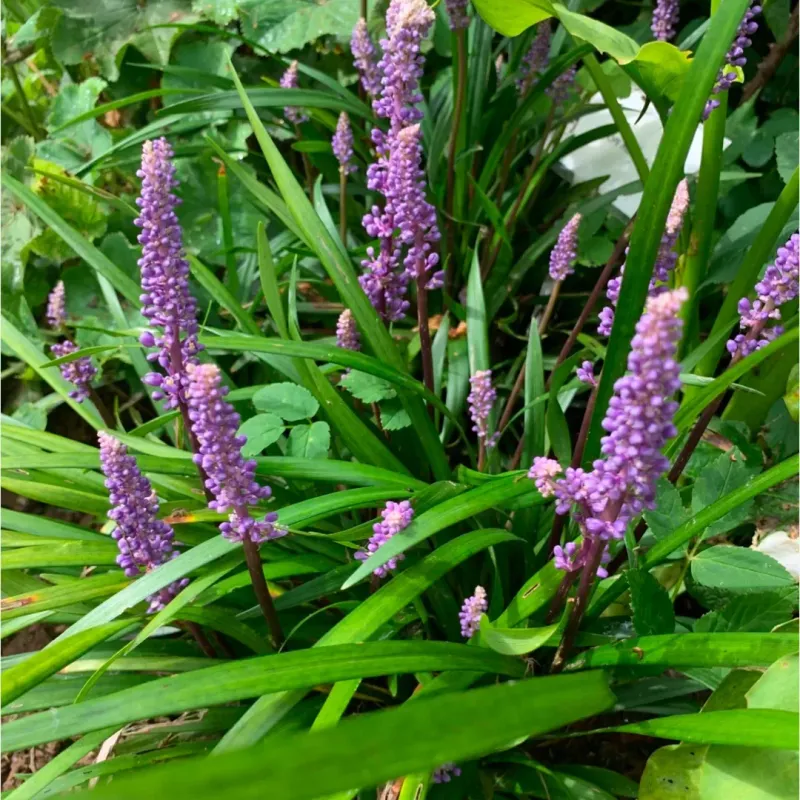
Walk through almost any Texas neighborhood and you will spot Liriope growing along sidewalks, driveways, and flower beds. It is one of the most popular edging plants in the state, and for good reason.
It is tough, low-maintenance, and stays green almost year-round. But there is a side to this plant that most gardeners never think about.
Liriope grows in thick, grass-like clumps that hug the ground closely. The dense leaves form a layered canopy just a few inches above the soil.
That space underneath is shaded, cool, and often slightly moist. For a scorpion trying to escape the blazing Texas heat, that spot is basically a five-star hotel.
Scorpions are nocturnal, meaning they rest during the day and come out at night to hunt. During daylight hours, they need a sheltered spot to stay hidden and comfortable.
The tight leaf clusters of Liriope create the perfect resting place. You might not see them there, but that does not mean they are not hiding.
If you have Liriope planted close to your home, it is worth being extra careful. Scorpions that hide in garden plants near the house can sometimes find their way inside through small cracks and gaps.
Wearing gloves when you work around Liriope is a smart habit. Shaking out shoes left near garden areas is also a good idea.
Thinning out your Liriope clumps every year or two can reduce the amount of ground-level cover available. Less dense foliage means fewer hiding spots.
Small changes like this can make a real difference in keeping scorpions out of your garden and away from your home.
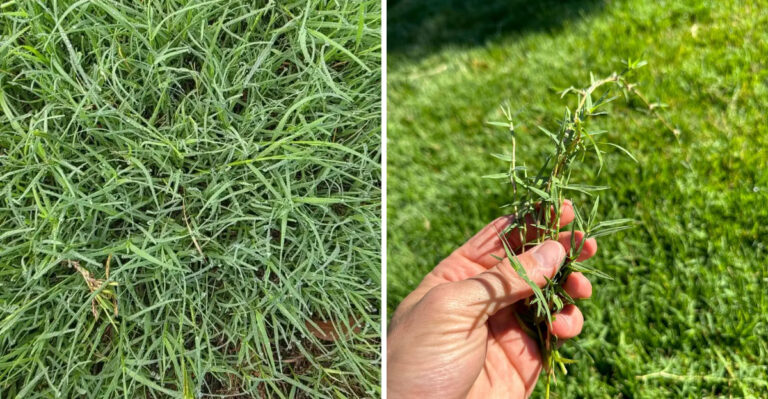
2. Monkey Grass (Ophiopogon Spp.)
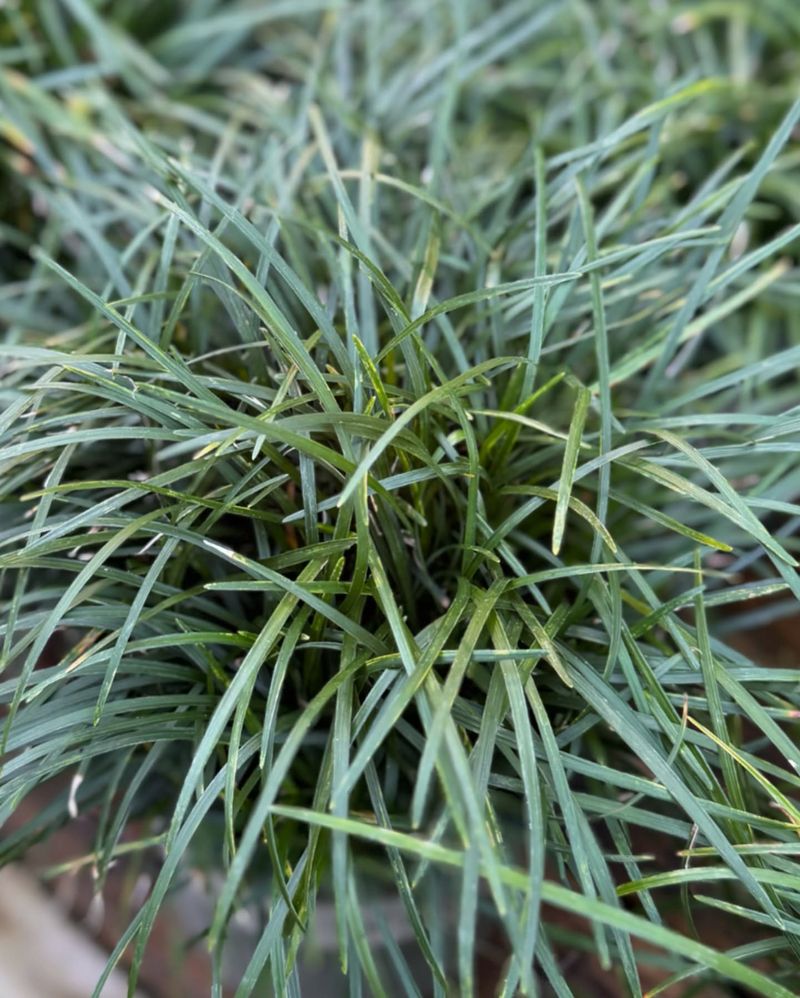
Monkey grass looks harmless enough sitting there in your flower bed, forming those tidy little mats of dark green leaves. Gardeners across Texas love it because it fills in empty spaces quickly and needs very little attention.
However, that same thick, low-growing habit that makes it so appealing to gardeners also makes it very appealing to scorpions.
Unlike Liriope, which grows in individual clumps, Monkey Grass spreads to form wide, solid mats that press close to the ground. The coverage is so dense that the soil underneath barely gets any sunlight.
Your Texas Garden Changes Every Week. Your Plan Should Too.
Gardening in Texas changes quickly throughout the season. Every Friday you’ll receive a simple weekly plan showing exactly what to plant, prune, fertilize, harvest, and protect so you never miss the right timing.
This creates a consistently cool and shaded microenvironment, even during the hottest parts of a Texas summer. Scorpions actively seek out exactly this kind of shelter.
One thing that makes Monkey Grass particularly risky is how it looks completely undisturbed from the outside. You can walk right past it and never suspect anything is hiding underneath.
That is exactly what makes it such a sneaky scorpion hangout. The dense mat provides not just shade but also protection from predators like birds and lizards.
Gardeners who use Monkey Grass as a groundcover near patios, walkways, or doorways should be cautious. Scorpions hiding in nearby plants can wander toward lights at night since lights attract the insects that scorpions eat.
Keeping Monkey Grass trimmed and thinned helps break up the solid mat and lets more light reach the soil.
Also, consider leaving a small gap of open ground between Monkey Grass beds and the foundation of your home. Even a few inches of bare soil can discourage scorpions from using the plant as a launchpad to get inside your house.
3. English Ivy (Hedera Helix)
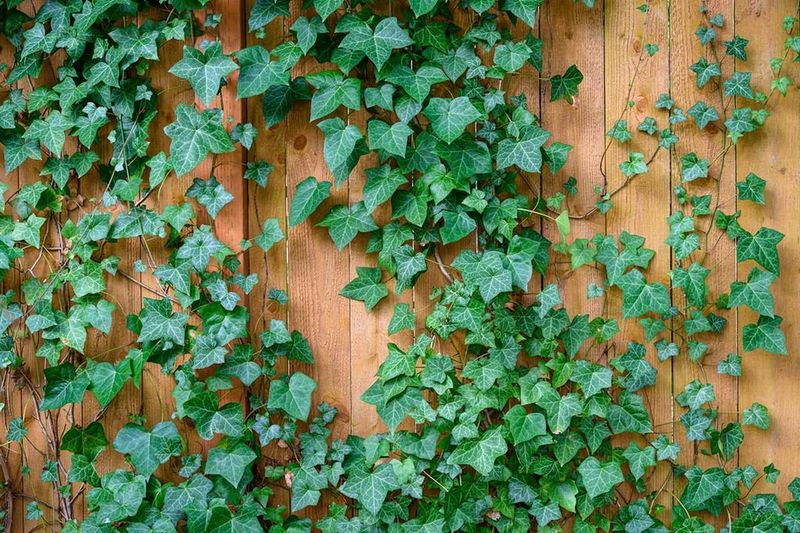
English Ivy has a certain classic charm to it. It climbs fences, drapes over walls, and fills in bare ground with lush green coverage.
Many Texas homeowners plant it for that very reason. But English Ivy is one of the most well-known scorpion-friendly plants you can grow, and the reasons why are pretty straightforward once you understand how scorpions live.
When English Ivy spreads across the ground, it creates incredibly thick mats of overlapping leaves. These mats trap moisture from rain and morning dew.
The area underneath stays cool and damp long after the rest of the garden has dried out. Scorpions love moisture, and they love shade. English Ivy delivers both in abundance.
Beyond scorpions, English Ivy also attracts the insects and small invertebrates that scorpions feed on. More food sources mean more reasons for scorpions to stick around.
The plant essentially creates a complete habitat, offering shelter, humidity, and a steady food supply all in one spot. That is a combination that is hard for a scorpion to resist.
Another concern with English Ivy is how quickly it spreads. Once it gets established, it can cover large areas of your yard in just a season or two.
The bigger the mat, the more hiding space it provides. Keeping it aggressively trimmed is important if you want to reduce scorpion risk.
Some Texas gardeners choose to remove English Ivy entirely and replace it with less invasive groundcovers that do not hold as much moisture.
If you keep it, make sure to pull it back regularly from walls and foundations to cut off potential entry points for scorpions looking to move indoors.
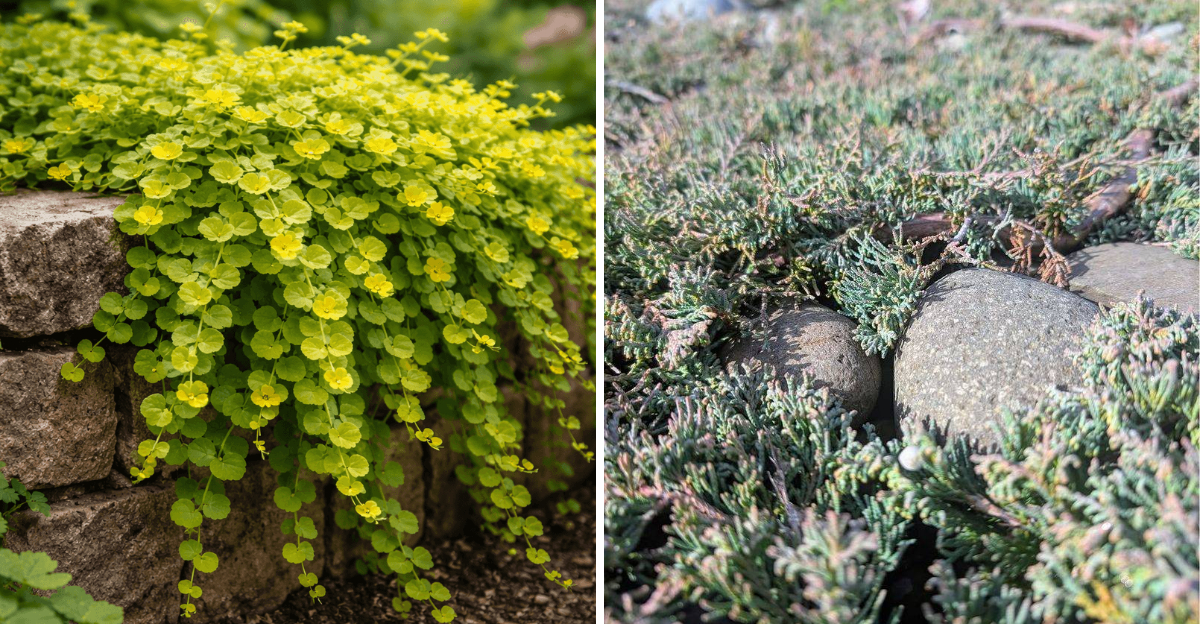
4. Juniper (Juniperus Spp., Low Varieties)
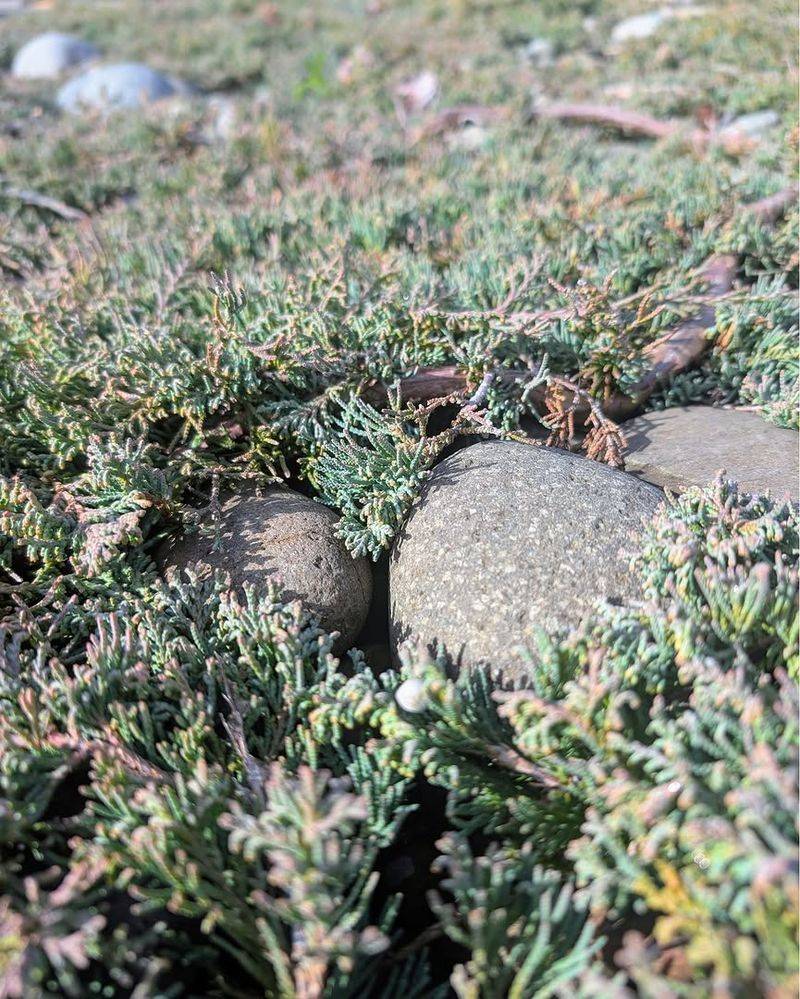
Low-growing junipers are a staple in Texas landscaping. They are drought-tolerant, evergreen, and incredibly tough.
Builders and landscapers plant them in front yards all across the state because they need almost no upkeep. What most people do not realize is that those thick, spreading branches create a near-perfect environment for scorpions to set up camp.
The branches of low juniper varieties grow close to the ground and overlap heavily. Light barely penetrates through to the soil beneath.
The result is a dry but shaded pocket at ground level that stays significantly cooler than the surrounding landscape. Scorpions are cold-blooded and need to regulate their body temperature by finding shaded spots during the day, and juniper delivers exactly that.
Junipers also tend to accumulate dry needles and small debris underneath their branches over time. This organic material creates additional insulation and hiding spots.
Scorpions can tuck themselves into this layer of debris and remain almost completely invisible. Even if you look closely, you might not spot one hiding in there.
Fun fact: Junipers are also known to harbor other creatures like spiders and centipedes, which are common prey for scorpions.
A juniper shrub can essentially become a small food web all on its own. That makes it even more attractive as a long-term scorpion residence.
If you have low junipers planted near your home, consider pulling back the branches occasionally to check underneath. Removing accumulated debris and dry needles reduces the number of available hiding spots.
Keeping a clear zone of bare mulch or gravel between juniper shrubs and your home’s foundation is also a practical precaution worth taking.
5. Creeping Jenny (Lysimachia Nummularia)
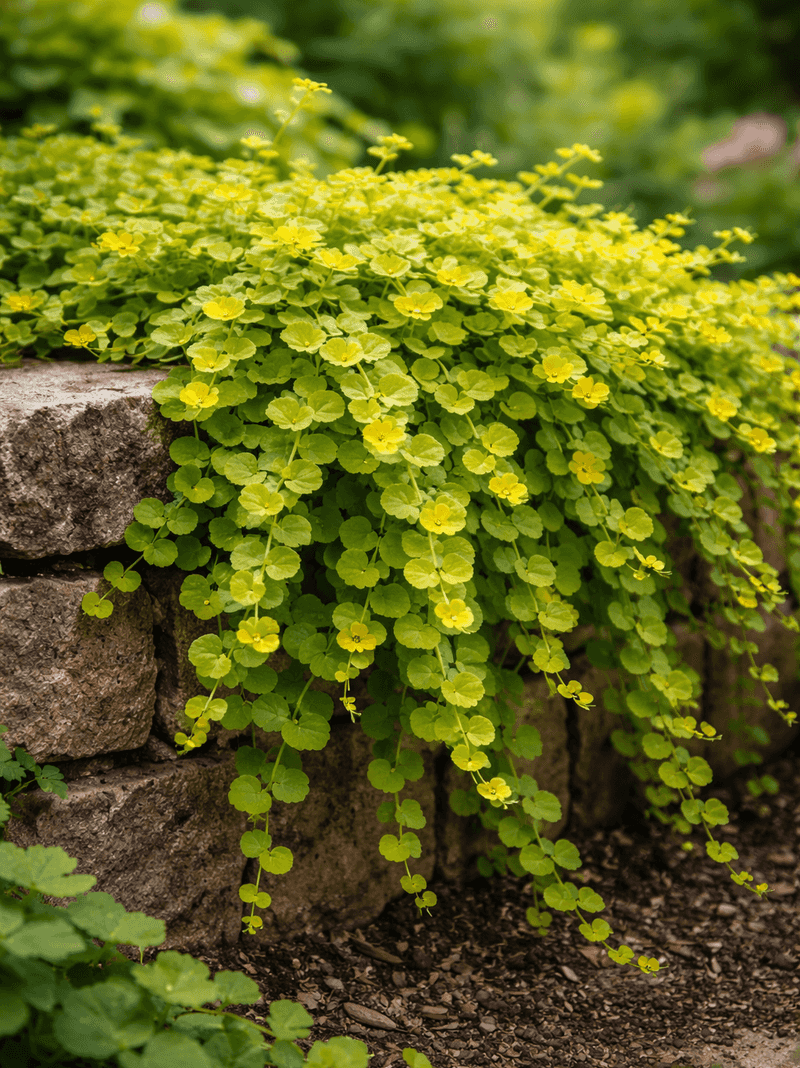
Creeping Jenny is one of those plants that looks almost too cheerful to cause any trouble. Its bright, round leaves and trailing stems spread quickly across the ground, creating a lush green carpet that gardeners find irresistible.
It is especially popular in shaded garden beds and around water features. But that love of moisture is exactly what makes it a scorpion hotspot.
The thick, low mat that Creeping Jenny forms holds onto moisture exceptionally well. After rain or watering, the area beneath the leaves stays wet for a long time.
This creates a humid microhabitat right at ground level. Scorpions do not just tolerate moisture. They actually seek it out, especially during dry Texas summers when water is harder to find.
Because Creeping Jenny grows so close to the soil, there is very little air circulation underneath it. That means the moist conditions under its leaves persist longer than they would under a taller plant.
The combination of consistent moisture and dense coverage makes this plant one of the sneakiest scorpion shelters in any Texas garden.
Homeowners who grow Creeping Jenny near patios, stepping stones, or entry areas should be especially aware. Scorpions that shelter in nearby plants often travel at night and can end up in unexpected places.
Checking around Creeping Jenny beds with a UV flashlight after dark is a clever trick since scorpions glow under ultraviolet light.
Reducing how often you water Creeping Jenny can help dry out the microhabitat underneath.
Thinning the mat periodically also improves airflow and reduces the moisture that makes this plant such an attractive hiding place for scorpions looking for a cool retreat.
6. Mondo Grass (Ophiopogon Japonicus)
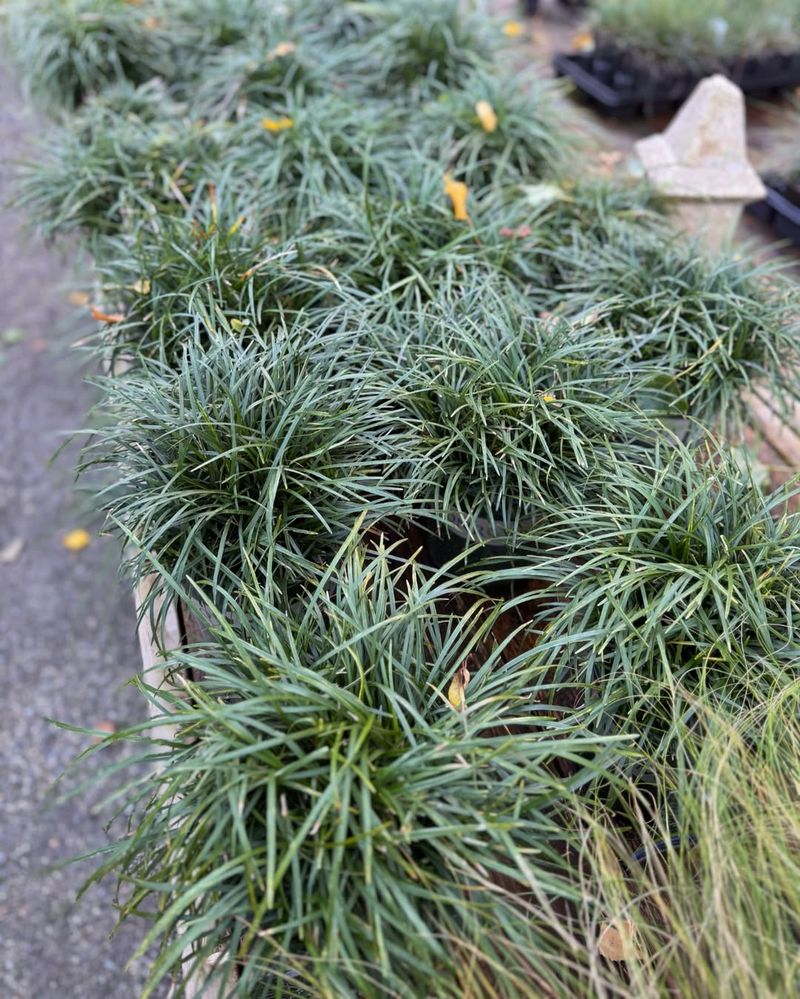
Mondo Grass is a garden favorite across the American South, and Texas is no exception. It forms neat, dark green clumps that stay attractive all year long.
Many homeowners use it to edge beds, fill in shaded areas, or create a tidy border along paths. It is reliable, compact, and asks for very little in return.
Unfortunately, those same qualities that make it so manageable also make it a reliable scorpion refuge.
Unlike its cousin Monkey Grass, Mondo Grass tends to grow a bit shorter and denser. The leaves arch closely over the soil, creating a tight, enclosed space right at ground level.
That space is dark, sheltered, and insulated from temperature swings. For a scorpion trying to survive a scorching Texas afternoon, sliding underneath a mat of Mondo Grass is a genuinely comfortable option.
What makes Mondo Grass especially tricky is its innocent appearance. It looks so tidy and well-behaved that most gardeners never think twice about reaching into it without gloves.
That habit can be a problem if a scorpion has decided to take up residence in the base of the clump. Always wear thick gardening gloves when handling any dense groundcover, Mondo Grass included.
Scorpions found in Mondo Grass are often striped bark scorpions, which are the most common species in Texas. They are small enough to fit into very tight spaces, making the dense base of Mondo Grass clumps an ideal hideout.
Thinning clumps every season and keeping them away from home foundations reduces the chance of scorpions using Mondo Grass as a stepping stone into your living spaces. Simple habits go a long way toward keeping your garden safer.
7. Holly Varieties (Ilex Spp.)
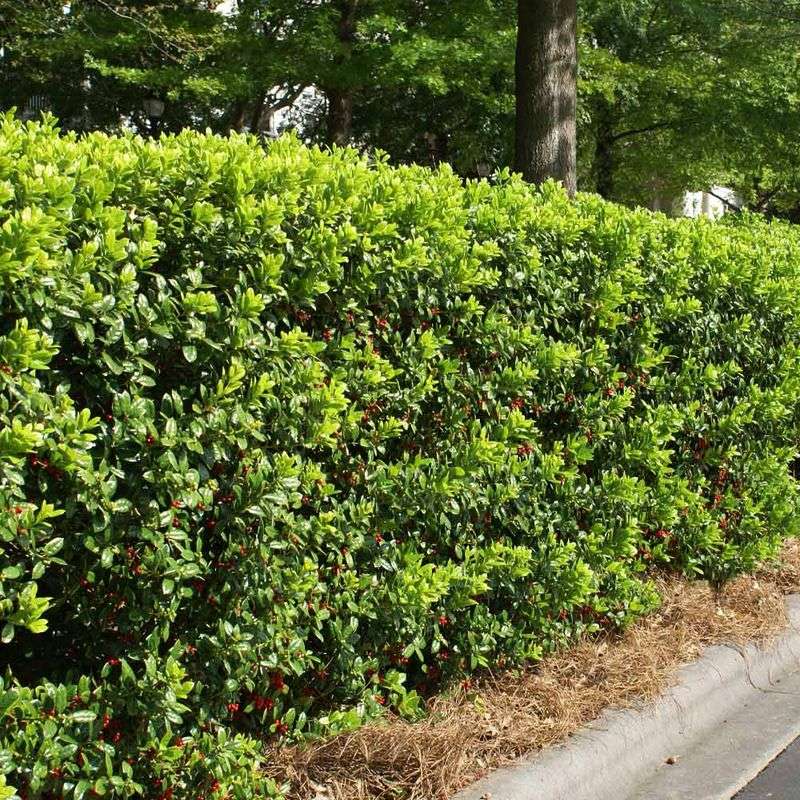
Holly shrubs are a common sight in Texas yards, especially around the holidays when their bright red berries make them look festive and welcoming.
But beyond their attractive appearance, hollies are also one of the most effective scorpion shelters you can plant without knowing it.
The combination of dense, spiny foliage and heavy shade at the base creates conditions that scorpions find very hard to pass up.
The lower branches of holly shrubs grow thick and close to the ground. The spiny leaves overlap so tightly that very little sunlight reaches the soil beneath them.
This creates a consistently cool, dark zone right at ground level. Scorpions are drawn to these kinds of sheltered spots because they help them stay cool and avoid predators during the day.
The spiny nature of holly leaves adds another layer of protection for any scorpion hiding inside. Birds, lizards, and other natural predators are less likely to poke around in a prickly holly shrub looking for a meal.
That makes holly not just a shelter but a genuinely safe refuge. Scorpions seem to know this intuitively.
Holly shrubs planted near entryways, garage doors, or along the sides of a house present the biggest concern. Scorpions resting close to the home can wander inside at night, especially if there are gaps around doors, pipes, or utility lines.
Regularly trimming the lower branches of holly shrubs to create more airflow and light underneath reduces the appeal of these spots.
Wearing heavy leather gloves when pruning holly is a must, both because of the sharp leaves and because of any unexpected wildlife that might be resting in the base of the shrub.